7 Native Ohio Groundcovers That Self-Seed In Shady Gardens
That bare, shady patch under your Ohio trees has been empty for years, and it doesn’t have to stay that way. Most groundcovers demand constant division and replanting to fill in a space, leaving gaps that take seasons to close.
A handful of Ohio natives skip that entirely. Drop them in once, and they self-seed on their own terms, spreading into bare soil without a single replanting session from you.
Shade usually limits options fast. Grass thins out, flowering plants struggle, and most gardeners settle for mulch instead of dealing with the hassle.
These natives treat shade as their preferred spot instead of a problem to work around. Seven groundcovers do this better than anything sold at a typical garden center.
Your shady patch has been waiting for exactly this kind of low-effort fix.
1. Common Blue Violets Build A Living Carpet
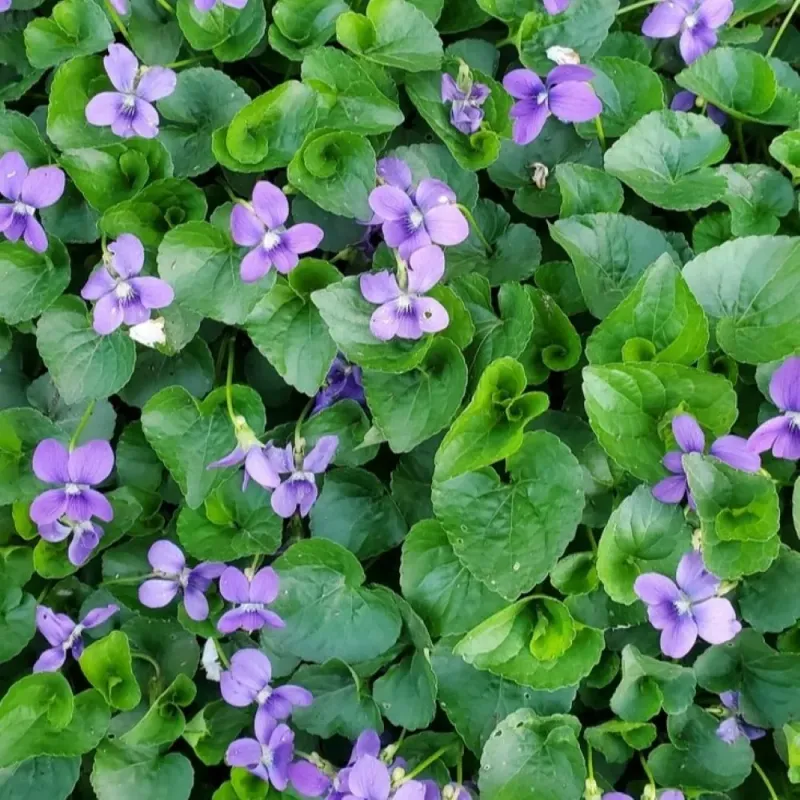
A patch of low green leaves quietly spreading beneath a shrub line is often the first sign that common blue violet has settled in.
Viola sororia is very common in Ohio, and Ohio State Master Gardener resources describe it as a useful green mulch beneath shrubs and in naturalistic beds.
That low, dense foliage really does function like a living layer over bare soil.
Spreading happens two ways. Underground rhizomes expand the existing patch outward from the original plant.
Seed production adds another layer of spread entirely. The showy purple-blue spring flowers attract early pollinators, but a second type of flower does most of the seeding work.
These late-season flowers never open at all. They remain closed, self-pollinate without any insect help, and quietly produce seed capsules.
Botanists call them cleistogamous flowers. OSU reports that when those capsules mature, they can propel seed several feet away from the parent plant.
That seed-launching behavior explains why volunteer violets can appear well beyond the edge of the original patch.
Viola sororia prefers moist, rich, well-drained soil and does well in wooded conditions and partial shade. Its adaptability is part of what makes it so reliable.
In naturalistic plantings or beneath deciduous shrubs, that prolific nature works in your favor. Gardeners who want tighter boundaries should remove unwanted seedlings while they are small and pull back rhizomes that creep beyond the intended area.
Common blue violet is not invasive, but it does reward a relaxed management style more than a rigid one.
2. Wild Geranium Fills Woodland Gaps Naturally
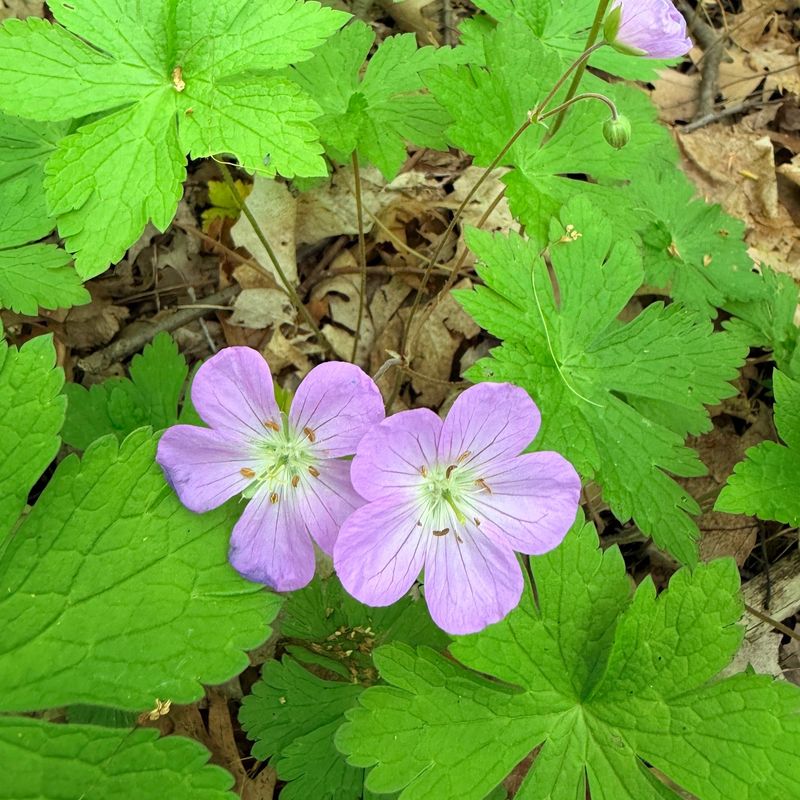
Scattered across Ohio’s spring woodlands, wild geranium is a familiar sight to anyone who walks wooded trails in April or May.
Geranium maculatum is confirmed as a native woodland species, and OSU identifies it as a recognizable member of Ohio’s spring flora.
Its role as a groundcover is less about forming a flat mat and more about gradually filling spaces through repeated clumps and volunteer seedlings.
After the pink to lavender flowers fade, distinctive seed capsules develop. Each capsule is sometimes called a crane’s bill because of its long pointed shape.
When the capsule dries and splits, it releases seed with a snapping action that sends seed outward from the plant. Gardeners who want natural reseeding should allow at least some flowers to mature fully before any cleanup.
Your Ohio Garden Changes Every Week. Your Plan Should Too.
Gardening in Ohio changes quickly throughout the season. Every Friday you’ll receive a simple weekly plan showing exactly what to plant, prune, fertilize, harvest, and protect so you never miss the right timing.
Removing every spent bloom works directly against that goal. University Extension sources confirm that wild geranium self-seeds readily under suitable conditions.
Partial shade and moist, well-drained soil suit it best. Established clumps tolerate a range of woodland conditions, though consistent moisture helps seedling establishment.
The divided, deeply lobed foliage is attractive through the growing season and adds texture between other native plants. Over several years, scattered seedlings and expanding clumps can create a relaxed, naturalized look in shady borders or open woodland gardens.
This is not a lawn substitute or a uniform carpet. Its value comes from the way individual clumps multiply and fill gaps without crowding out neighboring natives.
Patient gardeners are rewarded with a planting that looks increasingly natural over time.
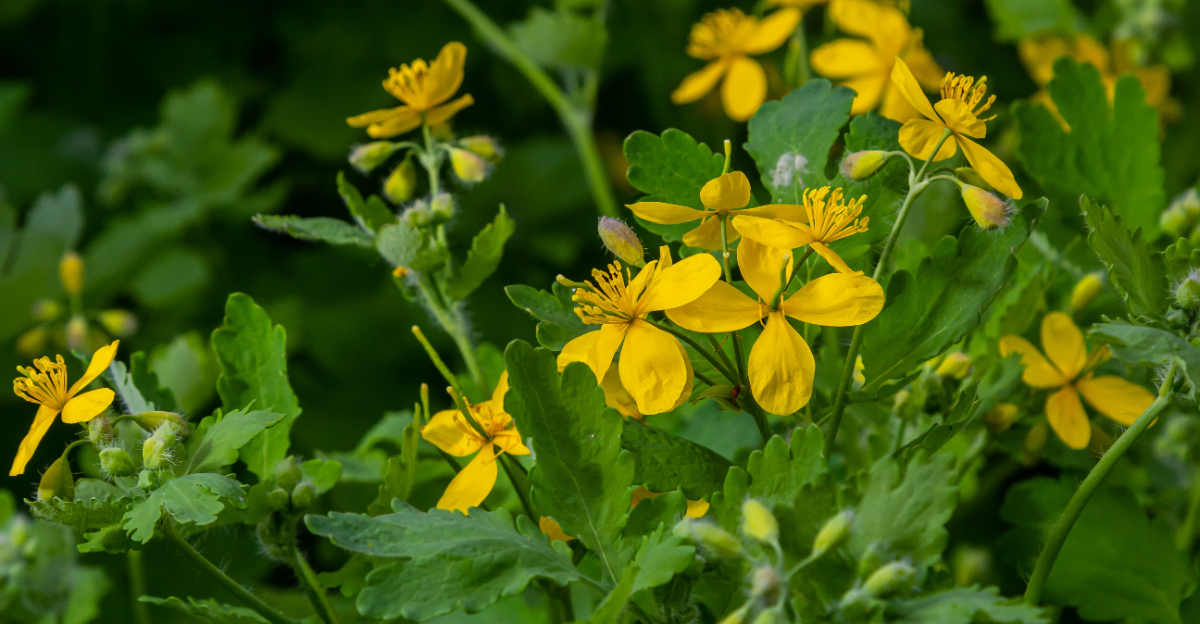
3. Celandine Poppy Spreads A Golden Spring Show
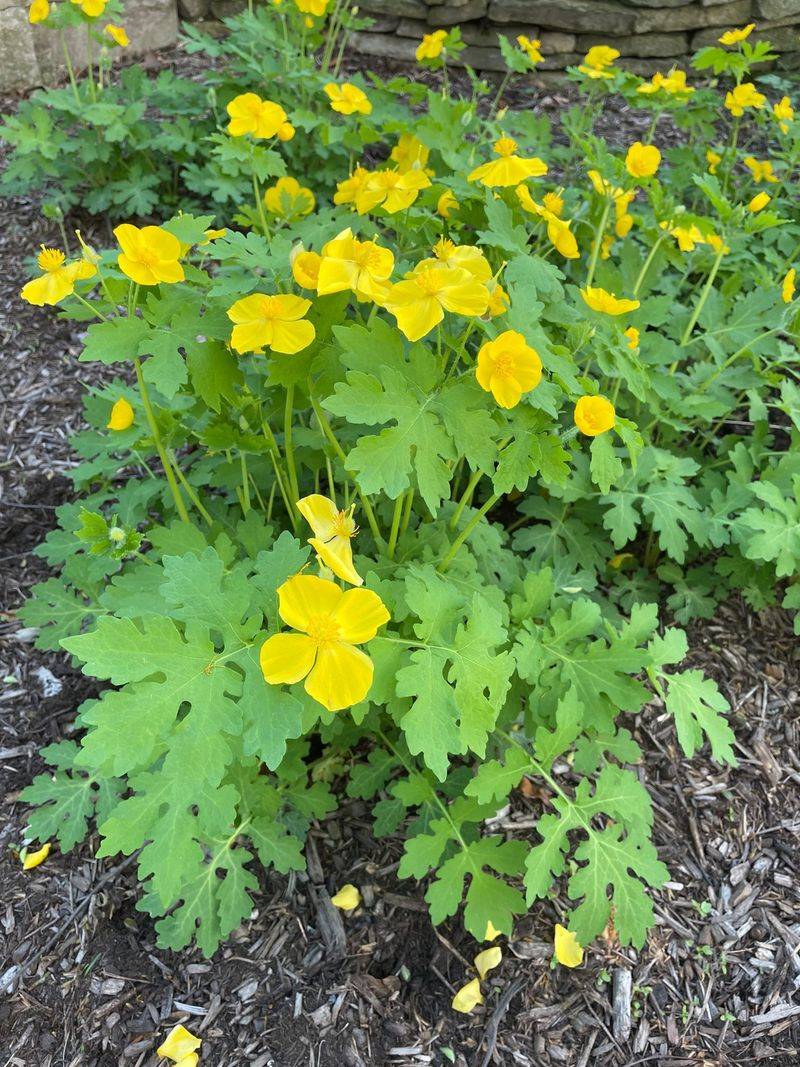
Bright yellow flowers rising from deeply lobed, blue-green foliage make celandine poppy one of the most visually striking plants in the Ohio woodland spring palette.
Also known as wood poppy, Stylophorum diphyllum is documented as part of woodland ground-layer vegetation by Ohio State sources.
Before going further, one distinction matters. Celandine poppy is not the same plant as lesser celandine, Ficaria verna.
Lesser celandine is a problematic nonnative species in Ohio. The two plants are unrelated, and confusing them is a common mistake worth avoiding.
Celandine poppy self-seeds through a process that involves both the seed capsule and a helpful insect. After flowering, bristly seed capsules develop and eventually split open to release seeds.
Many of those seeds carry a small, oily attachment called an elaiosome. Ants are attracted to that food body and carry the seeds away before dropping them.
This ant-assisted dispersal, called myrmecochory, helps celandine poppy seeds reach spots beyond where they simply fell.
University Extension sources document this behavior and confirm that the species can self-seed to gradually create additional plants in moist woodland beds.
Dappled or partial shade and moist, humus-rich soil produce the best results. Established plants may handle somewhat drier conditions as they mature, but consistent moisture supports stronger reseeding.
University Extension describes celandine poppy as capable of self-seeding without being highly aggressive. Unwanted seedlings are easy to remove when small.
Allowing the colony to expand naturally into open shaded areas is a low-effort way to build a golden spring display year after year.
4. Golden Ragwort Turns Shade Into Living Mulch
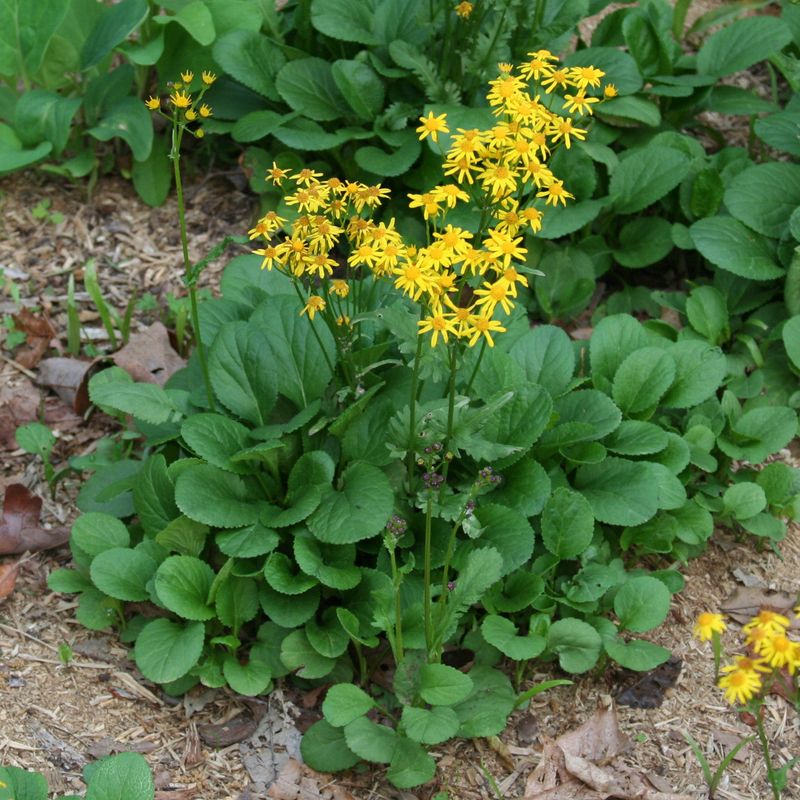
Low, dark green leaves spread across the soil surface in early spring before most other shade plants have even emerged. That basal foliage layer is the real story with golden ragwort, Packera aurea.
University Extension sources describe it as forming thick, spreading mats that cover open ground and reduce exposed soil. Of all the plants in this article, golden ragwort comes closest to functioning as a true, conventional groundcover in the classic sense.
Taller flower stalks rise above that leafy layer in spring, carrying clusters of bright yellow blooms. After flowering, seed is produced and can fall to create volunteer seedlings nearby.
Golden ragwort also spreads vegetatively through expanding basal rosettes and rhizome-like root connections. The groundcover effect comes from both processes working together, not from seed alone.
Gardeners who want the colony to expand naturally should allow some flower stalks to mature and set seed before removing them. Cutting them immediately after bloom limits that seed contribution.
Partial shade and moist soil suit golden ragwort well. Woodland edges, damp shaded borders, and low spots with reliable moisture are good fits.
The dense foliage layer covers bare ground and reduces the amount of open soil available for opportunistic weeds, though it does not prevent every weed from establishing. Calling it living mulch captures that soil-covering quality without overpromising.
Packera aurea is not invasive, but it does spread with purpose. Gardeners who want tighter boundaries can remove seedlings or pull back the expanding mat to keep the colony within its intended space.
5. Jacob’s Ladder Wanders Through Cool Shade
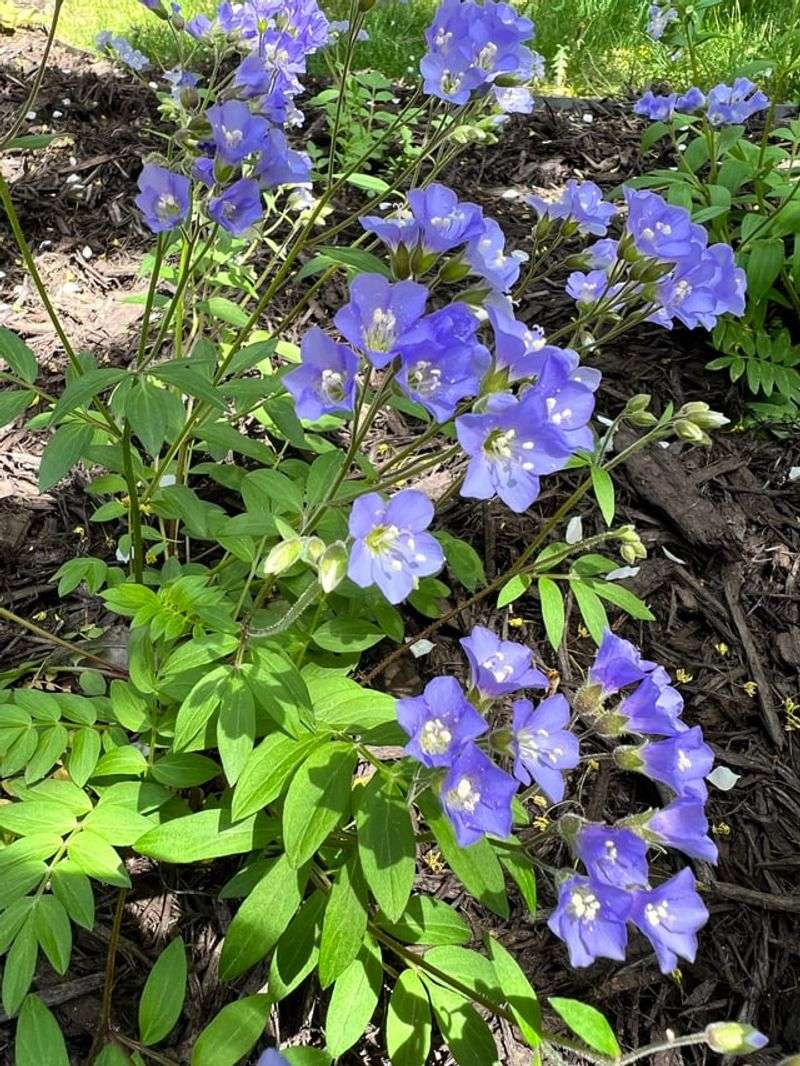
Rows of small, paired leaflets arranged along each stem like the rungs of a ladder give this plant its common name. Polemonium reptans, the native species, is listed by Ohio State among the woodland spring plants found in the state.
That ladder-like leaf arrangement is distinctive enough to make identification easy even before the soft blue flowers appear in spring.
Jacob’s ladder can both self-seed and spread through rhizomes, and university Extension sources document both processes. New stems can arise from rhizome activity in the existing colony, so not every new plant you see comes from a fallen seed.
Self-seeding does occur under favorable conditions, and volunteer seedlings can appear nearby. Together, these two processes allow established plants to gradually occupy more space in a relaxed, uneven way that suits woodland-style plantings well.
Part shade and moist, deciduous woodland conditions are where this species performs best. Drought tolerance is relatively low.
During extended dry periods, plants may go partially dormant rather than remain lush. Consistent moisture, particularly through summer, supports a healthier colony and better seedling establishment.
Heavy mulch can interfere with seed-to-soil contact, so keeping mulch light around areas where reseeding is wanted makes a practical difference.
Polemonium reptans suits gardeners who prefer a looser, naturalized planting over a perfectly uniform mat.
Scattered seedlings and creeping growth create an informal woodland effect that fills gaps between ferns, hostas, and other shade plants without crowding them.
Rapid coverage should not be expected. The spread is gradual, and that measured pace is part of what keeps it manageable.
6. Virginia Bluebells Multiply Into Spring Colonies
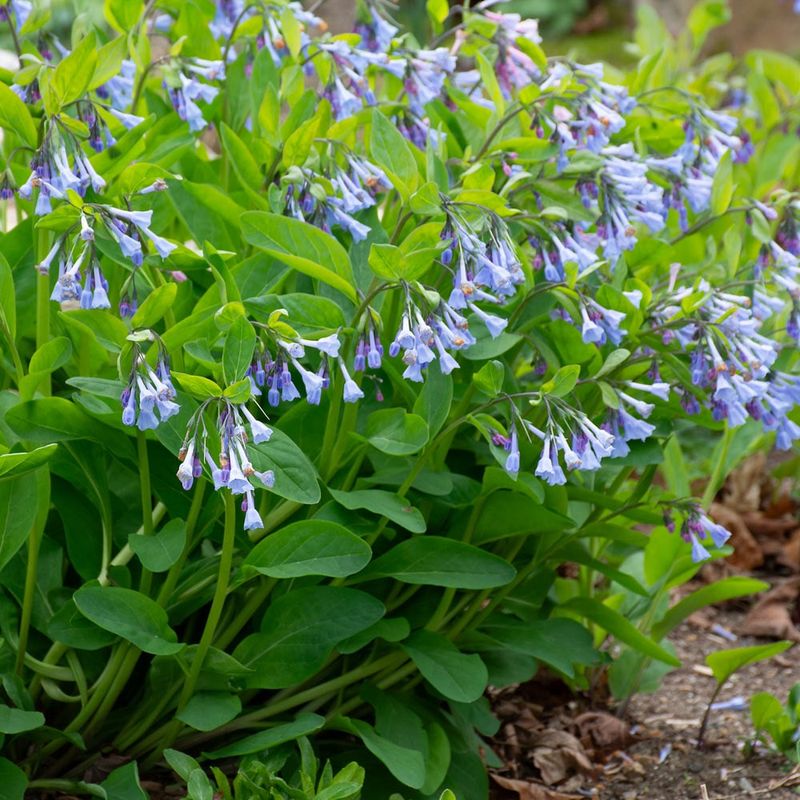
For a few weeks in April and early May, Virginia bluebells turn shaded floodplain soil into something extraordinary. The transformation from pink buds to sky-blue, bell-shaped flowers happens quickly.
OSU documents this species as occurring statewide across Ohio’s stream floodplains. Partial to full shade and moist, rich woodland soil are the conditions where it performs best.
Established plants can self-seed under suitable conditions, and university Extension sources confirm that colonies develop over time. Seed is one part of that process.
A single healthy planting can gradually produce enough volunteer seedlings over several seasons to create an impressive spring drift. Seedlings take time to reach flowering size, so patience matters.
An instant colony is not realistic. Frequent transplanting is generally discouraged because established plants settle in and perform best when left undisturbed.
The most important thing to understand about Virginia bluebells is their summer behavior. Foliage disappears completely as plants enter dormancy in early to midsummer.
They are spring ephemerals, meaning their above-ground presence is temporary. Visible ground coverage does not continue through the full growing season.
Pairing them with later-emerging shade plants is a practical solution. Hostas, ferns, and other shade perennials can fill the gap that opens when bluebell foliage fades.
Planning for that seasonal handoff is what separates a successful bluebell planting from a bed with a puzzling bare patch by July.
Allowing seed to mature before any spring cleanup gives the colony the best chance to expand naturally over successive years.
7. Wild Columbine Pops Up In Unexpected Places
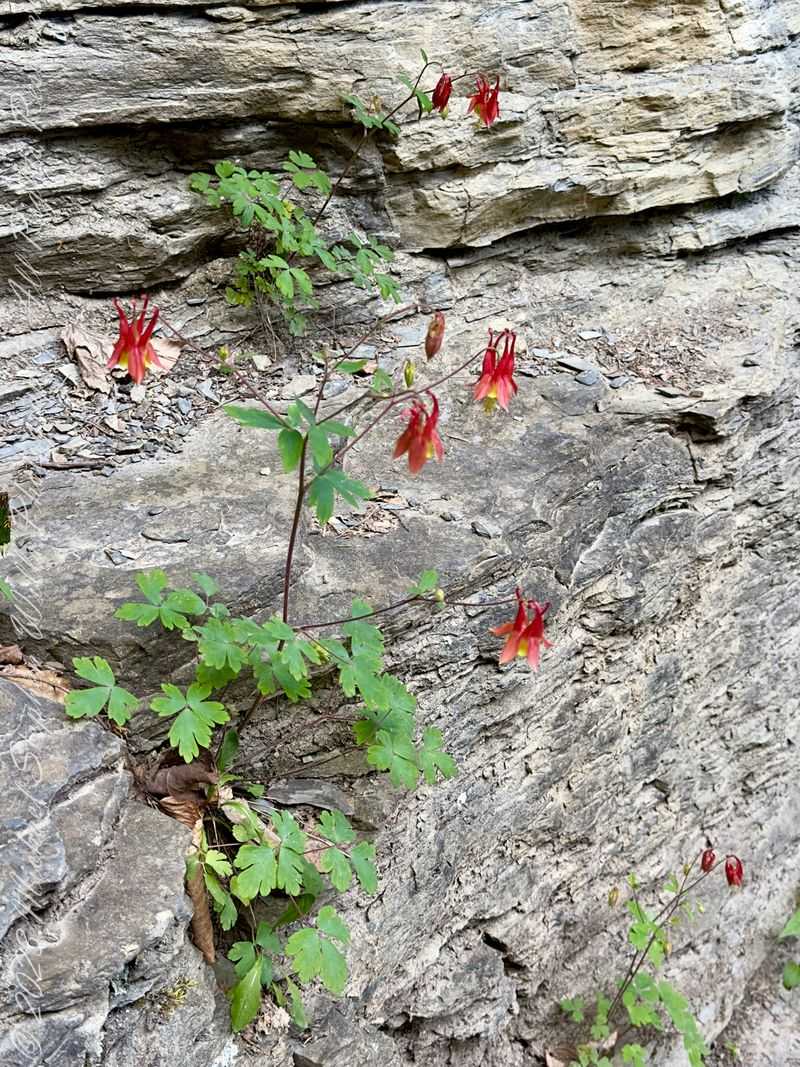
Slender stems carrying red and yellow nodding flowers appear in late April and May, often in spots where no one planted them. That is the signature behavior of wild columbine.
Aquilegia canadensis is native to the state, and university Extension sources specifically include Ohio within its native distribution.
Self-seeding is well documented for this species, and the way it distributes seed explains why volunteers show up in unexpected corners of the garden.
As seed pods mature, they dry and open at the tips, releasing small black seeds that can fall or roll away from the parent clump. Wind and slight disturbance move seeds further than gravity alone.
Over time, seedlings emerge between established plants, along shaded path edges, and at the base of tree trunks. That scattered, informal pattern is part of what makes wild columbine valuable in naturalistic woodland borders.
Gardeners who want more seedlings should allow pods to mature fully before any fall or spring cleanup. Removing pods early reduces the seed supply significantly.
Partial shade suits wild columbine well. It can tolerate more sun when soil moisture is adequate, but it is not a deep-shade specialist.
Moist, well-drained soil supports the best growth and reseeding. Ruby-throated hummingbirds are strongly associated with the flowers, and native bees also visit.
Aquilegia canadensis is taller and more open than a traditional carpet groundcover. Its value in the lower garden layer comes from repeated clumps and scattered volunteers filling gaps rather than forming a solid mat.
Unwanted seedlings pull out easily when small, making population management straightforward.