8 Unlucky Plants You Should Keep Out Of Your New York Home
That gorgeous plant on your windowsill might be hiding a few secrets of its own. Some are harmless myths, and some could send you racing to the vet.
A few popular picks carry old superstitions about bad luck and lonely hearts. Others pack real toxins that tempt curious pets and little hands reaching for bright berries.
Then there’s the escape artist. One popular fall decoration can drop seeds outdoors and crowd out native plants in nearby parks, gardens, and forests.
Whether you live in a tiny New York walk-up or a roomy farmhouse upstate, knowing which plants to skip saves you stress, pricey vet bills, and maybe a bit of luck.
1. Oleander, Unlucky In Folklore And Truly Toxic
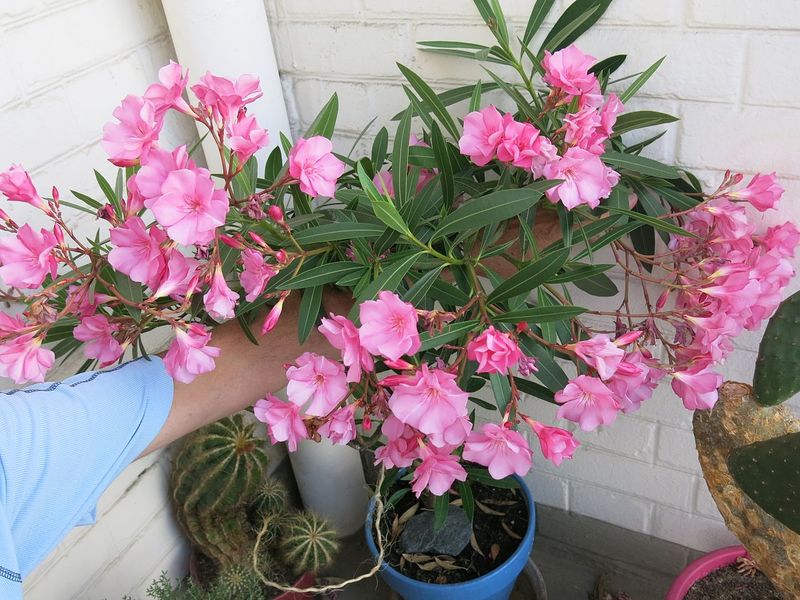
Long ago, Mediterranean travelers whispered that oleander brought sorrow into any home. Old tales even warned against using its branches as cooking skewers.
Here is the twist, though. Folklore got this one right, because every part of oleander is seriously poisonous.
Leaves, flowers, stems, and sap contain heart-affecting compounds called cardiac glycosides. Even a small nibble can cause vomiting, dizziness, and an irregular heartbeat.
Pets face real danger too. Cats, dogs, and even horses can become very sick after chewing a single leaf.
Many New York gardeners bring potted oleander indoors for winter. Sadly, that move puts the plant closer to curious paws and little hands.
Burning the clippings is another big mistake. Smoke from oleander can irritate your lungs and carry harmful compounds.
Gloves are a smart idea if you already own one. Wash your hands well after pruning, and keep sap away from your eyes.
Plant lovers who want similar blooms have safer options. Hibiscus offers big, bold flowers without the scary risk to your household.
Bougainvillea is another cheerful pick for a sunny patio. Its papery colors glow all summer and pose far less danger.
Fun fact: oleander is so tough it survived in Hiroshima after 1945. People admired its strength, yet toughness does not make it a friendly houseguest.
Your best move is simple and calm. Give oleander a pass, and choose a bloom that brings beauty without the worry.
2. Lilies, A Serious Danger For Cats
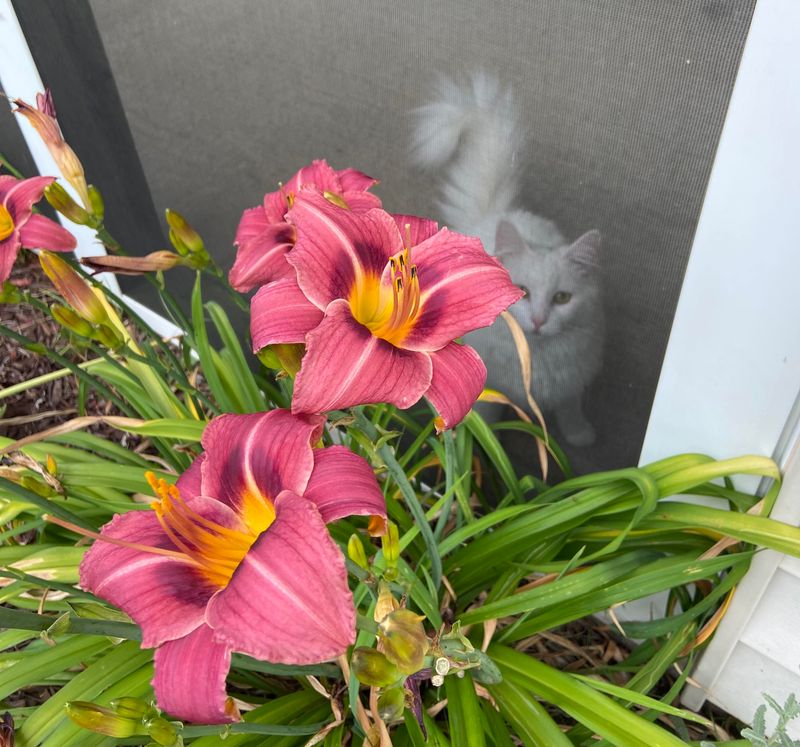
Ask any veterinarian about spring bouquets, and you may hear a heavy sigh. Lilies send more cats to emergency clinics than many people realize.
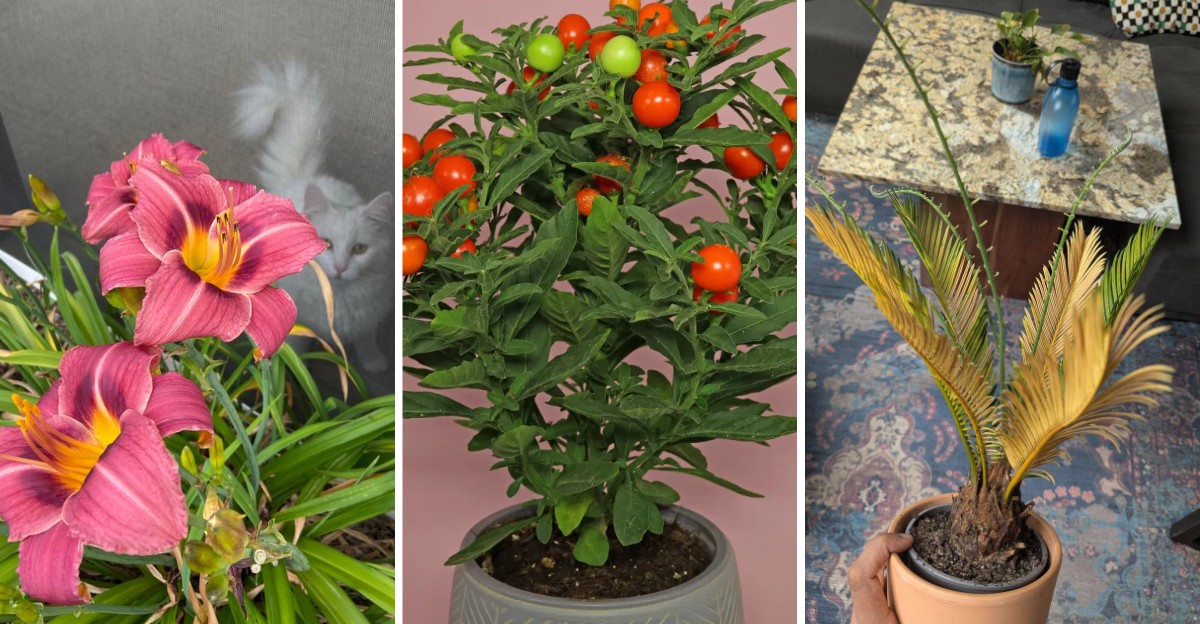
True lilies and daylilies are the main culprits. Easter lilies, tiger lilies, Asiatic lilies, and stargazers all belong on the worry list.
Tiny amounts cause big harm for felines. Licking pollen off fur or sipping vase water can trigger sudden kidney failure.
Warning signs often show up within a few hours. Watch for drooling, vomiting, hiding, or a cat who refuses food.
Quick action matters more than anything here. Call your vet or the ASPCA Animal Poison Control line right away if you suspect exposure.
Gift bouquets are the sneaky trouble spot. Friends in New York love sending lilies for birthdays, Mother’s Day, and holidays.
Speak up kindly before the flowers arrive. A simple note saying your home is lily-free can prevent a scary night.
Your New York Garden Changes Every Week. Your Plan Should Too.
Gardening in New York changes quickly throughout the season. Every Friday you’ll receive a simple weekly plan showing exactly what to plant, prune, fertilize, harvest, and protect so you never miss the right timing.
Already received a bouquet? Pull out the lilies and toss them in an outdoor trash bin, not the kitchen can.
Plenty of pretty swaps keep cats safer. Roses, sunflowers, snapdragons, and orchids add color without the kidney risk.
Here is a curious bit of history. Lilies once symbolized purity in ancient Greece, yet they bring anything but peace to cat owners today.
Your furry roommate trusts you to keep the place safe. Choosing a different bloom is a small favor with a huge payoff.
3. Sago Palm, A Hidden Hazard For Dogs
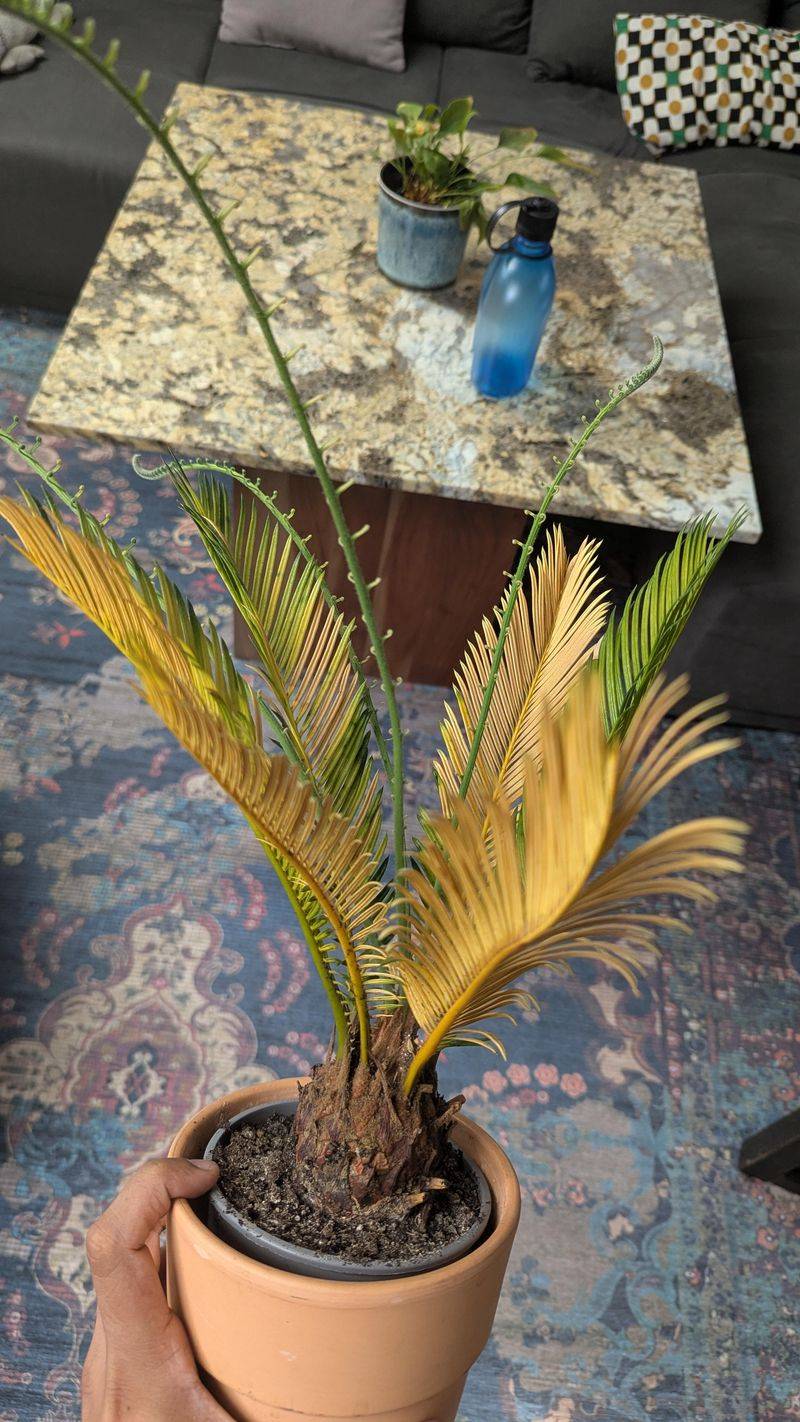
Sitting quietly in a pot, the sago palm looks like a tiny tropical vacation. Its feathery fronds seem harmless, almost friendly.
Underneath that calm look hides cycasin, a toxin that attacks the liver. Seeds carry the highest dose, though every part is risky.
Dogs are the most common victims. Many seem to enjoy chewing the seeds, which taste less bitter than you might expect.
Symptoms can start with vomiting and diarrhea. Later, a dog may show weakness, seizures, or bruising as the liver struggles.
Vets report that many poisoned dogs need intense care. Some pups face lasting health problems even after treatment.
Fun fact: the sago palm is not a palm at all. It is a cycad, an ancient plant group from the age of dinosaurs.
Lots of shops sell sagos as easy houseplants. They tolerate dry air and low care, which makes them tempting.
Families with pets or toddlers should pass, though. Kids can get sick too if they chew leaves or seeds.
Safer lookalikes exist for that breezy island vibe. Parlor palms and areca palms are both listed as nontoxic to pets by the ASPCA.
Already own a sago? Move it far out of reach, pick up fallen seeds, and consider rehoming it with a pet-free friend.
A curious dog nose finds everything eventually. Clearing this hazard now spares you a frantic trip to the animal hospital.
4. Jerusalem Cherry, A Festive Plant With Poisonous Berries
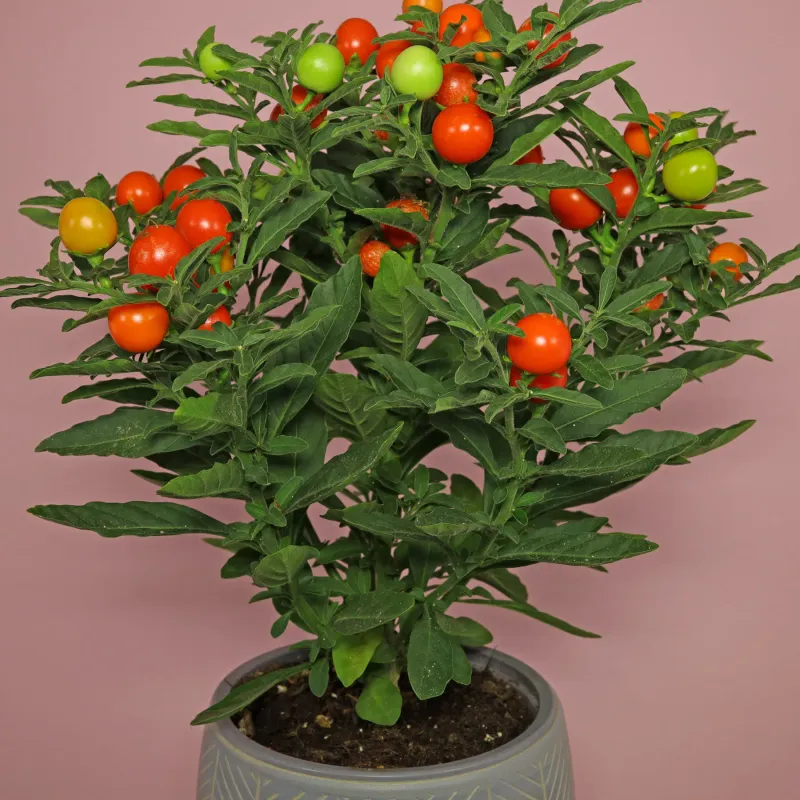
Every December, garden centers line up little pots bursting with glossy orange berries. They look like ornaments that grew on their own.
Meet the Jerusalem cherry, a holiday favorite with a dark side. Those cheerful berries are poisonous, especially to young children.
Solanine and solanocapsine are the troublemakers inside each fruit. Eating berries can cause stomach pain, vomiting, drowsiness, and sometimes a racing heart.
Toddlers are drawn to anything round and bright. To a small child, these berries look exactly like candy or cherry tomatoes.
Cats and dogs can get sick too. Pets may chew leaves out of boredom during long winter days indoors.
Here is an interesting family tie. The plant belongs to the nightshade group, along with tomatoes, potatoes, and eggplant.
Shoppers often grab one as a quick hostess gift. Pause and think about who lives in that home first.
Better festive picks are easy to find. Christmas cactus and African violets bring holiday color with much lower risk.
Poinsettias are mildly irritating but far less dangerous than their reputation suggests. Still, keep them up high around small pets.
Do you already have a Jerusalem cherry? Snip off the berries, wear gloves, and toss them outside in a sealed bag.
Holiday cheer should feel warm and carefree. Choosing a safer plant keeps the season merry for everyone in the house.
5. Oriental Bittersweet Wreaths That Spread Invasive Seeds
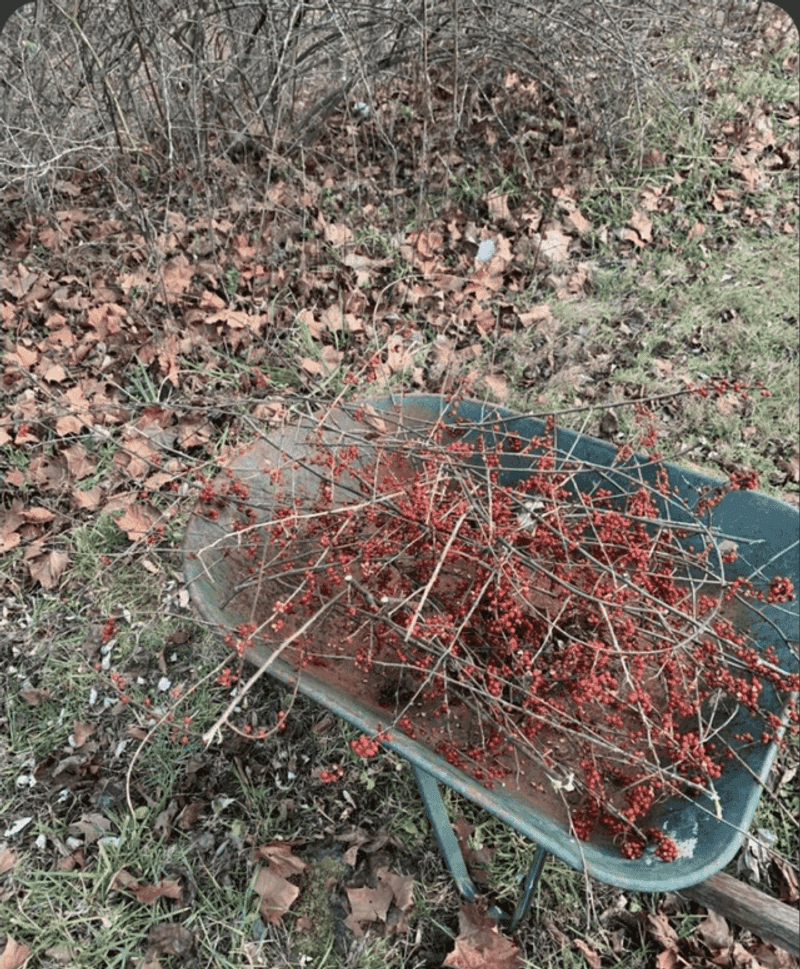
Autumn craft fairs love a good bittersweet wreath. Those orange and yellow berries look like tiny lanterns against a dark front door.
Behind the charm sits a real ecological headache. Oriental bittersweet is an invasive vine that smothers trees across the Northeast.
Birds are the delivery service. They eat berries from your decor and drop seeds in nearby parks and woods.
Once rooted, the vine wraps tightly around trunks. It can strangle young trees and pull down branches with its heavy weight.
New York lists oriental bittersweet as a prohibited invasive species. Selling or moving live plants is restricted under state rules.
Many people buy wreaths without knowing the difference. American bittersweet, a native cousin, is now rare partly because the invader crowds it out.
Spotting the culprit takes a quick look. Oriental berries grow along the stem, while native ones cluster at the tips.
Already hung one up? Bag the wreath tightly after the season and place it in the trash, never in compost or yard waste.
Plenty of fall decor feels just as cozy. Try dried wheat, mini pumpkins, pinecones, or winterberry holly from a native nursery.
A fun twist on old luck: some folks call bittersweet a symbol of love. Ironically, its grip on local forests is anything but loving.
Small choices at the front door ripple outward. Picking safe decor helps protect the woods you love to visit.
6. Hydrangea, Once Linked To Unmarried Daughters
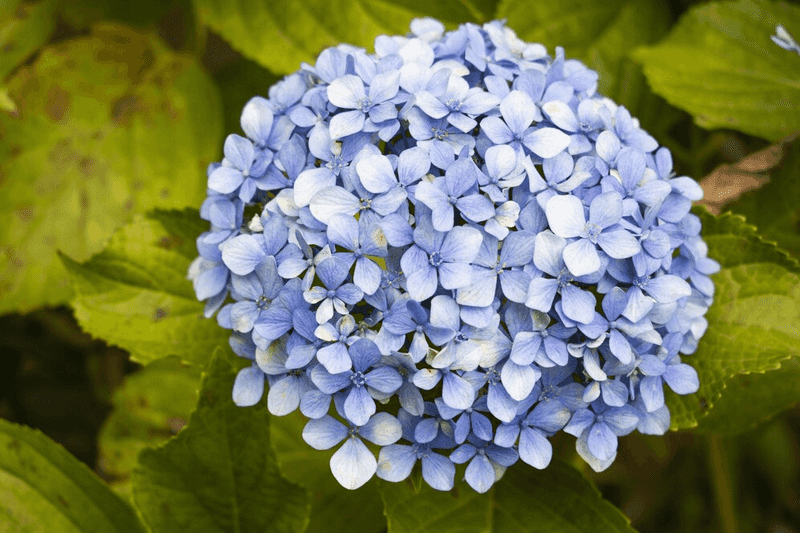
Victorian gossip could be surprisingly harsh about flowers. Back then, people believed hydrangeas near a home kept daughters from marrying.
Odd, right? The superstition may have come from the plant’s link to boastfulness and coldness in old flower language.
A young woman who grew them might be seen as vain. Neighbors supposedly feared she would scare away suitors.
Modern brides clearly disagree, since hydrangeas fill countless wedding bouquets. Still, the old tale lingers in some families.
Beyond folklore, there is a practical concern. Hydrangeas contain small amounts of cyanide-related compounds that can upset stomachs.
Pets who munch leaves may vomit or feel sluggish. Serious cases are uncommon, but caution makes sense around chewers.
Indoor hydrangeas also tend to struggle. Dry winter heat in apartments often leaves them crispy and droopy within weeks.
Outdoors, they shine much brighter. A shady yard on Long Island or in the Hudson Valley gives them room to thrive.
Here is a fun garden trick. On bigleaf hydrangeas, soil acidity changes bloom color, with acidic soil creating blue and alkaline soil creating pink.
White and panicle types stay the same no matter what.
Love the look but not the fuss? Keep hydrangeas in the garden and bring a few cut stems inside for short displays.
Whether you trust the old legend or laugh at it, a little care goes a long way. Your love life will likely be fine either way.
7. Cactus, Blamed For Prickly Energy In Feng Shui
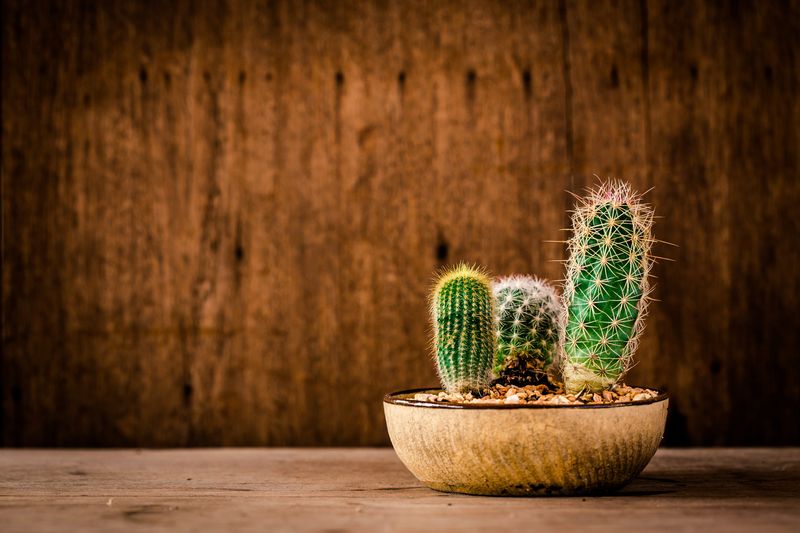
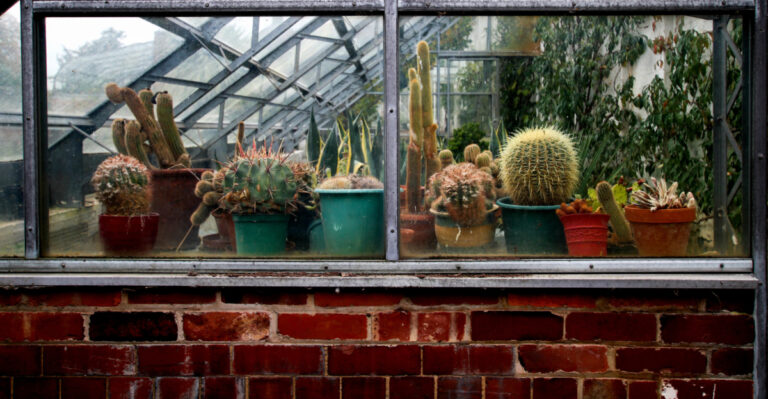
Picture walking through your front door and getting jabbed by a spiky pot. Feng shui experts say that feeling goes beyond your fingertips.
In this ancient Chinese practice, sharp shapes create what people call cutting energy. Spines are thought to stir tension and arguments.
Bedrooms and entryways get the strongest warnings. Many practitioners believe a cactus there invites restless sleep or prickly relationships.
Not everyone agrees, of course. Some feng shui fans place cacti outside to guard a home from unwanted energy.
Practical problems are easier to measure. Spines can lodge in small hands, paws, and noses, causing pain and infection.
Cats often bat at anything new on a shelf. A curious swipe can leave tiny glochids stuck in fur and skin.
Tweezers and tape help pull out stubborn spines. Wear thick gloves when repotting to keep your own fingers safe.
Fun fact: the saguaro cactus may not grow its first arm until around age 50. Patience is truly its superpower.
Small New York apartments rarely give cacti enough light anyway. Without a bright south window, they stretch and lean awkwardly.
Want easy care with softer vibes? Try a jade plant, often called a money plant, which feng shui links to wealth.
Rounded leaves feel welcoming and calm. Swapping spikes for curves might add a little peace to your daily routine.
8. Dried Flowers, Linked To Stale Energy And Dust
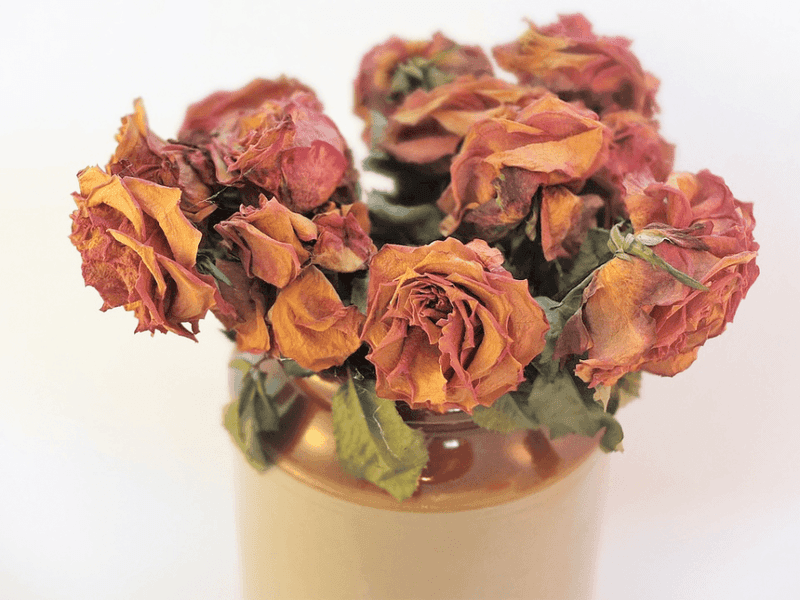
Pampas grass and dried roses are all over social media right now. They look soft, earthy, and perfect for a cozy shelf.
Feng shui takes a different view, though. Faded blooms are believed to hold stagnant energy that keeps a room feeling stuck.
Some people say they represent the past instead of fresh growth. Keeping them too long might block new chances, according to the idea.
Science offers a more down-to-earth concern. Dried stems collect dust quickly, and dust can bother people with allergies or asthma.
Brittle petals also shed tiny bits onto floors and furniture. Pets may chew crumbly pieces, especially if dyes or sprays were used.
Many New York homes already battle soot from busy streets. Adding dust magnets can make that cleaning job much harder.
Love the look anyway? Give arrangements a gentle blast from a hair dryer on the cool setting every few weeks.
Replacing them each season helps too. A fresh bundle every few months keeps things looking crisp instead of tired.
Here is a sweet history note. Victorians pressed flowers in books to save memories from courtships and special days.
Fresh greenery offers an easy upgrade. A pothos on a high shelf or a vase of tulips brings life without the dust.
Whether you follow feng shui or not, a fresh space feels lighter. Your home deserves plants that look as lively as you feel.