Water Your Florida Christmas Cactus This Way For A Full Show Of Holiday Flowers
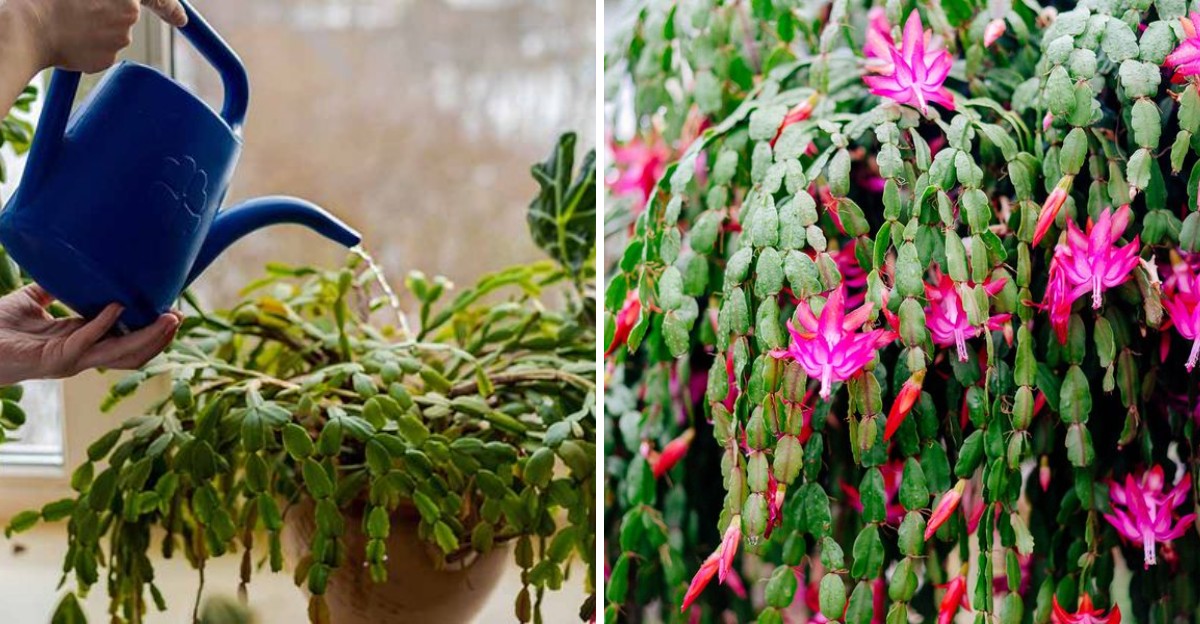
Most Christmas cactus owners get one thing backwards, and it shows up in December as a bare, flowerless plant.
Florida’s warm, humid air tricks these plants into acting like tropical cousins. Gardeners water on autopilot and wonder why the buds fall off before they open.
Cool nights and long darkness set the buds, but water decides how many of them make it to full bloom.
Too much, and the roots sulk. Too little, and the buds drop before they open.
The sweet spot is narrower than it sounds, and it follows a pattern most people never learn.
A tiny shift in your routine can mean a plant covered in color by the holidays instead of buds scattered on the floor.
Start paying attention before the buds form. Once they do, mistakes cost you the show.
1. Watering Won’t Trigger Flowers, But It Can Save Them
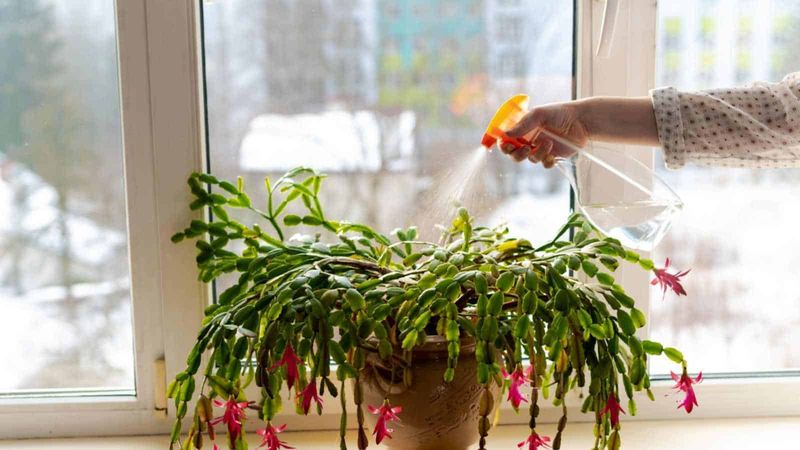
Here is a twist many gardeners miss. Water does not tell a Christmas cactus to start making flowers.
Bud setting comes from cool nights and long hours of darkness in fall. In Florida, that means waiting for those first breezy evenings when temperatures dip into the 50s or low 60s.
So what job does water do? It keeps the plant strong enough to carry those buds all the way to full bloom.
Think of buds like tiny water balloons. When the plant gets thirsty, it pulls moisture away from them first, and they can drop to the floor overnight.
Steady moisture helps roots stay healthy. Healthy roots then feed plump buds that open into wide, glowing flowers.
Too little water causes shriveled buds. Too much water swamps the roots, and the plant drops its blooms anyway.
Your goal is balance, not a flood or a drought. Once buds appear, pay extra attention to the soil every few days.
A small change in care can mean dozens more flowers. Treat water as the support crew rather than the star, and your holiday show will thank you with color.
2. Wait Until The Top Inch Of Soil Feels Dry
Your finger is the best moisture meter you will ever own. It costs nothing, and it is handy every single day.
Push a finger into the potting mix up to your first knuckle. That is about one inch deep.
If the soil feels cool and damp, walk away and check again in a day or two. If it feels dry and crumbly, grab the watering can.
Some growers like to wait until the soil is dry an inch or two down. Either way works, as long as you are checking instead of guessing.
Florida homes can be tricky. Air conditioning dries soil fast in summer, while cool winter days slow drying down.
A wooden chopstick works well too. Slide it into the soil, pull it out, and look for dark, damp bits sticking to it.
Lifting the pot gives another clue. A dry pot feels light, while a freshly watered one feels heavy, almost like a full lunch box.
Your Florida Garden Changes Every Week. Your Plan Should Too.
Gardening in Florida changes quickly throughout the season. Every Friday you’ll receive a simple weekly plan showing exactly what to plant, prune, fertilize, harvest, and protect so you never miss the right timing.
Fun fact: Christmas cacti grow in the wild on tree branches in Brazilian rainforests. Their roots are used to quick showers followed by short dry spells, which is exactly what this simple test copies.
3. Water Thoroughly Until It Runs Out The Bottom
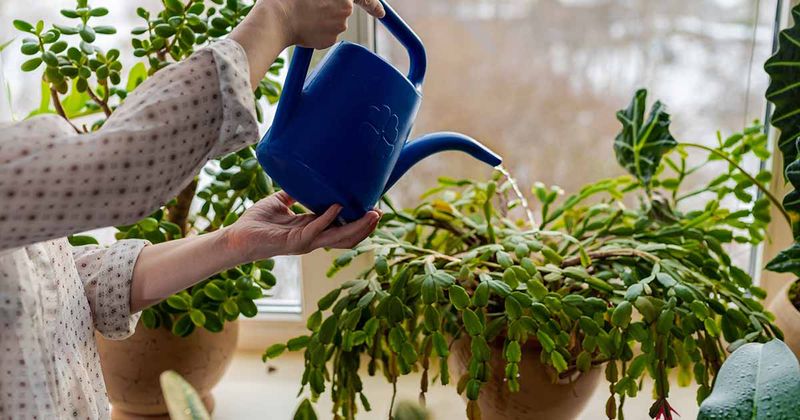
Little sips feel kind, but they leave roots wanting more. A good soak works much better.
When the top inch is dry, pour water slowly over the whole soil surface. Keep going until you see it trickle out of the drainage hole.
That drip tells you every root, top to bottom, got a drink. Shallow watering only wets the upper layer and leaves deeper roots thirsty.
The kitchen sink is a great spot for this job. You can water freely, let the pot drain for ten minutes, then put it back on display.
Next comes the step people forget. Empty the saucer or decorative outer pot so the roots are not sitting in a puddle.
Standing water is sneaky trouble. It soaks back up into the soil and keeps roots wet far too long.
Room temperature water is best. Cold water straight from the tap can shock tender roots, especially during bloom time.
Picture it like a rain shower in the forest. A heavy burst soaks everything, then the extra water rushes away, leaving the plant happy, refreshed, and ready to push out more color.
4. Don’t Let The Soil Dry Out Completely
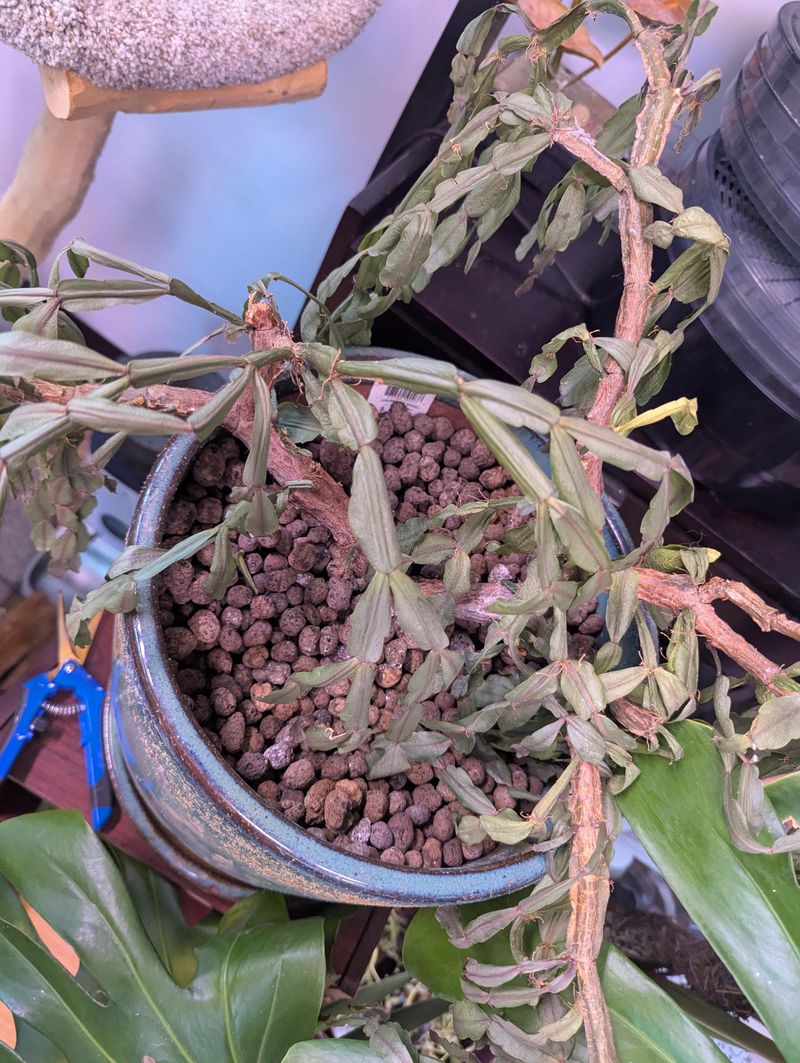
Despite the name, this plant is no desert tough guy. It is a tropical forest dweller wearing a cactus costume.
Desert cacti can go weeks with no water. Christmas cacti cannot handle that kind of thirst without showing stress.
When soil stays bone-dry for too long, the flat green segments start to wrinkle. They may look thin, droopy, or a bit reddish at the edges.
During bloom season, dryness causes the biggest heartbreak. Buds and open flowers fall off when the plant decides it cannot support them.
Aim for soil that feels lightly moist deeper down, even when the surface is dry. It is a sweet spot between soggy and parched.
Busy weeks happen to everyone. Setting a phone reminder to check soil every few days can keep your plant from slipping into a drought.
Going on a holiday trip? Water well before you leave and move the plant away from sunny windows so it dries more slowly.
Wrinkled segments usually bounce back after a good drink. Give it a day or two, and you may see those stems puff up again like they just woke from a nap.
5. Soggy Soil Can Rot Stems And Roots
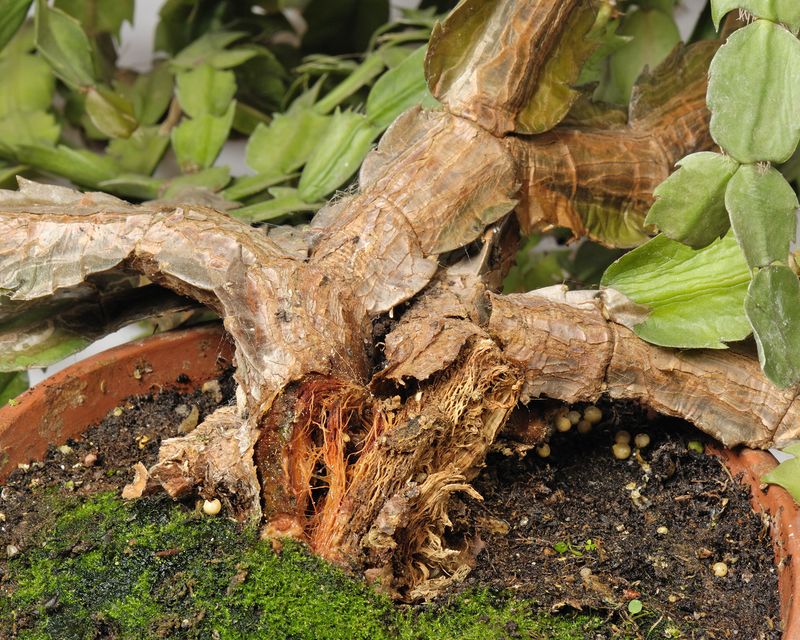
Love can drown a plant. Too much water is one of the most common ways people harm a Christmas cactus.
Wet soil pushes air out of the spaces between soil bits. Roots need that air, and without it they start to rot.
Here is the strange part. A plant with rotting roots may wilt, so owners think it is thirsty and water it again.
Watch for warning signs. Limp segments in wet soil, yellowing stems, black or reddish spots, and a mushy base all point to trouble.
Florida humidity adds to the problem. Moist air slows drying, so soil can stay wet for days after watering.
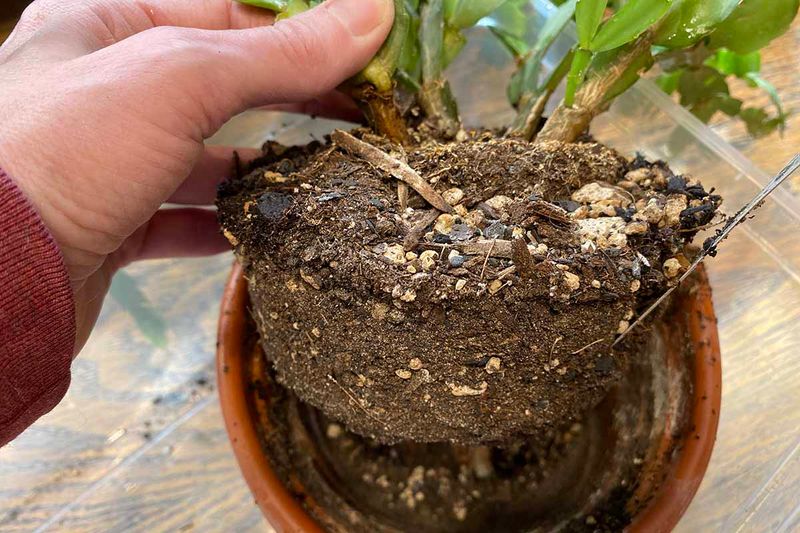
If you suspect rot, slide the plant out of its pot. Healthy roots look white or tan and feel firm, while rotted ones look brown and squishy.
Trim away the soft roots with clean scissors. Repot into fresh, fast-draining cactus or orchid mix and hold off on water for a few days.
Good news: healthy stem pieces root easily. Snip a few firm segments, let them dry for a day, and tuck them into fresh soil as backup plants.
6. Use A Pot With Open Drainage Holes
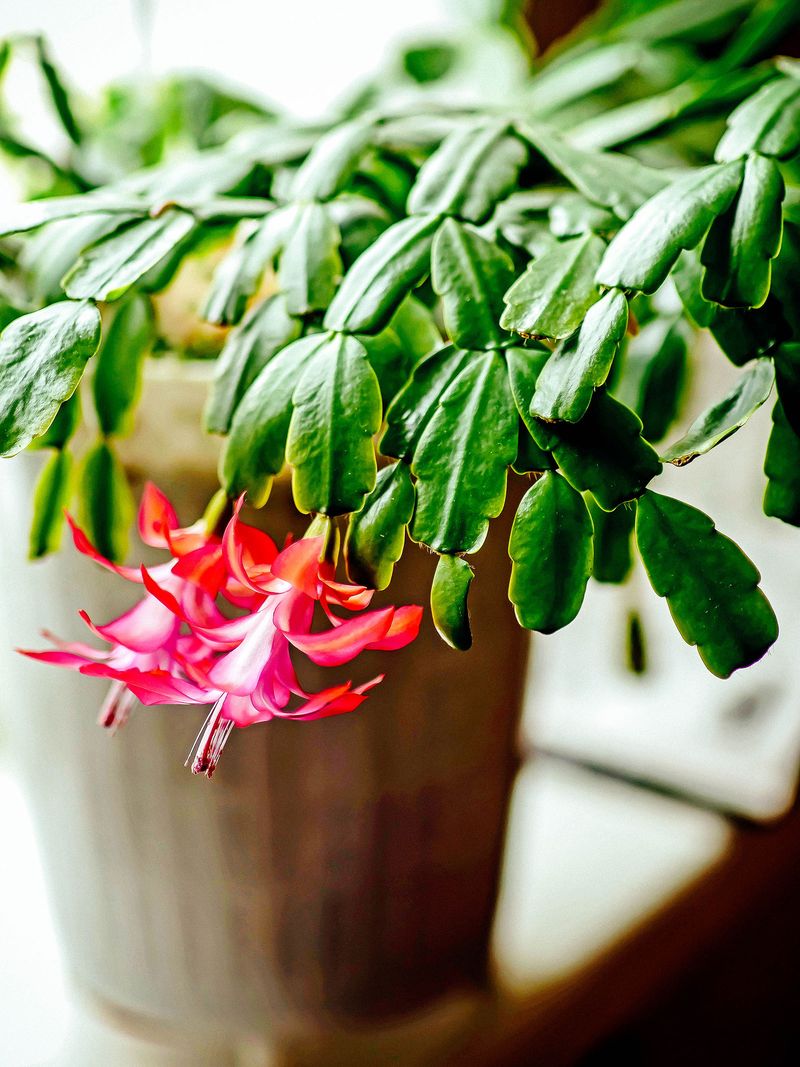
A pretty pot without a hole is like a bathtub with no drain. Water has nowhere to go.
Drainage holes let extra water escape after a soak. That keeps roots from sitting in a soggy pool at the bottom.
Flip any pot over before buying it. If you see solid bottom, use it as a decorative outer cover instead of a planting pot.
Terracotta is a favorite choice for Christmas cacti. The clay breathes, pulling moisture out of the soil and letting air reach the roots.
Plastic pots hold water longer. They can still work well if you water a bit less often and use a chunky, fast-draining mix.
Check that the hole stays open. Soil and roots can plug it over time, so poke it clear with a pencil now and then.
Skip the old trick of adding gravel to the bottom. Research shows it actually raises the wet zone higher, closer to the roots.
Many store-bought holiday plants come wrapped in shiny foil. That foil traps water, so poke holes in it or remove it once you bring your plant home.
7. Keep The Pot On The Small Side
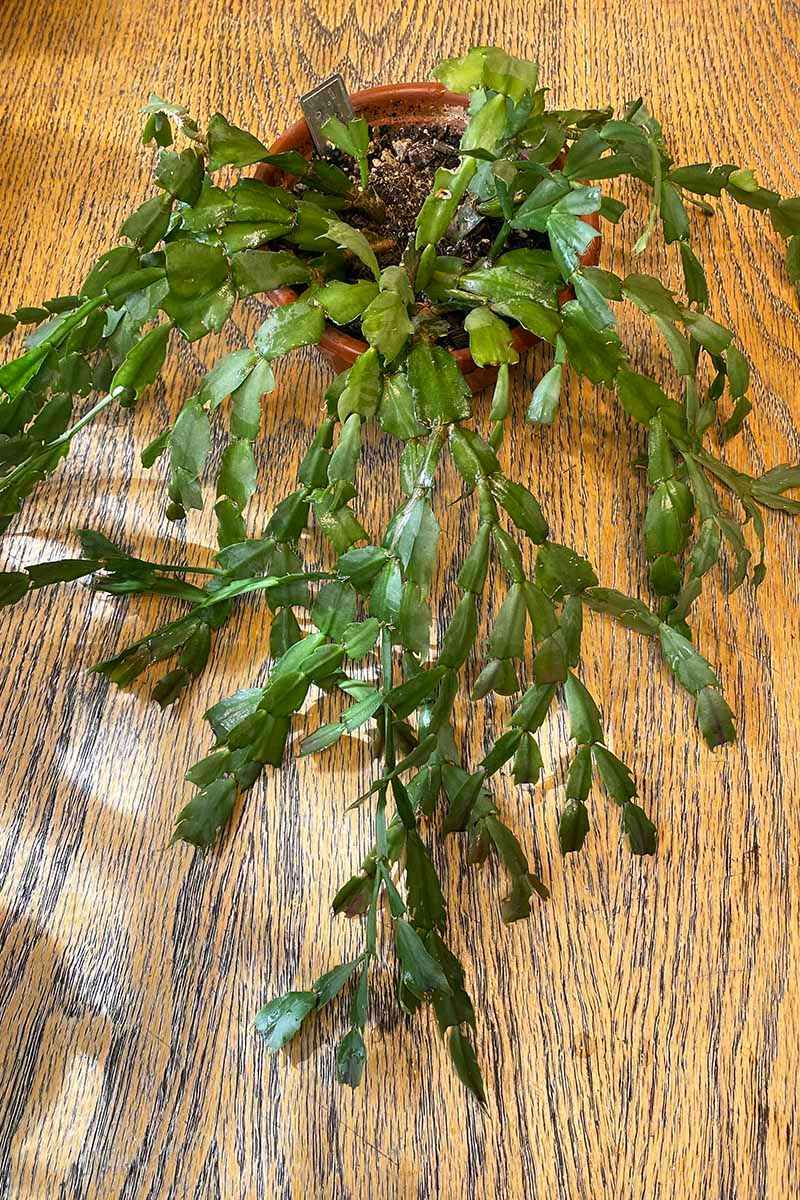
Bigger is not better for this plant. A Christmas cactus actually likes its home a little cozy.
Growers call it being pot-bound. Snug roots seem to encourage the plant to put more energy into flowers.
A large pot holds lots of extra soil. That extra soil stays wet long after the roots have taken what they need, which invites rot.
Repot only every two to three years. Spring, after blooming ends, is the best season for this chore.
Choose a new pot just one or two inches wider than the old one. Anything bigger can tip the balance toward soggy soil.
Gently loosen the root ball and shake off old mix. Fill around it with fresh, airy soil like cactus mix blended with orchid bark.
Avoid repotting right before or during bloom season. The move can stress the plant and cause buds to drop.
Many families keep the same Christmas cactus for decades. Some plants are passed down through generations, still living happily in modest pots, proving that a tight squeeze can lead to a long, colorful life.
8. Skip The Fixed Watering Schedule
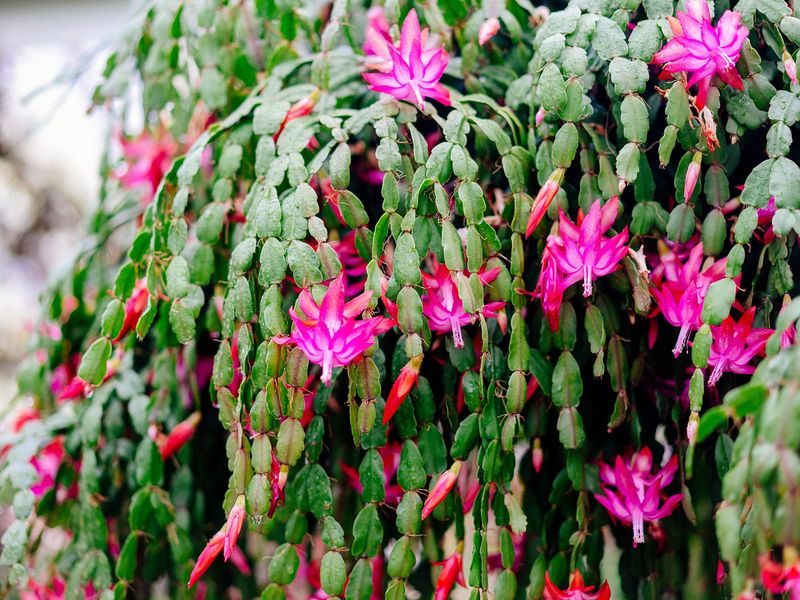
Every Sunday sounds easy to remember. Sadly, your plant does not read calendars.
How fast soil dries changes with the weather, the season, and the room. A strict schedule ignores all of that.
Summer in Florida brings heat and strong light, so soil may dry within days. Cooler winter weeks can stretch that to a week or more.
Pot type matters too. Clay dries faster than plastic, and small pots dry faster than big ones.
Soil mix plays a role as well. Chunky, bark-filled mixes drain quickly, while dense potting soil hangs onto water.
Instead of a fixed date, set a check-in routine. Feel the soil every few days and water only when the top inch is dry.
After bloom season ends, the plant takes a short rest. Ease off a little during this time and let the soil dry a bit more between drinks.
Think of it like checking a friend’s mood rather than following a script. Pay attention, respond to what you notice, and your plant will reward you with healthier stems and a brighter holiday display.
9. Rehydrate Bone-Dry Soil In Short Rounds
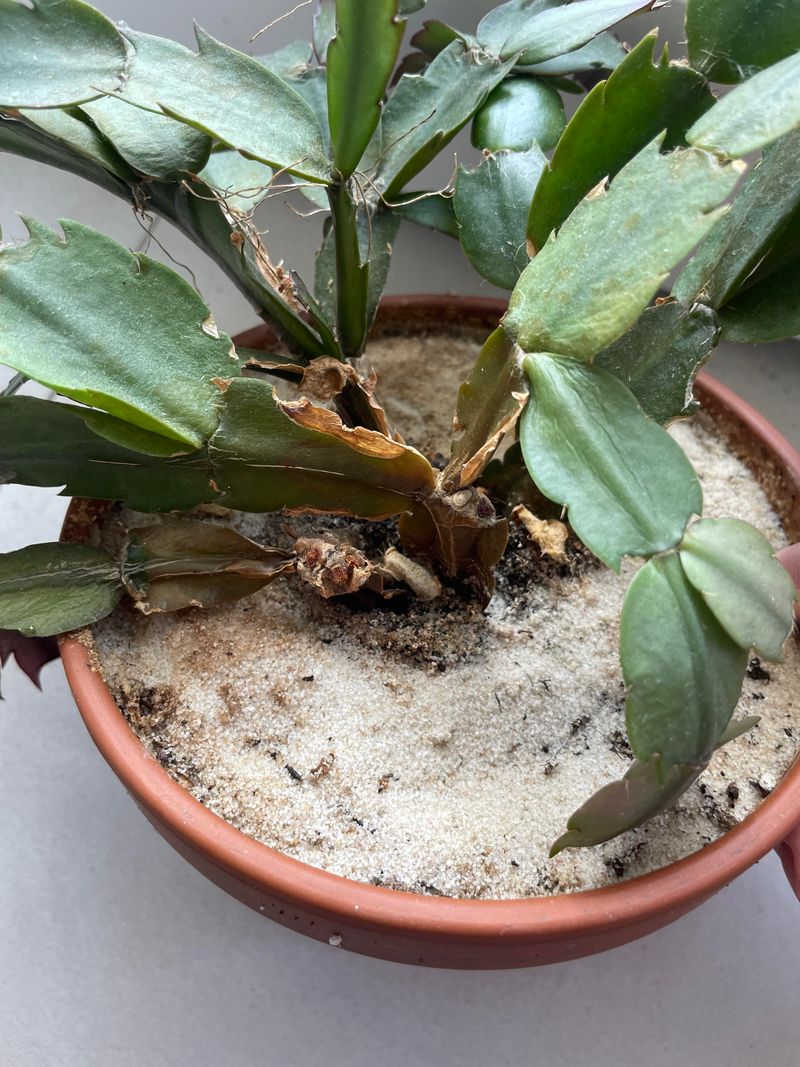
Ever poured water on a dry sponge and watched it slide right off? Bone-dry soil behaves the same way.
Once potting mix gets too dry, it shrinks and pulls away from the pot. Water rushes down the sides and out the hole without soaking in.
Start by loosening the surface. Gently poke several holes with a wooden skewer, avoiding the main roots.
Next, water in short rounds. Pour a little, wait five minutes, then pour a little more so the soil can slowly absorb it.
Bottom watering works wonders too. Set the pot in a bowl with two or three inches of water for about twenty minutes.
The soil will drink upward like a straw. When the surface looks dark and feels damp, lift the pot out and let it drain well.
Do not leave it sitting in water for hours. That can swing the plant from too dry to too wet very quickly.
Within a day or two, wrinkled segments often plump back up. It is a satisfying comeback, and your plant may still have time to shine for the holidays.