Finish These Garden Tasks Before October Arrives In New York
September in New York smells like cut grass, ripe tomatoes, and the first hint of woodsmoke. Mornings turn crisp, but the soil still holds summer warmth, creating a brief window to prepare the garden for what comes next.
That overlap is the sweet spot. Roots are still growing, cool-season plants can get established, and the work you do now can pay off when spring arrives.
Miss the window, and you may find yourself playing catch-up next year. Get it right, and a few weekends of work can pay you back for months.
1. Repair Thin Lawn Areas Before Fall Growth Slows
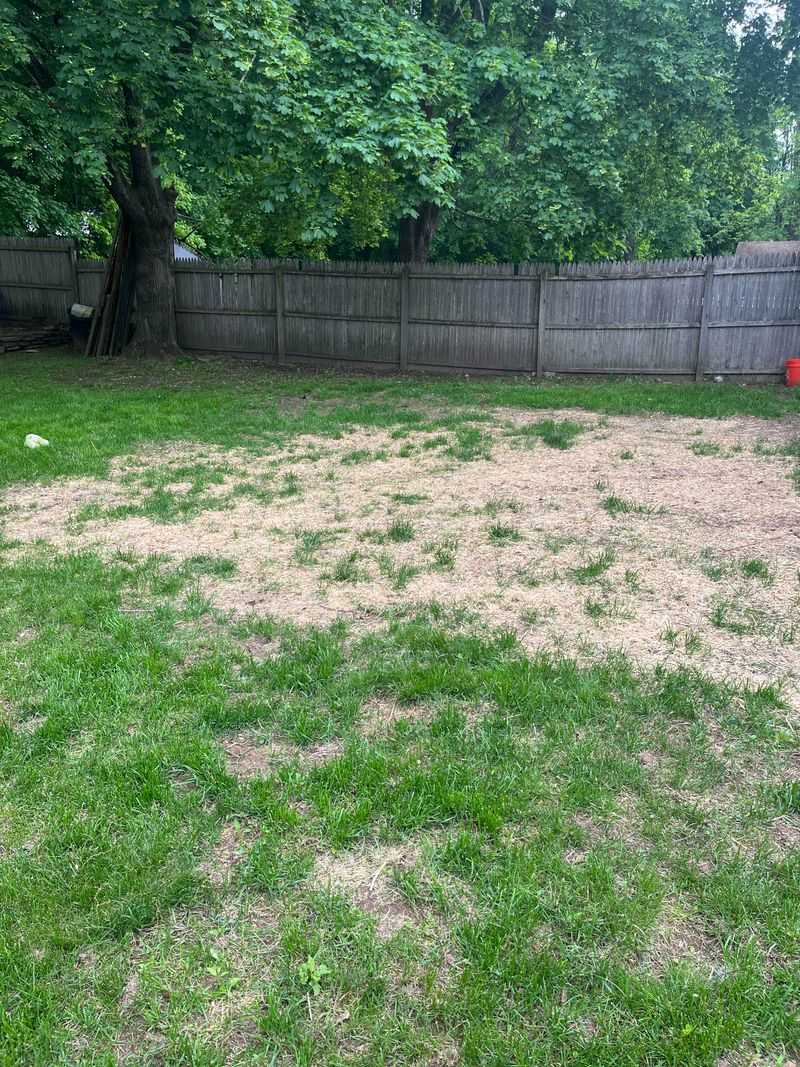
Bare patches have a way of showing up right where everyone walks. Early fall is when you can fix them with the least effort and the best results.
The window from early September to mid-October is prime overseeding time for cool-season grasses. Soil temperatures sit around 50 to 70 degrees, which is exactly what seed needs to sprout and push roots.
Cooler air, steadier moisture, and far fewer weeds competing for space all work in your favor. That combination is tough to match in spring, when crabgrass gets a head start.
Perennial ryegrass can go down anytime from late August through early October. Tall fescue prefers a little more warmth, so aim for the second half of August into the first half of September.
Rake the thin spots first so seed touches actual soil instead of resting on thatch. A thin layer of compost on top helps hold moisture during those dry September stretches.
Keep the seedbed lightly damp for two to three weeks rather than soaking it once and walking away. Short, frequent watering wins here.
Mark the patched areas with a few stakes so nobody parks a wheelbarrow on your fresh grass. Small step, big payoff.
2. Sow Cool Season Vegetables Before September Ends
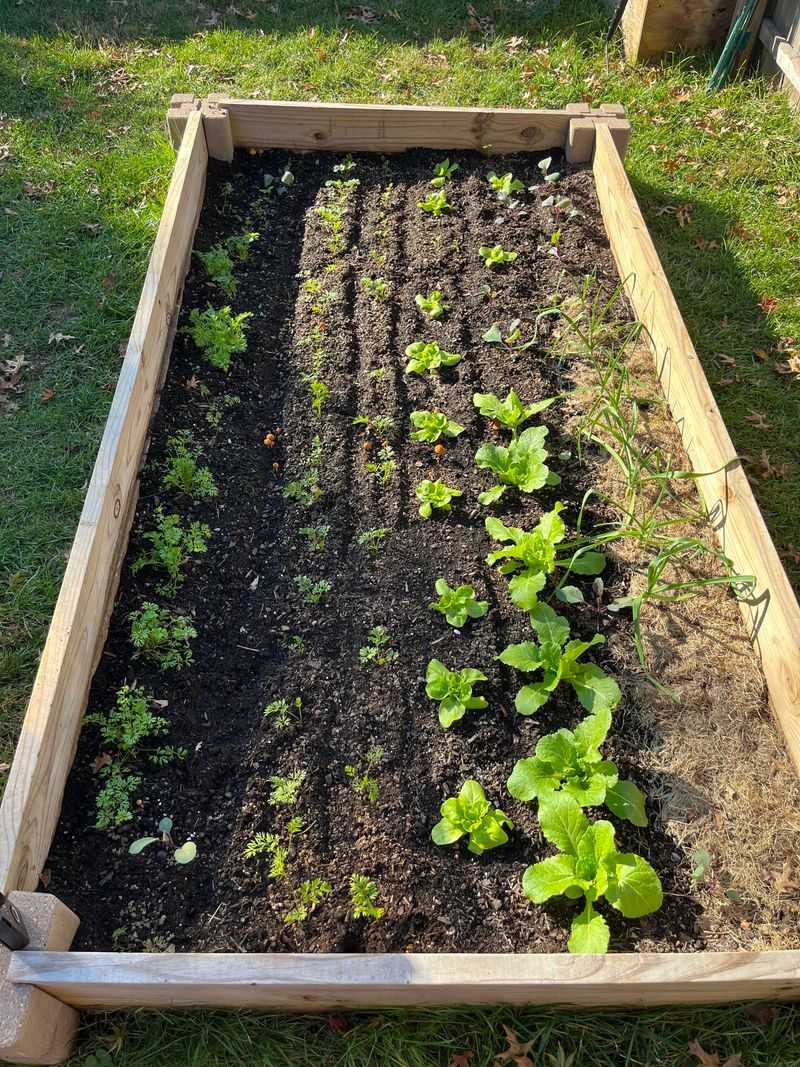
Autumn vegetables taste better, and that is not just gardener pride talking. Cool nights and bright days push many crops to turn sweeter and nuttier.
Gardeners who sowed seeds or set transplants in July and August can harvest right through September, October, and November. If you have not started, quick crops still have a shot.
Brassicas shine in this season, so think broccoli, cabbage, cauliflower, radish, and turnip. They handle chilly mornings without complaint.
The general cutoff for fall planting across the state lands somewhere between September and October. Check the days to maturity on each seed packet and count backward from your first hard freeze.
Hardier crops can be mulched heavily and pulled from the ground well into winter. Tender types like lettuce, squash, and beans may take damage from a hard freeze in late October or early November, something growers in Rockland County know firsthand.
Row cover or a simple low tunnel buys you extra weeks for very little money. Toss it over the bed when a cold night is forecast.
Water new seedbeds gently so seeds stay put. A shallow, consistent drink beats a heavy blast every time.
3. Plant Spring Flowering Bulbs Before The Soil Cools
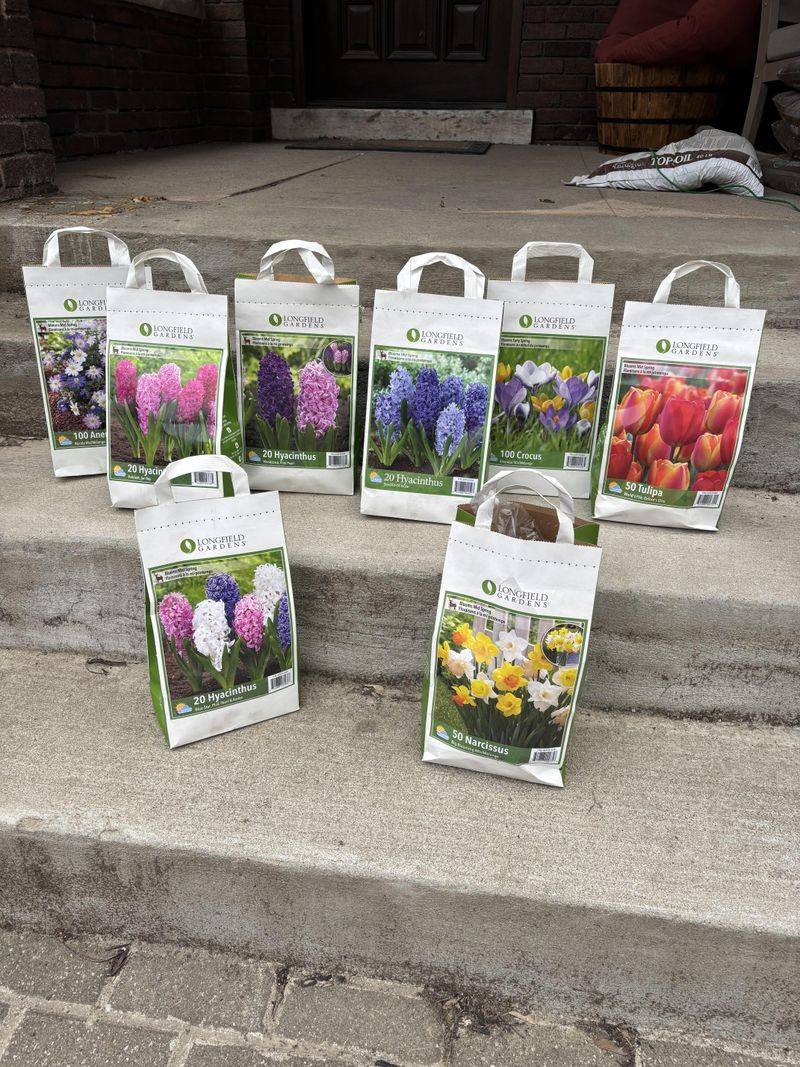
Bulb planting is the most optimistic job in the garden. You bury something plain in cold soil and trust it to hand you color in April.
Your New York Garden Changes Every Week. Your Plan Should Too.
Gardening in New York changes quickly throughout the season. Every Friday you’ll receive a simple weekly plan showing exactly what to plant, prune, fertilize, harvest, and protect so you never miss the right timing.
Late September through late November is the working window for daffodils and tulips. The goal is getting them in before the ground freezes solid.
Soil temperature matters more than the calendar. Plant spring bulbs once the soil has cooled into the 40s and 50s, while it remains workable and before the ground freezes.
Timing shifts with the region. Gardeners in Upstate and Northern New York, sitting in USDA Zones 4 and 5, should aim for early to mid-October.
In the Hudson Valley and Catskills, daffodils go in from mid-October through month’s end, while tulips can be planted throughout October. Down in New York City and on Long Island, warmer coastal soil often lets you wait until November.
Plant as early as practical in fall so bulbs have time to establish roots before the ground freezes, but don’t skip planting simply because you’ve missed the ideal window. That head start lets roots anchor properly.
Plant large bulbs such as tulips and daffodils about 6 to 8 inches deep, while smaller bulbs generally need about 3 to 4 inches of soil above them. Smaller bulbs need only two to three inches of cover.
4. Move Overcrowded Perennials While Soil Is Still Warm
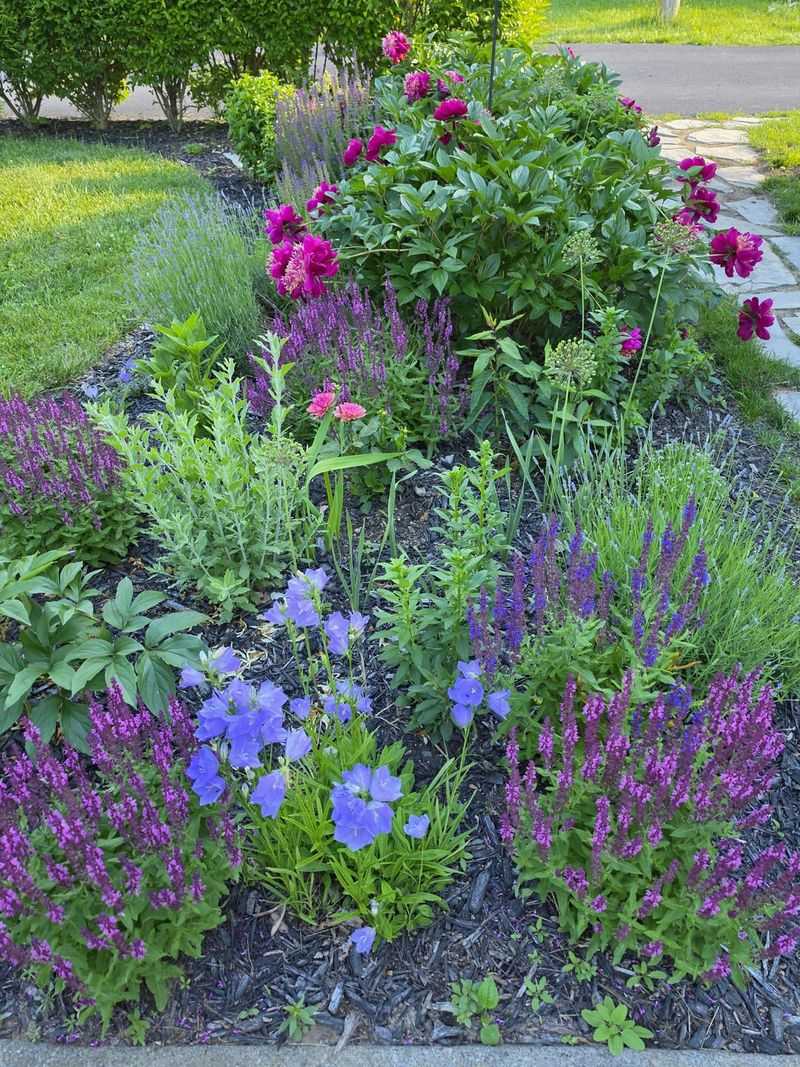
Ever notice a hosta clump that stopped filling out in the middle? Crowding is usually the culprit, and fall is the season to fix it.
Warm soil paired with cool air is an ideal combination for moving perennials. Roots keep growing even as the leaves above slow down.
Dig a generous circle around the clump rather than slicing close to the crown. You want as many roots as you can reasonably lift.
Once the clump is out, pull or cut it into sections that each have healthy roots and a few growing points. A sharp spade handles tough daylily and ornamental grass crowns.
Replant at the same depth the plant was growing before, then water thoroughly to settle the soil around the roots. Air pockets slow establishment more than people expect.
Doing the work earlier in fall gives divisions weeks to settle in before deep cold arrives. Waiting too long leaves them loose and vulnerable to frost heaving.
Hold off on heavy mulch until the ground has cooled and plants have gone dormant. Clearing plant debris from the bed first makes that later mulching job much cleaner.
Keep new transplants watered through any dry September spell. Consistency beats volume.
5. Clear Spent Annuals From Garden Beds
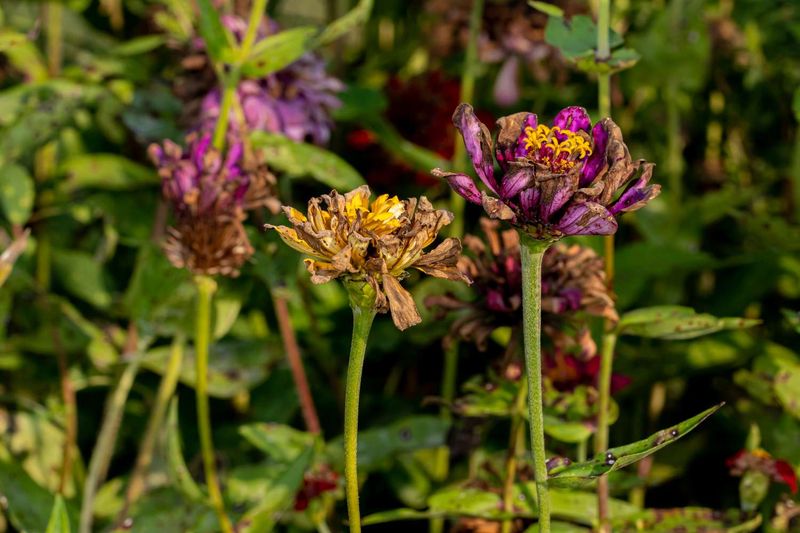
By late September, the petunias look tired and the marigolds have gone leggy. Pulling them is oddly satisfying, like tidying a desk after a long project.
Removing spent annuals and plant debris is a standard step when prepping beds for the cooler months. Clean beds also make mulching far easier later on.
Tug plants out while the soil is still soft and roots slide free. Waiting until the ground is cold turns an easy job into a wrestling match.
Not everyone clears everything, and that is fine. Some gardeners leave faded annuals in place to act as free mulch and provide winter shelter for small creatures, which also trims the workload.
A reasonable middle ground works well. Pull anything that looked diseased this summer, and leave healthy, seed-bearing stems for the birds.
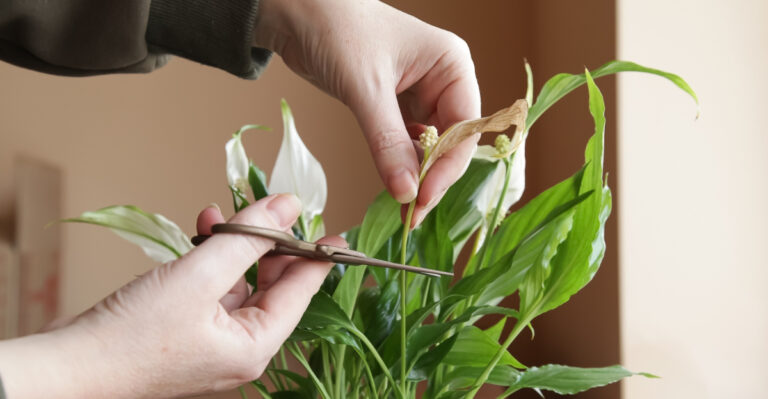
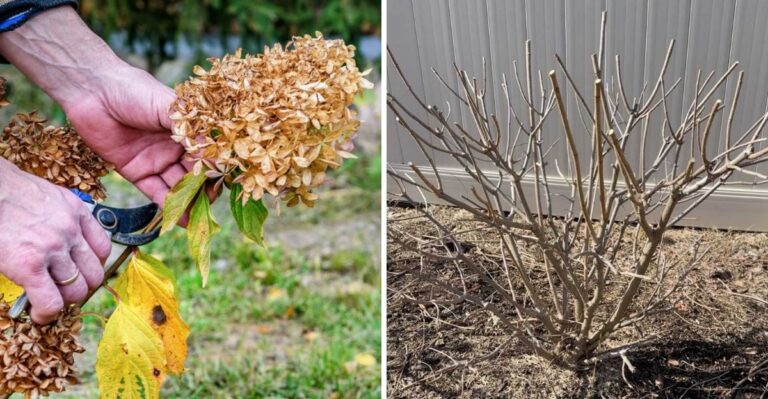
For perennials, trimming back overgrown or spent foliage keeps stems from becoming a wind hazard. It also removes hiding spots that pests like to use.
Toss healthy material on the compost pile and bag anything with mildew or spots. Diseased debris in compost tends to come back around.
While the bed is bare, work in an inch of compost. Worms will pull it down over the winter without any help from you.
6. Remove Fallen Leaves Before They Pile Up
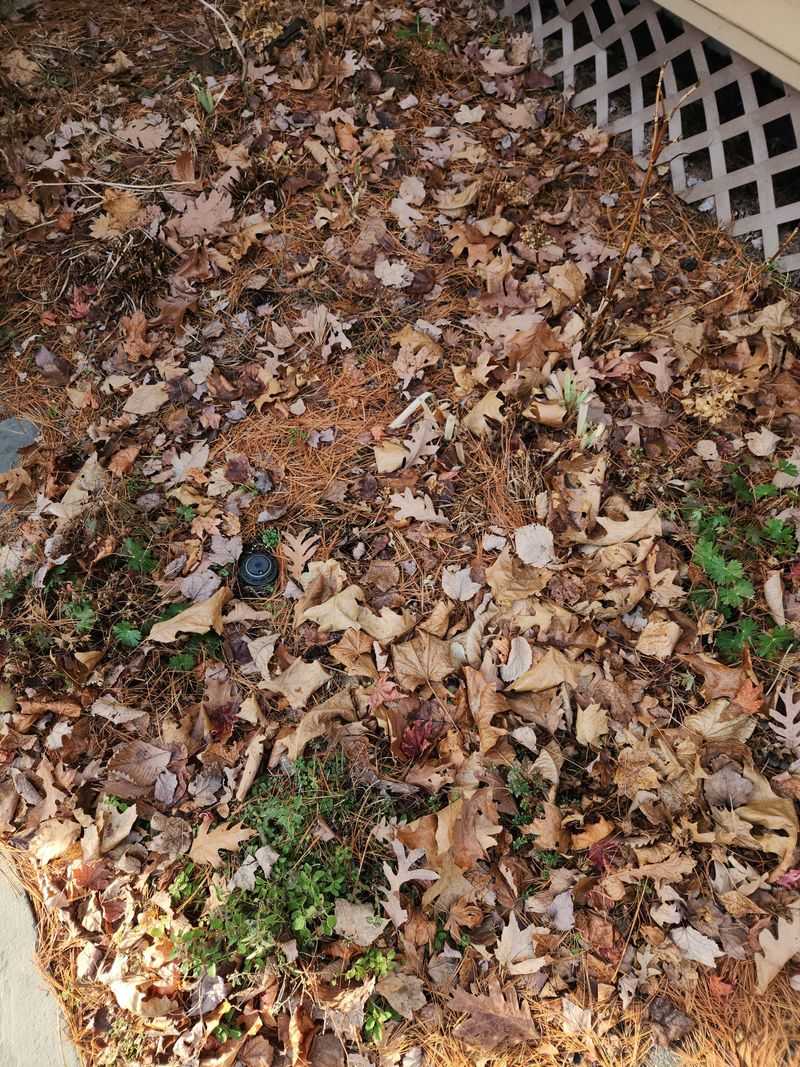
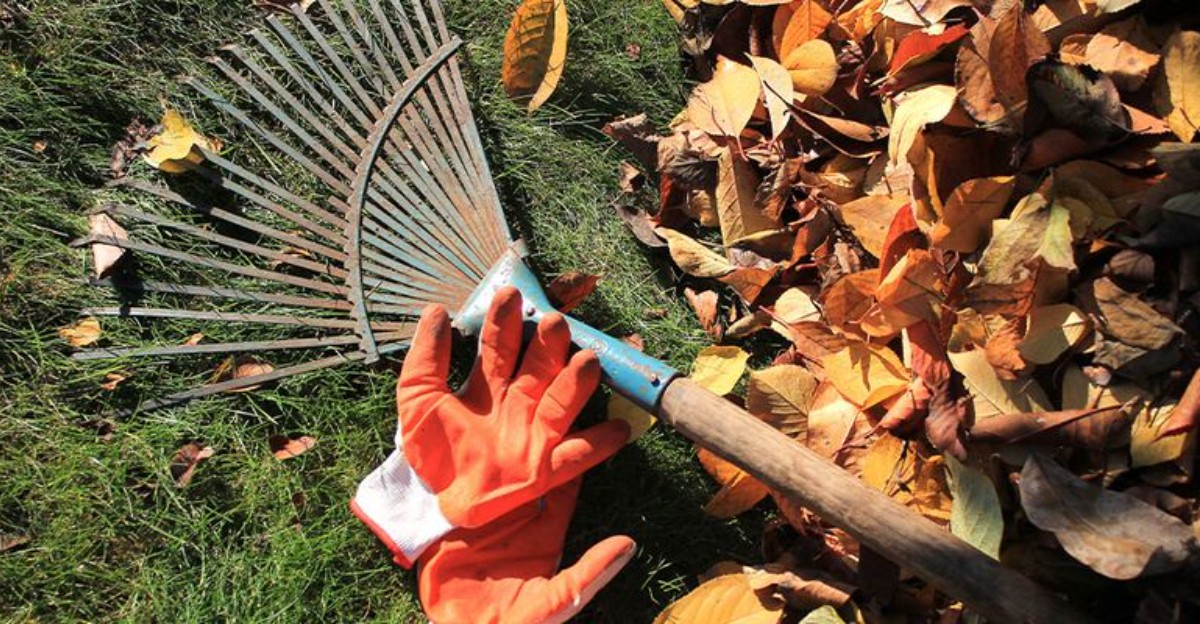
Leaf season is gorgeous for about a week, then it becomes a chore. Staying ahead of it is far easier than digging out from a soggy, matted layer in November.
Shredding leaves with a mulching mower is one of the smartest moves you can make. Chopped leaves settle between grass blades and feed the lawn as they break down.
Run the mower over dry leaves rather than wet ones. Dry leaves shred into confetti, while wet leaves clump and clog the deck.
If the layer is too thick to shred, rake and compost the excess before heavy snow arrives. Snow presses leaves into a mat that smothers turf underneath.
Shredded leaves also make excellent free mulch for shrub beds and vegetable gardens. Stockpile a few bags in a corner of the yard for later use.
Keep leaves out of roadways, gutters, and storm drains. Rain washes the phosphorus from those piles straight into local waterways, which is a real water quality issue across the state.
Check curb strips after windy nights, since leaves travel. A five minute sweep beats a clogged drain during the next downpour.
7. Inspect Trees For Summer Damage And Stress
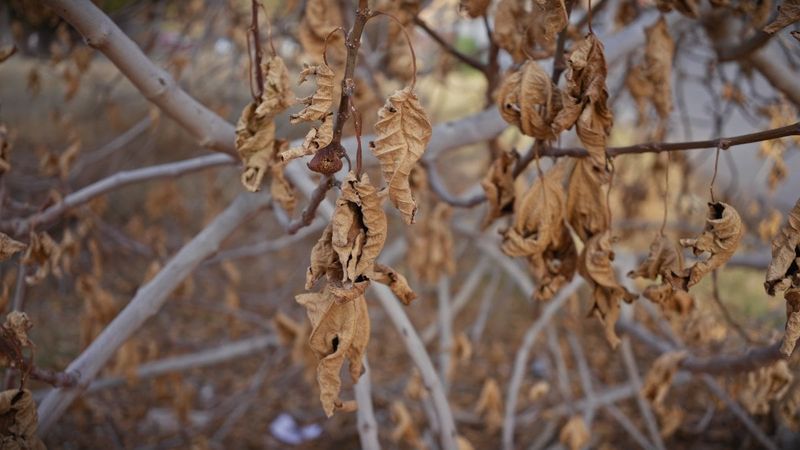
Trees rarely announce their problems. A cracked limb or a dry, brittle branch can sit unnoticed until a February storm brings it down on the driveway.
Fall gives you a clear view as leaves thin out. Walk your property and look up with real attention.
Scan for branches that lost leaves early, bark that is split or peeling, and limbs crossing and rubbing against each other. Those rub spots turn into wounds over time.
Fall is a good time to inspect trees and remove branches that are broken, diseased, faded, or hazardous when necessary. Removing damaged or diseased branches keeps them from snapping under heavy snow and ice.
Cut just outside the branch collar, that slightly swollen ring where the limb meets the trunk. Cut just outside the branch collar, the slightly swollen area where the limb meets the trunk.
Proper cuts allow the tree to compartmentalize the wound more effectively than flush cuts.
Skip the pruning paint, since most trees seal wounds better on their own. Sharp, sanitized tools matter more than any sealant.
Look at the base too, checking for mushrooms, soft bark, or soil pulling away from the trunk. Those signs are worth a call to a certified arborist.
Anything overhanging a roof, power line, or play area deserves professional attention. Ladders plus chainsaws is a combination best left to people with harnesses and training.
8. Water Newly Planted Trees Before Winter
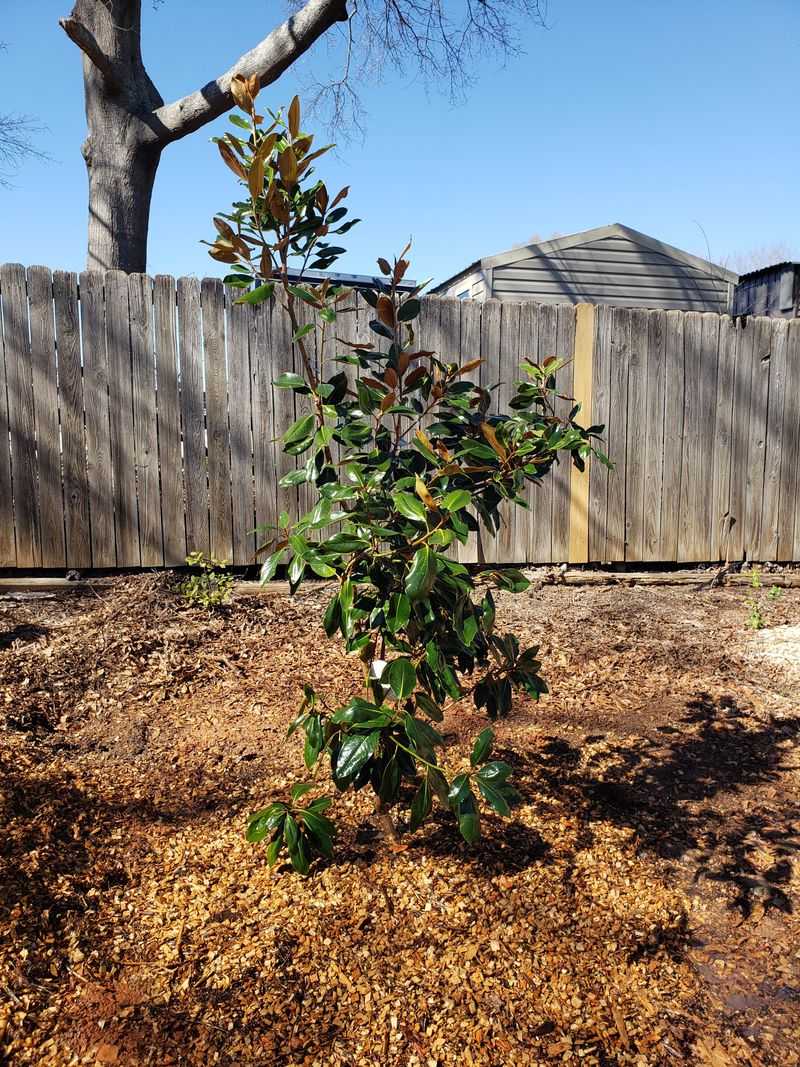
Thirst, not cold, is the biggest threat to a young tree’s first winter. Dehydration is a leading reason newly planted trees fail to make it through.
Trees planted within the last couple of years need more water than established ones. Keep giving them a drink until the ground actually freezes.
In New York City, young street trees do well with 15 to 20 gallons once a week between May and October. In most home landscapes, 10 to 15 gallons per tree weekly is a solid target.
Soak the root ball and the ground just beyond it rather than sprinkling the surface. Slow, deep watering reaches where roots actually live.
Water on days when temperatures climb above 40 degrees and no freeze is expected for at least 24 hours. Early in the day is best, since moisture soaks in before night temperatures dip.
A ring of mulch around the base holds that moisture in place. Keep the mulch off the trunk itself.
Keep checking the root ball through fall, especially during long stretches without rain or snow cover. Stick a finger a few inches down, and if it feels dry, water again.
9. Add Mulch Around Vulnerable Plants And Shrubs
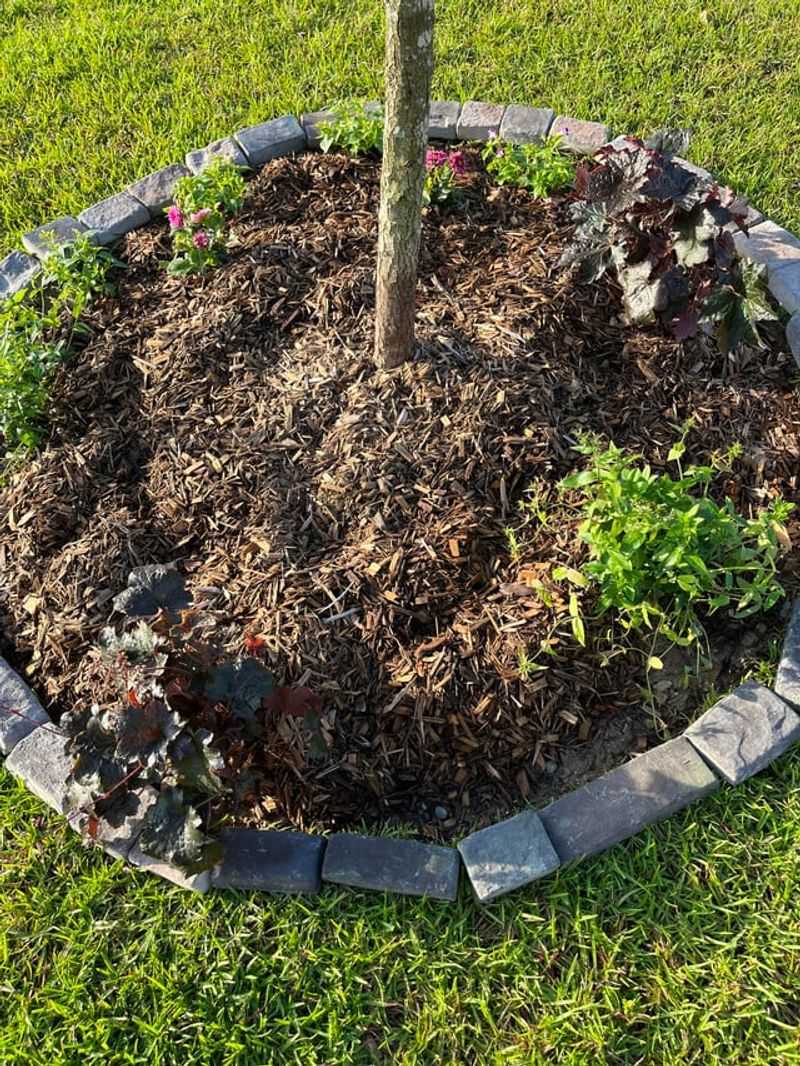
Mulch works like a blanket, though timing is everything. Put it down too soon and you may do more harm than good.
Wait until the ground has cooled, or apply just before the first hard frost. In much of the state that means late October into early or mid-November.
Apply mulch after the soil has cooled to help moderate temperature swings and protect roots from freeze-thaw cycles.
A 2 to 3 inch layer of organic mulch insulates roots, steadies soil temperature, and holds moisture. Apply about 2 to 3 inches of organic mulch, adding more only where specific plants or conditions call for additional winter protection.
Keep mulch 2 to 3 inches away from stems and trunks. Piling it against bark traps moisture and creates rot and pest problems.
Mulch does the most good for shallow-rooted perennials, which can heave out of the ground during freeze and thaw swings. That heaving exposes roots to drying wind.
Skip mulching succulents, alpine plants, some herbaceous perennials like heucheras, and Mediterranean herbs such as oregano and thyme. Those prefer dry soil or need light at the surface.
10. Check Garden Plants For Late Season Pests
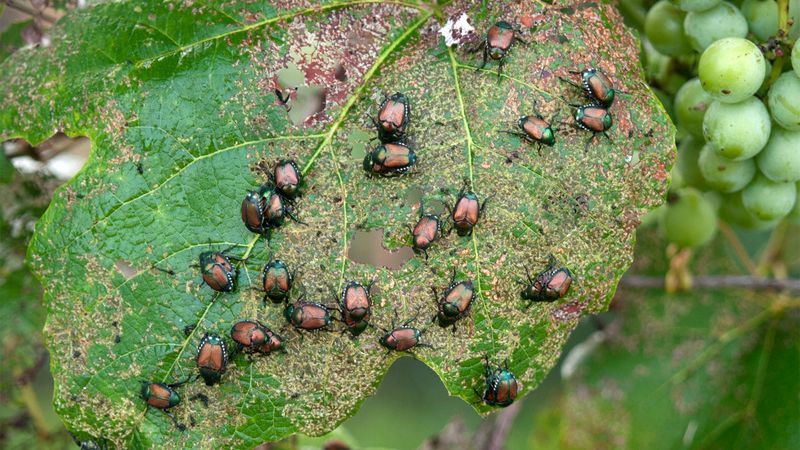
Bugs do not pack up and leave when the weather cools. Pests and diseases can still be present in late fall, so it’s worth checking plants before you clean up the garden for winter.
Flip leaves over and look at the undersides where aphids, mites, and eggs like to gather. Sticky residue or fine webbing is a tip-off.
Check stems near the soil line too. Chewed spots and tiny holes point to borers or beetles making themselves comfortable.
Clearing away faded or overgrown perennial foliage is one of the most effective things you can do. Removing that cover takes away hiding places and cuts down the chance of pests settling in for the season.
Fallen fruit under apple and pear trees deserves attention as well. Rake it up rather than letting it rot in place and attract trouble.
Give houseplants that summered outdoors a careful look before bringing them inside. Rinse the leaves and check the soil surface, since hitchhikers spread fast in warm rooms.
A strong spray of water knocks off many soft-bodied insects without any chemicals. Insecticidal soap handles heavier infestations.
Tools that touched infected plants deserve a quick wipe-down too. That habit stops problems from traveling bed to bed.
11. Adjust Mowing Height As Temperatures Drop
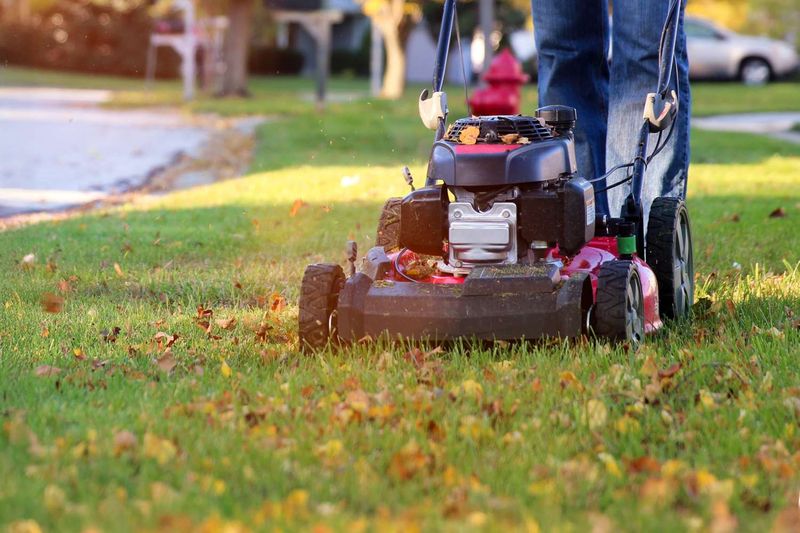
That little lever on your mower deck does more for winter lawn health than most fertilizers. Fall is the time to start using it thoughtfully.
Stick with the one-third rule, meaning you remove no more than a third of the grass blade in a single pass. Scalping stresses the plant when it needs energy most.
Through most of the fall, raise your mowing height by roughly half an inch. A target around 3.5 inches works well for lawns across New York.
The last cut of the season is the exception. Bring the grass down to about 2.5 to 3 inches right before the lawn goes dormant.
A slightly shorter final cut reduces the amount of tissue available for snow mold and improves air circulation at the soil surface. It also helps roots handle winter stress.
Grass left too long tends to mat under snow, which encourages disease. Cutting too short swings the other way and exposes roots to harsh cold.
Tall fescue and fescue blends, common throughout the state, do best at 3.5 to 4 inches for most of fall with that 2.5 to 3 inch finish. Their deep roots appreciate the extra blade length.
Sharpen the mower blade before the final pass.
12. Clean And Store Garden Tools Before Winter
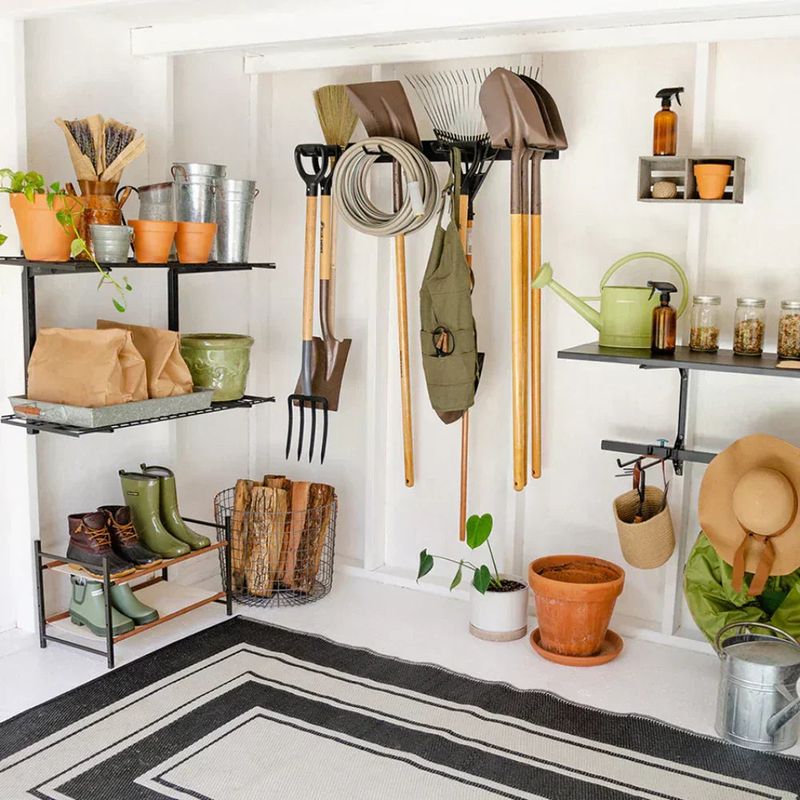
Nothing ruins a spring morning quite like reaching for rusty pruners. An hour of care in September keeps your gear working for years and saves money on replacements.
Start by scraping caked soil off shovels, spades, hoes, and rakes with a wire brush or stiff putty knife. Then wash everything with a strong stream of water or warm soapy water and let it dry fully.
Cutting tools need sanitizing, not just cleaning. Wipe pruners and shears with rubbing alcohol or a mix of one part bleach to nine parts water, then let them air dry completely.
Sharpen the edges of hoes, shovels, spades, and pruners with a file or sharpening stone. Sharp tools cut cleanly, which is better for plants and easier on your wrists.
Rub a thin coat of vegetable oil, motor oil, or WD-40 over all metal surfaces, hinges, and joints. That film blocks the rust that damp New York winters encourage.
Wooden handles deserve attention too. Sand rough spots smooth, then work in linseed oil or wood conditioner so they do not dry out and crack.
Drain hoses fully, coil them without kinks, and store them somewhere protected from freezing. Ice inside a hose splits it wide open.