8 Seed Heads California Birds Rely On, So Leave These Standing This Fall
Fall gardens across California hold a quiet decision point. Flower beds fade to brown, stems stiffen, and the urge to tidy everything grows stronger.
Those faded blooms carry more value than they appear to. Tucked inside are small treasures that draw some of the busiest visitors a yard can host.
A neat, bare bed tends to stay silent. A slightly shaggy one often fills with movement, color, and cheerful chatter on gray days.
Leaving certain plants in place takes less effort than clearing them, which might be the most pleasant garden advice of the season.
A little planning keeps things safe as well as lively.
The best fall cleanup might turn out to be the one that waits until spring.
1. Coneflower Seed Heads Feed Goldfinches
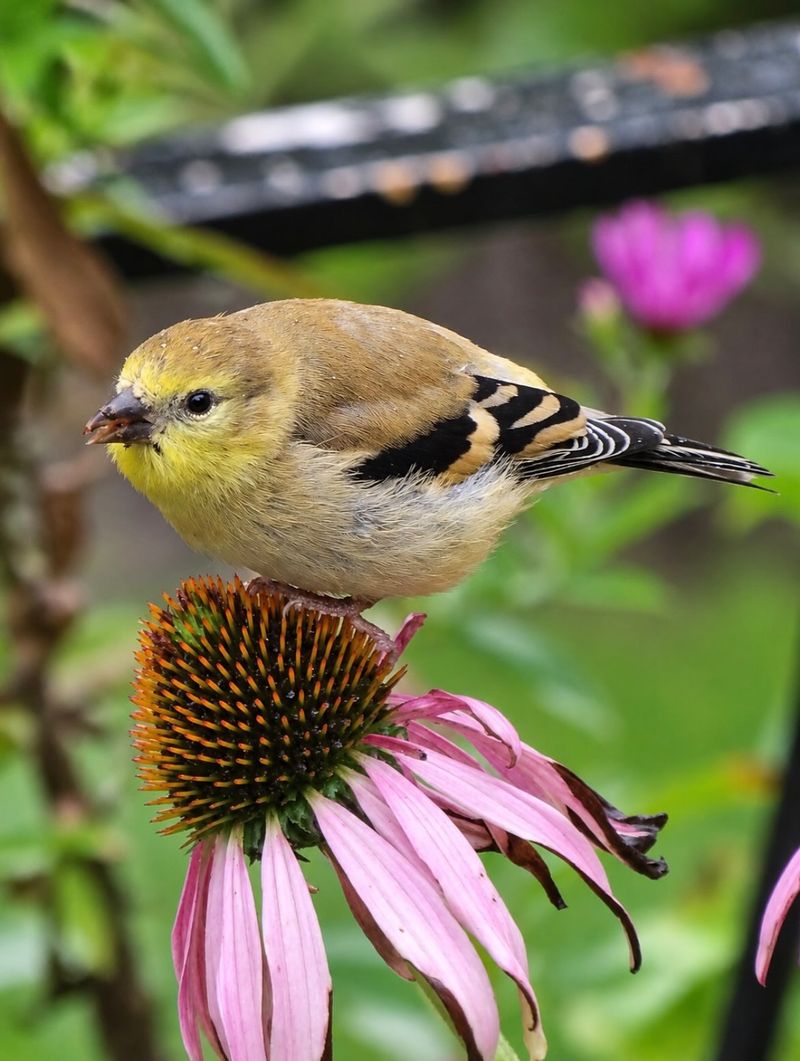
A dried flower head on a still October morning rarely stays empty for long. Sooner or later, a small yellow and olive bird lands on top and starts picking.
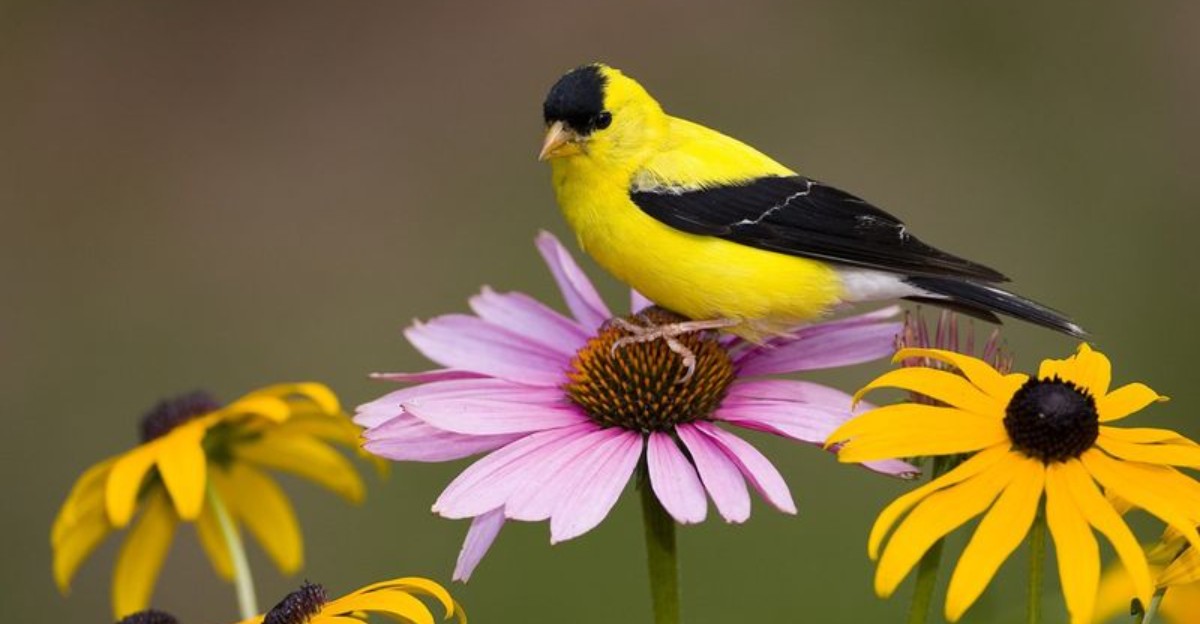
In much of California, that visitor is often a lesser goldfinch. American goldfinches and house finches show up, too.
Coneflowers, also sold as echinacea, form a spiky dome packed with seeds once the petals fall. Goldfinches carry short, cone-shaped bills built for prying those seeds loose.
Audubon lists coneflowers among the plants that feed these finches. The birds can strip a head clean in a few visits, and the spiny dome doubles as a perch with a built-in snack bar.
Leaving them standing takes little effort. Trimming stops by late summer so flowers can ripen into seed, and the stems turn brown and stiff on their own.
Most stalks stay upright through winter rain, giving birds food for weeks. That steady supply matters as other sources dwindle.
Coneflowers aren’t California natives, but they handle sun well and fit easily into water-wise borders. Groups of three or more work best, since a cluster is easier for birds to spot from the air than one lonely stem.
Late winter or early spring brings the right time for cutting old stalks, once new green leaves push up from the base. Some cut stems left a foot tall give certain native bees a place to nest.
The goldfinch crowd usually returns next year right on schedule.
2. Sunflower Heads Supply Big Calorie Seeds
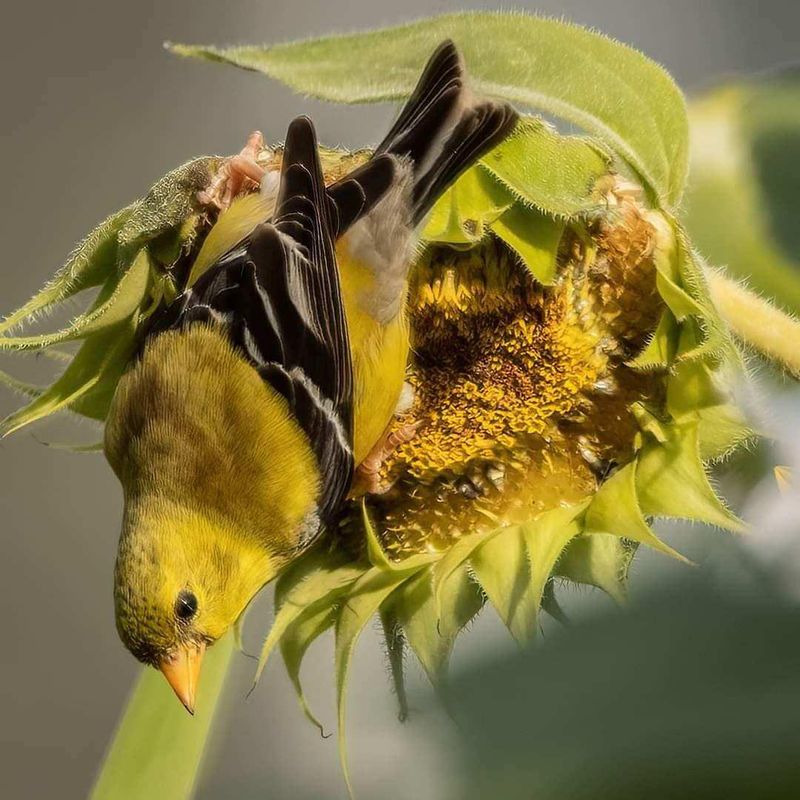
A ripe flower head bowing low looks like it’s taking a final curtain call. That heavy, nodding face is loaded with some of the richest seeds a backyard can grow, so it’s best left in place.
Sunflower seeds pack plenty of fat and protein. Small birds burn a lot of energy on cold nights, and high-calorie food helps them stay warm.
The Cornell Lab of Ornithology notes that sunflower seed draws a wide range of feeder birds. The same appeal holds for heads left on the stalk.
Finches pick seeds right from the face. Chickadees grab one, fly to a branch, and hammer it open, while sparrows and juncos hop below to gather what drops.
California even has its own native, the common sunflower, Helianthus annuus. It grows wild along roadsides and fields across the state.
Your California Garden Changes Every Week. Your Plan Should Too.
Gardening in California changes quickly throughout the season. Every Friday you’ll receive a simple weekly plan showing exactly what to plant, prune, fertilize, harvest, and protect so you never miss the right timing.
Smaller-headed and branching varieties often feed birds better than giant ones. Birds can reach the seeds more easily on those.
Heads can stay standing until birds clean them out. Squirrels raiding too fast can be slowed with a mesh bag tied loosely over a head, letting birds pick through the openings.
Some gardeners cut a few heads and set them flat on a fence post as a ready-made platform. Birds quickly find the offering.
Once the seeds are gone, the tall stalks can come out. They turn woody and floppy over time and burn easily, so keeping them well away from the house makes sense.
3. Cosmos Seeds Draw Winter Finches
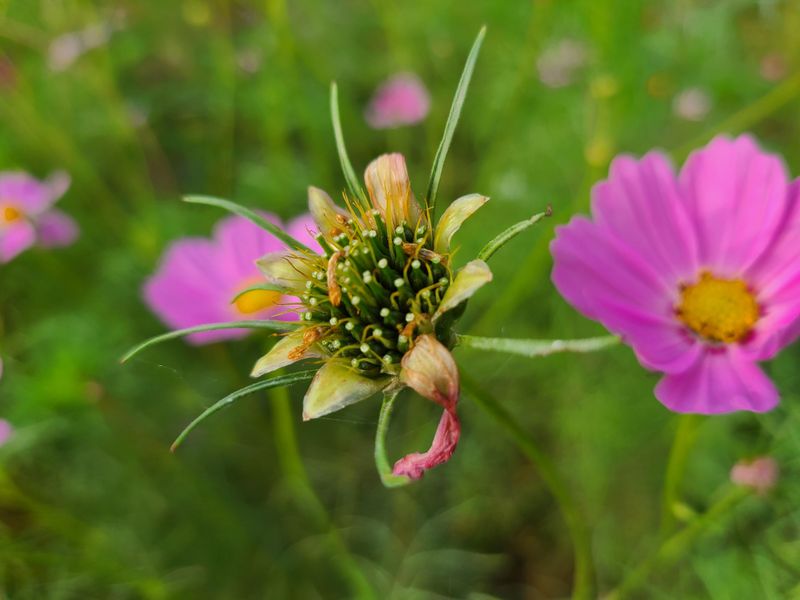
Skinny, spiky, and easy to overlook, these seeds resemble tiny black needles bundled together. Goldfinches spot them anyway, often within days of ripening.
Small finches often hang off the thin stems, sometimes upside down, to pull seeds free. The acrobatics alone make leaving them worthwhile.
Cosmos is an annual that blooms for months in sunny California yards. Pinching off old flowers keeps blooms coming through summer.
By early fall, though, letting the last flowers go to seed pays off. Ripe heads dry quickly and stay on the stems for a good while.
Goldfinches rank as the most common visitors. Audubon includes cosmos on lists of garden flowers that offer seeds for these birds.
The plant’s airy branches also provide a light, bouncy perch. That height keeps small birds a little safer from cats on the ground.
Sowing cosmos in several separate patches, rather than one long strip, adds another advantage. Birds hop from patch to patch, and seed ripens at slightly different times.
Cosmos reseeds freely, so seeds birds miss will sprout next spring. Raking up most of the dropped seed after winter limits volunteers for gardeners who prefer fewer.
Otherwise, the free plants make a cheerful bonus. Old plants can come out in late winter.
Their stems are thin and dry, so clearing them from the zone nearest the house first makes the most sense for fire safety.
4. Black-Eyed Susan Keeps Finches Fed
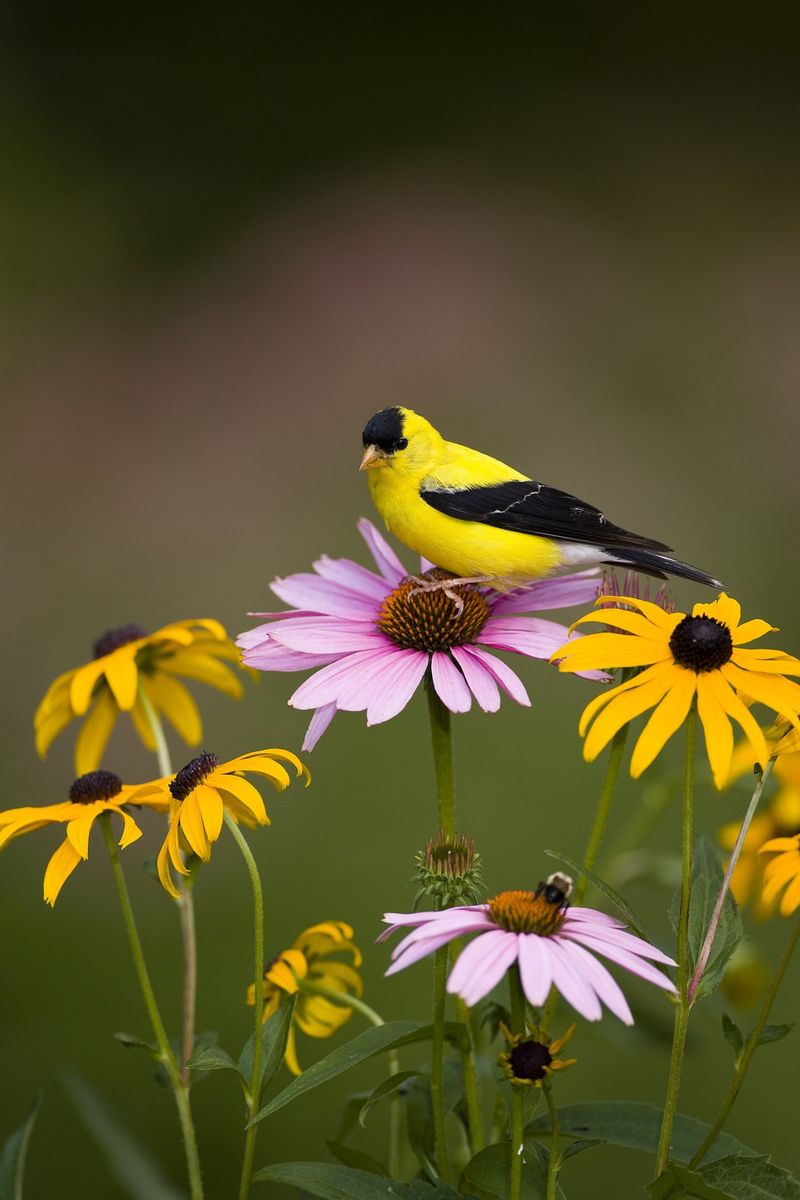
Bright yellow petals grab all the attention in summer. Come fall, the real treasure sits in the dark button at the center.
Once petals drop, each black-eyed Susan center becomes a tight little cone stuffed with tiny seeds. Finches find them irresistible.
Goldfinches and house finches perch on the stems, bend them low, and pluck seeds straight from the cone. Audubon and the National Wildlife Federation both point to rudbeckia as a solid seed source for small songbirds.
Sparrows often tidy up the seeds that fall to the ground below. Little goes to waste.
These cones carry a sneaky bonus. They hold their seed for a long time, so birds can keep returning well into winter.
Rather than one big feast, the result works like a slow, steady buffet. That lasting supply proves especially helpful as days shorten.
Full sun and decent drainage suit these plants best. They need only modest water once settled, which fits most California yards.
Many types reseed on their own, so leaving the heads up brings free seedlings next spring. The garden essentially replants itself.
Tidying the bed in October is best postponed. Brown stems might look messy to a neighbor, but a small sign reading Bird Habitat can change minds quickly.
Seeing finches bounce on the stems often wins over skeptics. Old growth can come down in late winter, when fresh leaves appear at the base.
5. California Buckwheat Holds Seed For Birds
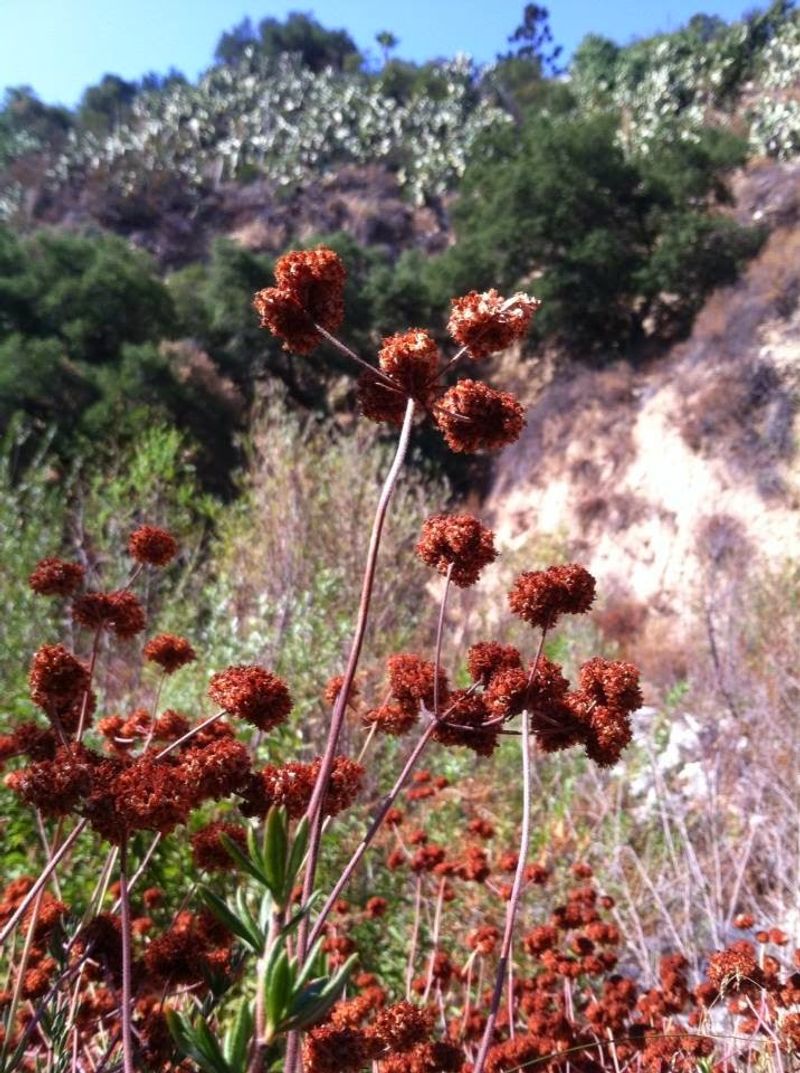
By late summer, hillsides across Southern California turn a warm rusty brown. Much of that color comes from one tough native shrub with dried flower clusters that look finished but quietly hold seed for birds.
California buckwheat thrives on little water. Native plant nurseries often list it as Eriogonum fasciculatum, which helps when shopping.
UC ANR and the California Native Plant Society both praise it for supporting wildlife. In spring and summer, it buzzes with bees and butterflies.
In fall, the tiny seeds tucked in the dry clusters attract small seed-eating birds like sparrows and finches. Towhees and quail often scratch around the base for fallen seed.
The rusty heads also add winter color when much of the garden looks plain. Many gardeners count them among their favorite fall features, autumn decor that pays its rent in birdsong.
Leaving it standing simply means skipping the fall shearing. Late winter brings the time for a light trim.
Cuts into old bare wood are best avoided, since the shrub may not regrow from it. A gentle shaping keeps it tidy without losing next year’s blooms.
One caution matters here. Buckwheat holds dry, fine material that can burn readily.
Planting it in the outer parts of the yard, beyond 30 feet from the home, follows CAL FIRE defensible space guidance. A buckwheat patch near a back fence or slope serves birds and safety alike.
6. Goldenrod Offers Fluffy Seed Clusters
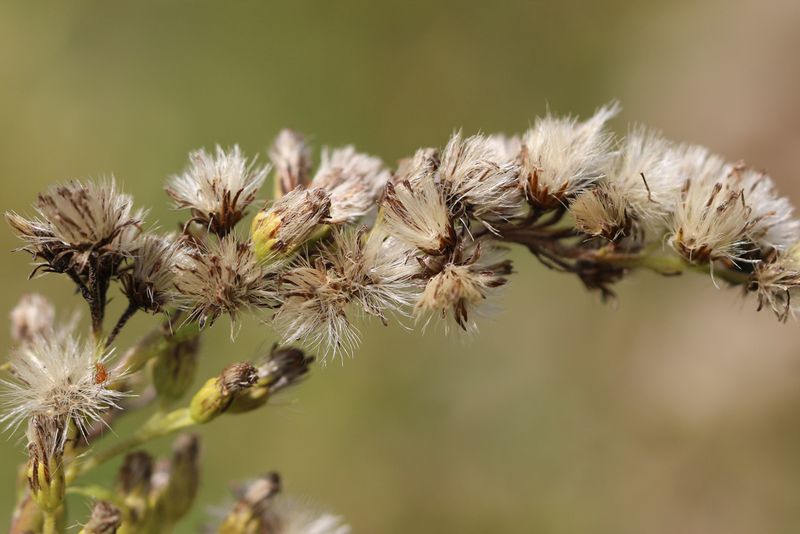
Allergy season often points a finger at the wrong plant. Ragweed usually causes the sneezing, since goldenrod pollen is heavy and carried by insects rather than wind.
That clears the way for this golden plant to go fluffy in fall without guilt. After bright flowers fade, soft clusters of tiny seeds with fuzzy tufts take their place.
Small songbirds such as goldfinches, juncos, and sparrows pick through them, especially as other food runs low.
California has its own native species, including California goldenrod, Solidago velutina, which suits dry gardens well.
The real magic happens inside the stems. The Xerces Society encourages leaving goldenrod standing because insects spend the winter in and on it.
On some goldenrod species, flies form round galls on the stems. Chickadees and woodpeckers sometimes peck them open for the grub inside.
Insects sheltering in dry plants become key food for birds raising chicks next spring. Standing stems, in other words, feed two seasons at once.
Goldenrod spreads by underground roots, so it works best with room to roam. A meadow corner or a far fence line makes a fine home. Bees and butterflies benefit in late summer, too.
Stems can stay up all winter. In spring, cutting them back while leaving some stalks 12 to 18 inches tall gives small native bees nesting spots in the hollow and pithy stems.
One plant ends up feeding birds, sheltering insects, and housing bees. That makes for a pretty busy schedule.
7. Aster Seed Heads Feed Small Songbirds
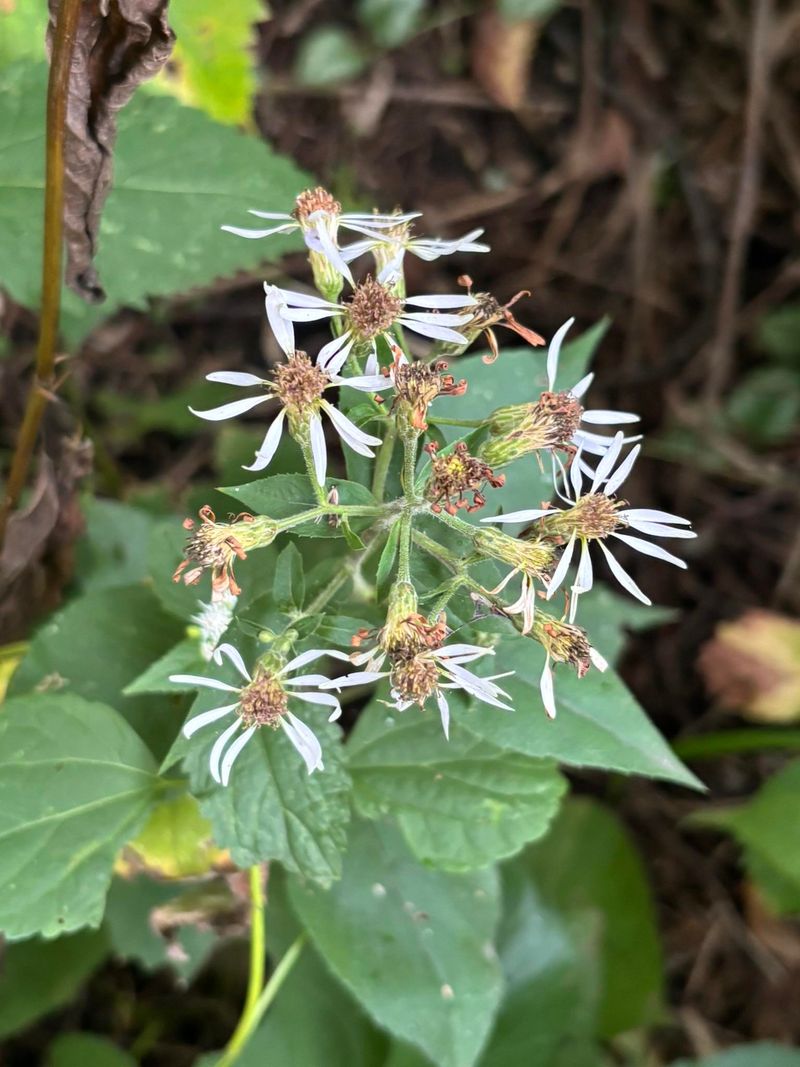
Just as most flowers wind down for the year, a wave of purple and lavender bursts open. Bees pile on in late summer and fall, and then, almost overnight, the blooms turn into small fuzzy puffs packed with seed.
Those puffs feed small songbirds. Finches pick from the stems, while sparrows and juncos forage below for seeds that drop.
Audubon recommends native asters as bird-friendly plants for their late seed supply. Locally, California aster, Symphyotrichum chilense, makes a tough native choice that grows along the coast and in valleys.
Timing makes asters extra valuable. Because they bloom late, their seed ripens when many summer plants are already picked clean.
Birds get a fresh round of food heading into winter, almost like a second seating at dinner. That late offering fills a real gap.
Sun to light shade suits asters well. California aster spreads gently by roots and handles clay soil nicely.
Stems can look floppy by fall, so sturdier companions such as native grasses help hold them up. The pairing looks natural, too.
Mowing or shearing aster patches in October to look neat is a common mistake. Seed heads do best left standing until late winter, when stems can come down as new green rosettes appear at the base.
Leftover stems and leaves also give ground-feeding birds some cover. A sparrow hiding among brown aster stems stays safer from hawks than one standing in a bare bed.
8. Deer Grass Seed Feeds Sparrows And Finches
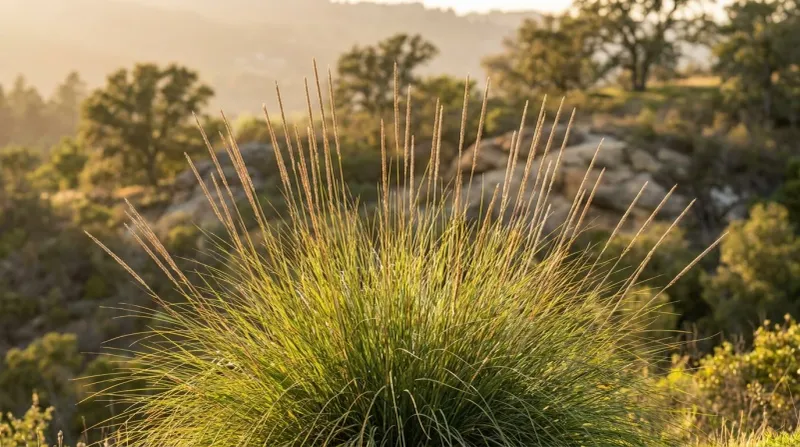
A big fountain of slender golden spikes swaying in the breeze makes a striking sight in fall. Few native bunchgrasses earn as much affection from California gardeners.
Deer grass sends up tall flower stalks that ripen into seed in late summer and fall. Nurseries usually sell it as Muhlenbergia rigens, a handy name for shopping.
Sparrows and finches make good use of it. White-crowned and golden-crowned sparrows, common winter visitors in California, forage at the base for fallen seed.
Finches sometimes perch on the arching stalks to feed. The dense clump itself offers shelter, giving birds a quick place to duck when a hawk flies over.
Deer grass is famously easy. It handles heat, drought, and many soil types once rooted.
California Native American basket weavers have long gathered its flower stalks. The plant carries real history along with its beauty.
Fire safety deserves attention here. Dry stalks burn quickly, and CAL FIRE guidance calls for trimming dry plants within the first 30 feet of a home.
Deer grass and other standing seed heads belong farther out, near the back of the yard, along a slope, or beside a far fence. The zone nearest the house works best kept watered, low, and clean.
Outer clumps can stay standing through winter for the birds. In late winter, combing out old growth with gloved fingers or trimming lightly keeps them healthy.
Buzzing them to the ground every year can weaken older plants.