Can Your California Neighbor Force You To Replace Your Lawn?
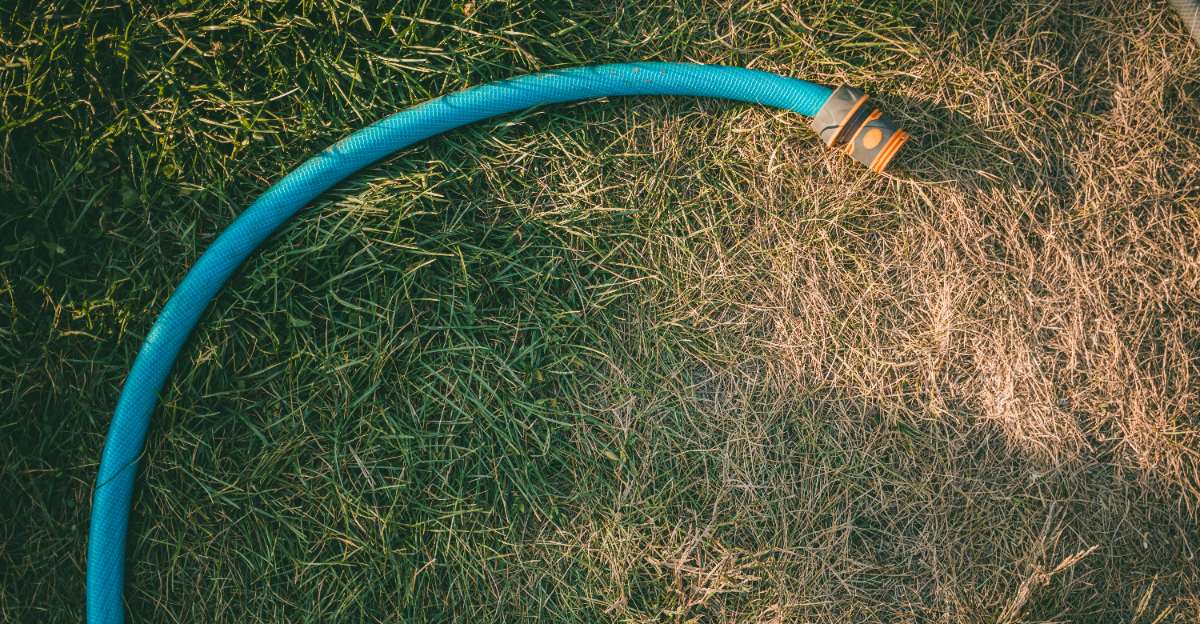
A neighbor may complain about your brown grass, patchy turf, or decision to replace a thirsty lawn with gravel and native plants. That does not automatically mean they can order you to change it.
In California, the answer may depend on something less obvious than personal preference, including local ordinances, HOA rules, shared property agreements, and the condition of the yard itself.
A neglected lawn that creates a hazard is different from a deliberate water-saving landscape, even when someone next door dislikes the appearance.
Disputes can become especially confusing when property values, weeds, irrigation runoff, or neighborhood standards enter the conversation.
Before spending money on new sod or tearing out a landscape you chose intentionally, it helps to separate an enforceable requirement from an irritated request.
Your neighbor may have an opinion, but the real authority could rest somewhere else entirely.
1. Your Neighbor Cannot Just Order Your Lawn Gone
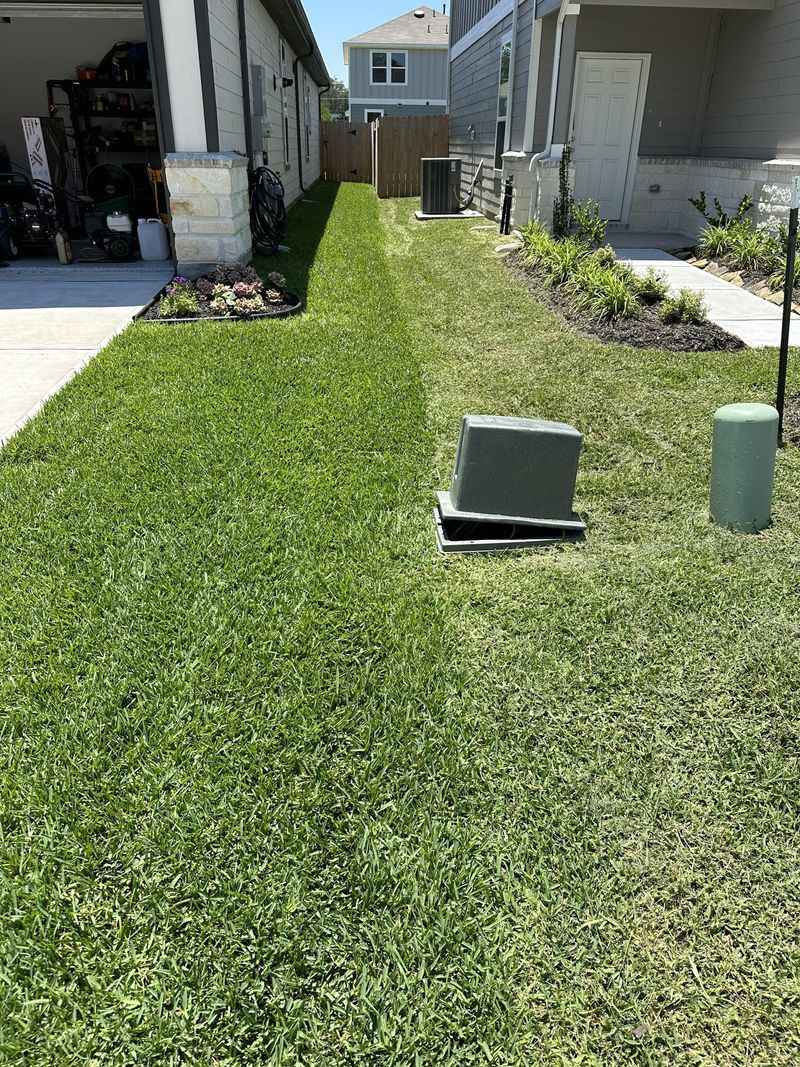
Here is something worth knowing right away: your neighbor has no legal authority to make you remove your lawn. No matter how strongly they feel about it, personal opinions do not carry legal weight.
A neighbor telling you to replace your grass is just that, an opinion, not a legal order.
Private citizens cannot enforce landscaping changes on other private citizens in most cases. Only government agencies, courts, or authorized organizations like HOAs have that kind of power.
Even then, there are specific rules they must follow before anything can be required of you.
Some neighbors may try to pressure you by claiming water waste rules or local codes require it. That may or may not be true, but they still cannot enforce it themselves.
They would need to file a complaint with the proper authority, and that authority would have to investigate and follow a formal process.
If a neighbor has ever knocked on your door and told you to change your lawn, you were not legally obligated to comply. You can listen politely, but you are not in trouble just because they are unhappy.
Most of the time, these situations stay informal and never go anywhere official.
Knowing this takes a lot of pressure off your shoulders. Your yard is your property, and that matters under the law.
Keep reading to learn where the real rules actually come from.
2. When An HOA Gets A Say Instead
Homeowners associations are a different story entirely. If you live in a community with an HOA, you likely signed a set of rules called CC&Rs when you bought your home.
Those documents can absolutely include landscaping requirements.
Some HOAs in California require lawns to stay green and maintained. Others have updated their rules to encourage or even require drought-tolerant landscaping.
The HOA board has the authority to enforce those rules and can issue fines if you do not comply.
However, there are important limits. California state law, specifically AB 2104 and related legislation, protects homeowners who want to replace grass with water-efficient landscaping.
An HOA cannot legally prohibit drought-tolerant plants or artificial turf used for water conservation purposes. That is a strong protection for homeowners.
Your California Garden Changes Every Week. Your Plan Should Too.
Gardening in California changes quickly throughout the season. Every Friday you’ll receive a simple weekly plan showing exactly what to plant, prune, fertilize, harvest, and protect so you never miss the right timing.
So even if your HOA has older rules that seem to require a traditional lawn, state law may override those rules in certain situations. If your HOA is pressuring you over a water-wise yard makeover, it is worth looking into your rights under state water conservation laws.
Always read your HOA documents carefully. Ask for written explanations of any rule they say you are breaking.
HOAs must follow their own procedures, and skipping steps can make their enforcement invalid. Knowing the rules on both sides helps you respond with confidence.
3. City Rules Can Change The Whole Story
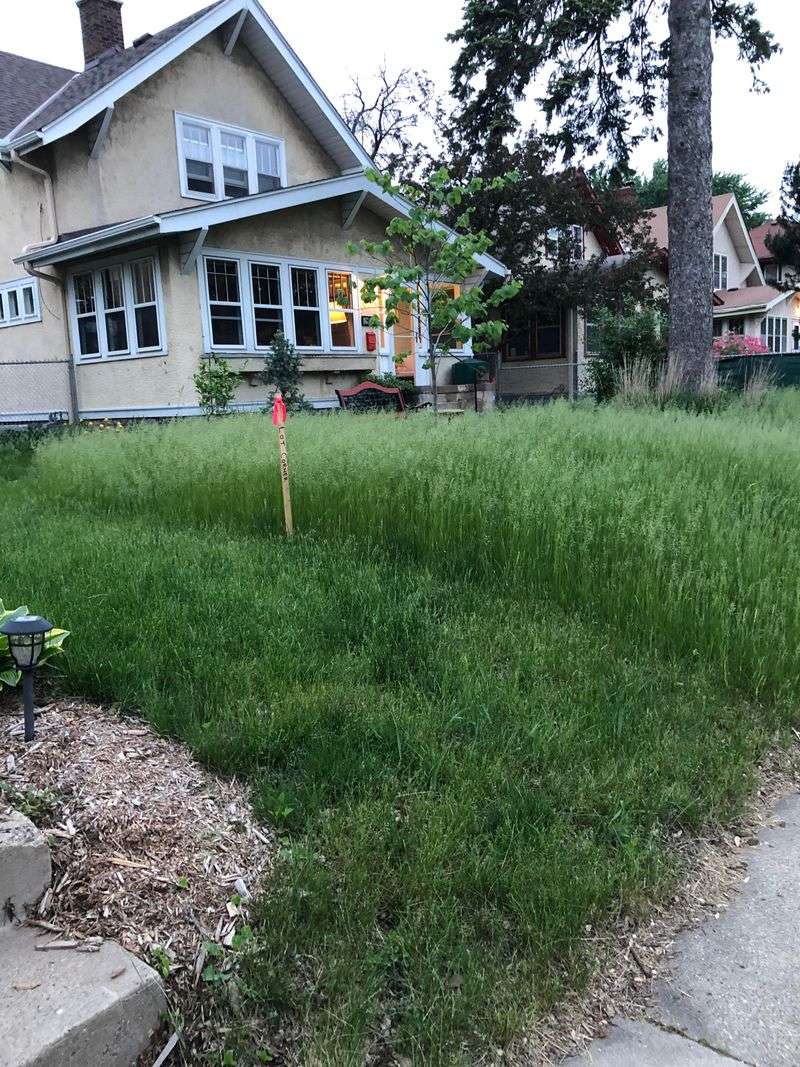
Local city and county governments have more power over your lawn than your neighbor ever will.
Many cities across California have passed ordinances that restrict water use or require certain landscaping standards.
These rules apply to everyone in that city, not just HOA members.
During drought years, some municipalities have banned watering schedules that keep grass green.
Others have gone further and offered rebates to homeowners who remove their lawns and replace them with drought-resistant plants.
A few cities have even made lawn removal mandatory in extreme drought situations.
If your city has such a rule, you are required to follow it, not because your neighbor said so, but because local law says so. Your neighbor might actually be the one who reported you to the city, which could trigger an inspection.
But the neighbor is not the enforcer, the city is.
Code enforcement officers can issue notices of violation and fines. They follow a process that usually includes written notice, a period to fix the problem, and then potential penalties.
You have rights during this process, including the ability to appeal decisions.
Check your city’s official website for landscaping and water use ordinances. Northern regions and Southern areas of our state can have very different rules.
What applies in one city may not apply in the next. Local knowledge is your best tool here.
4. Withered Grass Complaints Are Not The Same As Lawn Removal
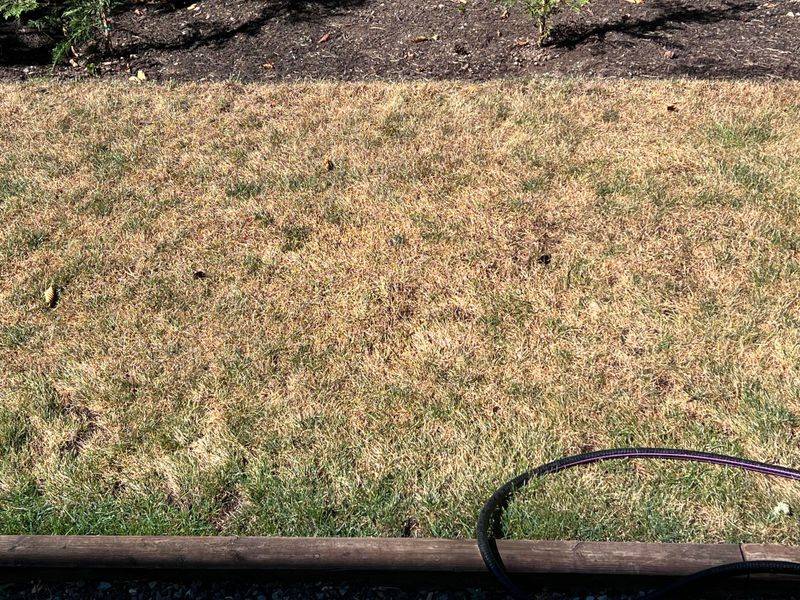
There is a big difference between a neighbor complaining about brown grass and a neighbor demanding you rip out your entire lawn. Brown or patchy grass might trigger a nuisance complaint, but that is a separate issue from forced lawn replacement.
Many cities have codes that require property owners to maintain their yards in a way that does not create a public nuisance. Overgrown weeds, pests, or fire hazards can all fall under these codes.
If your lawn is withered and full of weeds, a complaint might actually have some legal ground behind it.
But even a valid nuisance complaint does not mean you have to replace your lawn with a specific type of landscaping.
It usually means you need to address the problem, whether that is by watering, mowing, removing weeds, or replanting. The solution is up to you in most cases.
Your neighbor calling your lawn an eyesore is not the same as a legal violation. Ugly is not illegal.
A property that creates health or safety hazards is a different matter, but aesthetic disagreements rarely cross that line.
If you receive an official notice from your city about your lawn, read it carefully. It will specify what the actual violation is and what steps you need to take.
Responding in writing and keeping records of all communication is a smart move from the start.
5. Property Lines Matter More Than Personal Opinions
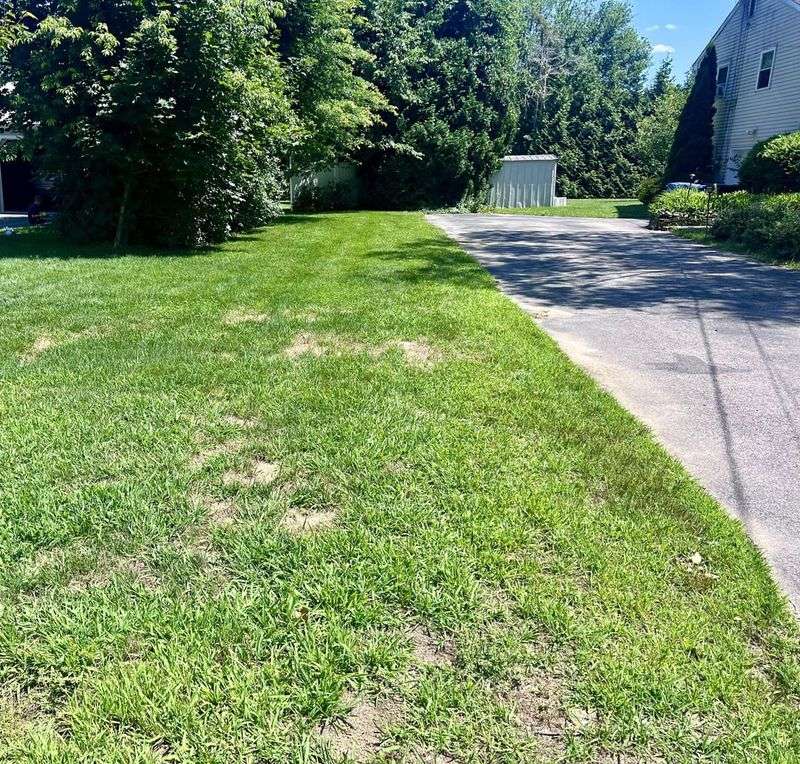
One of the most overlooked parts of lawn disputes is where your property actually ends and your neighbor’s begins. Sometimes what a neighbor complains about is actually on your property, not theirs.
And sometimes people are not even sure where the line is.
Property lines are legal boundaries established by surveys and recorded with the county. Your neighbor cannot demand you change anything that is clearly within your own property lines.
Their opinion about your landscaping choices does not give them any authority over your land.
Problems get more complicated when landscaping crosses or sits near the boundary. Tree roots, spreading ground cover, or runoff from your lawn moving onto their property can create real legal issues.
But those are specific situations, not general ones.
If there is ever a dispute about where the property line is, a licensed surveyor can settle it officially. County records are also public and can be accessed to verify boundaries.
Do not rely on fences or informal agreements to define where your land ends.
Knowing your exact property lines gives you a strong foundation in any dispute. It also protects you if a neighbor tries to claim your landscaping is encroaching on their space.
Most of the time, a clear boundary check ends the argument quickly and cleanly, without needing lawyers or courts involved at all.
6. Water Restrictions May Push Lawns Toward A Makeover
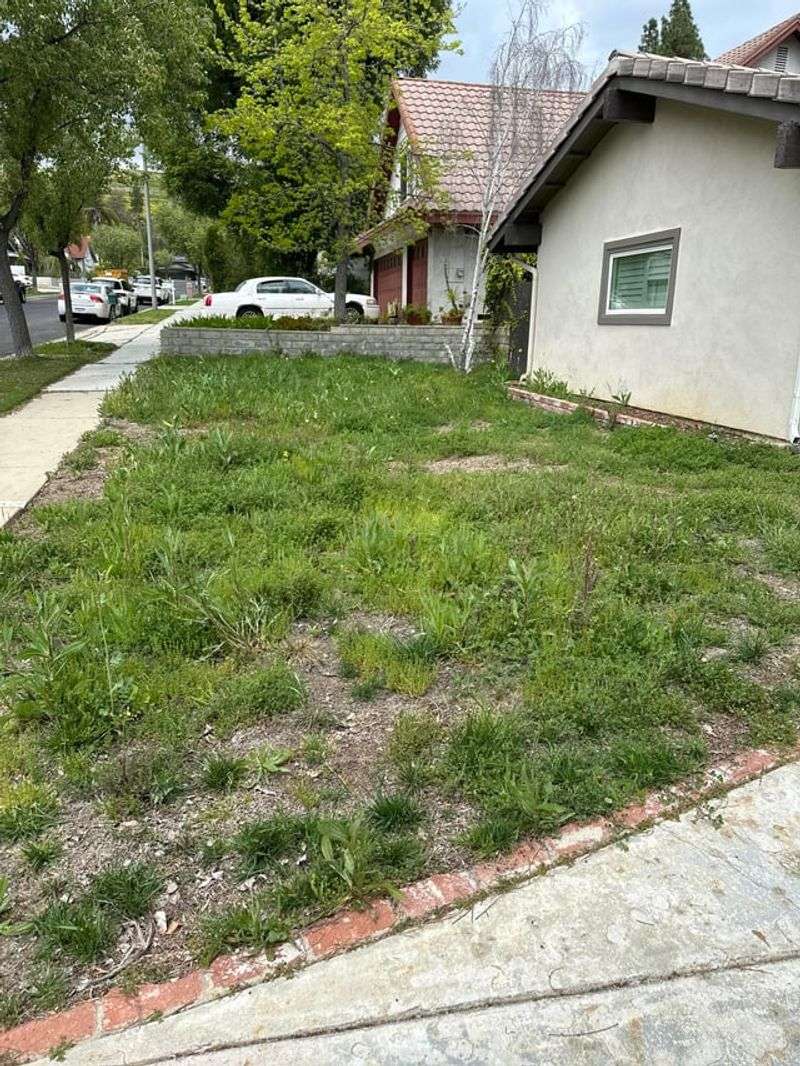
Water restrictions in California have become stricter over the years, and they have pushed many homeowners to rethink their lawns.
When water agencies issue mandatory restrictions, they are not suggestions. Violating them can result in real fines.
Some water districts have banned outdoor watering during certain hours or days. Others have set limits on how much water a household can use each month.
If keeping your lawn green requires more water than the restriction allows, you may face a choice between your grass and your water bill.
In this sense, water rules can indirectly push you toward lawn replacement, not because your neighbor demanded it, but because the system makes it financially or practically difficult to keep a traditional grass lawn.
Many homeowners in our state have made the switch voluntarily to save money and stay compliant.
State law actually supports this shift. Legislation passed in recent years protects homeowners who choose to replace lawns with drought-tolerant alternatives.
HOAs cannot block these changes, and many local governments offer rebate programs to help cover the cost of the switch.
If your water bill is climbing or you keep getting warnings from your water district, a lawn makeover might make real sense. Low-water plants, gravel, and native ground covers can look beautiful and keep you well within the rules.
Making the change on your own terms is always better than being forced into it.
7. Shared Drainage Problems Can Bring Neighbors Into It
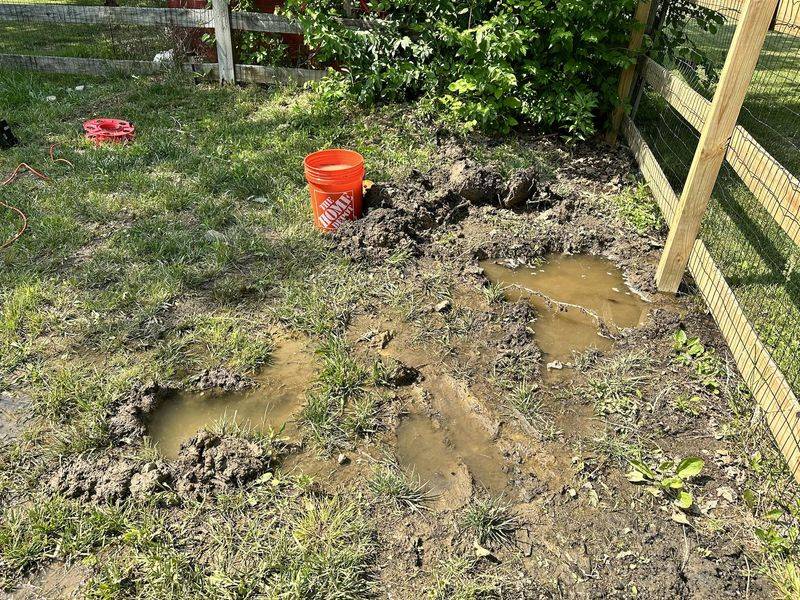
Most lawn disputes are about looks or water use, but drainage is a different kind of problem.
If your lawn or landscaping changes the way water flows and that water ends up on your neighbor’s property, you could be looking at a legal issue that goes beyond opinions.
When homeowners replace grass with hardscape, like concrete or compacted gravel, water that used to absorb into the ground has nowhere to go.
If it flows onto a neighbor’s yard or into their home, they may have grounds for a legal complaint. That is not about aesthetics. That is about property damage.
Similarly, if your lawn sits higher than your neighbor’s yard and runoff has always flowed naturally in a certain direction, changing that flow through landscaping can create problems.
California law generally holds property owners responsible for water runoff that causes damage to neighboring properties.
Before making big changes to your lawn or landscaping, think about drainage. Talk to a contractor or landscape professional about how the changes will affect water flow.
A simple grading adjustment or a French drain can prevent big headaches later.
Your neighbor cannot force you to change your lawn just because they do not like it. But if your landscaping choices are sending water onto their property and causing damage, the situation becomes much more serious.
Preventing the problem from the start is the smartest path forward in these cases.
8. Why Written Rules Beat Backyard Arguments
Verbal arguments with neighbors rarely solve anything. One person says one thing, the other says something different, and nobody has proof of what was actually agreed on.
Written rules, on the other hand, are clear, consistent, and enforceable.
If your HOA has landscaping requirements, they are in your CC&R documents. If your city has lawn-related codes, they are on file with the city.
If a water district has restrictions, those are published and accessible. Written rules give everyone a fair starting point and remove personal feelings from the equation.
When a neighbor complains about your lawn, the best move is to ask them to point you to the specific written rule they think you are breaking. If they cannot do that, the complaint probably has no legal backing.
If they can, you now know exactly what you are dealing with and can respond accordingly.
Keep records of all communications about your lawn. Save emails, take photos of your yard with timestamps, and write down dates and details of any conversations.
If a dispute ever escalates to a formal complaint or legal action, those records are valuable.
The goal is not to win an argument. The goal is to protect your property rights while staying in compliance with the rules that actually apply to you.
Written documentation, clear boundaries, and a calm approach will serve you far better than any heated backyard debate ever could.