8 Garlic Companion Plants That Grow Well Together In California Gardens
Fall planting season in California brings a quiet kind of excitement. Fresh soil, neat rows, and a few small cloves tucked out of sight can set the stage for months of steady growth.
One crop settles in now and stays put until late spring, leaving plenty of open ground beside it.
That empty space holds potential. The right neighbors can share the same mild weather, steady water, and loose soil without stepping on each other’s toes.
Smart pairing has less to do with magic than with timing, spacing, and sunlight.
Some partners finish early and politely step aside, while others stay low and keep to themselves.
A well-planned bed can turn one slow-growing crop into a whole season of harvests.
Beets Share Garlic’s Cool Season Schedule
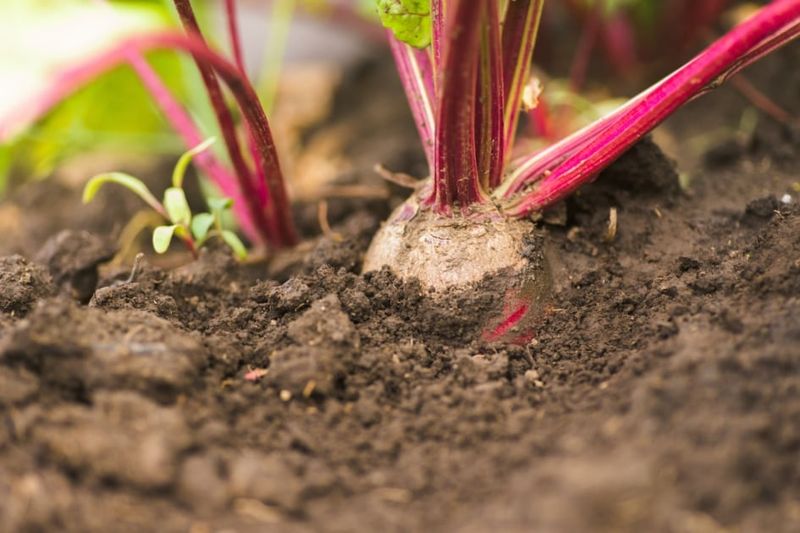
Red-veined leaves popping up between spiky garlic shoots make a cheerful November sight. Both crops enjoy the same mild California fall, so they settle in together with little fuss.
Beet seeds go about half an inch deep in a row running parallel to the garlic. That simple layout keeps the bed organized.
Spacing makes or breaks this pairing. Garlic cloves need about 4 to 6 inches between them, with rows roughly 12 to 18 inches apart.
A line of beets down the middle of that gap fits nicely. Seedlings thinned to about 3 inches apart have room to swell.
Each beet seed is actually a cluster of several seeds, so two or three sprouts often poke up from one spot. Snipping extras with scissors, rather than pulling, protects nearby garlic roots.
Timing works in everyone’s favor. Most beets mature in about 50 to 70 days, so a fall sowing can be harvested by midwinter.
Garlic keeps growing until late spring. The beet row opens up just as bulbs start swelling and need extra elbow room.
Both crops want loose, well-drained soil. Heavy clay can twist beet roots and leave garlic bulbs small, so compost worked in before planting helps.
Evenly moist soil keeps beets tender, since roots turn woody when watering swings from soaked to bone dry.
Young beet greens, sautéed with a little of last year’s garlic, make a dinner straight from one bed.
Carrots Grow Easily Beside Garlic
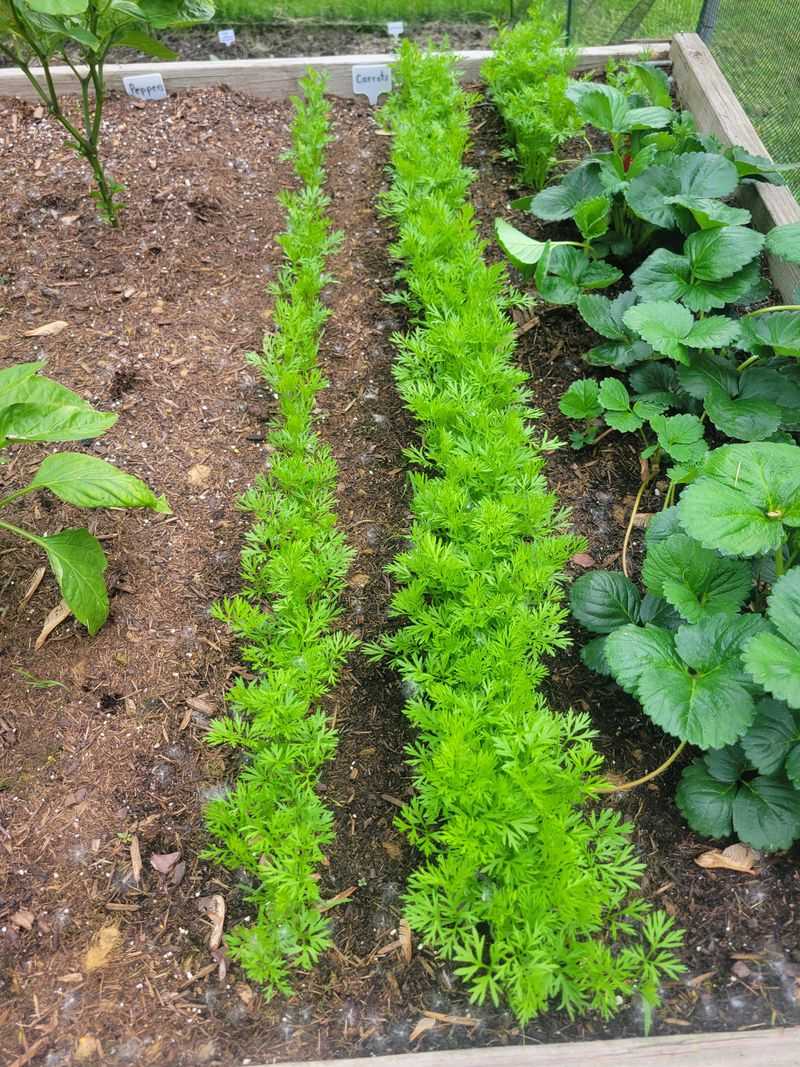
Forked, stubby roots usually point to one culprit: rocky or compacted soil. Garlic dislikes that kind of ground, too, which explains why these two get along so well.
One deep, fluffy bed rewards both crops. Loosening the soil 10 to 12 inches down and removing stones and clods sets the stage.
Well-aged compost works beautifully mixed in. Fresh manure is best skipped, since it can make carrots hairy and split. Sandy loam suits both plants perfectly.
Carrot seeds are tiny and slow to sprout, sometimes taking two to three weeks. A shallow sowing about a quarter inch deep, in a row between garlic lines, gives them the best start.
Light daily sprinkles keep the surface damp until feathery tops appear. Patience pays off during that wait.
Thinning feels painful, but it makes a big difference. Spacing carrots about 2 to 3 inches apart gives each root room to fatten, while crowded carrots stay pencil thin.
Your California Garden Changes Every Week. Your Plan Should Too.
Gardening in California changes quickly throughout the season. Every Friday you’ll receive a simple weekly plan showing exactly what to plant, prune, fertilize, harvest, and protect so you never miss the right timing.
California gardeners can sow carrots in fall across most regions, and they handle cool weather nicely. Many varieties mature in 60 to 80 days.
Short types like Danvers or round Paris Market work well in shallower beds. Those compact shapes forgive heavier soils, too.
The two crops even look good together. Soft, lacy carrot tops contrast with tall, flat garlic leaves.
That mix of textures makes a working vegetable bed look surprisingly tidy and charming through winter.
Lettuce Fills The Gaps Between Bulbs
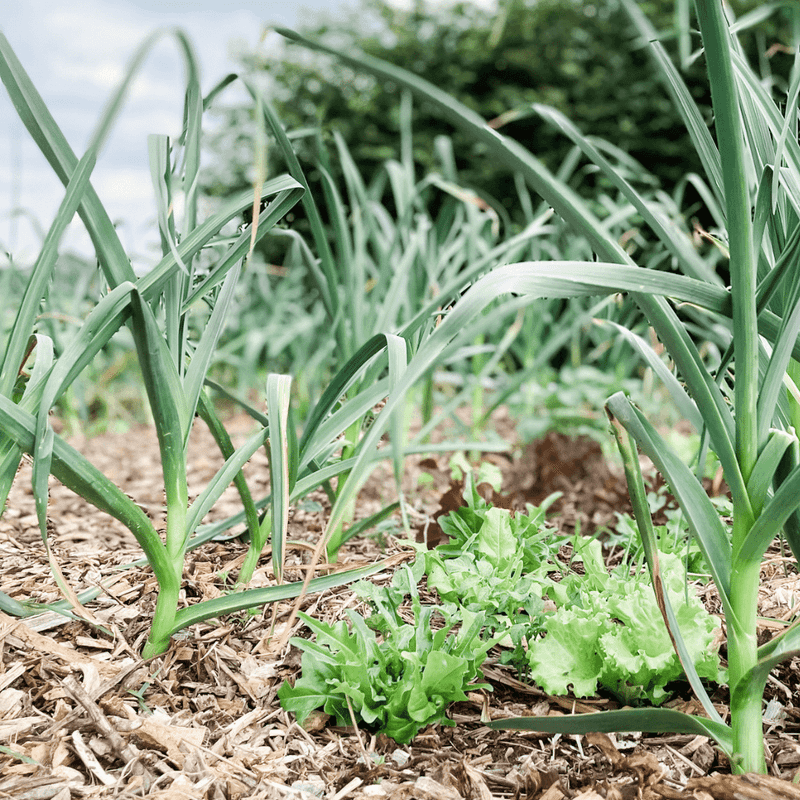
Empty soil between garlic rows practically invites weeds to move in. Lettuce fills that space instead, delivering salad while the bulbs take their time.
Shallow roots keep lettuce from competing much with the garlic growing below. The two share space with remarkable ease.
Loose-leaf types make the easiest fit. Varieties like Black Seeded Simpson, Red Sails, and oakleaf grow quickly and stay compact.
Seeds sown lightly in the spaces between rows, or transplants set about 8 inches apart, both work well. Transplants give a slight head start.
Cool weather brings out the best in lettuce. In much of California, fall through early spring offers ideal conditions.
Summer heat triggers bolting, with a tall flower stalk and bitter leaves. The cut-and-come-again method stretches each planting.
Snipping outer leaves about an inch above the crown keeps the plant producing for weeks.
A little harvest every few days works without replanting. That steady supply keeps salads fresh all winter long.
Timing near harvest deserves attention. Garlic needs drier soil in its final few weeks before digging, usually in late spring or early summer.
The last lettuce plants are best pulled by then. A short row sown every two or three weeks keeps harvests rolling.
Lettuce also shades the soil like a living mulch, holding moisture during dry winter spells and helping every inch of the bed earn its keep.
Spinach Thrives In The Same Cool Soil
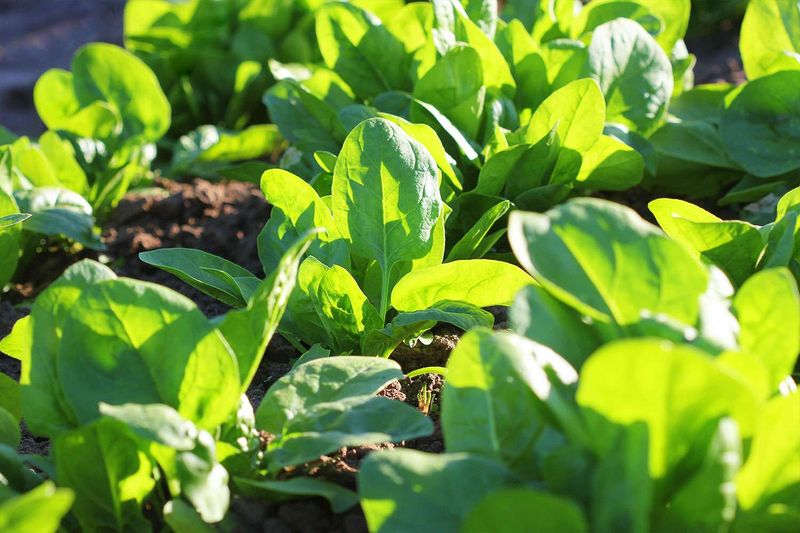
Few greens are as famously picky about heat. Long, warm days make spinach bolt fast, which explains its love for the same short, chilly season garlic enjoys.
In California, fall and winter give spinach exactly what it craves. Seeds sown about half an inch deep once soil cools in fall get off to the best start.
Spinach germinates poorly in warm ground, so waiting until temperatures drop pays off. Thinning plants to about 4 to 6 inches apart produces full, leafy rosettes.
A row along the sunny edge of the garlic bed makes a good home. Spinach stays low, so it won’t shade the taller garlic leaves.
Both crops appreciate rich soil with plenty of compost worked in. That shared preference simplifies bed prep.
Spinach feeds heavily on nitrogen. Garlic also needs nitrogen early in its growth, so a light winter side-dressing of balanced fertilizer or compost helps both.
Feeding garlic stops once bulbs begin to form in spring. Extra nitrogen at that stage tends to push leaves rather than bulbs.
Outer leaves can be harvested as soon as they reach a usable size, and frequent picking keeps plants producing longer.
Smooth-leaf types wash more easily, while crinkly savoyed types hold up better in cold snaps.
Spinach likely traces back to ancient Persia before traveling trade routes to Europe. By spring it winds down, freeing space just as garlic bulbs bulk up.
Kale Pairs Well With Fall Planted Garlic
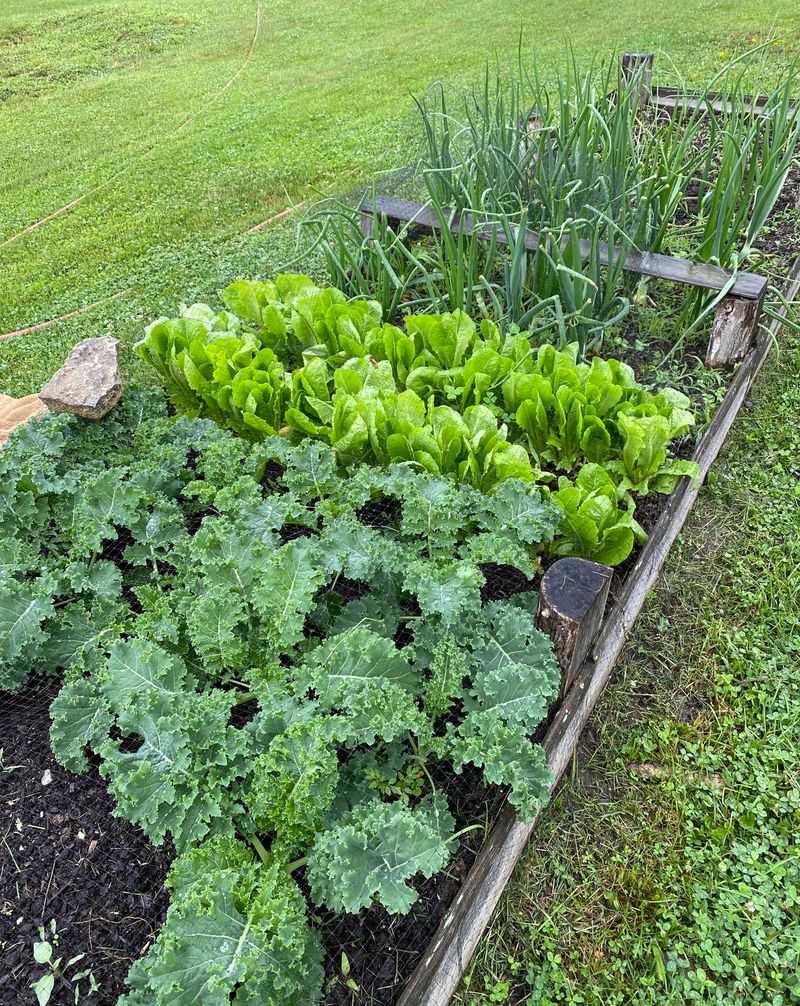
A common mistake puts kale smack in the middle of a garlic row. Kale grows big, often two feet wide, and its leaves can shade garlic all winter.
Smart placement makes the pairing work beautifully. The north end or north side of the bed suits kale best.
In California, the winter sun sits lower in the southern sky. Tall crops on the north side stay out of the way, leaving shorter garlic in full light.
Kale transplants set about 12 to 18 inches apart have room to spread. Starting with transplants in fall gives a valuable head start.
At least a foot between kale and the nearest garlic row keeps both comfortable. Air flows better with that gap, too.
Kale shrugs off cold and actually tastes sweeter after chilly nights. Light frost converts some of its starches into sugars.
Lacinato, also called dinosaur kale, and curly Winterbor both handle California winters with ease. Either makes a reliable choice.
Picking lower leaves regularly while the top keeps growing stretches the harvest, and one plant can feed a family for months.
By late spring, kale starts to flower, signaling time to pull it and give garlic a sunny finish.
Aphids and cabbage worms deserve a watchful eye. A strong spray of water knocks aphids off leaf undersides.
Hand-picking green caterpillars or using row cover keeps pests off the greens as garlic grows undisturbed nearby.
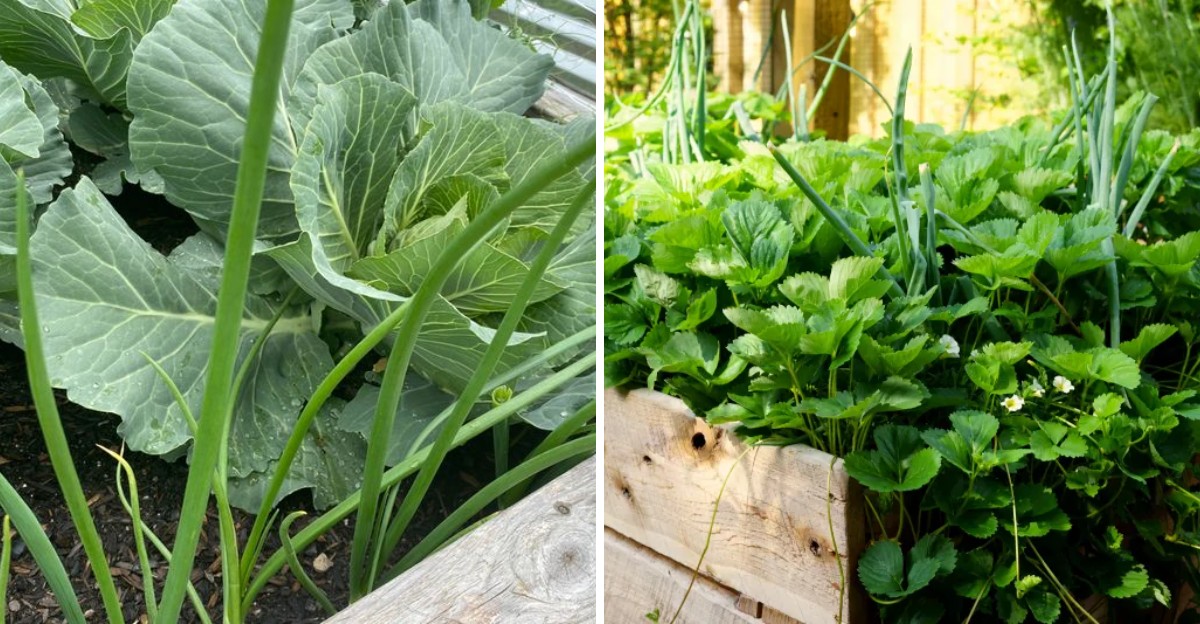
Cabbage Shares The Winter Growing Season
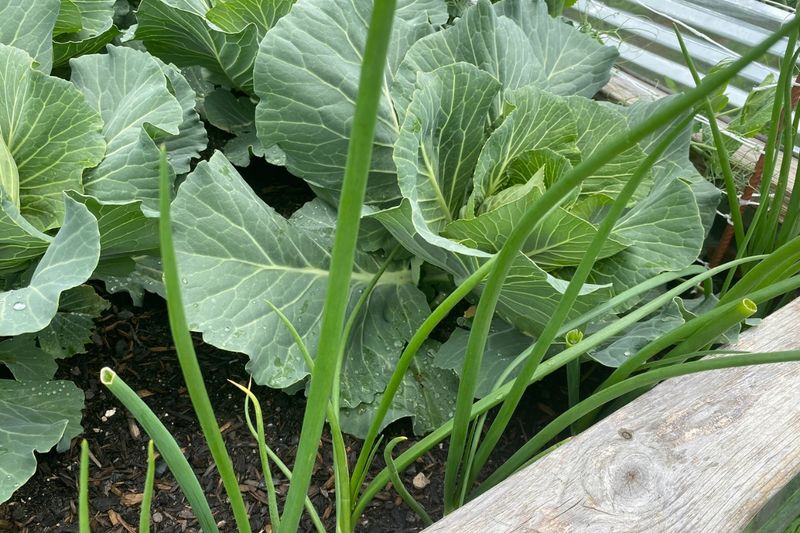
By February, a good cabbage looks like a giant green fist resting in the soil. It has spent months soaking up cool weather right alongside the garlic.
Both crops treat the California winter as prime growing time. Their shared schedule makes them natural bedmates.
Cabbage seedlings go in during fall, spaced 12 to 24 inches apart depending on variety. Compact types like Golden Acre fit tighter spaces, while larger storage cabbages need the full two feet.
Like kale, cabbage can shade its neighbors. The north edge of the bed, or a separate row at least a foot from garlic, keeps sun pouring onto the garlic leaves that fuel bulb growth.
Steady water holds the secret to firm heads. Uneven watering can cause splitting, especially when a big rain follows a dry spell.
A layer of straw mulch keeps moisture even for both crops. It also helps limit weeds between rows.
Most cabbages take about 70 to 100 days from transplant. A fall planting usually heads up by late winter or early spring.
A head that feels solid when squeezed signals harvest time. Cutting at the base with a sharp knife does the job neatly.
The stump left in place sometimes sprouts small bonus heads on certain varieties.
Once cabbage clears out, garlic gets the bed to itself for its final stretch, setting up a tidy start to spring.
Strawberries Make A Low Growing Partner
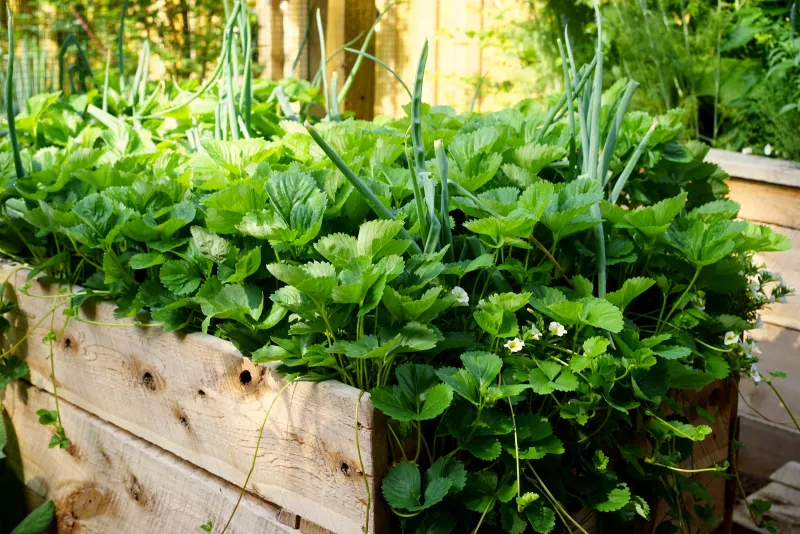
California grows most of the strawberries eaten in the United States. Home gardeners can borrow a page from the farms and tuck a few plants near their garlic.
The two share a bed nicely because strawberries stay short and spread sideways. That low habit keeps the garlic in full sun.
Fall or early winter planting works across most of the state, the same window as garlic. Plants set about 12 inches apart do well, with the crown right at soil level.
Buried crowns rot, while exposed roots dry out. That small detail matters a great deal.
The sunny south edge of the bed makes a fine border spot. Low leaves won’t shade garlic, and they help cover bare soil.
Day-neutral varieties like Albion and Seascape keep fruiting into summer. Local nurseries often stock them in fall.
Drainage matters for both. Strawberries and garlic each struggle in soggy soil, which invites root rot and fungal problems.
Raised beds or mounded rows make a smart move, especially in clay areas.
Watering deserves care as garlic nears harvest. Garlic needs drier soil at the end, while strawberries still want moisture.
Drip lines with separate zones, or berries kept on the outer edge, make it easier to meet both needs.
Runners tend to wander into garlic rows. Snipping them keeps plants productive and the bed neat, leaving fresh fruit to enjoy while garlic finishes up.
Roses Welcome Garlic At Their Feet
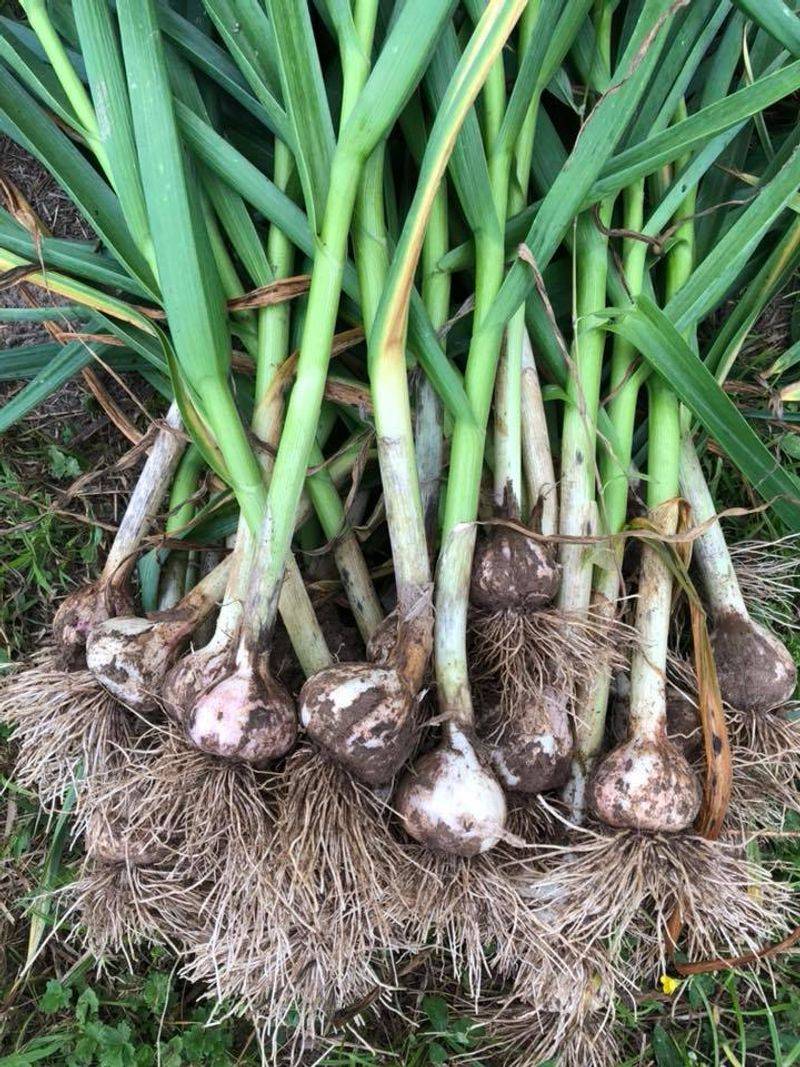
Old cottage gardens often reveal garlic leaves poking up beneath a rose bush. Gardeners have paired these two for generations, and the tradition lives on mostly because it looks charming and uses space well.
Many people plant garlic around roses hoping to discourage aphids. That belief remains a long-standing practice rather than proven pest control.
Viewing it as a pretty pairing keeps expectations realistic. A firm spray of water still handles aphids more reliably.
Spacing keeps both plants healthy. A ring of garlic cloves about 12 to 18 inches from the rose’s main stem works well.
Planting too close can damage rose roots and leave garlic squeezed for light. That buffer protects both.
Roses and garlic both crave full sun, ideally six or more hours a day. They also need soil that drains well.
Slightly mounding the soil around the ring helps water flow away from the bulbs. Soggy ground invites rot in either plant.
Cloves go in during fall, about 1 to 2 inches deep, while roses rest for winter. Garlic grows through the cool months and is ready to dig in late spring or early summer, once lower leaves turn brown.
Moderate watering near harvest time suits the garlic. Roses still need regular water in early summer, so a slow drip at the rose base keeps both happy.
The result is a garden that smells sweet and savory at once.