The Crabgrass Problem New York Homeowners Should Tackle Before Winter
That brown, crunchy crabgrass looks beaten, but it’s quietly plotting a comeback. One frost doesn’t end this fight, no matter how it looks.
All summer long, wiry clumps sprawled across lawns all over New York like uninvited guests at a barbecue. Then cold nights arrived and turned every patch the color of old straw.
It feels like a hard-earned victory. Underneath that crispy mess, though, tiny seeds are already tucked into the soil, waiting for spring.
A single plant can scatter thousands of seeds before it fades for the season. Ignore them now, and next July your lawn could look even worse than it did this year.
Fall hands you a real advantage if you know what to look for. A few smart moves before the snow flies can mean a thicker, greener, and far less weedy lawn come spring.
First Frost Ends Crabgrass Growth, But Its Seeds Remain
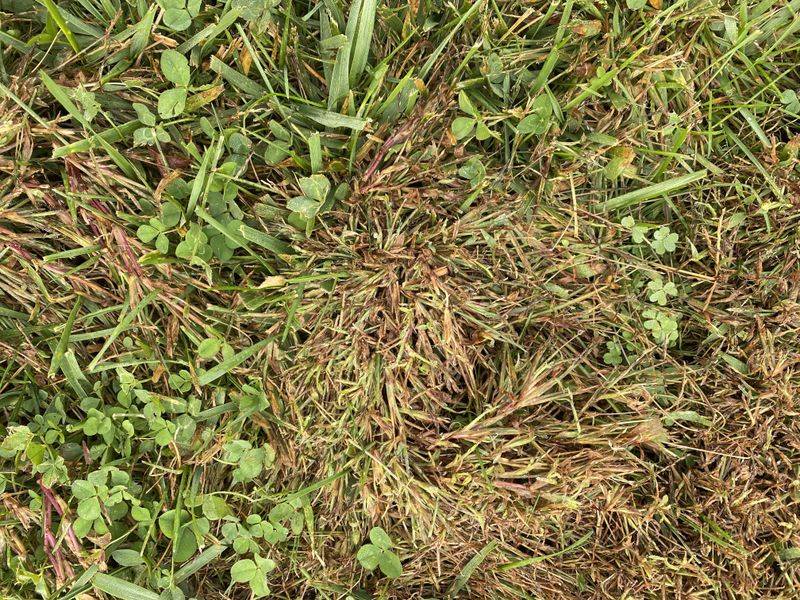
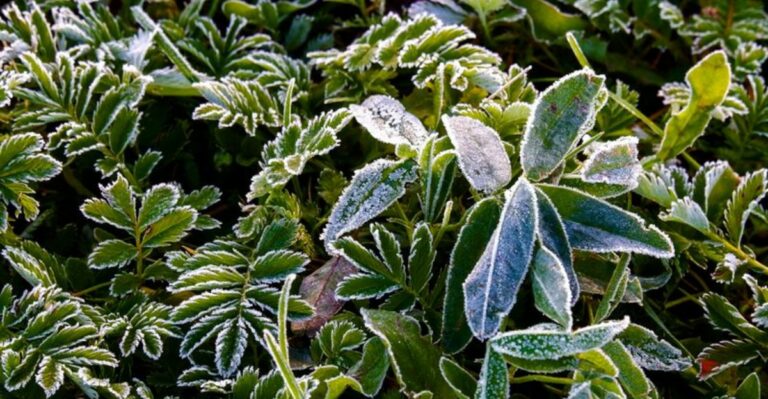
Picture a chilly October morning with frost sparkling on every blade. Your crabgrass patches look limp, brown, and finally beaten.
Sadly, that victory is only skin deep. Crabgrass is an annual warm-season grass, so a hard frost ends its life cycle each fall.
Around much of New York, that first freeze usually lands in October. Overnight lows of 32°F or colder are enough to wilt the plant for good.
Here is the catch most homeowners miss. Before the cold arrives, each clump has already scattered a fresh crop of seeds into your soil.
Those seeds are the real problem you need to plan around. The withered plant is simply leftover packaging from a busy summer of reproduction.
So treat the first frost as a starting whistle, not a finish line. Fall is your best chance to make the lawn less welcoming for next year.
A quick walk around the yard after the freeze helps a lot. Mark the brown, flattened patches with flags or note them on your phone.
Those spots show exactly where seeds landed and where grass is weakest. You can target them later with raking, seeding, and feeding.
Think of it like a map of trouble zones. A little note-taking now saves you guesswork when spring rolls around.
Snap a few photos too, since snow will hide everything soon. Comparing pictures in May shows whether your fall work truly paid off.
Patience matters during this season. The lawn may look calm, but the next round of crabgrass is already quietly waiting below.
One Plant Drops Thousands Of Seeds
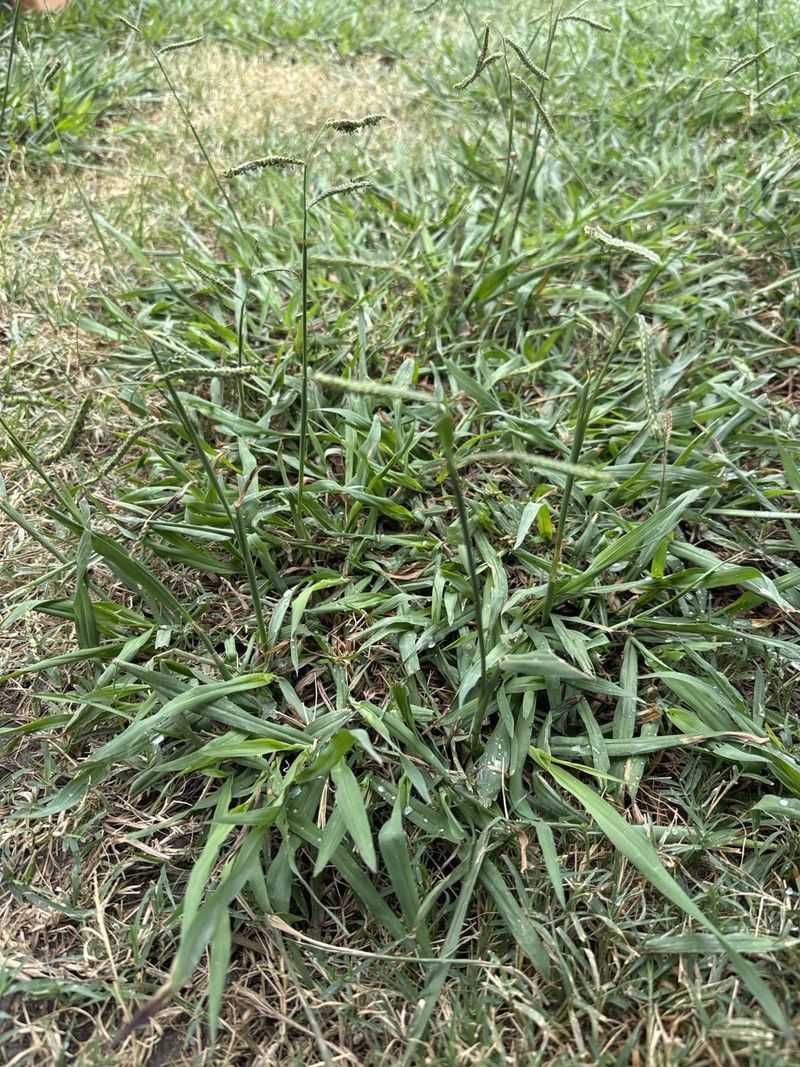
Here is a number that might make you groan. A single crabgrass plant can produce anywhere from 1,000 to 150,000 seeds in one season.
Yes, you read that right. One scrappy clump near your driveway could seed an entire neighborhood if left alone long enough.
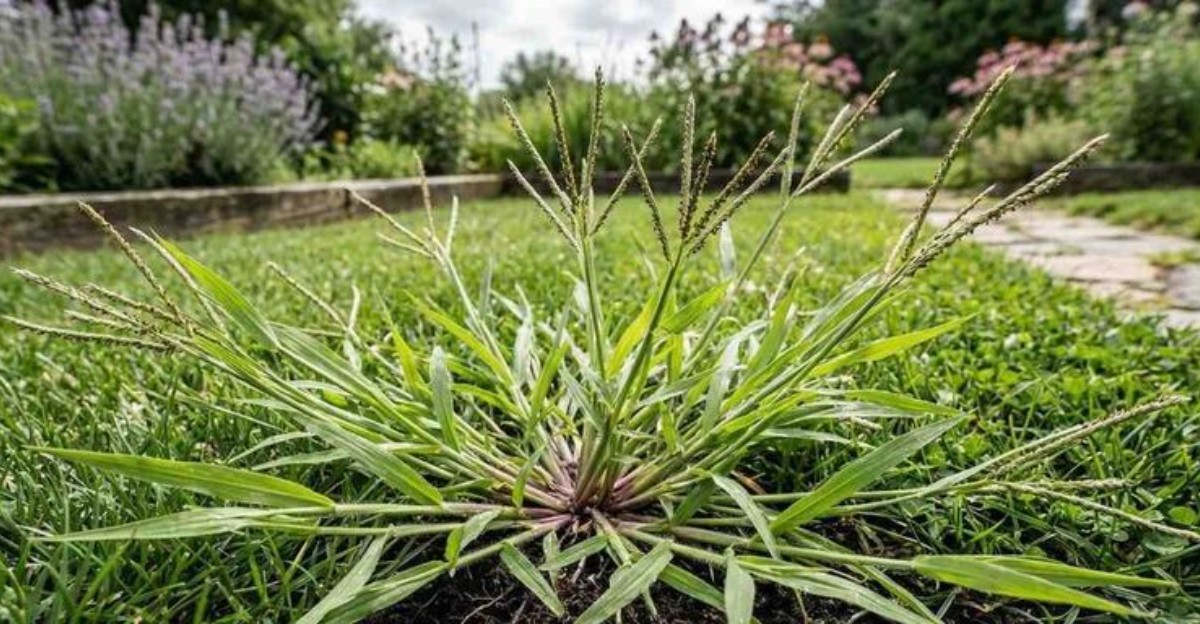
Those seeds form on thin, finger-like spikes that fan out from the top of the stem. Gardeners often call them seed heads, and they ripen in late summer.
Once ripe, the seeds fall easily. Mowers, shoes, pets, and even rain help spread them across your yard and beyond.
Your New York Garden Changes Every Week. Your Plan Should Too.
Gardening in New York changes quickly throughout the season. Every Friday you’ll receive a simple weekly plan showing exactly what to plant, prune, fertilize, harvest, and protect so you never miss the right timing.
Imagine shaking a salt shaker over your lawn every time you mow. That is basically what happens when seed heads get chopped and tossed around.
A smart move is to bag your clippings while seed heads are showing. Mulching mowers are great most of the year, but they can scatter seeds during late summer.
Hand-pulling a few clumps before they seed also pays off. Grab the plant at the base and wiggle it free after a good rain softens the soil.
Toss pulled plants in the trash rather than your compost pile. Home compost often stays too cool to stop crabgrass seeds from sprouting later.
Every plant you remove early means thousands fewer seeds next year. That math works strongly in your favor.
Even if it feels late this season, stay alert next August. Catching seed heads early is one of the easiest wins in lawn care.
Seeds Wait Out The Winter In The Soil
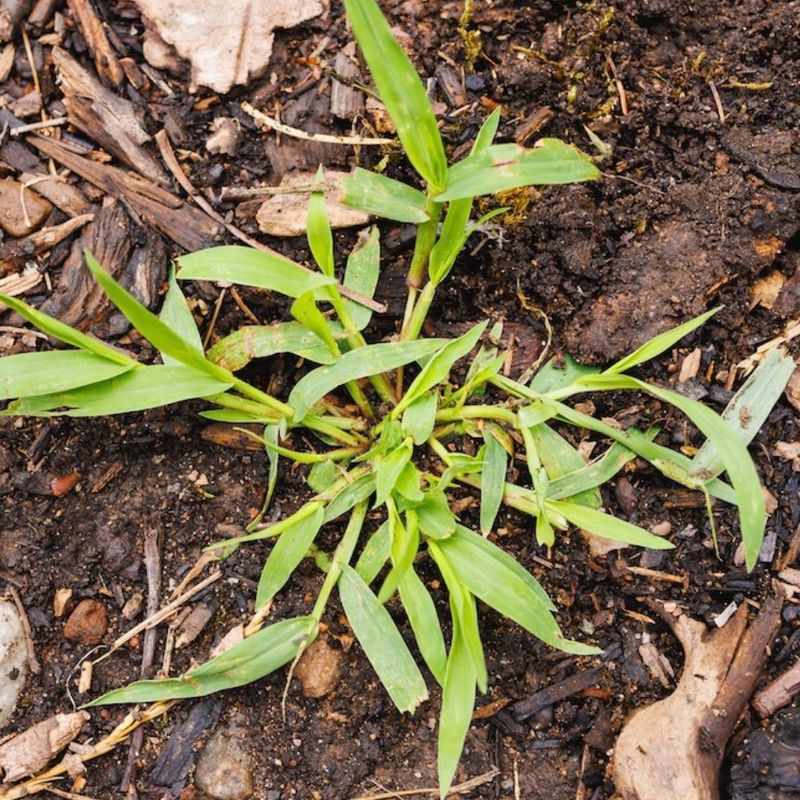
Think of crabgrass seeds as tiny campers zipped into sleeping bags. They settle into the soil and simply wait out the cold months.
Scientists call that resting state dormancy. The seeds slow down, stay tough, and hold off until warm, sunny days return.
Snow, ice, and freezing winds barely bother them. In fact, winter cold can help some seeds get ready to sprout once spring arrives.
Even more frustrating, they can stay alive for several years. Experts call this stored supply a seed bank, and your lawn probably has one.
So even a great season of weeding does not wipe the slate clean. Older seeds from past summers may still be hiding just under the surface.
Most crabgrass seeds sprout from the top inch or so of soil. Seeds buried deeper tend to stay asleep until something brings them up.
Here is a practical tip from that fact. Avoid heavy digging or tilling in weedy areas, because turning the soil lifts buried seeds toward the light.
Instead, focus on keeping the surface covered with thick, healthy grass. A crowded lawn leaves little room for sleepy seeds to wake up.
Across the state, winters are long, but the seed bank holds steady. Planning ahead beats hoping the cold will handle the problem.
Over a few seasons, steady care shrinks that hidden supply. Each year you block new seeds, the bank slowly runs lower.
Thin Turf Gives Seedlings Room To Sprout Next Year
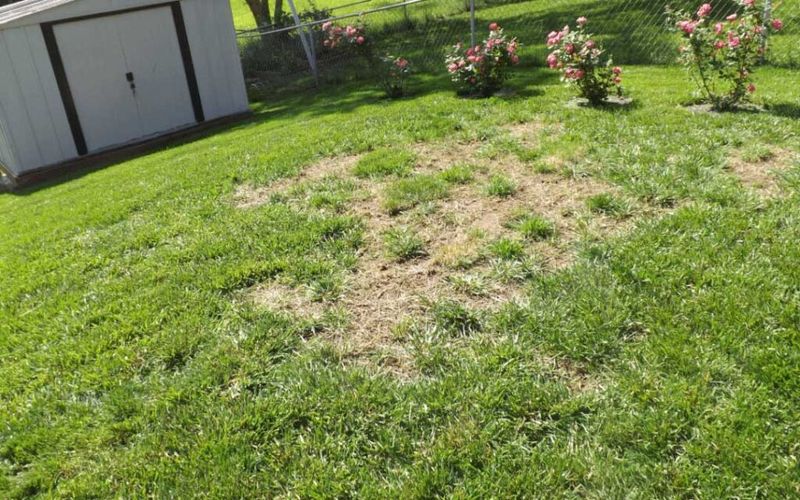
Walk your yard and look for the bald spots. Those thin, patchy areas are basically welcome mats for next year’s crabgrass.
Crabgrass loves open ground. Bare soil soaks up sunshine, warms quickly, and gives seeds the cozy conditions they crave.
Thick grass, on the other hand, shades the ground and keeps it cooler. Seeds sitting under a dense lawn struggle to get started.
Thin turf also means less competition for water and nutrients. Young crabgrass can grab everything it needs without much of a fight.
Common trouble spots include sidewalk edges, driveway borders, and sunny slopes. Areas near hot pavement warm up early and dry out fast.
Spots where kids play or dogs run often wear thin too. Foot traffic presses the soil and weakens grass roots over time.
Grab a notebook and sketch your yard this fall. Circle every thin or bare patch you can find, even small ones.
Many lawns struggle along the street side, where road salt and plows stress the grass. Those strips deserve extra attention before winter.
Once you know where the gaps are, fixing them gets easier. Seeding, feeding, and loosening the soil all work best when aimed at the weak zones.
Fill those empty spaces now, and crabgrass has fewer places to land. A little effort in fall makes the lawn far less inviting next summer.
Overseeding Now Fills The Gaps
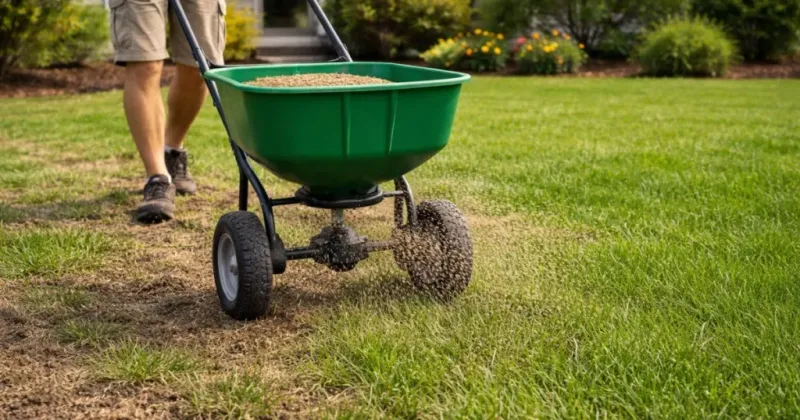
Ask any turf expert their favorite season for seeding, and most will say fall. Cool-season lawns thrive when you plant at this time of year.
The air turns crisp, which eases stress on tender new grass. Meanwhile, the soil stays warm from summer and helps seeds sprout quickly.
In New York, the sweet spot runs from mid-August to mid-September. Seeding in that window gives young grass time to root before winter.
Overseeding simply means spreading new seed over your existing lawn. It thickens thin areas and fills bare patches with fresh, healthy grass.
Pick a seed blend suited for the Northeast. Mixes of tall fescue, Kentucky bluegrass, and perennial ryegrass handle cold winters well.
Mow a little shorter than usual right before seeding. Shorter grass lets seed reach the soil instead of getting stuck on top.
Use a spreader for even coverage across the lawn. Walk in two directions, like a crisscross pattern, so you avoid stripes and missed spots.
Keep the soil lightly moist until the seedlings are about two inches tall. Short, frequent watering works better than one big soak.
Here is the payoff against crabgrass. A thick lawn shades the soil and crowds out weed seedlings before they can settle in.
Skip any pre-emergent weed product on freshly seeded areas this fall. Those products can stop your new grass seed from sprouting too.
Mowing Tall Keeps Sunlight Off Seeds
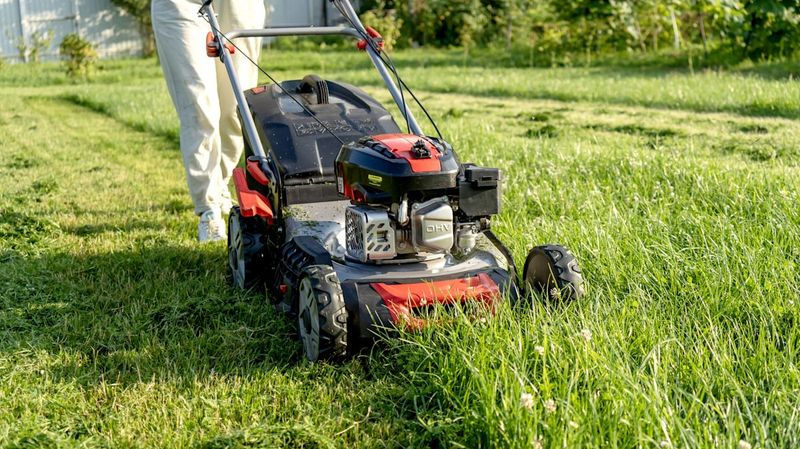
Sometimes the laziest-sounding advice works best. Letting your grass grow a little taller can seriously slow down crabgrass.
Crabgrass seeds need strong light hitting the soil to sprout. Tall grass blades act like tiny umbrellas, casting shade across the ground.
Aim for a mowing height of 3 to 4 inches. Taller turf cuts the light reaching the soil and lowers how many seeds wake up.
Many people scalp their lawns, thinking short grass looks neat. Sadly, a buzz-cut lawn hands crabgrass a sunny invitation.
Check your mower deck before the season wraps up. Most models have a lever or wheel setting you can raise in seconds.
Try the one-third rule while you are at it. Remove no more than a third of the blade height in a single mowing.
Sharp blades matter too. Dull blades tear grass, leaving ragged tips that turn brown and stress the plant.
Keep mowing tall right up until your grass stops growing in late fall. For the very last cut, dropping slightly to about 3 inches helps prevent snow mold.
Taller grass also grows deeper roots. Those roots find water during dry spells and help the lawn bounce back after heat.
So next spring, resist the urge to cut short. Your mower setting might be the cheapest weed control tool you own.
Dense, Fall-Fed Turf Crowds Out Seedlings
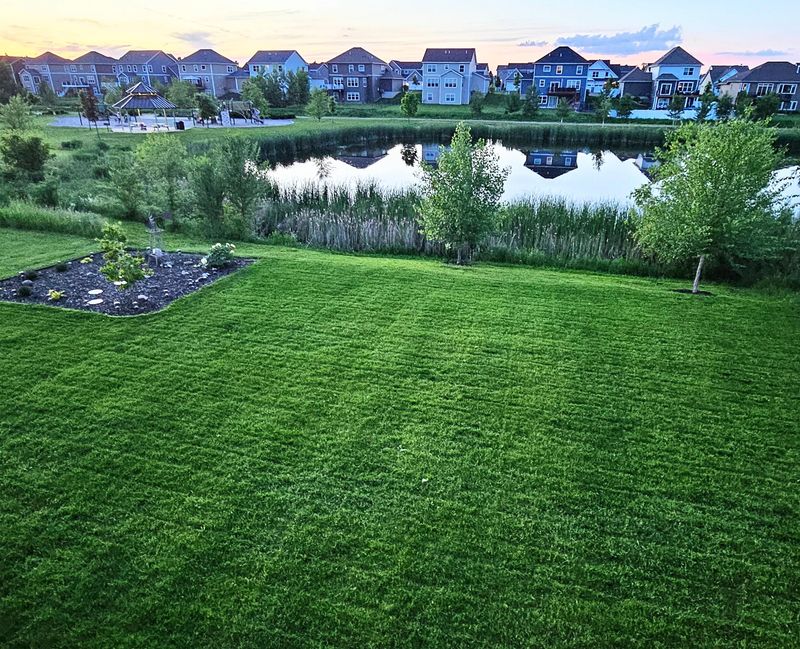
Picture a packed subway car at rush hour. There is just no room for one more rider, and that is exactly how a thick lawn treats crabgrass.
A healthy, dense lawn is the best long-term defense you have. Strong grass hogs the space, light, and food weed seedlings need.
Feeding your lawn in fall helps build that crowd. Cool-season grasses use autumn nutrients to grow deep roots and fill in thin areas.
Plenty of homeowners feed heavily in spring instead. Fall feeding often does more good because roots keep growing even as tops slow down.
Many lawn pros suggest a feeding in early September. A second, lighter round in November helps the grass store energy for winter.
Follow the bag directions closely. Too much product can burn grass or wash into nearby streams and storm drains.
Local rules matter here as well. New York limits phosphorus in lawn fertilizer unless a soil test shows you need it or you are seeding a new lawn.
A soil test from your county Cornell Cooperative Extension office is cheap and helpful. It tells you exactly what your soil is missing.
Sweep any stray granules off sidewalks and driveways. Keeping fertilizer on the grass protects water and saves money.
Do this consistently for a couple of seasons. Your turf thickens, and crabgrass struggles to find a single open seat.
A Spring Pre-Emergent Needs The Right Timing
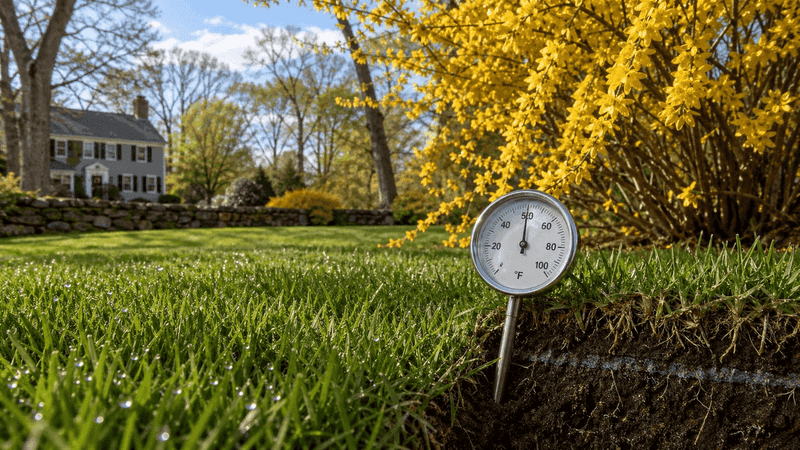
Timing a pre-emergent is a bit like catching a bus. Show up too late, and the ride has already left without you.
Pre-emergent products create a barrier in the top layer of soil. That barrier stops crabgrass seeds from sprouting into seedlings.
Here is the catch, though. The product does nothing for crabgrass that has already popped up, so early application is key.
Crabgrass usually starts sprouting when soil stays near 55°F for several days. Soil thermometers are inexpensive and easy to use.
Across much of the state, that window falls between mid-April and early May. Downstate areas usually warm up a bit sooner than upstate towns.
Nature gives a handy clue too. Many gardeners apply pre-emergent when forsythia shrubs burst into bright yellow bloom.
Water the product in after spreading, unless rain is on the way. Moisture helps activate the barrier in the soil.
Plan around your seeding schedule. Most pre-emergents also block grass seed, so avoid them where you just overseeded.
Some products, like those with mesotrione, can be used at seeding time. Read the label carefully to match your situation.
Why mention spring in a fall article? Planning now means you can buy supplies early and mark your calendar before the busy season.
Raking Out Dried Grass Mats Helps New Seed Reach The Soil
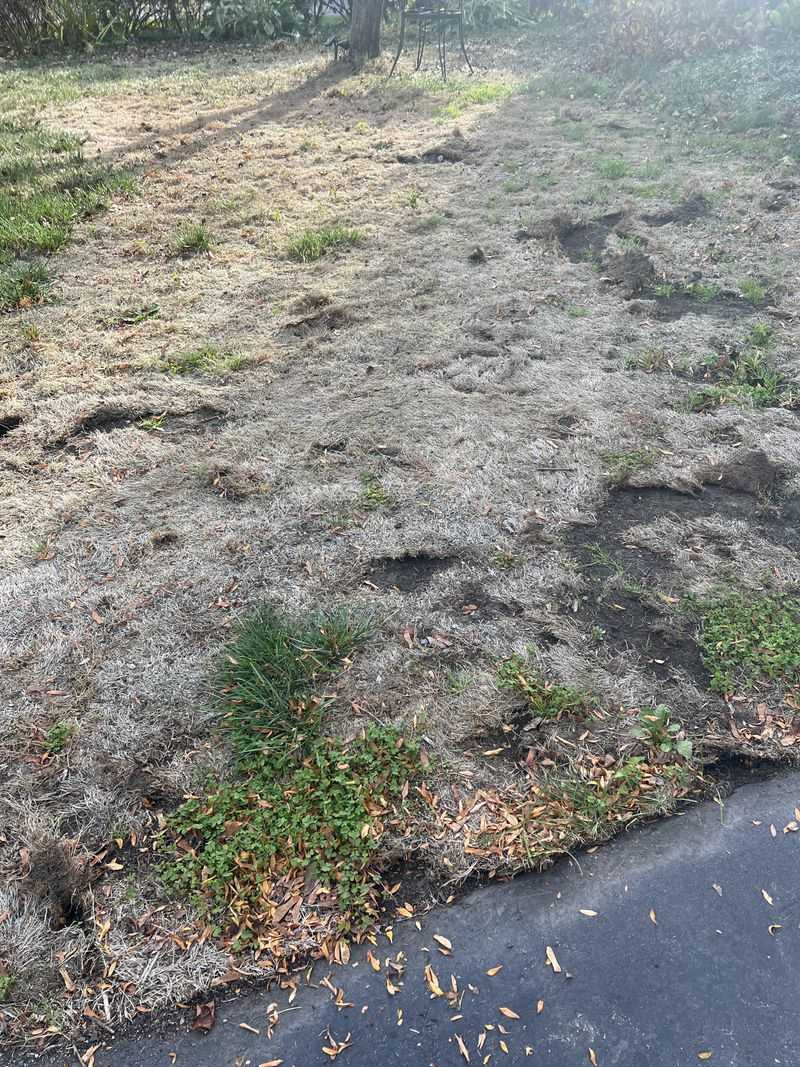
Grab a sturdy rake and a podcast, because this job takes a little elbow grease. Your reward is a cleaner seedbed for new grass.
After frost, crabgrass leaves behind brown, flattened mats. Those tangled leftovers block new grass seed from touching the soil.
Seed needs good contact with bare dirt to sprout. Sitting on top of old plant debris, it often dries out or washes away.
A metal leaf rake works for small spots. For larger areas, a dethatching rake with sharp tines pulls up stubborn clumps more easily.
Rake firmly enough to scratch the soil surface. You want to see some loose dirt showing where the mats used to be.
Gather the debris and bag it with your yard waste. Many New York towns collect leaves and lawn debris curbside each fall.
If you’re still in early fall, spread seed right away. If frost has already hit, save that seed for dormant seeding once the soil turns cold, or for spring.
A thin layer of compost or topsoil on top can help too. It holds moisture and protects seed from hungry birds.
Keep the area damp for the next couple of weeks. Soon you should spot fine green sprouts filling in where crabgrass once sprawled.
Fun fact: raking also gives you a close-up view of the soil. You might notice grubs, hard ground, or other issues worth fixing.
Fixing Compaction Helps Grass Win
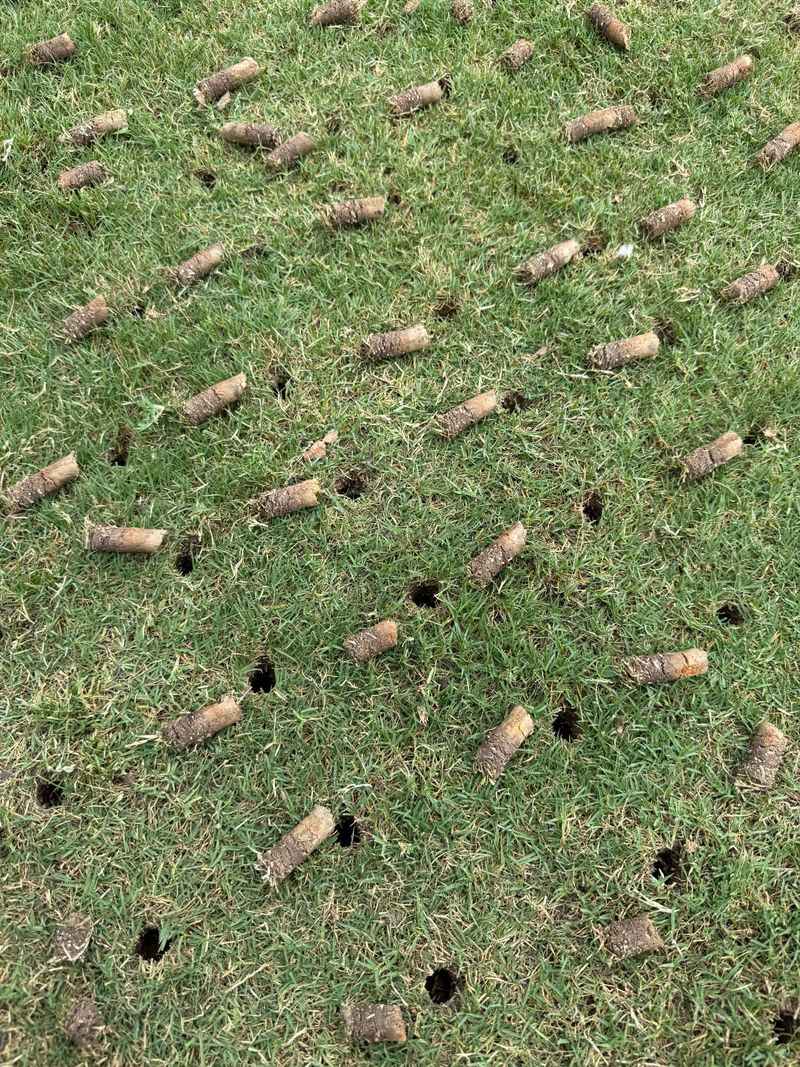
Try pushing a screwdriver into your lawn. If it barely budges, your soil is probably compacted, and crabgrass loves that.
Hard, packed soil squeezes grass roots and blocks air and water. Tough weeds like crabgrass handle those rough conditions better than lawn grass.
High-traffic areas suffer most. Paths to the shed, play zones, and spots where cars park often turn rock hard.
Core aeration is the classic fix. A machine pulls small plugs of soil from the ground, leaving tiny holes behind.
Those holes let air, water, and nutrients reach the roots. Grass then spreads more freely and grows thicker over time.
Early fall is a great time to aerate cool-season lawns. Pairing it with overseeding gives seed perfect little pockets to sprout in.
Rent an aerator from a hardware store, or split the cost with a neighbor. Many lawn services also offer aeration at a fair price.
Water the lawn a day before aerating. Moist soil lets the tines dig deeper and pull cleaner plugs.
Leave the soil plugs on the lawn to break down. They crumble within a couple of weeks and return nutrients to the grass.
Once your soil breathes again, the lawn gets the upper hand. Pair aeration with the other fall steps, and your yard will greet spring ready to win.