Why A Possum May Suddenly Be Visiting Your New York Yard This September
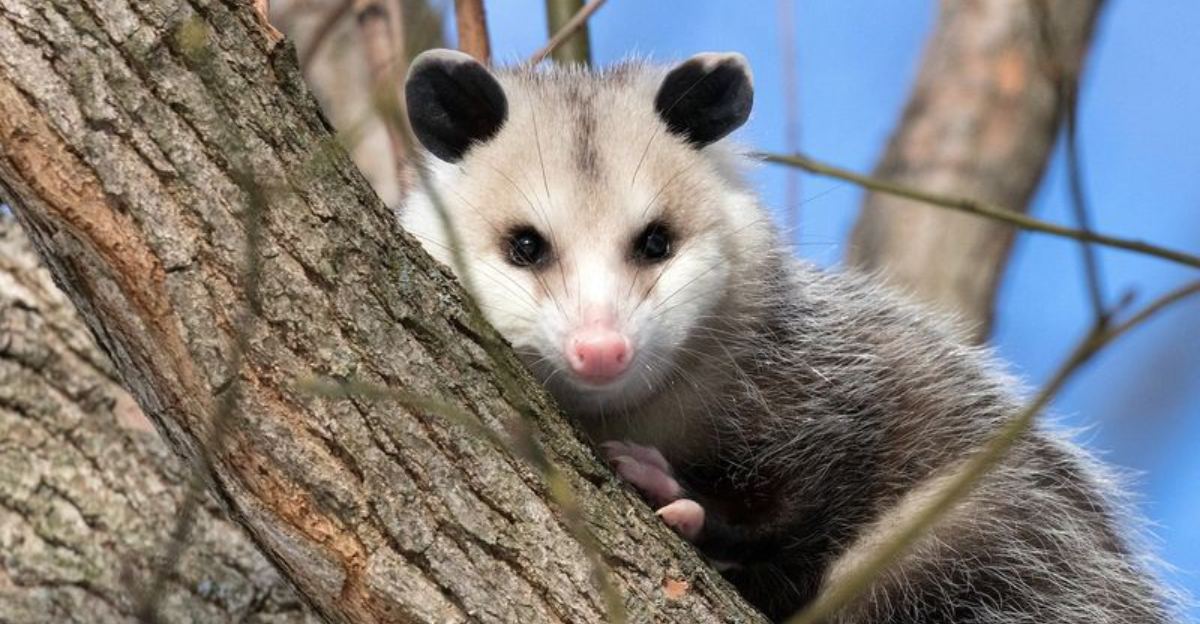
That strange little face staring back at you after dark may have a perfectly good reason for being there.
If an opossum suddenly waddles across your New York lawn, it is not as unusual as it may seem. These adaptable marsupials are common in many suburban areas and often go unnoticed until a nighttime encounter brings them into view.
As September brings cooler nights and seasonal changes, an opossum may start exploring places it has overlooked before. An easy meal, a sheltered hiding spot, or a convenient route through the neighborhood could all bring one closer to your home.
The unexpected visitor does not necessarily mean you have a problem. Understanding what attracts opossums can make that late-night encounter a lot less mysterious and help you decide what, if anything, you want to change around your yard.
1. Your Yard Might Be Serving Up An Easy Midnight Meal
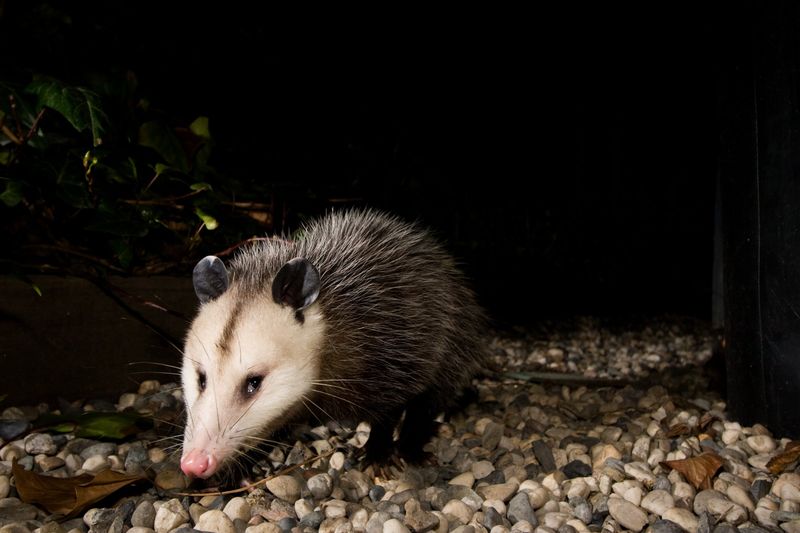
Food is one of the biggest reasons an opossum may wander onto your property. These adaptable animals are opportunistic feeders, meaning they take advantage of whatever meals are easiest to find.
In New York yards, that can include fallen fruit, berries, garden vegetables, nuts, seeds, insects, slugs, snails, worms, and small rodents. A garbage can without a secure lid or leftover pet food sitting outside overnight can make the search even easier.
Bird feeders can also play a role. Seed scattered beneath feeders creates another food source that may attract an animal passing through.
An opossum does not need a yard full of obvious food to stop by. Several small sources combined can make a property much more interesting.
A fruit tree dropping produce, a vegetable garden still producing late-season crops, or a compost pile with accessible scraps can all create convenient feeding opportunities.
Their strong sense of smell helps them locate these opportunities after dark. You may notice an opossum sniffing through leaf litter, checking beneath plants, or investigating areas where food smells collect.
If you want fewer visits, focus on removing the easiest rewards. Bring pet food indoors at night, clean up fallen fruit, secure trash containers, and reduce spilled seed beneath feeders.
Those steps will not prevent every wildlife encounter, but they can make your yard less appealing as a regular food stop. And remember, an opossum in your yard is not automatically a problem.
These animals also consume many insects and other small creatures while they forage.
2. A Cozy Hiding Spot Could Be Calling Its Name
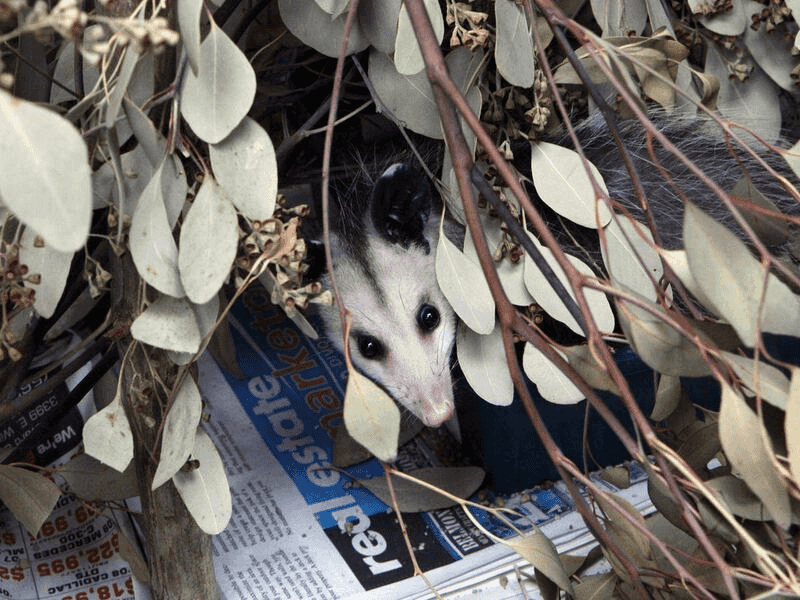
Food may bring an opossum close, but shelter can determine whether it spends more time around your property. These animals are highly adaptable and use many different environments, including suburban neighborhoods.
Unlike animals that create permanent homes, opossums usually rely on temporary resting spots. They may use hollow logs, abandoned burrows, brush piles, woodpiles, dense shrubs, or quiet spaces beneath structures.
That means your New York backyard can offer exactly what an opossum needs without looking unusual to a homeowner. A pile of branches near a shed, thick landscaping along a fence, or a gap beneath a porch can all provide protection during the day.
Your New York Garden Changes Every Week. Your Plan Should Too.
Gardening in New York changes quickly throughout the season. Every Friday you’ll receive a simple weekly plan showing exactly what to plant, prune, fertilize, harvest, and protect so you never miss the right timing.
Seeing an opossum under a deck does not necessarily mean it has decided to move in permanently. It may simply have found a safe place to rest before becoming active again after dark.
If an opossum keeps returning to one area, look closely at what makes that spot attractive. A sheltered corner may be providing cover from weather, people, and other animals.
You do not need to remove every natural feature from your yard. Brush piles, shrubs, and fallen logs can benefit many forms of wildlife.
Instead, focus on places where you do not want animals entering, such as crawl spaces, sheds, garages, or areas beneath decks.
Blocking access points carefully can reduce unwanted visits while still allowing wildlife to move through the landscape naturally.
3. Your Compost Pile Could Be Sending A Signal
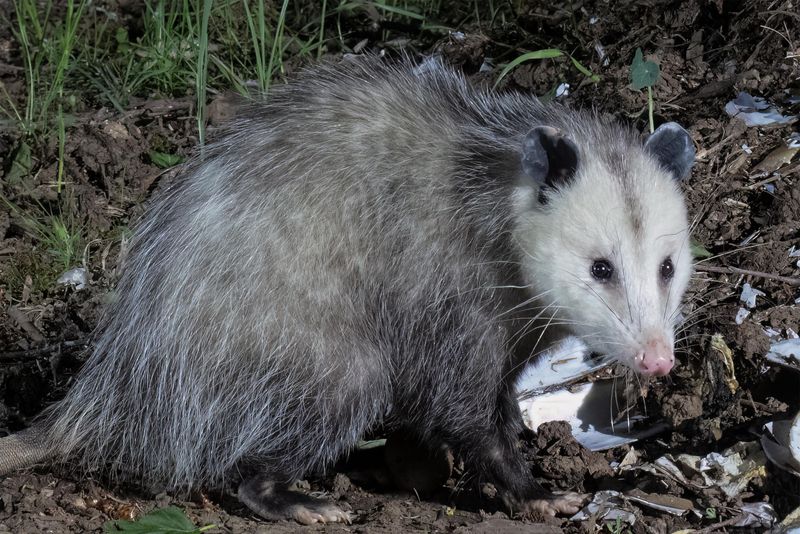
Not every opossum visit starts with an obvious food source like a fallen fruit tree or an open garbage can. Sometimes the attraction begins with a small ecosystem growing quietly in your yard.
A compost pile, leaf pile, or area with decaying plant material can support many small creatures that opossums may eat while foraging. Worms, insects, beetles, slugs, and other invertebrates may be part of the wider food web around these areas.
That does not mean composting is a mistake. A well-managed compost pile benefits the garden and supports many helpful organisms.
It simply becomes another place where an opportunistic animal may find something worth investigating.
The same applies to loose yard debris. Piles of leaves, fallen vegetables, or plant material left near the edge of a property can create small pockets of activity that attract wildlife.
If you want to keep compost from becoming a regular stop, focus on good maintenance. Keep the pile contained, avoid adding strong-smelling food scraps, cover fresh additions when possible, and prevent large amounts of waste from accumulating around the area.
A healthy compost system can still belong in a wildlife-friendly yard. The goal is not to remove every natural feature, but to understand how different parts of your landscape work together.
Sometimes an opossum is not responding to one big attraction. It may simply be noticing all the small opportunities your yard provides.
4. A Route Through Your Neighborhood Can Lead It There
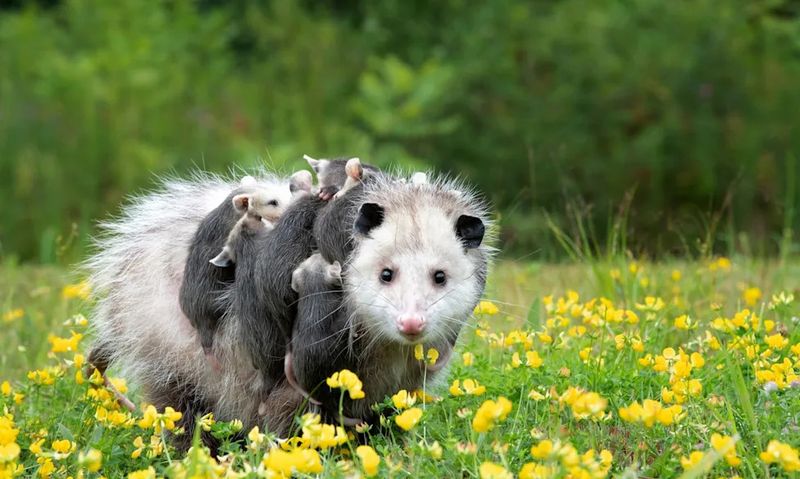
Sometimes an opossum appears in your yard because your property is part of a larger route through the neighborhood.
These animals are adaptable and can move through many landscapes, including suburban areas. They often travel between different sources of food and shelter, using whatever cover is available along the way.
Small wooded patches, parks, streams, drainage areas, fields, and connected areas of vegetation can create pathways through developed neighborhoods. A yard does not need to border a large forest to become part of an opossum’s movement pattern.
Because opossums are mainly active at night, most of this travel happens unnoticed. A homeowner may suddenly see one crossing the lawn even though the animal has been moving through the area for some time.
Fences and property lines do not always stop them. Gaps, vegetation, and open spaces can allow wildlife to move between yards.
A sighting also does not necessarily mean the same animal has returned repeatedly. Different opossums may pass through the same neighborhood when conditions are favorable.
If your property sits near natural areas or connected green spaces, occasional nighttime visitors are more likely. The surrounding landscape may be just as important as anything directly inside your yard.
An opossum on your lawn may simply be passing through, checking for food, investigating a smell, or following a familiar route through the neighborhood.
5. Water Sources Can Make Your Yard A Regular Stop
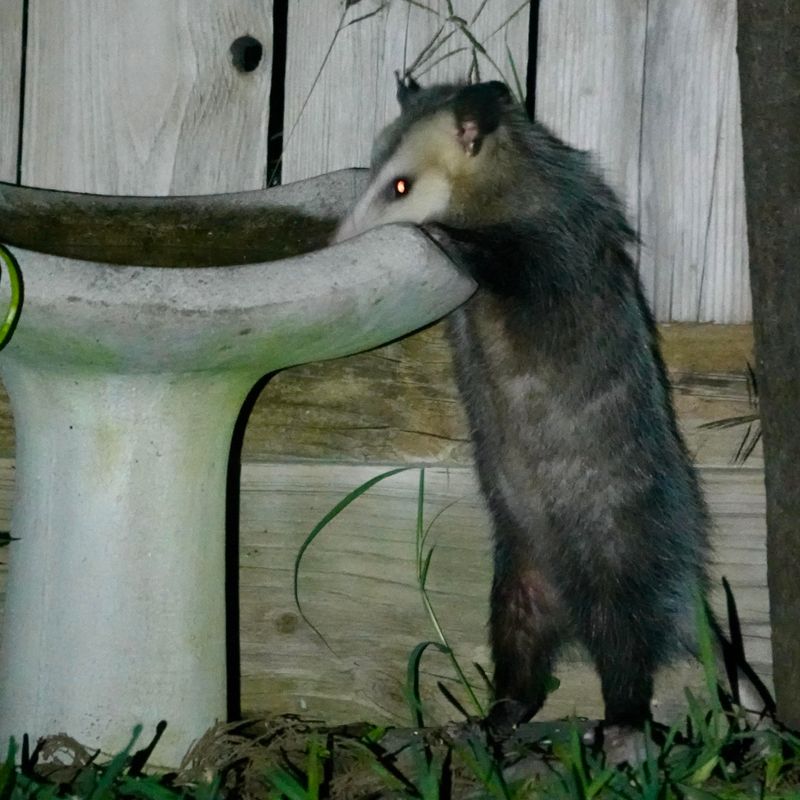
Food and shelter are usually the biggest factors, but water availability can also influence where an opossum spends time.
Properties near streams, ponds, drainage areas, wetlands, or other damp locations may naturally overlap with places opossums already use. A yard does not need to contain a large water feature to become part of that landscape connection.
Even smaller sources can matter. Leaky outdoor faucets, shallow containers holding rainwater, birdbaths, or consistently moist areas beneath vegetation can create convenient places for animals to investigate.
Moist areas may also support insects, worms, and other small creatures that can become part of an opossum’s diet.
That does not mean every yard in New York with a birdbath or wet corner will attract opossums. Water is simply one more factor that can make a property useful when combined with food, cover, and safe travel routes.
If an opossum has started appearing near a particular area of your yard, look at the entire picture. A nearby water source, dense vegetation, and easy access to food may all be working together.
Understanding these connections can make a nighttime sighting easier to explain. The animal may not have chosen your yard randomly.
It may simply be following the resources available in the surrounding landscape.
6. Changing September Conditions Can Shift Its Foraging
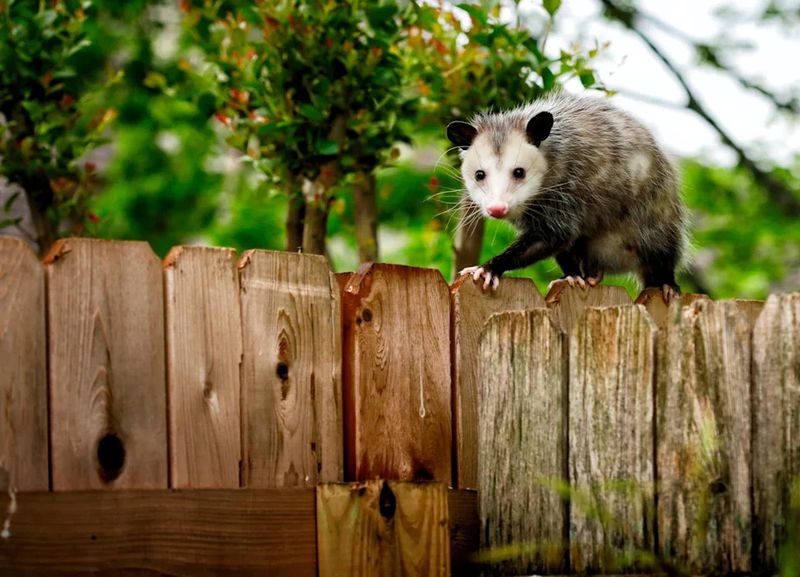
By September, many parts of the landscape in New York begin shifting. Fruits may start dropping, gardens may still be producing, nights become longer, and temperatures gradually begin to cool.
For an adaptable animal like an opossum, those changes can affect where it spends time looking for food.
Fall can create a mix of seasonal food sources. Fallen fruit beneath trees, nuts collecting on the ground, insects still active in the soil, and late-season vegetables can all make certain yards more interesting than others.
That does not mean September automatically sends every opossum into neighborhoods searching for food. Seasonal conditions simply change what is available, and the animal responds to the opportunities it finds.
Cooler weather can also influence shelter use. Opossums do not hibernate, but they may spend more time using protected resting areas as temperatures drop.
A single sighting does not necessarily mean a major seasonal change is happening. Conditions can vary from one yard to another, and one neighborhood may offer very different resources than the next.
If an opossum suddenly appears more often, look for recent changes around your property. Have fruit trees started dropping produce?
Is the garden still active? Has a compost pile become easier to access?
The answer is usually connected to something specific nearby. September may be when you notice the animal, but the reason is often found in what your yard is providing at that moment.
7. A Recent Disturbance May Have Pushed It Into Your Yard
Sometimes an opossum appears because something changed nearby. The animal may not be searching for your yard specifically.
It may simply be adjusting to a different landscape.
Opossums can use many habitats, including suburban neighborhoods. Because they move between different resting and feeding areas, changes along their usual routes can influence where they go next.
Construction, tree removal, brush clearing, landscaping projects, and changes to vegetation can all affect the cover and food sources available in an area.
Even small changes can matter. Removing thick plants along a property line may make one pathway less useful, while a new hedge or brush pile may create another option.
Changes do not have to happen in your own yard either. A nearby property improvement or natural change can alter how wildlife moves through an entire neighborhood.
The same idea works in reverse. Cleaning up fallen fruit, securing trash, sealing gaps beneath structures, or removing unnecessary shelter can make a yard less appealing.
If you notice an opossum appearing after a recent change, consider whether the timing matches. A new fence, cleared vegetation, landscaping work, or outdoor food source may explain why the animal started showing up.
A visitor does not always mean your yard has a problem. Sometimes it simply means the surrounding landscape has changed, and an adaptable animal is exploring new options.