How To Encourage An Aloe Vera To Produce More Pups
Why does your plant sit on the windowsill looking so pleased with itself? You praised it, sang to it, and still no pups appeared.
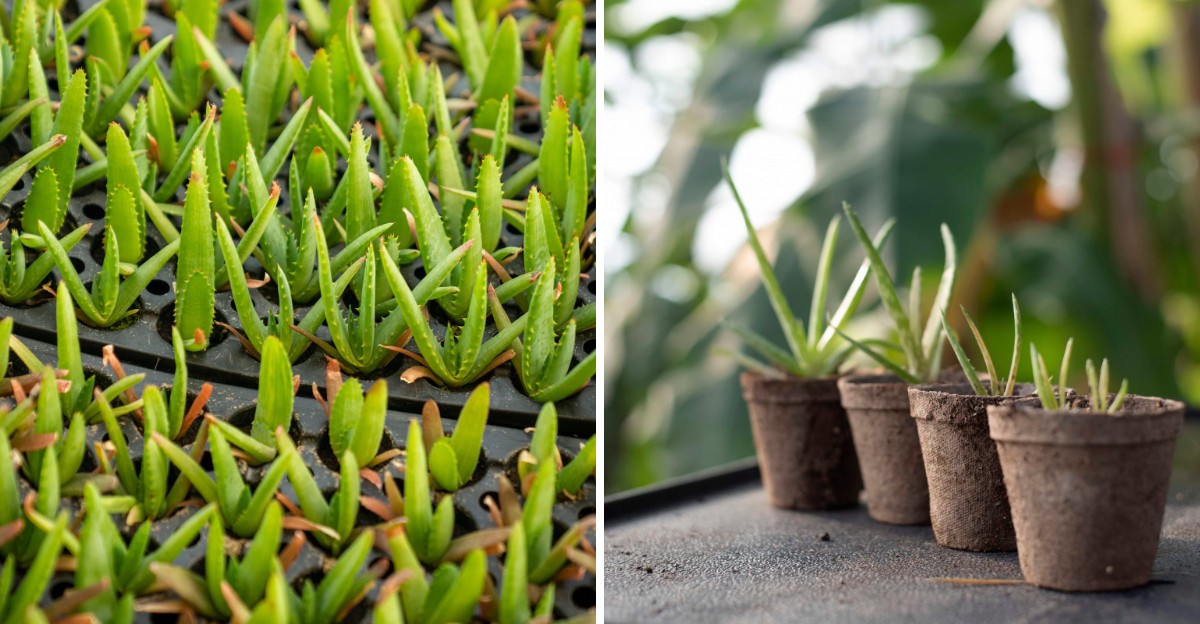
Other pots resemble a school bus packed with tiny green passengers. Steady warmth helps you here, because comfortable plants have energy to spend on making offspring.
Slightly snug roots may encourage your plant to reproduce, so choose a cozy pot. Bright light fuels pup growth, so slide your pot beside a south-facing window.
Offer water sparingly and let your gritty soil dry between sips. Gently separate a healthy pup, let the cut dry, then plant it in cactus mix.
Fresh roots will surprise you within a few weeks, followed by new leaves. Soon you will need a nursery, a babysitter, and a bigger allowance. Picture your windowsill diva demanding attention while a crowd of spikes cheers.
1. Choose A Snug Pot For The Roots
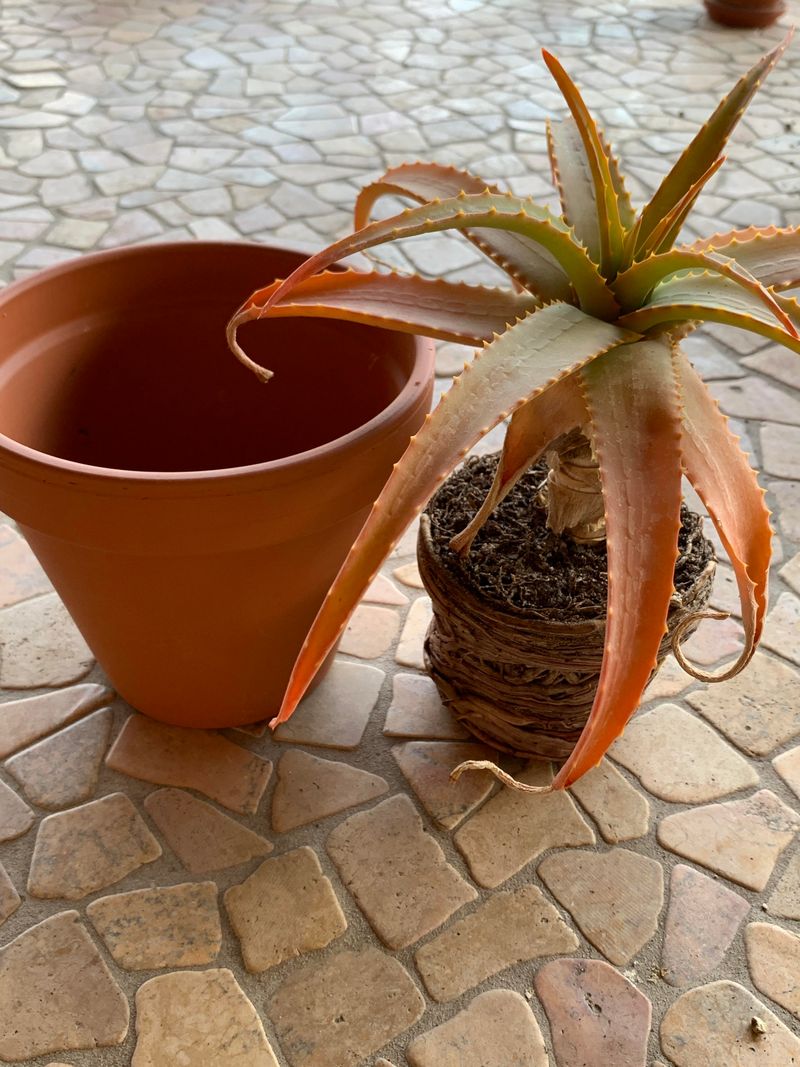
Picture your feet squeezed into shoes one size too small, and you might start looking for an escape. Aloe roots may respond to a snug pot by sending out pups instead.
A crowded root ball tells the plant that space is limited. Its natural answer is to spread sideways by making baby plants near the base.
Big, roomy pots do the opposite and invite the plant to pour energy into roots. You end up with a huge underground system and very few new shoots above the soil.
Aim for a pot only about one or two inches wider than the root ball. A slightly wide, shallow pot works better than a tall, narrow one for pup production.
Shallow containers give the side shoots room to pop up around the edges. Deep pots waste soil that stays wet and can cause root rot.
Terracotta is a smart choice because the clay breathes and pulls extra moisture from the soil. Make sure there is at least one drainage hole, since standing water can harm new pups.
Resist the urge to repot every year just because the plant looks a little crowded. That snug, packed look is a helpful signal to keep in place.
Wait until roots poke out of the drainage hole or the pot starts to crack. Then move up just one small size and let the squeeze begin again.
In the Northern Hemisphere, October is a fine month to check pot size before winter slows growth. Make notes now so you are ready to act when spring arrives.
2. Give The Plant Plenty Of Bright Sun
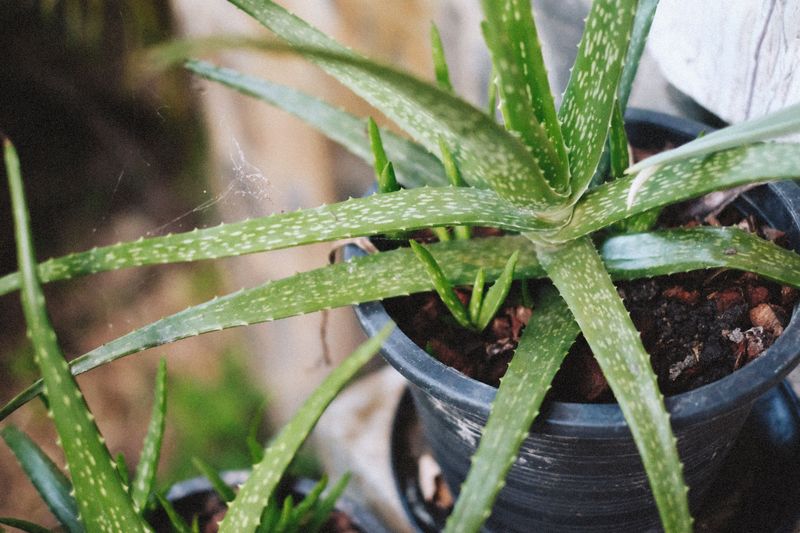
Sunlight is basically lunch money for an aloe plant. Without enough of it, the plant has nothing to spare for raising a family.
Pups take energy to build, and that energy comes from light hitting the thick leaves. A plant sitting in a dim corner will just try to survive, not multiply.
Aim for about six hours of bright light each day. In the Northern Hemisphere, a south or west facing window is usually the sweet spot indoors.
Outdoor plants love morning sun with a little afternoon shade in hot climates. Too much harsh sun can turn leaves red, brown, or dry at the tips.
Pale, stretched leaves that flop over are a clear cry for more light. Healthy aloe leaves stand upright and look plump, firm, and deep green.
In the Northern Hemisphere, October days are getting shorter, so your plant may need a sunnier spot now. Slide it closer to the brightest window you have in the house.
A simple LED grow light can fill the gap during gloomy fall and winter weeks. Follow the manufacturer’s guidance for distance and daily hours.
Rotate the pot a quarter turn each week so every side gets its share. Even light helps the plant grow evenly on all sides.
Move plants into stronger light slowly over a week or two. Sudden bright sun can damage leaves that are used to softer indoor light.
Think of it like easing into a cold pool instead of jumping in. Patience here protects the leaves that power all future pup production.
3. Use A Gritty Mix For The Soil
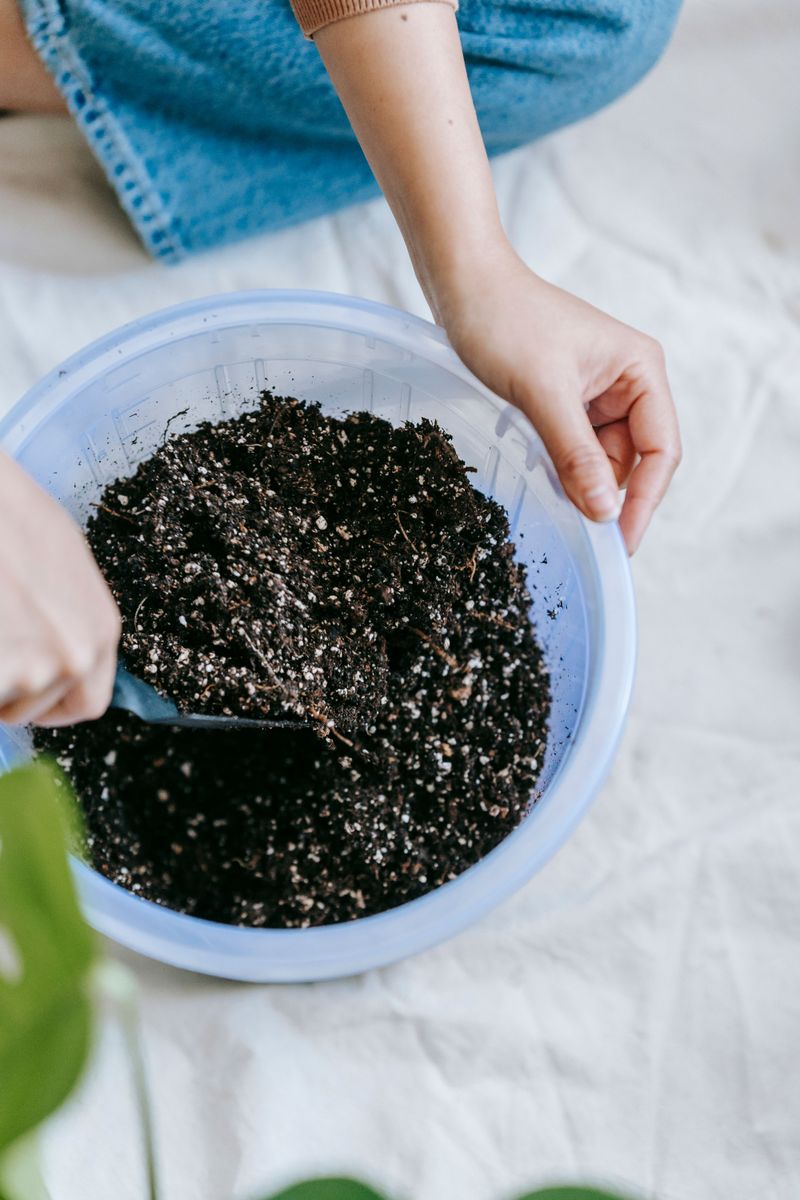
Desert plants dislike soggy soil. Aloe comes from dry, rocky places where water drains away in minutes.
Regular potting soil holds moisture like a sponge, which is great for ferns but rough on succulents. Constantly wet roots can slow pup production.
A gritty cactus and succulent mix is the easiest place to start. You can find bags at most garden centers, often on sale in fall.
Want to mix your own blend at home? Combine one part potting soil, one part coarse sand, and one part perlite or pumice.
Pumice is a light volcanic rock that keeps air pockets open around the roots. Those tiny air spaces help roots breathe and spread out to form new shoots.
Pups are offsets that grow from underground stems, called rhizomes or stolons, creeping sideways through the soil. Loose, airy soil makes it much easier for them to push through and pop up.
Heavy, packed dirt feels dense to those tender little stems. They may slow down or develop rot before reaching the surface.
Squeeze a handful of damp mix to test it. Good soil crumbles apart when you open your hand instead of staying in a mud ball.
Top the soil with a thin layer of small gravel for a finished look. Gravel keeps the base of the plant dry and helps prevent rot near new pups.
Refresh tired, compacted soil every two or three years. Fresh grit gives roots a clean, comfy home to keep expanding.
4. Water Deeply And Let The Soil Dry
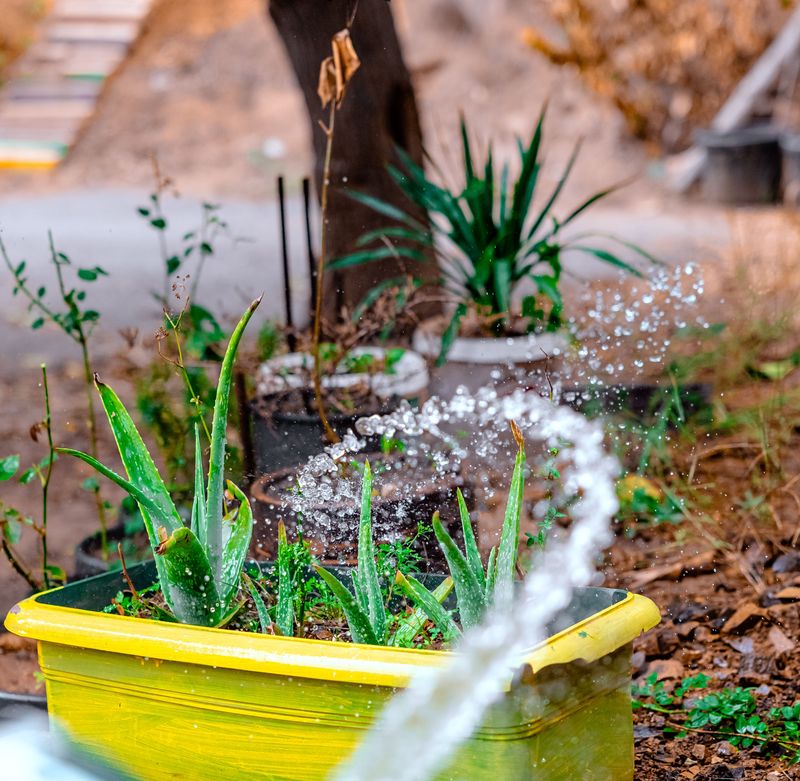
Many first aloes struggle from overwatering. The leaves turn mushy, and no pups appear. Aloe stores water in its thick leaves, almost like a camel stores energy. That means it handles dry spells far better than soggy feet.
The best method is called soak and dry. Water deeply until it runs out of the drainage hole, then let the soil dry out fully.
Stick your finger about two inches into the soil before you water again. If you feel any dampness, wait a few more days and check again.
During spring and summer, most indoor aloes need water every two to three weeks. Growth is fast then, and steady moisture fuels the creation of new pups.
In the Northern Hemisphere, October is when you should start stretching the gaps between drinks. Cooler air and weaker light slow the plant down, so it uses less water.
In winter, watering once a month is often plenty for a healthy plant. Some growers wait even longer if the room stays cool and dim.
Watch the leaves for helpful clues about thirst. Thin, curling leaves mean the plant wants a drink, while soft, see-through spots mean too much water.
Empty the saucer under the pot about fifteen minutes after watering. Standing water creeps back up and keeps roots wet far too long.
A happy, well-hydrated root system has the strength to send out offsets. Get the rhythm right, and the babies tend to follow.
5. Feed With A Light Dose Of Fertilizer
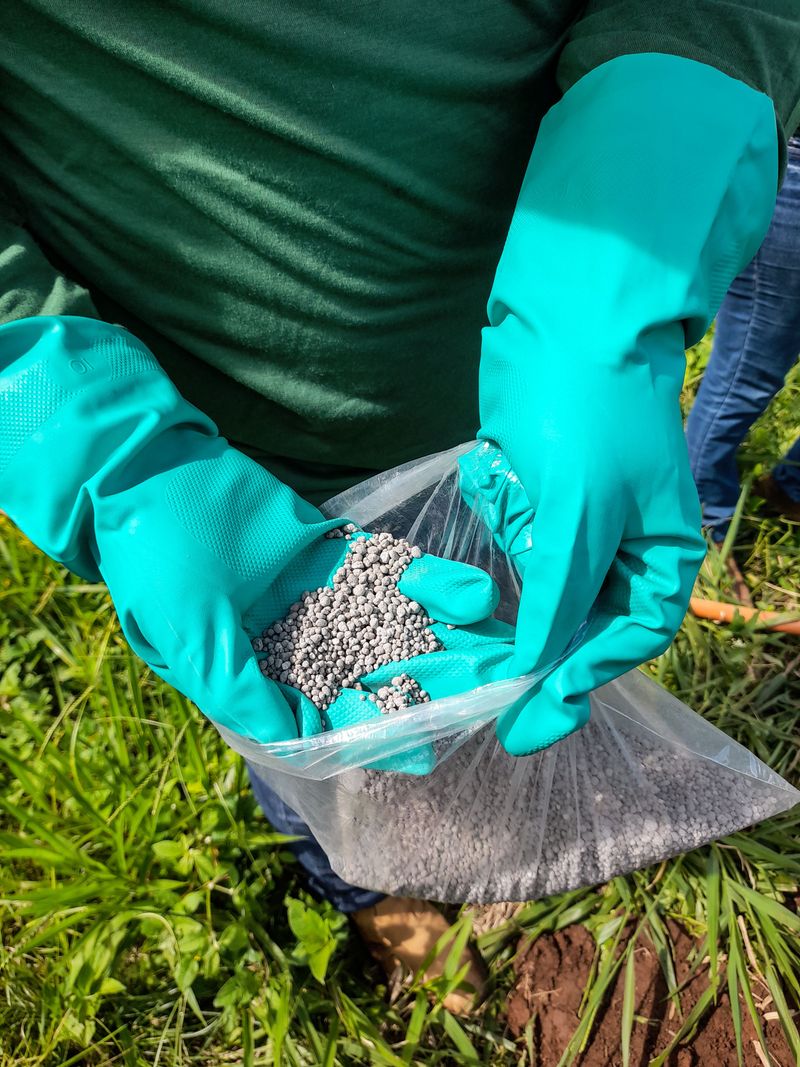
Think of fertilizer as a vitamin, not a giant holiday dinner. A small boost can support aloe as it builds pups, but too much can cause problems.
Aloe grows in poor, sandy soil in the wild, so it is used to slim pickings. Heavy feeding can lead to floppy leaves and fertilizer damage to the roots.
Pick a liquid fertilizer made for cacti and succulents. Look for a low-nitrogen formula such as 10-40-10, where the middle number stands for phosphorus.
Phosphorus supports root development, which may help the plant produce offsets. A low nitrogen formula keeps the plant from growing big leaves at the expense of pups.
Dilute the fertilizer to half the strength listed on the label. Halving it may seem light, but aloe prefers a gentle touch.
Feed once in early spring and once more in early summer. Some growers add a third light feeding in midsummer for extra push.
In the Northern Hemisphere, October is the time to put the fertilizer bottle away until next spring. Feeding a resting plant in fall can cause weak growth that struggles through winter.
Water the soil first, then add fertilizer to protect the roots from burning. Dry roots soak up chemicals too quickly and can get damaged.
White crust on the soil or pot rim is a sign of salt buildup. Flush the pot with plain water a few times to rinse it away.
Treat fertilizer like a secret ingredient used sparingly. Your aloe will thank you with a quiet wave of fresh green pups.
6. Let The Mother Plant Mature
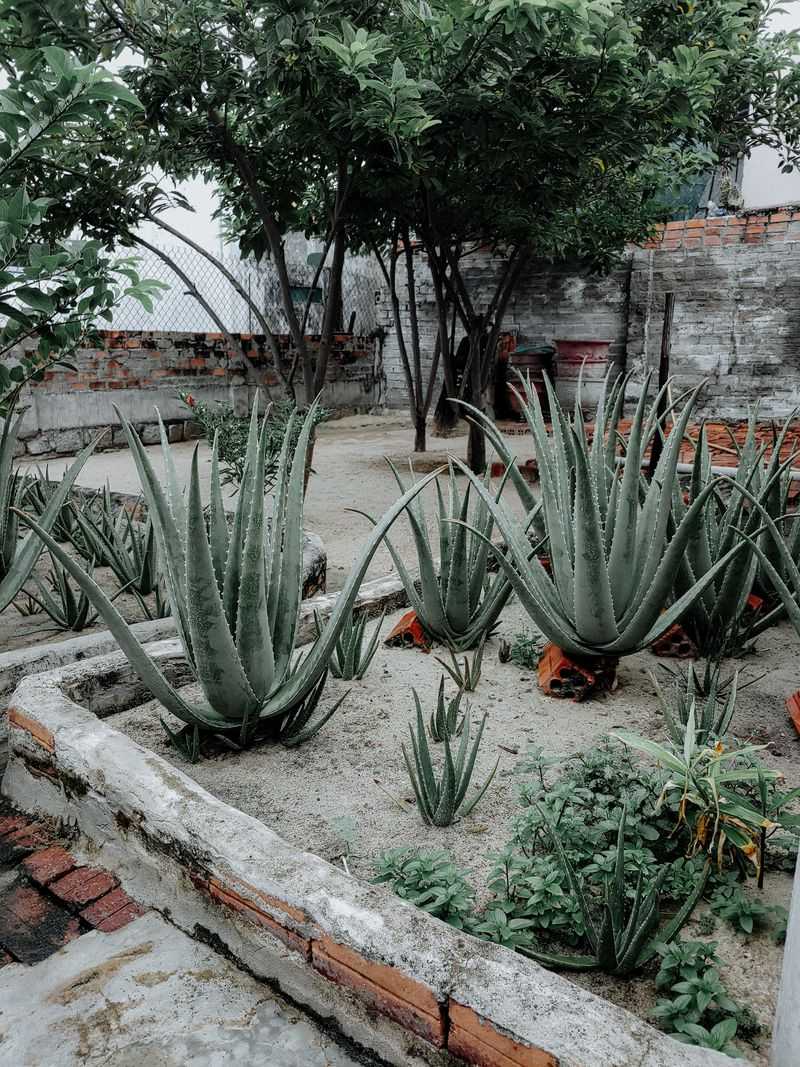
Patience might be the hardest tip on this list, but it matters a lot. Young aloes are like kids who are not ready to babysit yet.
Many aloe vera plants start producing pups at about two to four years old. Before that, they focus on growing their own leaves and roots.
A plant grown from a tiny pup this spring is still a baby itself. Asking it for offspring now is a bit like asking a toddler to drive.
Size is a better clue than age when you are not sure. A mother plant around twelve inches tall with plenty of thick leaves is usually ready.
Help the plant mature by giving it great care during each growing season. Good light, gritty soil, and smart watering speed up its journey to adulthood.
Avoid pulling off healthy leaves for gel while the plant is young. Each leaf is a solar panel feeding the plant’s growth and future pups.
Did you know aloe vera has been grown for thousands of years? Ancient Egyptian medical texts mention aloe, and it was valued for its medicinal uses.
That long history shows how tough these plants are once they settle in. Give a young plant time, and it will reward you with a steady stream of babies.
Mark the date you got your plant on a sticky note under the pot. Tracking its age helps you know when to expect those first pups. Waiting is productive, too. Those quiet months build the strength the plant needs later.
7. Remove The Pups To Make Room For More
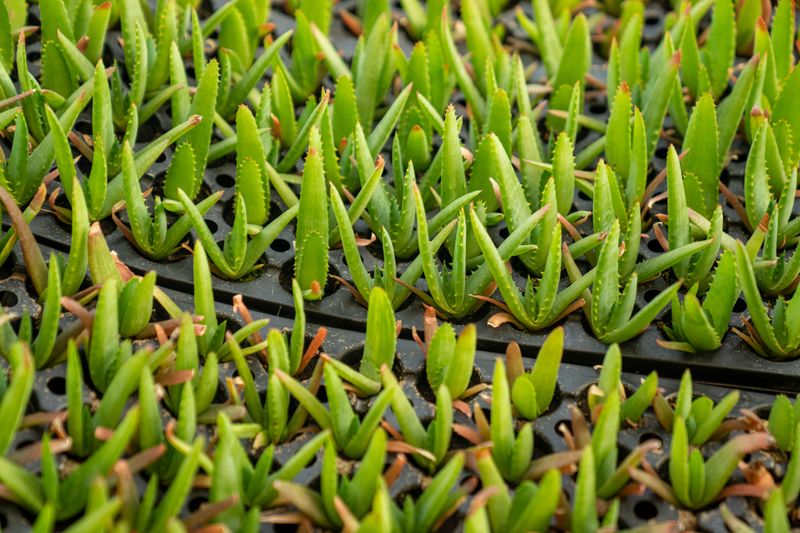
Taking babies away can make room for more babies. Removing pups gives the mother plant room and resources to keep making them.
Crowded pots split water, food, and light between many hungry plants. Once the pups are gone, the mother can put fresh energy into producing a new batch.
Wait until a pup is about three to four inches tall with a few leaves. By then it should have some roots of its own to survive alone.
Late spring or early summer is the best time to separate them. In the Northern Hemisphere, you can still remove large pups in October, but growth will be slower.
Slide the whole plant out of the pot and brush away some soil. Find where the pup connects to the mother and cut it free with a clean knife.
Wipe your knife with rubbing alcohol before each cut to keep germs away. Clean tools mean fewer infections and healthier plants all around.
Let the cut pup sit in a dry, shady spot for a few days. A dry callus forms over the wound and helps stop rot after planting.
Plant each pup in its own small pot with gritty succulent soil. Wait about a week before giving it its first light drink of water.
Return the mother to her snug pot and press the soil gently around her. Within a season or two, new pups often start peeking up again.
Extra pups make lovely gifts for friends, teachers, or neighbors. Who would not smile at a free, easy plant that also looks great on a windowsill?
8. Keep The Temperature Warm And Cozy
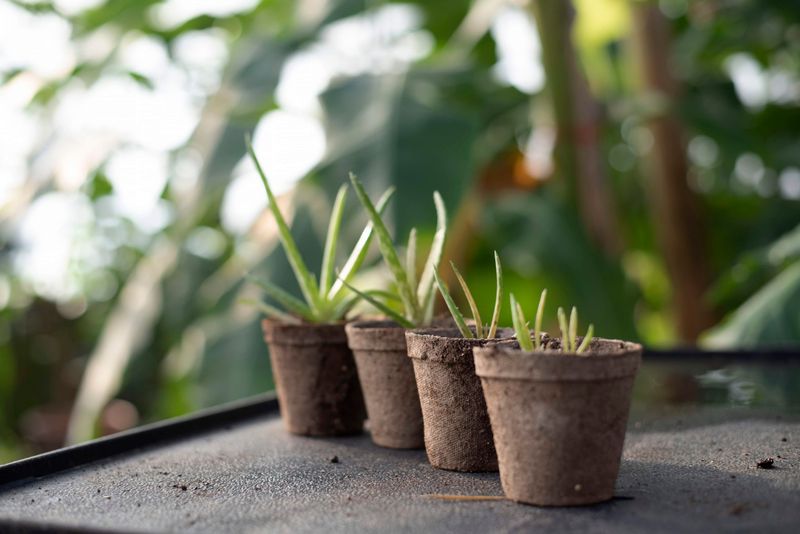
Aloe vera is a sunbather at heart, and chilly weather slows its growth. Warmth keeps its growth engine humming and its pup factory open for business.
The ideal range sits between 60 and 85 degrees Fahrenheit. Inside that zone, the plant feels safe enough to spend energy on new shoots.
Temperatures below 50 degrees slow growth to a crawl. Frost can leave leaves soft and damaged after a single night.
In the Northern Hemisphere, October is the month to watch the forecast closely if your aloe lives outside. Bring pots indoors once nights start dipping into the low 50s.
Pick an indoor spot away from cold, drafty windows and doors. Heater vents are a problem too, since blasts of dry heat can stress the leaves.
A bright, warm windowsill in a lived-in room is perfect. Kitchens often work well because cooking adds a bit of extra warmth.
Keep leaves from touching cold glass on frosty mornings. Glass can get much colder than the room and cause damage where leaves press against it.
Expect fewer pups during winter, even with good care. The plant naturally rests in cooler months and saves its energy for spring.
Once warmer days return, move it back outdoors slowly to avoid shock. Start with shade for a week, then shift it into brighter sun.
That steady comfort through the seasons pays off in a big way. A cozy aloe is a busy aloe, and busy aloes fill pots with babies.