The Overlooked October Lavender Job That Helps Plants Through Winter
Why do you stroll past that sprawling lavender in October? Those rattling seed spikes want your attention.
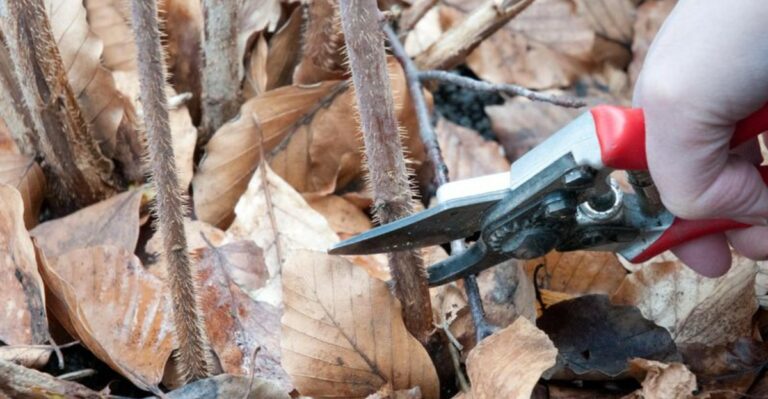
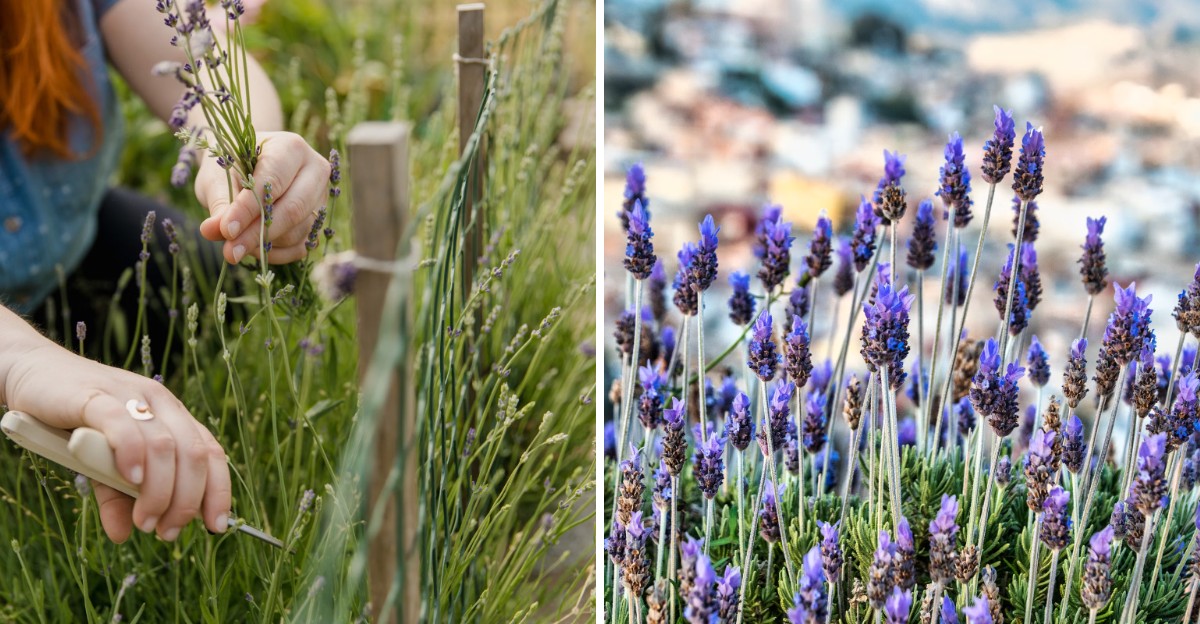
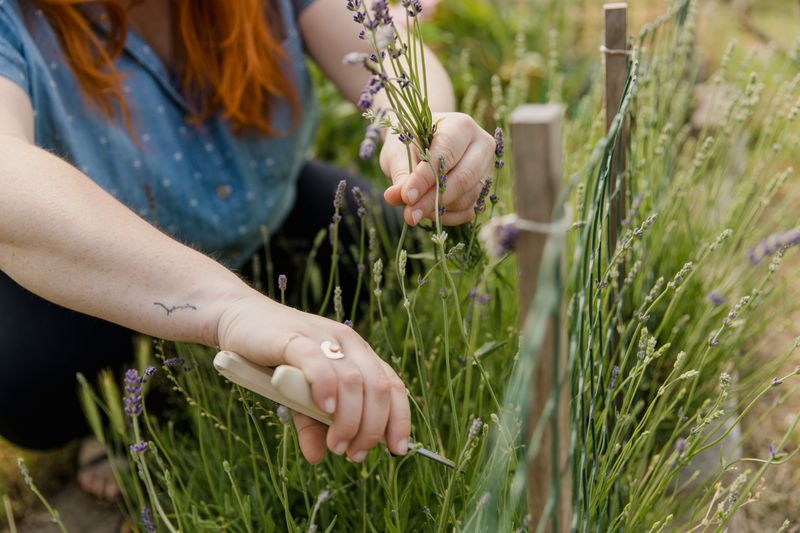
Grab snips and trim each spike plus a thumb’s width of green stem. Pause there, because you must leave the woody base alone.
Gentle shaping now shields the tender buds you want in spring. Tidy stems hold their shape through winter storms, so you keep a graceful dome.
Airflow around the crown improves, so winter moisture drains away fast. Rub a trimmed sprig between your fingers and inhale that herbal, soapy perfume.
Gather those clippings into a jar for drawers, and your sweaters smell fresh. Spring rewards you with compact, silvery mounds and heavier flower spikes by summer.
Bees return to those blooms gladly. Miss this task and your plant may turn woodier over several seasons. Your Saturday afternoon pays off by summer.
A Light Tidy-Up Trim Early In The Month
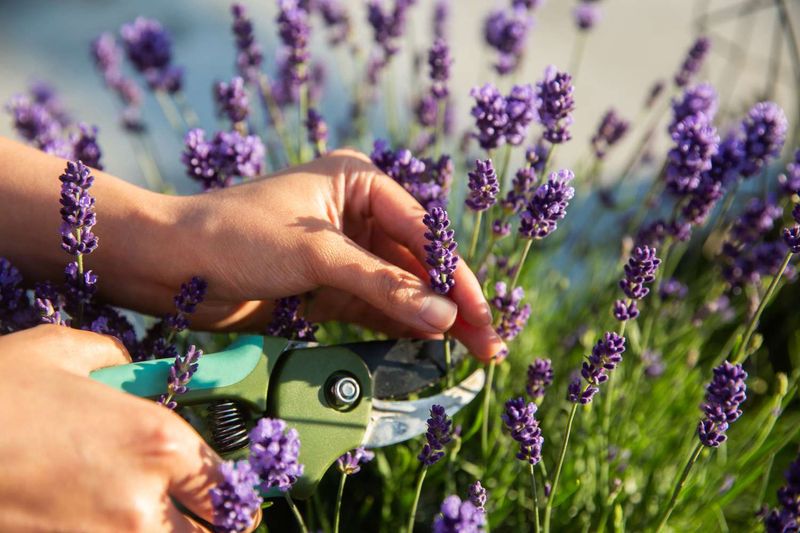
Think of it as a quick haircut, not a buzz cut. In early October, you snip off faded flower stalks and a little leafy growth.
The goal is a neat, rounded mound that sheds rain and snow easily. You only remove about an inch of green below the old flower spikes.
Grab clean, sharp snips or garden shears before you start. Dull blades crush stems, and crushed stems heal slowly as nights turn cold.
Hold a bunch of stalks in one hand like a ponytail. Cut just above the leafy part, keeping plenty of soft gray-green foliage behind.
Leave the woody base alone during this October trim. Those brown, bark-covered stems often fail to sprout again if cut too low.
Spend about five minutes on each plant and step back often. A tidy dome shape matters more than perfect, even edges.
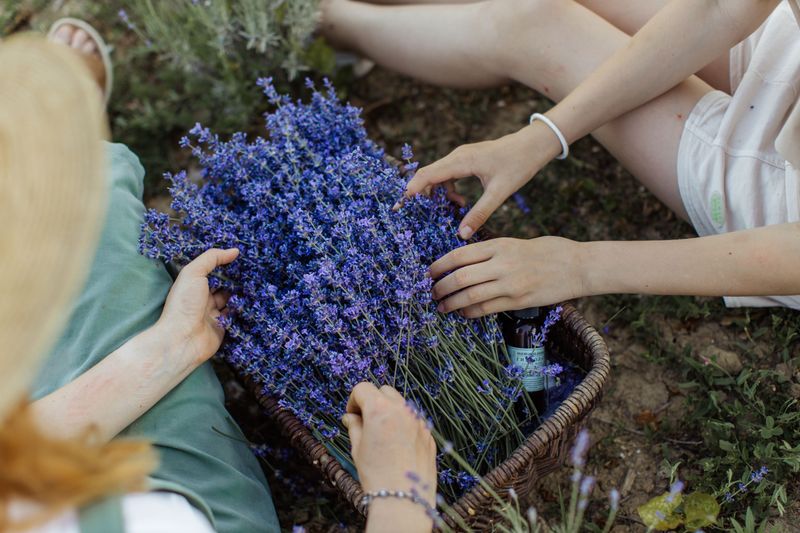
Gather the clippings as you work so nothing rots at the base. Dry stalks can go into sachets, drawers, or a cozy vase indoors.
Early timing matters because the plant still needs a few mild weeks. Those weeks let small cuts seal up before frost arrives.
Gardeners who skip this step may find plants look untidy later. A short, gentle trim now keeps the shape compact and sturdy.
Consider it a small favor that pays off for months. Your shrub enters winter neat, airy, and ready for whatever weather shows up.
How Floppy Stems Add Winter Stress
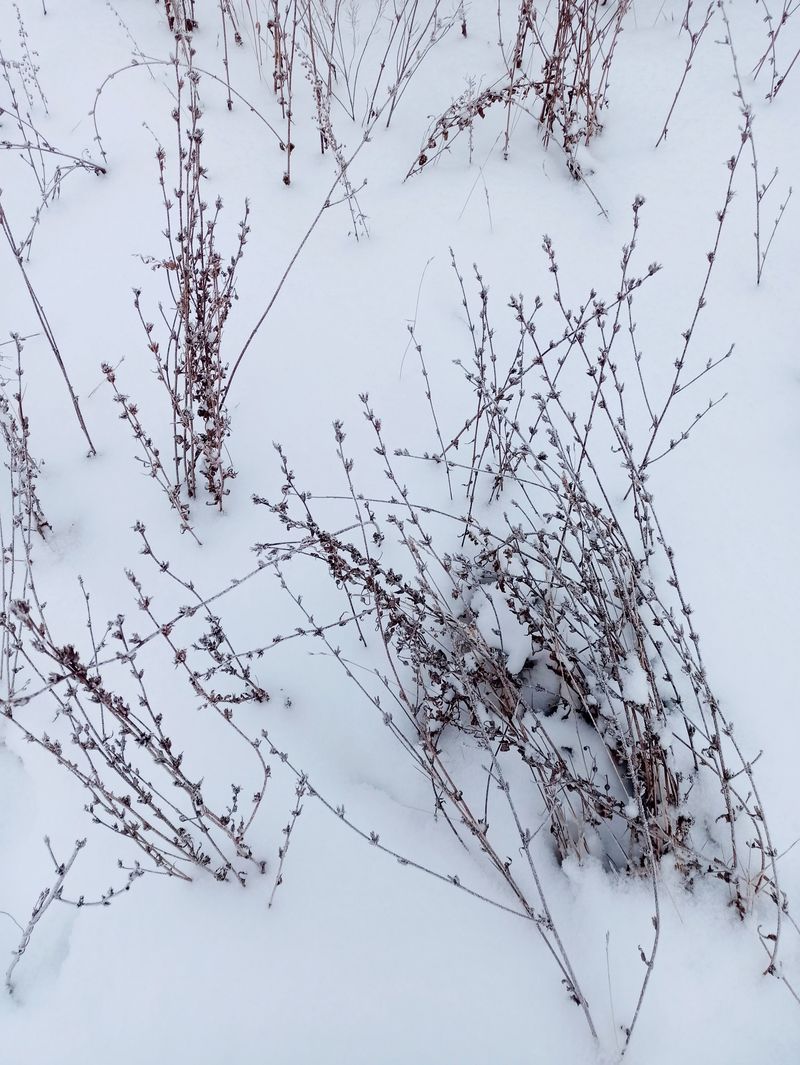
Picture a wet November night with heavy rain pounding the garden. Long, floppy lavender stalks catch that water and bend outward like an opened umbrella.
Once stems splay open, the center of some plants gets exposed. Water and snow sit right in the middle, where the woody base lives.
Lavender comes from dry, rocky hillsides around the Mediterranean Sea. Its roots and crown dislike staying soggy for long stretches of time.
Damp, crowded growth also encourages moisture-related decay. Gray, brittle patches in spring often start with this soggy winter problem.
Wind adds another challenge for untrimmed plants. Tall, top-heavy stems rock back and forth, which can loosen roots or damage old wood.
A damaged stem lets moisture and fungus in. Once rot gets inside woody tissue, the branch usually turns brown and brittle.
Old flower heads can hold seeds and debris that trap moisture. They may also shelter pests, though seed heads feed birds and other wildlife.
A plant with shorter, tidier stems behaves differently in storms. Rain rolls off the rounded top instead of soaking the heart.
So the October trim is not just about looks. It works like a raincoat, helping the plant stay drier and steadier all season.
Once you understand this, the snips feel less like decoration duty. You are protecting the plant’s core from the soggy months ahead.
Ideal Timing Before The First Frost
Calendars can be sneaky in autumn. One week feels like summer, and the next week brings frosty windshields and fuzzy gloves.
Where frost arrives in mid-November or later, early October can work, so count back from your first frost date. Many growers also prune lightly after flowering in late summer, or wait until spring in cold regions. Days are still mild enough for fresh cuts to heal properly.
Each cut leaves a small wound on the stem. Warm days help the plant seal that wound before freezing temperatures show up.
Trimming too late can backfire in a sneaky way. Cuts made in cold weather heal slowly, which can let frost into the stems.
Trimming too early has its own small downside. Warm weather can coax soft new shoots that frost may damage.
So early October lands right between those two problems. Growth slows down, yet the plant still has energy to recover.
Watch your local weather report for the first frost date. Aim to finish your trim four to six weeks before then.
Gardeners in colder areas often trim in late summer or wait until spring. Folks in milder places can stretch into mid-October comfortably.
Pick a dry, sunny morning for the job if you can. Dry stems cut cleanly, and sunshine helps the fresh ends dry quickly.
Skip trimming right after rain or before a stormy week. Wet foliage and fresh cuts make an easy target for mold.
A little planning turns this into a calm, easy task. Pick your day, grab your snips, and enjoy that crisp autumn air.
The Old Wood Mistake To Skip
Here is a story many gardeners know too well. Someone gets excited, cuts their lavender way down, and waits for spring growth that does not appear.
The cause is old wood, the brown, bark-covered stems near the base. Unlike many shrubs, lavender often struggles to sprout from these older sections.
Look closely at a stem and you will see two zones. Up top sits soft gray-green leafy growth, while below it turns tan and woody.
Your snips should stay up in the leafy zone. Leave at least a few sets of leaves on every stem you trim.
Those leaves feed the plant through winter on sunny days. They also hide tiny buds that will push new shoots next spring.
October is not the month for big reshaping projects. Hard pruning now leaves bare stems that face frost, wind, and wet soil.
If your lavender has grown leggy and woody, resist fixing it all at once. Spring brings a better chance for slightly deeper shaping.
A simple trick helps beginners stay safe. Before each cut, run your fingers down the stem and stop where leaves thin out.
Cut a little above that spot, not below it. That habit protects the plant even when you feel tempted to tidy more.
Being gentle can feel too easy, almost lazy. Yet with lavender, light trimming helps plants thrive for many more years.
Fresh Air Around The Roots And Crown
Once the snipping is done, look down at your boots. The ground around lavender matters almost as much as the stems above it.
Rake away fallen leaves, old clippings, and soggy debris near the base. Piles of wet material act like a sponge pressed against the crown.
Lavender loves airflow, especially in damp months. Clear space around each plant lets breezes dry the foliage after rain or fog.
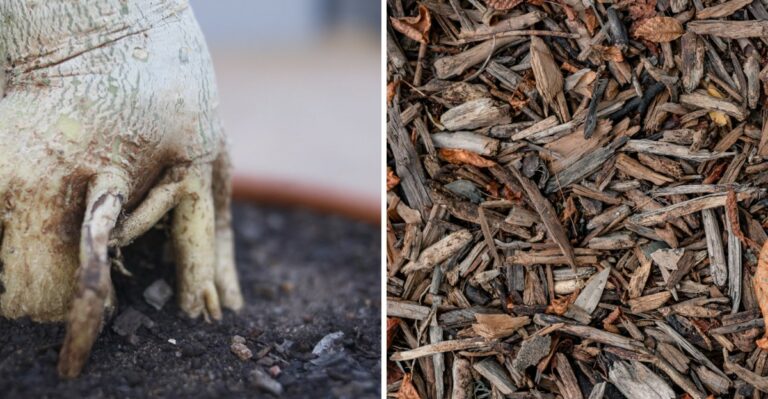
Skip thick bark mulch or compost heaped near the stems. These hold moisture and can lead to rot right where the plant feels weakest.
A thin layer of pea gravel or small stones works much better. It reflects light, drains fast, and keeps the crown drier during winter.
Lavender in southern Europe often grows in poor, stony soil. Those lean, well-drained conditions suit the plant, while sun and variety shape its fragrance.
Check drainage while you are down there. If water puddles after rain, consider raising the bed or adding grit next season.
Potted lavender needs extra attention in autumn. Lift containers onto pot feet so water can escape freely through the bottom holes.
Hold off on fertilizer during October too. Feeding now pushes soft growth that frost can easily damage over the cold months.
These small ground-level chores take maybe ten extra minutes. They pair with your trim to give lavender a dry, breezy winter home.
Bushy Spring Growth And More Flower Stalks
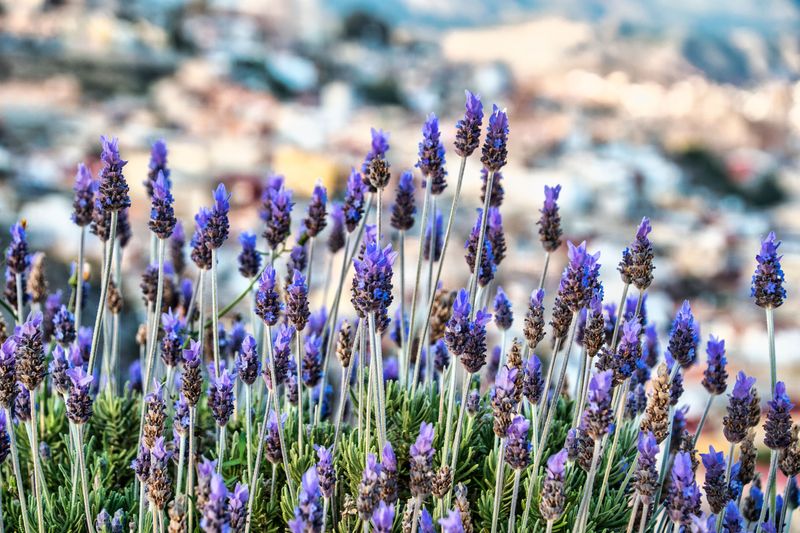
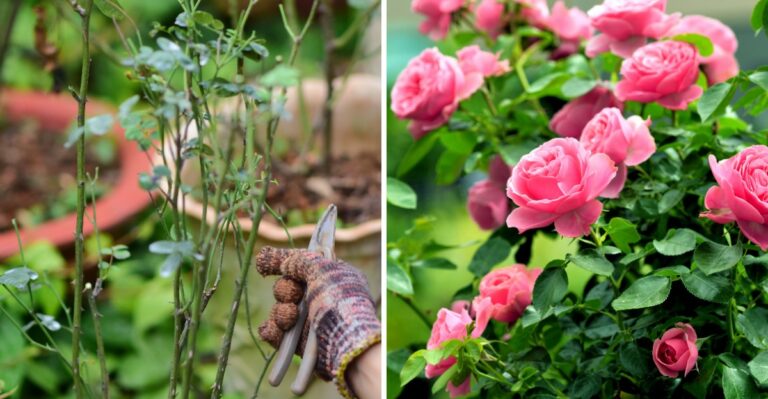
Fast forward to spring, and something cheerful happens. Your neatly trimmed lavender wakes up with fresh silvery shoots all over its rounded top.
That compact shape from October pays off now. Instead of sprawling sideways, the plant pushes new growth evenly from many healthy tips.
More growing tips mean more flower stalks later in summer. Many gardeners notice a fuller shape and denser growth after a good autumn tidy.
Bees and butterflies will happily notice too. A dense, flower-packed lavender hums with pollinators on warm afternoons.
Healthy plants also handle spring weather swings more easily. Late cold snaps or heavy spring showers cause less damage to sturdy, compact shrubs.
Lavender plants cared for this way can last ten years or more. Plants left unpruned often turn woody and patchy after a few seasons.
Spring is also when you can shape a little more if needed. Wait until fresh green growth appears, then trim lightly to even things out.
Keep a simple garden note on your phone or calendar. Write down your October trim date and how the plant looked afterward.
Comparing notes each year helps you spot what works best in your yard. Soon the routine becomes as natural as raking autumn leaves.
One quiet chore in October brings a whole summer of reward. Fragrant bundles, happy pollinators, and a tidy garden make that effort feel worthwhile.