The Popular Ohio Shrubs Plant Experts Already Have Their Eye On
Plant pros keep a list most gardeners never see. It isn’t a wish list, though.
It’s a watch list, and some of Ohio’s most popular shrubs are on it.
You’ve seen them by mailboxes, driveways, and front walks across the state. They’re tough, colorful, and easy to find at almost any garden center.
That’s exactly the problem.
Birds, wind, and water carry their seeds far beyond the yard. In the woods, they crowd out the native plants that local wildlife depends on.
Some are already rated invasive. Others are still under review, and a few are perfectly legal to buy today.
Before you plan next spring’s planting, find out which ones made the list, and what native shrubs can take their place.
1. Japanese Barberry Already Rates As Invasive
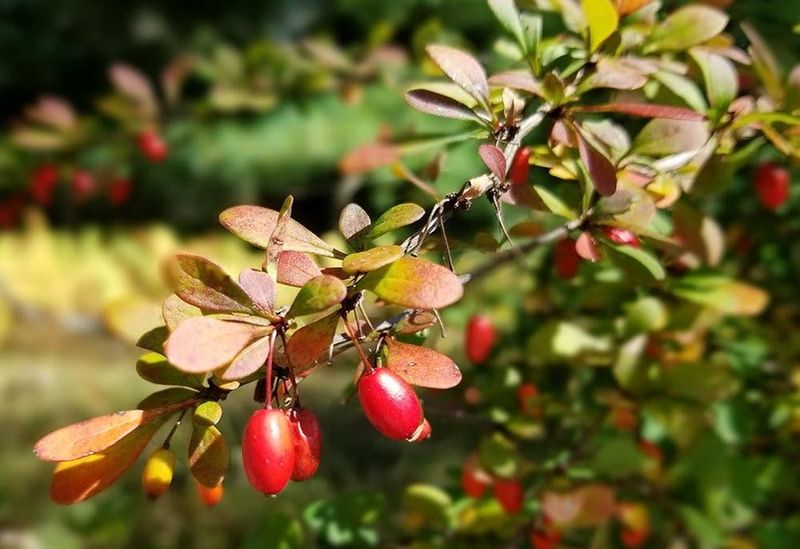
Deer walk right past it, and that is a big reason so many Ohio yards have it. Japanese barberry also flashes red and purple leaves that look great by a sidewalk.
The trouble starts when birds eat the bright berries and drop the seeds in the woods. New plants pop up under the trees and grow into thick, prickly clumps.
Those clumps crowd out wildflowers and young native shrubs that used to grow there.
There is a surprising twist, too. Researchers have found more ticks living in barberry thickets than in nearby open woods.
The shady, damp space under the thorny branches gives ticks and the mice they feed on a cozy place to hide. More ticks can mean a higher chance of Lyme disease for hikers and pets.
Ohio already bans the sale of a cousin called common barberry. Japanese barberry, though, is still sitting on shelves at many garden centers.
That means shoppers need to make the choice for themselves.
If you have barberry now, wear thick gloves when you trim it. Pulling small plants in early spring is easier, since the roots are loose and the leaves come out early.
Bag the berries so birds cannot spread them around. Then fill the open space with a native shrub that feeds local wildlife instead of hiding ticks.
2. Burning Bush Shares That Invasive Rating
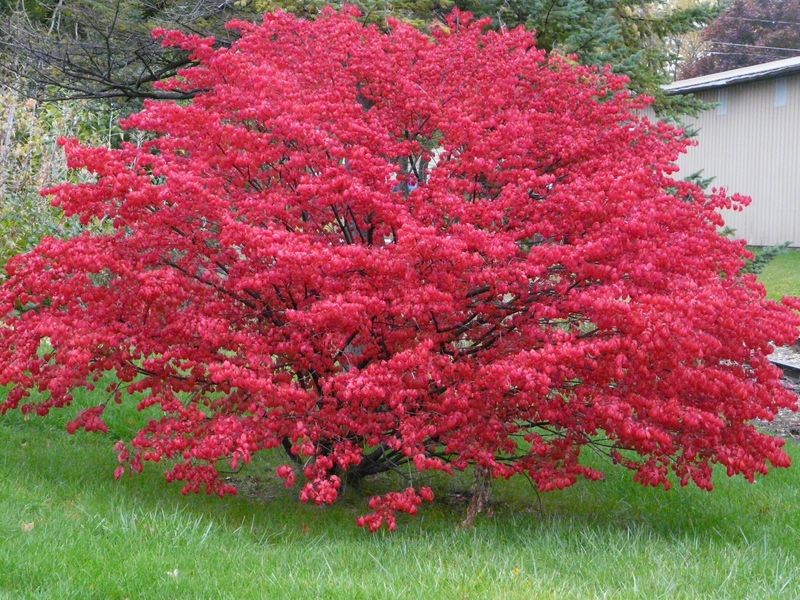
Few shrubs put on a fall show quite like burning bush. For a couple of weeks each October, it glows like a red traffic light in the yard.
That beauty comes with a cost. Winged burning bush, also called Euonymus alatus, spreads in two sneaky ways.
Its roots send up new shoots, and birds carry off its seeds to faraway spots.
Once it lands in the woods, it gets a head start on local plants. It grows leaves earlier in spring and holds them later in fall.
That gives it extra weeks of sunshine while native shrubs are still bare. Over time, it can carpet the forest floor with thousands of seedlings.
You can spot it along roadsides, pasture edges, and shady trails across the state. Its stems have odd corky ridges, like little wings, which makes it easy to identify in winter.
Your Ohio Garden Changes Every Week. Your Plan Should Too.
Gardening in Ohio changes quickly throughout the season. Every Friday you’ll receive a simple weekly plan showing exactly what to plant, prune, fertilize, harvest, and protect so you never miss the right timing.
Here is a fun fact. The plant came to the United States in the 1860s as a fancy ornamental.
Nobody guessed it would one day be on a list of plants to watch.
Want to help? Look under your burning bush each spring for tiny seedlings and pull them out.
If you are ready for a bigger change, swap the whole shrub for a native option with similar fall color. Your local birds and bugs will thank you for the upgrade.
3. Both Are Still Legal To Sell In Ohio
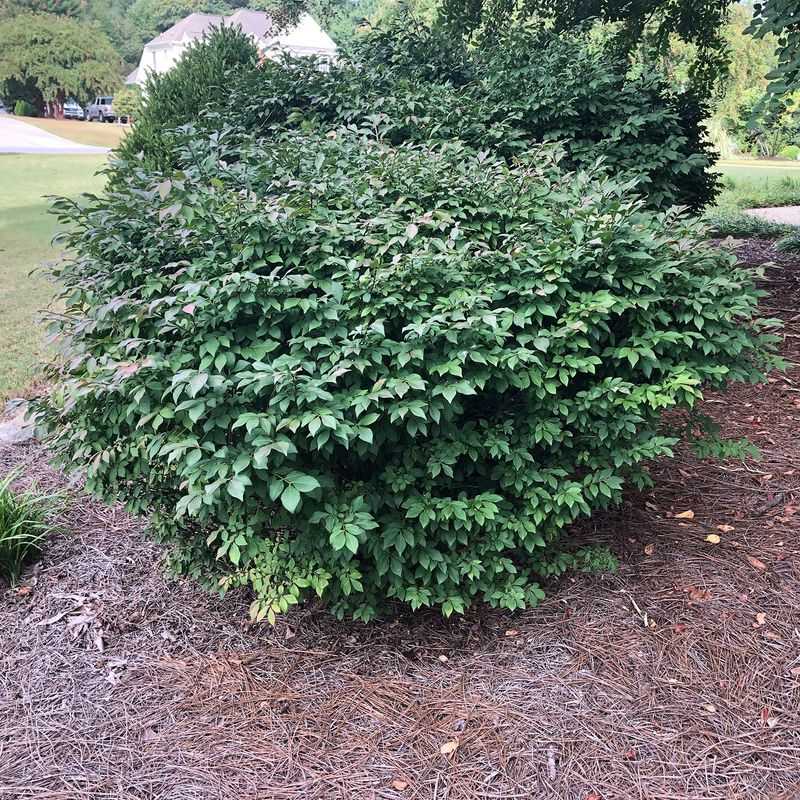
Walk into a garden center this spring, and you may find both shrubs waiting by the checkout. Many people are surprised by that, since experts call them invasive.
Here is how the rules work. The Ohio Department of Agriculture, or ODA, keeps an official list of plants that cannot be sold.
Rules that started in January 2018 banned 38 invasive species, including common barberry. Japanese barberry and winged burning bush did not make that list.
So a plant can be labeled invasive by scientists and still be legal to buy. Think of it like junk food.
It is sold in every store, but that does not mean it is a smart pick for every meal.
The ODA has an advisory committee that reviews plants for possible addition to the banned list. Things can change as new research comes in.
Nursery owners also watch these updates closely, because they need time to adjust what they grow.
For now, the decision lands in your hands as a shopper. Ask the staff whether a shrub spreads into natural areas.
Read plant tags carefully, and look up anything new before you buy it.
A few minutes of homework can save you years of pulling seedlings. It also keeps nearby parks and woods healthier for everyone who enjoys them.
4. Butterfly Bush Rates As Potentially Invasive
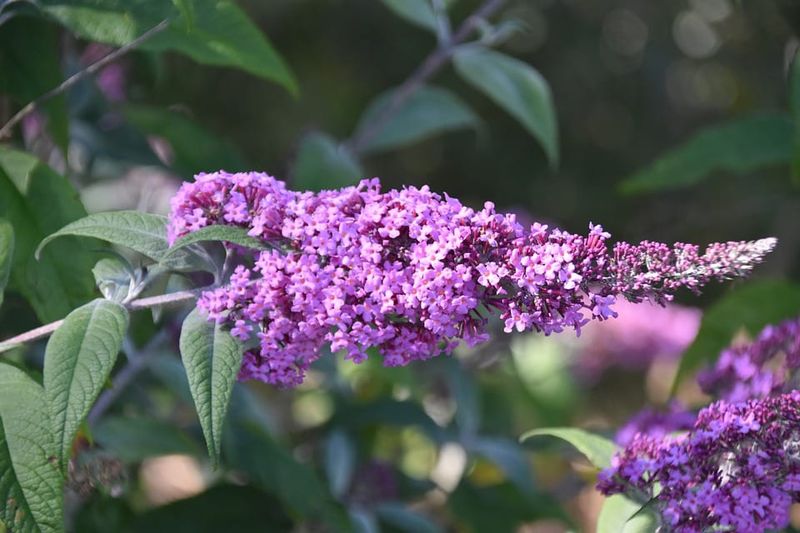
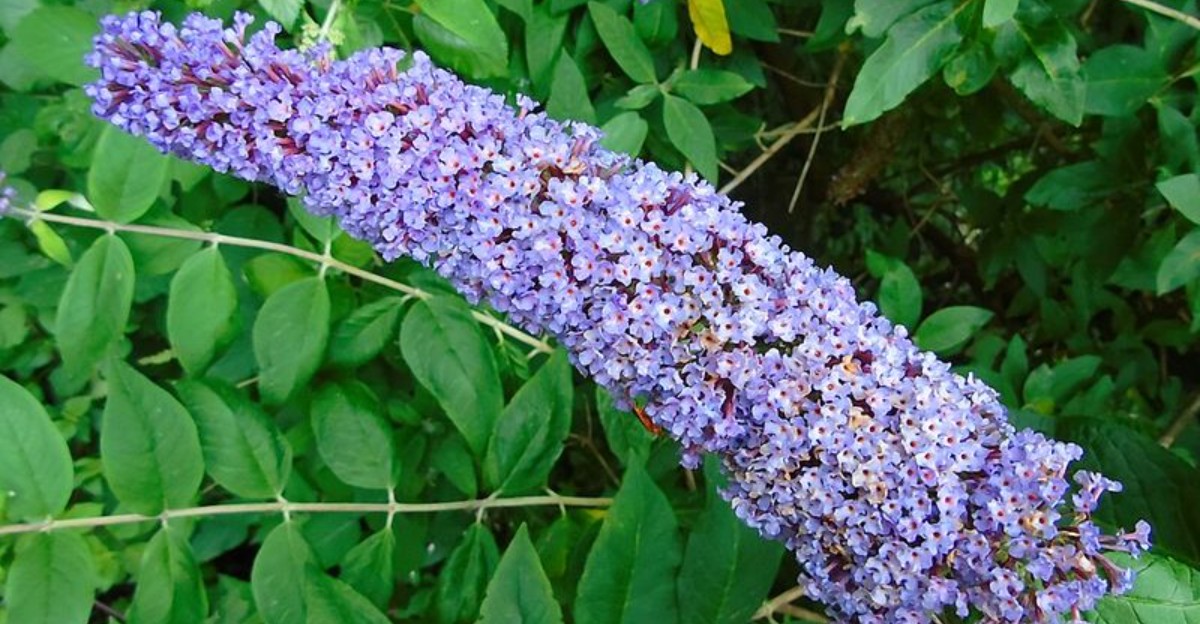
The name sounds like a gift to nature, right? Butterfly bush, or Buddleja davidii, does draw crowds of butterflies to its long purple, pink, and white flower spikes.
But there is a catch hiding behind the pretty blooms. Adult butterflies sip its nectar, yet caterpillars cannot eat its leaves.
Without caterpillar food, you do not get the next generation of butterflies. It is a bit like a snack bar with no real meals.
The shrub also makes huge amounts of seeds. They are tiny and light, almost like dust.
Wind and water carry them far from the garden into streambanks, fields, and open lots. There, the plant can push out native shrubs that wildlife depends on.
The Ohio Invasive Plants Council, known as OIPC, rates butterfly bush as Potentially Invasive. It is not banned from sale in the state yet.
Still, many gardeners and nature groups suggest choosing native plants instead.
If you love the look, try native picks like buttonbush, New Jersey tea, or swamp milkweed. They feed both butterflies and their hungry babies.
Already growing one? Snip off the faded flowers before they make seeds.
That small chore each summer keeps your plant from sending its offspring into the wild. It is an easy habit that makes a real difference.
5. Japanese Spirea Is Potentially Invasive Too
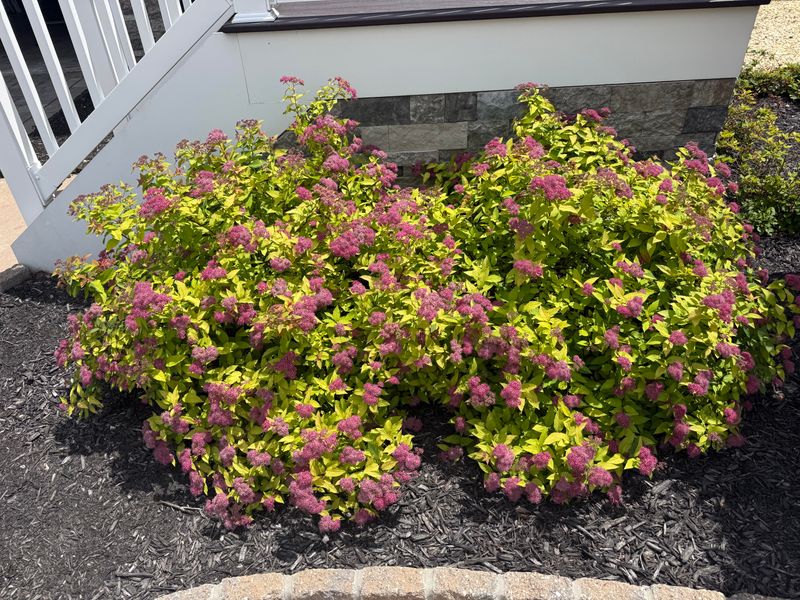
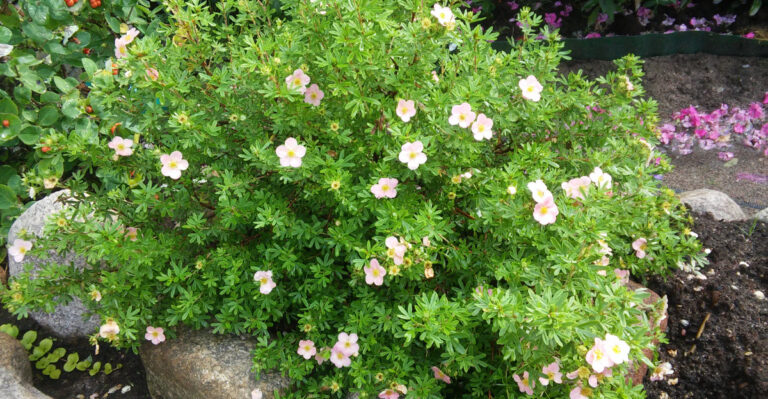
Tucked beside mailboxes and driveways all over the state, Japanese spirea seems as harmless as a garden gnome. Its fluffy pink flower clusters and tidy round shape make it a landscaper favorite.
Look a little closer, and the story gets more interesting. Spiraea japonica, sometimes called Japanese meadowsweet, makes dense bunches of seeds after it blooms.
Those seeds scatter easily, and new plants show up in places nobody planted them.
Out in the wild, spirea likes streambanks, rivers, forest edges, roadsides, and fields. It spreads quickly and forms thick stands.
Those stands can shade out native wildflowers and grasses that local insects need.
Because of this, OIPC lists Japanese spirea as Potentially Invasive. It has not been banned, and you will still see it sold in many stores.
Here is some good news. Spirea is easy to manage at home.
Shear it right after the flowers fade, before seeds form. You get a neater shrub and fewer runaway babies at the same time.
Planning a new bed? Consider native shrubs with a similar charm.
Meadowsweet types native to North America, such as Spiraea alba or steeplebush, offer soft blooms and support local pollinators. Ninebark is another tough pick with pretty flowers and colorful leaves.
Your yard keeps its sweet look while giving back to nature.
6. European Cranberry-Bush Is Next In Line For Review
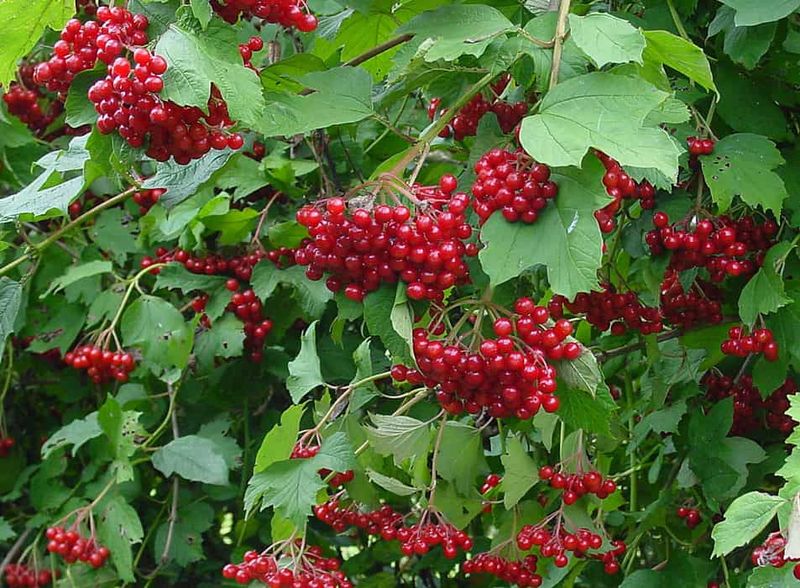
Two shrubs, almost twins, but only one belongs here. That mix-up is part of the puzzle with European cranberry-bush.
Its scientific name is Viburnum opulus var. opulus, and it is also called guelder rose. It came from Europe and Asia.
The state has a native look-alike called American cranberry-bush. Even trained eyes can struggle to tell them apart without checking the tiny glands on the leaf stems.
The European version can escape gardens and form dense thickets in natural areas. Those thickets crowd out native plants.
Its glossy red berries look tasty, yet many birds skip them because of their bitter flavor. So the shrub takes up space without feeding much wildlife.
OIPC already lists guelder rose as Potentially Invasive. Experts are keeping it on their radar for further review.
That means its rating could change as more information comes in.
Shopping for a viburnum? Ask for the native American cranberry-bush by name, or check the plant tag for var. americanum.
Other native viburnums, like arrowwood and blackhaw, also make great choices with flowers, fall color, and berries birds enjoy.
Little fun fact: guelder rose gets its name from Gelderland, a region in the Netherlands. A shrub with a passport, it turns out, needs a careful look before it moves into your yard.
7. Cultivars Get Their Own Separate Ratings
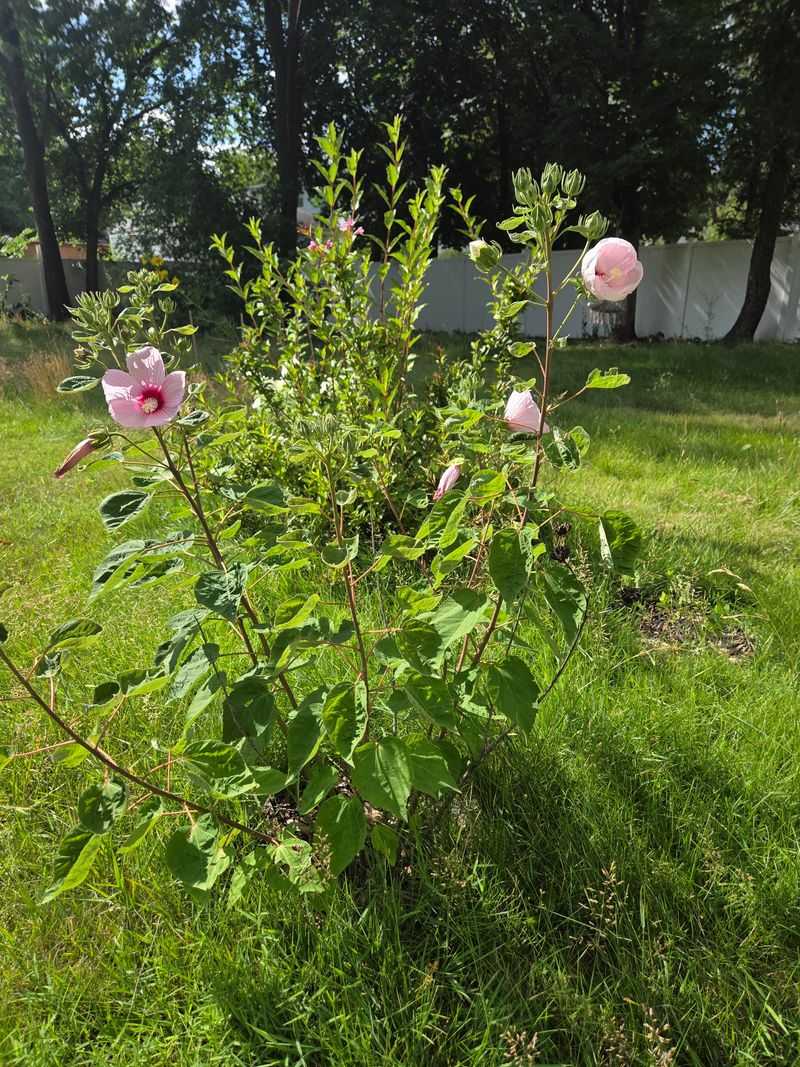
Ever noticed fancy names on plant tags, like Crimson Pygmy or Compactus? Those are cultivars, special versions bred for a certain size, color, or flower shape.
A common question pops up here. If the main species is invasive, is every cultivar invasive too?
The answer depends on who you ask and what the plant does with its seeds.
The ODA can give an exemption to a cultivar if science shows it does not spread. Some breeders work hard to create sterile types that make few or no seeds.
Those can be safer choices for home gardens.
The OIPC used to rate cultivars one by one. In June 2020, it updated its method.
Now it looks at all cultivars together with their parent species. The group notes that sterile, double-flower types are likely not invasive.
Types that still make seeds are likely to spread in natural settings.
So what does this mean when you are shopping? Read the tag closely.
Look for words like sterile or seedless, and ask the nursery for proof if you are unsure.
Think of a cultivar like a family member. It shares many traits with its relatives, even if it looks a bit different.
When in doubt, a native plant is the easiest way to avoid guessing games altogether.
8. Check OIPC’s Alternative List For Native Swaps
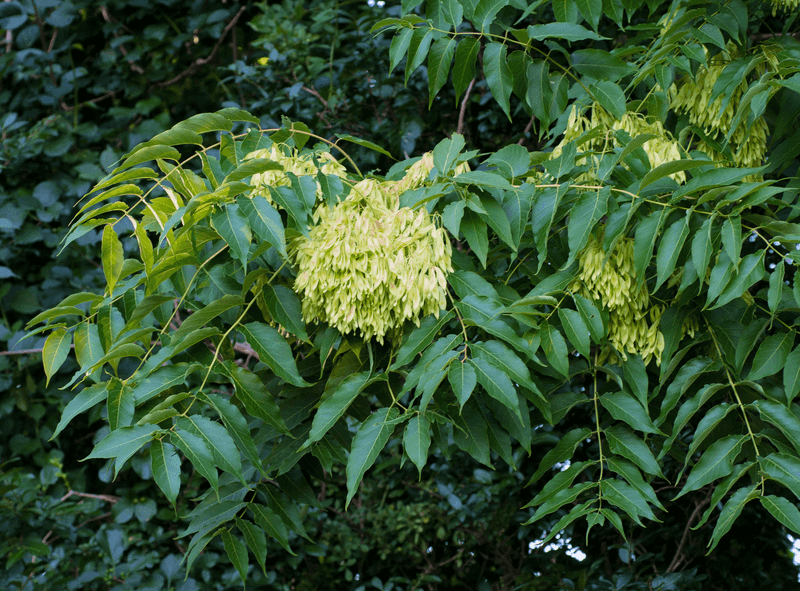
Ripping out a favorite shrub feels a little sad. Luckily, a helpful guide makes picking a replacement much easier.
The Ohio Invasive Plants Council is a nonprofit group that works to protect natural areas from invasive plants. It teaches people, supports research, and shares information across the state.
One of its handiest tools is the Alternatives List.
This list suggests native or non-invasive plants that can take the place of problem species. Want something with red fall leaves?
There is a pick for that. Need a tough hedge or a shrub with bright berries?
The list covers those needs too.
The project came together with help from groups like The Dawes Arboretum and the Ohio Nursery and Landscape Association. That teamwork means nurseries are more likely to stock the plants it recommends.
You can find the list on the OIPC website or grab a printed brochure at some garden events. Bring it with you when you shop.
It works like a cheat sheet for smarter choices.
A quick tip: start small. Replace one invasive shrub each season instead of redoing the whole yard at once.
Your wallet stays happy, and you get to watch new birds, bees, and butterflies discover each fresh planting. Over a few years, your yard can turn into a mini nature preserve.
9. Eastern Wahoo Makes A Native Stand-In For Burning Bush
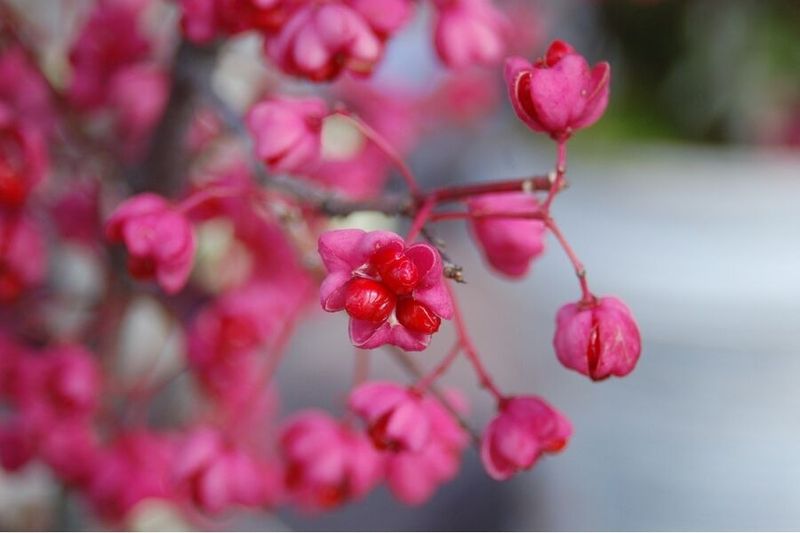
Meet the hometown cousin of burning bush. Eastern wahoo, or Euonymus atropurpureus, grows wild in the state and has for a very long time.
It belongs to the same plant family as burning bush, so it shares some of that fiery charm. In fall, its leaves turn warm red and yellow.
Then come the real showstoppers: pink seed capsules that pop open to reveal bright scarlet berries. They dangle like tiny holiday ornaments.
Those berries are not just pretty. Native birds snack on them as the weather cools.
The flowers feed native bees in late spring, and the leaves host around 14 kinds of moths. Moth caterpillars become food for baby birds, so wahoo helps a whole chain of wildlife.
In the wild, you can find it in moist, open woods, along streams, and in thickets. It likes light shade to dappled sun.
Once settled in, it handles dry spells fairly well.
Gardeners also like that it is easy to start from cuttings or seed. That makes it simple to share with neighbors.
Keep in mind that wahoo tends to look looser and more natural than a clipped hedge. Give it a little room to stretch.
In return, you get a fall show with roots right here in Ohio soil.