Tulips In Florida Need One Thing First: A Few Weeks In The Refrigerator
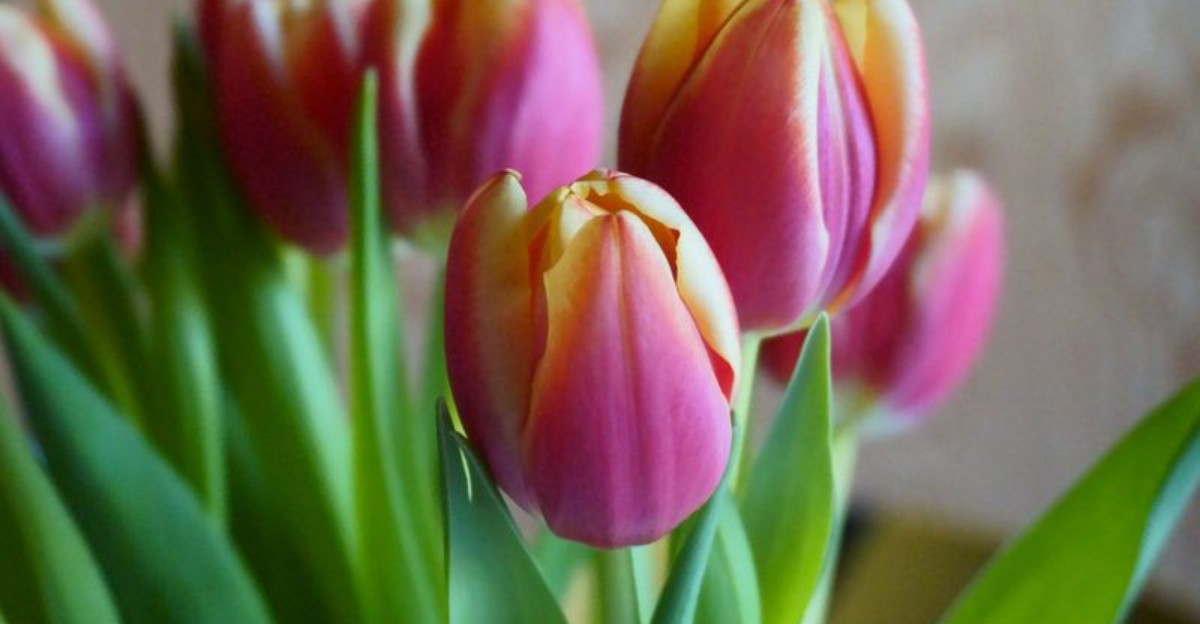
Tulips and Florida sound like a bad blind date. The bulbs come from a cold-loving family, and your yard never got the memo.
Garden centers sell them anyway, shiny bags stacked by the register every October. Gardeners buy a dozen, bury them in warm soil, and wait.
Spring comes and goes with a few stubby leaves and no flowers at all.
Those bulbs weren’t duds. They were missing a step that local winters refuse to provide.
Something in your kitchen can fill that gap. The details make or break it, from what shares the shelf with the bulbs to the moment they finally hit the dirt.
Get the order of operations right and a bed of tulips stops being a fantasy.
1. Florida Winters Aren’t Cold Enough For Tulips
Ask a gardener in Michigan about winter, and you will hear about snow boots and frozen hoses. Ask one in Tampa, and you might hear about wearing a light sweater for two whole days.
That mild weather is great for people, but it leaves tulips confused. These flowers come from places with long, cold winters, and their internal clocks expect that chill.
Scientists call this cold period vernalization. It sounds fancy, but it simply means the bulb needs weeks of steady cold before it starts building a flower.
During that chilly stretch, the tiny bud inside the bulb gets a signal to grow. The cold also tells the stem to stretch tall, so the bloom stands up proudly instead of hiding in the leaves.
Our state rarely delivers that kind of steady cold. A few chilly nights here and there just are not enough to flip the switch.
Without enough cold, you might see only a clump of leaves come up. Sometimes you get a flower, but it sits on a stubby stem barely above the dirt.
The good news is that you can fake winter right at home. Your refrigerator can give bulbs the cool rest they crave, and the rest of this guide shows you how to do it the smart way.
2. Give Bulbs About 8 Weeks Of Fridge Time
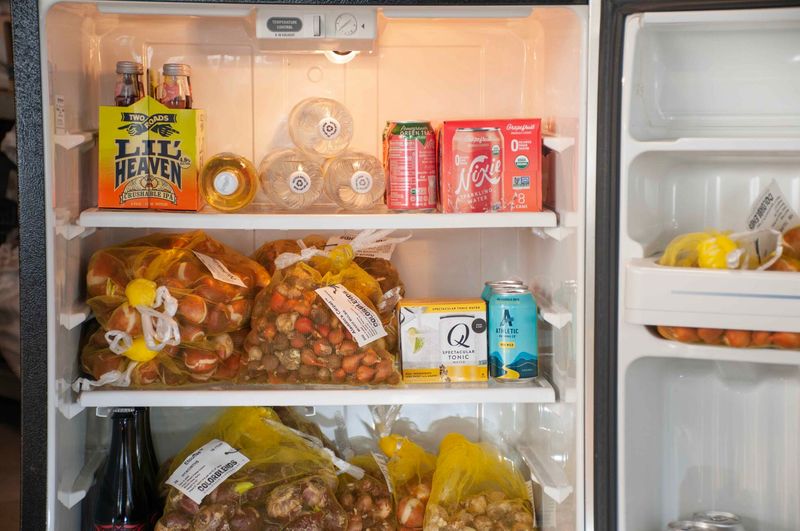
Patience is the secret ingredient here, and a calendar is your best friend. Once your bulbs go into the fridge, the countdown begins.
Think of 8 weeks as the bare minimum. That much chilling can work for some early-blooming types, especially if you got a late start this season.
Most experts, though, suggest giving bulbs 10 to 12 weeks of steady cold. Some even recommend 12 to 16 weeks in warm places like Florida, since longer chilling tends to produce taller stems.
Short chill times can still give you flowers. The catch is that those blooms may be smaller and sit lower to the ground than you hoped.
Here is a fun fact that takes the pressure off. It is quite hard to over-chill a tulip bulb, and they can rest in the fridge for up to 20 weeks without harm.
So if you are unsure, lean toward more time rather than less. A few extra weeks will not hurt, but cutting it short might leave you with stubby stems.
Your Florida Garden Changes Every Week. Your Plan Should Too.
Gardening in Florida changes quickly throughout the season. Every Friday you’ll receive a simple weekly plan showing exactly what to plant, prune, fertilize, harvest, and protect so you never miss the right timing.
A simple trick helps you keep track. Write the date you started chilling right on the bag, then mark your planting target on the calendar so nothing sneaks up on you.
3. Aim For About 40 Degrees
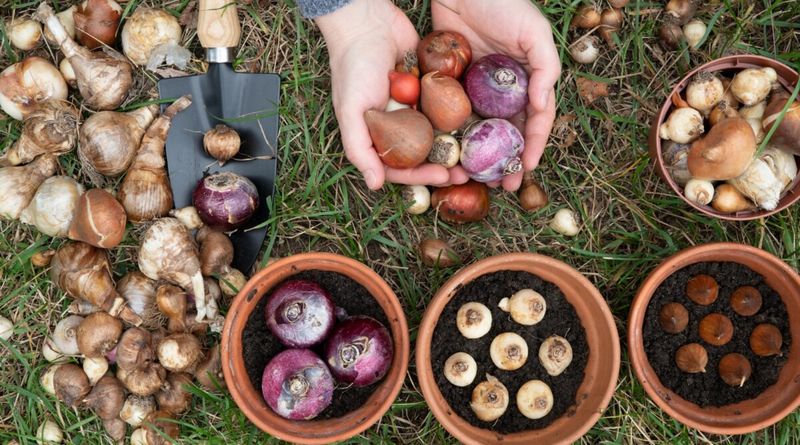
Goldilocks would make a fantastic bulb chiller. Not too warm, not too cold, just right is exactly what tulips want.
The sweet spot sits between 35 and 45 degrees Fahrenheit, or about 2 to 7 degrees Celsius. Aiming for around 40 degrees keeps you safely in the middle.
Lucky for you, most kitchen refrigerators already run in that range. You probably do not need to change a single setting to get started.
Still, it pays to check. A cheap fridge thermometer costs only a few dollars and tells you the real temperature instead of a guess.
Watch out for both ends of the scale. If the space is too warm, the bulb will not get the winter message, and it may sit there doing nothing useful.
Going too cold causes trouble as well. A deep freezer can damage the cells inside the bulb, turning a firm, healthy bulb into a mushy mess.
So skip the freezer, even if it seems like extra cold would be extra good. Steady, moderate chill is what does the magic.
Store bulbs in a paper bag or mesh sack so air can move around them. Plastic bags trap moisture, and damp bulbs can turn moldy over several weeks.
4. Keep Bulbs Away From Ripening Fruit
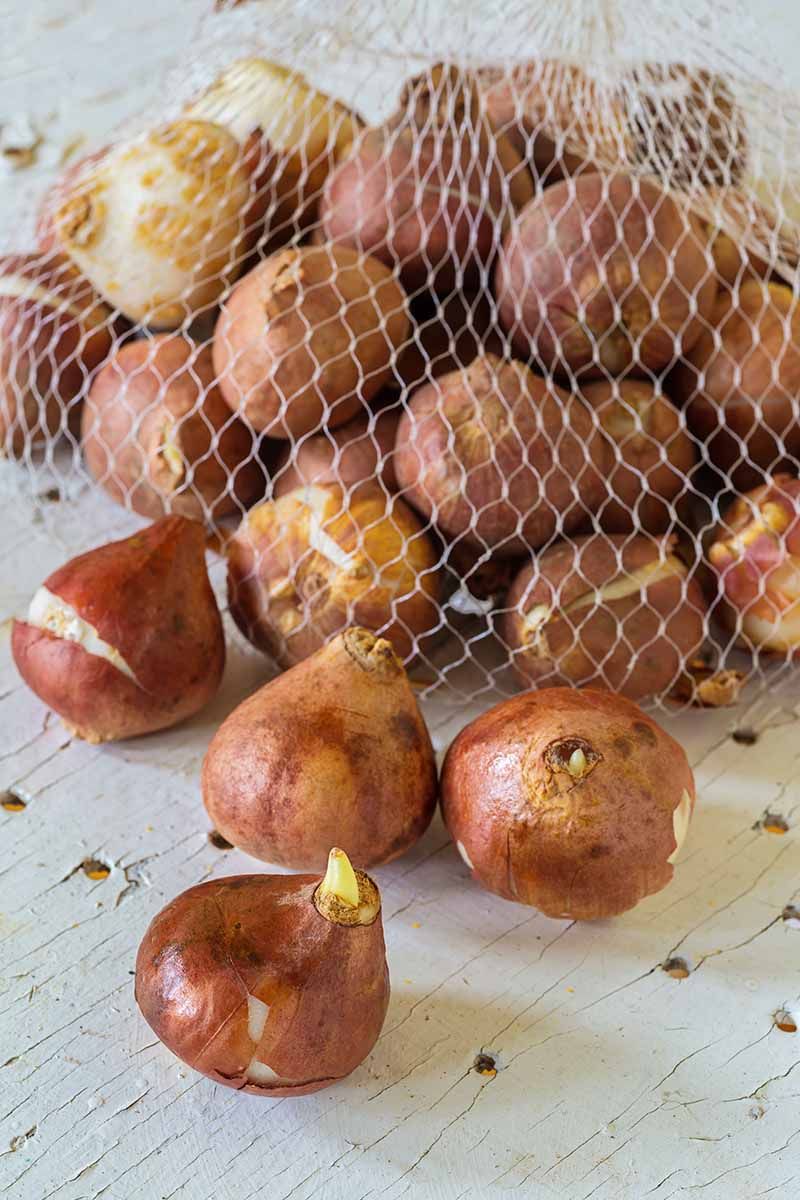
Your innocent-looking apple has a sneaky secret. As fruit ripens, it gives off an invisible gas called ethylene.
Ethylene is the reason one ripe banana can speed up the whole bunch. It helps fruit soften and sweeten, which is great for snacking.
For a tulip bulb, though, that same gas is bad news. It can harm the delicate flower bud tucked inside, even though you cannot see any damage from the outside.
Gardeners have a name for what happens next. They call it blindness, which means the bulb sends up leaves but no flower at all.
Sometimes the bud shrivels or simply stops developing. All those weeks of careful chilling end up wasted, and nobody wants that heartbreak in spring.
Apples, pears, and bananas are some of the biggest ethylene makers. Avocados, peaches, and tomatoes give off the gas too, so be careful with those as well.
The easiest fix is a fridge with no fruit in it. A spare garage fridge or a small mini fridge works wonderfully for this job.
If you only have one fridge, give the bulbs their own crisper drawer. Move the fruit to the counter or another shelf, and keep that drawer closed.
5. Buy Bulbs Now So There’s Time To Chill
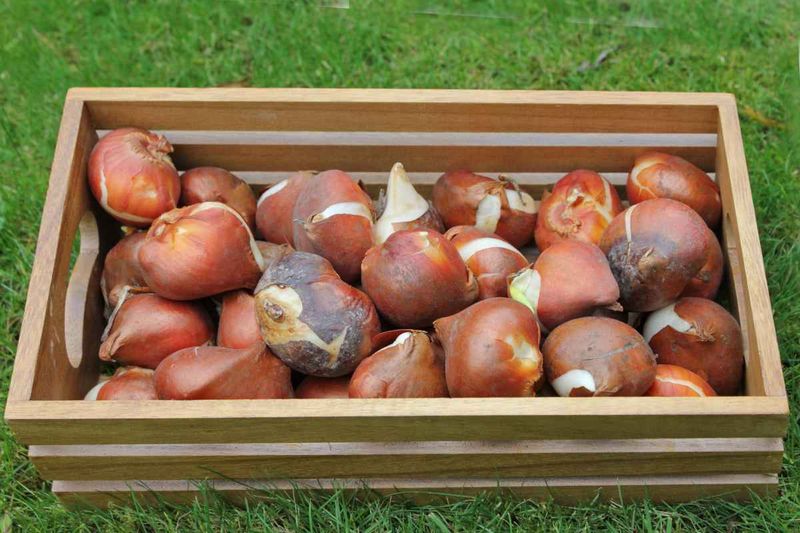
Shopping for spring flowers while the air conditioner is still humming might feel strange. In Florida, though, early fall is exactly the right moment.
Aim to buy your bulbs in September or October. That timing gives you roughly 10 to 14 weeks of chilling before the best planting window arrives.
Do the math backward, and it starts to make sense. If you want to plant in late December, those bulbs need to be in the fridge by early October at the latest.
Waiting until November can squeeze your schedule. You might end up planting late or cutting the chill short, and neither one gives the showiest results.
Early shopping comes with a bonus too. Garden centers and online sellers have the widest choice of colors and shapes before popular types sell out.
Want frilly parrot tulips or soft peach doubles? Grab them early, because the rare and fancy kinds tend to vanish first.
When the bulbs arrive, check that each one feels firm and heavy. Skip any that look soft, moldy, or wrinkled, since those may not bloom well.
Then pop them straight into the fridge and start counting. Your future self in spring will thank you for planning ahead.
6. Plant Between Late November And Mid-January
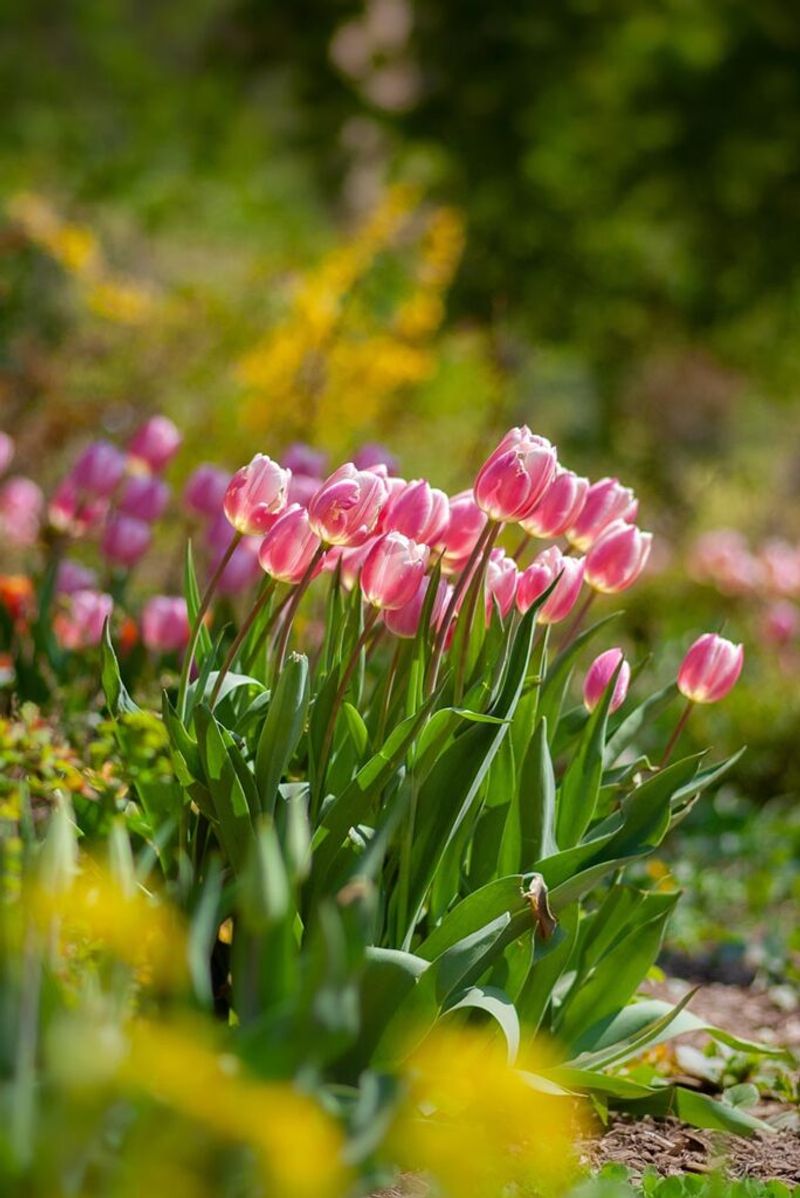
Timing your planting in the state is a bit like catching a wave. Go too early, and you miss the best ride.
The planting window runs from late November to mid-January. Within that stretch, late December through early January is often the sweetest spot.
Why so late? Florida soil stays warm well into fall, and warm dirt can undo all that careful fridge work.
Plant in October or early November, and the bulbs may sprout too fast. They can also struggle to develop properly, giving you weak stems or skimpy blooms.
Late December usually brings the coolest soil of the whole year. That chilly ground helps the bulbs settle in and grow strong roots before the heat returns.
A soil thermometer makes this easy to judge. Push it a few inches into the ground, and wait for a reading of 55 degrees or cooler.
North Florida gardeners can often plant toward the earlier part of the window. Folks in Central and South Florida may want to wait until closer to the holidays or just after.
Planting can become a fun holiday tradition. Imagine getting the family outside between gift wrapping and leftovers to tuck bulbs into the cool soil.
7. Plant Right After They Come Out Of The Fridge
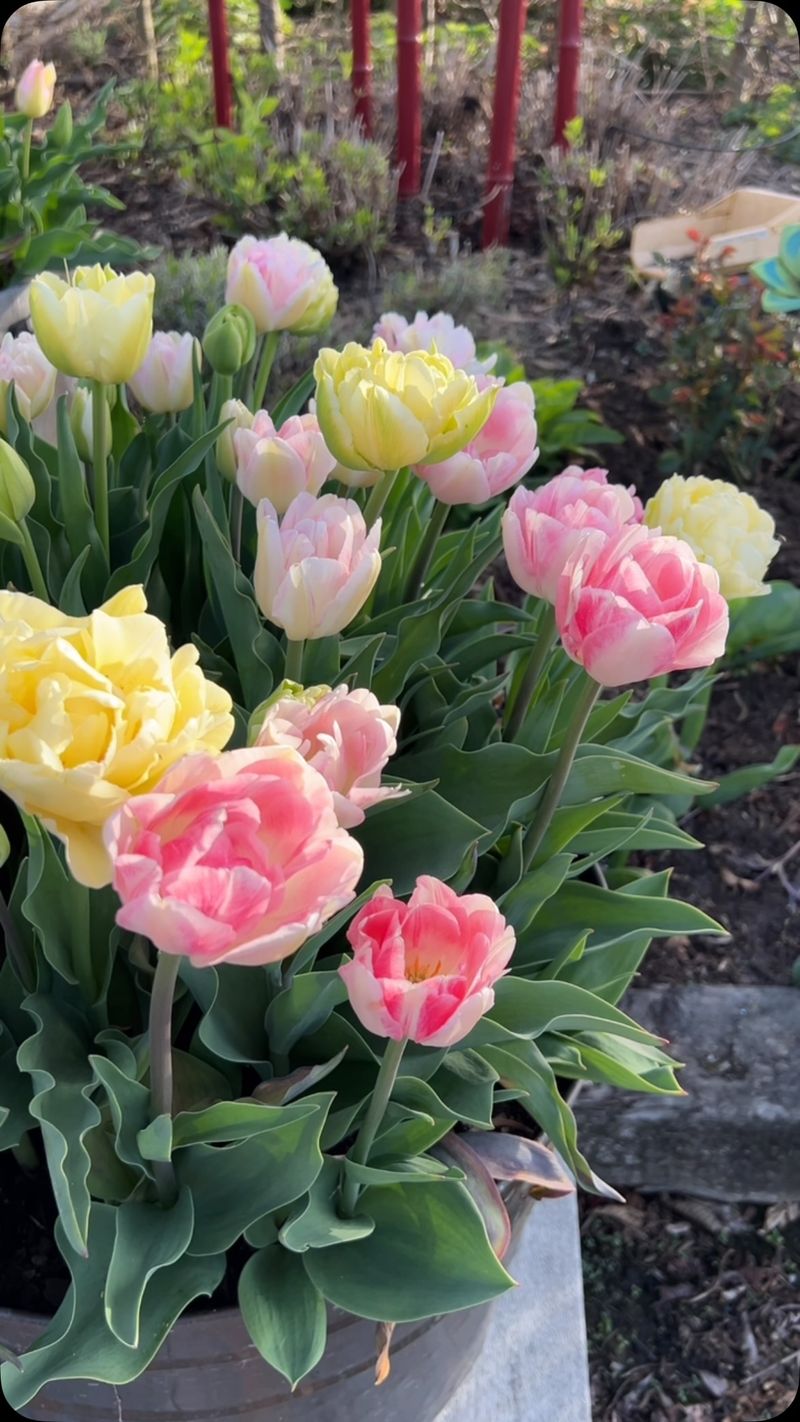
Picture an ice cube on a summer sidewalk. Chilled bulbs act a little like that, losing their cool fast once they leave the fridge.
That is why planting right away matters so much. Pull the bulbs out on planting day, not a week before, and get them into the ground quickly.
Leaving them on a warm counter can confuse them. All that winter magic starts to fade, and the bulbs may not perform as well.
Depth is another handy trick for our gardens. Plant the bulbs about 7 to 8 inches deep, a little deeper than northern growers usually do.
Deeper soil stays cooler for longer. That extra chill helps the bulbs build strong roots before spring warmth creeps in.
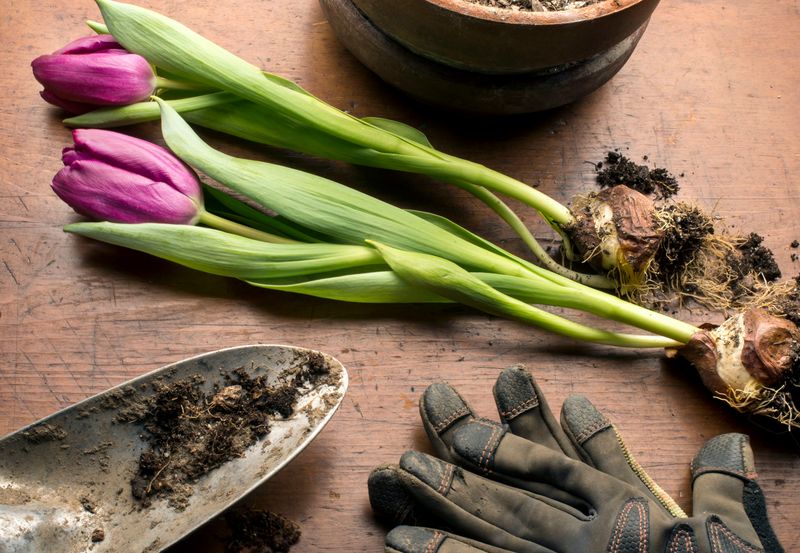
Set each bulb with its pointy end facing up. The flat bottom is where roots grow, so that side goes down.
Space bulbs a few inches apart for a full, cheerful look. Planting them in tight groups creates a bigger splash of color than single rows.
Water the area well after planting so the soil settles around each bulb. A layer of mulch on top can help keep the ground cool and moist, too.
8. Pre-Chilled Bulbs Let You Skip A Step
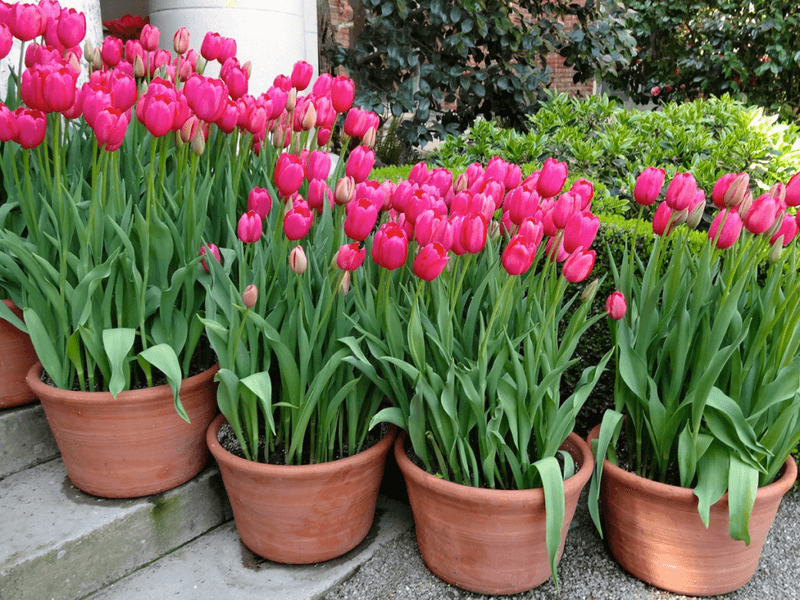
Short on fridge space or just plain busy? Pre-chilled bulbs are like buying cookie dough instead of mixing it from scratch.
These bulbs have already spent their cold weeks in a professional cooler before they ship. The growers handle the chilling, so you do not have to.
That means no more guessing about temperatures or counting weeks on a calendar. You also free up your crisper drawer for vegetables and snacks.
Another perk is peace of mind. Professionals use carefully controlled coolers, so the chilling is done correctly and evenly.
Many bulb companies offer pre-chilled options for warm states like Florida. They often time the shipping so the bulbs arrive close to the best planting window.
When your box shows up, plant the bulbs promptly. If you must wait a few days, keep them in the fridge away from fruit until planting day.
Pre-chilled bulbs may cost a little more than regular ones. For many gardeners, the saved time and space make that small extra price worth it.
This option is perfect for first-timers too. You get to enjoy the fun part, digging and watching, without worrying about the trickiest step.
9. Treat Tulips As One-Season Annuals
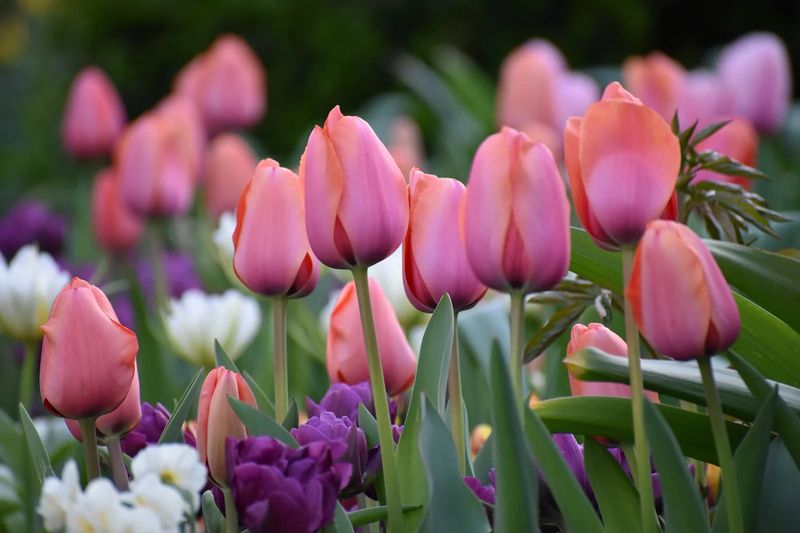
Think of Florida tulips like a fireworks show. They light up the garden for a short, dazzling stretch, and then the show is over.
In cooler places, tulips can come back year after year. Florida is a different story, thanks to its heat and sticky humidity.
After blooming, bulbs need time to soak up energy for next year. Here, summer heat shows up too fast, so the bulbs cannot recharge enough to bloom again.
That is why most gardeners treat tulips as annuals. You plant them, enjoy the flowers, and start fresh the following season.
Once the petals fade, dig up the spent bulbs. Toss them into your compost pile, where they can break down and feed future plants.
Then repeat the process next fall with new bulbs. Fresh, pre-chilled or fridge-chilled bulbs give the most reliable and colorful results each year.
Here is a fun bit of history to share. Back in the 1600s, tulips were so prized in Holland that a single bulb could cost more than a house.
Today, a handful of bulbs costs far less than that. For a few weeks of spring cheer in the Sunshine State, that is a pretty sweet deal.