The Native Texas Wildflower That Once Covered Prairies And Is Coming Back
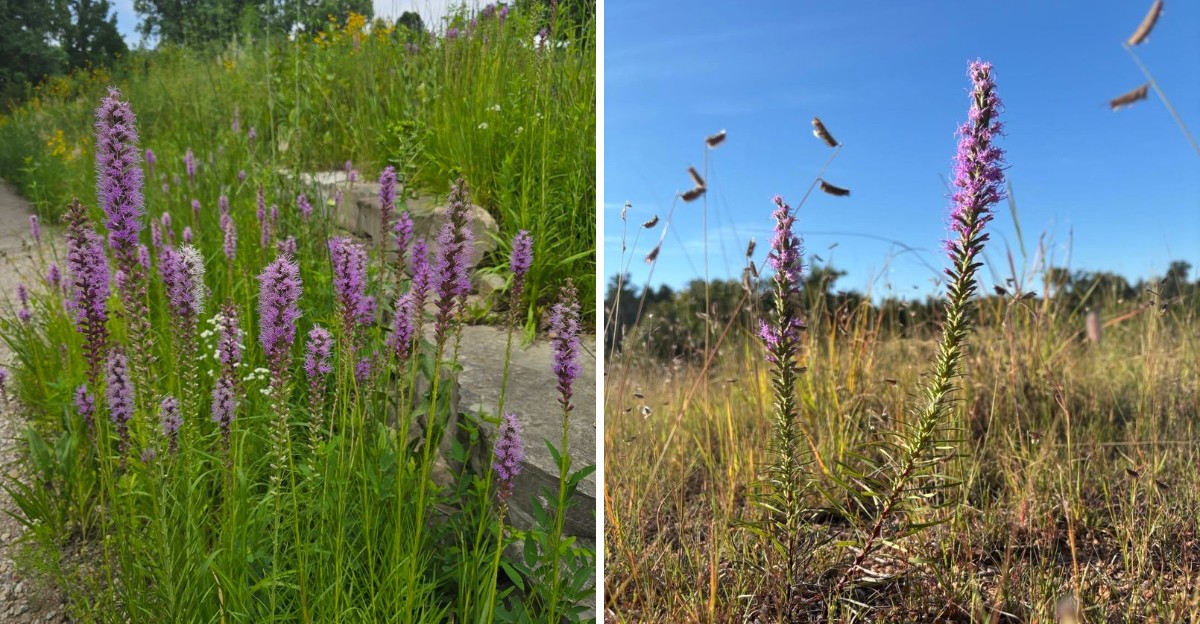
Much of Texas was once a sea of tallgrass prairie. Today, less than one percent of the original Blackland Prairie remains, with most of it plowed under for farms, roads, and neighborhoods.
Many of the wildflowers that once painted those prairies purple and gold faded along with them.
One of them is making a comeback. Its tall, slender spikes are packed with fluffy purple blooms, and it has a quirky habit most flowers don’t share.
It opens from the top down, so the tip of each spike blooms first. In late summer and fall, butterflies swarm it, especially monarchs fueling up for their long journey south.
Gardeners, landscapers, and restoration crews are planting it again across the state. It handles heat, drought, and tough soils with ease, thanks to deep roots built for prairie life.
Bringing it home means bringing back a little piece of wild Texas.
A Classic Texas Prairie Wildflower
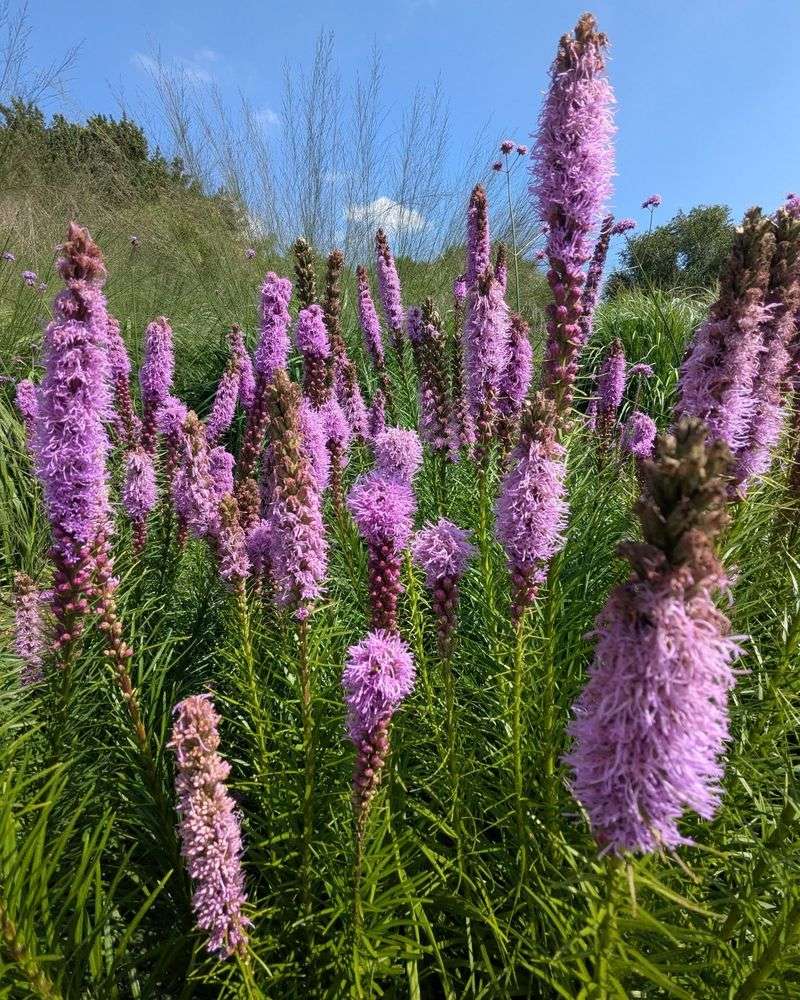
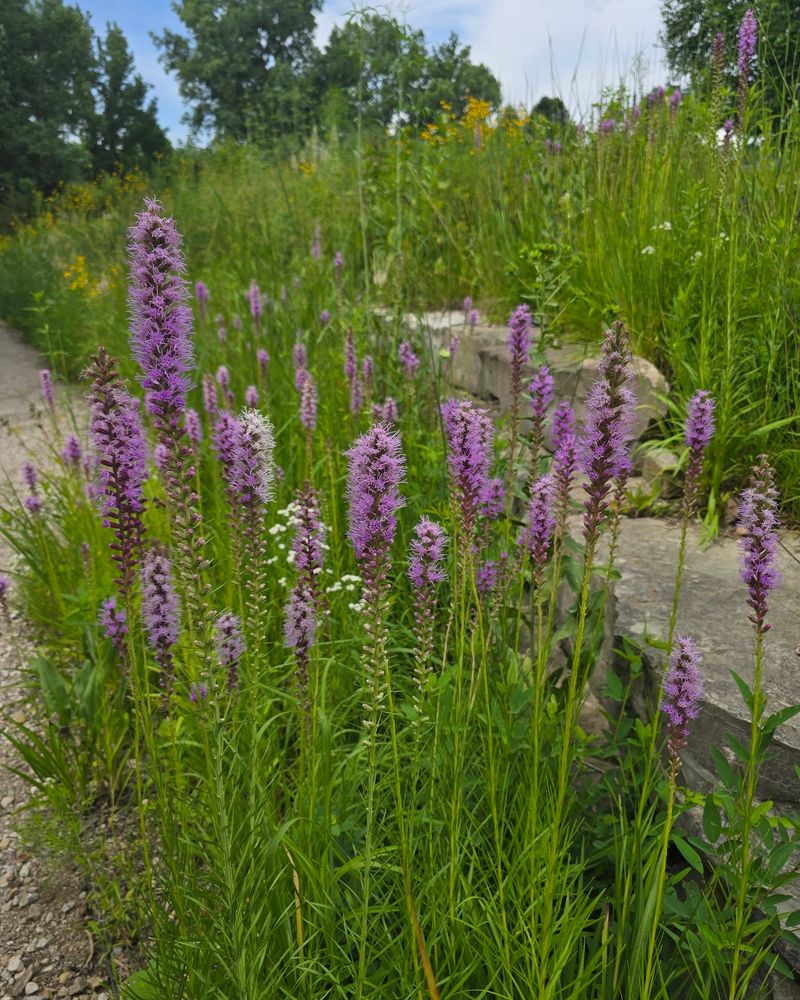
Some flowers whisper, but blazing star practically shouts. Its tall purple spikes stand above the grass like fuzzy little torches. Once you spot one, you will never forget it.
Scientists call this plant Liatris. It is a native perennial, which means it grows back year after year from the same roots. You do not have to replant it every spring like many garden flowers.
The blooms come in shades of purple, pink, and soft lavender. Each spike is covered in tiny, feathery flowers packed tightly together. From far away, the whole spike looks soft and fluffy, almost like a bottle brush.
Texas is home to several kinds of blazing star. One of the best known is dotted blazing star. It got its name from the tiny dots on its leaves, which you can see if you look closely.
Dotted blazing star once bloomed across huge stretches of open prairie. Early travelers crossing Texas would have seen fields glowing purple in late summer. It must have been an amazing sight.
Other Texas species include tall blazing star and gayfeather. Gayfeather is actually another common name for the whole group. You might see both names at a plant nursery, so do not let that confuse you.
Here is a fun fact. Unlike most flower spikes, blazing star opens from the top down. Most plants bloom from the bottom up, so this flower likes to do things its own way.
Want to see one in the wild? Visit a nature preserve or prairie park in late summer. Bring a camera, because those purple spikes make great photos. You might even catch a butterfly sipping nectar while you are there.
What Happened To Texas Prairies
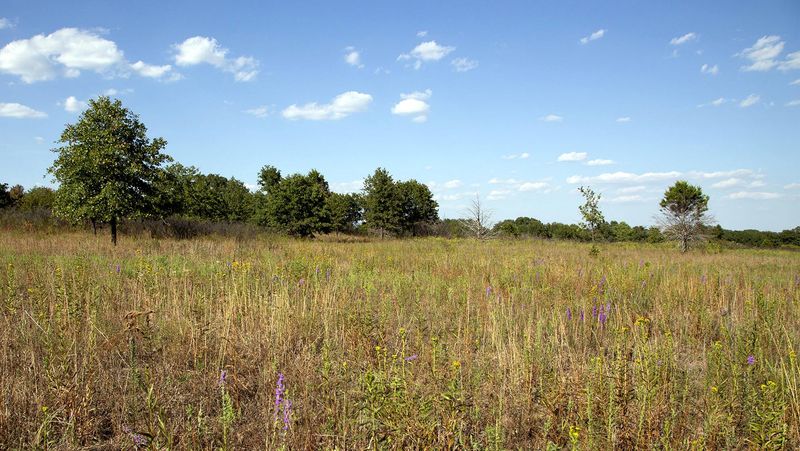
Less than 1 percent. That is how much of the original Blackland Prairie still exists in Texas today. The rest has been turned into farms, roads, and neighborhoods.
Long before settlers arrived, tallgrass prairies stretched across large parts of the state. Grasses like big bluestem and Indian grass grew taller than a grown man. Wildflowers, including blazing star, filled the spaces in between.
Your Texas Garden Changes Every Week. Your Plan Should Too.
Gardening in Texas changes quickly throughout the season. Every Friday you’ll receive a simple weekly plan showing exactly what to plant, prune, fertilize, harvest, and protect so you never miss the right timing.
These prairies were full of life. Bison grazed on the grasses. Birds nested on the ground, and insects buzzed from flower to flower all summer long.
So what changed? The Blackland Prairie had some of the richest, darkest soil in the world. Farmers quickly realized it was perfect for growing crops like cotton and corn.
Steel plows made it possible to break through the thick prairie roots. Within a few decades, huge areas were plowed under. The native plants that had grown there for thousands of years were gone.
Later, cities like Dallas, Austin, and San Antonio grew quickly. Houses, highways, and shopping centers spread across land that was once open prairie. Every new building covered up a little more of the old landscape.
Wildfires also played a part. Natural fires used to clear out trees and shrubs, which helped prairie plants thrive. When people stopped these fires, woody plants moved in and crowded out the flowers.
Today, the small pieces of prairie that remain are like living museums. Some are found in old cemeteries, along railroad tracks, or on land that was never plowed.
If you live near one, take a walk there. You will be stepping into a piece of Texas history that very few places still hold.
How It’s Making A Comeback
Good news stories are always fun to share, and here is one of the best. Blazing star is slowly returning to Texas. People all over the state are helping it happen.
Prairie restoration projects are leading the way. Groups take old farm fields or empty land and replant them with native grasses and wildflowers. Over time, these fields start to look and work like real prairies again.
Native seed companies play a big role too. They collect seeds from local plants and grow them in large batches. That way, people can buy seeds that are suited to Texas soil and weather.
Have you ever noticed wildflowers along Texas highways? The state has planted native flowers along roadsides for many years. Blazing star is one of the plants that can show up there in late summer.
Parks and nature centers are joining in as well. Many now have prairie gardens where visitors can see native plants up close. Some even hold volunteer days where you can help plant seeds or pull weeds.
Homeowners are also part of the comeback. More people are swapping thirsty lawns for native gardens. Blazing star is a favorite choice because it is pretty, tough, and loved by pollinators.
Schools have started planting pollinator gardens too. Students learn about native plants while helping wildlife at the same time. It is a hands-on way to study science.
Want to help? Look for a local native plant society or prairie group near you. Many offer free events, plant sales, and tours.
Even planting a few blazing star plants in a pot makes a difference. Every small patch adds up to a bigger home for wildlife.
Fall Blooms For Migrating Monarchs
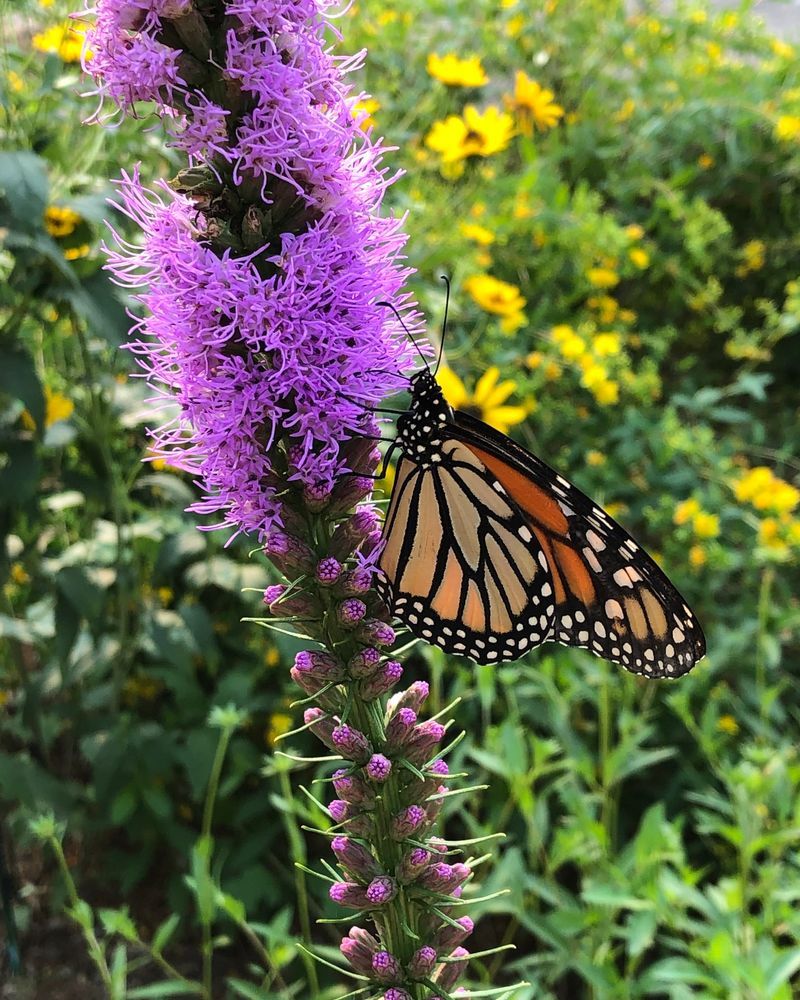
Every fall, millions of monarch butterflies make an amazing trip. They fly thousands of miles from Canada and the northern United States all the way to the mountains of Mexico. Texas sits right in the middle of their path.
All that flying takes a lot of energy. Monarchs need to stop and refuel along the way, just like a family on a long road trip. Flower nectar is their fuel.
That is where blazing star shines. It blooms from late summer into fall, right when monarchs are passing through. Many other flowers are already done blooming by then, so blazing star becomes a welcome snack bar.
The flowers are packed with sweet nectar. Bees, butterflies, and even hummingbirds visit them often. Watching a patch of blazing star on a sunny afternoon can feel like watching a busy airport.
Remember how the flowers open from the top down? That clever trick helps the plant bloom for a longer time. As the top flowers fade, fresh ones open lower on the spike, giving visitors food for weeks.
Did you know monarch numbers have dropped a lot in recent years? Losing prairie flowers is one big reason. Fewer flowers mean fewer places for these butterflies to rest and eat.
You can help by planting late-blooming natives like blazing star. Pair it with other fall flowers such as goldenrod and asters. Together, they make a rich buffet for hungry travelers.
Skip bug sprays in your garden too. Those chemicals can harm butterflies and bees. A little chewed leaf here and there is a small price for a yard full of fluttering orange wings.
Built To Survive Texas Conditions
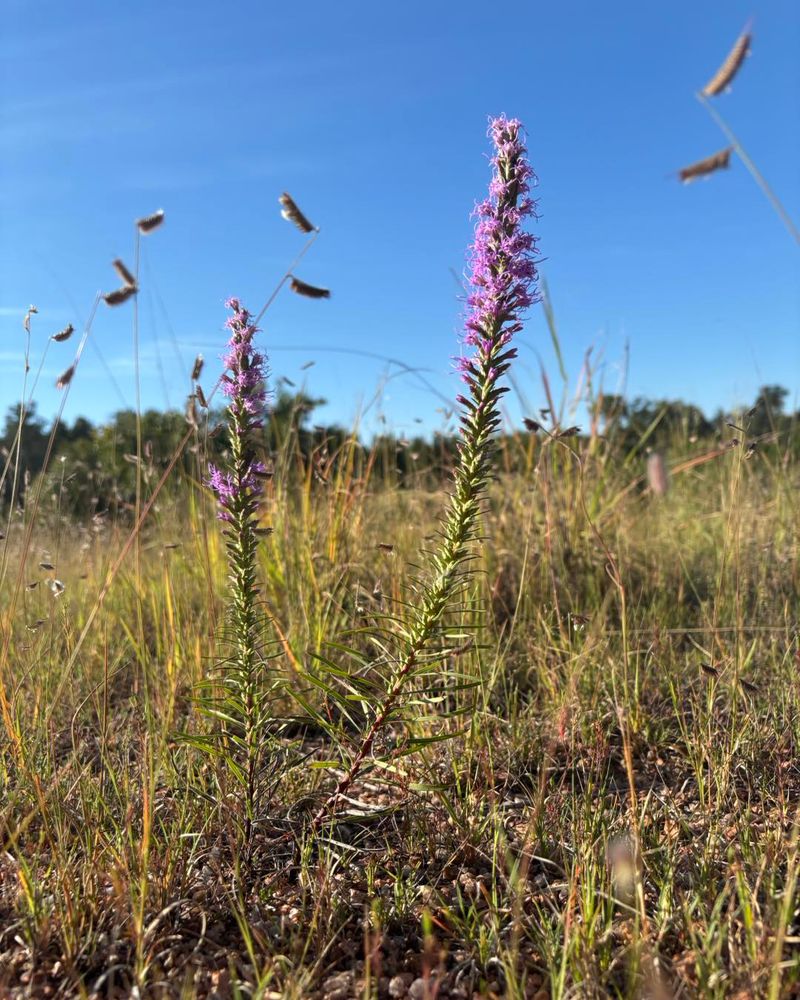
Texas summers can be brutal. Temperatures soar past 100 degrees, rain disappears for weeks, and the ground bakes hard as a brick. Plenty of plants wilt and give up, but blazing star just shrugs it off.
Its secret is hidden underground. Like many prairie plants, blazing star grows deep roots that reach far into the soil. Down there, it can find water long after the surface has dried out.
Many types also grow from a round, bulb-like base called a corm. It works like a tiny storage tank. The plant saves food and water inside it to use when times get tough.
Dotted blazing star is especially tough. Its roots can stretch many feet deep, sometimes deeper than the plant is tall. That is like you having roots longer than your whole body.
Poor soil does not bother it much either. Rocky ground, sandy spots, and thin soils are all fine. In fact, rich soil and too much fertilizer can make the stems flop over.
Once a plant settles in, it needs very little water. During its first year, give it a drink about once a week if rain is scarce. After that, nature can usually handle the job.
Sunshine is a must. Blazing star loves full sun, which means at least six hours of direct light each day. In shady spots, it grows weak and blooms poorly.
Here is a helpful tip. Avoid soggy spots where water puddles after a storm. Wet soil can cause the roots to rot. Give this flower dry, sunny ground, and it will reward you for years.
How To Add It To Your Yard
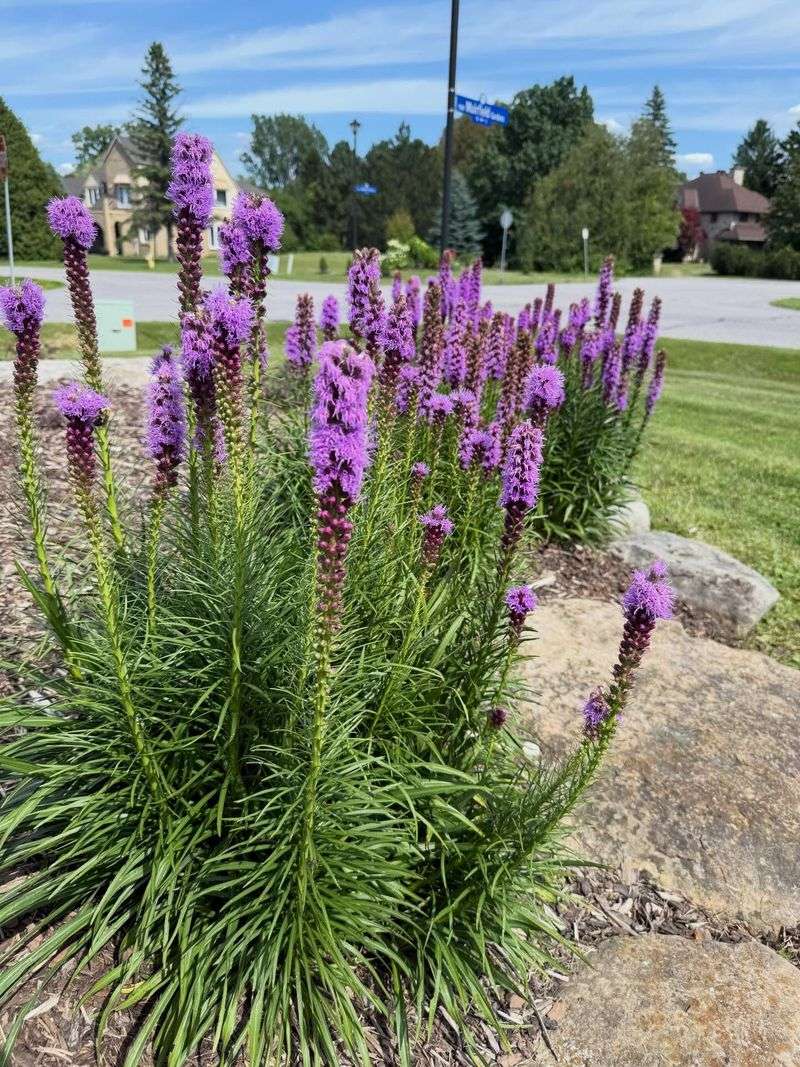
Ready to grow your own piece of prairie? Blazing star is one of the easiest native flowers to start with. You do not need a big yard or fancy tools.
First, pick the right spot. Look for a sunny area where water drains away quickly after rain. A slope, a raised bed, or a rocky corner can work well.
Next, decide between seeds and plants. Seeds are cheap and fun, but they take patience. Sow them in fall, since the cold winter helps them wake up and sprout in spring.
To plant seeds, loosen the soil a little and scatter them on top. Press them down gently so they touch the dirt. Cover them with only a thin dusting of soil.
Small plants give faster results. Set them out in fall or spring when the weather is mild. Dig a hole as deep as the pot, place the plant in, and water it well.
Seed-grown plants may take two or three years to bloom. Do not worry if you see only grassy leaves at first. The roots are busy growing underground.
For a true prairie look, mix in native grasses. Little bluestem is a perfect partner. Its blue-green blades turn coppery red in fall, which looks stunning next to purple flower spikes.
Leave the seed heads standing after blooming ends. Birds like goldfinches enjoy snacking on them during winter. Cut the old stems down in late winter to make room for new growth.
Buy from local native plant nurseries whenever you can. Their plants are best suited to your area and will thrive in your neighborhood.