Pennsylvania Native Plants That Create The Ground Habitat Native Bees Depend On
When most people think of bees, they think of hives. But the majority of native bees never live in one.
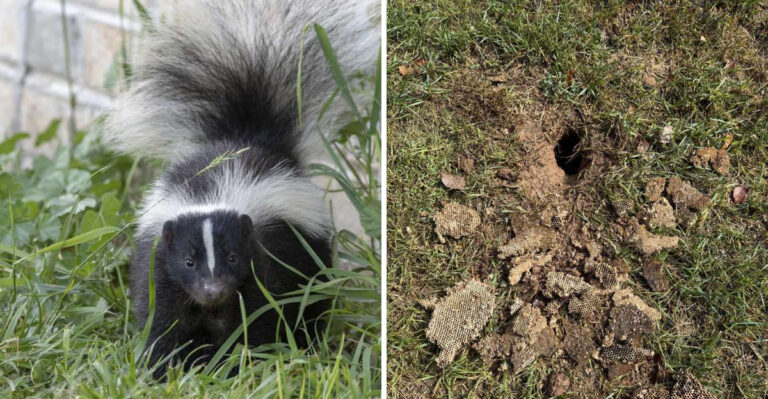
Pennsylvania is home to more than 400 native bee species, and many spend most of their lives in tiny tunnels beneath your feet.
Each female digs her own small nest, stocks it with pollen, and lays her eggs inside. The next generation stays hidden in the soil until it’s ready to emerge.
That makes the ground in your yard more important than you might realize. Thick layers of mulch, heavy lawn treatments, and wall-to-wall turf leave these bees with nowhere to go.
The right native plants can change that. They provide food, shelter, and the kind of loose, healthy soil ground-nesting bees need to thrive. A bee-friendly yard starts from the ground up.
1. Little Bluestem Leaves Room To Dig
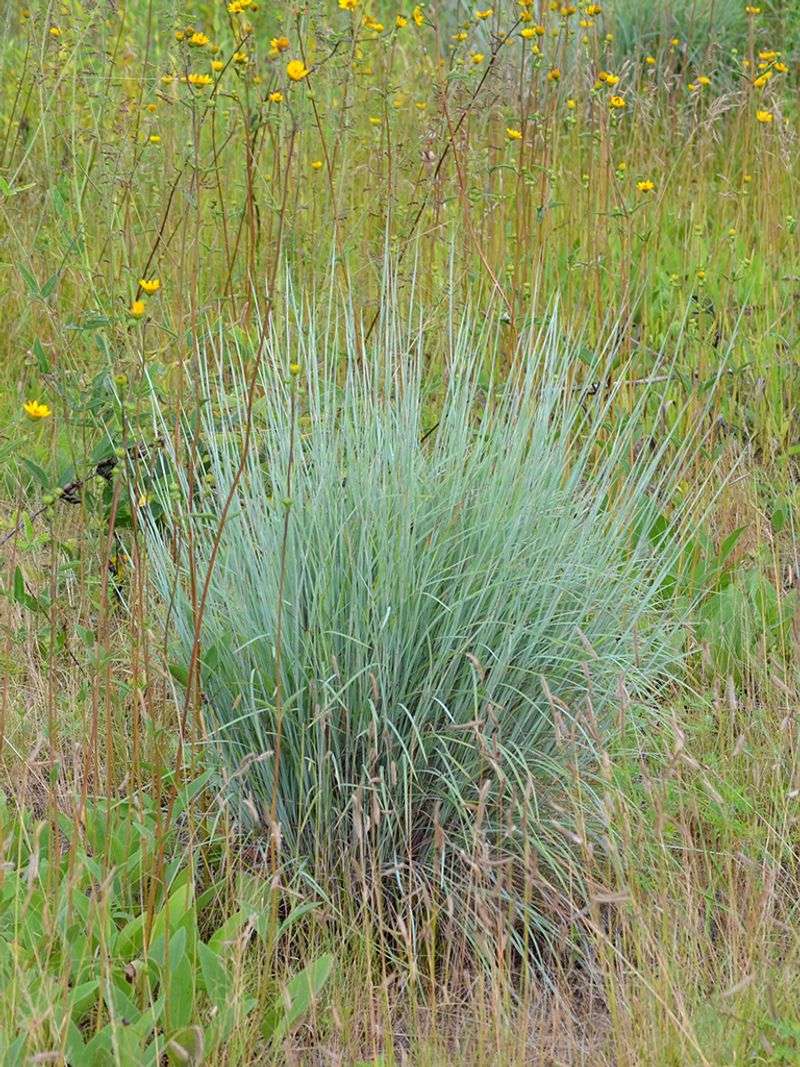
Some plants hog every inch of ground. Little bluestem is a polite neighbor instead. It grows in tidy clumps, called bunches, with small gaps of bare soil between them.
Those gaps matter a lot. Most of Pennsylvania’s native bee species nest in the ground, not in hives.
A female bee looks for sunny, open dirt where she can dig a tunnel. Inside, she builds little rooms, fills each with pollen, and lays an egg. Thick turf grass or heavy mulch blocks her from doing any of that.
Little bluestem gives her the space she needs. The clumps stand about two to three feet tall. They turn from blue-green in summer to a rusty orange in fall.
Many gardeners love the color so much that they leave the stems standing all winter. That is a smart move, since the old stems also shelter insects in cold months.
Growing it is easy. Little bluestem likes full sun and dry, lean soil. Rich, wet soil can make it flop over.
It handles drought well once its roots settle in, so you rarely need to water after the first year. Here are a few tips for bee-friendly planting:
Space plants about 18 inches apart. Skip the mulch between clumps, or use only a thin layer. Pull weeds by hand rather than covering the soil. Choose a slope or spot facing south, since bees love warm ground.
Fun fact: little bluestem was once one of the main grasses of the tallgrass prairie. Pennsylvania even has small native grasslands called barrens where it still thrives. Plant some, and you bring a piece of that wild history home.
2. Pussytoes, The Fuzzy Little Ground Hugger
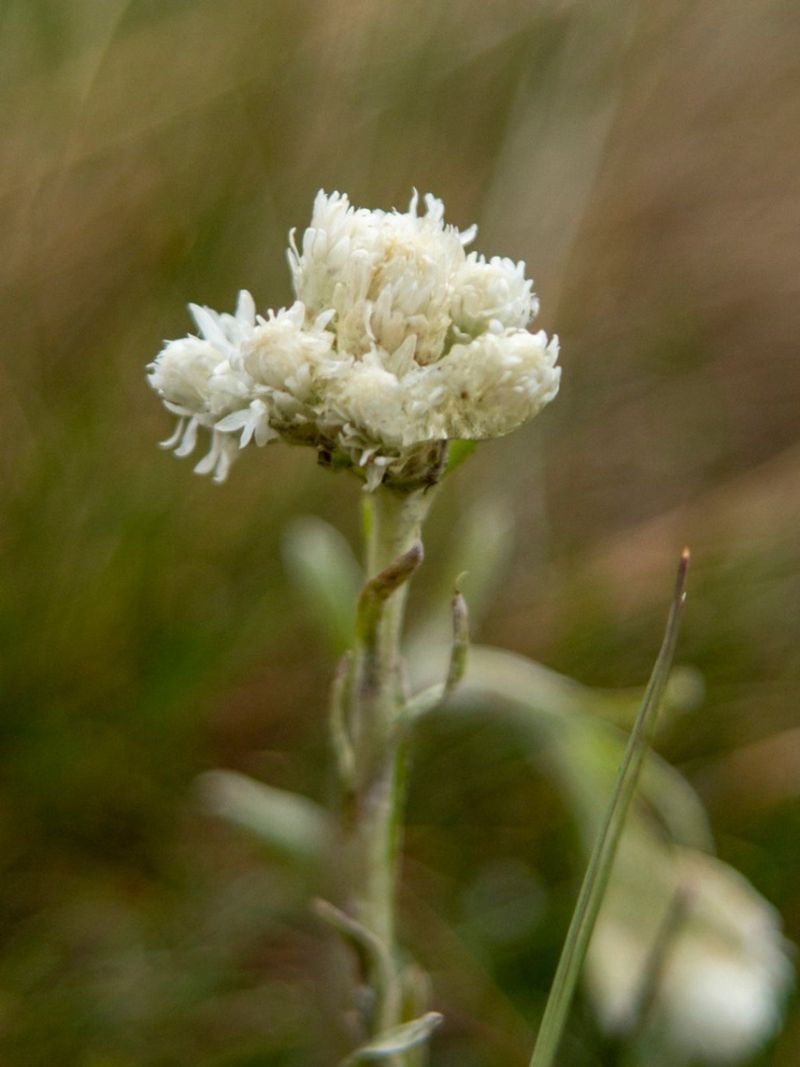
Got a spot where nothing seems to grow? Pussytoes might be your answer. It actually likes dry, thin, rocky soil that other plants hate.
The name comes from its flowers. Small, fuzzy white clusters sit on short stems and look just like a kitten’s paw.
Kids usually want to pet them, and honestly, so do adults. The leaves are silvery and soft, forming a low mat only a few inches tall.
So why do bees care? Pussytoes grows in poor ground where plants stay sparse. That leaves lots of open dirt around it. Ground-nesting bees spot that bare soil and move right in to dig their tunnels.
Your Pennsylvania Garden Changes Every Week. Your Plan Should Too.
Gardening in Pennsylvania changes quickly throughout the season. Every Friday you’ll receive a simple weekly plan showing exactly what to plant, prune, fertilize, harvest, and protect so you never miss the right timing.
It also blooms early, often in April. Early bees wake up hungry after winter. The small flowers give them a sip of nectar when food is scarce.
Pussytoes is a host plant for the American lady butterfly too, so you get a bonus visitor. Try these simple steps to grow it well:
Pick a sunny or lightly shaded spot with sandy or gravelly soil. Do not add compost or fertilizer, because rich soil invites weeds that crowd it out. Water new plants for a few weeks, then let them be.
Pussytoes works great along paths, between stepping stones, or in rock gardens. It spreads slowly by little runners, filling in without taking over. Leave small bare spaces in the mix on purpose. Those spaces are the welcome mat for your bees.
Best of all, it rarely needs care. Low effort, high reward, and very cute flowers. That is a pretty good deal for any gardener.
3. Spring Beauty And Its Tiny Miner Bee
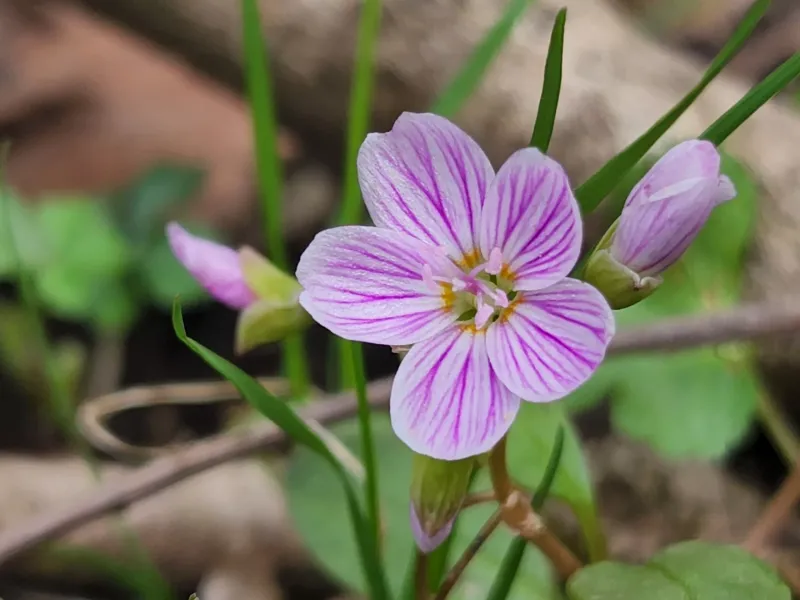
Long before most gardens wake up, a carpet of small pink and white flowers appears in the woods. That is spring beauty, and it has a best friend with wings.
Meet the spring beauty miner bee. It is a small bee that collects pollen mostly from this one flower.
You can sometimes spot it carrying pink pollen on its legs. Scientists call bees like this specialists, because they depend on one kind of plant.
Here is how the partnership works. Spring beauty blooms from March to May. The female miner bee digs a nest in the soil close by. She gathers pollen, packs it into her nest, and lays eggs.
Her babies grow underground and come out the next spring, right when the flowers bloom again.
Look closely at a bloom and you will see thin pink stripes on each petal. Those lines work like runway lights. They guide bees straight to the pollen and nectar.
Want to help this pair? Try planting spring beauty in a lightly shaded spot under trees. It likes moist, rich soil in spring. After it blooms, the plant fades back underground for the rest of the year, so mark the area so you do not dig there by accident.
Keep some soil uncovered nearby. Thick mulch or leaf piles right on top can block nesting bees. A thin leaf layer is fine.
Spring beauty grows from small tubers, like tiny potatoes. Plant them in fall for spring flowers. Over the years, they spread into lovely patches. Each patch becomes a little home base for one of Pennsylvania’s earliest bees.
4. Golden Alexanders Brings Sunshine And Pollen
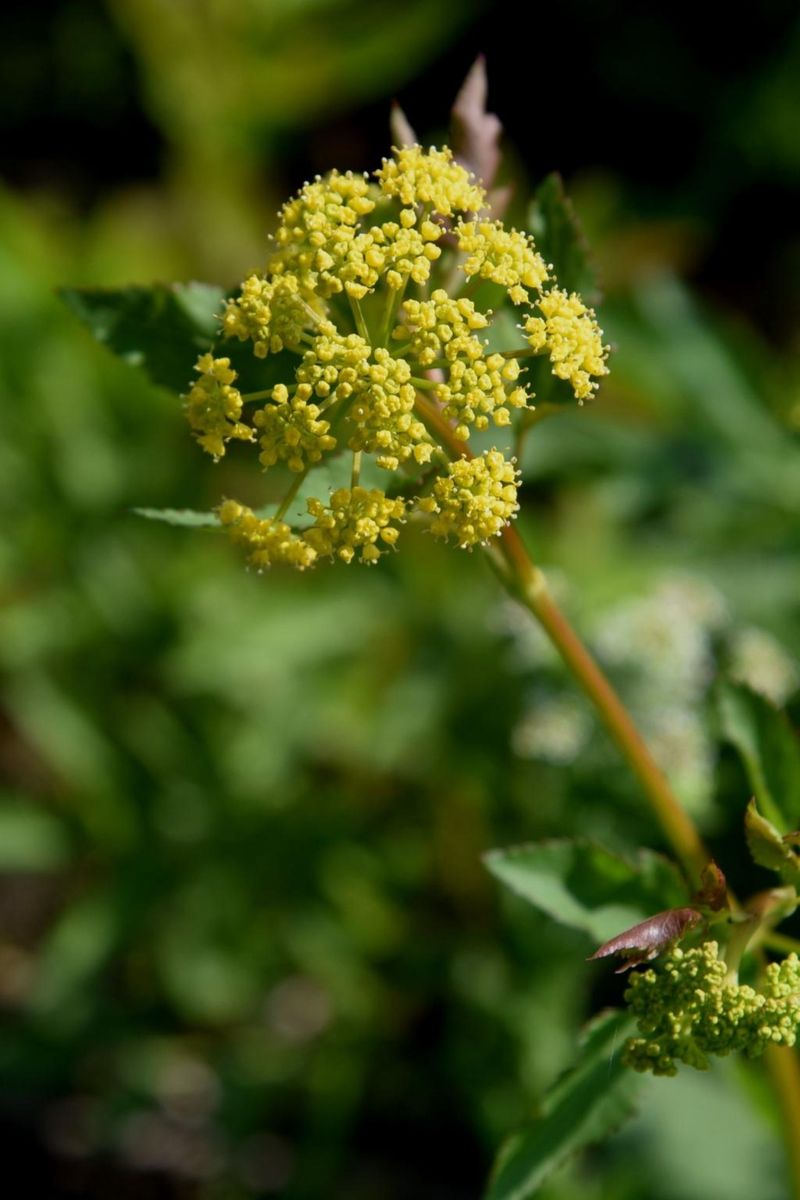
Bright yellow flowers in late spring are like a cheerful wave from the garden. Golden Alexanders brings that sunny look along with a big job for local bees.
The plant grows about two feet tall. Its flowers form flat, open clusters that look a bit like small umbrellas.
That flat shape is perfect for short-tongued bees. They can land, walk around, and grab pollen with ease.
One bee loves it more than most. A specialist mining bee called Andrena ziziaeformis gathers pollen mainly from Golden Alexanders and its close relatives.
Like other mining bees, it nests in the ground. It needs both the plant and a patch of open soil close by. Lose either one, and the bee struggles.
Golden Alexanders also feeds many other visitors. Small sweat bees, flies, and beetles stop by too. Caterpillars of the black swallowtail butterfly munch on its leaves, so a few chewed leaves are a good sign.
Growing tips are simple: Plant it in full sun or part shade. It handles average to moist soil and can even grow near rain gardens. It may reseed itself, which is great for filling space naturally.
Group several plants together. Bees find a big patch faster than one lonely plant. Leave a sunny strip of bare ground nearby for nesting.
Fun fact: Golden Alexanders belongs to the carrot family. Its cousins include parsley, dill, and Queen Anne’s lace. You can see the family look in those umbrella-shaped flower clusters.
After blooming, the seed heads turn purple-green and stay interesting. It is a hard worker that keeps looking good.
5. Wild Geranium Shines At The Woodland Edge
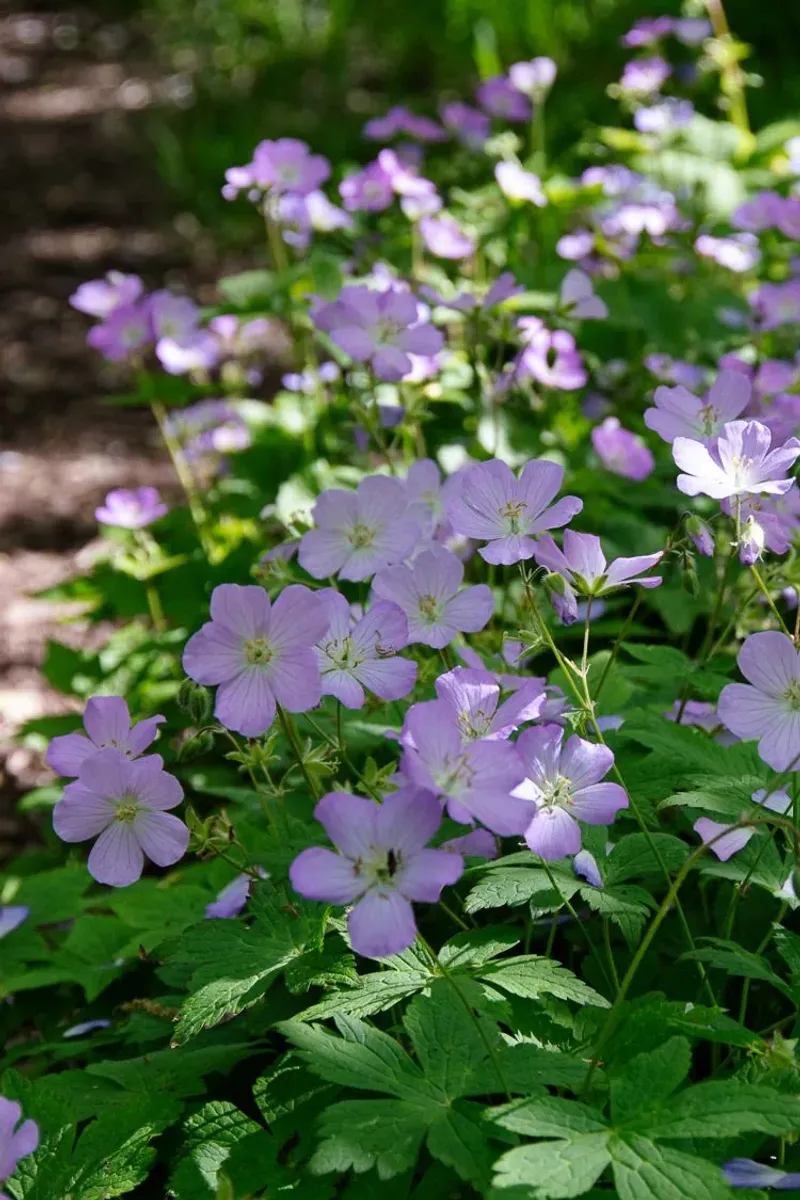
Walk along a Pennsylvania forest edge in May, and there is a good chance you will see soft pink-purple blooms nodding in the breeze. Wild geranium is a woodland favorite that bees adore.
Each flower has five round petals. Faint lines on the petals point bees toward the center. Many native bees stop by, from bumble bees to tiny sweat bees.
A special guest also shows up. The geranium mining bee, Andrena distans, collects pollen mostly from wild geranium.
It digs its nest in the soil near the plants. So when you grow wild geranium, you may be giving this bee its whole world in one spot.
The plant also has a neat trick. Its seed pods look like a crane’s beak. When they dry, they snap and fling seeds several feet away.
That is why another name for it is cranesbill. Wild geranium is a great choice for gardens with some shade:
Plant it where it gets morning sun and afternoon shade. It likes soil that is rich and slightly moist, but it can handle some dryness. A spot under tall trees or along a fence works well.
Plant in groups of three or more for a fuller look. Keep a few patches of soil open nearby instead of covering everything with mulch. Mining bees need that ground to dig.
Once it settles in, wild geranium needs little care. Deer usually leave it alone too, which is a nice bonus in many Pennsylvania towns. Its leaves often turn red in fall, so it gives you color twice a year.
6. Lowbush Blueberry, A Sweet Deal For Bees
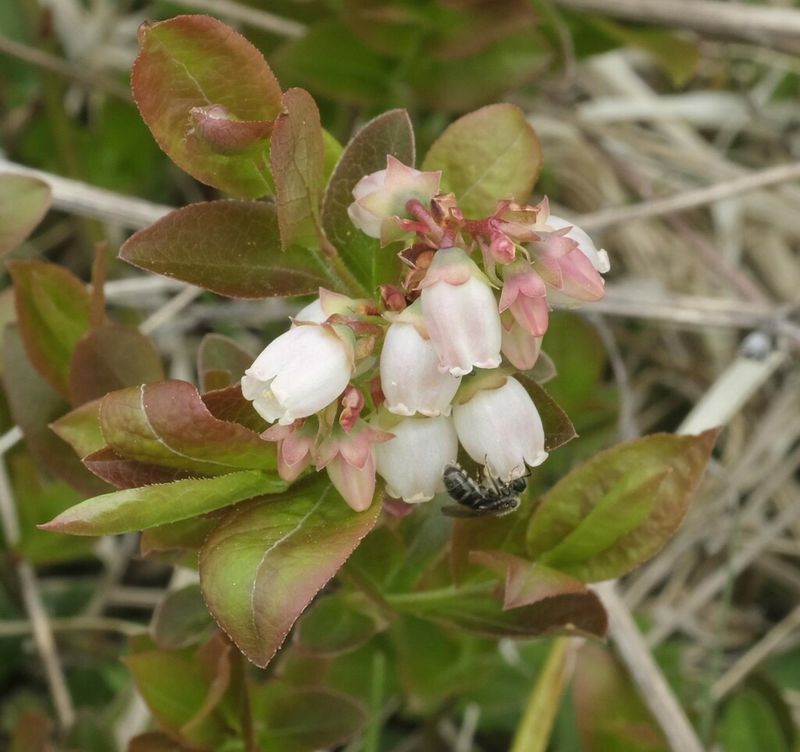
Blueberry pancakes start with a bee. Before any berry forms, a native bee has to visit the flower, and lowbush blueberry has bees lined up all spring.
The small white flowers look like tiny bells hanging upside down. Their pollen is locked inside.
Bumble bees and some mining bees grab the flower and vibrate their wing muscles fast. That shakes the pollen loose like salt from a shaker. Honey bees cannot do this trick, so native bees are the real stars.
Lowbush blueberry also creates great nesting ground. It grows in sandy, acidic, well-drained soil. That same sunny, loose soil is just what many ground-nesting bees look for. The shrubs stay low, often under two feet tall, so plenty of sunlight reaches the dirt.
In Pennsylvania, you can find wild patches in the Pocono barrens and on rocky ridges. You can grow your own too:
Test your soil first. Blueberries want acidic soil, around pH 4.5 to 5.5. Add pine needles or soil sulfur if needed. Pick a sunny spot with good drainage. Avoid heavy clay that stays wet.
Plant a few shrubs together, since cross-pollination gives better berries. Leave some sandy ground uncovered between them for bees to nest.
Here is a sweet reward. In summer, you get small, tasty berries. Birds will want them too, so you might share.
In fall, the leaves turn bright red, making a lovely ground cover. It is food for you, food for bees, and a home for bees, all in one small shrub. Not bad at all.
7. New England Aster Is The Last Big Feast
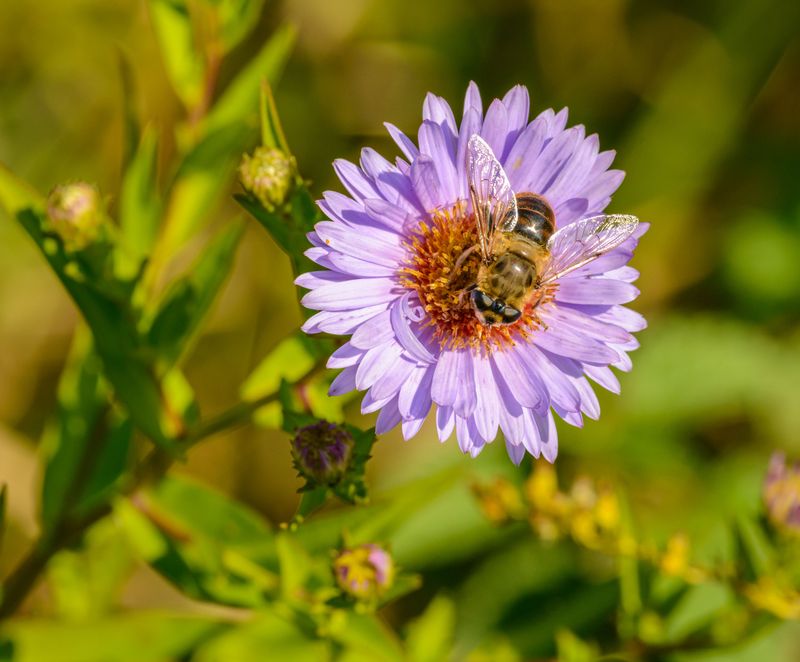
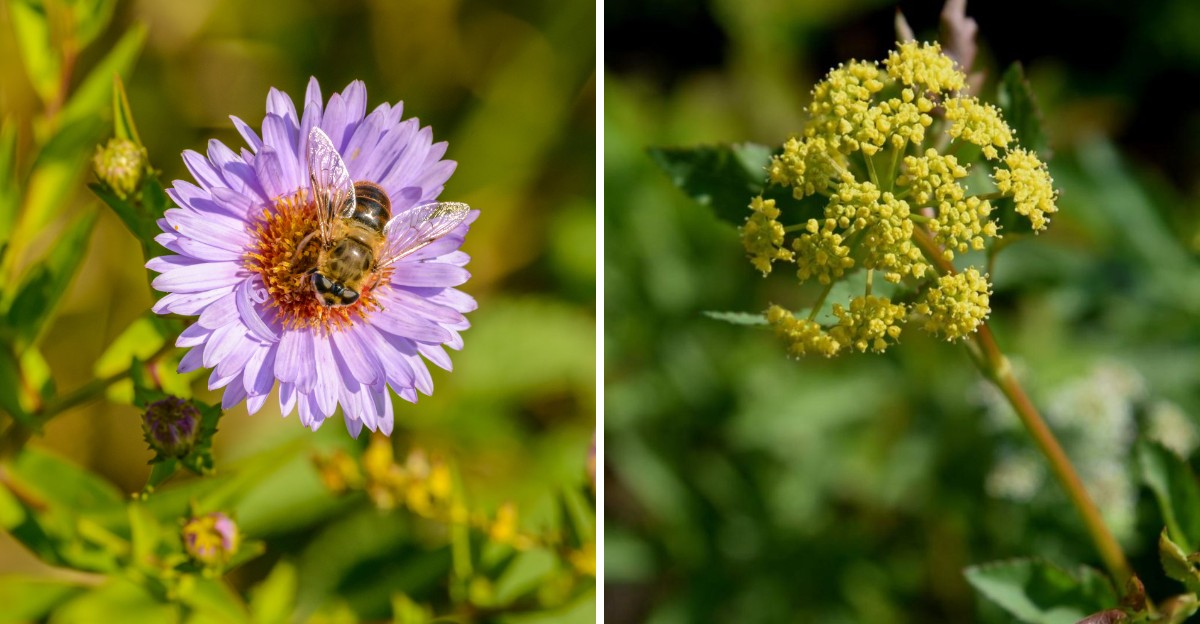
Fall in Pennsylvania means pumpkins, crunchy leaves, and one very busy purple flower. New England aster is the last great buffet of the year for many bees.
Its blooms open from September into October. Each flower has many thin purple petals around a bright yellow center. The color is so bold it seems to glow on gray autumn days.
Timing makes this plant a big deal. By fall, most flowers are gone. Bees still need food, though. Some must store energy before winter.
Others, like young bumble bee queens, need to fatten up before they hide underground until spring. Many sweat bees and mining bees also rely on aster pollen this late in the season.
A smart setup helps even more. Plant asters near a patch of bare, sunny soil. That way, bees have a meal and a nesting spot side by side. It is like having a grocery store right next to your house. Follow these growing tips:
Give it full sun and average to moist soil. The plant can grow four to six feet tall. To keep it shorter and bushier, cut the stems back by about half in early June. You will get more flowers that way too.
Leave the stems standing after bloom. Seeds feed birds, and hollow stems shelter insects over winter.
Fun fact: monarch butterflies often stop at New England asters to fuel up during their long trip to Mexico. So while you feed your local bees, you may help a famous traveler too. That is a lot of good from one purple flower.