The Fall Pollinator Plant Pennsylvania Gardeners Often Overlook
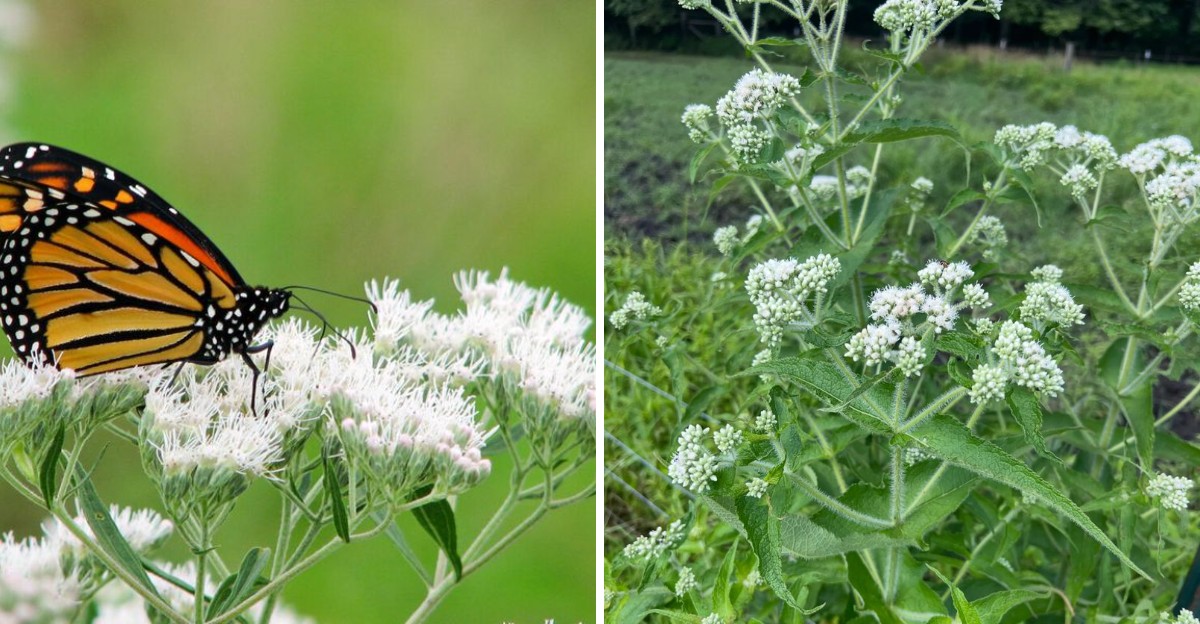
This native wildflower has one of the oddest leaves you’ll ever see. Each pair of leaves is joined at the base, so the stem looks like it was pushed straight through the middle. It’s a quirky detail that’s easy to miss, and so is the plant itself.
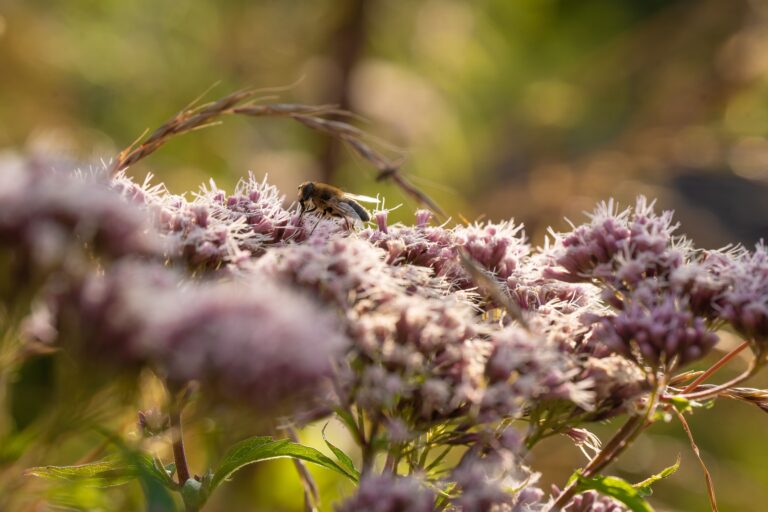
In late summer and fall, it sends up flat clusters of fuzzy white flowers. They don’t shout for attention like bright asters or goldenrod.
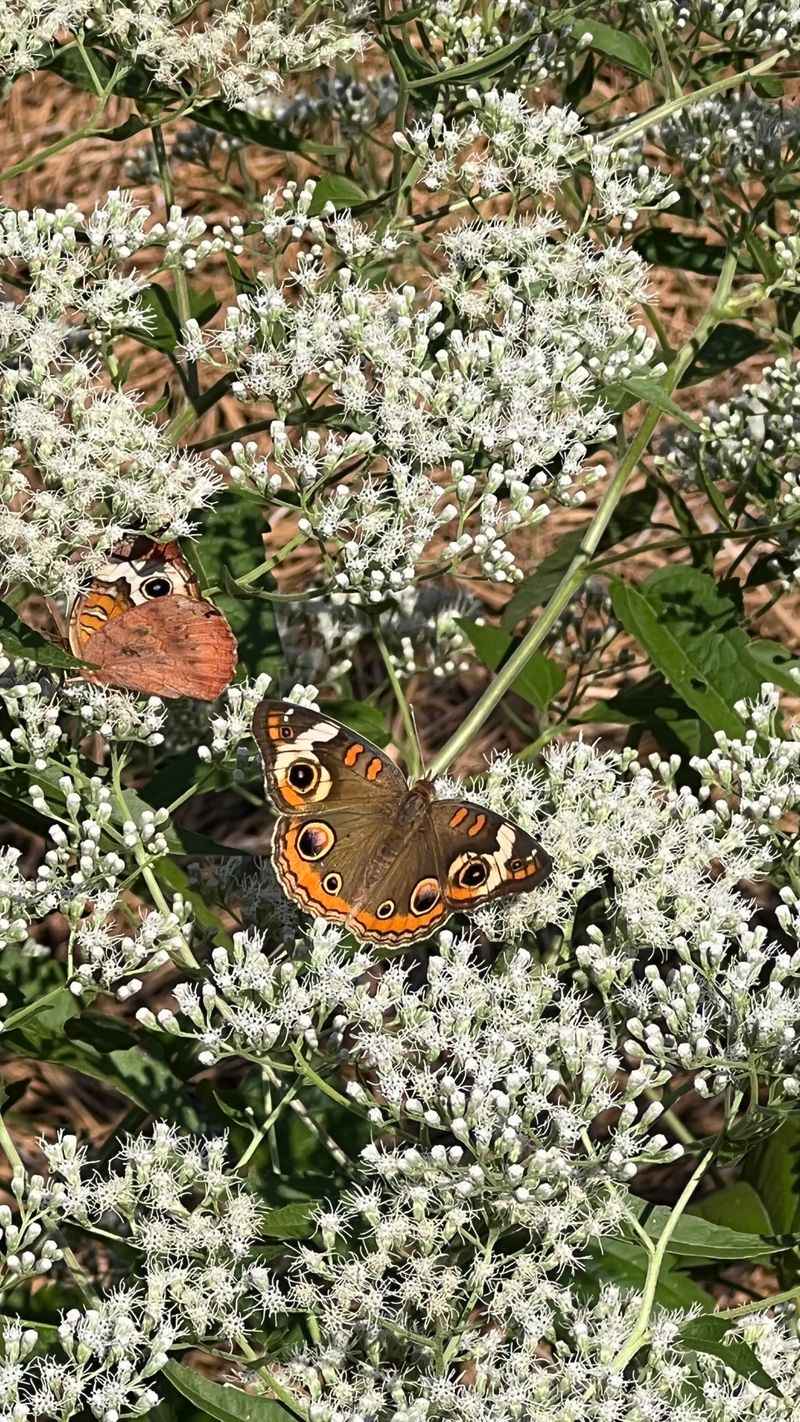
But step close on a sunny afternoon, and you’ll find them crawling with life. Bees, butterflies, beetles, wasps, and moths of every shape and size crowd in for a drink. Few plants attract such a wide variety of pollinators at once.
It also thrives in damp, soggy spots where many other flowers struggle, and it grew in American herb gardens for generations. This humble native deserves a lot more credit than it gets.
A Quiet Native Powerhouse
Some plants shout for attention with bright red or purple petals. Boneset does the opposite. It stands quietly in wet meadows and along creek banks, doing its job without any fuss.
Boneset is a native perennial, which means it has grown in Pennsylvania for a very long time. Perennials come back every year from the same roots.
You plant it once, and it returns season after season. That alone makes it a smart choice for busy gardeners.
You can find wild boneset in moist fields, near ponds, and along streams all across the state. It loves places where the ground stays damp. Many people drive past big patches of it on country roads and never notice it at all.
Most boneset plants grow about 2 to 4 feet tall. Their stems are sturdy and a little hairy. At the very top, you will see flat clusters of fuzzy white flowers. Each cluster is made of many tiny blooms packed tightly together.
From far away, the flowers look like soft white clouds resting on green stems. Up close, they look a bit like little puffs of cotton. The look is simple, but it has its own calm charm.
Native plants like boneset matter because local insects grew up with them over thousands of years. Bees and butterflies know exactly how to use them. Fancy flowers from other countries often do not offer the same food value.
Here is a helpful tip. Check with a local native plant nursery or a conservation district plant sale in spring. Many of them carry boneset, and the plants are usually quite affordable.
A Late-Season Magnet For Pollinators
Stand next to a blooming boneset plant in September and just listen. You will hear a steady hum. That sound comes from a busy crowd of insects having a feast.
Boneset blooms from late summer into early fall. That timing is a big deal. By then, many spring and summer flowers have already faded. Hungry insects start running low on food choices.
Boneset steps in right when they need it most. Its tiny flowers are full of nectar and pollen. Because the blooms are small and open, lots of different insects can reach the food easily.
Your Pennsylvania Garden Changes Every Week. Your Plan Should Too.
Gardening in Pennsylvania changes quickly throughout the season. Every Friday you’ll receive a simple weekly plan showing exactly what to plant, prune, fertilize, harvest, and protect so you never miss the right timing.
So who shows up? Native bees are some of the most common guests. You may also spot wasps, flies, beetles, and butterflies. Some gardeners have counted dozens of insect types on a single patch.
Wasps and flies might not sound exciting, but they are helpful. Many of them pollinate plants. Some wasps even hunt garden pests like caterpillars that chew on your vegetables. They are friends, not enemies.
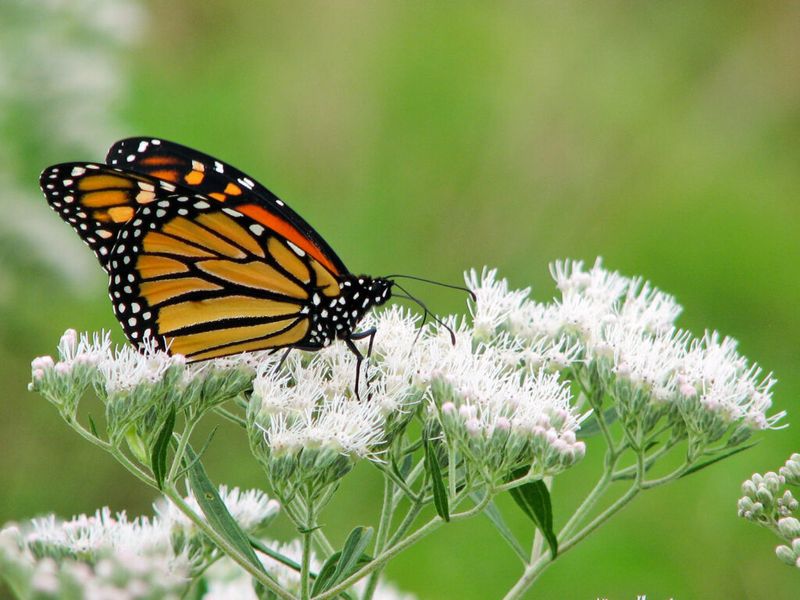
Butterflies love boneset too. Monarchs passing through Pennsylvania on their way to Mexico often stop for a sip. It works like a gas station along their long road trip.
Here is a fun idea for families. Grab a notebook and a phone camera. Spend ten minutes watching your boneset and count how many different visitors you see. Kids love turning it into a bug-spotting game.
One more tip is to skip pesticides near your boneset. Even gentle sprays can harm the insects you are trying to help. Let nature handle things, and you will enjoy the show all season long.
Easy To Recognize By Its Leaves
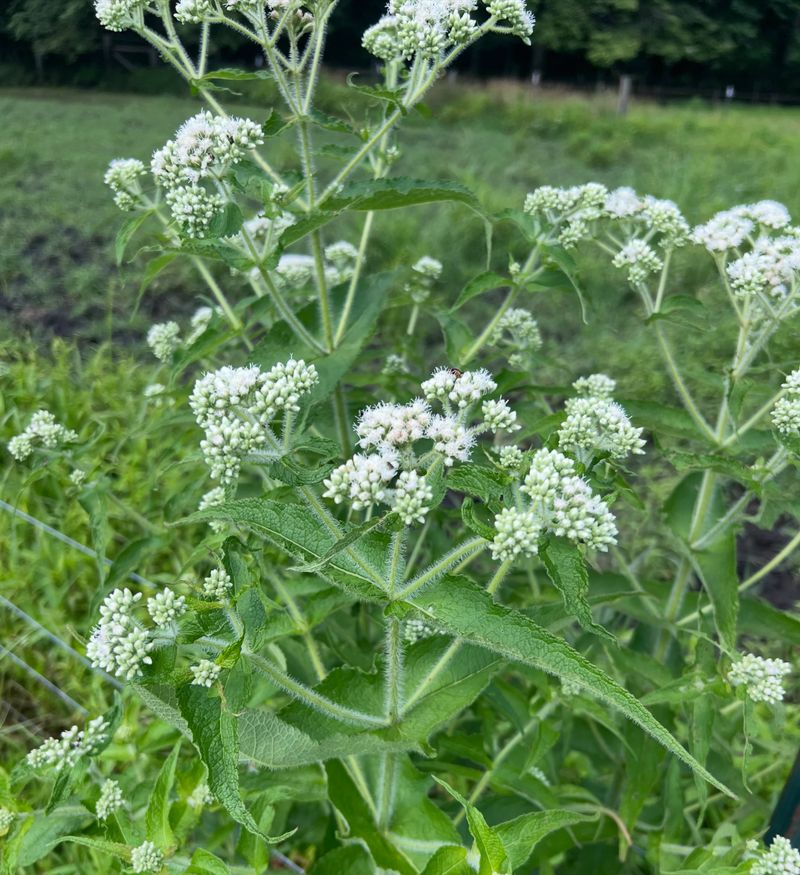
Nature loves a good magic trick, and boneset has one of the best. Look closely at its leaves. The stem seems to poke straight through the middle of them, like a pencil pushed through paper.
Of course, the stem is not really piercing anything. The leaves grow in pairs on opposite sides of the stem. Their bases join together and wrap all the way around. The result looks like one long leaf with a stem running through its center.
That odd shape gave boneset its scientific name, Eupatorium perfoliatum. The word perfoliatum means through the leaf. Even scientists could not help pointing out the trick.
The leaves themselves are long and narrow with pointed tips. They have a wrinkled, slightly rough feel. The edges are lined with small teeth, a bit like a tiny saw blade.
Why does this matter to you? It makes boneset easy to identify, even before it blooms. In June or July, many plants with white flowers look alike from a distance. Boneset’s leaves give it away right away.
Learning this trick is great if you want to find wild boneset on a nature walk. You can also use it to make sure a nursery plant is the real thing. Labels sometimes get mixed up, so a quick leaf check helps.
Try this the next time you visit a wet meadow or park trail. Look for the joined leaf pairs stacked up the stem.
Once you spot it, you will see boneset everywhere. Kids especially enjoy finding the plant that looks like it has been stabbed by its own stem.
Where Its Name Comes From
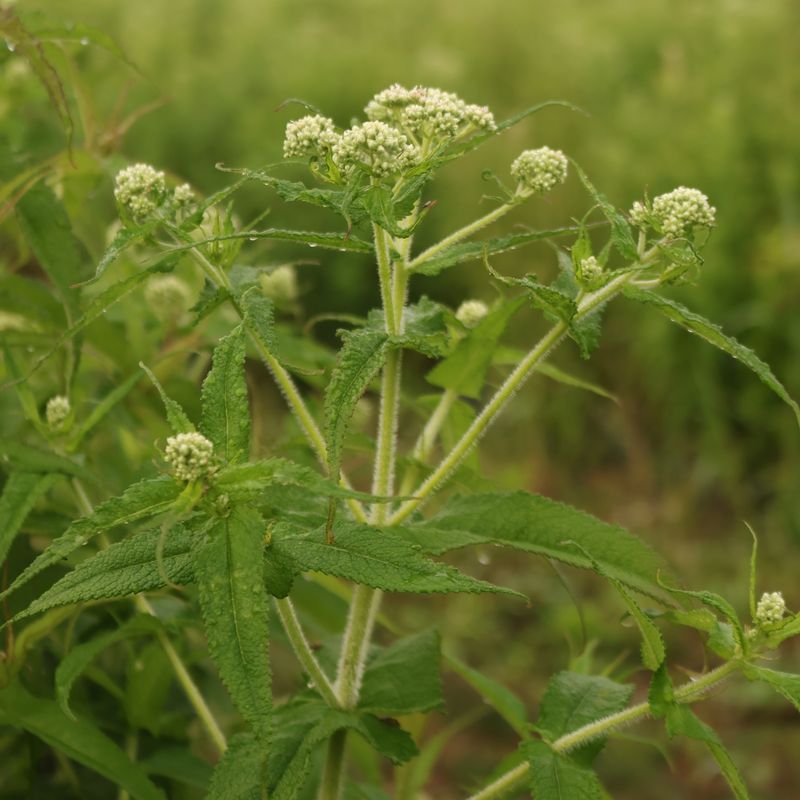
Long ago, before modern doctors and pharmacies, families often turned to plants when someone got sick.
Boneset hung in many farmhouse kitchens, dried in bundles near the ceiling. People believed it could help with some of the worst fevers around.
One illness was called breakbone fever. That was an old name for a severe fever that made people’s bones ache terribly.
Some said it felt like their bones were breaking. Folks brewed boneset into a very bitter tea, hoping it would ease the pain.
That is how the plant earned its name. It had nothing to do with setting broken bones like a cast does. It was all about that achy, miserable fever.
Here is a fun history bit. Some early settlers learned about boneset from Native American tribes, who used many local plants as medicine. The plant became one of the most common home remedies in early America.
Today, though, we know much more. Scientists have found that boneset contains compounds that can harm the liver. Drinking it or eating it is not a safe idea, even in small amounts.
So please treat boneset as a garden friend, not a home remedy. Enjoy its flowers, watch the bees, and share its story with visitors. Just keep it out of your teacup.
If you have young kids or curious pets, teach them that garden plants are for looking, not tasting. That rule works for many plants, not just boneset. Its colorful past makes a great story to tell during a backyard tour.
Perfect For Wet Or Tricky Spots
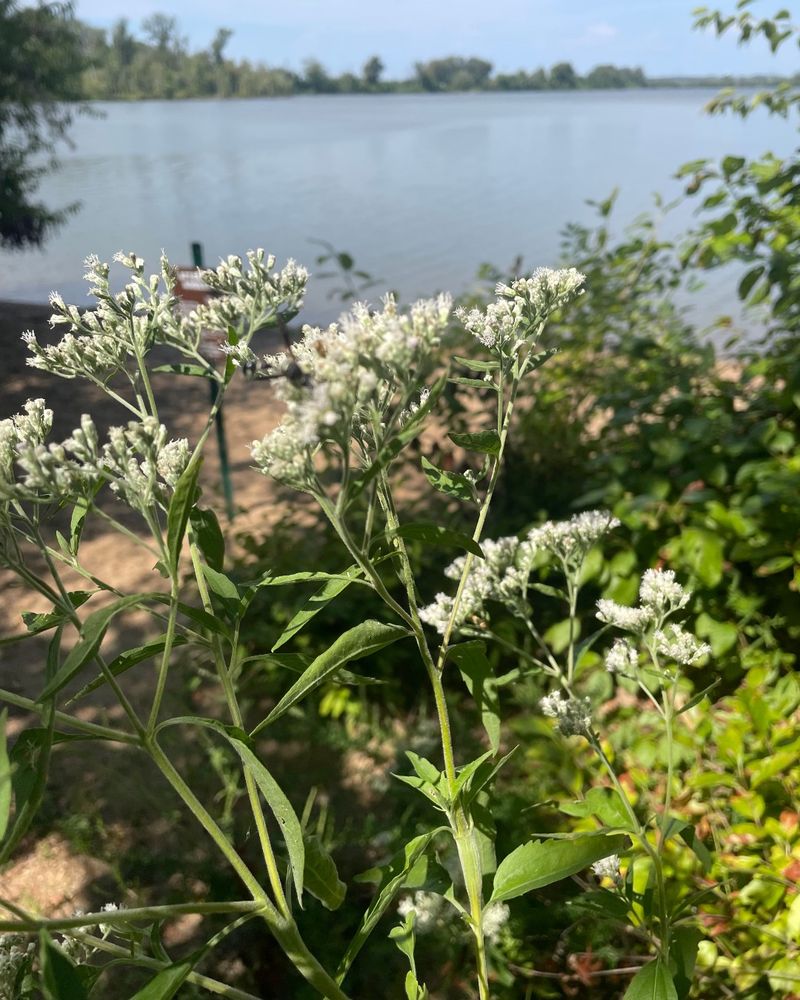
Every yard seems to have that one spot. Water pools there after every storm. Grass turns mushy, and most flowers simply give up. Good news: boneset actually loves that kind of place.
Boneset thrives in moist to wet soil. In the wild, it grows with its roots near streams and soggy meadows. So a low spot in your lawn feels like home to it.
It also handles a range of light. Full sun brings the most flowers. Part shade works fine too, as long as the soil stays damp. That gives you plenty of options when picking a spot.
Rain gardens are a perfect fit. A rain garden is a shallow area planted to catch rainwater running off roofs and driveways. Boneset soaks up extra water and helps keep it from flooding your yard or washing into streets.
Pond edges and ditch banks are other great choices. The roots help hold soil in place, which can cut down on erosion. You get beauty and a practical fix at the same time.
Planting is simple. Dig a hole as deep as the pot, set the plant in, and water it well. During the first summer, keep the soil from drying out completely while the roots settle in.
After that, boneset needs very little care. You will not need fertilizer, since rich soil can make it floppy. Just cut old stems back in early spring. Leaving them up through winter gives shelter to helpful insects resting inside.
Pairing It In A Fall Pollinator Garden
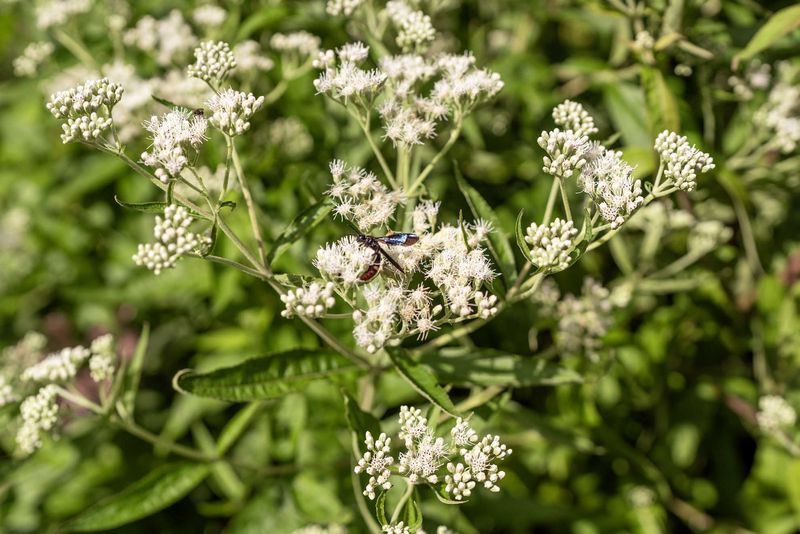
A single boneset plant is nice. A whole team of fall natives growing together is even better. Think of it as building an all-you-can-eat buffet for hungry insects.
Goldenrod is a classic partner. Its bright yellow plumes look wonderful next to boneset’s soft white clusters. And no, goldenrod does not cause allergies. Ragweed, which blooms at the same time, is usually the real troublemaker.
New England aster adds bold purple and pink color. It often blooms a little later than boneset, stretching the feast into October. Monarch butterflies especially love asters on their trip south.
Joe-Pye weed is actually a cousin of boneset. It grows taller, sometimes over 6 feet, with dusty pink flower heads. Plant it behind boneset so both get their moment to shine.
All four plants enjoy similar conditions. They like sun and soil that does not dry out too fast. That makes them easy to care for as a group. You can water and tidy them at the same time.
Why does a mix matter so much? Different insects prefer different flowers. Some bees like flat blooms, while others want tube shapes. A variety means more visitors and a longer season of food.
Fall food is critical for wildlife. Bumblebee queens need energy before they rest underground all winter. Migrating butterflies need fuel for journeys of thousands of miles.
Try planting in groups of three or five of each type. Clusters are easier for pollinators to find than single plants. Soon your yard will be buzzing with color and life long after summer ends.