What The First Hard Frost Means For Pennsylvania Vegetable Beds
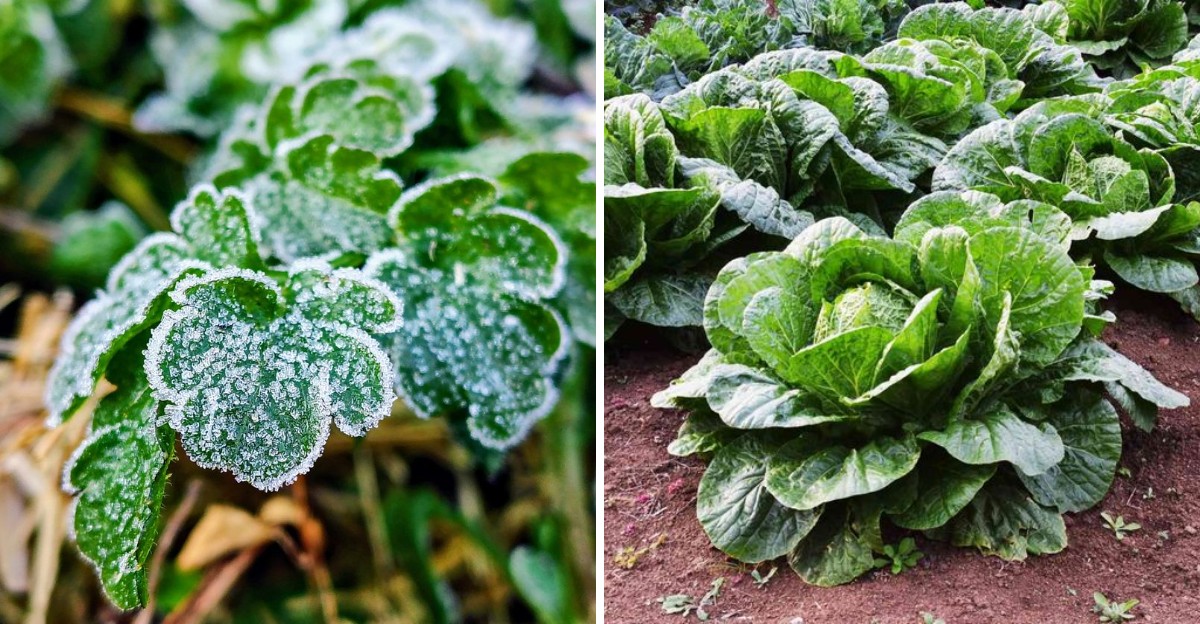
Not every frost is created equal. A light frost might nip a few leaves and leave most of the garden standing. A hard frost is a different story.
Once temperatures drop to around 28 degrees or lower for several hours, Pennsylvania vegetable beds change almost overnight.
Tomatoes, peppers, beans, squash, and basil are finished for the year. Their leaves collapse, and any fruit left on the vine quickly turns soft.
That’s not the end of the season, though. Hardy crops like kale, carrots, parsnips, and Brussels sprouts often come through just fine. Many actually taste sweeter after a good chill.
A hard frost is also a signal. It marks the perfect moment to clean up spent plants, protect the crops that are still growing, and prepare the soil for next spring.
What you do in the days after that first icy morning can shape next year’s garden.
1. Warm-Season Crops Are Finished
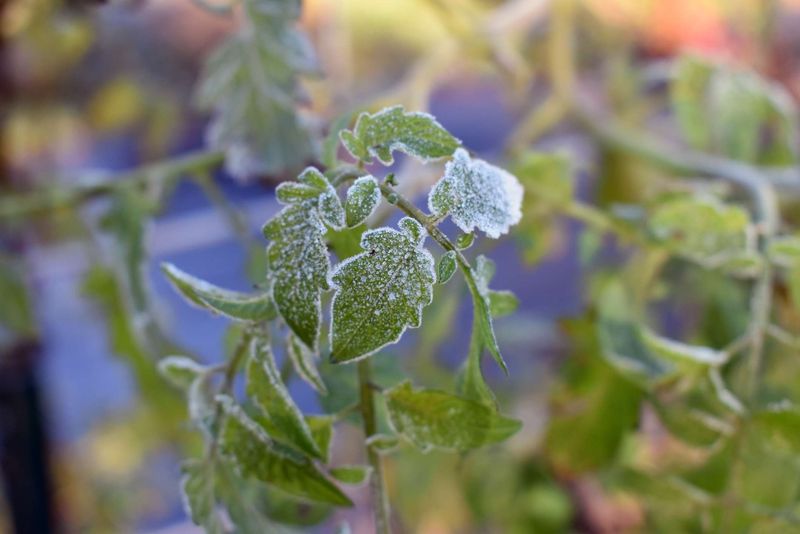
Tomato plants that stood tall and green yesterday can look like wet black rags by breakfast. That sad sight is the clearest sign a hard frost has arrived.
Tender summer crops simply cannot handle temperatures near 28 degrees for hours at a time.
Tomatoes, peppers, beans, squash, cucumbers, and basil all come from warm places. Their leaves and stems are full of water.
When that water freezes, ice crystals form and burst the plant cells from the inside. Once the sun comes up, the damaged parts turn mushy and dark.
Fruit takes a hit too. A frozen tomato or pepper quickly goes soft and starts to spoil. Frozen cucumbers turn slimy within a day or two. Even winter squash can get weak spots that rot in storage.
The best plan is to watch the weather. Most Pennsylvania forecasts give a few days of warning before a big cold snap. When you see lows in the upper twenties, head out the afternoon before and pick everything you can.
Green tomatoes are still useful. Wrap them in newspaper and keep them in a cool room, and many will ripen over the next few weeks.
You can also fry them or turn them into tasty relish. Peppers of any color can be chopped and frozen for winter soups.
Basil is the most fragile of the bunch. It often turns black even after a light frost. Snip all of it early and blend it into pesto, then freeze it in ice cube trays.
Fun fact: basil leaves can show cold damage at temperatures as high as 40 degrees, so pick it first.
2. Cool-Season Crops Get Sweeter
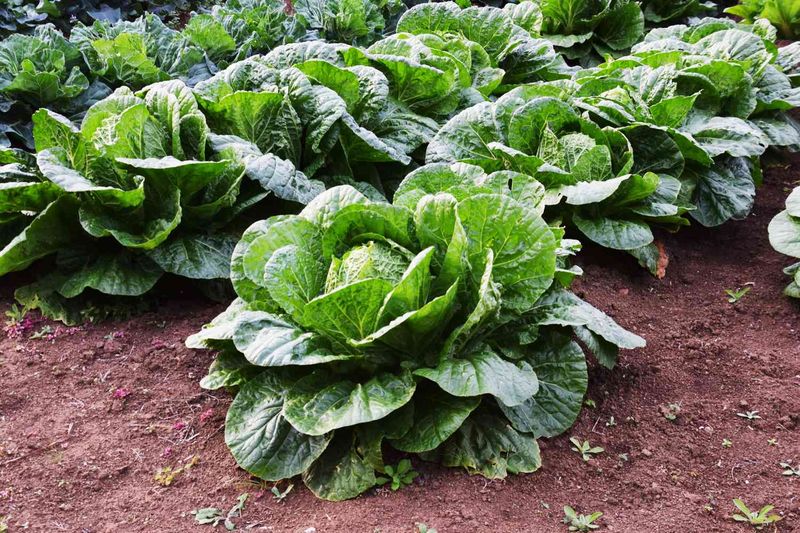
Ask any old-time Pennsylvania farmer about kale, and you might hear the same advice. Wait until after the first frost to pick it. They are right, and there is real science behind that tip.
Hardy vegetables like kale, collards, Brussels sprouts, cabbage, and carrots have a clever trick. When cold weather rolls in, they turn some of their stored starches into sugars.
Sugar water freezes at a lower temperature than plain water. So the plant is basically making its own antifreeze to protect its cells.
Your Pennsylvania Garden Changes Every Week. Your Plan Should Too.
Gardening in Pennsylvania changes quickly throughout the season. Every Friday you’ll receive a simple weekly plan showing exactly what to plant, prune, fertilize, harvest, and protect so you never miss the right timing.
For gardeners, that survival trick is a tasty bonus. Kale loses some of its bitter bite. Brussels sprouts taste nutty and mild. Carrots pulled in November can taste almost like candy compared to summer ones.
Most of these crops handle temperatures down into the low twenties with ease. Kale and collards often keep going even lower. Some gardeners in southern Pennsylvania pick kale right through December.
Here are a few smart habits for harvesting them. Wait until the leaves thaw before picking, since frozen leaves bruise easily.
Late morning or early afternoon works great. Pick the outer leaves of kale and collards first, and let the center keep growing.
Brussels sprouts ripen from the bottom of the stalk up. Snap off the lower ones as they firm up. If a big freeze below 20 degrees is coming, cut the whole stalk and store it in a cool garage.
Did you know? Brussels sprouts were grown near Brussels, Belgium, hundreds of years ago, which is how they got their name.
3. Tender Greens Need Protection Or Harvesting
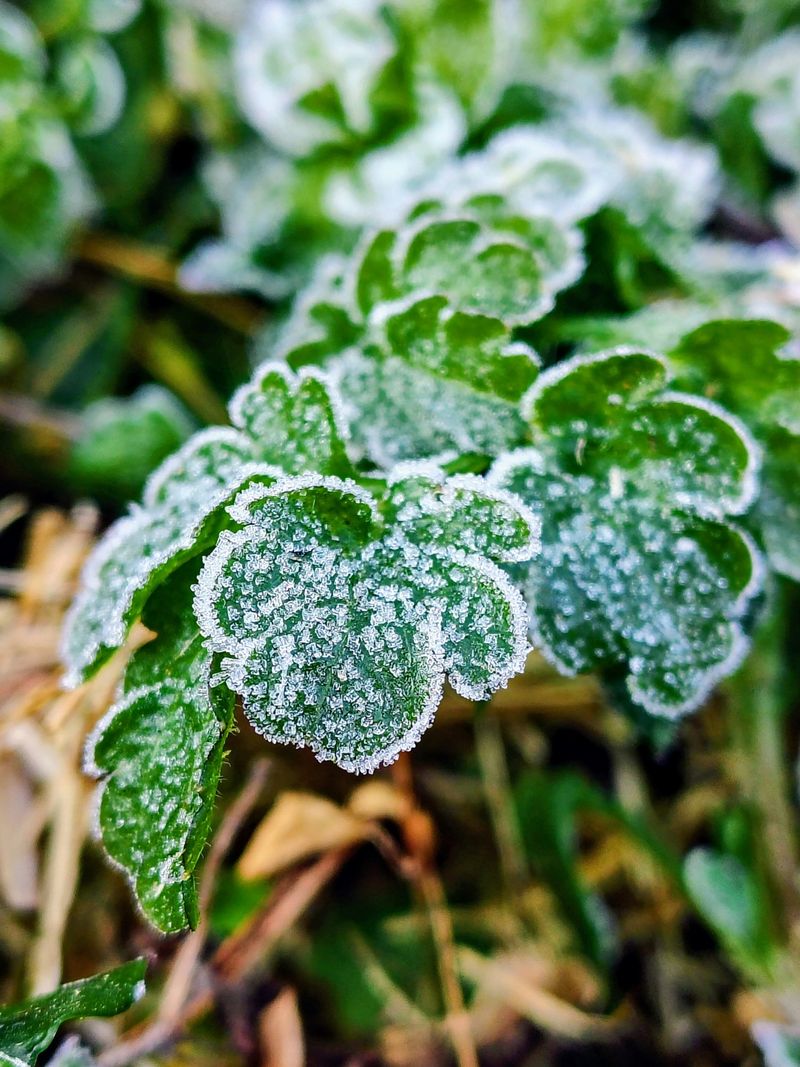
Lettuce is a bit of a puzzle in the fall garden. It shrugs off a light frost with no trouble at all. Yet a long night in the twenties can turn those crisp leaves limp and see-through.
Arugula, spinach starts, mustard greens, and young lettuce all fall into this tricky middle group.
They love cool air but have thin, soft leaves. A hard frost can damage the outer layers or even the whole plant.
You have two good choices. The first one is easy. Harvest as much as you can the day before the freeze. Fill your fridge with salad greens, and they will stay fresh for about a week.
The second choice keeps your greens growing longer. Cover them up. A lightweight row cover, sometimes called frost cloth, can raise the temperature underneath by several degrees.
Lay it over wire hoops so it does not crush the plants. Hold the edges down with rocks, bricks, or soil.
A cold frame works even better. It is a simple box with a clear lid, like a mini greenhouse. You can build one from old windows and scrap lumber. On sunny days, prop the lid open so the plants do not overheat.
With covers in place, many Pennsylvania gardeners pick fresh salad into Thanksgiving. Some keep spinach alive all winter long.
One quick tip: an old bedsheet works in a pinch. Just avoid plastic touching the leaves, since it can actually make cold damage worse.
4. Root Crops Can Stay In The Ground A Little Longer
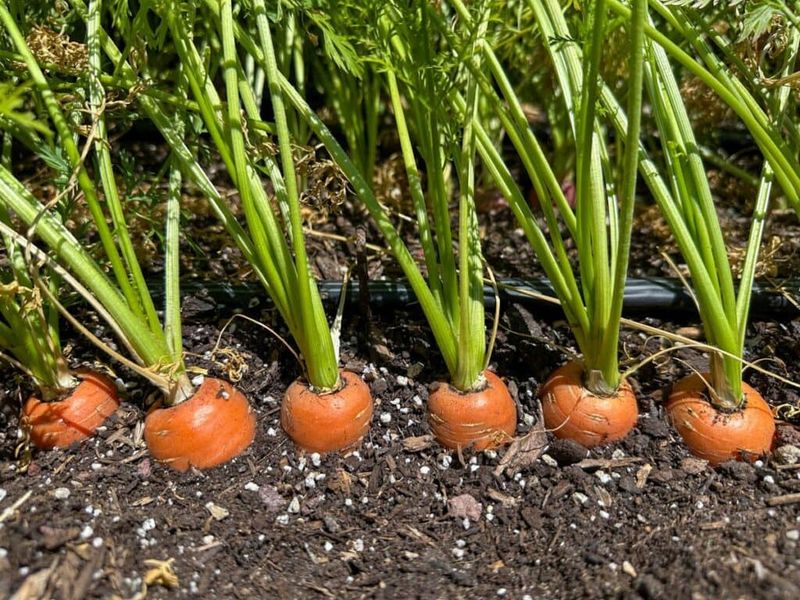
Good news, root crop fans. The soil is like a cozy blanket for carrots, parsnips, and beets. Even when the air drops below freezing, the ground stays warmer for weeks.
That stored heat comes from the long summer. Soil releases it slowly as fall goes on. So while the leafy tops of your carrots may look a little rough, the roots underneath are usually just fine.
You can treat your garden bed like a natural fridge. Leave the roots where they are and pull them as you need them. Many gardeners think they taste better this way than after weeks in a crisper drawer.
To stretch the harvest, add a thick layer of mulch. Straw or shredded leaves piled 8 to 12 inches deep works well. That layer keeps the ground from freezing hard, so you can still dig in December or even January.
Mark your rows with tall stakes before snow falls. Otherwise, finding carrots under a white blanket turns into a treasure hunt.
Parsnips deserve special praise. You can leave them in the ground all winter long. When the soil thaws in March or April, dig them up before they start sprouting new leaves. The cold turns their starch into sugar, so spring parsnips are wonderfully sweet.
Beets are a little less tough than carrots and parsnips. Pull them before temperatures stay in the teens for long stretches.
History bit: before sugar was cheap, people in Europe used parsnips to sweeten cakes and jams.
5. It’s Time To Clean Up Spent Plants
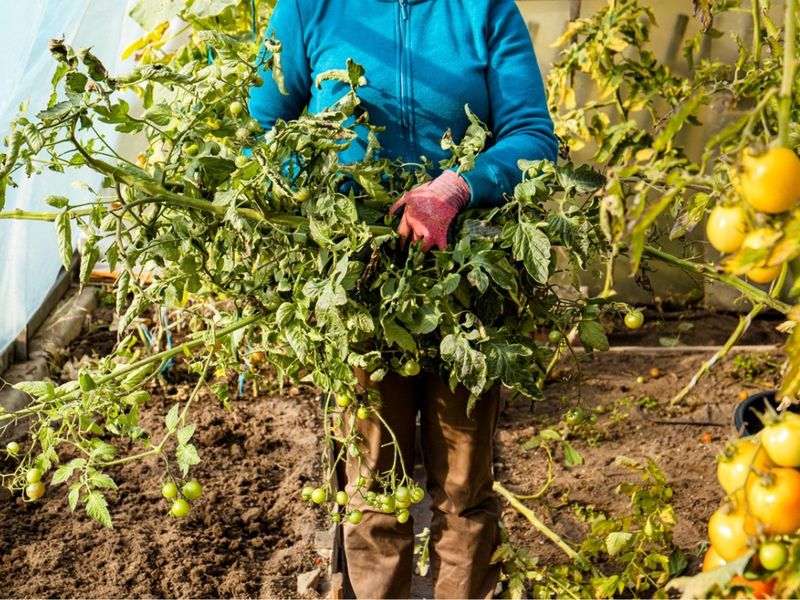
Nobody gets excited about pulling up mushy tomato vines. Still, a little cleanup now can save you a lot of trouble next summer. Think of it as resetting the stage for a better season.
After a hard frost, warm-season crops are done for good. Their limp stems and leaves just sit there and slowly rot. Unfortunately, that mess can hide plant diseases and insect eggs over the winter.
Tomatoes are the biggest worry in Pennsylvania. Early blight and late blight are very common here, especially in rainy years.
The germs that cause them can live on old leaves and stems until spring. Then they splash right back onto your new plants.
Squash, pumpkins, and cucumbers often get powdery mildew. That white, dusty coating on the leaves can also hang around. Squash bugs like to hide in old vines too.
So grab your gloves and get to work. Pull out the plants, roots and all. Rake up fallen leaves and rotten fruit from the bed.
Here is the key rule. If a plant looked sick, bag it and put it in the trash. Do not toss it on the compost pile. Most home compost piles do not get hot enough to wipe out those germs.
Healthy plants like bean vines or clean pepper stalks can go into compost with no problem. Chop them into smaller pieces so they break down faster.
While you work, jot down which crops struggled. Those notes will help you plan where to plant next year.
6. Your Beds Are Ready For Winter Prep
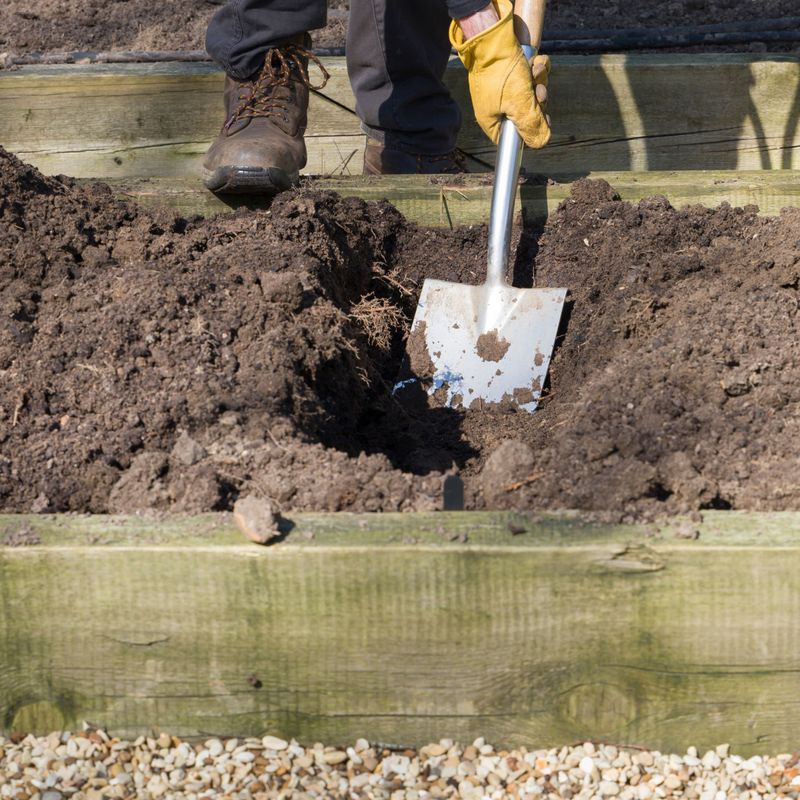
Empty garden beds might look a little lonely. Really, they are a fresh start. With the frost-damaged plants gone, you finally have room to feed and protect your soil.
Bare soil is not happy soil. Winter rain and melting snow can wash away the good topsoil. Weeds also love to move into open space. A simple covering stops both problems.
Shredded leaves are a free and easy choice. Pennsylvania has plenty of oak and maple trees, so just run over a pile with your lawn mower. Spread a few inches across each bed. By spring, worms will have pulled much of it into the soil.
Compost is another great option. A one or two inch layer adds nutrients and helps the soil hold water.
Want to try something new? Sow cereal rye as a cover crop. Scatter the seeds by early to mid October, rake them in lightly, and water.
The rye grows green roots all winter, holding the soil in place. In spring, cut it down before it forms seed heads and let it rot back into the bed.
The best winter project of all might be garlic. Mid October to early November is perfect timing across most of Pennsylvania.
Plant single cloves pointy side up, about two inches deep and six inches apart. Cover them with straw.
Next July, you will dig up big, full heads of garlic. It feels like a gift from your past self, and it all starts on a chilly fall afternoon.