This Is Why Heavy Pennsylvania Storms Are Quietly Ruining Your Garden Soil
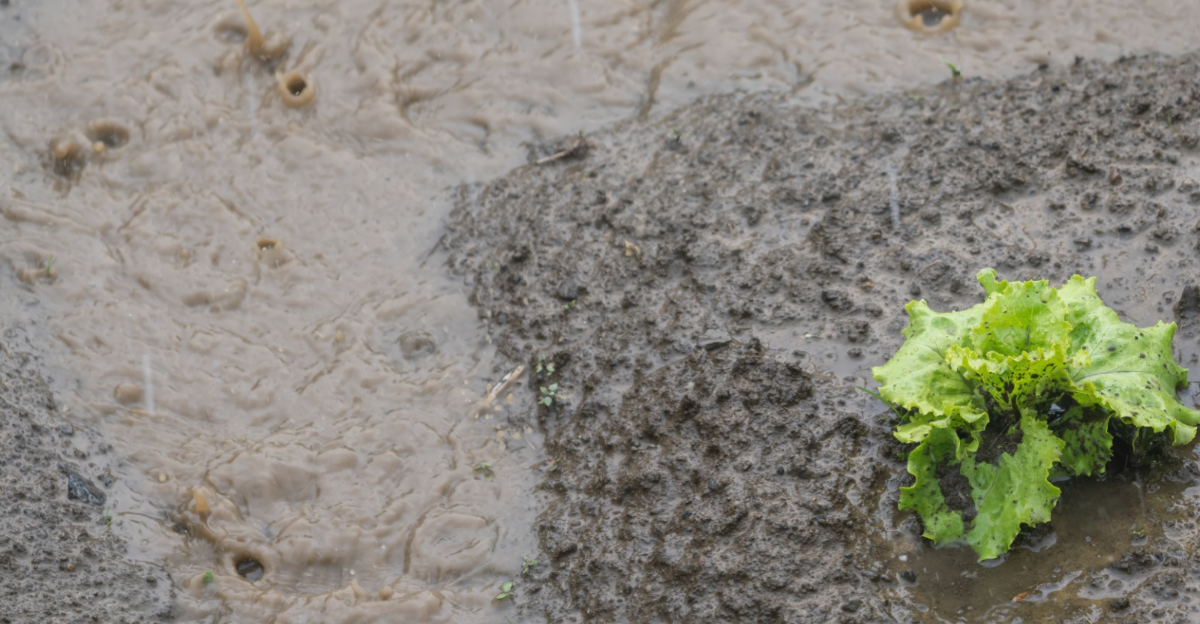
Rain fell hard while you slept, and something changed underground. Pennsylvania storms move fast, soaking soil quicker than roots adjust. Water moved through your beds, shifting layers you never see.
Nutrients slipped away before your plants even noticed they were gone. Soil that once crumbled softly now feels tight like old pavement. Microbes that fed your roots got displaced or washed out.
Oxygen pockets shrank, leaving roots working harder in dense, wet earth. That weather shifts often here, and your Pennsylvania garden feels it. Damage doesn’t announce itself; it hides beneath healthy leaves.
Every storm leaves clues only a trained eye can spot. Your soil structure shifts, and drainage patterns quietly change. Roots reach harder for what they used to get easily.
Something shifts every time water moves through ground this fast. Recovery depends on noticing these changes before they compound. You must learn this before your garden needs saving.
1. Rain Compacts Soil Particles Together
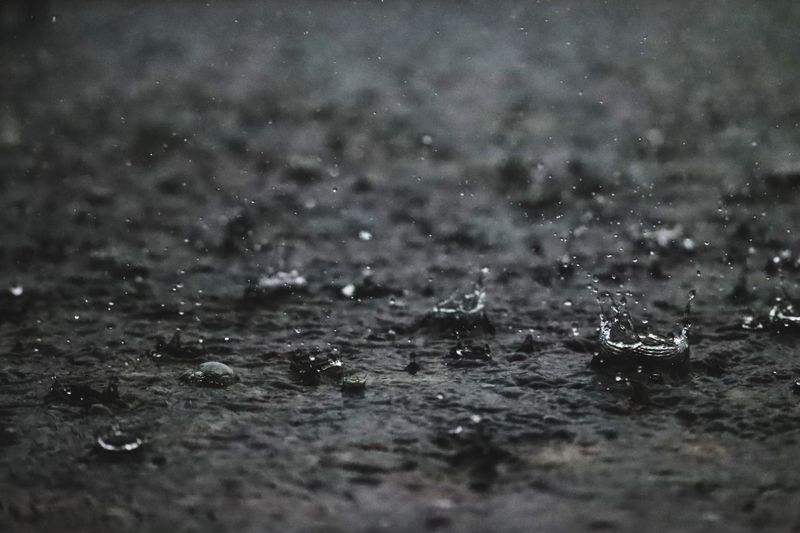
Have you ever noticed your garden soil looks almost like concrete after a big storm? That is not your imagination playing tricks on you.
When raindrops hit bare soil, they strike with surprising force. Each drop acts like a tiny hammer, pushing soil particles closer and closer together.
Over time, those particles pack so tightly that water and air struggle to move through. Your garden soil loses much of its biological activity.
Compacted soil also dries out in strange ways. The top layer gets crusty and stiff while deeper layers stay wet and airless.
Heavy Pennsylvania storms are especially rough because they often drop large amounts of rain fast. That rapid pounding leaves little time for soil to absorb impact naturally.
Mulch is your best friend here. A thick layer of wood chips or straw absorbs raindrop energy before it ever reaches your soil surface.
Even two to three inches of mulch makes a huge difference after a storm. Your roots will thank you with stronger, deeper growth all season long.
Aerating your garden beds each spring also helps break up compacted layers. A simple garden fork pushed six inches down loosens things up fast.
It helps to act before your plants start showing stress. Soft, well-structured soil is the foundation of every thriving garden, and protecting it starts before the next storm arrives.
2. Runoff Washes Away Valuable Topsoil
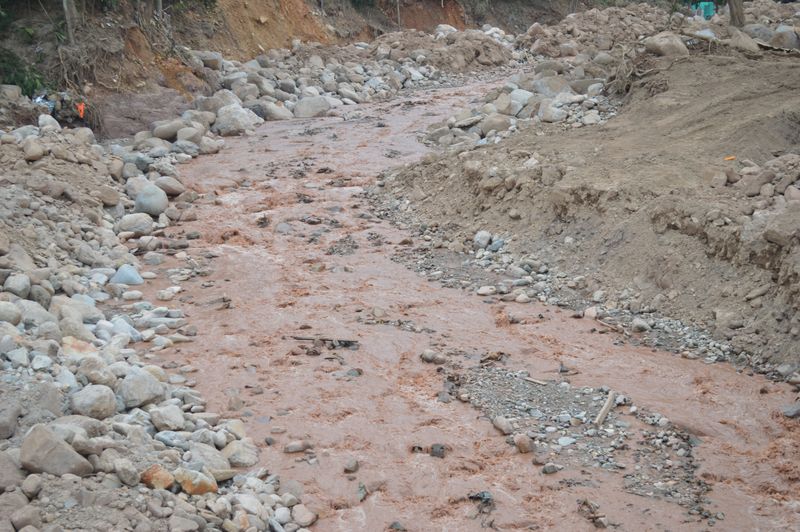
You spend weeks building up rich, dark topsoil, then one storm washes it straight down the hill. That loss stings more than most gardeners realize.
Topsoil is the most fertile layer of your garden. It holds nutrients, organic matter, and billions of helpful microorganisms that feed your plants every single day.
When rainwater cannot soak in fast enough, it flows across the surface and takes topsoil with it. Slopes and raised beds are especially vulnerable to this kind of loss.
Much of Pennsylvania’s terrain is hilly and uneven, especially in central and Appalachian regions. That geography makes runoff a serious and constant threat for backyard gardeners across the state.
Your Pennsylvania Garden Changes Every Week. Your Plan Should Too.
Gardening in Pennsylvania changes quickly throughout the season. Every Friday you’ll receive a simple weekly plan showing exactly what to plant, prune, fertilize, harvest, and protect so you never miss the right timing.
You might not see the damage right away. But season after season, your garden beds get shallower and less productive without you ever understanding the cause.
Ground cover plants are a powerful defense against runoff. Low-growing plants like clover or creeping thyme hold soil in place with their root systems.
Raised bed borders and garden edging also slow runoff dramatically. Even a small barrier redirects water and keeps your precious topsoil where it belongs.
Compost added regularly helps replace what storms take away. A two-inch layer worked into beds each spring rebuilds organic matter and improves soil structure fast.
Protecting topsoil is not just about saving money on amendments. It is about keeping your garden alive and thriving through every wild Pennsylvania storm season that comes your way.
3. Excess Water Leaches Nutrients Deep Down
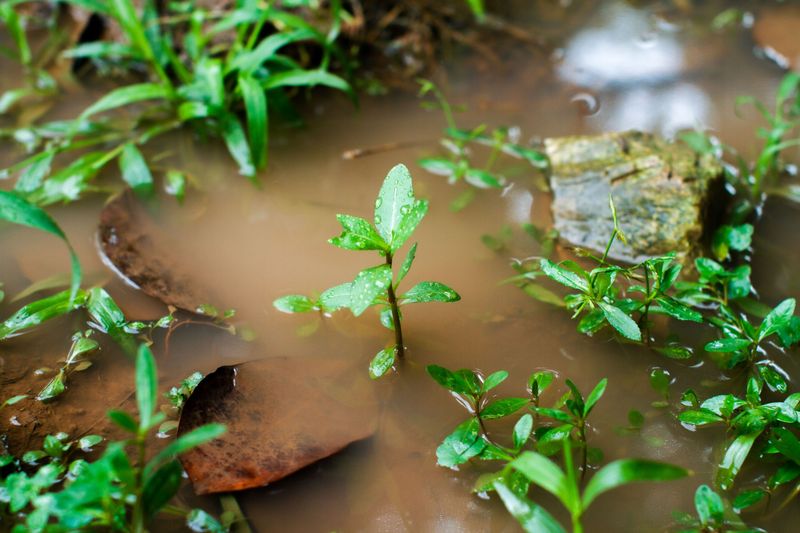
Your fertilizer did not vanish into thin air. A heavy storm likely pushed it so far down that your plant roots cannot reach it anymore.
Leaching happens when water moves through soil faster than roots can absorb nutrients. Nitrogen, potassium, and calcium all travel with that moving water.
Sandy soils leach faster than clay-heavy soils, but every garden type loses nutrients after a serious storm. No soil type is completely safe from this quiet drain.
The problem is invisible from the surface. Your plants start showing pale leaves or slow growth weeks after the storm, and the connection is easy to miss.
Slow-release fertilizers help reduce leaching significantly. They deliver nutrients gradually, so even if water moves through quickly, not everything disappears in one storm event.
Cover crops like clover and winter rye are another smart solution. Their roots grab nutrients before they wash too deep, then release them back when the crop breaks down.
Testing your soil after a major storm season helps you understand what got lost. Many Pennsylvania extension offices, such as Penn State Extension, offer soil testing services worth checking into.
Replacing lost nutrients with compost and organic amendments builds a more resilient soil structure. Organic matter actually holds nutrients in place better than bare soil ever could.
Heavy Pennsylvania storms are frequent. Staying proactive after each storm keeps your garden from slowly starving without a single obvious warning sign.
4. Saturated Soil Deprives Roots Of Oxygen
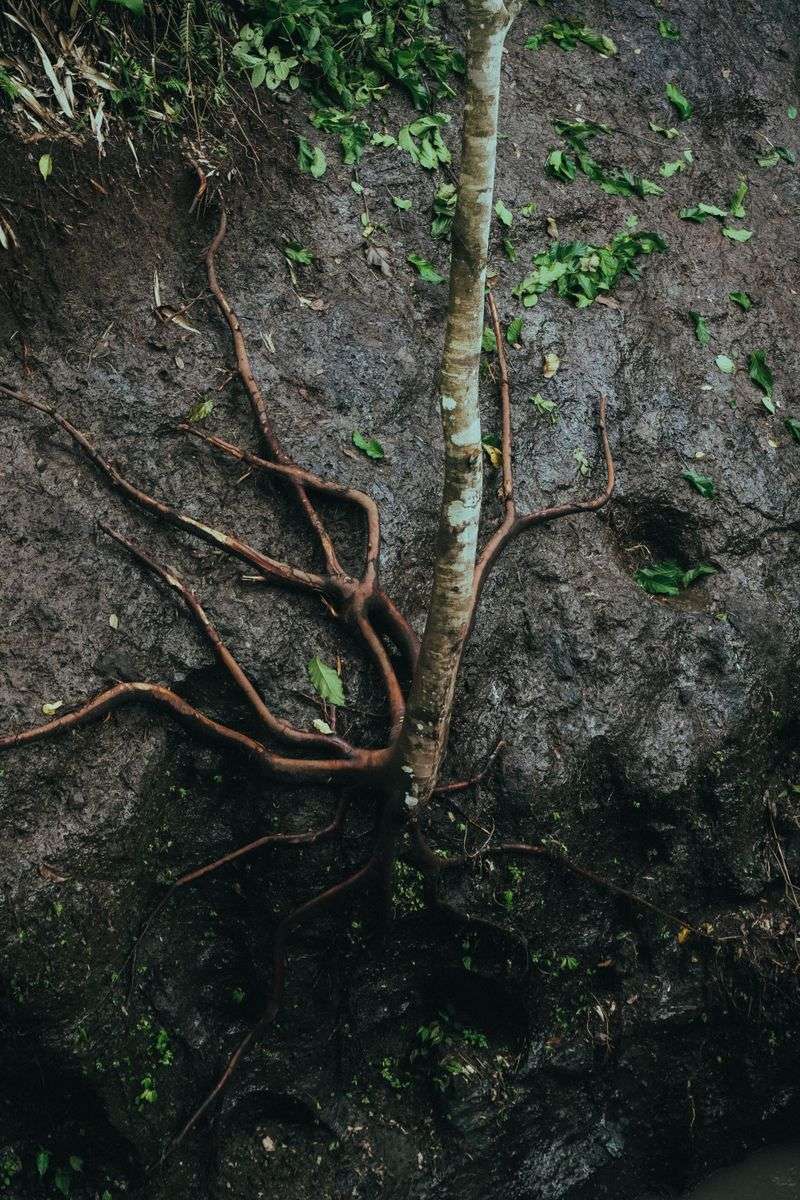
Roots need air just as much as they need water. Most people forget that, and heavy storms make that forgotten fact very costly.
When soil fills completely with water, air pockets disappear. Roots suddenly find themselves surrounded by nothing but moisture and no breathable oxygen.
Without oxygen, roots slow down dramatically. They stop absorbing nutrients, stop growing outward, and start breaking down from the inside out.
Plants above ground start showing stress within days of root oxygen loss. Wilting, yellowing leaves, and stunted growth are common warning signs that soil saturation is the real culprit.
Clay-heavy soils, common in parts of Pennsylvania, are especially prone to waterlogging after intense storms. Clay particles hold water tightly and drain much more slowly than sandy or loamy soil types.
Raised beds with proper drainage solve much of this problem before it starts. Elevating your growing area by even eight inches dramatically improves oxygen flow through the root zone.
Adding perlite or coarse sand to dense soil also opens up air channels. A mix of roughly thirty percent perlite to regular garden soil can noticeably improve drainage over time.
French drains installed along garden edges redirect excess storm water away from plant roots effectively. They are a worthwhile investment for any low-lying Pennsylvania garden spot.
Oxygen-starved roots are one of the sneakiest forms of heavy storm damage. Keeping your soil loose, raised, and well-drained is the best protection you can build before the next big storm rolls in.
5. Erosion Strips Away Microbial Life
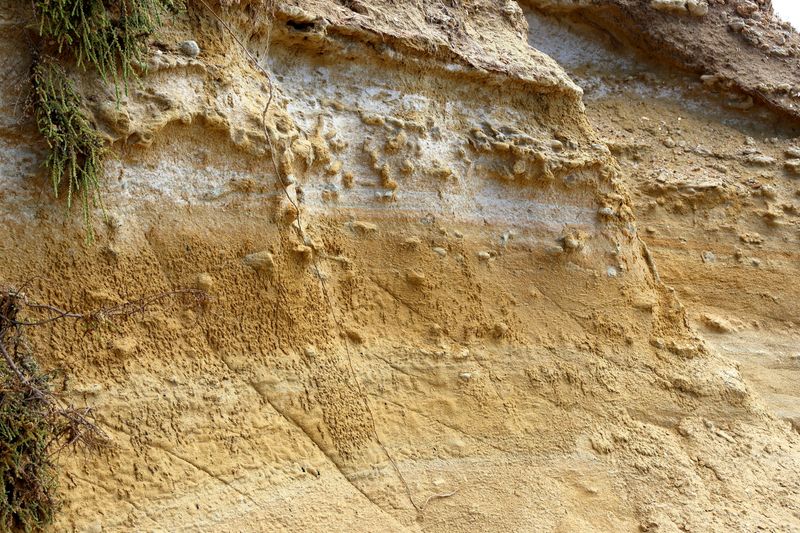
Soil is not just dirt. It is a living, breathing community of billions of microscopic creatures working around the clock for your plants.
Bacteria, fungi, nematodes, and earthworms all call healthy soil home. They break down organic matter, fight pathogens, and make nutrients available to plant roots constantly.
Heavy storm erosion does not just wash away soil particles. It carries away entire microbial communities that took years to establish in your garden beds.
Once that microbial layer is gone, soil loses much of its biological activity. Plants grown in depleted soil struggle to thrive even when fertilizer is added generously.
Earthworms are a particularly important loss. They tunnel through soil, improving drainage and leaving behind nutrient-rich castings that act as natural slow-release fertilizer.
Protecting microbial life starts with protecting the soil surface. Keeping beds covered with mulch, cover crops, or plant material shields that living layer from storm impact.
Compost additions actively rebuild microbial populations after storm damage. Worm castings and compost teas are especially powerful for jumpstarting biological activity in depleted garden beds.
Avoid tilling after a major storm if possible. Tilling disrupts fungal networks and exposes fragile organisms to harsh surface conditions they cannot survive.
Healthy microbial life is the secret engine behind every thriving garden. Protecting it from storm erosion is one of the most impactful and underrated things any Pennsylvania gardener can do for long-term soil health.
6. Standing Water Causes Root Rot
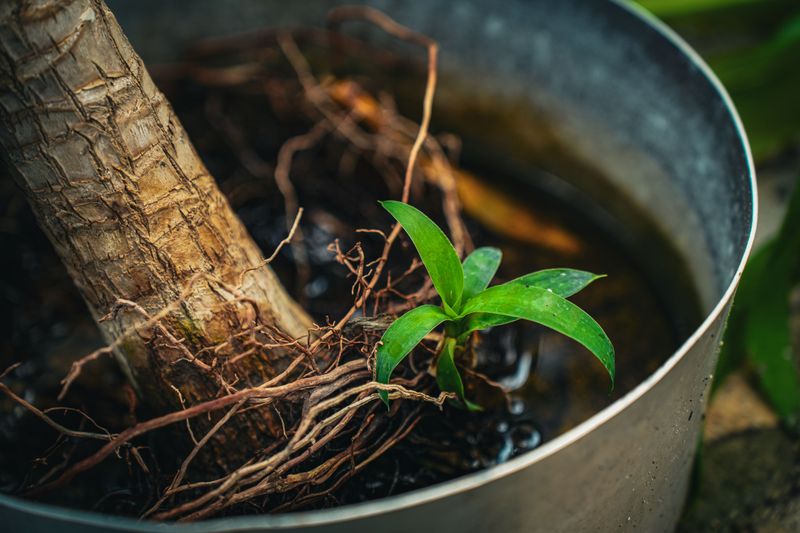
Standing water looks harmless at first glance, but left unaddressed, it becomes one of the more damaging conditions in your entire garden.
Root rot is a fungal condition triggered by prolonged moisture around roots. Several different fungi thrive in waterlogged conditions and spread quickly through saturated soil.
Infected roots turn brown, soft, and mushy. They lose their ability to pull water and nutrients upward, which means the plant above starts showing drought symptoms even while sitting in water.
That confusing combination of wilting in wet soil is one of root rot’s most frustrating tricks. Many gardeners respond by adding more water, making the situation dramatically worse.
Pennsylvania summers bring unpredictable storm patterns that leave low spots in gardens flooded for days. Those recurring wet zones are prime breeding grounds for root rot fungi season after season.
Improving drainage is the most effective long-term solution. Raised beds, amended soil, and strategic garden placement away from low points all reduce standing water risk significantly.
Biological fungicides containing Trichoderma or Bacillus subtilis help suppress root rot organisms naturally. They are safe for edible gardens and work well as a preventative treatment after storms.
Copper-based fungicide drenches can also slow active root rot infections when applied early. Catching symptoms in the first week gives your plants a real fighting chance.
Never ignore standing water in your garden beds after a storm. A quick fix today prevents a significant harvest loss that could have been easily avoided with a little forward thinking.
7. Pounding Breaks Down Soil Structure
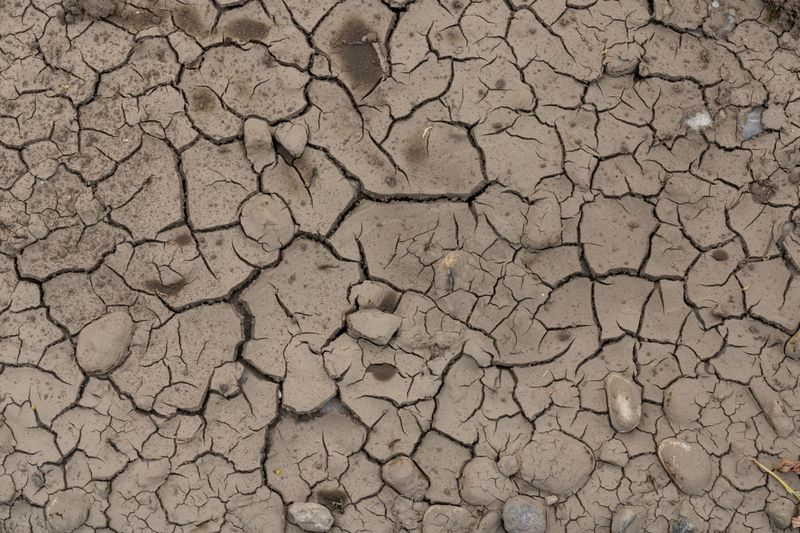
Good garden soil has structure, and that structure is more fragile than it looks. One powerful storm can undo months of careful soil building in a single afternoon.
Healthy soil contains aggregates, which are small clumps of particles held together by organic matter and microbial activity. Those clumps create the spaces roots need to grow freely.
Raindrop impact physically breaks those aggregates apart. The force of falling rain is enough to shatter that structure and leave soil compacted and flat.
During severe events, Pennsylvania storms can drop two to four inches of rain in just a few hours. That kind of concentrated impact is harmful for unprotected garden beds.
Once structure breaks down, water movement changes completely. Rain either puddles on top or runs off sideways instead of soaking straight down to the root zone where it belongs.
Organic matter is the glue that holds soil aggregates together. Adding compost regularly rebuilds that structural integrity and makes soil more resistant to future storm damage.
Biochar is another excellent amendment for improving soil structure. It is a carbon-rich material that improves water retention and supports the microbial communities that hold aggregates together long-term.
Permanent garden pathways protect your beds from accidental foot traffic after storms. Compaction from walking on wet soil can add to the damage caused by raindrop impact, so keeping paths defined matters.
Strong soil structure is the foundation everything else depends on. Build it up every season and your garden will bounce back faster after even the most intense storm Pennsylvania can deliver.
8. Uneven Water Disrupts Nutrient Balance
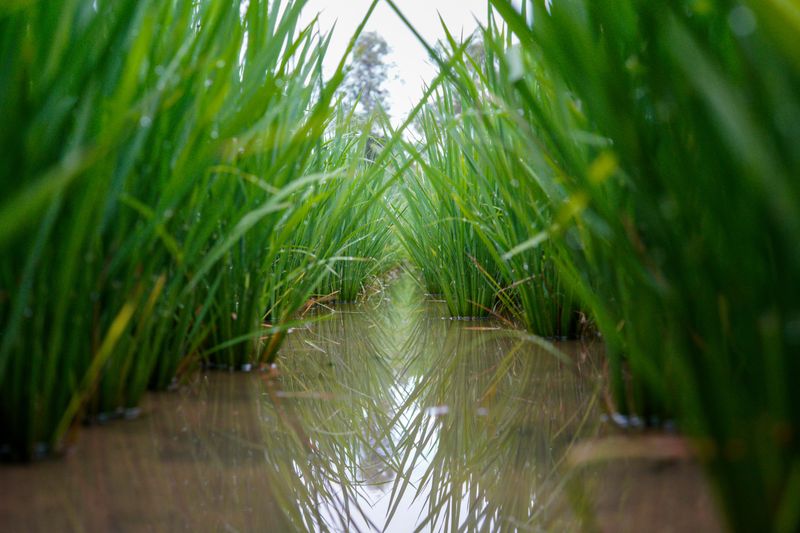
Not every corner of your garden gets the same amount of water during a storm. That uneven distribution creates nutrient chaos that plays out slowly over weeks.
Areas that get too much water lose mobile nutrients like nitrogen through leaching. Spots that stay too dry cannot dissolve nutrients at all, making them unavailable to roots.
Plants sitting in between those two extremes get confused signals. They may absorb too much of one mineral and not enough of another, creating all kinds of visible deficiency symptoms.
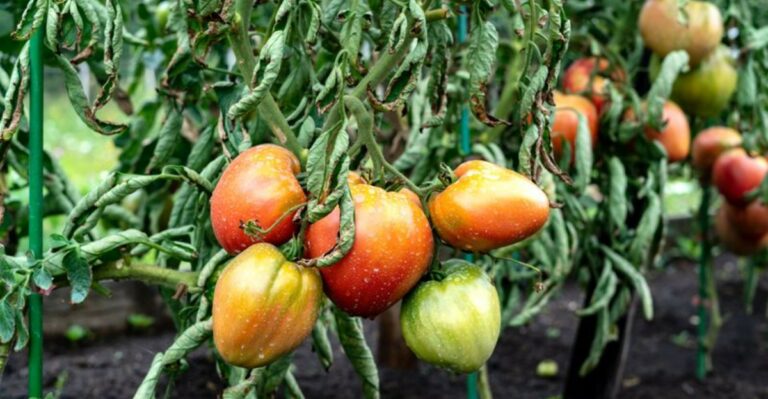
Blossom end rot in tomatoes is a classic example of this imbalance. Irregular moisture levels prevent calcium uptake even when calcium is present in the soil.
Tip burn on lettuce and browning on strawberry leaves often trace back to the same uneven watering problem after heavy storm events disrupt normal moisture patterns.
Mulching your entire garden bed creates a more even moisture environment. It slows evaporation in dry spots and reduces waterlogging in wet ones, balancing things out naturally.
Drip irrigation installed alongside storm-prone beds gives you control between natural rain events. You can target dry spots precisely without adding more water where it is already excessive.
Soil moisture meters are inexpensive and incredibly useful tools for spotting uneven distribution early. Checking multiple spots in a bed after a storm takes less than five minutes.
Heavy Pennsylvania storms create chaos underground that your plants feel for weeks. Staying aware of moisture balance after every major storm is the smartest habit any serious gardener can build for long-term soil health.