Georgia Gardeners Still Have Time To Plant These Greens In October
Collards and kale usually come to mind first for a fall garden, but they are far from the only options.
Many leafy greens grow fast enough to produce a solid harvest even when planted this late.
Some can go from seed to the first picking in about a month, especially if you harvest young leaves. Others take longer but hold up well through cold snaps once established.
Timing still varies by region, with the mountains on a shorter schedule than middle and south Georgia.
Planting in the next couple of weeks gives seedlings time to root before the coldest nights arrive. A light frost can even sweeten the flavor of several of these greens.
Clear out that tired summer bed this weekend and give it a second job before winter.
1. Endive Adds Crisp Leaves With A Pleasantly Bitter Flavor
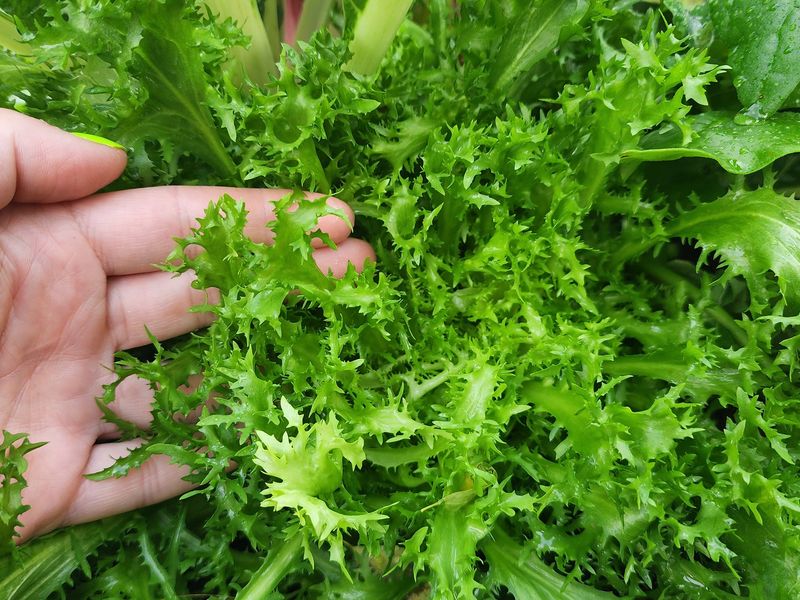
Crunch with a little attitude is what endive brings to the fall salad bowl. Its frilly or broad leaves carry a gentle bitterness that pairs well with sweet dressings and fruit.
Cool weather tends to soften that sharp edge, which makes October a sensible time to get it growing.
In middle and south Georgia, gardeners can usually still sow seed or set out transplants early in the month. Mountain gardeners may have better luck with transplants, since their first frost often arrives sooner.
Plant in loose, well-drained soil that gets at least six hours of sun.
Seeds are small, so cover them lightly and keep the surface moist until sprouts appear. A thin layer of mulch can help hold moisture during dry fall spells.
Some growers like to blanch endive to reduce bitterness. You can gather the outer leaves loosely and tie them, or cover the center with a plate for about a week before harvest.
Keep an eye out for rot if leaves stay wet after tying.
Light frost is usually tolerated, though a hard freeze can damage leaves. A row cover is handy on cold nights.
Harvest whole heads when they reach a usable size, or pick outer leaves as needed. How long they last in the garden will vary with your weather and soil.
2. Escarole Produces Broad Leaves For Cool Weather Salads
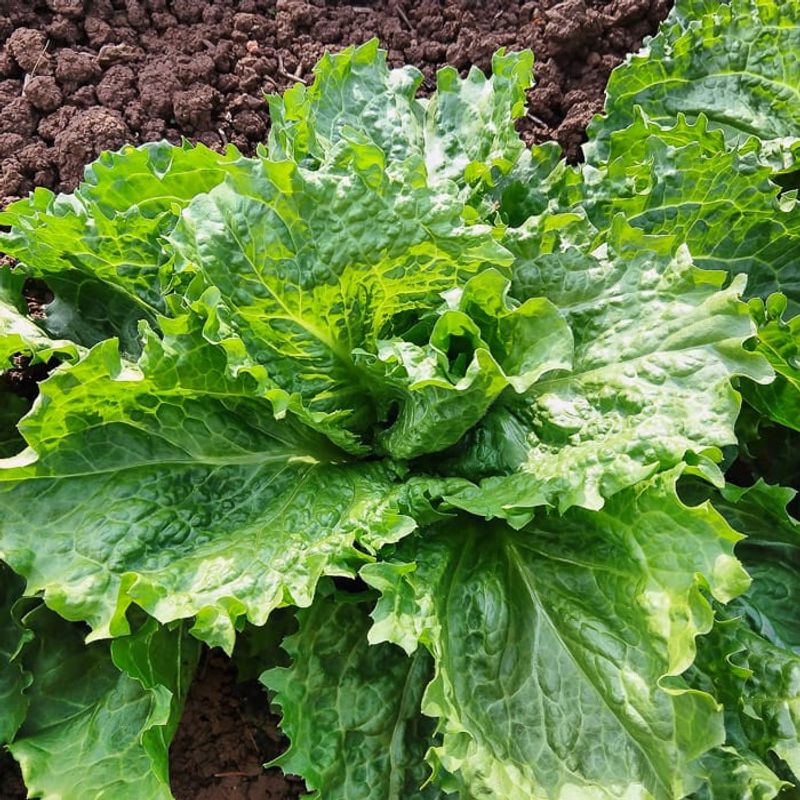
Think of escarole as endive’s milder cousin with wider, flatter leaves. It belongs to the same species but tends to taste less bitter, especially in the pale inner leaves.
Fall is a strong season for it because heat can make the leaves tough and sharp.
Gardeners around Atlanta and farther south often have enough time in early October for transplants to size up. Direct sowing works too, though growth may slow as days shorten.
Give each plant room, usually around a foot apart, so air can move between those broad leaves.
Good spacing matters more than you might expect. Crowded escarole can hold moisture in its center, which may invite rot during damp stretches.
Water at the base rather than over the top whenever possible. Steady moisture helps keep the leaves tender instead of stringy.
Your Georgia Garden Changes Every Week. Your Plan Should Too.
Gardening in Georgia changes quickly throughout the season. Every Friday you’ll receive a simple weekly plan showing exactly what to plant, prune, fertilize, harvest, and protect so you never miss the right timing.
A side dressing of a balanced fertilizer can help if your soil is low in nutrients, but a soil test is the best guide.
Escarole holds up fairly well to light frost. Protection from hard freezes is wise, and a simple frost cloth often does the job.
In the kitchen, raw inner leaves make a nice salad, while tougher outer leaves soften well in soups and beans.
3. Radicchio Brings Colorful Heads To The Fall Garden
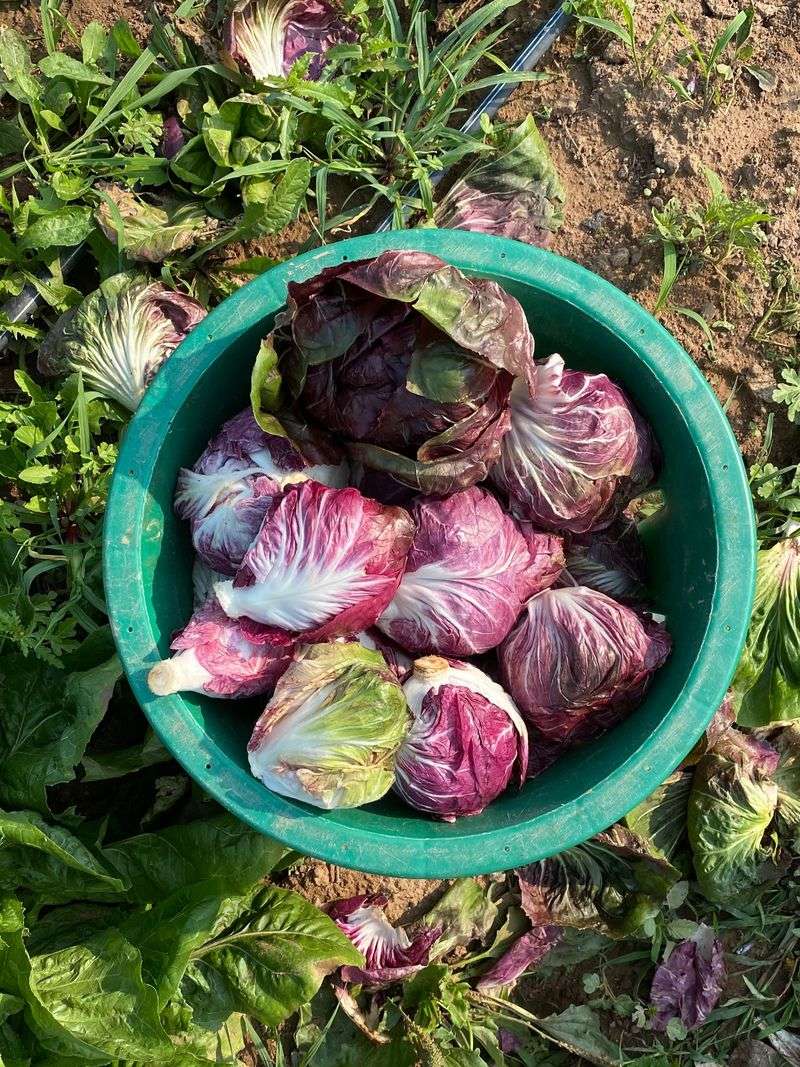
Deep red heads streaked with white can make a vegetable bed look surprisingly showy. Radicchio is another chicory, and cooler temperatures often help it develop that bright color.
Here is the honest catch. Radicchio can take a while to form heads, and some varieties need well over two months.
So for October planting in Georgia, transplants are usually the better bet, especially in cooler parts of the state.
Look for varieties described as quick or bred for fall. Seed catalogs and local garden centers often list days to maturity, which helps you plan.
Plants may not head up evenly, and some might stay loose and leafy. That outcome depends on variety, temperature swings, and growing conditions.
Loose leaves are still edible, so the effort is not wasted.
Plant in full sun with fertile, well-drained soil. Keep the soil evenly moist, since stress can make the leaves more bitter.
Cold snaps are part of what deepens the red color. A covered bed on very cold nights can still be useful, though.
Grill halved heads with olive oil, or slice them thin into salads for a bold bite. Even a small handful brightens a plate.
4. Mache Offers Tender Leaves For Cooler Growing Conditions
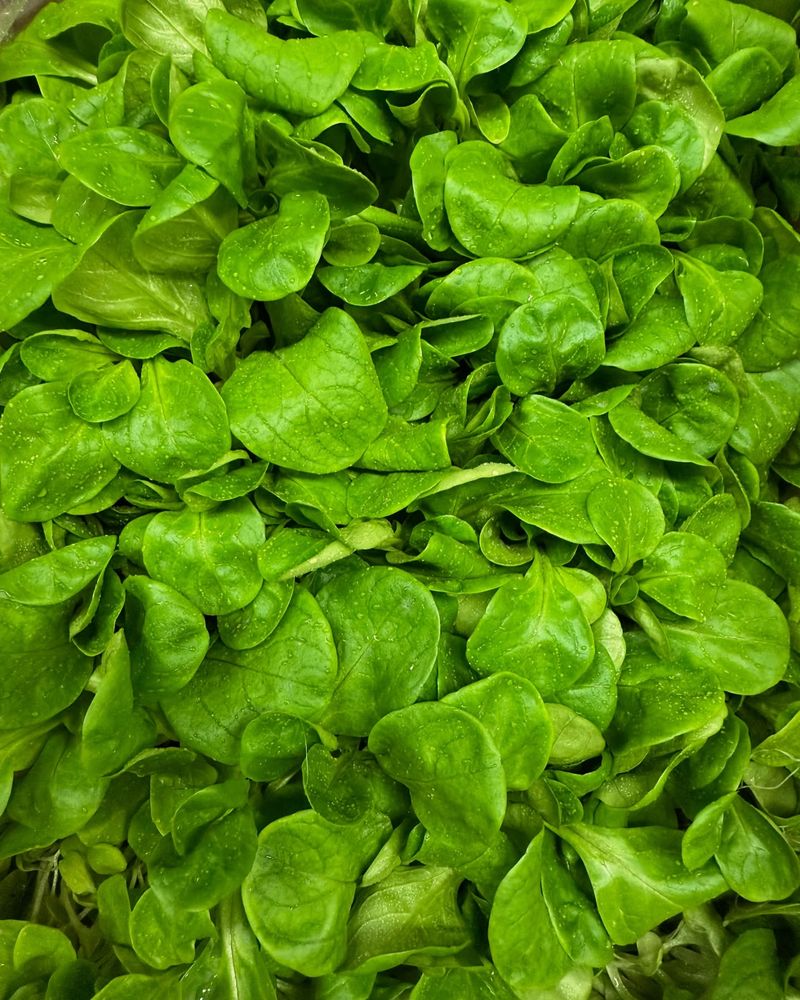
Small and soft, mache rarely gets much attention, yet it may be one of the hardiest salad greens you can grow. Some people know it as corn salad or lamb’s lettuce.
It forms low rosettes of rounded leaves with a mild, slightly nutty taste.
Unlike many crops, mache actually prefers cool soil for germination. Warm conditions can slow sprouting, which is why fall sowing often works better than spring.
Gardeners in Georgia can sow it in October and through the cooler months in many areas.
Scatter seeds thinly in rows or blocks, then cover lightly. Germination can be slow and uneven, so patience helps.
Keep the soil surface damp while you wait. A light covering of burlap or row cover can help hold moisture.
Growth is slow compared with mizuna or tatsoi. Expect several weeks before plants reach a harvestable size, depending on temperature.
Harvest by cutting the whole rosette just above the soil line.
Rinse leaves well, since grit can hide in the base of each rosette. Mache works best in fresh salads, where its delicate texture can shine instead of wilting under heavy dressings.
5. Watercress Adds A Peppery Bite To Freshly Picked Leaves
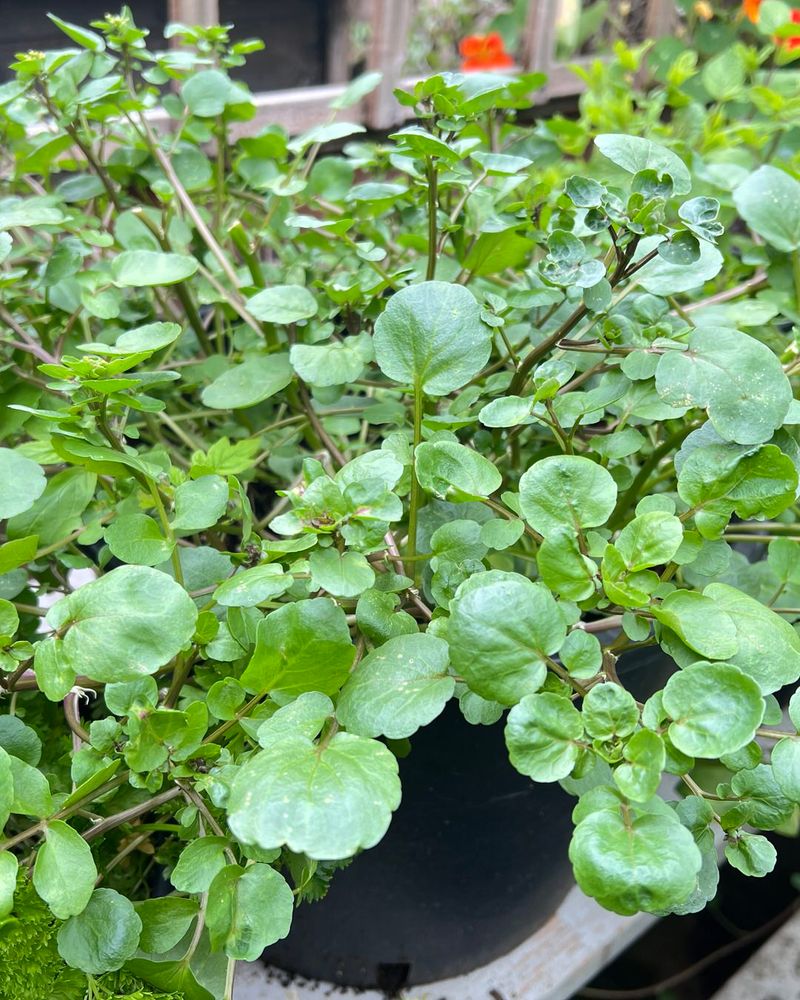
Watercress has a reputation for needing a stream, but home gardeners can grow it without one. What it truly needs is constant moisture.
Its small leaves deliver a sharp, peppery flavor that livens up sandwiches and soups.
A container works well in a backyard setting. Use a pot with drainage holes set in a tray of water, and refresh that water often so it stays clean.
Cooler fall weather in Georgia can suit watercress better than the hot summer months, when it tends to bolt.
Sow seeds on the surface of a moist potting mix and press them in gently. Partial shade can help in warmer spots.
Food safety deserves attention here. Wild watercress from ditches or creeks may carry contamination, so homegrown or store-bought is the safer choice.
Trim stems regularly once plants are a few inches tall.
Frequent harvests encourage new growth and keep the leaves tender. Watercress can handle light frost, but containers can be moved to a sheltered spot on very cold nights.
Results will vary with how well you manage moisture. Rinse leaves well before eating, and use them fresh, since they wilt quickly after picking.
6. Mizuna Produces Fine Leaves For Fast Harvests
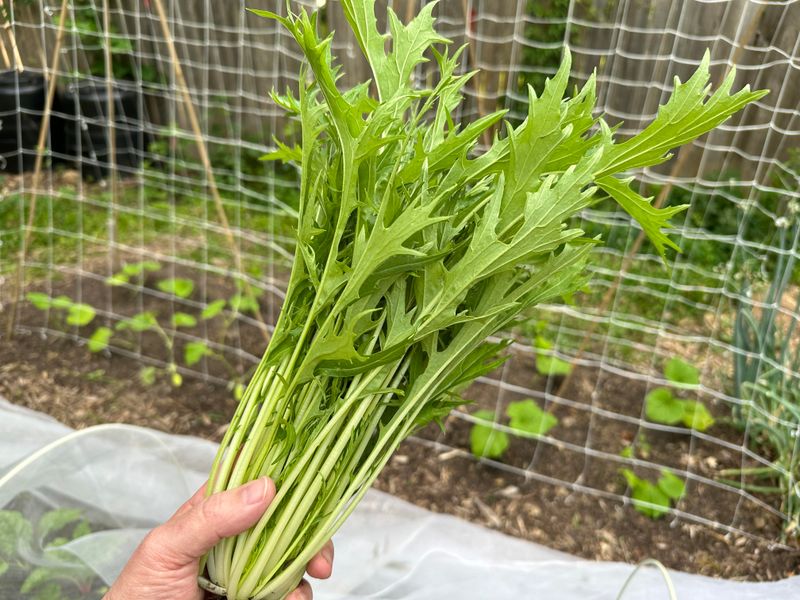
Few greens reward a late start like mizuna. This Japanese mustard green grows quickly and can often be cut for baby leaves in about three to four weeks under favorable conditions.
Its feathery, deeply cut leaves add texture to any salad mix.
Flavor stays mild with just a hint of mustard. Young leaves tend to be the most tender, while older leaves get a bit stronger.
Direct sow seeds about a quarter inch deep in rows or a wide band. Thin seedlings as they grow, and toss the thinnings into your salad.
Gardeners throughout most of Georgia can sow mizuna well into October.
It works nicely as a cut-and-come-again crop. Snip leaves an inch or two above the soil, and plants often regrow for a few more harvests.
Flea beetles and aphids sometimes show up on mustard family crops. Lightweight row covers placed right after sowing can help reduce damage.
Steady watering keeps growth going strong.
Mizuna handles light frost fairly well, though very cold nights may damage tender leaves. Sowing a short row every couple of weeks can keep a fresh supply coming through the cool season.
For the best flavor, harvest mizuna in the morning while the leaves are crisp and fresh. Regular picking also encourages new growth, helping each planting remain productive longer.
7. Tatsoi Forms Compact Rosettes With Spoon Shaped Leaves
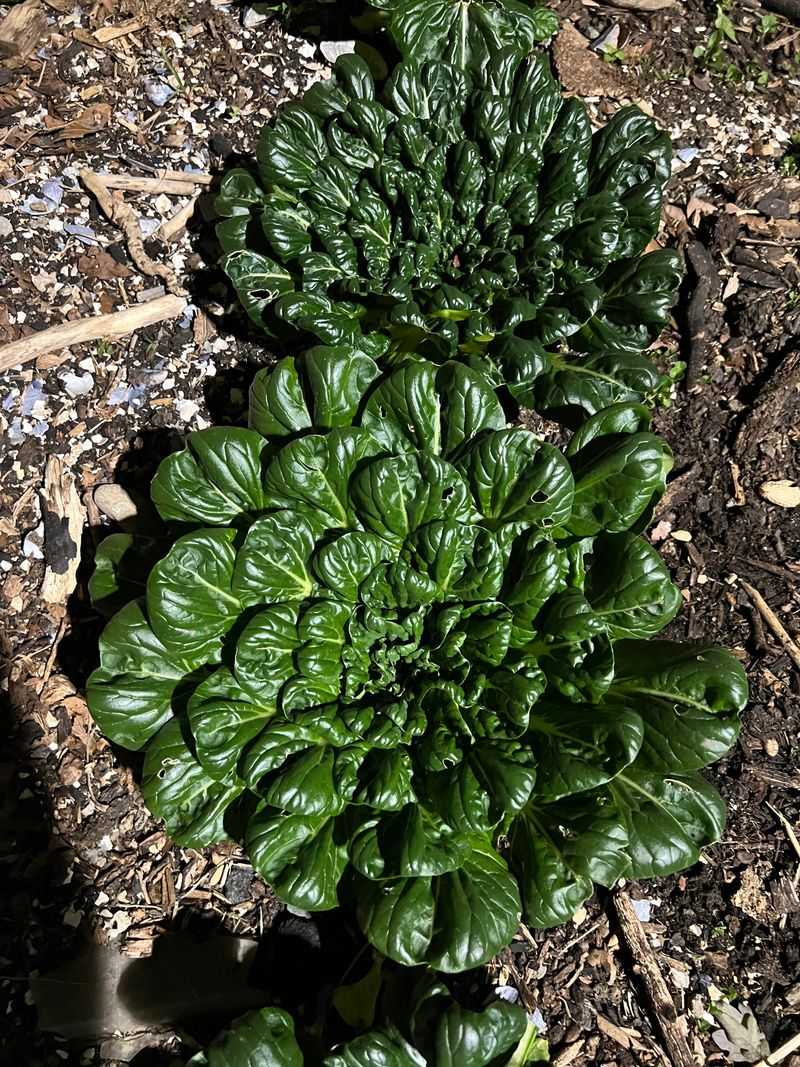
Dark, glossy leaves arranged in a neat circle give tatsoi a look all its own. Each spoon-shaped leaf sits on a pale, juicy stem.
It’s a close relative of bok choy, with a mild, slightly sweet flavor.
Compact growth makes it a fine choice for small beds and containers. Plants usually spread low instead of growing tall.
Cool weather can tighten the rosette shape and deepen the color.
In Georgia, early to mid October sowing gives tatsoi a fair chance to reach baby or full size before winter. Coastal and southern gardeners often have extra flexibility.
Sow seed shallowly and thin plants to several inches apart for full rosettes. Closer spacing works fine if you plan to harvest baby greens.
Keep the soil consistently moist but not soggy.
Watch for caterpillars and flea beetles, which can chew holes in the leaves. Handpicking and row covers are simple steps that often help.
Harvest single leaves or cut the entire rosette at the base. Tatsoi wilts nicely in a hot pan, and young leaves taste great raw in mixed salads.
How quickly it matures will depend on temperatures and day length.
Growing tatsoi in a sheltered spot can help protect its tender foliage from harsh winter winds. In colder parts of Georgia, a simple frost cloth can extend the harvest through chilly weather.
8. Chinese Cabbage Needs An Early October Start
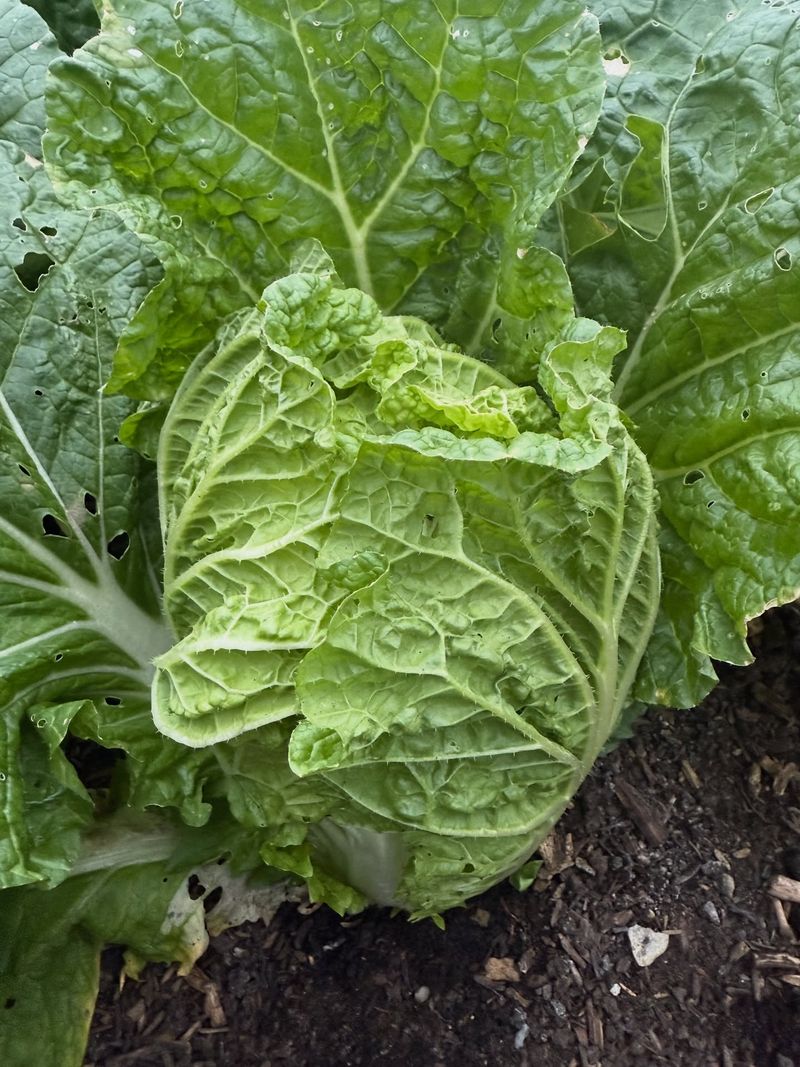
Timing can make or break a crop of Chinese cabbage. Heading types like napa need many weeks to form full heads, so a late start can leave you with loose leaves.
Transplants planted early in the month give you the best odds.
Gardeners in south and coastal Georgia often have more breathing room. Cooler regions face a tighter window before hard freezes arrive.
Choose fast-maturing varieties when you can. Seed packets list days to maturity, and that number helps you count backward from your expected frost date.
Plant in rich, well-drained soil with plenty of sun.
Steady moisture is key. Uneven watering may contribute to tip burn or poor heading, though other factors like heat and calcium uptake can also play a role.
Mulch helps keep soil moisture more even.
Cabbage loopers, aphids, and other pests may feed on leaves during warm fall spells. Check plants often, and consider a row cover early in the season.
Light frost usually doesn’t harm established plants, but protect them from hard freezes. Harvest heads when they feel firm, cutting at the base.
If heads never firm up, the leaves still work well in soups and stir-fries.
9. Komatsuna Offers Mild Flavor In Stir Fries And Soups
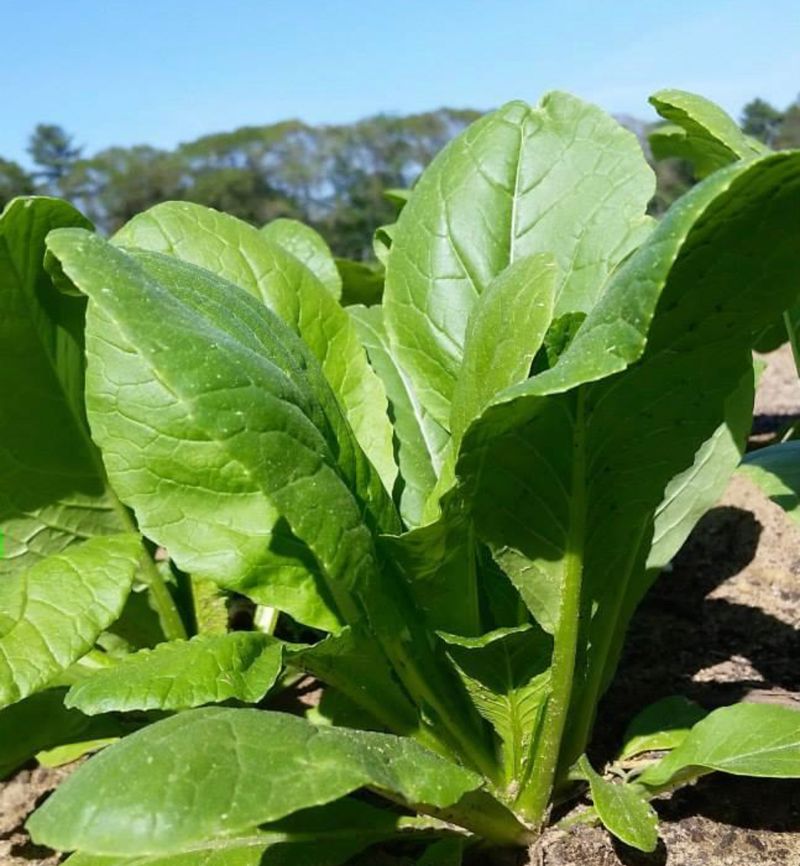
Ever wanted a green that behaves like spinach but grows with less fuss? Komatsuna, sometimes called Japanese mustard spinach, could fit that bill.
Its smooth, dark leaves taste mild, with only a faint mustard note as they mature.
Growth is usually quick in cool weather. Baby leaves may be ready in a few weeks, while full-size plants take longer depending on conditions.
Sow seed directly in the garden in October across most of Georgia.
Space seeds about an inch apart, then thin as they grow. Use the thinnings in salads so nothing goes to waste.
Regular watering helps keep leaves tender. Dry soil can make them tougher and stronger in flavor.
Like other mustard family greens, komatsuna can attract flea beetles and caterpillars.
Covering the bed with lightweight fabric early can help, and checking leaf undersides catches problems before they spread. Many varieties handle light frost reasonably well.
In the kitchen, komatsuna is quite versatile. Toss chopped leaves and stems into a stir-fry near the end of cooking, or drop them into miso soup or noodle bowls.
Harvest outer leaves regularly, and the plant may keep producing for a while.