The Red Vine Wrapped Around New Jersey Trees Is Not What It Seems
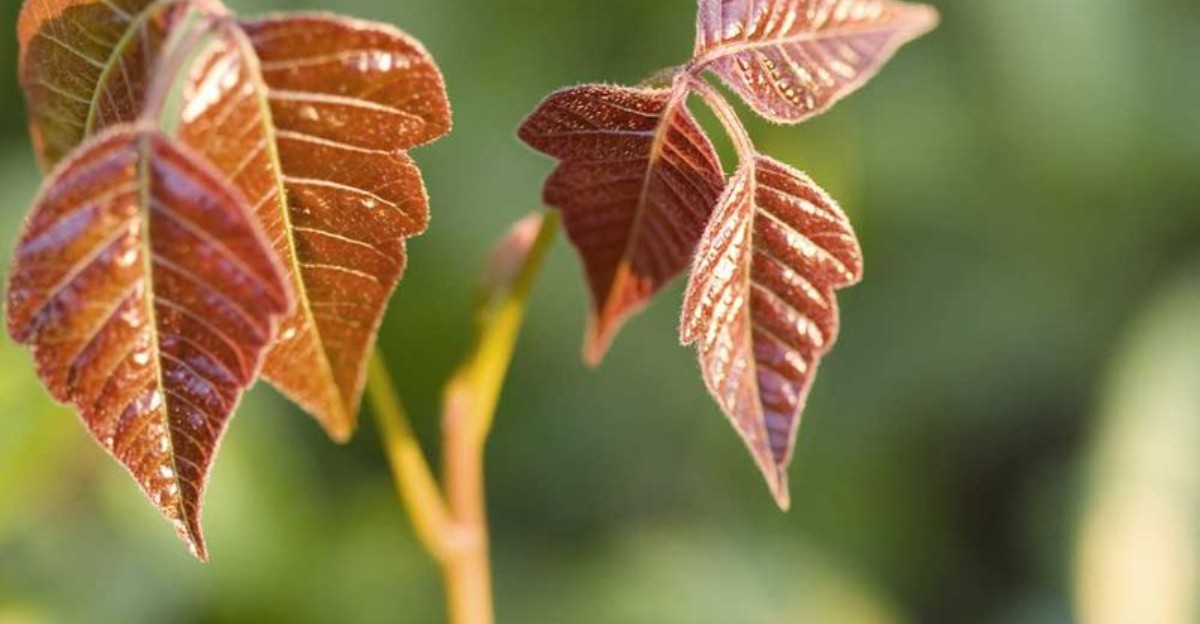
Pause before you reach for that glowing scarlet vine. You may be staring at itchy ivy in its showiest costume.
Autumn in New Jersey turns that plant brilliant red, orange, and gold. Urushiol, the oil behind the itch, coats its leaves, stems, and hairy rootlets.
Brush against it, and an itchy reaction can surface within days. Leafless vines in winter carry the same oil, so stay alert.
Smoke from fireside vines carries urushiol straight into your airways. Your pets ferry the oil home on their fur.
Gloves help, yet you must wash them with detergent afterward. Spot the glossy, pointed leaflets that extend from a longer middle stem.
Across New Jersey, hikers, gardeners, and photographers often brush this plant. Snap your photo from a respectful distance, using zoom instead of fingertips. Wash your exposed skin with cool water and soap within minutes of contact.
Poison Ivy Behind The Crimson Color
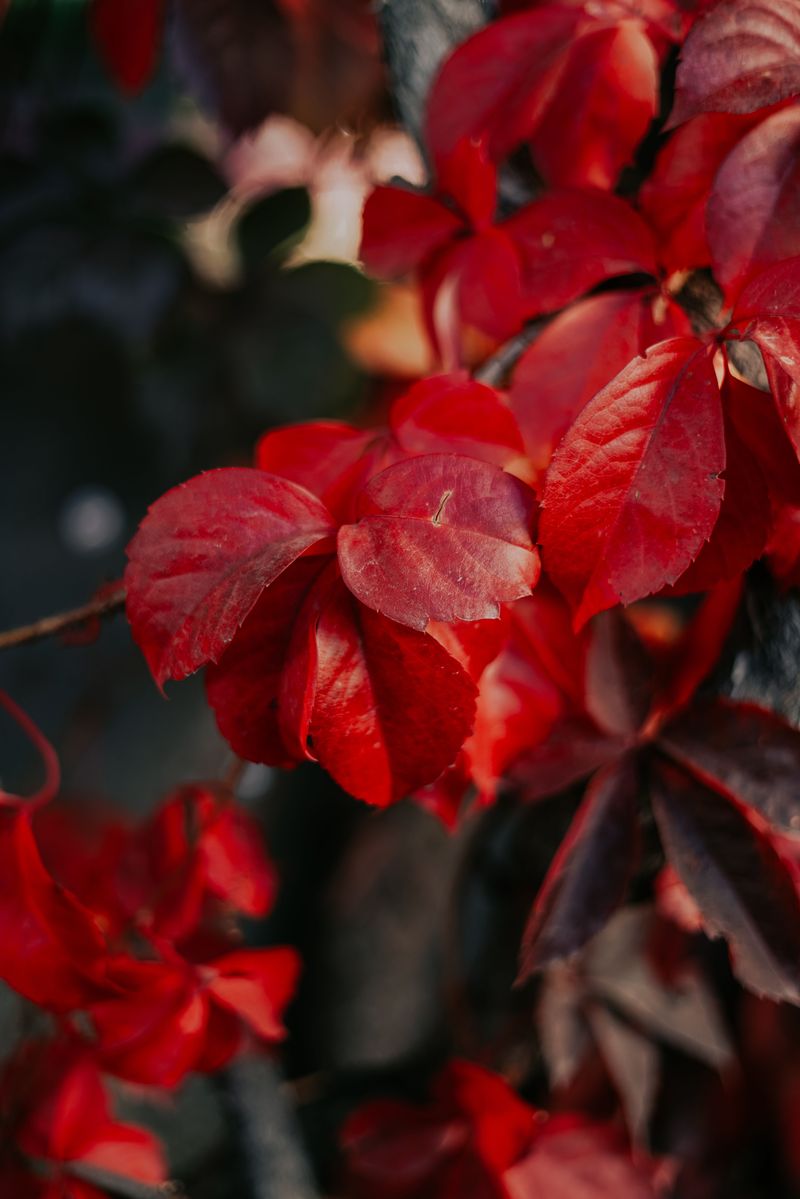
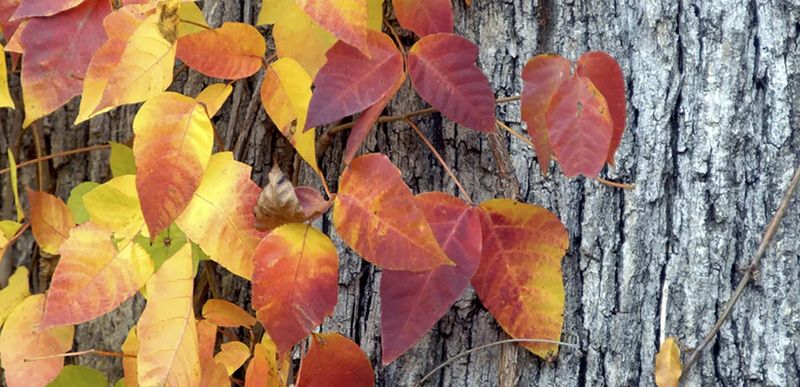
Picture a quiet trail in Morris County with a bright red vine hugging a tall oak. That vine may well be poison ivy putting on its yearly fall costume.
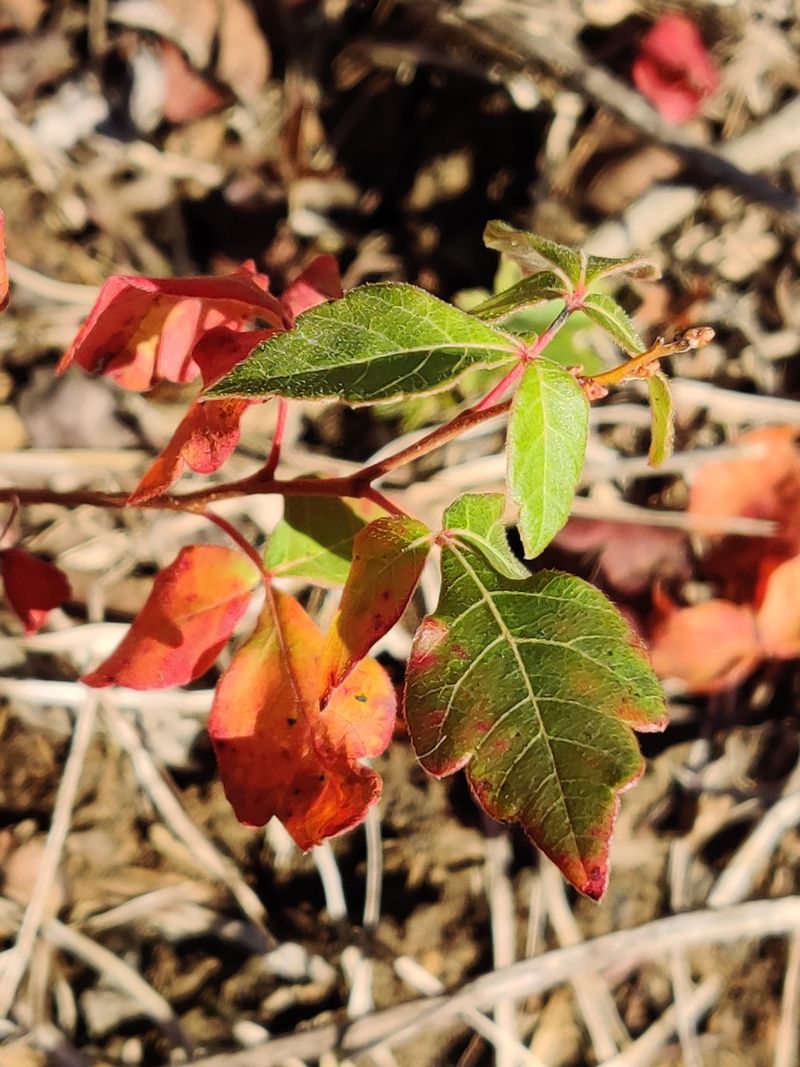
Poison ivy is often pictured as a plain green plant that only bothers summer campers. In autumn, though, its leaves turn bright red, orange, or golden yellow across New Jersey.
Cooler nights trigger the color change, just like in maples and sumac. The plant stops making green chlorophyll, which unmasks yellow and orange pigments, while it also produces fresh red pigments.
The classic rhyme still helps here, though it only works while leaves are on the vine. Leaves of three, let it be, even when those three leaves look like candy.
Each leaf group has one middle leaflet on a longer stem and two side leaflets. The edges can be smooth, toothed, or slightly notched, which confuses many hikers.
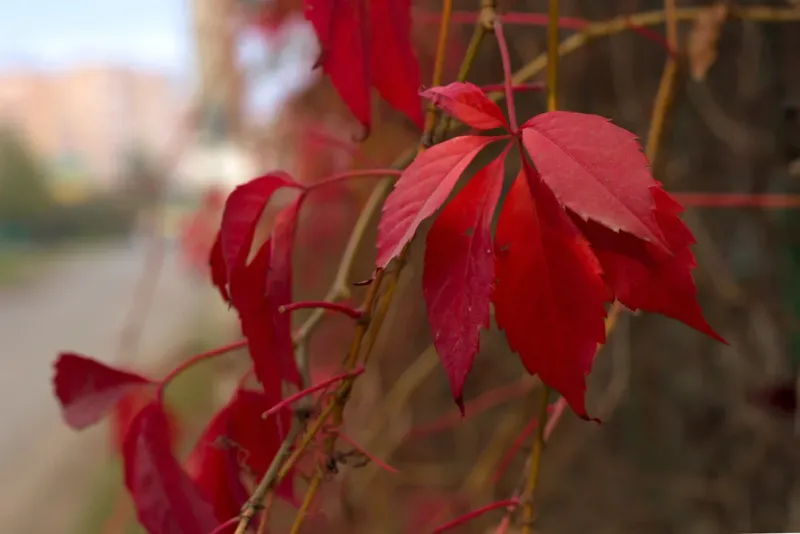
Virginia creeper is the common lookalike, and it turns red at the same time. Count the leaflets, because Virginia creeper usually has five instead of three.
Poison ivy is native to New Jersey and grows almost everywhere in the state. You can find it along beaches, backyard fences, parks, and highway edges.
Birds love its pale berries, which ripen in fall and spread seeds far and wide. So that beautiful red vine may have been planted by a hungry bird.
Snap a photo from a safe distance if the colors impress you. Your camera can enjoy the view without bringing home an itchy souvenir.
Urushiol Oil That Stays Active All Year
A sticky oil called urushiol causes poison ivy rashes. It lives inside the leaves, stems, roots, and berries of the plant.
Changing colors does not appear to weaken this oil in October. A bright red leaf still carries active oil, just like a green one in June.
Scientists say a tiny amount can cause trouble for most people. Experts estimate a speck smaller than a grain of salt can trigger a reaction.
About eight out of ten people are allergic to urushiol, according to many skin doctors. A first touch usually sensitizes you, and later contacts react within days.
Your New Jersey Garden Changes Every Week. Your Plan Should Too.
Gardening in New Jersey changes quickly throughout the season. Every Friday you’ll receive a simple weekly plan showing exactly what to plant, prune, fertilize, harvest, and protect so you never miss the right timing.
The oil is also surprisingly long lasting on surfaces it touches. It can stick to gloves, shoes, tools, and pet fur for months or even years.
Leafless winter vines are still risky, even after the leaves have fallen. The hairy brown stems hold plenty of oil, so treat them with the same respect.
Burning poison ivy is strongly discouraged this season. Smoke carries the oil into the air, where it can irritate your lungs and eyes.
Your body reacts because the immune system treats urushiol as a harmful substance. That reaction usually shows up twelve to seventy-two hours after contact.
So the rash is really your own defenses working overtime against a harmless-looking plant. Knowing that helps explain the slow start and the stubborn itch.
Think of the oil as invisible glitter from a craft project. Once it spreads, it ends up in places you would least expect.
October Outings And Leaf Season Risks
Pumpkin patches, apple orchards, and hayrides pull New Jersey families outdoors all month long. Poison ivy also grows in the same scenic spots that families visit.
Fall is peak leaf season in places like the Delaware Water Gap and High Point State Park. Crowds wander off trails for better photos, often straight into vine-covered trees.
Red leaves also draw curious kids who want to collect the prettiest ones. A handful of glowing poison ivy leaves can end up in a school craft project.
Yard cleanup season adds even more risk for homeowners across the state. Raking, bagging, and pulling old vines from fences puts hands right where the oil hides.
Many folks also drop their guard once summer heat fades. Long sleeves feel natural now, but people still push sleeves up while working hard outside.
Halloween decorating brings its own hidden risk near trees and bushes. Stringing lights or hanging fake cobwebs can mean brushing against a hidden vine.
Firewood is another October trouble spot that surprises plenty of people. Logs often carry hairy poison ivy vines still clinging to the bark.
Before stacking or burning wood, check each piece for fuzzy rope-like stems. Gloves are your best friend during this chore, so keep a pair near the woodpile.
Trick-or-treat paths through wooded neighborhoods deserve a quick look in daylight too. Point out any red vines to kids so they know which leaves to skip.
October is a beautiful month to be outside, so there is little reason to skip it. A little extra attention simply keeps the memories sweet instead of scratchy.
A Common Mistake With Pretty Leaves And Hairy Vines
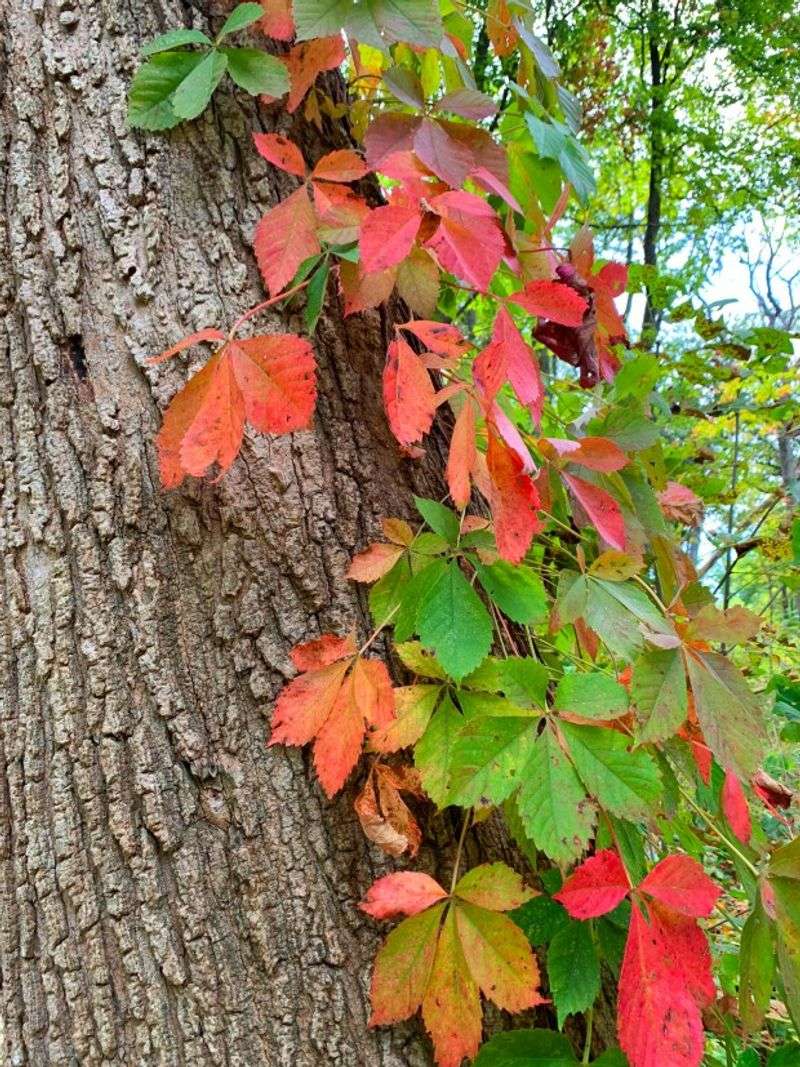
A homeowner once pulled a vivid red vine off an oak tree with uncovered hands. By Thursday, those arms looked like a polka dot pajama set.
That mistake is a common one in New Jersey during the fall. People think pretty plants must be safe, or that colorful leaves have lost their sting.
Pulling vines without gloves is a common way to get a rash. The oil smears across your skin, then travels to your face when you wipe sweat away.
Another slip is touching the thick, hairy vines climbing up tree trunks. Mature vines can be as wide as your wrist and loaded with oil.
Pets cause trouble too, even though most dogs and cats do not react. Their fur carries the oil inside, right onto your couch and your hands.
Some people blame the rash for spreading after they scratch the blisters. Fluid inside the blisters does not spread poison ivy, but leftover oil on skin can.
Using a weed whacker on vines is another uncomfortable choice. It scatters small bits of leaf and oil onto your legs, arms, and face.
Tossing poison ivy into the compost pile can also cause problems later. The oil stays active, so you may meet it again when spreading compost next spring.
Leaving dirty gloves on the porch can bring trouble back in a week. Someone else may pick them up and get a surprise rash days later.
That homeowner learned a lesson and now hires help for the big vines. That person still admires the red leaves, but only through a kitchen window.
Fast First Aid After Contact

Okay, so you brushed against that shiny red vine during a hike. Stay calm, because fast action can make a meaningful difference in how bad things get.
Wash the area with cool water and soap within ten to thirty minutes. Dish soap works well because it cuts through oily stuff, just like greasy pans.
Skip hot water, since cool or lukewarm water is the recommended way to rinse the oil away. Scrub gently under your fingernails too, because oil loves to hide there.
Special cleansers like Tecnu or Zanfel are marketed to lift urushiol from skin, though evidence of their benefit is mixed. Many New Jersey hikers keep a small bottle in their car or backpack.
Next, wash your clothes separately in hot water with regular detergent. Wipe down shoes, tools, and leashes with rubbing alcohol or soapy water.
If a rash shows up, cool compresses and calamine lotion can calm the itch. Oatmeal baths feel soothing and are easy to make at home.
Over-the-counter hydrocortisone cream may help mild cases feel better. Drowsy-type allergy pills can also make sleep easier when nighttime itching gets annoying.
Try hard not to scratch, even when it feels impossible. Broken skin can get infected, which turns a rash lasting a few weeks into a bigger problem.
See a doctor if the rash covers a large area or reaches your eyes, mouth, or private areas. Trouble breathing after smoke exposure needs emergency care right away.
Most rashes clear up in two to three weeks with patient care. Your skin will heal, even if the itch makes the days feel extra long.
Smart Prevention For Fall Yard Work
Think of prevention as dressing for a costume party where the theme is covered up. Long sleeves, long pants, and closed shoes are the stars of the outfit.
Heavy vinyl or rubber gloves block urushiol better than thin cotton ones. Toss disposable gloves after use, and wash reusable pairs with soap and water.
Barrier creams with bentoquatam, where available, may add some protection before outdoor chores. Apply them about fifteen minutes before heading into brushy areas.
Learn to spot poison ivy in every season, not just summer. Teach kids the leaves of three rule using pictures from your own backyard.
Many homeowners remove large vines in late fall or winter. Cut the vine near the ground while wearing gloves and long sleeves, and watch the stump, since it may resprout.
Professional landscapers in New Jersey often handle poison ivy removal for a fee. Hiring help makes sense if you are very sensitive or the vines are huge.
Bag cut plants in heavy plastic and put them out with the trash. Check your town rules, since some places have special yard waste guidelines.
Bathe pets while wearing gloves after woodland walks during October and November. A quick rinse with pet shampoo keeps the oil off your carpet and sofa.
Keep a cleanup kit by the back door with soap, wipes, and spare gloves. Small habits like that turn prevention into an easy routine.
With some planning, you can enjoy every crunchy leaf this fall. The red vines can stay pretty decorations that you simply admire from afar.