North Georgia’s First Frost Is Getting Closer – What To Harvest Now
Basil leaves turning black after one chilly night is a quick lesson in how fast the season can change. Tender crops that looked fine yesterday can be finished by morning.
Frost often arrives in the mountains weeks before it reaches the rest of the state.
Some vegetables need to come in before that first cold night, while others actually improve with a light chill. Knowing which is which keeps you from rushing crops that benefit from waiting.
Across north Georgia, gardeners often lose produce simply because a frost shows up a few days ahead of schedule.
Green tomatoes, for example, can still ripen indoors if they are picked at the right stage.
Keep a few old sheets or buckets handy in case a cold night sneaks up before you’re ready.
1. Mature Green Tomatoes Can Finish Ripening Indoors
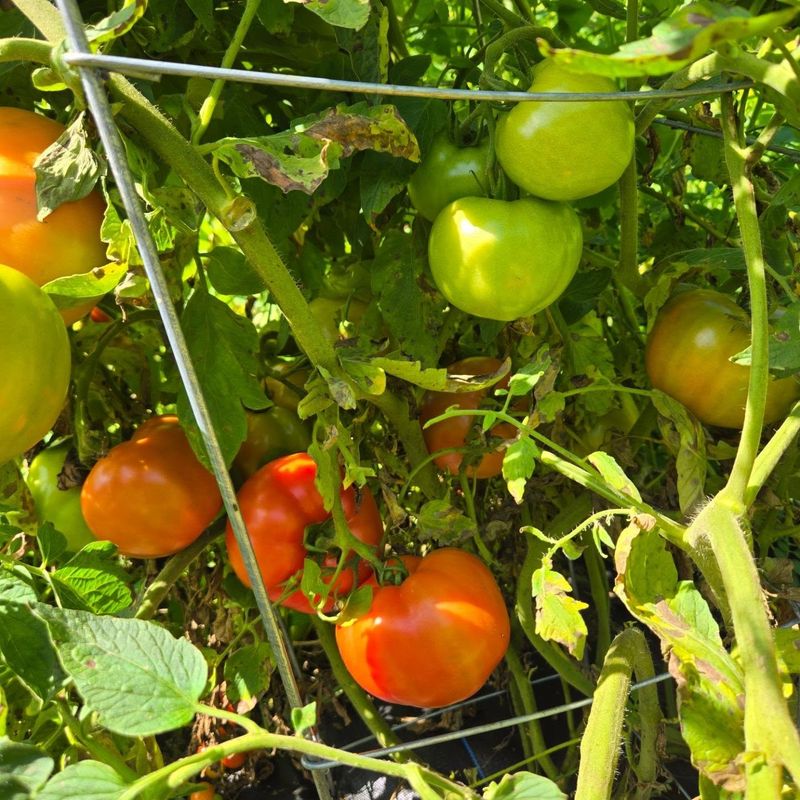
Green does not mean useless. A tomato that has reached full size and turned a pale, glossy green often has a good chance of ripening off the vine.
Look for fruit that feels firm and shows a lighter shade near the blossom end, which gardeners call the mature green stage.
Small, hard, dark green tomatoes are less reliable. They may soften and shrivel indoors without developing much flavor, so frying them green is often the better choice.
Once picked, wipe off dirt and remove the stems gently to avoid poking neighboring fruit. Spread them in a single layer in a box or tray, keeping them out of direct sun.
Room temperature tends to work best for ripening.
Cold spots like the refrigerator usually slow the process and can hurt flavor. A spare room or kitchen corner is often a better fit than a chilly garage.
Check them every few days and pull out any that show soft spots or mold.
Some home gardeners in Georgia place a ripe banana or apple nearby to speed things up. Those fruits release ethylene, a natural gas that encourages ripening, though results vary.
Expect the flavor to be a bit milder than vine-ripened summer tomatoes. Even so, a homegrown tomato in November usually beats a store-bought one by a wide margin.
2. Peppers Are Worth Picking Before Frost Reaches The Plants
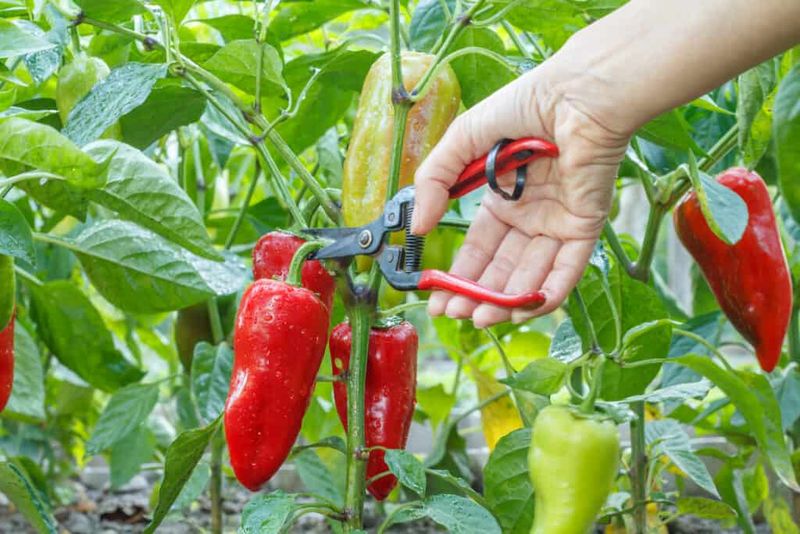
Pepper plants hate the cold. Even a light frost can leave leaves blackened and fruit soft, watery, and quick to rot.
When the forecast drops near freezing, it makes sense to harvest every usable pepper on the plant.
Green bell peppers are fully edible, even if you hoped they would turn red or yellow. Picked peppers sometimes gain a little color on the counter, but they rarely ripen as fully as they would on the plant.
Hot peppers follow the same rule.
Jalapenos, cayennes, and serranos can be picked green or colored, and their heat level varies by variety and growing conditions. Wearing gloves while handling a big batch can save your eyes later.
Use pruners or scissors instead of yanking fruit off by hand. Pepper branches snap easily, and clean cuts help the fruit store longer.
Your Georgia Garden Changes Every Week. Your Plan Should Too.
Gardening in Georgia changes quickly throughout the season. Every Friday you’ll receive a simple weekly plan showing exactly what to plant, prune, fertilize, harvest, and protect so you never miss the right timing.
In North Georgia, a late warm spell sometimes follows the first chilly night.
Covering plants with a frost cloth or old sheet overnight may buy a little extra time when only a light frost is expected. Remove covers the next morning so plants do not overheat.
Fresh peppers usually keep for a week or two in the refrigerator. For longer storage, chop and freeze them, or dry thin-walled hot types on a string.
3. Snap Beans Should Be Picked Before Frost Damages The Vines
Fall beans can be some of the sweetest of the year. Cooler days often slow their growth, which gives you a wider window to pick pods at their best.
That window closes fast once frost arrives, because bean plants are tender and their leaves damage easily.
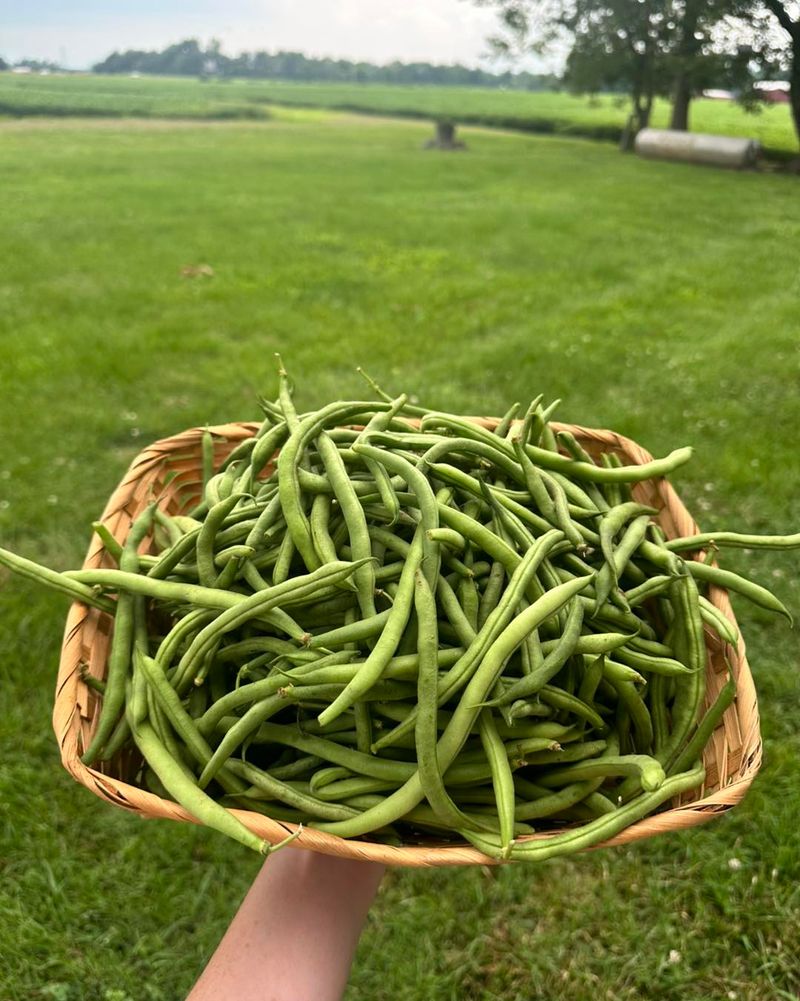
Walk your rows a day or two before a cold night is forecast. Pick every pod that has reached usable size, even if some are still slim.
Tender pods snap cleanly and show only small bumps where the seeds sit.
Overgrown beans with bulging seeds tend to be tough and stringy. You can still shell those and cook the seeds, or leave a few to dry if you save seed.
Hold the vine with one hand while pulling pods with the other.
Pole beans in particular can tear loose from their supports if you tug too hard. A gentle twist usually frees the pod without hurting the plant.
Gardeners in Georgia who planted a late summer crop may see pods still forming in October. Those small beans are unlikely to size up once nights turn cold, so enjoy them as tiny, tender treats.
Store unwashed beans in a bag in the refrigerator and use them within about a week. Blanching and freezing keeps them longer.
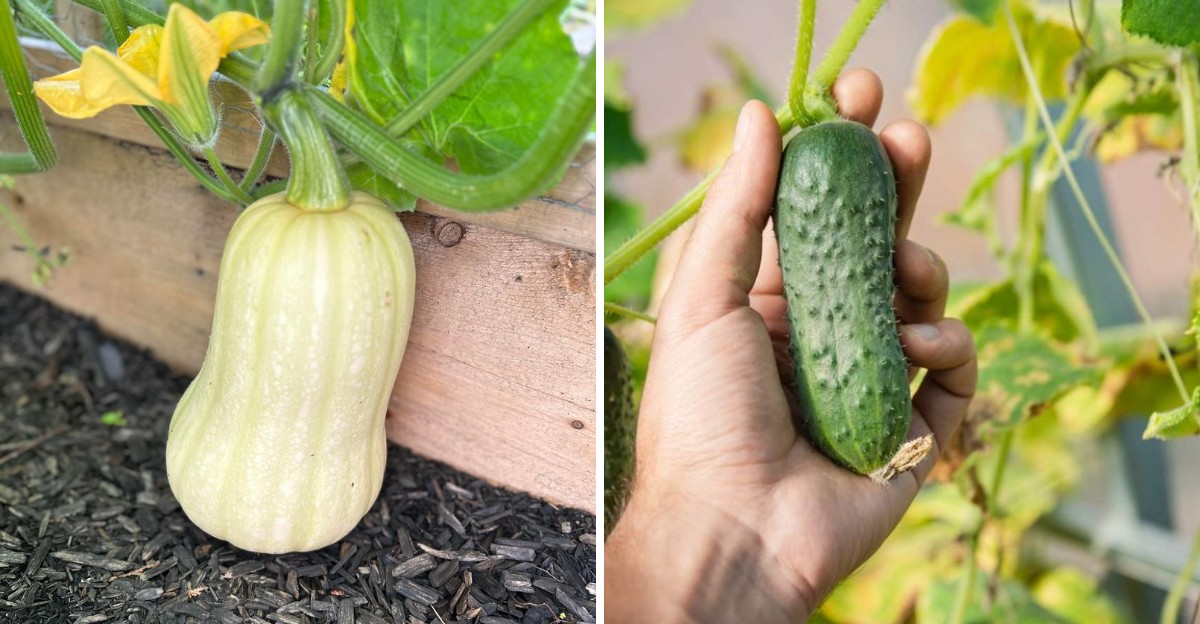
4. Summer Squash Needs Harvesting Before Frost Damages The Plants
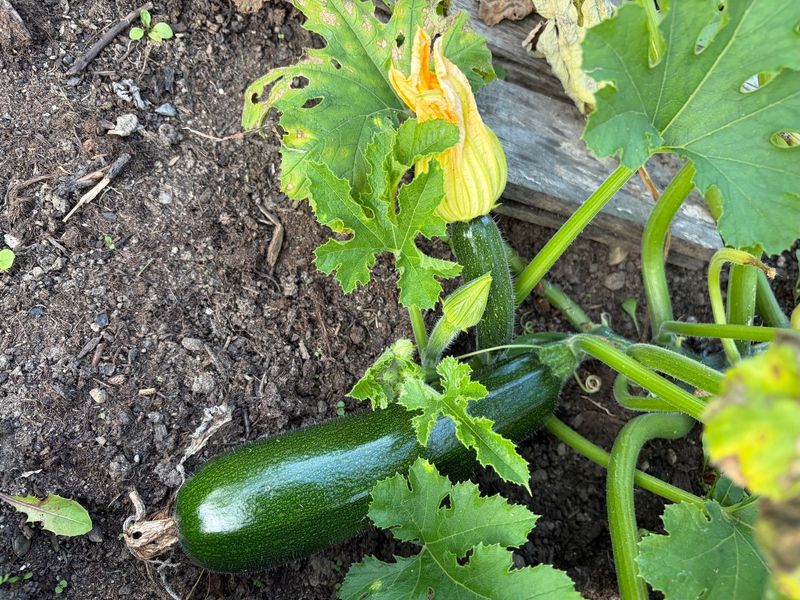
Zucchini season tends to end with a whimper, not a bang. Shorter days and cooler nights slow fruit production well before frost finishes the job.
Big leaves on squash plants are very sensitive to cold. A light frost can collapse them overnight, leaving any fruit underneath exposed and likely to soften.
Pick every zucchini and yellow squash that looks usable before a frosty night.
Smaller fruit often tastes best anyway. Squash in the six to eight inch range usually has tender skin and small seeds, while oversized ones get watery and seedy.
Cut fruit from the plant with a knife, leaving a short piece of stem attached. That little stub helps keep the squash from spoiling quickly at the cut end.
Watch the stems and leaves for prickly hairs when you reach in.
Long sleeves and gloves make the job far more comfortable. Some varieties are much spinier than others.
Across much of North Georgia, squash plants may already look tired by fall due to powdery mildew or insect pressure. Harvesting what remains and pulling spent plants can help reduce places for pests to hide over winter.
Summer squash does not store long. Keep it in the refrigerator for several days, or grate and freeze it for breads and soups.
5. Glossy Eggplants Should Be Picked Before The First Frost
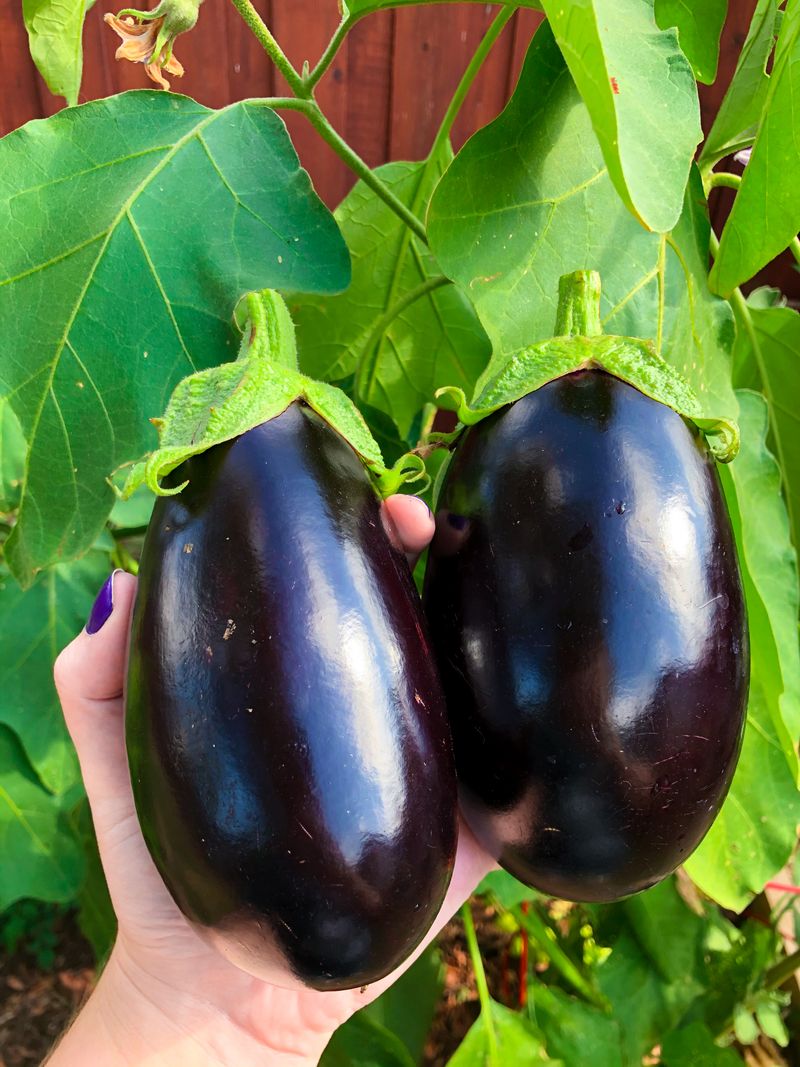
Shine tells the story with eggplant. A glossy, smooth skin usually means the fruit is ready to eat and still tender inside.
Once the skin turns dull, seeds are often growing larger and the flesh can become bitter or spongy.
Eggplant comes from warm climates and struggles as nights cool down. Growth often slows sharply in fall, even before frost touches the plant.
Try a simple press test.
Push gently on the skin with your thumb. If it springs back slowly, the eggplant is likely at a good stage for picking.
Size depends heavily on variety. Slender Asian types may be ready at a few inches, while large Italian types grow much bigger, so judge by gloss and firmness more than length.
Use pruners to cut the tough stem, leaving the green cap attached.
Watch your fingers, because some eggplant varieties have small spines on the stem and cap. Gloves can help.
In Georgia, eggplants often keep producing into early fall when the weather stays mild. Once a frost warning appears, pick every glossy fruit, even small ones, since they will not grow further in the cold.
Eggplant keeps best in a cool spot for a few days. Very cold refrigerator temperatures can cause brown spots, so use them soon.
6. Cucumbers Need Picking Before Frost Damages Their Vines
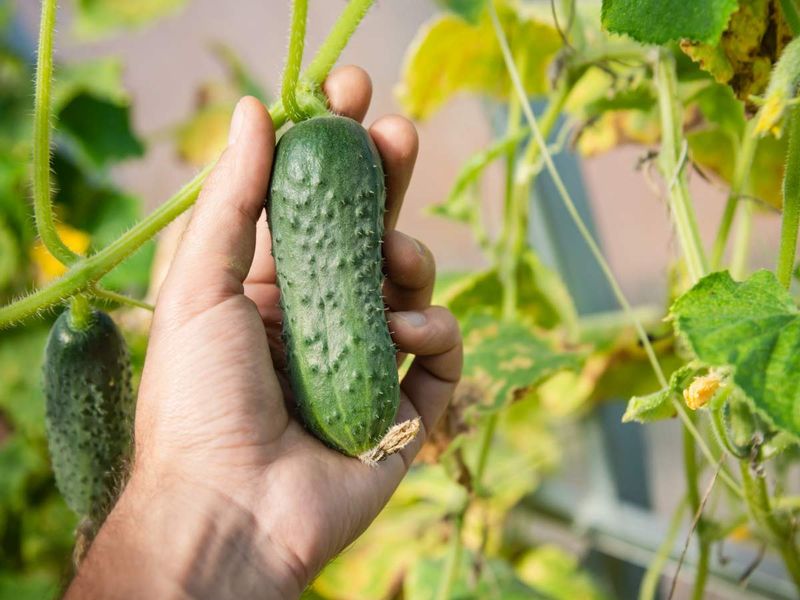
Cucumbers are cold-shy. Their vines and fruit can be damaged by frost, and even chilly nights above freezing can slow growth noticeably.
That makes late-season cucumbers worth picking promptly.
Size and color are your best clues. Slicing cucumbers are usually ready when firm and evenly green, while pickling types are often picked smaller.
Yellowing fruit has usually gone past its best stage. It may taste bitter and contain hard seeds, though it can go on the compost pile.
Snip each cucumber with scissors instead of pulling.
Vines get brittle in fall, and tugging can damage the stems. A clean cut also helps the fruit keep a little longer.
Gardeners in North Georgia often notice their cucumber vines fading by early fall from mildew or beetle feeding. When a frost forecast shows up, gather any remaining fruit rather than waiting for a few more inches of growth.
Got a pile of small ones?
Quick refrigerator pickles are a handy way to use them. Small cucumbers often work well for pickling because they hold their crunch.
Fresh cucumbers usually last about a week in the refrigerator. Wrapping them loosely can help hold moisture, and keeping them away from very cold spots helps prevent watery patches.
7. Mature Pumpkins Need Protection From A Hard Freeze
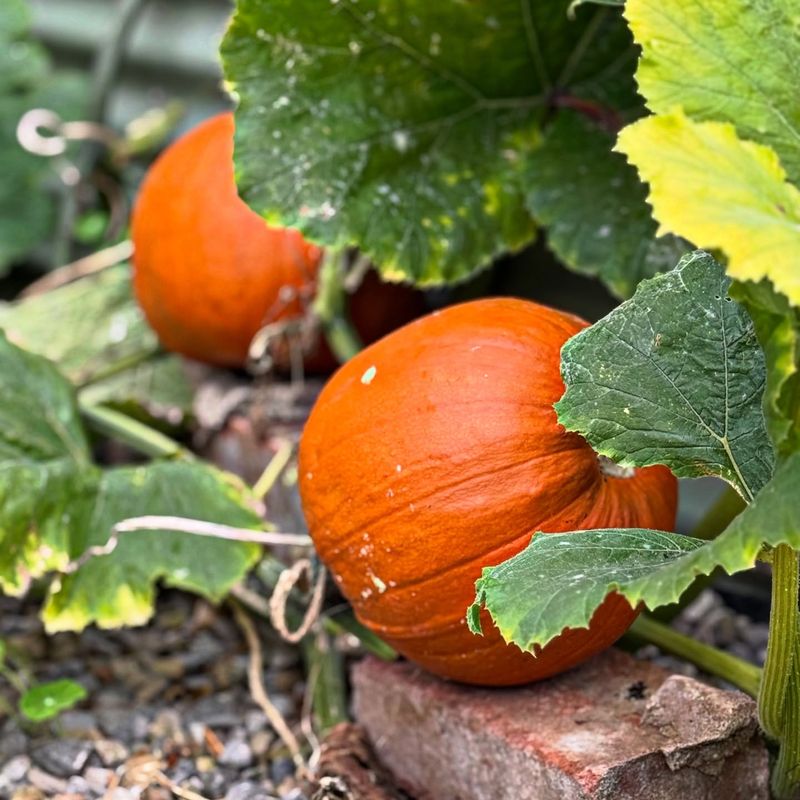
Pumpkins look tough, but a hard freeze can harm them. Frozen tissue often turns soft and breaks down quickly, which shortens storage life.
Ripe pumpkins usually show deep, even color and a rind that resists a fingernail press.
Another clue is the stem. On a mature pumpkin, the stem often turns hard and woody, and the vines nearby may be drying out.
Cut pumpkins from the vine with pruners or loppers.
Leave several inches of stem attached. Carrying a pumpkin by its stem can snap it off, so lift from the bottom instead.
A light frost may only damage the leaves while the fruit stays fine. A hard freeze is different, so bringing mature pumpkins in before temperatures drop well below freezing is a safer choice.
Curing helps the skin toughen for storage.
Many gardeners cure pumpkins in a warm, dry, airy spot for about a week or two, though conditions vary. In Georgia, fall days are often mild enough to cure them on a covered porch.
After curing, store them somewhere cool and dry with good airflow. Check them now and then, and use any with soft spots first.
8. Fresh Herbs Can Be Harvested And Dried For Winter Use
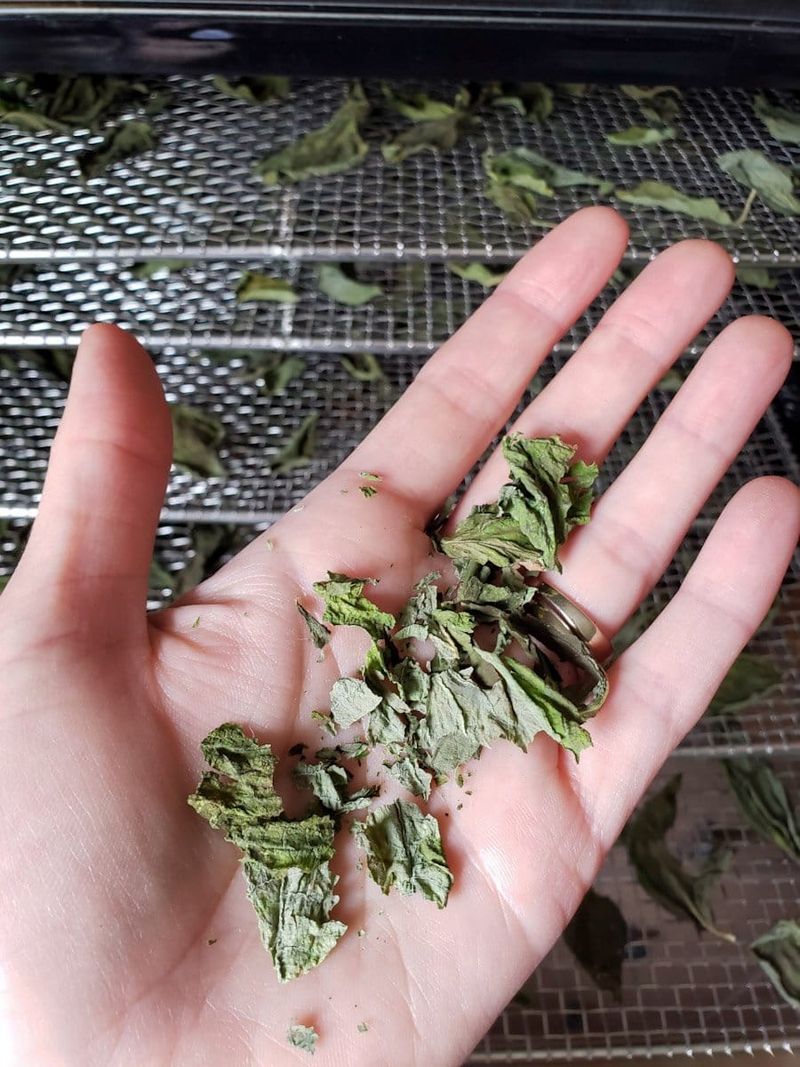
Basil is usually the first herb to suffer when cold arrives. Its leaves can blacken from chilly temperatures well before a true frost.
Harvest basil heavily as soon as nights start dipping low.
Hardier herbs give you more time. Thyme, oregano, sage, and rosemary often handle light frost, and in North Georgia they may stay green into winter depending on variety and site.
Morning is a good time to cut, after dew dries but before the afternoon heat. Leaves tend to hold more flavor then.
Air drying works well for low-moisture herbs.
Tie small bundles with string and hang them upside down somewhere dry, airy, and out of direct sun. Small bundles dry more evenly and are less likely to mold.
Basil, parsley, and mint hold more water. They may dry better on a screen, in a food dehydrator, or in an oven set very low, watched closely.
Leaves are ready when they crumble easily between your fingers.
Store dried herbs in airtight jars away from light and heat. Flavor slowly fades over time, so smaller batches you use within a year or so often taste best.
Freezing is another option, especially for basil chopped into olive oil in ice cube trays.
9. Winter Squash With Hard Rinds Can Be Gathered Before Frost
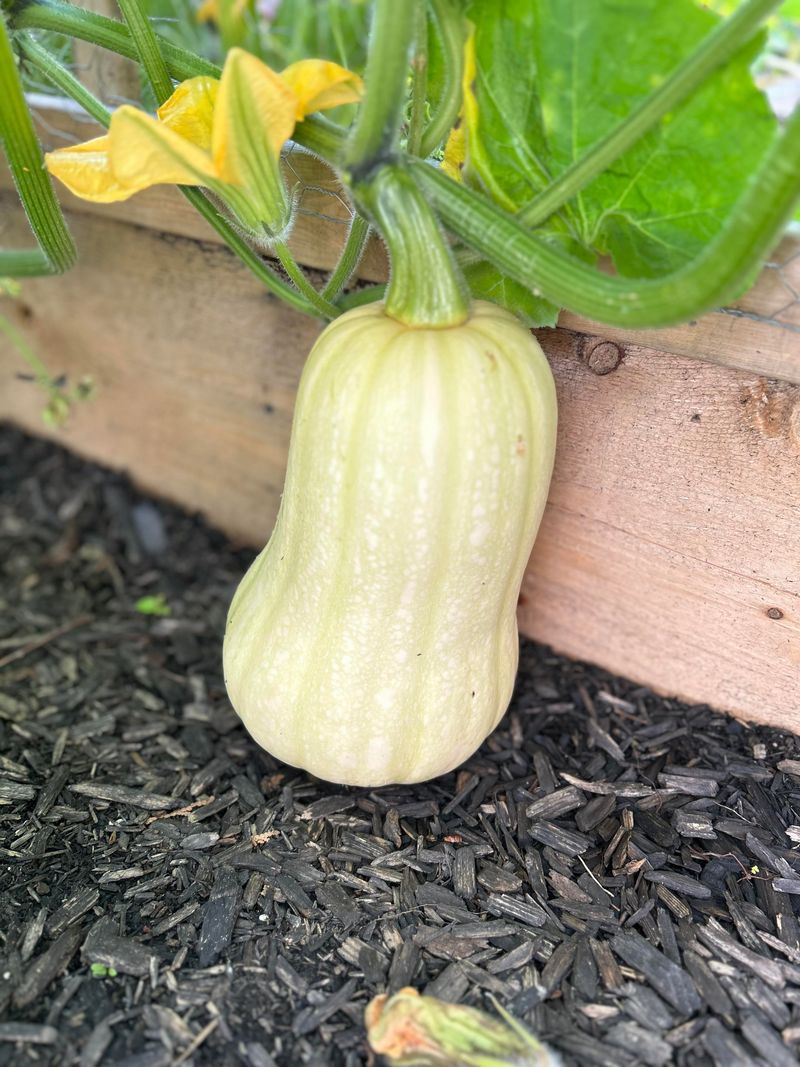
Here is a crop built for storage. Butternut, acorn, and spaghetti squash can keep for weeks or even months when picked mature and cured well.
Timing still matters before frost hits.
Check the rind with your fingernail. If it is hard to dent, the squash is likely ripe, and the color should look deep and solid for its type.
Look at the spot where the squash rests on the ground, too. On many varieties, that patch turns from pale white to cream or orange as it matures.
Cut squash from the vine with a short stem attached. Fruits without stems often spoil sooner.
Frost-damaged winter squash may not store as long, so gathering mature fruit ahead of a cold night is wise.
Immature squash with soft rinds will not keep well. Cook those soon instead of storing them.
Curing in a warm, dry spot for about a week or so helps many types toughen up. Acorn squash is an exception, since it usually stores best without a long cure.
Gardeners across Georgia can then keep squash in a cool, dry room with steady temperatures. Space them apart, check regularly, and enjoy homegrown meals well into winter.