This Low-Maintenance Native Is Replacing Hydrangeas In Georgia Yards
For years, hydrangeas held court in Georgia gardens, demanding shade, constant water, and endless patience. That reign is starting to crack.
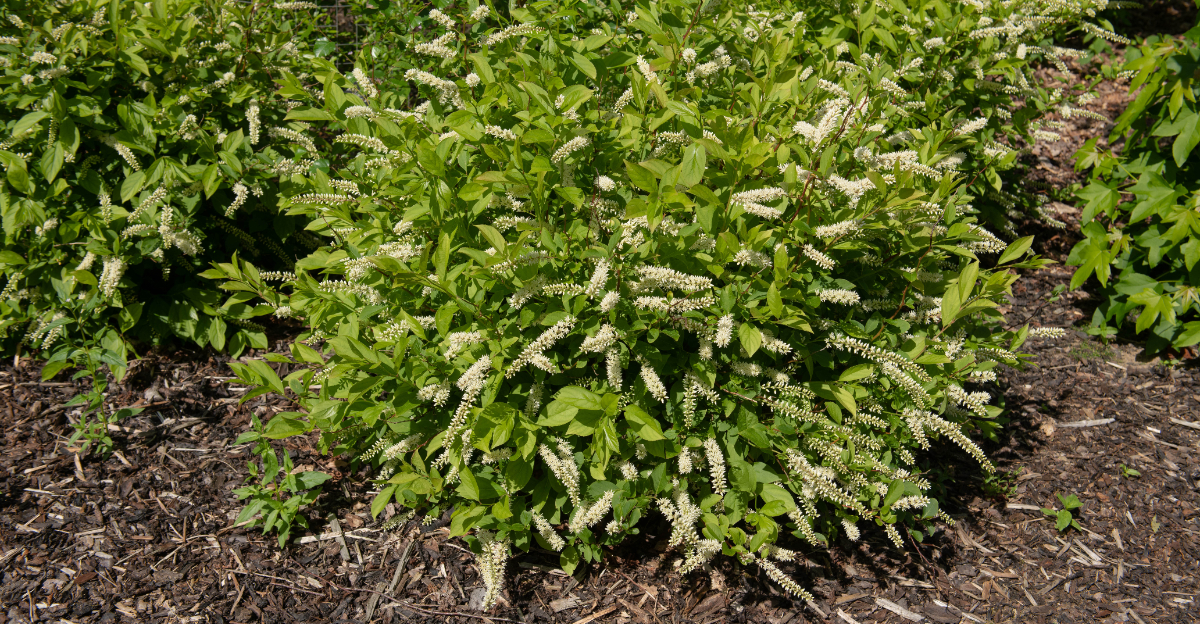
A native shrub is quietly stealing the spotlight, one most homeowners have never even noticed growing wild nearby. It shrugs off scorching afternoons, laughs at drought, and still puts on a show worth bragging about.
Where hydrangeas wilt by July, this shrub just keeps going. Georgia gardeners are catching on, trading fragile beauty for something built to handle the state’s brutal summers without a fuss.
If your hydrangea bed looks more crispy than lush by mid-August, there’s a better option waiting, one that doesn’t ask for babysitting to look this good.
A Native Shrub Built For Georgia’s Climate
Summers in Georgia are no joke. The heat hits hard, the humidity lingers, and most ornamental shrubs just give up.
Virginia Sweetspire was built for exactly this kind of heat. It is native to the southeastern United States, which means it evolved right alongside Georgia’s punishing climate.
Most gardeners spend years fighting their landscape. They water constantly, add fertilizer, and still watch plants struggle through August.
Sweetspire skips all that drama. Its root system is deeply adapted to the region’s clay-heavy soil and unpredictable rainfall patterns.
It also tolerates the swampy, waterlogged spots many yards struggle with. Where other shrubs would rot at the roots, Sweetspire handles soggy soil just as calmly as it handles drought.
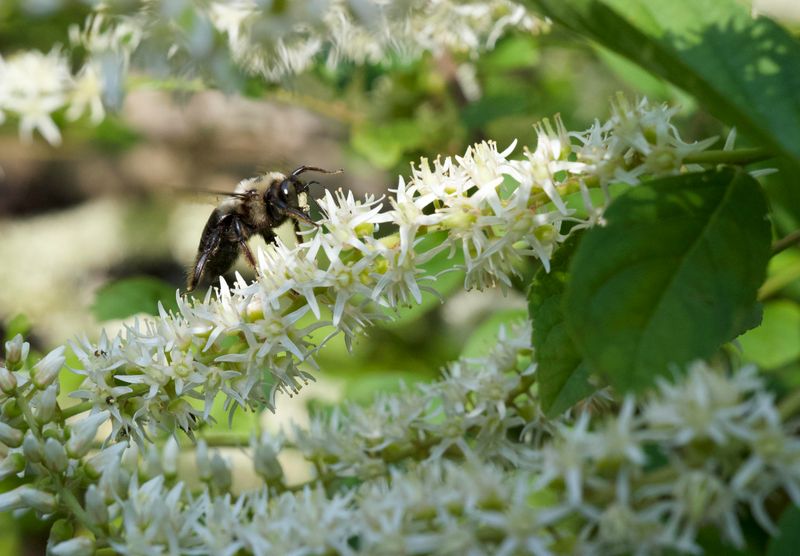
Pollinators notice the difference too. Its fragrant spring blooms pull in bees and butterflies at a rate few ornamental hydrangeas can match.
Unlike imported ornamentals, this shrub does not panic during a two-week dry spell. It simply slows down and waits for rain, then bounces back without missing a beat.
The plant also handles Georgia’s mild winters with ease. It drops its leaves beautifully in fall, showing off brilliant red and orange color before going dormant.
Come spring, it leafs out reliably without any coaxing. No special fertilizer, no pruning tricks, no crossed fingers required. Sweetspire earns its spot in Georgia yards for one simple reason. It belongs here, and the landscape knows it.
Why It Needs Far Less Water Than Hydrangeas
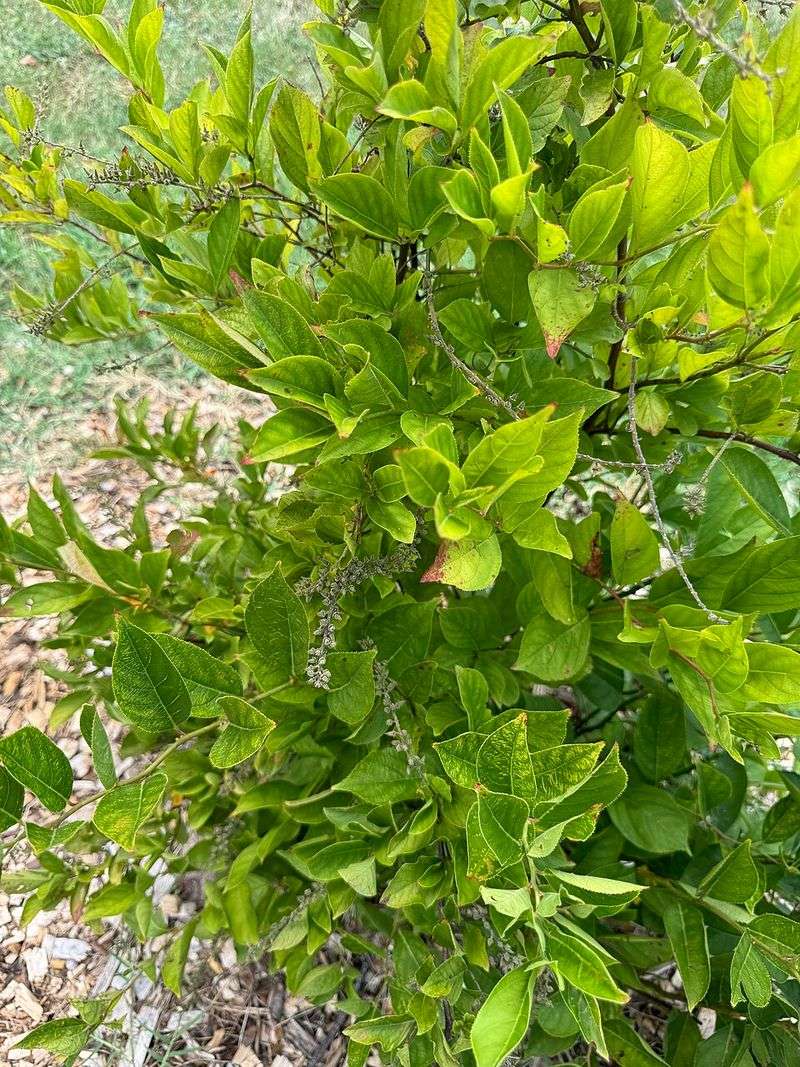
Hydrangeas are notorious water hogs. Miss one deep watering session and the whole plant wilts dramatically by noon.
Virginia Sweetspire plays by completely different rules. Once established, it can go weeks without supplemental watering and still look healthy.
That establishment period is key. For the first season, you will water it regularly to help the roots spread deep into the soil.
After that, nature mostly takes over. Rainfall across most of Georgia is enough to sustain a mature Sweetspire through a typical summer.
The secret is in the root structure. Sweetspire develops a wide, fibrous root system that pulls moisture from a large area of soil.
Hydrangeas, by contrast, have shallower roots that depend on consistent surface moisture. One hot afternoon can send them into full distress mode.
Your Georgia Garden Changes Every Week. Your Plan Should Too.
Gardening in Georgia changes quickly throughout the season. Every Friday you’ll receive a simple weekly plan showing exactly what to plant, prune, fertilize, harvest, and protect so you never miss the right timing.
Mulching adds another layer of protection during dry spells. A two-inch layer around the base locks in soil moisture and keeps roots cool even when temperatures climb into the nineties.
For homeowners on water restrictions or working toward a lower utility bill, this difference is significant. Less watering means less time, less money, and less stress.
Drought years hit Georgia hard, and plants that cannot adapt become expensive liabilities. Sweetspire stays green when neighbors are watching their hydrangeas collapse.
Lower water bills are just one more reason gardeners keep making the switch. Choosing a drought-tolerant shrub is just smart gardening.
Fewer Pests And Diseases To Worry About
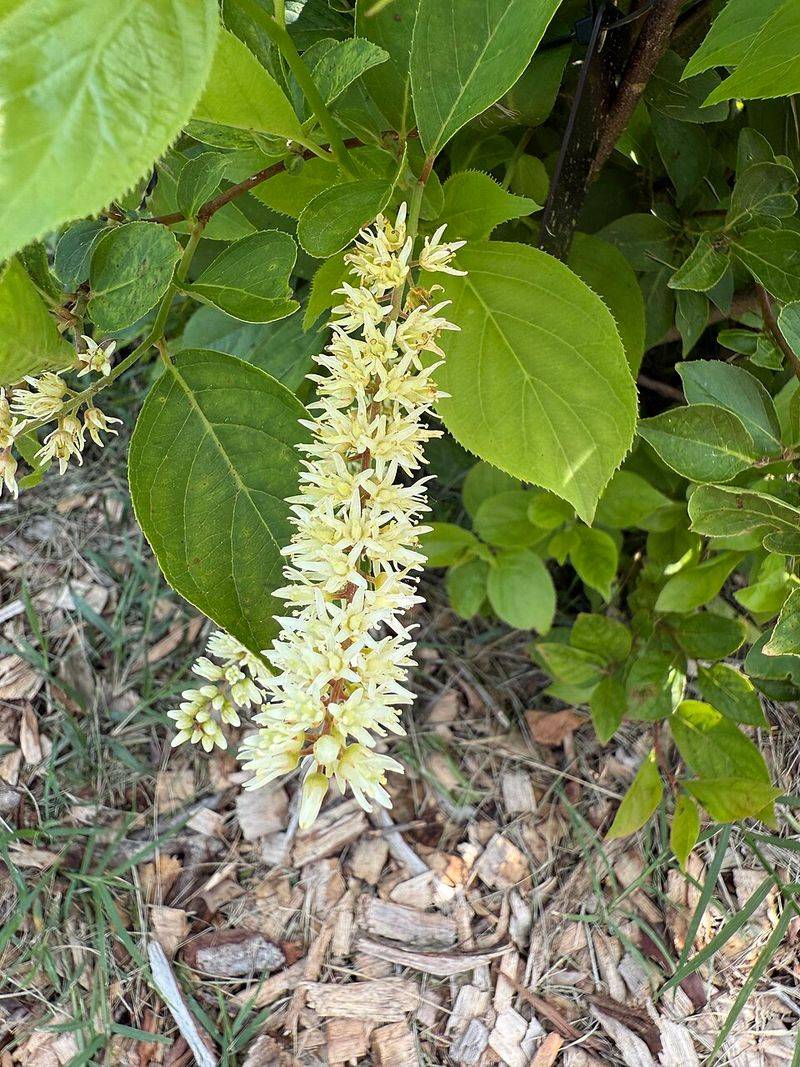
Nothing ruins a gardener’s enthusiasm faster than watching pests destroy a prized shrub. Hydrangeas attract a frustrating lineup of problems.
Powdery mildew, leaf spot, aphids, and spider mites all love hydrangeas. Keeping them clean requires regular scouting and often chemical treatments.
Virginia Sweetspire sidesteps most of that headache entirely. Native plants and native insects have evolved together over thousands of years into a balanced relationship.
Local bugs do not typically overwhelm Sweetspire the way they target foreign ornamentals. The plant has built-in chemical defenses that deter most common pests.
Fungal diseases are also far less common on Sweetspire. Its leaves dry quickly after rain, which removes the damp conditions that fungus needs to spread.
Hydrangeas, especially in humid Georgia summers, are magnets for powdery mildew. You can spray all season and still watch it decline by September.
For families who want to avoid pesticides near kids or pets, Sweetspire is a natural fit. A yard that does not need chemical treatments is a safer yard for everyone.
Backyard wildlife also benefits when you skip the sprays. Beneficial insects like native bees and predatory wasps can move in without being poisoned.
Healthy plants support healthy ecosystems. Choosing Sweetspire means fewer products, less effort, and a garden that actually takes care of itself most of the year.
How This Shrub Compares To Hydrangeas In Bloom And Size
Hydrangeas win hearts with those big, showy blooms in pink, blue, and white. They are genuinely beautiful when they perform well.
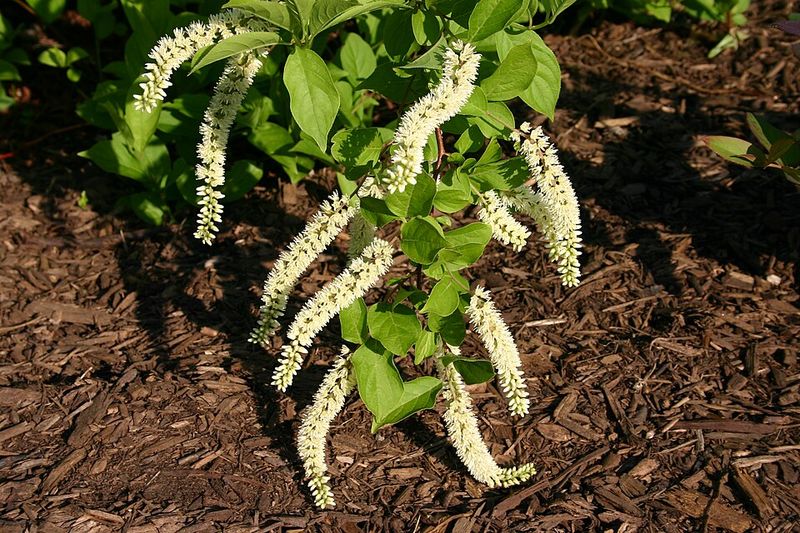
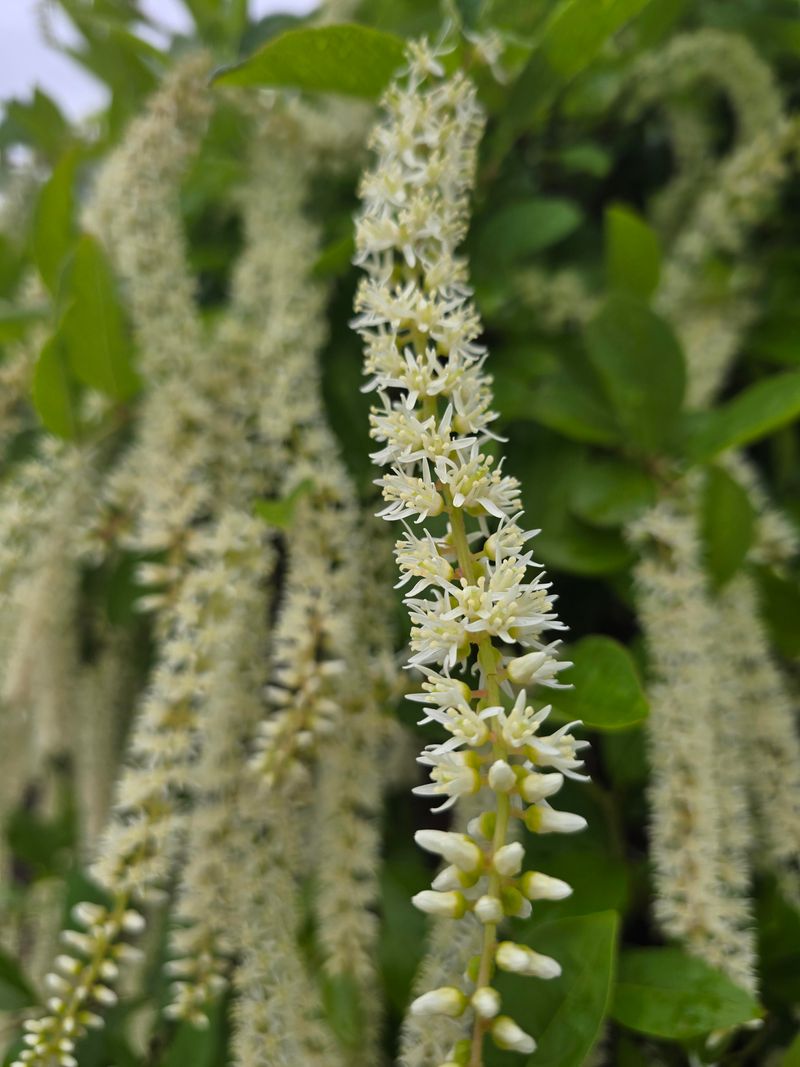
Virginia Sweetspire brings a different kind of beauty to the table. Its blooms are long, arching white spikes that droop gracefully like tiny bottle brushes in early summer.
The fragrance is a bonus that most people do not expect. Sweetspire flowers carry a soft, sweet scent that drifts across the yard on warm mornings.
Hydrangeas are mostly odorless, so Sweetspire has a clear edge for anyone who loves a fragrant garden. Bees and butterflies clearly agree.
Size-wise, Sweetspire is more manageable for most yards. It typically grows three to six feet tall and wide, making it easy to tuck into foundation beds.
Hydrangeas can get massive and sometimes outgrow their space quickly. Pruning them incorrectly at the wrong time can cost you an entire season of blooms.
Sweetspire is more forgiving with pruning. Even if you cut it back at the wrong moment, it recovers and blooms again without holding a grudge.
Fall color is where Sweetspire truly separates itself. Its leaves turn deep red, orange, and burgundy, giving your yard a second season of visual excitement.
Hydrangeas go brown and bare in fall. Sweetspire keeps performing long after the competition has given up for the year.
Where Virginia Sweetspire Fits Best In Your Landscape
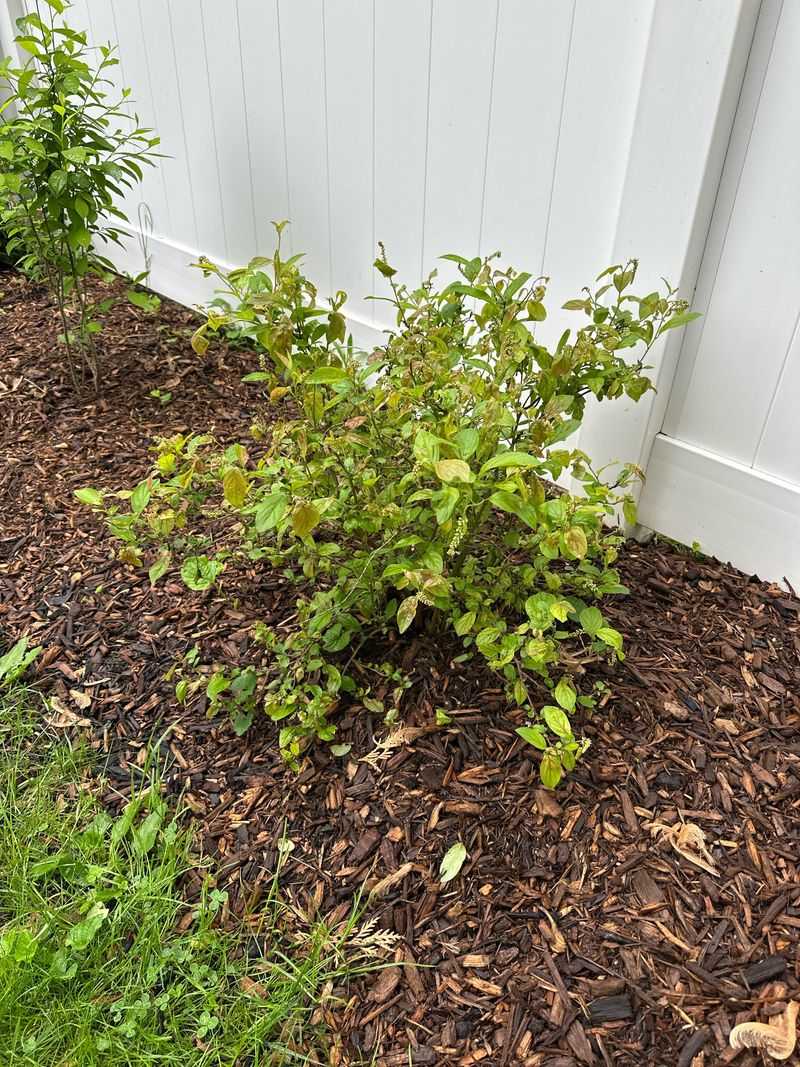
Finding the right spot for a shrub can feel like a puzzle. Sweetspire makes that puzzle surprisingly easy to solve.
It thrives in both full sun and partial shade, which makes it one of the most flexible shrubs available to Southern gardeners. Few plants handle that range so gracefully.
Shady spots under tall trees often stump homeowners. Most flowering shrubs refuse to bloom without direct sun, leaving those areas bare and uninspiring.
Sweetspire blooms reliably even in dappled light. That makes it a genuine solution for the tricky corners of a yard where little else will cooperate.
Low-lying areas that collect water after heavy rain are another natural fit. Sweetspire tolerates wet feet far better than most ornamentals, including hydrangeas.
Rain gardens and drainage swales benefit enormously from plants that handle flooding and drought in the same season. Sweetspire does both without complaint.
Along a fence line, it creates a lush privacy screen that softens hard edges beautifully. Planted in clusters of three or five, the effect looks intentional and polished.
Foundation plantings work well too, especially on the north or east side of a house. The filtered light suits Sweetspire perfectly and keeps it from getting scorched.
Few shrubs adapt to this many spots in a yard. Versatility like that is rare and genuinely valuable in landscape design.
Simple Care Tips To Keep It Thriving
Good news up front: Sweetspire is about as low-effort as shrubs get. You do not need a horticulture degree to keep it happy.
Mulching is the single most helpful thing you can do for a new plant. A two to three inch layer of wood chips around the base holds moisture and keeps roots cool during summer heat.
Avoid piling mulch directly against the stems. That traps moisture near the base and can encourage rot over time.
Fertilizing is optional for most established plants. Sweetspire grows well in average soil without any amendments once it has settled in after the first year.
If your soil is particularly poor or sandy, a slow-release balanced fertilizer in early spring gives it a gentle boost. One application per year is plenty.
Pruning is best done right after blooming ends in early summer. Cutting it back at that point encourages fresh growth and a fuller shape heading into fall.
Hard pruning every few years keeps the plant from getting leggy. Sweetspire responds well to rejuvenation cuts and bounces back quickly with dense new growth.
Watering during the first summer is the most critical step. Deep, infrequent watering trains the roots to reach down rather than staying near the surface.
After year one, step back and let the plant do its thing. Caring for it barely feels like work, and that alone explains why so many Georgia yards are making the switch.