8 California Pests That Move Indoors As Fall Nights Cool
The first genuinely cool evening of fall feels like a reward after a long California summer. You grab a sweater, make something warm to drink, and finally get to enjoy being outside without melting.
The only problem is that you are not the only one celebrating the temperature drop.
All kinds of small, determined, and frankly very resourceful creatures have also noticed that the nights are getting chilly, and they have been sizing up your home as a potential winter solution.
Some of them are sneaky about it. Others are surprisingly bold.
A few will make themselves known immediately, and a few others will quietly settle in somewhere you will not find them until spring.
Knowing who tends to show up in California homes as fall arrives is genuinely useful information, and a little preparation goes a long way.
1. Argentine Ants Marching Into Kitchens
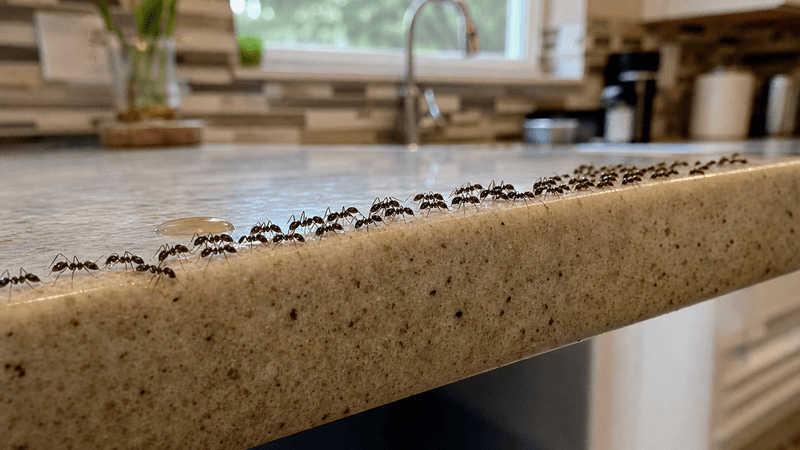
One crumb is all it takes. Argentine ants are the most common ant in California, and they show up in long, tidy lines that seem to appear overnight.
When fall nights cool and food outside gets harder to find, these tiny brown ants follow scent trails straight to your sink, pantry, and pet bowls. Their colonies can be huge because many queens live together, so one trail often leads to many more.
Spraying the line you see may feel good, but it usually splits the colony and creates more trails. A better plan is to wipe the trail with soapy water, which erases the scent path they follow.
After that, store sugar, cereal, and honey in sealed containers.
Bait stations work well because worker ants carry the slow-acting bait back home to share. Place them along the trail, not on it, and give them a week or two to work.
Be patient, since you may see more ants at first.
Outside, trim shrubs and tree branches that touch your walls, because ants use them like bridges. Seal small gaps around windows and pipes with caulk.
Fun fact: Argentine ants from different areas of California often act like one giant family. Scientists have found super colonies stretching hundreds of miles along the coast.
That teamwork is impressive, just not on your countertop.
2. House Mice Seeking Warmth In Homes
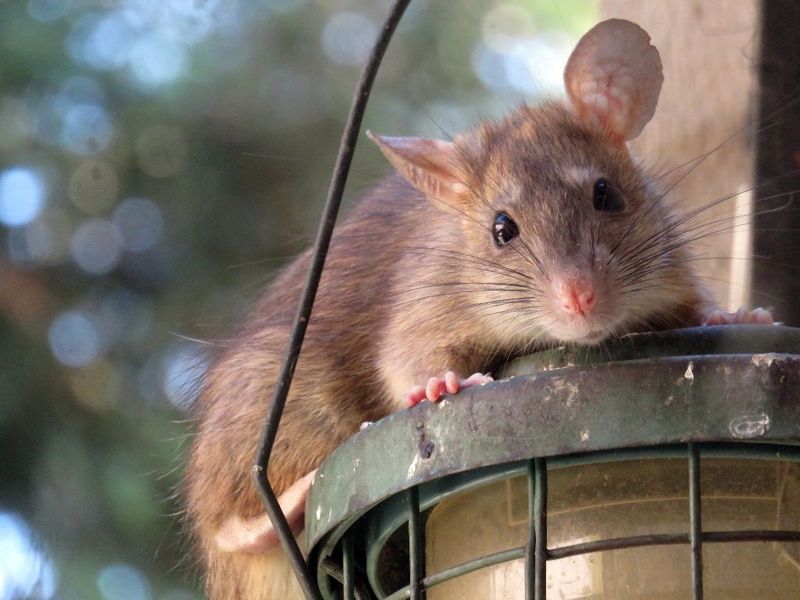
Scratching sounds in the wall at night can make anyone sit up in bed. Often the culprit is a house mouse that slipped inside when the weather turned cool.
Mice can squeeze through a hole about the size of a dime. In California, they often sneak in through garage doors, dryer vents, and gaps where pipes enter the house.
Once inside, they look for warm, hidden spots near food.
Watch for small dark droppings in drawers, chewed food boxes, or shredded paper tucked into corners. Mice love to build soft nests from tissue, cloth, and insulation.
They also chew wires, which can be a real fire risk.
Start by walking around your home and looking for openings low to the ground. Stuff small gaps with steel wool, then seal them with caulk or patching material.
Your California Garden Changes Every Week. Your Plan Should Too.
Gardening in California changes quickly throughout the season. Every Friday you’ll receive a simple weekly plan showing exactly what to plant, prune, fertilize, harvest, and protect so you never miss the right timing.
Add weather stripping to the bottom of garage and outside doors.
Inside, keep pet food in metal or thick plastic bins with lids. Clean up crumbs under the toaster and stove, since those are popular snack bars for mice.
Snap traps baited with a dab of peanut butter are simple and effective. Set them along walls, because mice like to run with one side touching a surface.
Wear gloves when cleaning droppings, and use a disinfectant spray instead of sweeping, to keep dust down.
3. Roof Rats Climbing Into Attics
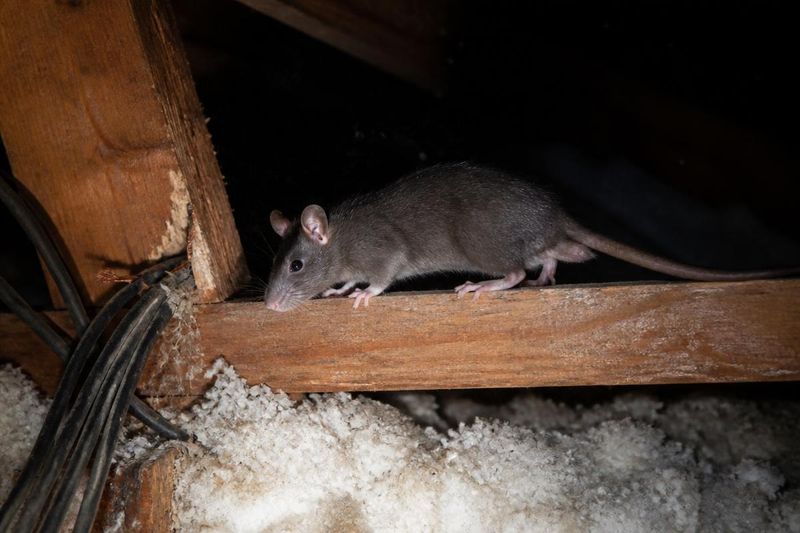
Palm trees and citrus groves give California much of its charm. Sadly, they also give roof rats a perfect highway right up to your attic.
Roof rats are skilled climbers with long tails that help them balance on fences, power lines, and branches. As fall evenings get chilly, they move from trees into warm attics, garages, and wall spaces.
You might hear quick running sounds overhead right after sunset.
Look outside for gnawed oranges or avocados still hanging on the tree, with the fruit hollowed out. Inside, you may find greasy rub marks along beams or droppings shaped like small grains of rice, only bigger.
The best defense is cutting off their roads. Trim tree limbs so they sit at least three feet away from your roof.
Pick ripe fruit quickly and clean up anything that falls to the ground.
Check roof vents, chimney openings, and gaps under tile roofs. Cover them with sturdy hardware cloth that rats cannot chew through.
Avoid using thin plastic screening, since rats bite through it with ease.
If you already hear visitors upstairs, snap traps placed on rafters can help. For bigger problems, a licensed pest pro can find hidden entry points.
Acting early in fall stops a small group from becoming a noisy winter crowd.
4. Black Widow Spiders Hiding In Garages
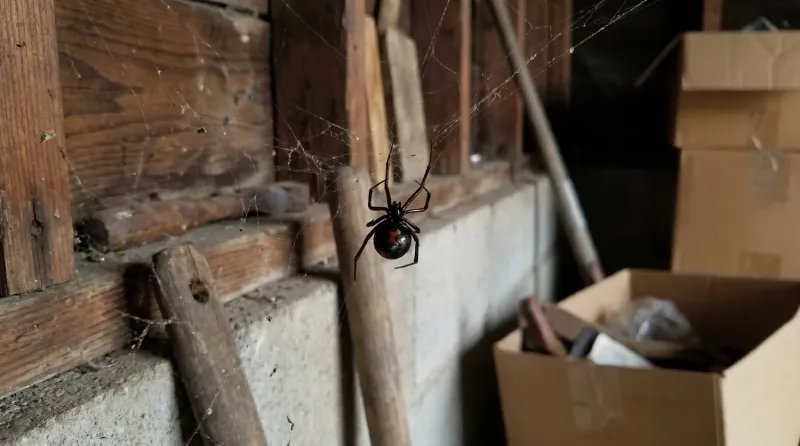
Shiny, black, and marked with a bright red hourglass, the black widow is famous for good reason. In California, these spiders are common around homes, especially in quiet, cluttered spots.
When temperatures drop in fall, black widows tuck themselves into garages, sheds, woodpiles, and outdoor storage boxes. Their webs look messy and tangled, unlike the neat circles of garden spiders.
They often build them low to the ground.
Black widows are shy and would rather hide than bite. Most bites happen when someone reaches into a dark corner or slips on a glove or shoe where a spider is resting.
Their bite can cause strong muscle pain, so it deserves respect.
A few easy habits keep you safe:
Wear gloves when moving boxes, firewood, or garden pots. Shake out shoes and work gloves stored in the garage before putting them on.
Store items in sealed plastic bins instead of cardboard boxes.
Sweep away webs with a long broom and vacuum egg sacs, which look like small tan paper balls. Seal cracks around garage doors and keep outdoor lights off when possible, since lights attract bugs that spiders eat.
If a bite does happen, wash the area and contact a doctor or poison control right away. Quick care helps a lot.
5. Boxelder Bugs Sunning On Walls
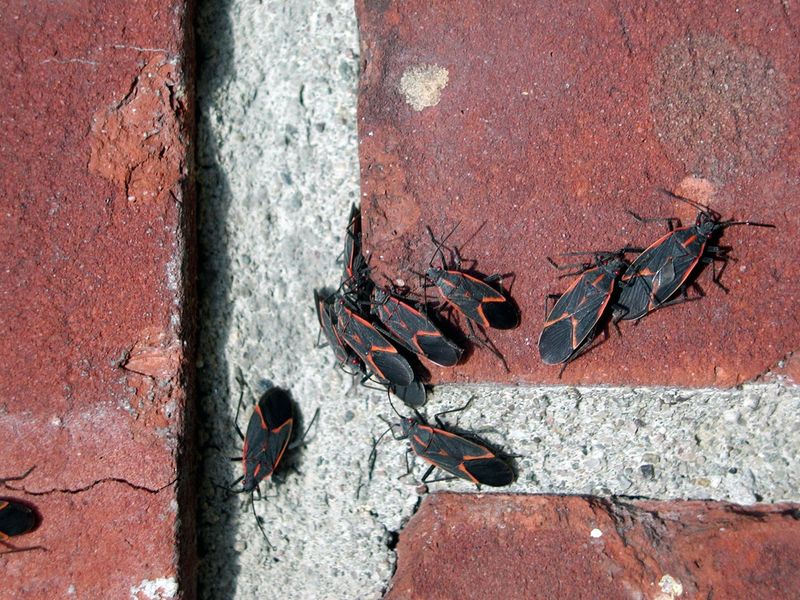
Honestly, boxelder bugs are more awkward than scary. These black and red insects gather in big groups on sunny walls in fall, like friends crowding around a campfire.
They feed mostly on seeds from boxelder and maple trees, which grow in many parts of Northern California. When nights turn cold, they hunt for warm cracks around windows, siding, and door frames.
Some end up inside, wandering slowly across your curtains or ceiling.
The good news is they do not bite people, chew wood, or eat your food. The bad news is they can leave small reddish stains when squished, and they give off a mild smell.
Nobody wants that on a white couch.
Skip the swatter and grab a vacuum instead. Empty the bag or canister outside right away so they do not crawl back out.
Outside, a spray of soapy water on large clusters can help thin them out. Mix a few spoonfuls of dish soap in a bucket of water and apply it directly to the bugs.
Prevention matters most. Before the first cool snap, seal cracks around windows, vents, and utility lines.
Repair torn window screens. Rake up fallen seeds from boxelder trees, since that is their favorite snack.
With a little effort, they will stay outdoors where they belong.
6. German Cockroaches Crowding Apartments
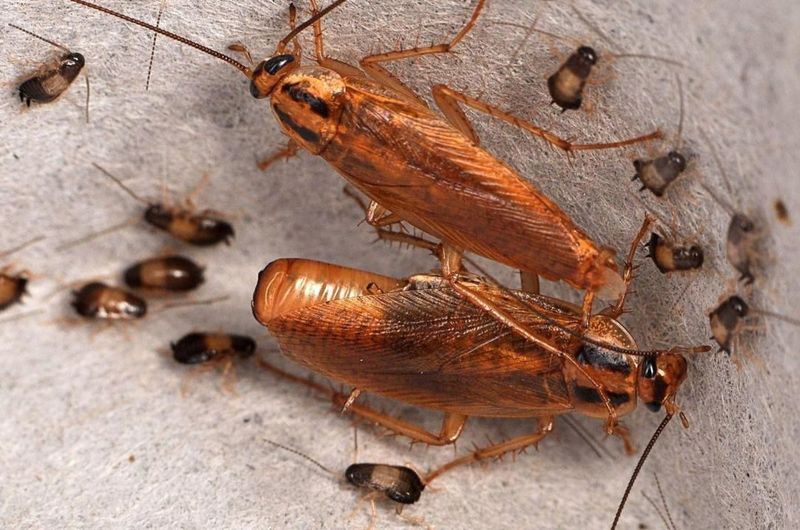
Flip on the kitchen light at midnight and something darts under the stove. If it was small, tan, and fast, you probably met a German cockroach.
These roaches love warm, humid spaces, which is why fall pushes them deeper into kitchens and bathrooms. In California apartments and condos, they often travel between units through shared walls, pipes, and cabinets.
They also hitch rides in grocery bags and secondhand appliances.
German cockroaches multiply very quickly. One female can produce hundreds of young in a single year, so a tiny problem can grow fast.
They can also spread germs and trigger allergies, especially in kids.
Here is a game plan that works:
Clean up grease around the stove, wipe counters every night, and do not leave dirty dishes in the sink. Fix leaky faucets, since roaches need water even more than food.
Take trash out often and use a bin with a tight lid.
Gel baits and bait stations placed in cabinet corners and behind appliances work better than sprays. Roaches eat the bait and share it in their hiding spots.
Sticky traps help you see where they gather.
If you rent, tell your landlord early. Treating several units at once gives the best results, because roaches just move next door otherwise.
7. Earwigs Sneaking Into Damp Corners
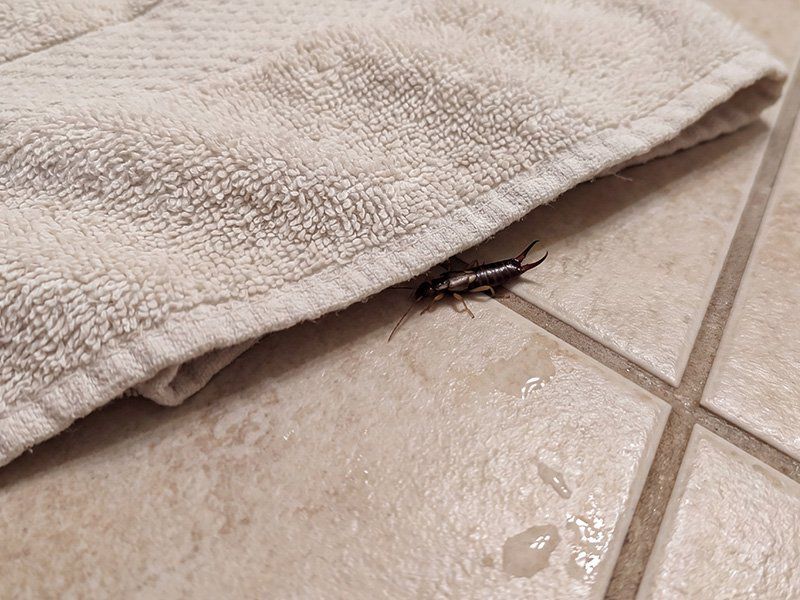
Old stories claim earwigs crawl into sleeping people’s ears. Thankfully, that is just a myth, though their spooky pincers sure make the tale easy to believe.
Earwigs are reddish brown insects with curved pincers on their tails. In California, they live in mulch, under stones, and in leafy garden beds.
As fall brings cooler nights and early rains, they look for damp, sheltered spots, which often means your laundry room, bathroom, or basement.
They are mostly harmless to people. A pinch from a big one can feel startling, but it rarely breaks the skin.
Their bigger crime is munching on seedlings, flowers, and soft fruit in the garden.
Moisture is the key to keeping them out. Fix dripping outdoor faucets and make sure gutters send water away from the house.
Pull mulch and leaf piles back a few inches from your foundation.
A clever homemade trap works surprisingly well. Roll up a damp newspaper and leave it in the garden overnight.
In the morning, shake the earwigs that hid inside into a bucket of soapy water.
Indoors, run a dehumidifier in damp rooms and seal gaps under doors. Sweep up any wanderers you find.
Fun bonus fact: mother earwigs guard and clean their eggs, which is rare caring behavior for an insect.
8. Stink Bugs Slipping Through Windows
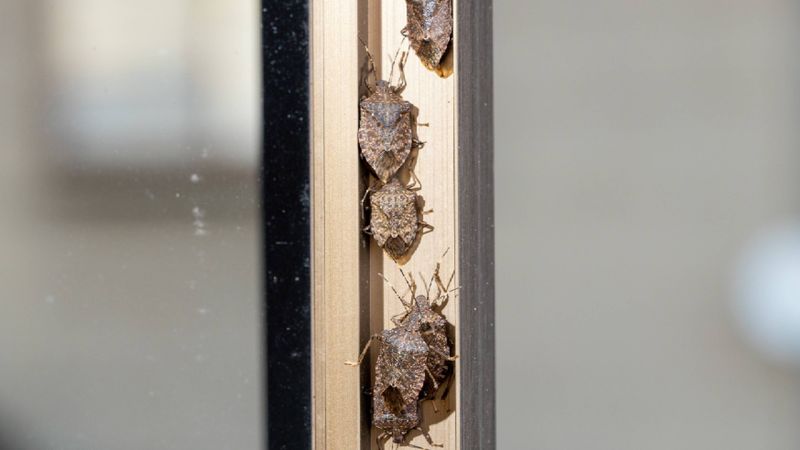
Some pests announce themselves with noise. Stink bugs prefer a smell, and once you notice it, you will not forget it.
The brown marmorated stink bug has a shield-shaped body and banded antennae. It arrived in the United States from Asia and now shows up in many California counties, especially near farms, orchards, and vineyards.
In fall, they gather on sunny walls and squeeze inside through tiny gaps to spend the winter.
Indoors, stink bugs mostly sit still in attics, wall spaces, and window frames. They do not bite, sting, or damage your home.
However, if you crush or startle one, it releases a sharp odor some people compare to cilantro gone wrong.
Gentle removal is the way to go. Knock them into a jar of soapy water, or use a vacuum you set aside just for bugs, because the smell can linger.
Keeping them out is easier than chasing them around later. Check window screens for tears, and seal cracks around frames, siding, and chimneys.
Cover attic vents with fine mesh.
A simple light trap can help too. Place a desk lamp over a pan of soapy water in a dark room at night.
Stink bugs drawn to the glow often tumble in, and your nose will thank you.