The California Groundcover That Quietly Crowds Out Invasive Grasses
Some of the hardest-working plants in a California landscape rarely ask for attention. They simply settle in, spread quietly, and change the ground around them over time.
Weedy grasses that once owned a slope start to look thinner. Bare patches fade away, and the soil holds firm through winter storms.
One soft, feathery native has mastered this slow, steady approach. It skips the drama, needs very little water once established, and keeps showing up year after year.
Restoration crews have long trusted it for good reason.
Its secrets lie partly underground and partly in plain sight, along trails from the coast to the mountains.
A little patience now could turn a weedy corner into a living carpet that defends itself.
Meet Yarrow, The Quiet Competitor
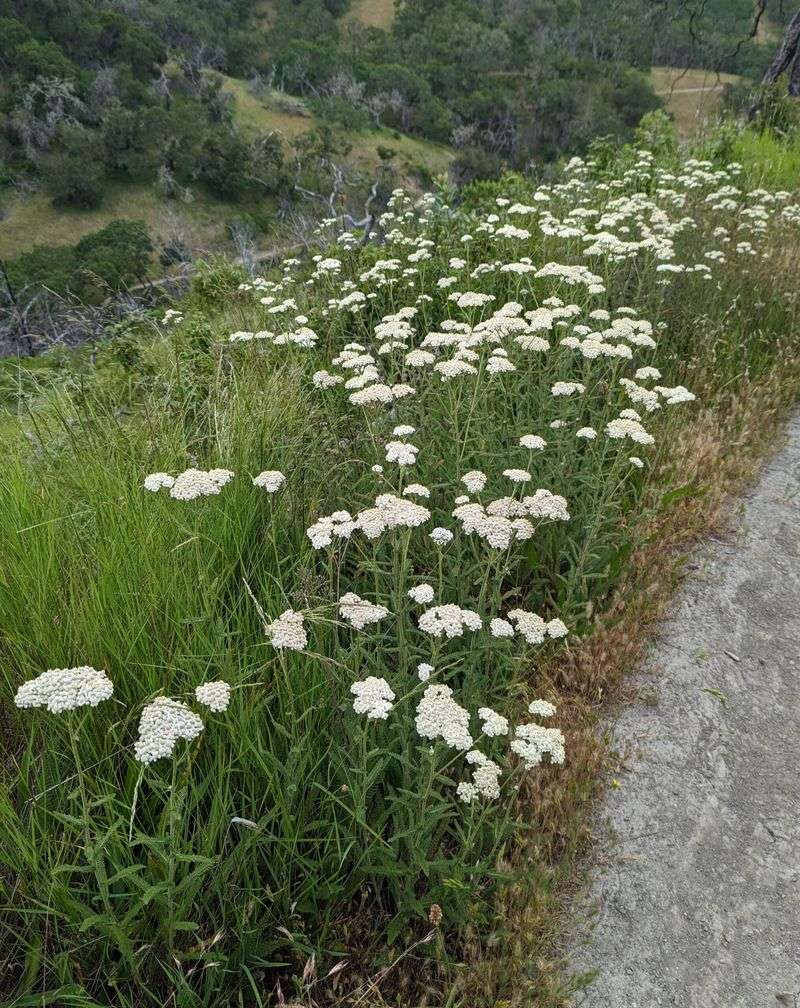
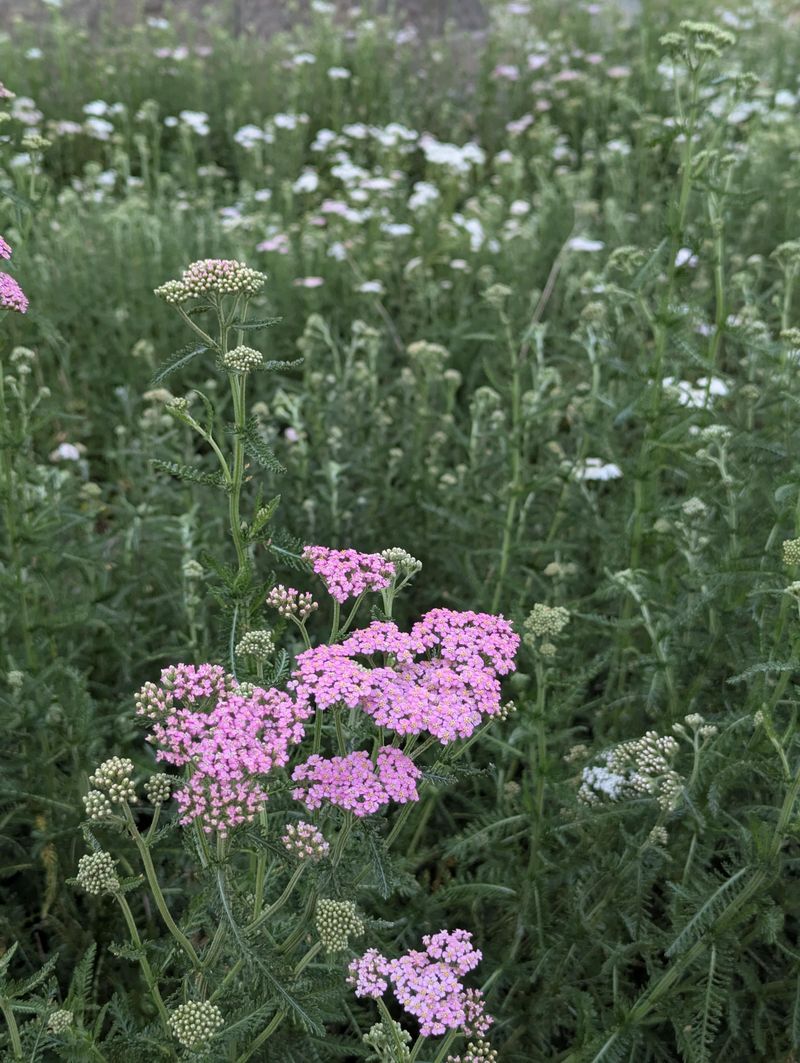
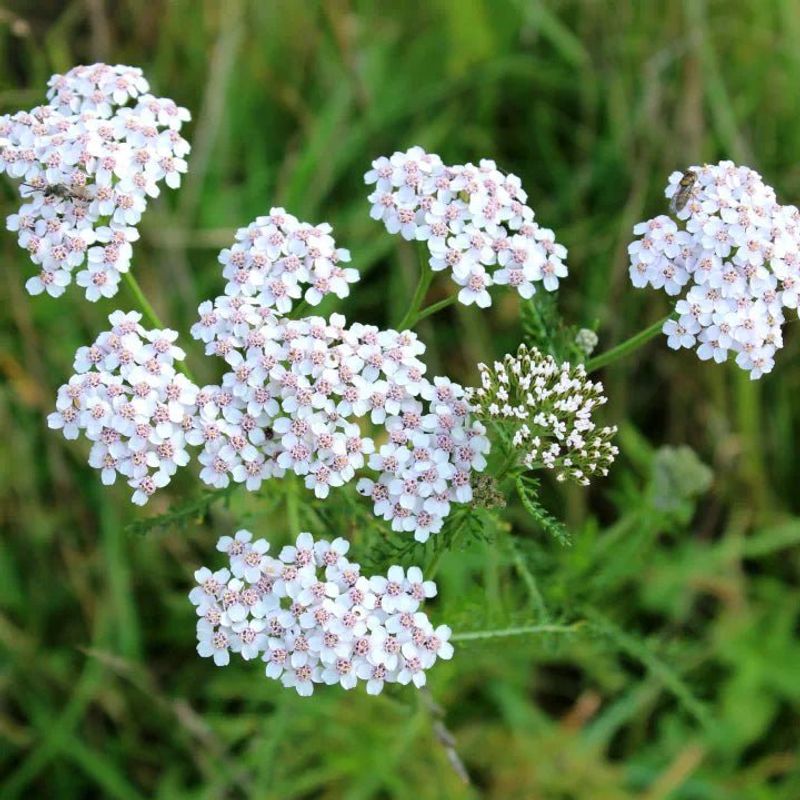
Nearly every California trail, from seaside bluffs to high meadows, passes native yarrow somewhere along the way. Flat clusters of tiny white flowers sit above soft, lacy leaves, and hikers often brush right past without a second look.
Yarrow is a perennial, returning year after year instead of starting over from seed. It grows naturally in grasslands, open woods, coastal scrub, and meadows across much of the state.
CNPS’s Calscape notes its remarkably wide range in California. Few natives adapt to so many settings.
Its real talent is staying power. Annual weeds sprout, flower, and fade in one season, leaving bare ground behind.
Yarrow keeps its roots and underground stems in place all year. That readiness lets it claim space the moment conditions allow.
The name carries an old story, too. Nurseries sell it as Achillea millefolium, honoring Achilles, the Greek hero said to use the plant on wounds.
Millefolium means thousand leaves, a nod to its finely divided foliage.
Gardeners appreciate how forgiving it is. It grows in sun, handles poor soil, and looks good without fertilizer.
Small pots and seed packets turn up at many nurseries, and native plant sales each fall usually carry plenty. Autumn makes an ideal time to find it.
Like a quiet neighbor with firm boundaries, yarrow rarely shouts but steadily holds its spot. That patience makes it such a strong competitor.
Rhizomes Knit Dense Mats Over Bare Soil
A little gentle digging at the edge of a patch reveals thin, pale stems running sideways just under the surface. Those are rhizomes, working like underground roads that send up new shoots a few inches from the parent plant.
Each new shoot grows its own roots and leaves. Season after season, the shoots fill the gaps between them.
What started as a few small plants slowly becomes one connected carpet. The transformation happens quietly but steadily, without fuss.
That carpet does more than look tidy. A web of roots and rhizomes knits the soil together, helping slow erosion on slopes and banks.
Rain soaks in rather than washing loose dirt downhill. That benefit matters most during winter storms.
Bare soil invites weeds. Wind drops seeds there, birds leave them behind, and boots track them in.
Your California Garden Changes Every Week. Your Plan Should Too.
Gardening in California changes quickly throughout the season. Every Friday you’ll receive a simple weekly plan showing exactly what to plant, prune, fertilize, harvest, and protect so you never miss the right timing.
Rhizomes closing those openings pull away the welcome mat. Spacing helps the process along.
Many gardeners set plants about 12 to 18 inches apart. At that distance, rhizomes usually meet and merge within a season or two, depending on water and soil.
A little extra water during the first year speeds things up. Once the mat knits together, watering can taper, since established yarrow handles dry spells well.
Patience pays off here. Rather than covering everything overnight, yarrow works like a steady knitter, adding row after row until the bare patch simply disappears.
Dense Cover Leaves Less Room For Weed Seed
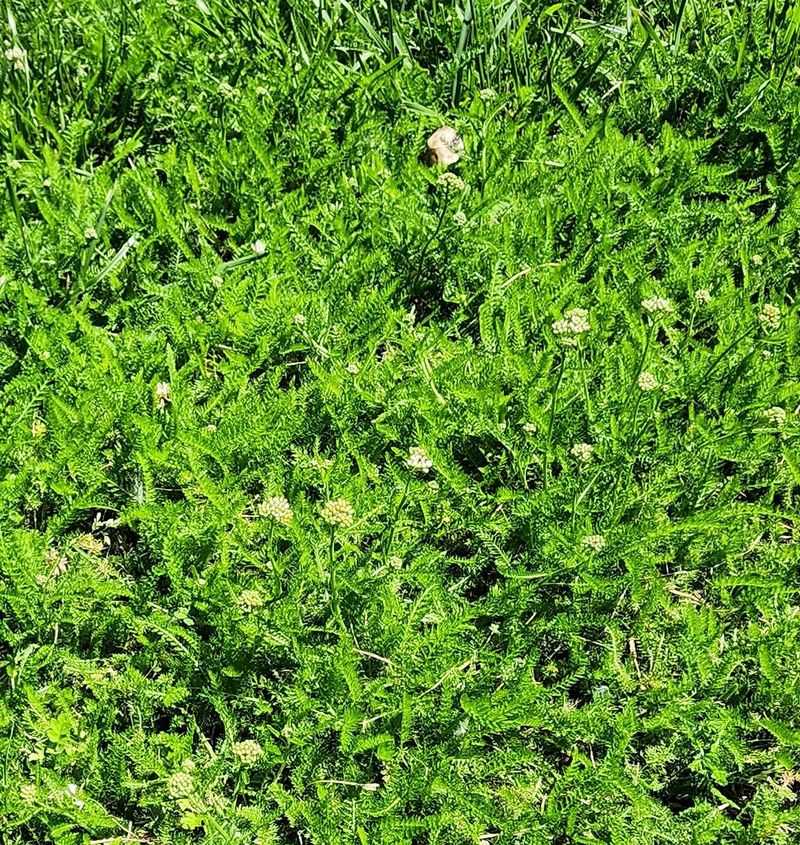
A weed seed landing on a yarrow mat meets a tangle of leaves instead of bare dirt. Many seeds never reach the soil they need to sprout.
Seeds that slip through face another problem: shade. Most weedy annuals need bright light at ground level to get going.
A thick layer of yarrow foliage blocks much of that light. Tiny seedlings struggle from the start.
Space matters, too. Yarrow roots already fill the top layer of soil, so a new seedling must compete for water and nutrients with an established plant holding a big head start.
That makes a tough contest for a sprout with two leaves. Most lose before they really begin.
The effect works best when the mat is truly dense. Thin, patchy yarrow leaves open spots where weeds can sneak in.
Adding plants or dividing clumps from crowded areas fills those holes.
Leaf litter helps as well. Old yarrow leaves and stems settle at the base of the plants, adding another layer that keeps light off the soil surface.
A few weeds will still pop up, especially along the edges. The difference comes down to pulling a handful instead of a wheelbarrow load.
Gardeners call this crowding out, and it fits. Yarrow simply claims the room, the light, and the water first, leaving weeds with very little to work with, and no harsh sprays required.
Annual Grasses Lose Ground To A Thick Mat
By June, much of California turns gold. A lot of that color comes from invasive annual grasses such as wild oats, ripgut brome, and medusahead, which arrived from Europe and spread across the state.
These grasses play a fast game. They sprout with the first fall rains, grow quickly through winter, drop seed in spring, and dry out by summer.
Their seeds then wait in bare soil for the next year. October and November mark the moment that cycle restarts.
Yarrow breaks the pattern by holding the ground. Its perennial mat stays put, leaving fewer openings for grass seed to land and sprout each fall.
Restoration researchers in California, including teams at UC Davis, often focus on strong native perennials that fill space weeds would otherwise take. Yarrow fits that role nicely.
As annual grasses thin, natives get a chance. Wildflowers like poppies and lupines, along with bunchgrasses such as purple needlegrass, find more light and water.
Yarrow often grows well alongside them.
A safety bonus comes with the swap. Dry annual grasses act as flashy fuel that catches fire easily, and a lower, greener perennial mat can help reduce it.
Near homes, keeping yarrow in small clumps, removing dry flower heads, and following CAL FIRE defensible space guidance keep things safer. That balance protects both house and habitat.
On a huge, weedy field, yarrow rarely wins alone. Paired with hand-pulling and other natives, though, the scales can steadily tip in a gardener’s favor.
Native Yarrow Stays A Foot Or Two Tall
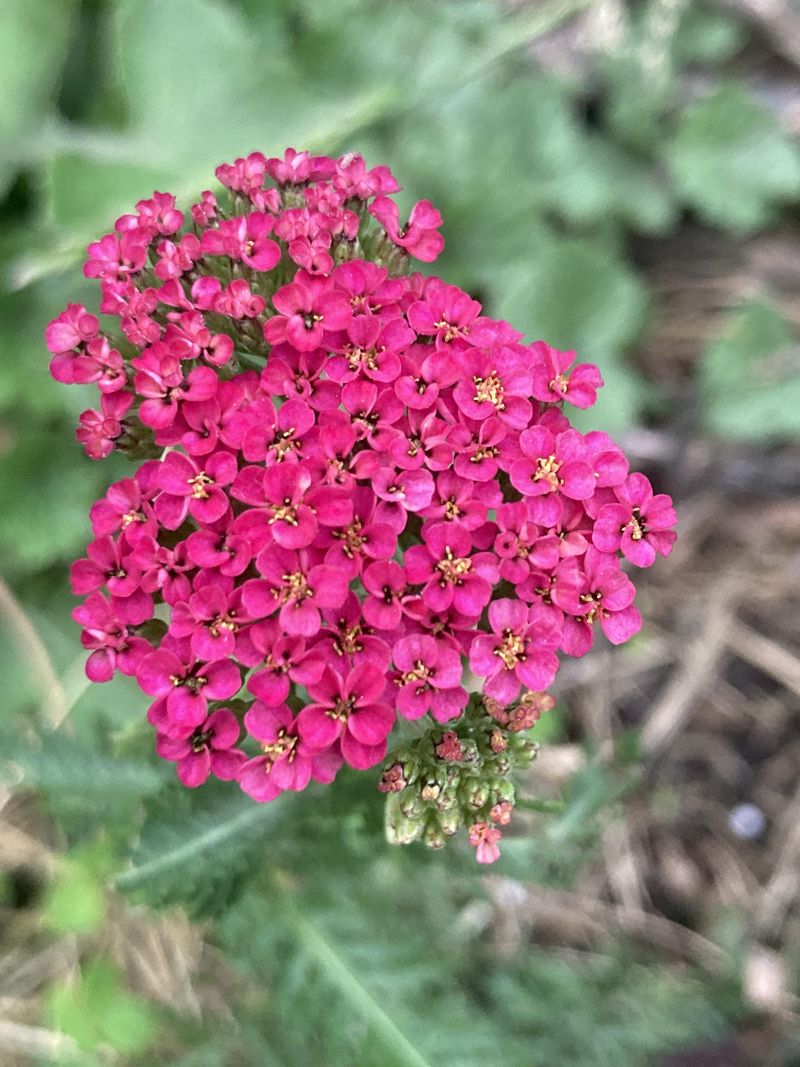
Up close, the leaves look almost like green feathers. Each one splits into dozens of tiny segments, giving the plant a soft, fernlike texture, and some forms carry a silvery or gray tint.
For most of the year, the foliage stays low, often just a few inches high. In spring and summer, flower stalks rise above it.
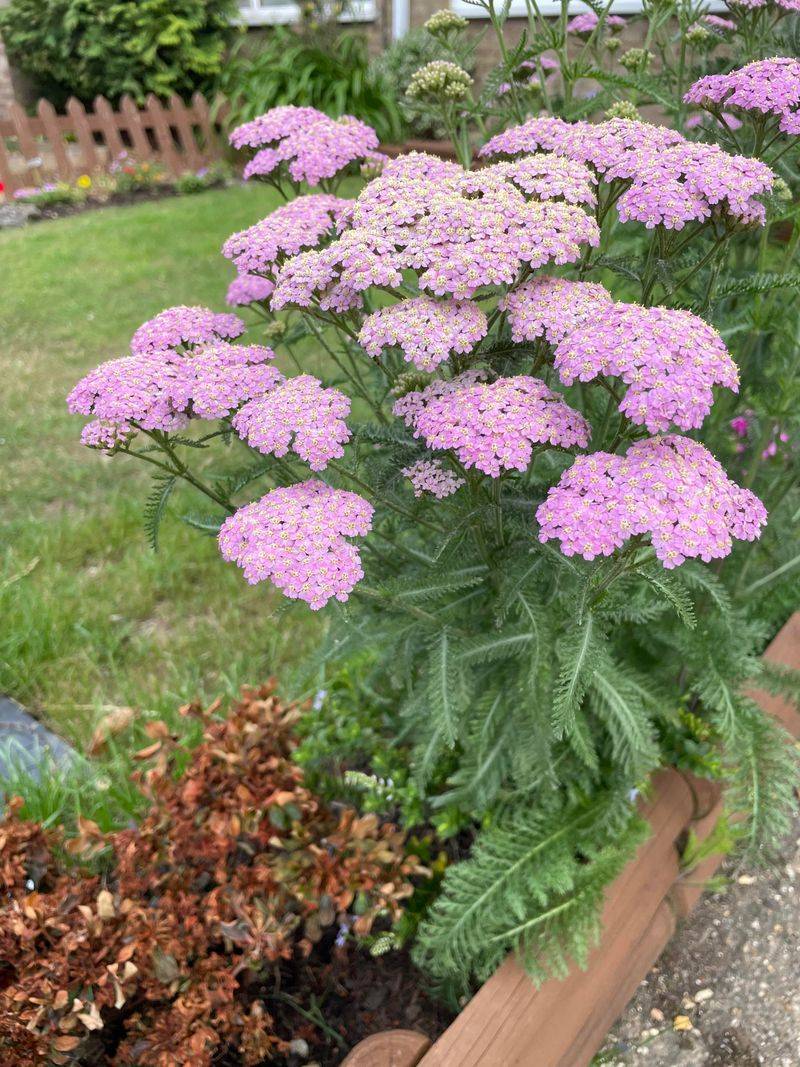
With flowers, native yarrow usually reaches about 12 to 18 inches tall. That modest height makes it easy to use.
It fits along paths, in front of shrubs, and on slopes where cover matters but views shouldn’t be blocked. Kids can see over it, and so can the family dog.
A neater look comes easily. Cutting plants back in spring or after bloom refreshes them, and mowing on a high setting works across larger areas.
Yarrow bounces back with fresh, tidy foliage, much like a good haircut growing in nicely. The plant forgives a heavy hand.
Some gardeners mow yarrow often to create a soft, lawn-like surface. Kept short, it flowers less but still forms a green carpet that uses far less water than turf grass.
A crushed leaf releases a sharp, herbal scent. Many deer and rabbits find that aroma unappealing, which helps the plant hold up in wilder yards.
Low, soft, and fragrant, yarrow brings texture without towering over anything. It stays modest in height while still covering plenty of ground.
It Handles Dry Sunny Sites
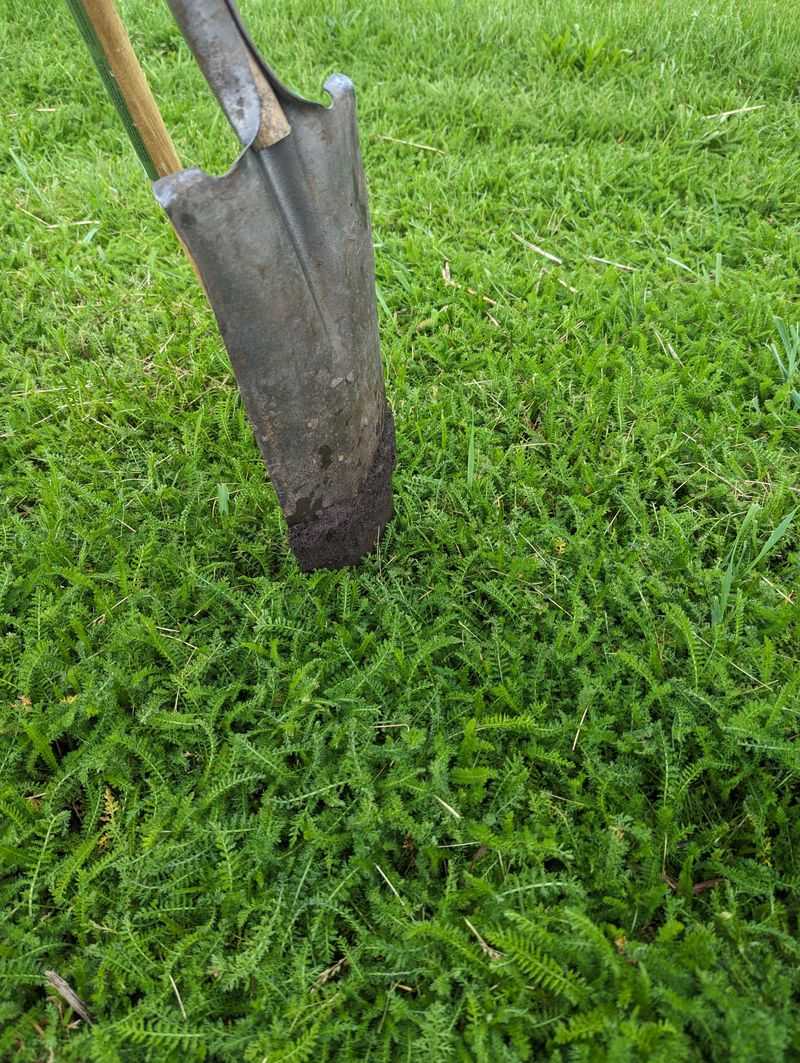
Summer sun beating down on a rocky slope would wilt plenty of garden plants. Yarrow shrugs it off, handling the long dry spells that are normal in California once established.
Full sun suits it best. Light shade works, too, though flowering may drop and growth may loosen.
Most soils work fine, including clay, sand, and the poor, rocky ground where fussier plants sulk. Tough conditions bring out its best.
Rich soil and heavy watering can actually backfire. Too much water and fertilizer make yarrow floppy and can cause rot in soggy spots, so good drainage keeps it happiest.
Regular watering during the first year helps roots settle in. After that, many gardeners water only occasionally in summer, perhaps every two to four weeks in hotter inland areas.
A deep soak beats frequent sprinkles. That approach encourages deep, resilient roots.
Foot traffic tolerance adds another strength. Woolly yarrow, a low, fuzzy relative from Europe, often gets described as the most traffic-tolerant type, though native gardens may prefer the local species.
Common native yarrow handles light walking, too, but it isn’t built for a soccer field. Busy play areas benefit from paths or stepping stones that give plants a chance to recover.
Dry, sunny, and overlooked corners suit yarrow perfectly. A spot most plants avoid can become its favorite home, where it happily takes root and stays put.
Butterflies And Pollinators Visit The Flowers
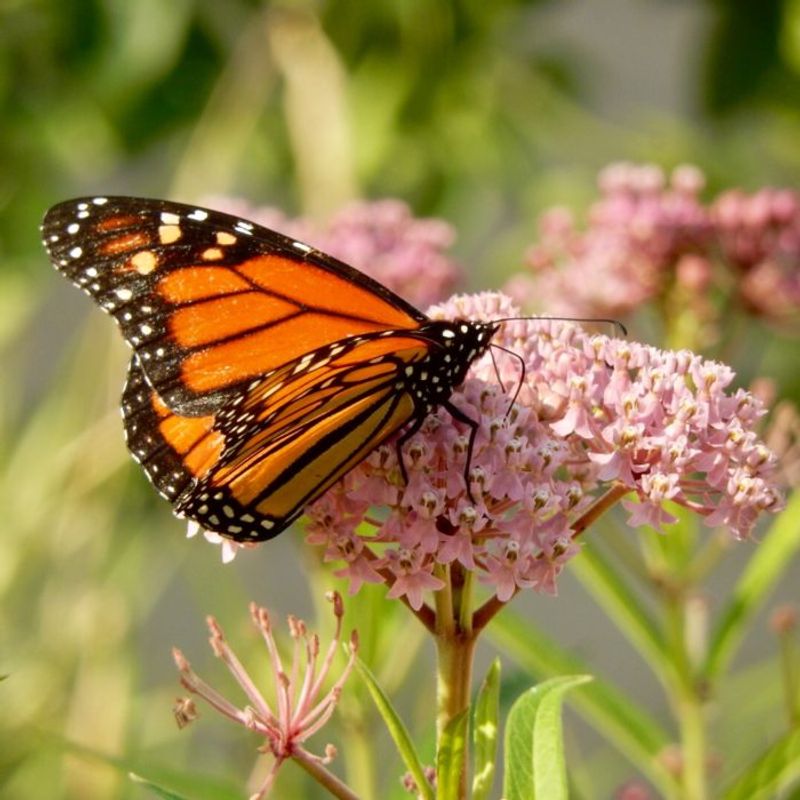
A warm afternoon beside blooming yarrow reveals constant traffic. Small butterflies land, sip, and drift away, while tiny native bees and hoverflies crawl across the blossoms like shoppers at a farmers market.
The secret lies in the flower shape. Each flat-topped cluster holds many tiny blooms packed close together.
Insects can land on this wide platform and feed from flower after flower without much flying. That efficiency makes yarrow a popular stop.
A wide mix of visitors shows up. Butterflies, native bees, beneficial wasps, and flies all drop by throughout the season.
Some of those insects also eat garden pests. The flowers quietly support natural pest control as a bonus.
Bloom time runs generous. In many areas, yarrow flowers from spring into summer, sometimes longer with a little water, and snipping faded heads can encourage another round.
In fire-prone areas, removing dry flower heads matters for safety, too. Dried stems can add fuel, so trimming them near the home makes sense, especially later in the season.
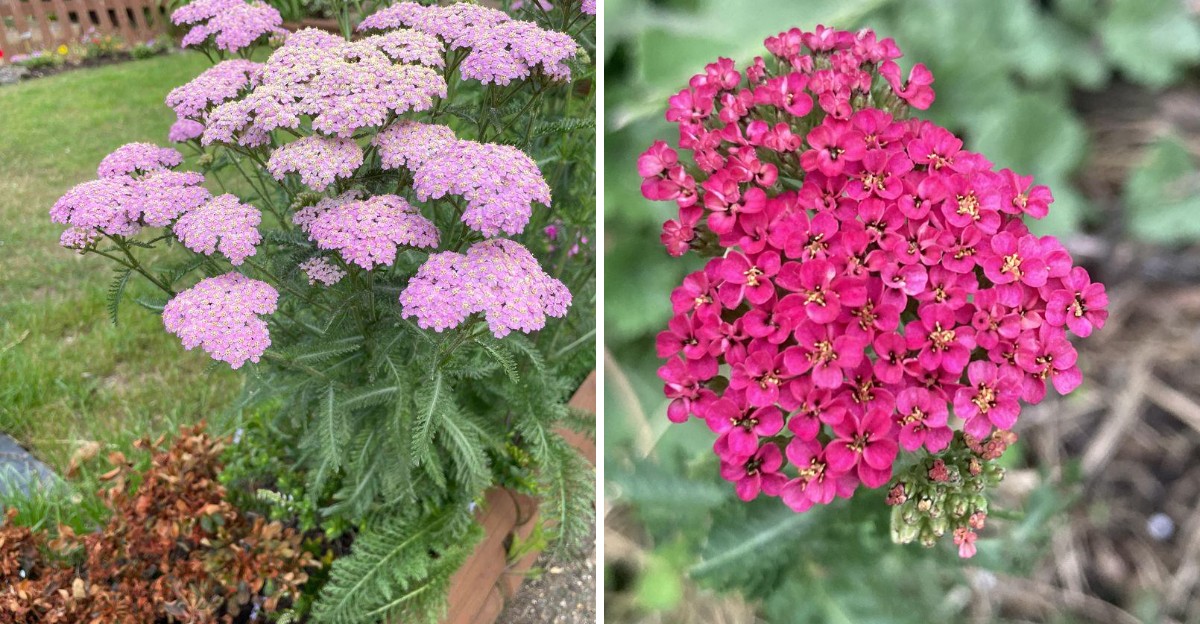
White is the classic color for native yarrow, though pink or pale yellow forms appear as well. Many garden hybrids come in bright colors, but the native type makes a reliable pick for wildlife.
Pairing yarrow with salvias, buckwheats, and California poppies creates a longer buffet for pollinators. A yarrow patch proves that a weed fighter can also be a generous host.
Plant In Fall And Weed While It Fills In
October and November make the ideal planting window. Fall planting is classic advice for California natives, and yarrow fits right in, since cooler air and winter rains help roots grow deep before summer heat arrives.
Clearing the area comes first. Existing weeds and grasses are best pulled or cut, ideally before they set seed.
A clean start gives young plants a fair shot rather than an uphill battle. That small effort pays off for years.
Small plants set about 12 to 18 inches apart work well, as does seed scattered over loosened soil and pressed in lightly. A thorough watering at planting settles everything in.
Winter rain often handles much of the work after that. Dry stretches still call for a quick check.
Hand-weeding matters most during the first season or two, since weeds try to grab the open spaces between plants. A walk through the patch every couple of weeks catches them while they’re small.
Young weeds come out easily after rain, when soil turns soft. A gentle pull at the base removes roots, and careful hands avoid disturbing yarrow rhizomes along the way.
Heavy mulch right around young plants can slow rhizome spread. A thin layer in the gaps works fine.
As months pass, the weeding lightens. The mat thickens, gaps shrink, and invasive grasses find fewer places to land.
Yarrow takes over the job and quietly keeps the ground.