8 Signs Your California Citrus Tree Is Ready For Its Fall Feeding
Fall often sends California citrus owners searching for the fertilizer bag. One last meal before winter seems like a generous idea for a hardworking lemon or orange tree.
Citrus trees, however, follow their own schedule.
The leaves, branches, and harvest all hold clues about what a tree truly needs, and autumn offers a perfect moment to read them.
Some signs point to hunger, while others hint at problems no fertilizer can fix. Timing matters just as much as the meal itself.
A closer look at those signals, backed by UC guidance, helps owners serve the right nutrients at the right moment and set the stage for a healthier harvest.
1. Pale New Leaves Hint At Nitrogen Hunger
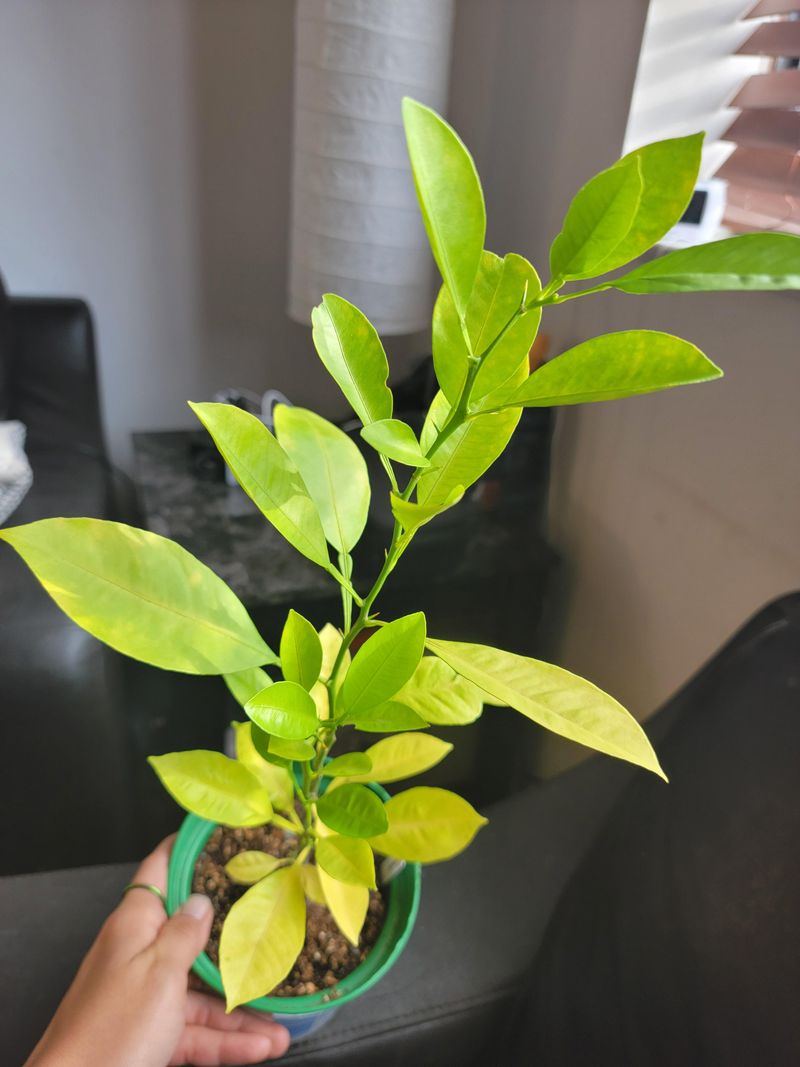
A fresh flush of citrus leaves that looks washed out, like a T-shirt left too long in the sun, deserves attention. On a well-fed tree, new growth usually starts bright and turns a deep, glossy green as it matures.
A tree short on nitrogen often stays a pale, even light green across the whole leaf. That uniform paleness is an important clue.
Nitrogen is the nutrient citrus uses most, and it helps build chlorophyll, the green pigment that turns sunlight into food. Without enough, the tree simply can’t make leaves as green as they should be.
Older leaves may also yellow and drop as the tree pulls nitrogen from them to feed new shoots. The pattern matters before reaching for fertilizer.
Nitrogen hunger tends to show as even paleness rather than blotches or striped veins. Cold winter soil can also fade leaves for a while, since roots take up less food when temperatures drop.
Overwatering and poor drainage can fade leaves too. Paleness works best as a clue rather than a verdict.
Color that stays weak into spring points toward a nitrogen feeding in late winter or early spring, when UC guidance says citrus uses it best. A tree that greens up afterward was clearly signaling its needs.
A simple photo log on a phone helps track progress. Side-by-side pictures from fall and spring make subtle color changes much easier to spot.
2. Yellow Leaves With Green Veins Point To Micronutrients
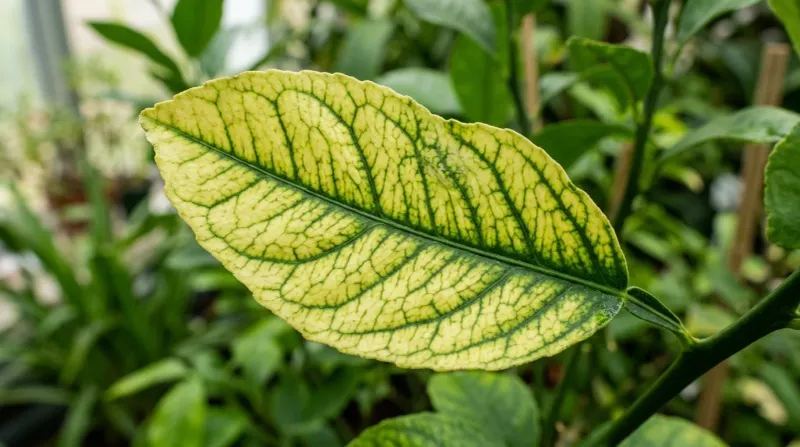
A leaf held up to the light may reveal a strange map of bright green veins running through yellow tissue. Gardeners call this interveinal chlorosis, and it usually points to a shortage of micronutrients such as zinc, iron, or manganese.
Zinc deficiency often appears on new leaves that come in small, narrow, and pointed, with yellow patches between green veins.
Iron shortage tends to turn young leaves pale yellow while the veins stay sharp green, almost like a green net.
Manganese problems look similar but are often milder. A duller green band usually runs along the veins.
California soils can make these issues worse. Many areas have alkaline soil, which locks up iron and zinc even when they’re present. Soggy roots and cool weather can also block uptake for a time.
Spreading more granular fertilizer on the soil rarely fixes these problems quickly. UC guidance favors foliar sprays misted directly onto the leaves instead.
Your California Garden Changes Every Week. Your Plan Should Too.
Gardening in California changes quickly throughout the season. Every Friday you’ll receive a simple weekly plan showing exactly what to plant, prune, fertilize, harvest, and protect so you never miss the right timing.
Timing matters a lot. Sprays work best when new growth is emerging and about two-thirds expanded, usually in spring, since young leaves absorb nutrients most easily.
Old, hardened leaves won’t suddenly turn green again. Results are best judged by the next flush of growth.
A close read of the product label helps, along with spraying in the cool morning to avoid leaf burn. Pairing that spray with steady watering gives the fix its best shot.
3. Sparse Small Foliage Suggests Low Reserves
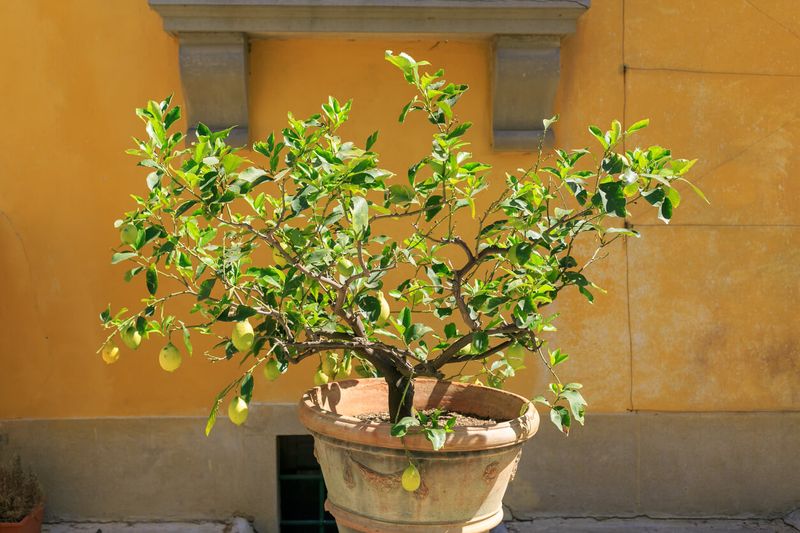
A look up through the canopy at noon reveals a lot. A healthy citrus usually shows a dense canopy with only small patches of sky.
A tree with low reserves often looks see-through, with thin branches and leaves smaller than expected. That openness signals trouble.
Citrus trees store energy and nutrients in their leaves, wood, and roots. When those stores run low, the tree trims its spending by growing fewer, smaller leaves and sometimes dropping older ones.
Poor nutrition is only one suspect, though. Roots damaged by gophers, soggy soil, or root rot can deprive a tree even in rich ground.
Heavy pest pressure from scale or mites, too much shade, and a hot, dry summer with spotty watering can all thin a canopy, too. Each deserves a check.
Detective work starts at ground level. Pulling mulch back a few inches from the trunk shows whether soil drains well.
A small hole near the drip line reveals whether roots look white and firm rather than brown and mushy.
A few flipped leaves help rule out pests. With roots and leaves looking clean, nutrition becomes a stronger suspect.
A balanced citrus fertilizer applied from late winter through summer, along with deep, regular watering, can help the tree rebuild.
Recovery takes patience. A thin tree needs a full growing season or two to fill back in, so denser new flushes next spring make a better goal than overnight miracles.
4. A Light Crop Last Season Can Signal Weak Nutrition
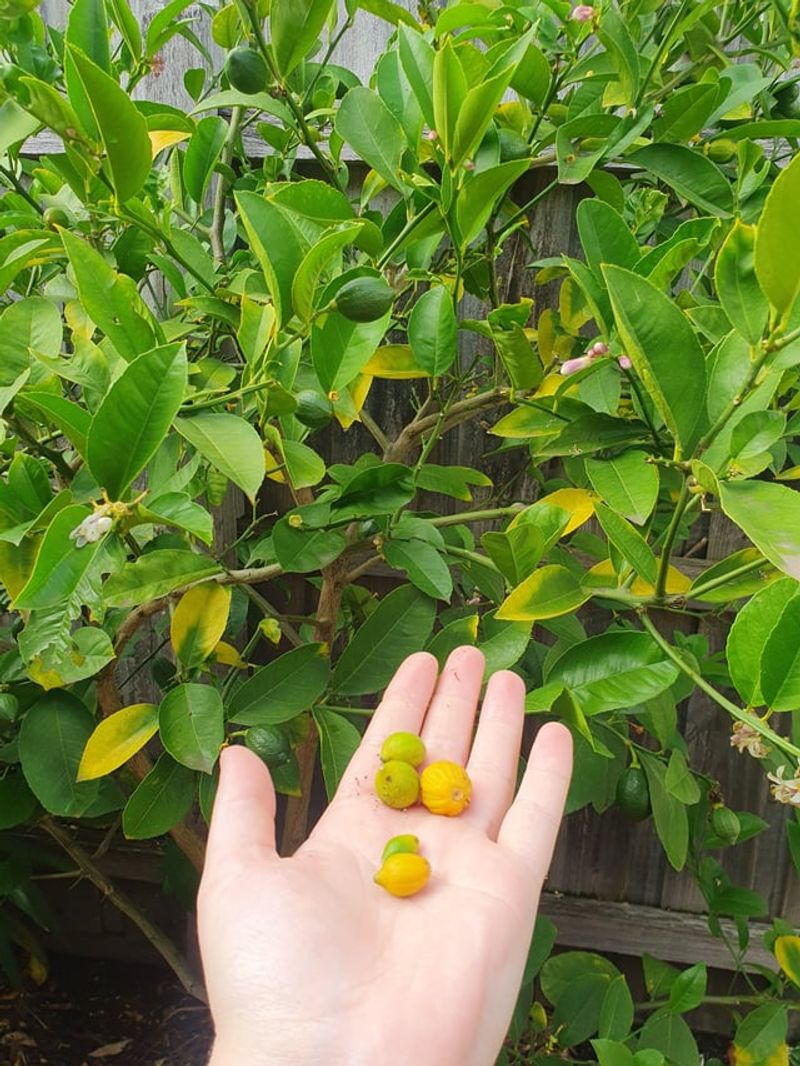
A neighbor’s lemon tree heavy with fruit next to a tree offering only a handful can feel like bad luck.
The menu deserves a look first, since fruit is expensive for a tree to make and a poorly fed citrus may simply lack the fuel.
Nitrogen supports the leaves that power flowering and fruit set. Low potassium can lead to smaller fruit, and a lack of zinc can reduce both fruit size and yield.
A tree short on nutrients may set blossoms, then drop many tiny fruits in early summer. That pattern often surprises owners.
A light crop has many possible causes, though. Some varieties, like certain mandarins, bear heavily one year and lightly the next, a habit called alternate bearing.
Heat waves during bloom, missed watering, heavy pruning, and young age can all cut a harvest short. Sorting out the cause takes a little record keeping.
A simple garden notebook makes it easier. Notes on bloom time, weather events, watering habits, and fruit counts reveal patterns after two or three seasons, popping out like ripe oranges on a branch.
When nutrition looks like the weak link, planning ahead works better than rushing a fall feeding. Late winter and spring applications support the bloom and fruit set that create next year’s crop.
UC guidance for mature trees generally suggests about one to one and a half pounds of actual nitrogen per year. Splitting that amount into several feedings works best.
5. Slow Spring Growth Is A Clue
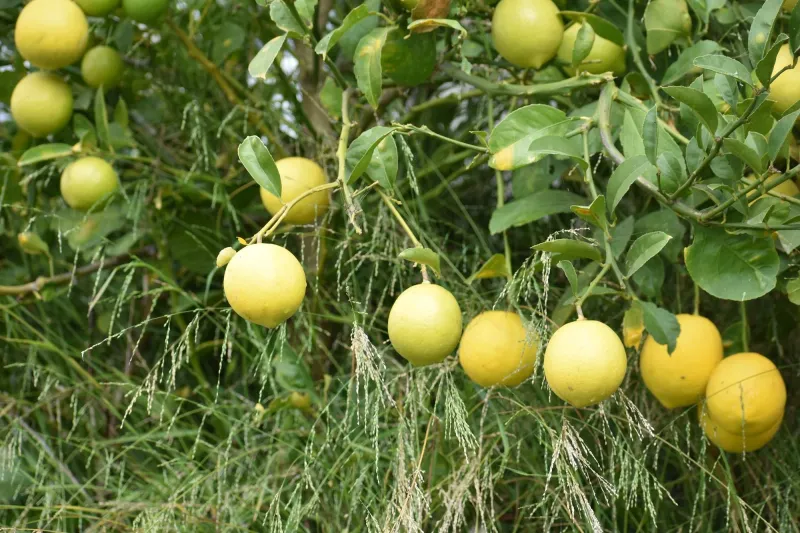
Spring is when citrus trees usually show off. Warmer soil wakes up the roots, and a healthy tree pushes out a big flush of shiny new shoots and blossoms.
A tree that barely stirs in April and May is quietly waving a flag. Weak spring and summer growth often means it lacks the nutrients to build new tissue.
Nitrogen is the usual suspect, since it fuels shoots and leaves. Short new stems, few new leaves, and a canopy that looks the same size year after year all offer hints.
Comparing a tree with itself works better than comparing it with a photo online. Measuring a few branch tips in early spring and again in late summer reveals real progress.
A young, healthy tree often adds several inches of growth. A struggling one may add almost nothing.
The basics deserve a check before blaming the soil. Trees planted too deep, crowded by lawn grass, or watered too lightly grow slowly regardless of fertilizer.
Grass roots compete fiercely for both water and nitrogen, so a clear, mulched ring around the trunk helps. That simple step often jump-starts growth.
Slow spring growth is useful because it appears right when action still matters. Feedings from late winter into summer line up with the tree’s natural growth push.
Small, regular doses work better than one huge serving and lower the risk of burned roots. A deep watering afterward carries fertilizer down to the root zone.
6. A Leaf Test Beats Guessing From Looks
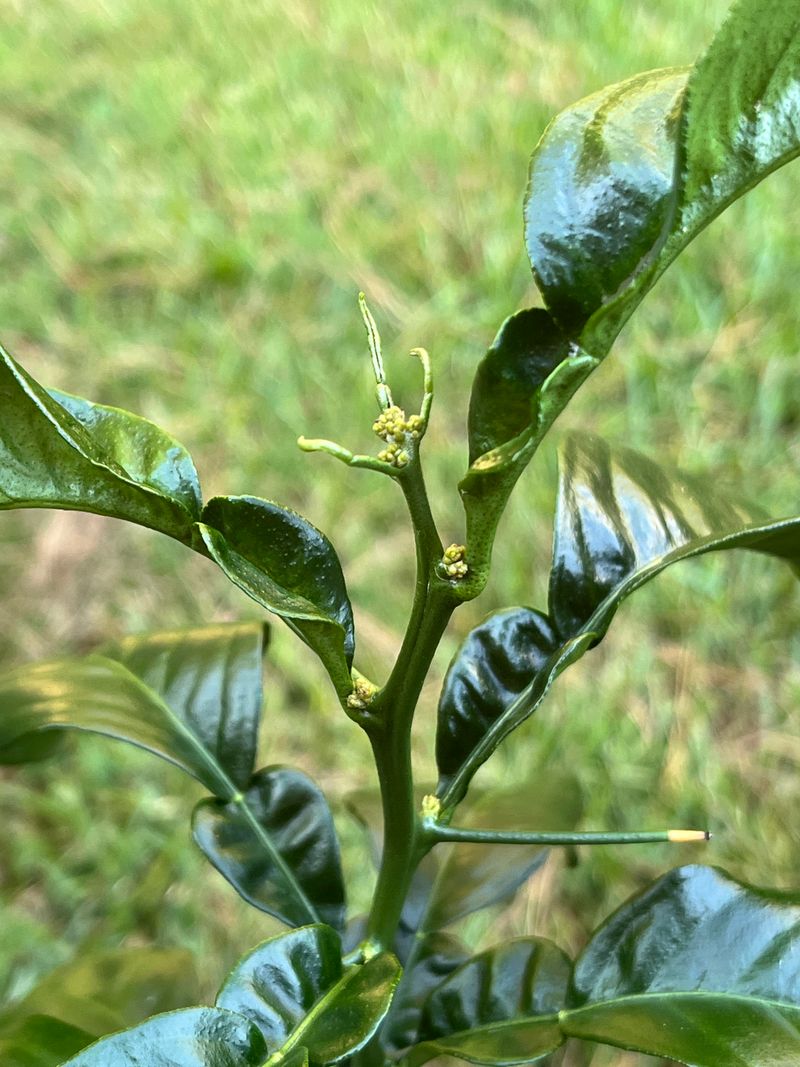
Diagnosing nutrient problems by appearance alone is a bit like diagnosing a cold from across the room.
Pale leaves, yellow patches, and thin growth can each have several causes, while a leaf analysis provides real numbers instead of hunches.
UC farm advisors rely on leaf tissue tests to guide citrus feeding. The lab measures nitrogen, phosphorus, potassium, zinc, iron, manganese, and other elements inside the leaves.
Those results show what the tree has actually absorbed. A soil test alone can’t reveal that.
Timing and sampling matter. Labs often request spring flush leaves that are four to seven months old, usually collected from late summer into fall.
Healthy, full-sized leaves from non-fruiting shoots around the outside of the canopy make the best samples. Roughly 50 to 100 leaves from several sides of the tree usually does the job.
A paper bag works better than plastic, and quick shipping keeps samples fresh. Many agricultural labs in California accept home samples.
A soil test adds helpful context, especially for pH and salt buildup. Alkaline or salty soil can block nutrients even when plenty sit in the ground.
That also explains why foliar sprays sometimes outperform soil treatments.
The timing works out nicely. A sample taken in early fall brings results just in time to plan late winter and spring feeding.
The tree gets exactly what it needs, and the wallet skips the guesswork.
7. Early October Is The Coastal Cutoff
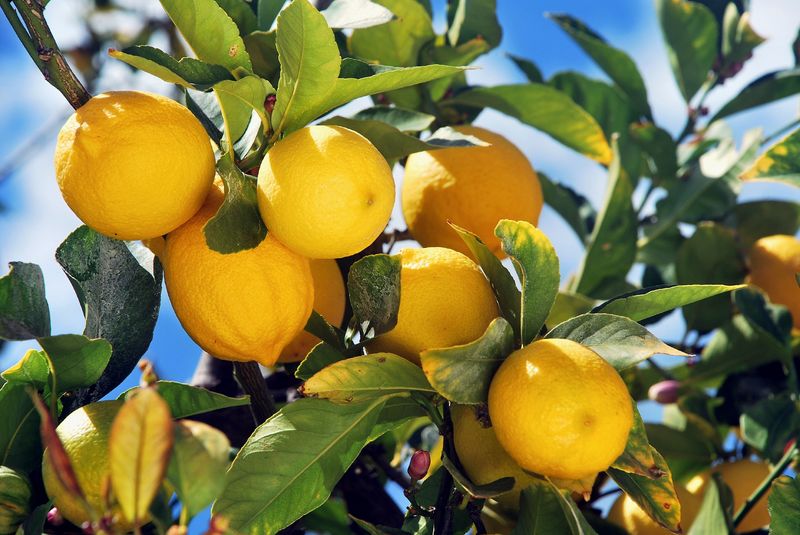
A big red circle around October 1 on the calendar makes a helpful reminder. Along the Southern California coast, UC ANR guidance says the last nitrogen application for citrus should happen no later than about that date.
Feeding resumes around March 1, once the cool season starts to fade. That leaves a resting window of several months.
Mild coastal weather explains why the window stretches so long. Ocean breezes keep winters gentle, so trees stay active later in the year.
Even there, nitrogen use remains mainly a spring and summer job, with only a light touch possible in early fall. Inland gardeners should stop sooner.
Valleys and foothills in places like the Inland Empire, the Central Valley, and high desert areas see colder nights and earlier frosts. Wrapping up nitrogen by late summer in these zones gives new growth time to harden before chilly weather.
Microclimates matter, too. A tree against a warm south-facing wall behaves differently from one in a low spot where cold air pools.
Local frost dates help set a personal cutoff.
A missed window this year isn’t cause for worry. Noting the date for next spring and using fall for watering, mulching, and sending off a leaf sample keeps things on track.
Zinc or iron foliar sprays follow a different rhythm. They’re best saved for the next flush of spring leaves, since fall sprays on hardened leaves mostly wash money away.
8. Late Feeding Can Backfire On Rind And Frost Risk
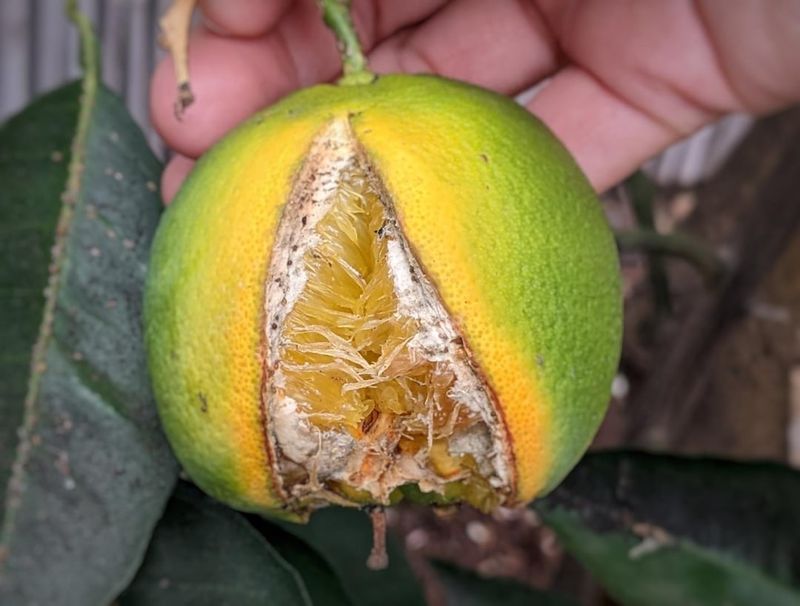
A navel orange with a thick, bumpy peel and a greenish blush in January can be a souvenir of an October feeding.
Late nitrogen keeps a citrus tree in growing mode just when it should be slowing down, and both fruit and tree pay a price.
UC sources note that late-season nitrogen can delay fruit coloring. Instead of turning bright orange or yellow on time, fruit may stay green longer.
Extra nitrogen can also leave rinds rough and thick. That makes the fruit less pleasant to peel.
The bigger risk comes from fresh growth. A fall feeding can trigger a flush of tender shoots with no time to toughen up before winter.
One frosty night can scorch those soft leaves and stems.
Cold-damaged growth represents wasted effort for the tree. It spent energy making leaves it can’t keep, energy that could have gone into roots and next year’s blooms.
Inland trees face the highest risk, though even coastal gardens see occasional cold snaps. Every region benefits from careful timing.
Late winter through spring offers the sweet spot, beginning around March 1 on the coast as roots warm up. Splitting nitrogen into several smaller doses through summer and saving zinc or iron sprays for emerging spring leaves keeps the plan on track.
Fall still has a job, too. Steady watering and frost protection for young trees carry citrus safely into winter.
The tree rewards that care with a zest for life come spring.