Why A California Christmas Cactus Needs Long Dark Nights Starting In October
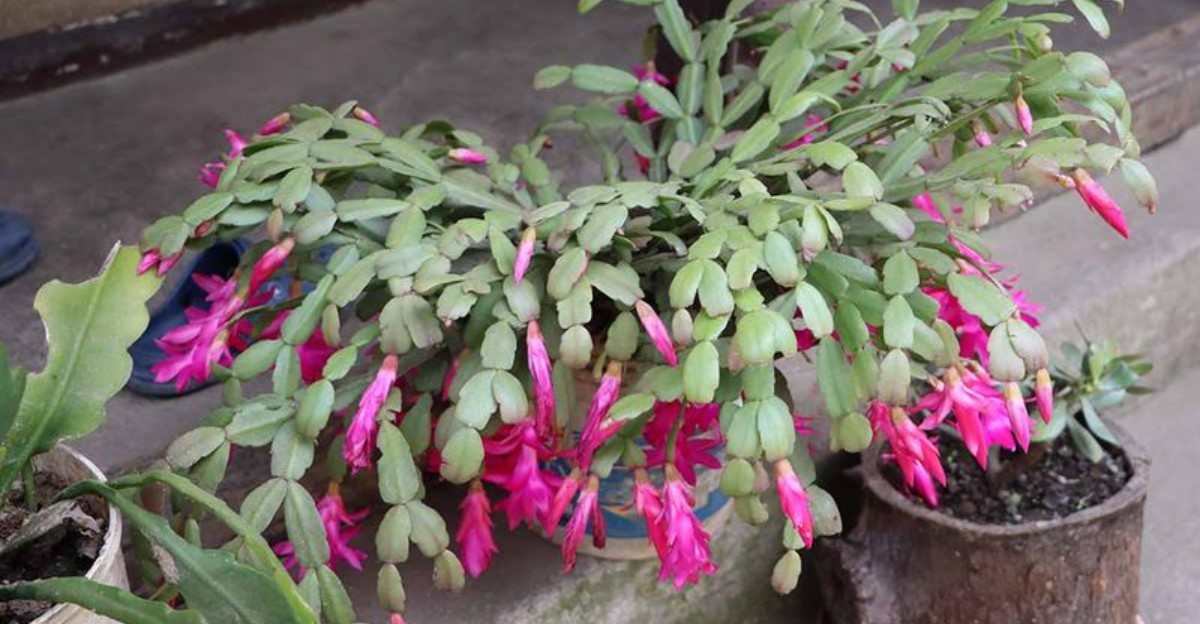
A holiday plant on a sunny kitchen counter can look healthy through fall and still refuse to flower. Green stems, steady growth, and not a single bud by December can leave its owner puzzled.
Water and fertilizer rarely deserve the blame. The real story unfolds after sunset, in hours that go mostly unnoticed.
This plant reads its surroundings in an old-fashioned way, following a calendar written long before living rooms existed.
Mild autumns, warm homes, and glowing lamps can blur that calendar across California.
October marks a turning point. A few adjustments now can make all the difference by the time holiday decorations go up.
Sometimes the secret to a spectacular bloom is knowing when to turn out the lights.
Christmas Cactus Is A Short Day Plant
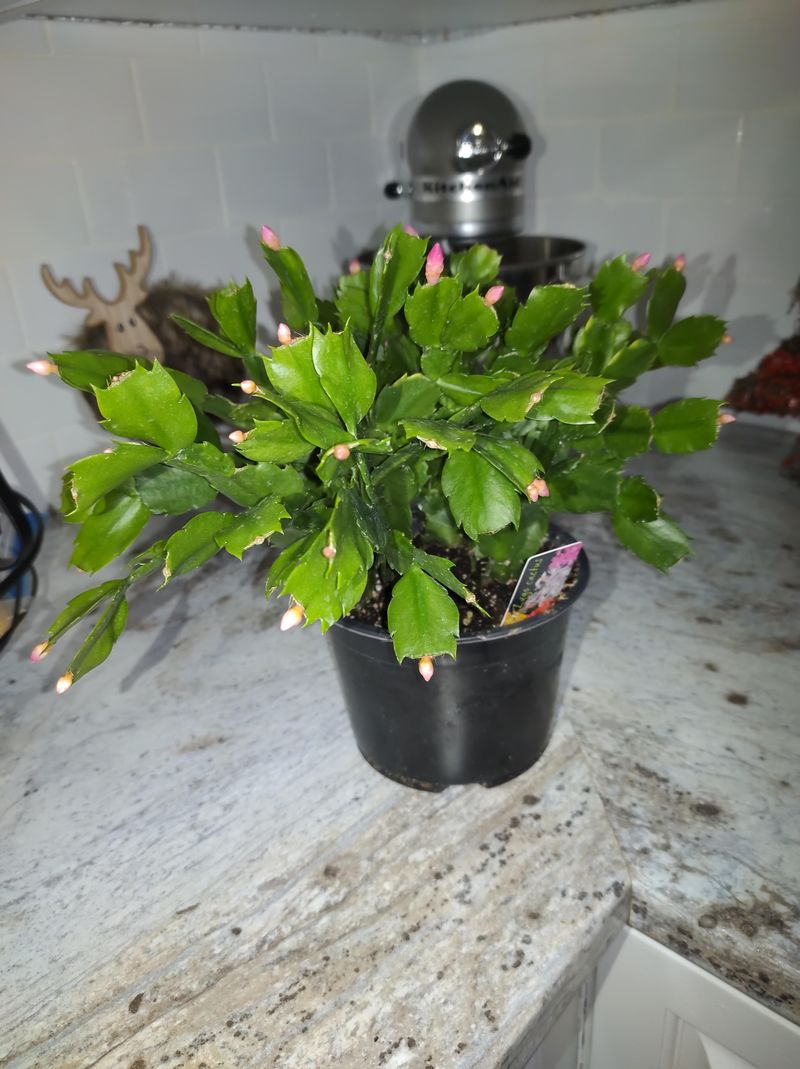
October sunsets arrive a little earlier each evening, and this plant notices even when people don’t. Plant scientists call Schlumbergera a short day plant.
A short day plant blooms when daylight shrinks and nights stretch longer. In its native home, the cloud forests of southeastern Brazil, that pattern signals flowering season.
Living room cacti still carry that ancient calendar in their stems. Generations of indoor life haven’t erased it, which speaks to how deeply rooted the rhythm runs.
The term short day is a bit misleading, though. The plant actually measures the night rather than the day.
Both change together in fall, so gardeners use the terms side by side. The entire bloom cycle hangs on these autumn light shifts.
Holiday cacti are also thermophotoperiodic, a big word meaning two signals work as a team. Short days with long nights form one signal, and cool temperatures form the other.
Either one can help start buds, but together they work best. That partnership shapes every step of the bloom routine.
California homes can make this tricky. Bright patios, sunny windows, and lights left on late can hide the change of seasons, so indoors may feel like endless summer.
Early October makes a natural starting line for bud season. From then until buds appear, the cactus does best on a strict bedtime schedule.
Following that routine lets its instincts take over.
Long Nights Signal The Plant To Set Buds
Every stem tip holds something like a tiny alarm clock. Each night, the plant checks how long the darkness lasts.
Once the dark stretches long enough, night after night, the alarm rings and flower buds begin to form.
Plants sense light with special pigments in their stems and leaves. During long dark periods, chemical changes inside those pigments build up.
After enough uninterrupted darkness, the plant shifts from making new green segments to making flower buds.
Uninterrupted is the magic word. A long night broken in the middle doesn’t count as a long night to the plant.
A few minutes of bright light can reset the clock, much like a phone call waking someone from deep sleep. The plant then reads two short nights instead of one long one.
Consistency matters, too. One or two dark nights won’t do the trick, since the signal builds over many nights in a row.
Your California Garden Changes Every Week. Your Plan Should Too.
Gardening in California changes quickly throughout the season. Every Friday you’ll receive a simple weekly plan showing exactly what to plant, prune, fertilize, harvest, and protect so you never miss the right timing.
Skipping darkness on weekends or holidays can slow everything down. Steady repetition brings the best results.
The payoff usually shows as small bumps at the tips of the flat stem segments. They start tiny and pale, then swell and take on color.
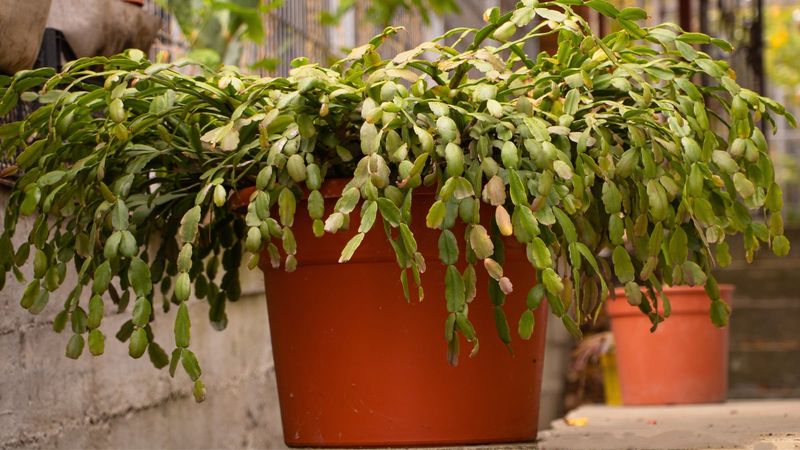
New green growth at the tips, by contrast, usually means the plant remains in leaf mode.
One spot where the plant can spend every night in steady darkness makes the routine easy. A spare bedroom, guest room, or quiet corner left unused after sunset works well.
Twelve Or More Hours Of Darkness Do The Work
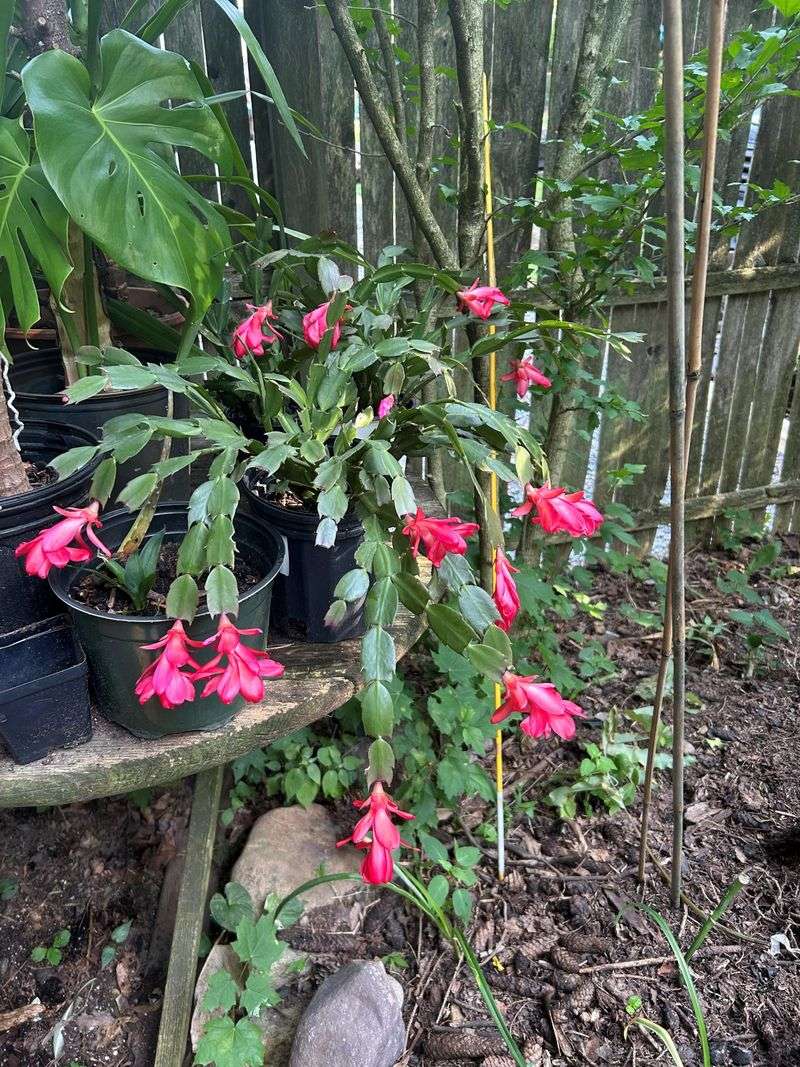
In mid-October, natural nights across much of California already run close to twelve hours. A lamp or two in the evening, though, can shrink the plant’s real darkness to just eight hours.
The UC ANR Real Dirt blog explains that Christmas cactus blooms best with 12 to 16 hours of total darkness each night. Other university guides give similar ranges, such as 12 to 14 hours or 14 to 16.
Plants vary, so a range works better than one magic number. Most fall comfortably within it.
Timing matters as much as hours. UC ANR recommends starting this dark routine about 6 to 8 weeks before flowers are wanted.
For a December bloom, early to mid-October hits the sweet spot. Right now falls squarely in that window.
An easy schedule helps. Moving the plant into darkness around 5 or 6 in the evening and bringing it back out around 8 the next morning gives about 14 hours, right in the middle of the range.
Daytime still counts. Bright, indirect light during the day keeps the cactus strong and fuels those buds.
A spot near an east window, or a bright room away from harsh afternoon sun, works well. Strong, direct afternoon rays can stress the stems.
Phone reminders for both moves make the routine painless. Forgetting once causes little harm, but frequent lapses weaken the signal.
This small daily chore comes with a very pretty reward.
Even A Lamp Can Break The Signal
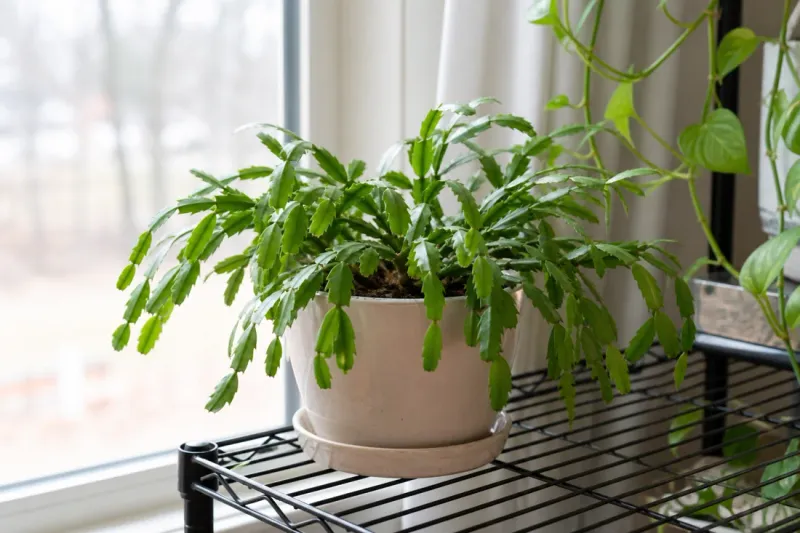
A reading lamp feels harmless. Its soft glow spills across the table during an evening with a good book, and the cactus sits right there soaking it in.
That cozy light can undo weeks of effort, though.
Artificial light at night interrupts the plant’s dark period. The cactus can’t tell a lamp from a short burst of sunlight.
To the plant, the night just got cut in half. The bud signal slips away with it.
Many common lights cause trouble. Kitchen ceiling lights, TV glow, nightlights, and bright porch lights can all reach a plant.
Even streetlights shining through a window may be enough in some homes. Light travels farther than most people expect.
Fortunately, true darkness is easy to create. A closet works great, as long as nobody flips the light on at night.
A large cardboard box set over the plant each evening also does the job. Some gardeners use a dark cloth, though light leaking in around the edges can undermine the effort.
An unused room with the door shut and blinds closed offers another option. Spare bedrooms often stay both dark and cool, a welcome bonus.
All-day closet stays are best avoided, since the plant needs bright, indirect light during daytime.
A simple nighttime check helps confirm the setup: light strong enough to read a page by signals too much brightness for the cactus.
Cool Nights Make The Trigger Stronger
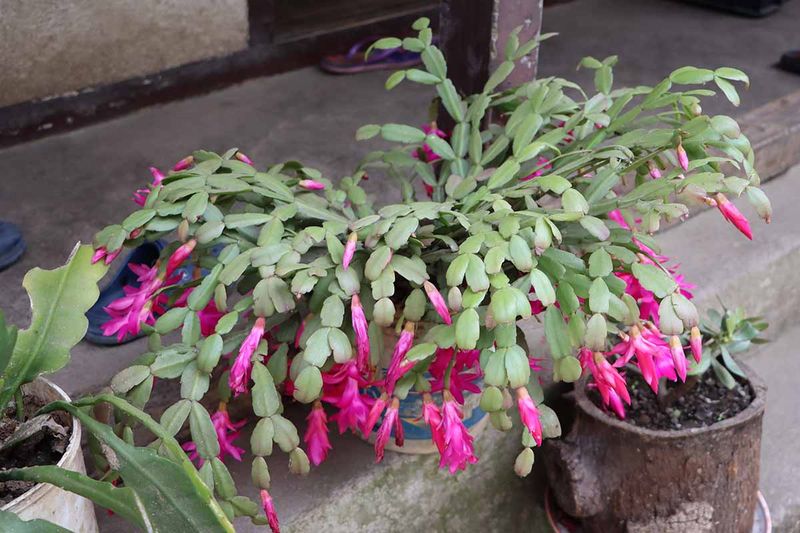
California fall evenings often carry a little nip in the air. This plant welcomes that chill, since cool nights act like a second key that unlocks flower buds.
UC ANR notes that holiday cacti bloom best with night temperatures of about 50 to 55 degrees Fahrenheit. Paired with long dark nights, those cool temperatures make the bud signal much stronger.
Some plants even set buds from coolness alone. Darkness plus chill, though, brings the best results.
Mild parts of California can lend a natural hand. Many coastal and inland areas see October nights dip into the 50s.
A sheltered porch, a covered patio, or a spot under an eave can provide both cool air and natural darkness. Outdoor spots like these mimic the plant’s native conditions nicely.
Placement deserves care. Porch lights, security lights, and garden lamps are best kept well away, along with heavy rain and harsh afternoon sun.
Nights threatening to drop near freezing call for bringing the plant indoors. Frost can damage the tender stems quickly.
Indoors, the coolest room in the house makes the best choice. A back bedroom, a sunroom that cools down at night, or a room with the heater vent closed can work well.
An inexpensive indoor thermometer simplifies the process. Set beside the plant for a few nights, it reveals the overnight low each morning.
Readings in the 50s mean the cactus sits right where it should.
Warm Rooms Block Bud Formation
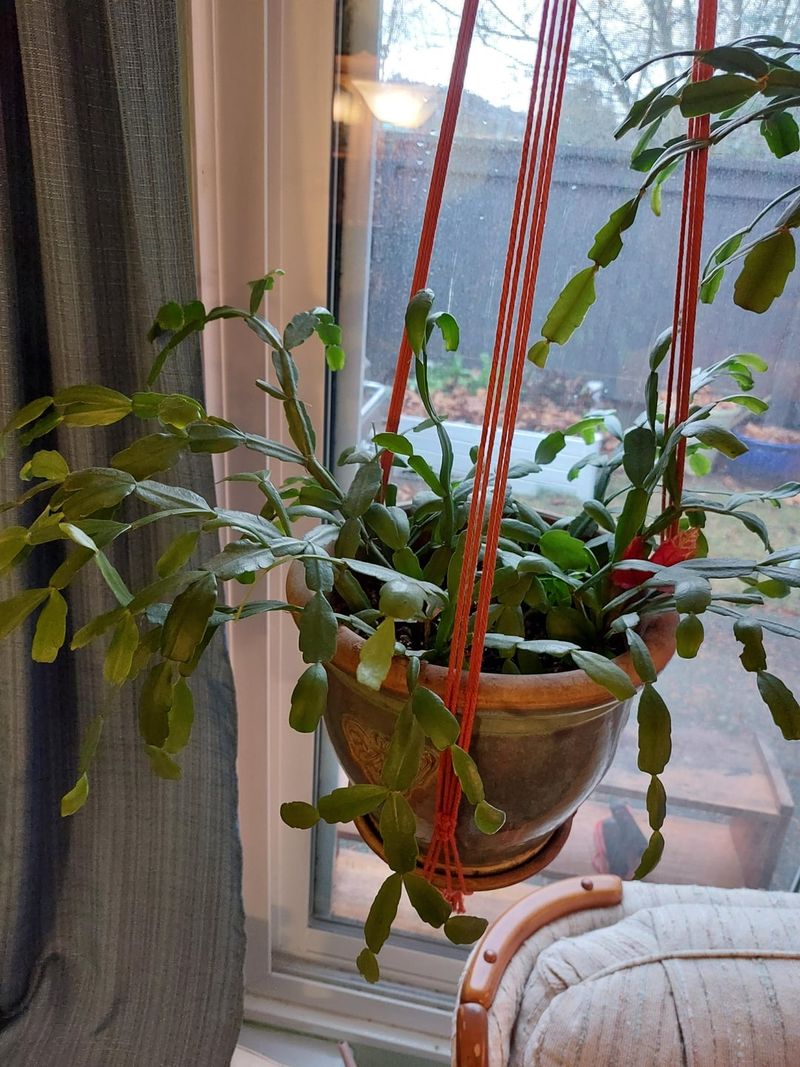
Plenty of gardeners handle darkness perfectly and still get zero buds. The culprit often hides on the wall, since the thermostat can quietly cancel the bloom signal.
University sources note that temperatures above about 70 degrees can prevent flower buds from forming. A plant kept in a toasty living room may stay green and leafy all season.
It grows happily but rarely gets the message that winter has arrived. Warmth essentially tells it summer never ended.
California homes often run warm in fall. Sunny afternoons heat rooms up, and many people keep the heat comfortable at night, while the cactus prefers the opposite.
Sweater weather suits it far better than beach weather. Cooler air keeps the signal clear.
Certain spots are best avoided. Rooms near a fireplace, the top of a refrigerator, and shelves above appliances all run warm.
Kitchens can heat up especially fast after cooking. Rooms with big west-facing windows may also hold heat well into the evening.
Very high heat brings another problem. UC ANR notes that continuous warmth above 80 degrees can make buds drop, even after they form.
Heat can block buds at the start and knock them off later.
Lowering the thermostat a few degrees at night, or moving the plant to the coolest room available, offers a simple fix. A spare bedroom with its heat vent closed can become a perfect bud nursery.
Once buds grow, a slightly warmer, steady spot works fine.