Why Does California Clay Soil Stay Waterlogged No Matter How Much Compost You Add?
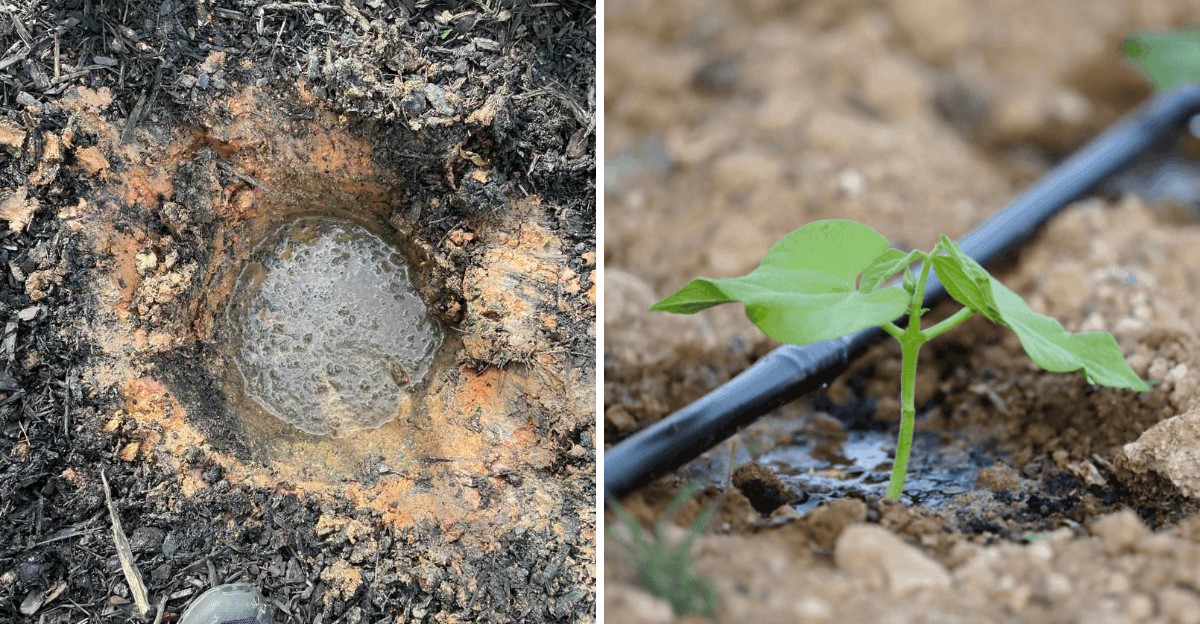
Some garden beds seem to hold a grudge. Rich compost goes in season after season, yet a fresh planting hole still fills with water like a bathtub after every storm.
Frustration builds quickly, along with yellowing leaves and roots that struggle to breathe.
The trouble usually runs deeper than any bag of amendment can reach. Several hidden factors work together, some beneath the surface and some in everyday habits.
California’s heavy soils, wet winters, and long dry summers add their own twists.
Practical fixes exist, though none involve miracles. Some cost nothing but patience, while others take a weekend and a little planning.
Understanding the real cause can finally turn stubborn mud into ground that breathes easy again.
1. Clay Pores Are Tiny And Hold Water
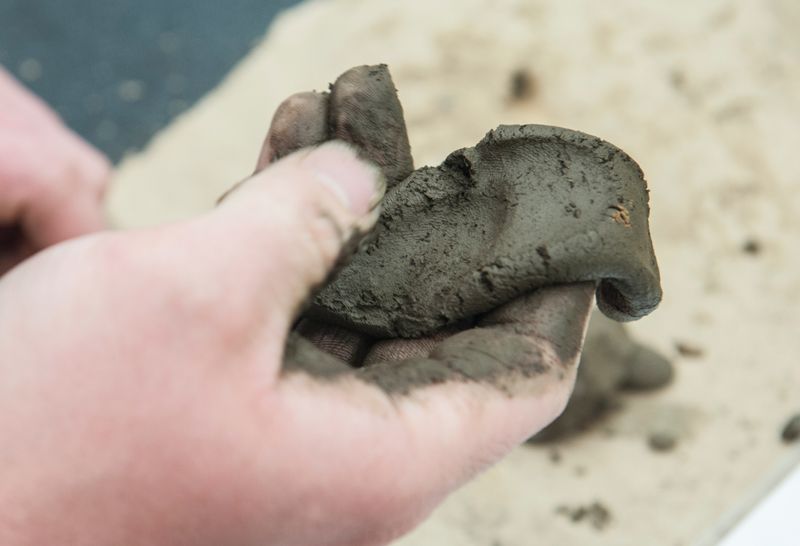
A fistful of wet clay squeezed tight turns into a shiny ribbon. That slick feel comes from particles so small a microscope is needed to see them, far smaller than sand grains and packed together tightly.
Tight packing creates millions of tiny pores. Water clings to the walls of those small spaces instead of rushing through.
Sandy soil has big gaps that let water drain fast. Clay, by contrast, holds on like a sponge that rarely wrings out.
UC garden guidance notes that clay soils drain slowly and stay wet long after rain.
Compost does help, though not overnight. Organic matter feeds worms, fungi, and microbes.
Over time, those organisms glue clay particles into small crumbs called aggregates. Crumbs leave bigger spaces between them, and those spaces carry water and air.
Building good crumb structure takes seasons rather than weeks. Piling on extra compost all at once speeds things up very little and can even hold more moisture near the surface.
Patience, steady additions, and living roots do the heavy lifting. A few inches of compost or mulch spread on the surface each year lets soil life work it in gradually.
Plants or cover crops kept growing open channels as their roots grow and decay. Fall makes a fine time to sow a cover crop, just as the rains return.
Clay improvement works best as a slow project judged over several years. Gradually, the soil turns crumbly instead of gummy.
2. Compost Alone Cannot Open Deep Layers
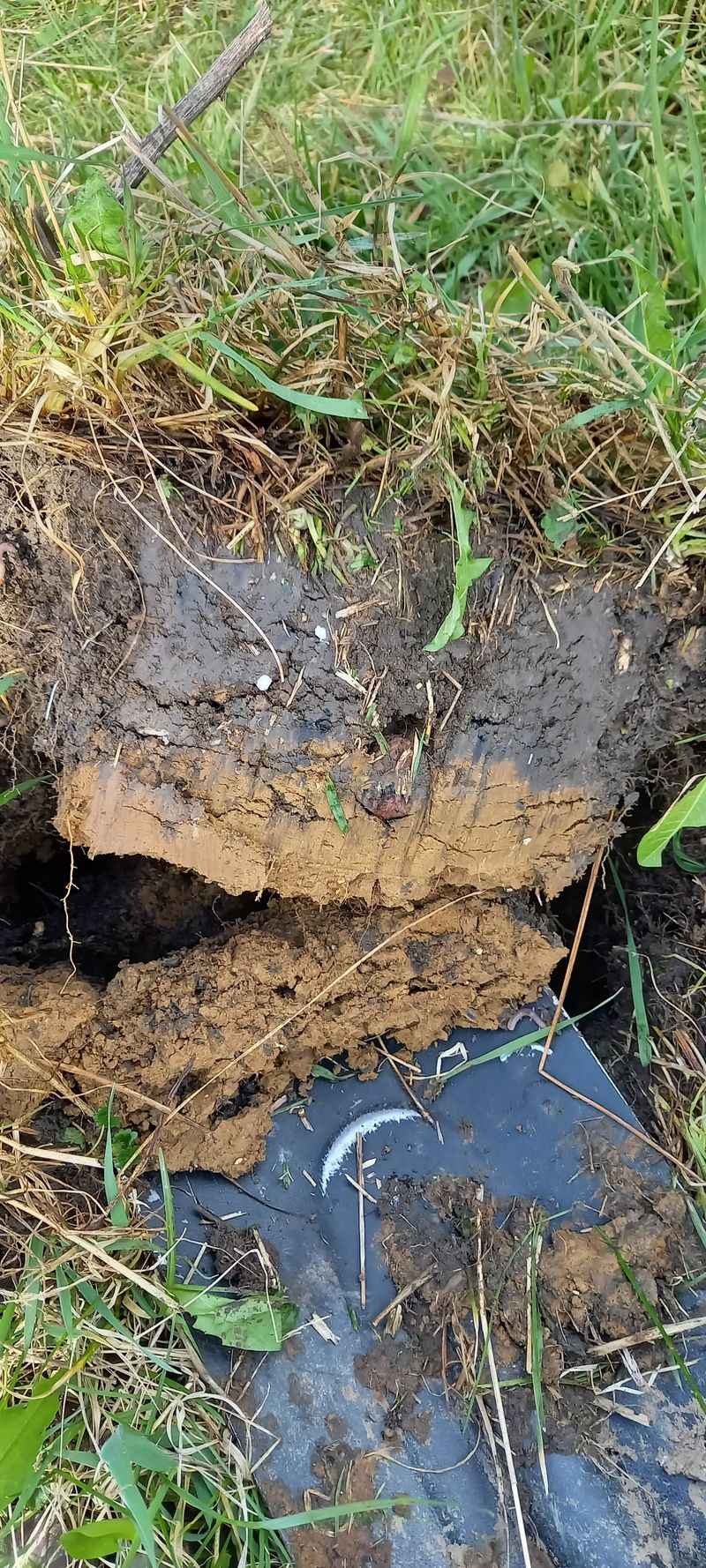
A deep, clean trench dug through an amended bed tells a revealing story. The top few inches may look dark and crumbly, while the soil below often turns dense, pale, and sticky, just like the day of move-in.
Most compost stays where it lands. Worms carry some downward, and roots pull organic matter a bit deeper.
Still, a foot or two down, the clay barely changes. Water soaks through the improved top layer quickly, then hits the untouched clay and stalls.
Roots end up sitting in a soggy zone right where they want to grow. That frustrating pattern explains plenty of mysterious plant decline.
Many gardeners respond by tilling deeper and deeper. Heavy tilling, though, breaks down the crumbs worked so hard to build and can create a packed layer at the bottom of the tilled zone.
Your California Garden Changes Every Week. Your Plan Should Too.
Gardening in California changes quickly throughout the season. Every Friday you’ll receive a simple weekly plan showing exactly what to plant, prune, fertilize, harvest, and protect so you never miss the right timing.
Working with depth beats fighting it. Deep-rooted cover crops like fava beans or daikon-type radishes, sown in fall and grown through winter, push into dense clay and leave channels behind.
A permanent mulch layer keeps worms busy year-round. Their tunnels slowly carry improvement downward.
For valuable plants where drainage matters most, building soil upward rather than downward offers the best path. That strategy appears later in this list.
Choosing plants that tolerate heavy soil helps, too, including many California natives adapted to clay. Matching plants to the ground saves a great deal of shovel work.
3. Amended Planting Holes Act Like Bathtubs
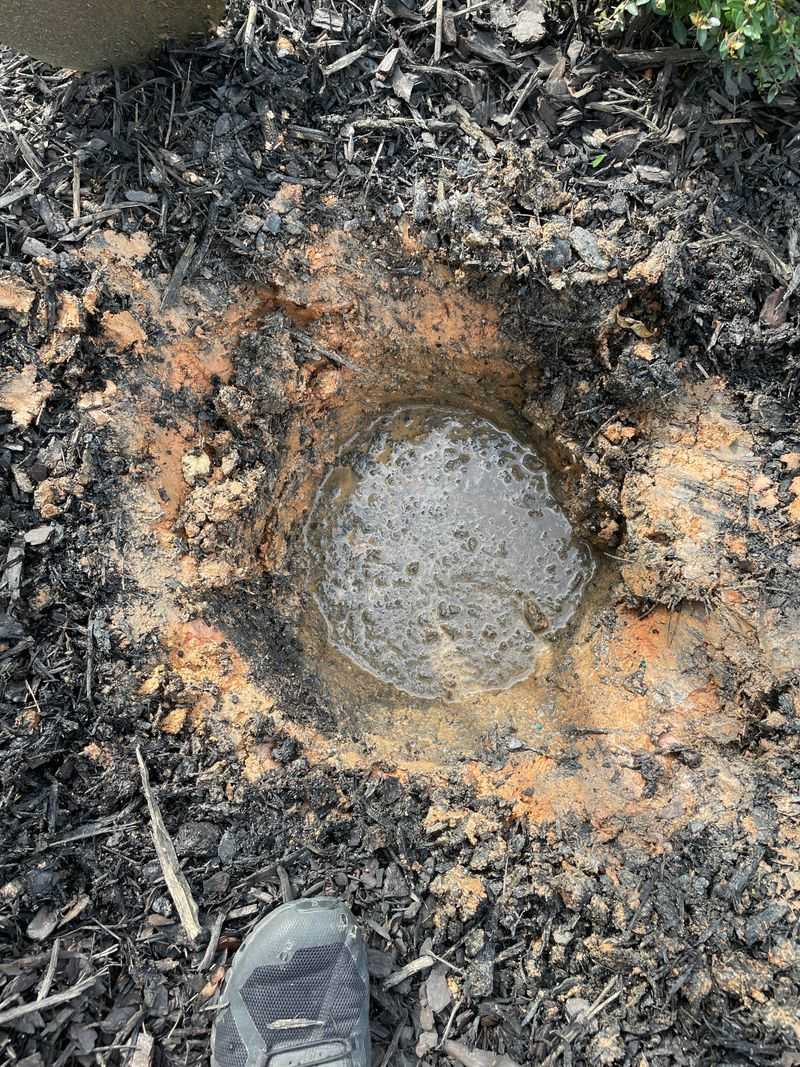
A common mistake starts with good intentions. A hole gets dug, rich compost and potting soil get mixed in, and a new shrub gets tucked inside.
Then the first heavy rain leaves it sitting in an underground puddle.
Fluffy amended soil soaks up water fast. The dense clay walls around it drain very slowly, so water flows into the loose pocket with nowhere to go.
UC ANR guidance warns about exactly this bathtub effect, which can waterlog roots within days. Roots also tend to circle inside the soft pocket instead of reaching into native soil.
Glazed hole walls make things worse. A shovel can smear wet clay smooth, sealing the sides like a ceramic bowl.
For trees and shrubs, UC experts usually recommend planting in native soil without amending the backfill. Holes dug no deeper than the root ball and about two to three times as wide work best.
A garden fork roughing up the sides helps roots push outward. Setting the plant slightly high keeps the crown above the surrounding grade.
Annual vegetables and flowers benefit from amending a whole bed rather than a single hole. A wide, evenly improved area lets water spread out instead of collecting in one spot.
A simple drainage test before planting reveals plenty. Filling a hole with water and timing how fast it empties shows whether the site drains in hours or lingers for days.
Fall planting season makes this test especially timely.
4. A Hardpan Layer Blocks Drainage
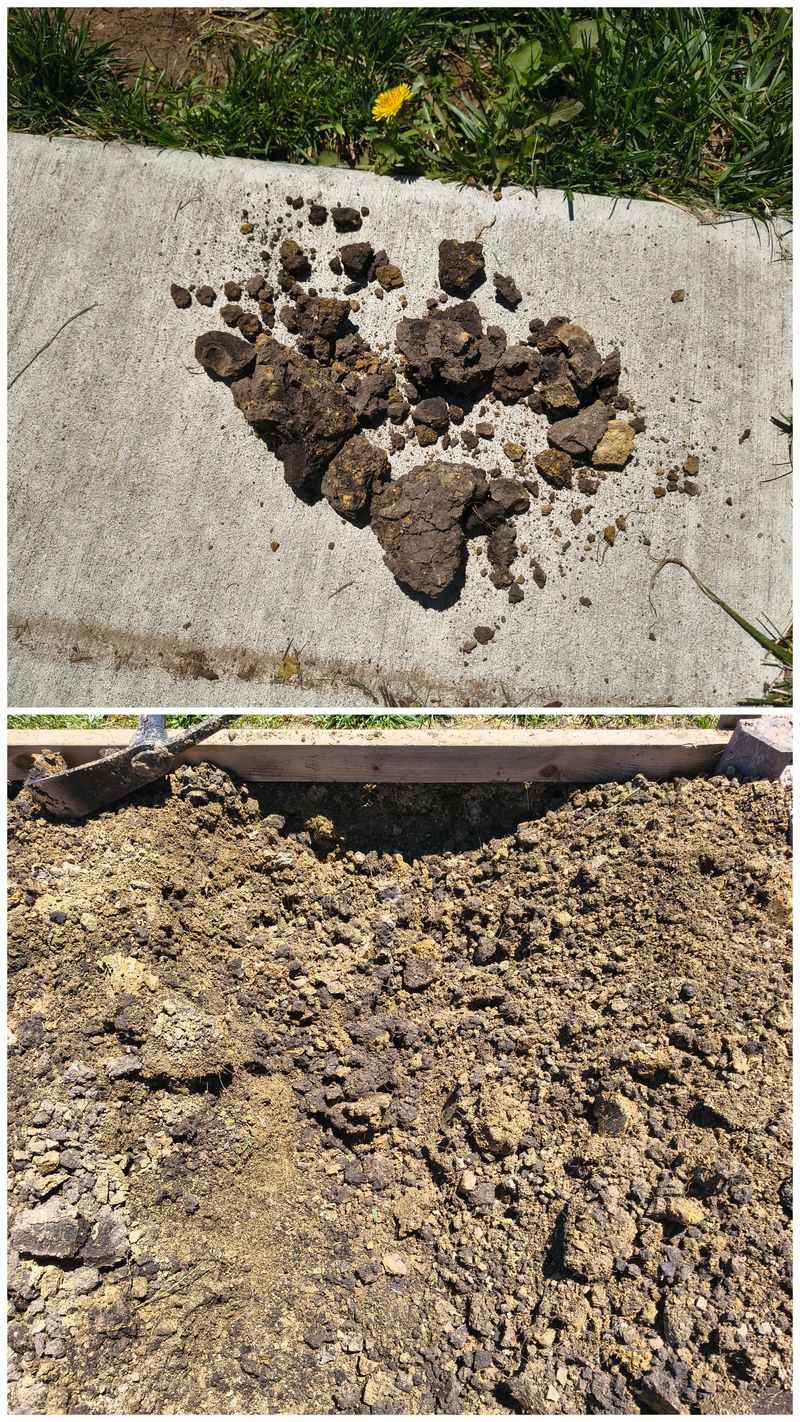
Clank. A shovel stops cold about a foot down, as if it struck a sidewalk. Many California yards hide a hard, dense layer just like this one.
That layer can trap water above it all winter long. Roots sitting in the saturated zone have little chance to breathe.
Some hardpans form naturally over thousands of years, as minerals cement soil particles together. Parts of the Central Valley and Sierra foothills are known for them.
Others are man-made. Builders often scrape and pack ground with heavy machines before laying sod, then spread topsoil over the packed base.
New homeowners rarely see the problem until puddles appear. By then, landscaping may already sit on top of it.
Water moves down fine until it reaches that layer. It then spreads sideways and pools, saturating the root zone above.
Compost piled on top rarely soaks through a layer that acts like concrete.
Finding out how deep and thick the layer runs comes first. A long metal soil probe or a few test holes reveal plenty.
A thin layer can often be broken in planting spots with a digging bar or auger, opening a drainage path. Some gardeners hire equipment to rip compacted subsoil, which works best on dry ground.
Thick natural hardpan usually calls for raised beds or mounds instead. Large trees with big root systems may need special planning.
A certified arborist or UC ANR resources can help before planting anything substantial.
5. Compaction Squeezes Out Air Space
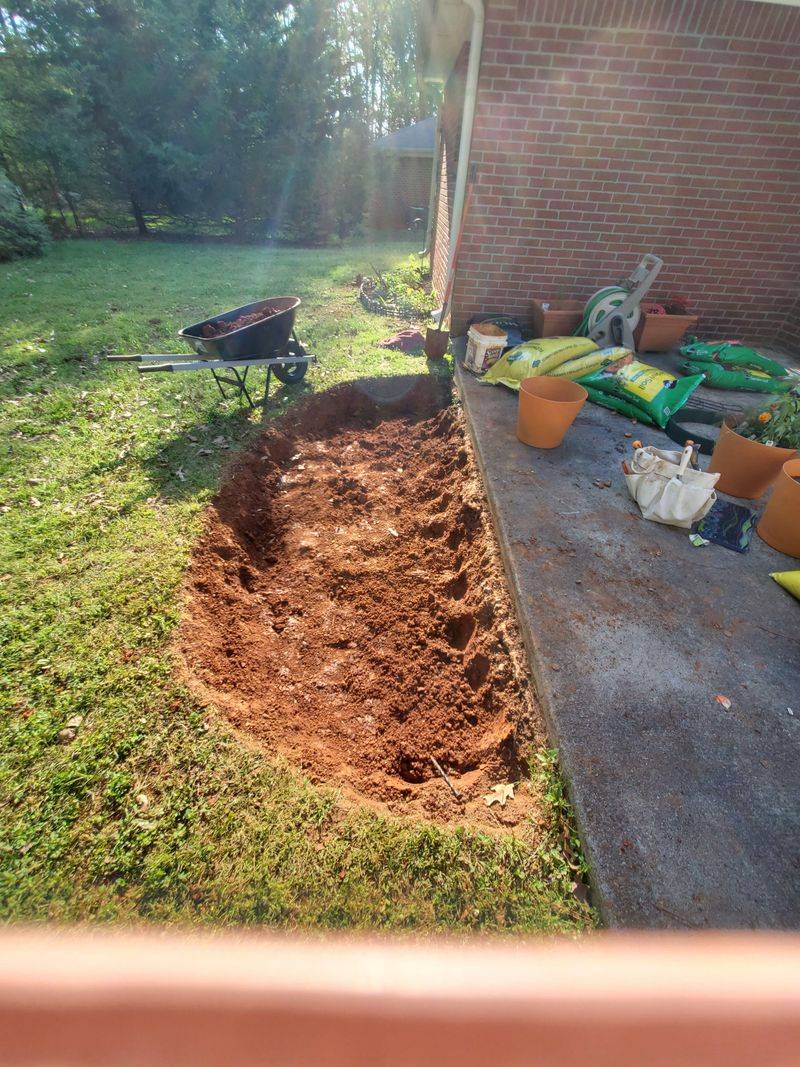
After a rainy week, the urge to get outside and garden runs strong. Holding off pays, though, since stepping on wet clay ranks among the fastest ways to ruin its structure.
Healthy soil is roughly half solid material and half open space. Those spaces hold air and let water drain freely.
Wet clay turns soft and slippery, so pressure from boots, wheelbarrows, or mowers smashes particles together. Air spaces collapse, and the soil dries into a dense brick.
Rototilling wet clay does even more damage. It smears and kneads the soil like bread dough on a floured counter.
Packed soil drains poorly and holds less oxygen. Roots struggle to breathe and grow, while water runs off or sits on the surface instead of soaking in deeply.
Moist but crumbly clay makes the right digging condition. A handful squeezed into a sticky ball that refuses to break apart signals a need for a few more days of drying.
Permanent paths keep feet out of beds entirely. Stepping stones or boards spread weight when reaching into a bed becomes unavoidable.
Beds about four feet wide let gardeners reach the middle from either side. That simple width rule protects soil for years.
Mulch cushions heavy rain, which can also pound bare clay into a crust. As fall storms return, a fresh layer now guards every bit of compost added over the years.
6. Shallow Frequent Watering Keeps Soil Soggy
Green slime on the soil surface offers a clue. So do fungus gnats buzzing around plants, since both often mean the top of the clay rarely gets a chance to dry.
Many automatic timers run sprinklers for a few minutes every day. That habit keeps the upper inch or two constantly wet.
Clay holds that moisture tightly, so it barely dries between waterings. Roots stay near the soggy surface, facing low oxygen and rot problems.
Meanwhile, deeper soil may stay dry. Plants then struggle to build strong, deep roots that handle summer heat.
Clay also soaks up water slowly. A long blast from a sprinkler can cause runoff while the soil below stays thirsty.
Deep, less frequent watering works far better. UC ANR recommends letting the top layer dry a bit before the next watering.
A trowel or long screwdriver checks moisture a few inches down before the water goes on.
Cycle and soak helps on clay, with sprinklers running briefly, pausing an hour, then running again so water sinks in rather than puddling.
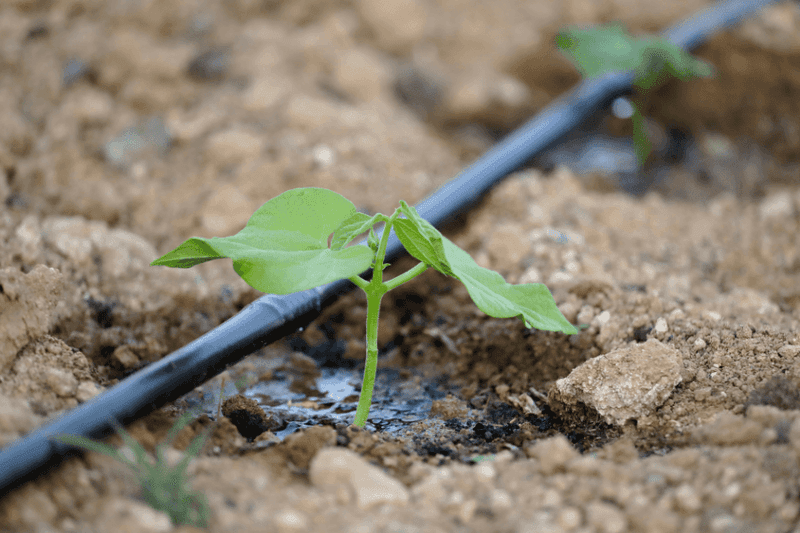
Drip irrigation works well, too, delivering slow, steady moisture right to roots. It suits clay’s slow pace nicely.
Seasonal timer adjustments matter as well. Cool, rainy months need far less irrigation than hot summers.
October makes an ideal moment to scale back, and many gardeners can shut systems off entirely during winter storms.
7. A High Water Table Fills Soil From Below
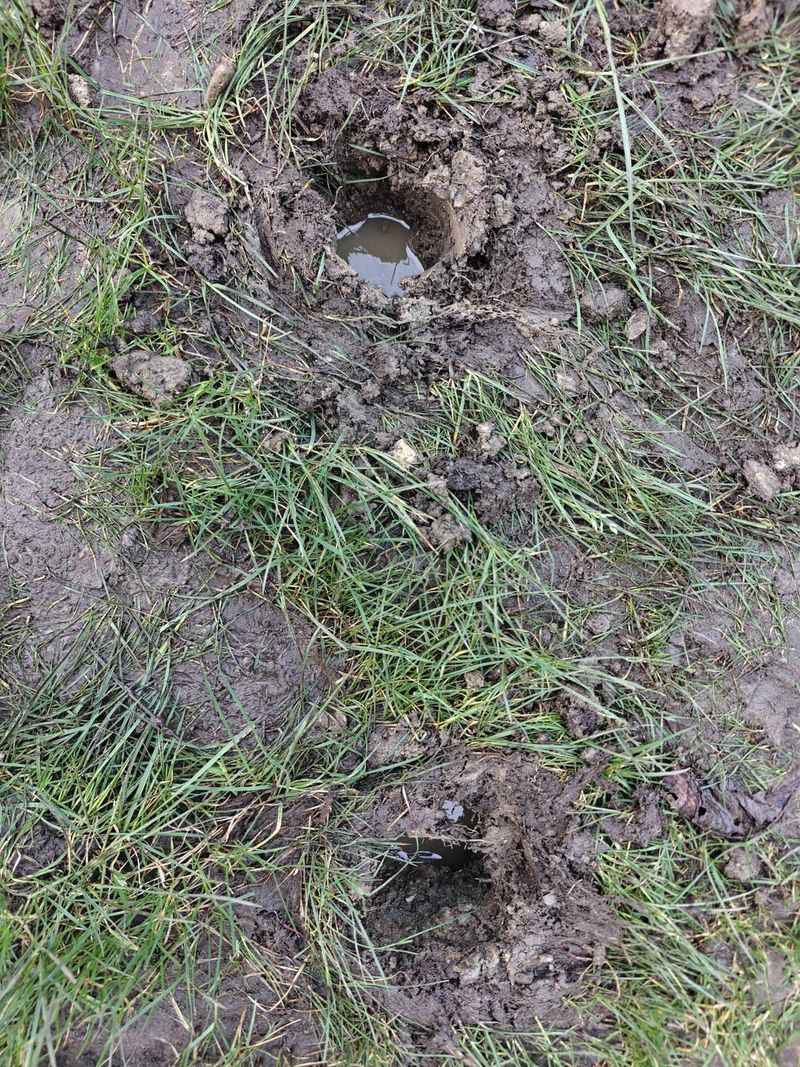
A test hole dug on a dry, sunny day sometimes holds a surprise. Water slowly creeps in from the bottom with no rain or sprinkler in sight, and the hole fills anyway.
That water may be coming up rather than down. In low spots, near creeks, along the Delta, or in coastal valleys, groundwater can sit close to the surface.
During wet winters, the water table often rises even higher. Hillside yards can also get seepage, as rain soaks in uphill and flows downhill underground, surfacing in the garden.
Soil amendments can’t stop water pushing up from below. The issue lies far beyond the reach of compost.
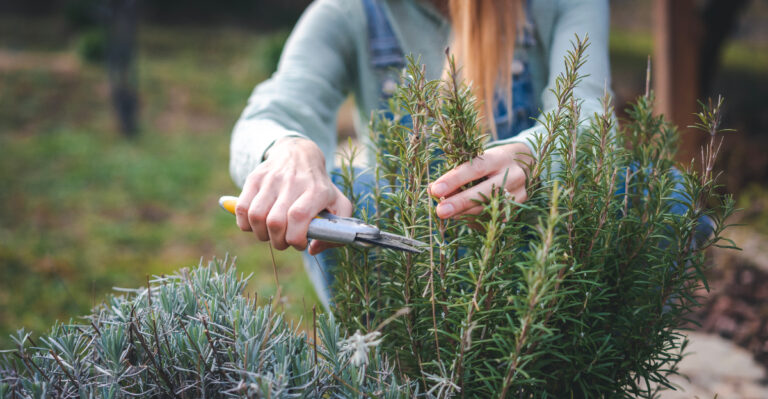
Plants that dislike wet feet suffer most here. Citrus, lavender, rosemary, and many drought-tolerant plants struggle with soaked roots.
Observing the yard through the coming rainy season reveals the pattern. Notes on where water stands and how long it lasts become valuable planning tools.
A few holes dug in winter show how high groundwater rises. Water sitting within a foot or two of the surface calls for lifting plants with raised beds or mounds.
Serious seepage may need a French drain or another drainage system. Those projects often require professional help and a legal place for water to go.
Embracing the wet spot offers another path. Moisture-loving species such as willows, sedges, or certain rushes can turn soggy ground into a thriving rain garden.
8. Raised Beds And Wide Top Dressing Fix It
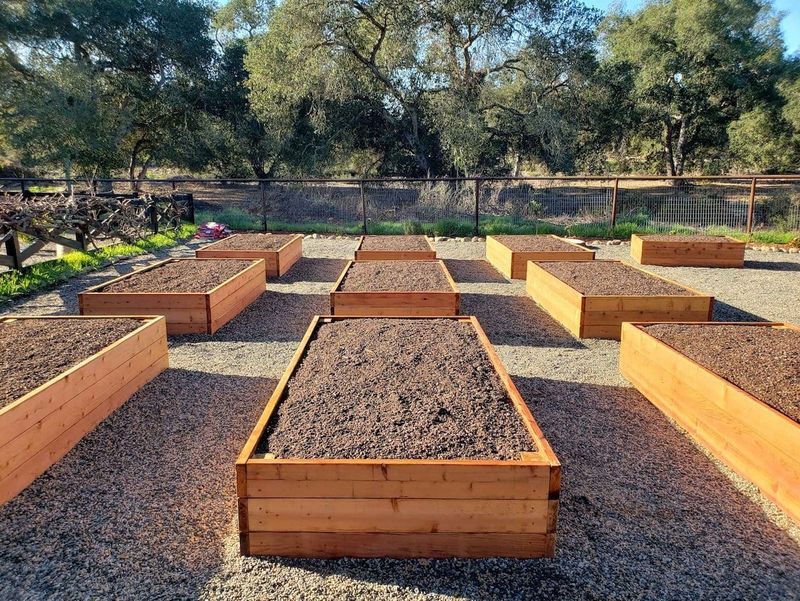
Sometimes the best way to beat clay is to rise above it. Raised beds and mounds lift roots out of the soggy zone and into soil that drains well.
UC ANR often suggests them for heavy or poorly drained ground.
A raised bed eight to twelve inches tall gives most vegetables plenty of room. A quality soil blend works better than pure compost, which settles and stays too wet.
Loosening the clay beneath the bed first lets roots eventually grow downward.
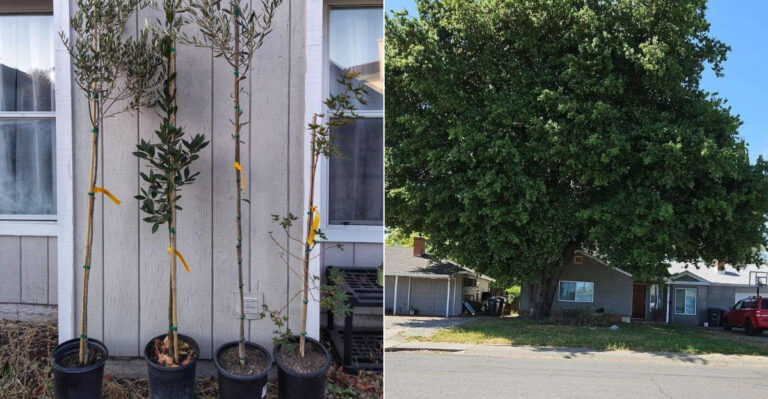
For trees and shrubs, a wide, gently sloped mound with the plant on top keeps the root crown above grade. Even a low berm can make a difference during winter rains.
Across the rest of the yard, top dressing beats digging. Two to three inches of compost or wood chip mulch spread over a wide area does the job.
Worms and microbes then pull organic matter down slowly, building crumbly structure without disturbing it.
Mulch kept a few inches away from trunks and stems prevents rot. That small gap protects bark.
Popular quick fixes deserve caution. UC experts warn that mixing sand into clay can create a hard, cement-like material.
Gypsum helps mainly in sodic soils high in sodium rather than typical clay, so a soil test makes sense first. Guesswork rarely pays off with amendments.
Region matters, too, since wet North Coast winters demand more drainage help than drier Southern California yards. Plants suited to heavy soil turn clay into a partner rather than a problem.