Why California Gardeners Should Rethink Lawn Edges Before Replacing Turf
Replacing a thirsty lawn with water-wise plants feels like a fresh start. New sages and manzanitas settle into clean mulch, and the yard finally looks the way it was meant to.
A few weeks later, though, something unexpected can start sneaking back in. The trouble rarely shows up in the middle of a bed.
It tends to gather along the margins, where one surface meets another and small oversights grow into big headaches.
Wandering roots, stray water, drifting mulch, and shifting soil all take advantage of those overlooked lines.
Getting the borders right before planting saves water, money, and plenty of sore knees.
Sometimes the most important part of a new landscape is the part most people barely notice.
1. Leftover Grass Creeps Into New Beds
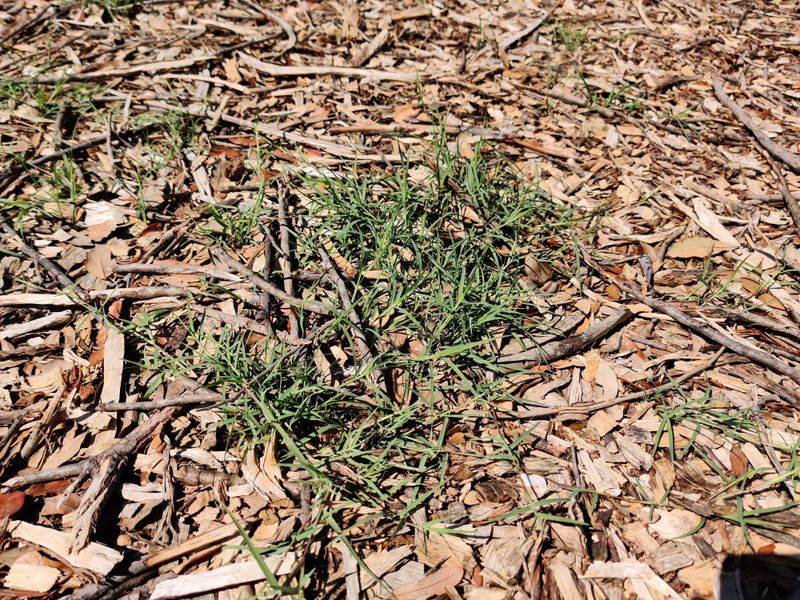
Mulch pulled back in a three-month-old bed sometimes reveals white, noodle-like stems snaking under the surface. Those are leftover grass parts waking up.
Bermudagrass and kikuyugrass spread by stolons above ground and rhizomes below. Even small pieces can sprout new plants.
Scraping off the top layer of sod rarely gets everything. Roots and buried stems often stay behind, especially along the old lawn edge where grass tucked under paths and fences.
UC IPM notes that Bermudagrass rhizomes can grow several inches deep. That depth explains why surface removal so often falls short.
Timing helps a great deal. Letting the lawn go dormant, then watering once to coax hidden pieces back to life, reveals exactly where trouble hides through fresh green shoots.
Digging out those areas and sifting the soil for stray stems follows. Patience during this step pays off.
Solarizing with clear plastic during hot summer months offers another tool UC ANR describes. It works best in sunny inland spots and needs several weeks of strong heat.
Cardboard sheet mulching suits weaker grasses better than tough runners.
The edge zone deserves extra attention. Digging a foot or so beyond where the lawn visibly ended catches runners that wander farther than expected.
Bagging the pieces keeps them from rooting again in compost.
Follow-up checks through a full growing season make sense. Pulling a few sprigs early beats wrestling a mat later.
Fall’s cooler weather makes that digging far more pleasant.
2. Shallow Edging Fails Against Runners
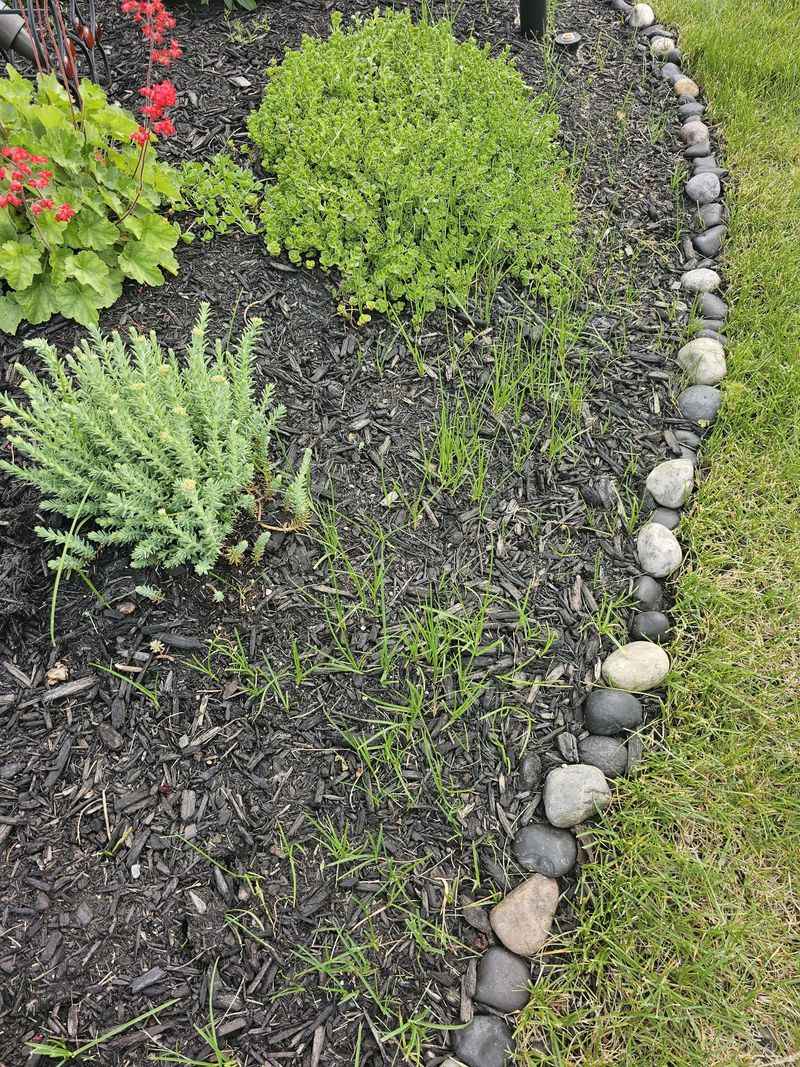
Plenty of homeowners buy flimsy plastic edging, push it two inches into the ground, and call the job done. By next spring, grass strolls right underneath it, since runner grasses rarely respect short fences.
Bermudagrass and kikuyugrass send rhizomes below the soil line. A border sitting only near the surface acts more like a speed bump than a wall.
Stolons can also climb over low edges and root on the other side. Either way, the grass wins unless the barrier goes deeper and stands a little higher.
UC guidance on managing Bermudagrass suggests a barrier extending roughly 6 inches or more into the soil, with some of the top edge showing above grade. Deeper works better for aggressive runners like kikuyugrass.
Depth recommendations vary by grass type, so checking before buying materials makes sense.
Your California Garden Changes Every Week. Your Plan Should Too.
Gardening in California changes quickly throughout the season. Every Friday you’ll receive a simple weekly plan showing exactly what to plant, prune, fertilize, harvest, and protect so you never miss the right timing.
Installation matters as much as depth. A clean trench, straight edging, and firm backfill leave no gaps for roots to exploit.
Overlapped or tightly joined sections block runners that love slipping through seams like a cat through a cracked door. Careful joints make a real difference.
About half an inch to an inch of edging above the soil works well. That small lip makes creeping stems easy to spot and snip before they cross over.
A quick trim along the line every few weeks in summer keeps the border working. Skimping on depth saves a few dollars now but costs hours of weeding later.
3. Old Sprinkler Heads Spray The Pavement
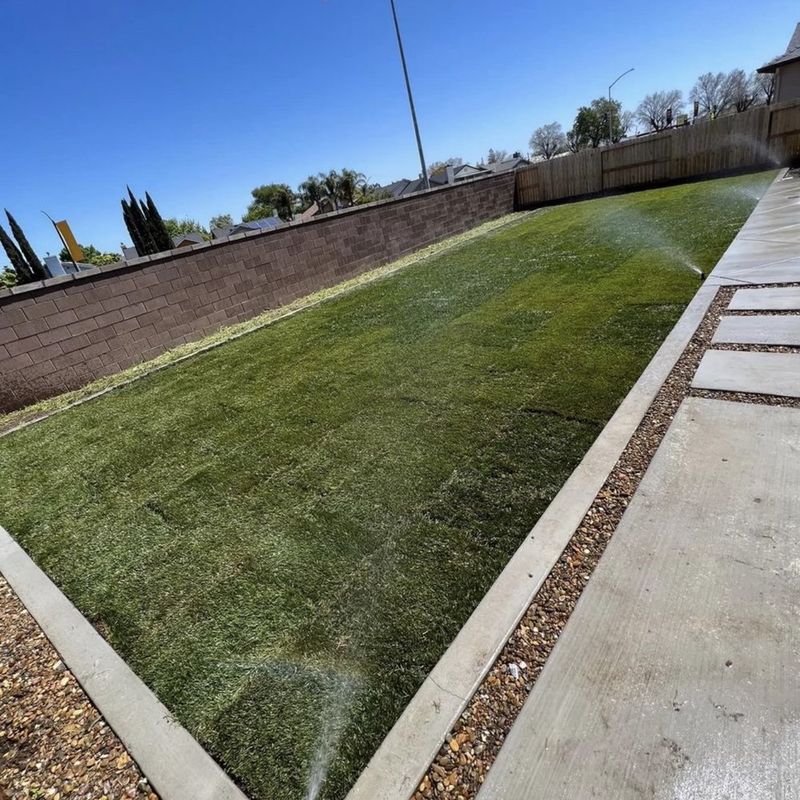
Dark, wet stripes on the sidewalk at 6 a.m. offer a clear giveaway. Old pop-up sprinklers along the former lawn edge are still running, and much of that water lands on concrete instead of plants.
Lawn sprinklers were designed to cover open turf with wide sprays. Once the grass is gone, those same heads soak paths, driveways, and fences while new shrubs sit in dry gaps.
The runoff carries mulch and soil into gutters, too. That pattern runs opposite to everything a water-wise yard aims for.
UC ANR recommends matching irrigation to new plantings, and drip systems usually suit low-water landscapes best. Drip delivers water slowly at the root zone, so less escapes as overspray or runoff.
Spray heads no longer needed work best capped below the soil rather than simply turned sideways.
Many California water agency turf replacement programs require irrigation changes as part of the rebate. Some ask for spray-to-drip conversions or the removal of overhead spray from planted areas.
Reading local program rules before removing grass matters, since doing things in the wrong order can cost the rebate. Paperwork first, shovels second.
Mapping every head along the old edge before digging helps. Flags mark each one for capping, converting, or relocating.
A quick test afterward reveals leaks or missed spots.
As fall rains approach, adjusting schedules adds even more savings. A dry sidewalk may seem like a small win, yet it adds up on every water bill.
4. Mulch Spills Without A Firm Border
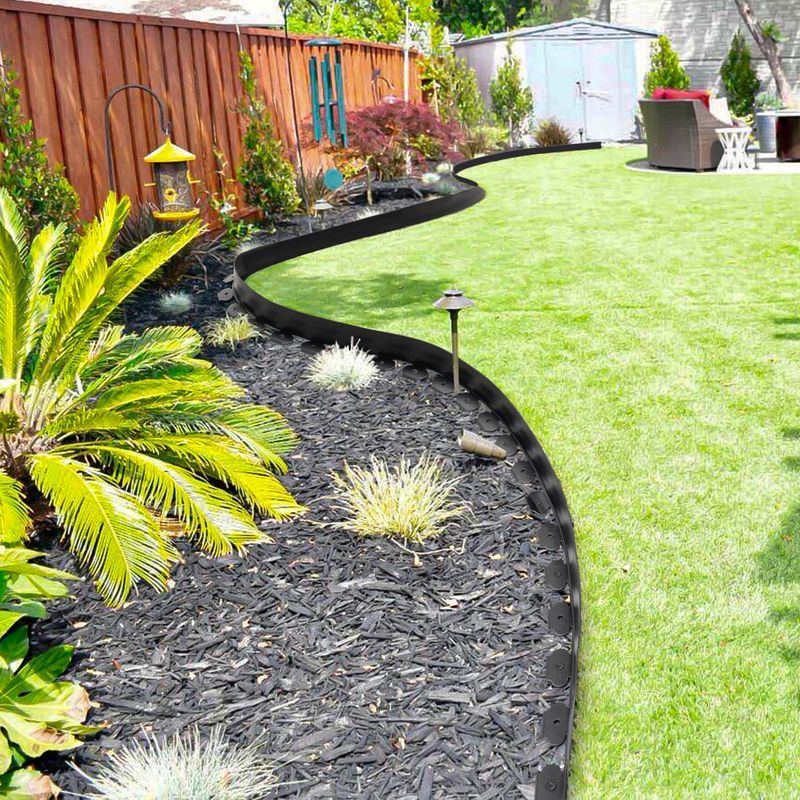
Sweeping wood chips off the walkway every weekend gets old fast. Without a sturdy border, mulch drifts wherever rain, wind, birds, and sneakers send it.
Beds slowly thin out while paths turn into a messy mulch carpet. The problem compounds with every storm.
UC ANR suggests keeping organic mulch around 2 to 4 inches deep in planting beds. That layer holds moisture, cools roots, and blocks weed seeds from sprouting.
Once it washes away, bare soil dries quickly and weeds move in. Protecting that layer protects the whole bed.
Shallow beds beside paving cause the most trouble. Mulch sitting level with or above the walkway gets nudged over the edge by every storm.
Setting the soil and mulch surface slightly below the hardscape gives everything a lip to sit behind. That small grade change helps enormously.
A firm border handles the rest. Metal edging, a concrete curb, or a row of set stones creates a clear wall that holds material in place.
Ideally, it sits just above the mulch line so chips can’t float over during heavy rain.
Mulch texture matters, too. Shredded bark knits together and stays put better than light, round chips, which roll like marbles.
Gravel mulch near walkways needs an especially solid edge, since loose stones underfoot can feel slippery and annoying.
An afternoon spent setting edges now saves many mornings with a broom and dustpan, especially once winter storms arrive.
5. Slopes At The Edge Wash Out
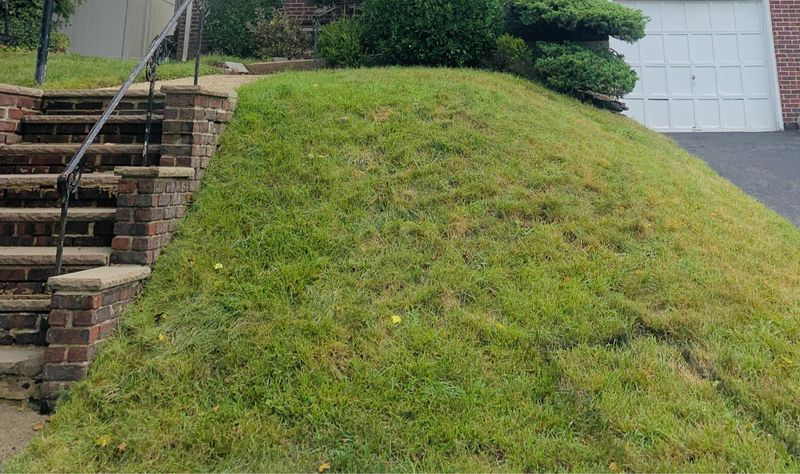
After the first big winter storm, a muddy fan can spread across the driveway. Up the bank, little channels carve through the brand-new bed, since sloped edges leave soil most exposed once turf disappears.
Grass roots once held that soil together like a woven mat. With them gone, loose dirt has nothing gripping it.
California rains often arrive in short, heavy bursts. Water rushes downhill, taking topsoil, mulch, and seeds along for the ride.
Slowing the water comes first. A sturdy border along the bottom of the slope catches sliding mulch and soil.
On steeper spots, short terraces or stone steps break one long slope into smaller sections. Runoff loses speed as a result.
Plant roots provide the best long-term glue. UC ANR recommends groundcovers and deep-rooted shrubs for erosion-prone areas.
Many California natives fit that role, especially when spaced closer together on slopes so they knit into a living net sooner.
Bare soil benefits from immediate cover. Coarse, shredded wood mulch tends to grip slopes better than smooth chips.
On tougher grades, biodegradable erosion blankets or straw wattles hold things steady while plants establish. Those temporary helpers bridge the gap.
Irrigation deserves adjustment as well. Drip lines running across the slope, rather than up and down it, water more evenly and cut runoff.
Post-storm checks catch clogs or shifted tubing early. With care, the slope stays put instead of heading downhill.
6. Compacted Edge Soil Needs Loosening
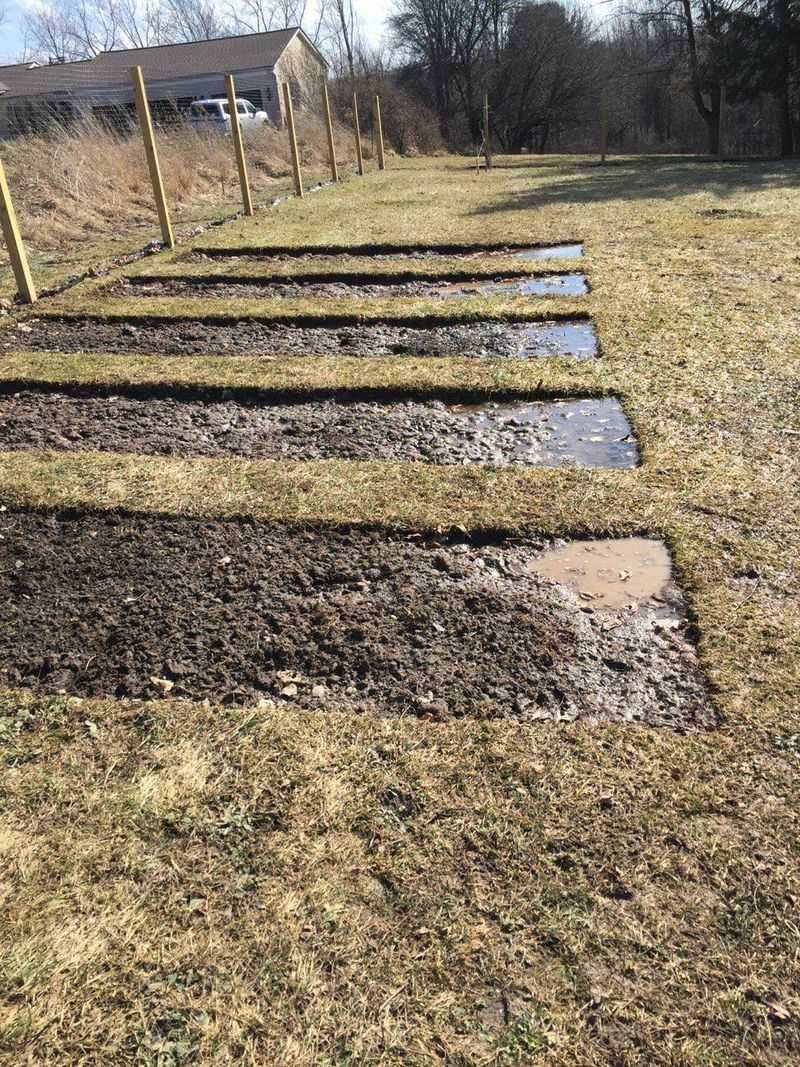
A shovel pushed into the strip beside a sidewalk may bounce back as if it hit a brick. Years of mowers, foot traffic, and wheelbarrows press that soil into a hard crust.
New plants struggle to send roots through it.
Compacted soil holds fewer air pockets, so water tends to run off instead of soaking in. Roots need both air and moisture, so they stay shallow and stressed.
Lawn edges often take the worst of it. People step along borders more than anywhere else.
UC ANR advises loosening compacted soil before planting rather than after. A digging fork or spade working through the top 8 to 12 inches, while the soil is slightly moist, breaks things up nicely.
Bone-dry clay resists every effort, while soggy soil smears into an even tighter layer. Moderate moisture makes the job far easier.
Heavy tilling is best avoided where possible. Over-tilling breaks down soil structure and can drag buried grass runners all over the bed.
A careful fork job that lifts and cracks the soil usually does enough. Gentle methods protect what little structure remains.
Many California natives prefer native soil without large amounts of added compost. A modest amount of organic matter helps in some cases, but piling on amendments can create a bathtub effect in clay.
Once the soil is loose, foot traffic is best kept off it. A stepping-stone path or clear border protects the bed, rewarding plants with deeper roots and stronger growth.
7. Deep Steel Or Concrete Borders Last Longest
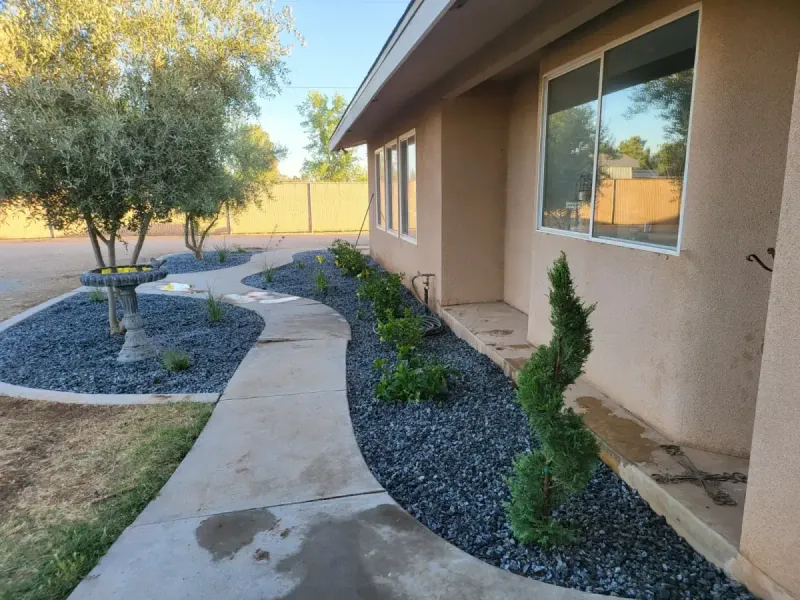
Ten summers from now, one border may still stand straight while another has cracked and heaved out of the ground. Cheap plastic often struggles under the California sun, while steel and concrete tend to hang tough for many years.
Steel edging, especially thick powder-coated or weathering steel, holds a clean line and cuts deeper into the soil than most alternatives. Its thin profile slips neatly between beds and paths.
Heavier gauges work best, since flimsy metal can bend when roots or shovels push against it. A sturdier product pays for itself.
Poured concrete curbs, sometimes called mow strips, create a solid barrier that runners struggle to cross. They work well along long, straight borders and curving beds alike.
A curb extending several inches below grade keeps grass from simply tunneling underneath. Installers can usually accommodate that request.
Brick and stone look charming, but loose-set pieces leave gaps where runners squeeze through. Mortaring them on a concrete footing improves their staying power.
Wood edging adds warmth, though it eventually rots in moist soil. Replacement becomes a recurring chore.
Long-term cost deserves as much weight as the checkout price. A sturdy steel or concrete border may cost more upfront, yet it saves replacement trips and weeding sessions.
Local water agencies sometimes set rules about permeable surfaces and planted coverage in turf replacement programs. A quick check before choosing materials keeps a rebate safe while delivering a line that lasts.
8. Neat Edges Make The New Landscape Look Planned
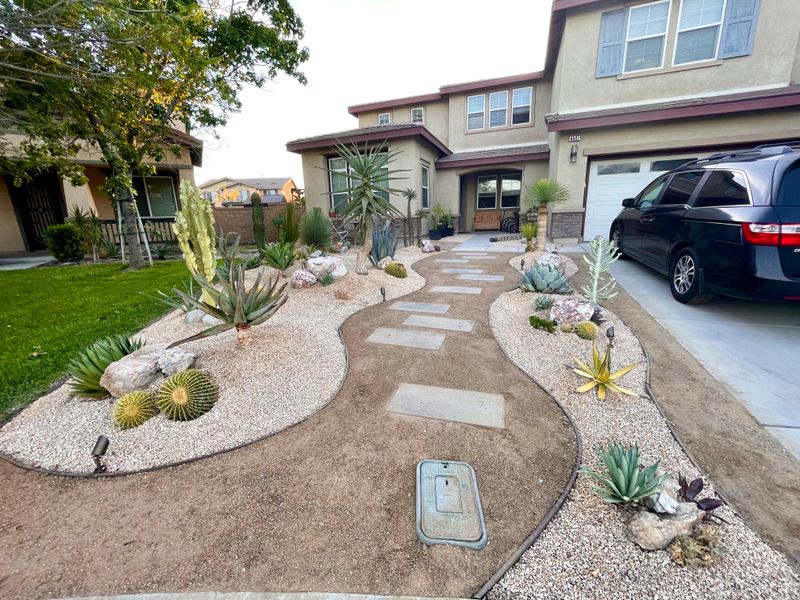
Two converted yards on the same street can tell very different stories. One has crisp curves, tidy paths, and plants sitting proudly in defined beds.
The other holds the same plants but looks half-finished thanks to fuzzy, wandering edges.
Clean borders send a strong signal. They show neighbors and homeowners associations that the yard was designed on purpose rather than abandoned.
That message matters in California, where water-wise gardens still sometimes draw side-eye from folks used to green lawns. First impressions shape opinions.
Many HOAs carry landscape rules about appearance. State law limits how associations can block drought-tolerant landscaping, yet many still expect a maintained look.
Sharp edges, defined paths, and fresh mulch help a native garden pass any curbside inspection with flying colors. Those details signal care.
Finalizing borders before planting a single shrub makes sense. A garden hose or spray paint lays out curves, and a few days of living with the shape allows adjustments.
Installing edging after plants go in risks cutting roots and crushing young stems. Order matters here.
Simple shapes often look best. Smooth curves and clear straight lines read as tidy from the street, while wiggly, overly busy borders can make even a gorgeous planting look cluttered.
Small finishing touches go a long way. A neat walkway, a single type of mulch, and plants grouped in drifts pair nicely with strong edges.
Together, they turn a former lawn into a garden people slow down to admire.