Repotting Your Ohio Christmas Cactus? Wait For This First
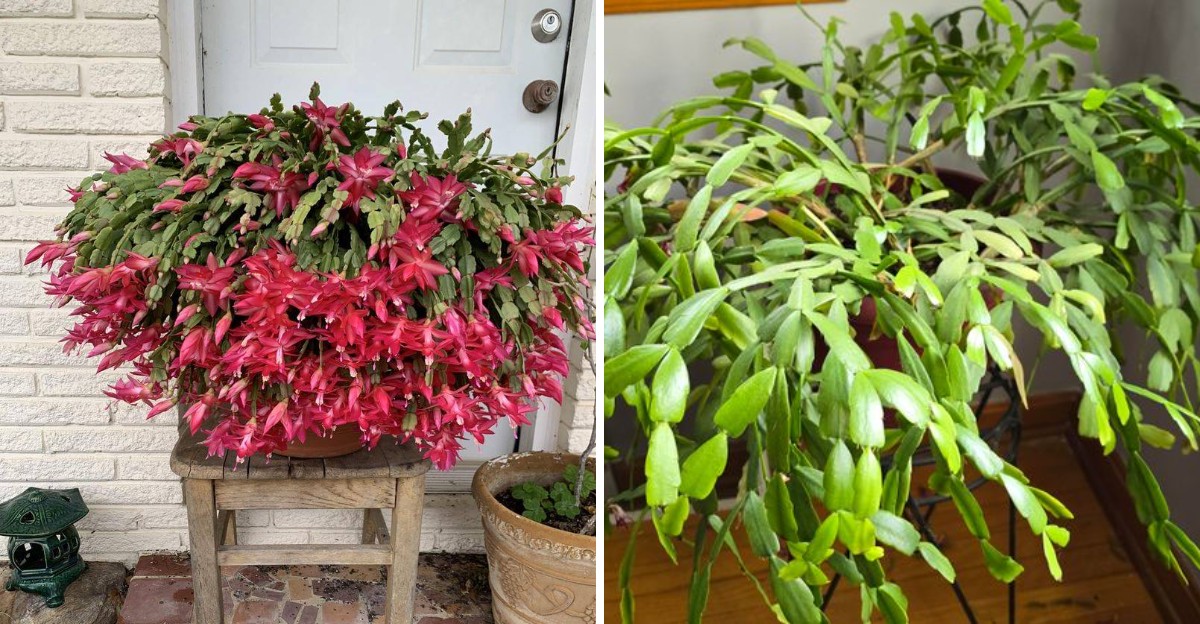
The pot looks cramped, the roots peek out the bottom, and your hands itch to give the plant a bigger home. Slow down.
Christmas cactus owners in Ohio make this move all the time, and the plant often pays the price. A fresh pot at the wrong moment can cost you the whole holiday show.
Sulking, bud drop, or a bare plant in December all trace back to the same bad timing.
This plant has odd rules compared to most houseplants. It actually prefers a snug fit, and it expects a certain signal before it welcomes a change of address.
Learn that signal and the repotting goes smoothly. Ignore it and you may be staring at green stems come Christmas.
Set the trowel down and read the plant first.
1. Wait Until It Finishes Blooming
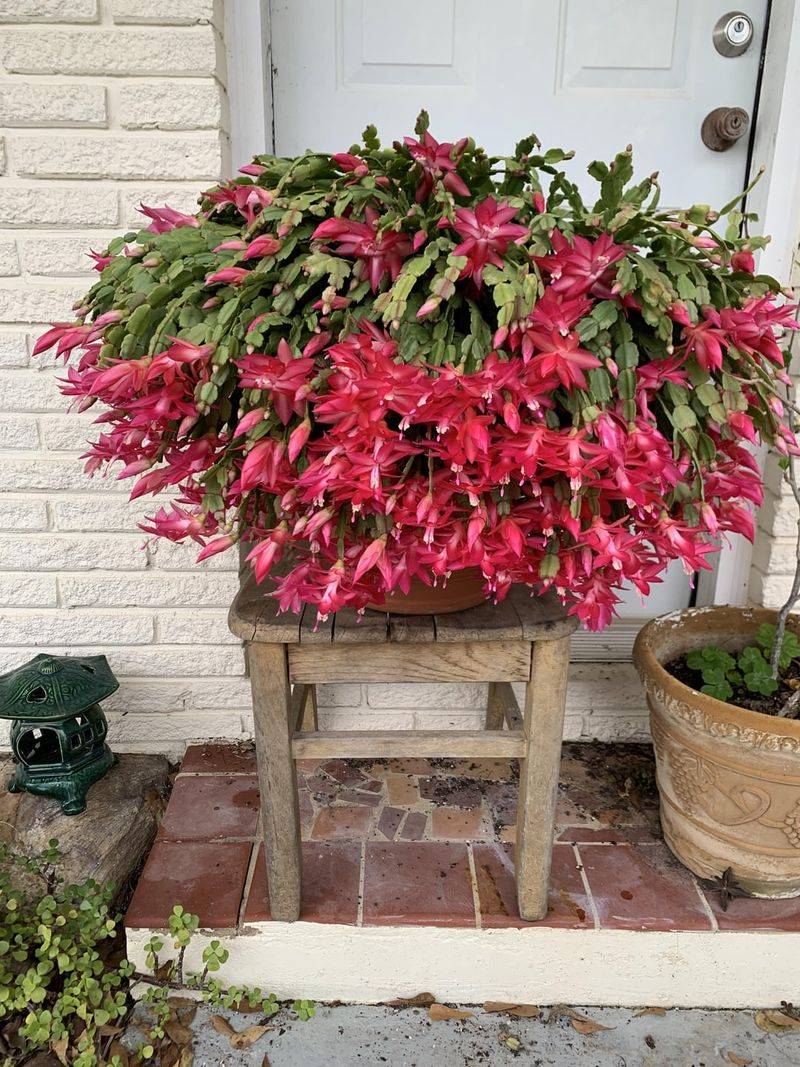
Picture the last pink flower curling up and dropping onto the windowsill like a tiny party hat. That quiet moment is your green light, not the busy weeks before it.
A Christmas cactus pours a huge amount of energy into making flowers. Once the show wraps up, the plant shifts gears and starts resting.
Repotting right after blooming gives roots a calm stretch to settle into fresh soil. By the time new growth kicks in, the plant feels at home again.
Here in Ohio, that usually lands somewhere between late January and March. Gray skies and short days make it a cozy indoor project anyway.
Look for a few clear signs before you start. Spent blooms should be gone, and no fresh buds should be forming at the segment tips.
Give the plant a week or two of rest after the final flower falls. A short pause lets it catch its breath before you disturb the roots.
Fun fact: these plants come from the cloud forests of Brazil, where they grow on tree branches. In the wild, they cling to mossy bark instead of sitting in deep garden soil.
That background explains why they like a gentle touch and good timing. Treat the end of blooming like a curtain call, then get your supplies ready.
2. Late Winter Or Early Spring Is The Right Window
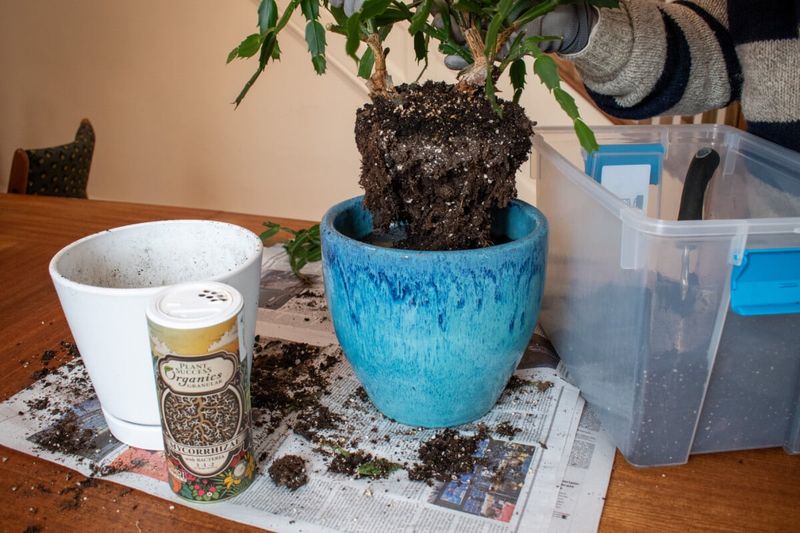
Ohio gardeners know the feeling of late February, when the snow turns gray and everyone starts itching for spring. Your houseplants feel a similar shift, even indoors.
Late winter through early spring lines up with the natural rest period after flowering. The plant is not pushing buds, so it handles a little disruption with less stress.
Days also start getting longer during this stretch. More daylight helps roots wake up and spread into new soil at a steady pace.
Try circling a weekend on your calendar in March. It is late enough for blooms to be finished and early enough for a full growing season ahead.
Keep the plant away from cold drafts after repotting. A spot near a frosty door or a chilly window can slow recovery during those raw Ohio nights.
Bright, indirect light works best while the roots settle. An east-facing window is a solid choice, offering soft morning sun without harsh afternoon heat.
Your Ohio Garden Changes Every Week. Your Plan Should Too.
Gardening in Ohio changes quickly throughout the season. Every Friday you’ll receive a simple weekly plan showing exactly what to plant, prune, fertilize, harvest, and protect so you never miss the right timing.
Hold off on fertilizer for about a month after the move. Fresh potting mix carries some nutrients, and tender roots need time before a feeding.
Think of this season as a fresh start rather than a chore. A well-timed move now sets the stage for strong segments by summer and a lively show come December.
3. Never Repot While It’s Budding Or Flowering
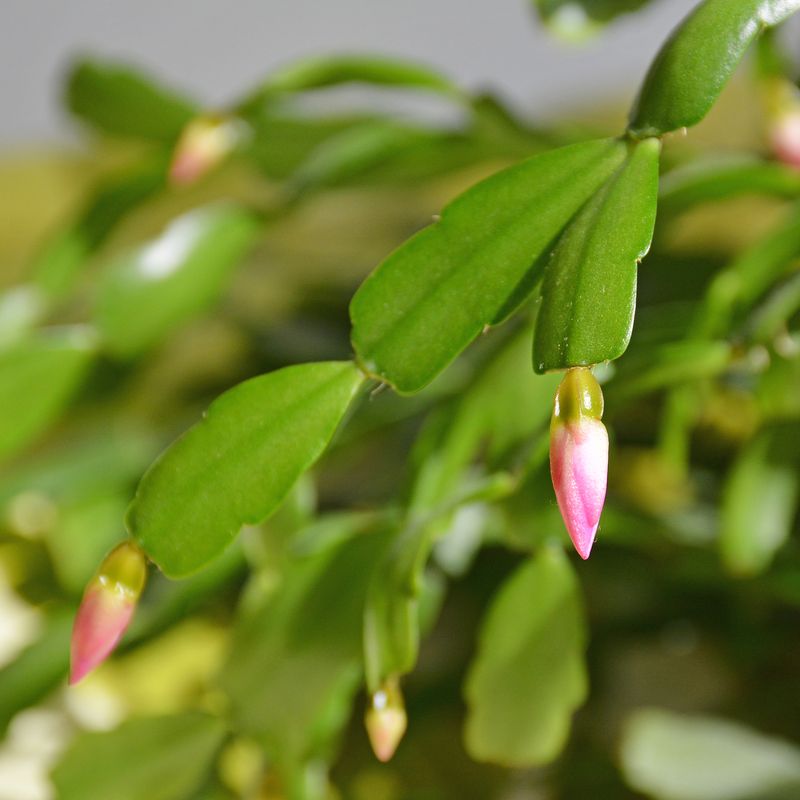
Few things sting quite like watching a dozen fat buds plop onto the carpet overnight. Gardeners call this bud drop, and repotting at the wrong time is a common trigger.
Buds are a big energy project for the plant. Disturbing the roots in the middle of that effort sends a stress signal through every stem.
The plant responds by cutting back on luxuries, and flowers are first on the list. It is like a kid dropping art class to focus on homework.
Even small changes can upset a budding Christmas cactus. Moving it to a new room or a different window can sometimes cause the same problem.
If the roots look crowded during bloom season, try to be patient. A few extra weeks in a tight pot will rarely cause real harm.
Keep watering on a steady schedule while buds open. Let the top inch of soil dry slightly between drinks, and avoid soggy conditions.
Stable temperatures help too, ideally in the 60s during the day. Steer clear of heat vents and space heaters, which are common in Ohio homes all winter.
Enjoy the flowers first, and save the root work for later. Your patience will be rewarded with a plant that keeps every bud right where it belongs.
4. A Snug Pot Is Actually A Good Thing
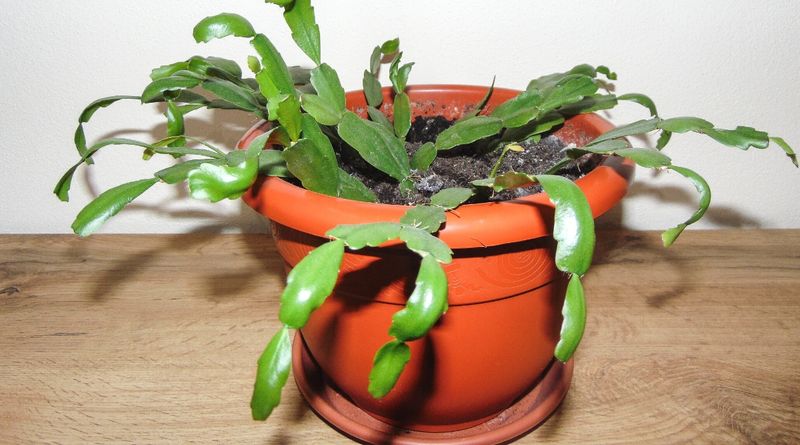
Most of us like elbow room, but this plant prefers a cozy hug. A Christmas cactus often blooms best when its roots fill the pot nicely.
Being slightly root-bound seems to encourage flowering. When roots have a little less space, the plant spends more energy on buds instead of root growth.
Remember those tree branches in Brazil where these plants grow wild? Their roots tuck into small pockets of moss and debris, not wide patches of open ground.
A pot that is too large can cause trouble. Extra soil holds extra water, and roots sitting in damp mix for days can begin to rot.
So a crowded pot is not an emergency. If your plant looks healthy, keeps growing, and blooms well, it may be happy right where it is.
Check by gently tipping the plant out of its container. If you see roots wrapped around the soil but still some mix showing, you can likely wait another year.
Many longtime growers keep the same plant in the same pot for years. Some family heirloom cacti in Ohio farmhouses have bloomed in tight clay pots for generations.
Resist the urge to upgrade just because a plant looks a bit cramped. Snug is a feature here, not a flaw, and your holiday flowers may prove it.
5. Roots Poking Out The Bottom Mean It’s Time
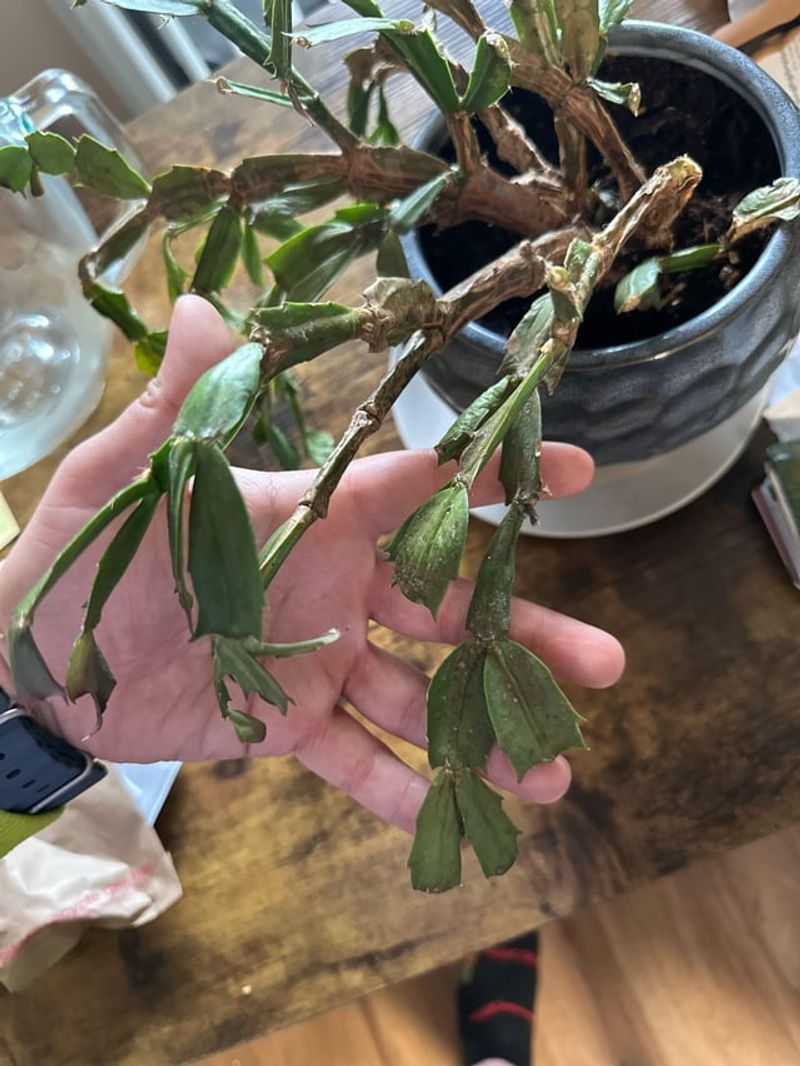
Lift the pot, peek underneath, and you might spot pale roots wiggling out of the drainage holes. That little escape attempt is one of the clearest signals your plant is outgrowing its home.
Roots poking out mean they have filled the pot and are searching for more soil. Once they start exploring the windowsill, space is running thin.
A single root or two does not demand instant action, though. Sometimes it is just a sign of healthy growth, and you can wait for the right season.
Look for other clues as well. Roots coiling on top of the soil, or growth that has stalled for a full season, point in the same direction.
Water behavior can tell you something too. If water rushes straight through the pot and the soil dries out within a day, roots may be taking up most of the space.
When you notice these signs during the bloom season, jot a note on your calendar. Then wait until flowering wraps up before you take action.
If roots are stuck in the drainage holes, avoid yanking them. Soak the pot briefly, then ease the plant out by tapping the sides.
Trim any mushy, dark roots with clean scissors before replanting. Healthy roots should look firm and light colored, a good sign your plant is ready.
6. Go Up Just One Pot Size
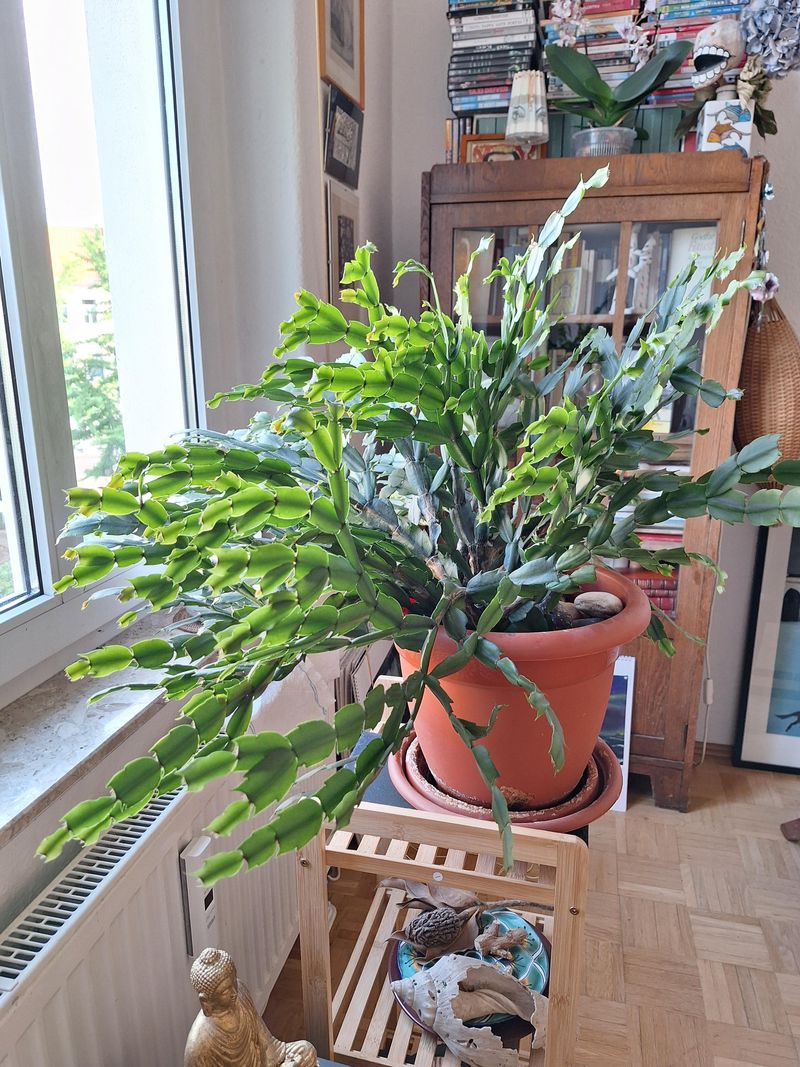
Think of it like buying shoes for a growing kid. You want a little wiggle room, not clown shoes that slip off with every step.
When repotting, choose a new container only one size larger than the old one. That usually means about 1 to 2 inches wider in diameter.
A 6-inch pot moves to a 7 or 8-inch pot, and that is plenty. Jumping straight to a 10-inch pot leaves a lot of empty soil around the roots.
Too much soil holds extra moisture the roots cannot use. That damp zone invites rot and makes it harder for the plant to settle back into a snug fit.
A modest step up also helps keep the blooms coming. Roots fill the new pot quickly, and the plant returns to that cozy state that encourages flowering.
Bring your old pot along when shopping at a garden center. Holding the two side by side makes the size difference easy to see.
Clay and plastic both work well. Clay dries faster, which suits heavy-handed waterers, while plastic holds moisture a bit longer for folks who forget the watering can.
Center the plant at the same depth it sat before. Burying stems deeper can cause rot, so keep the soil line right where it was.
7. Use A Light, Fast-Draining Mix
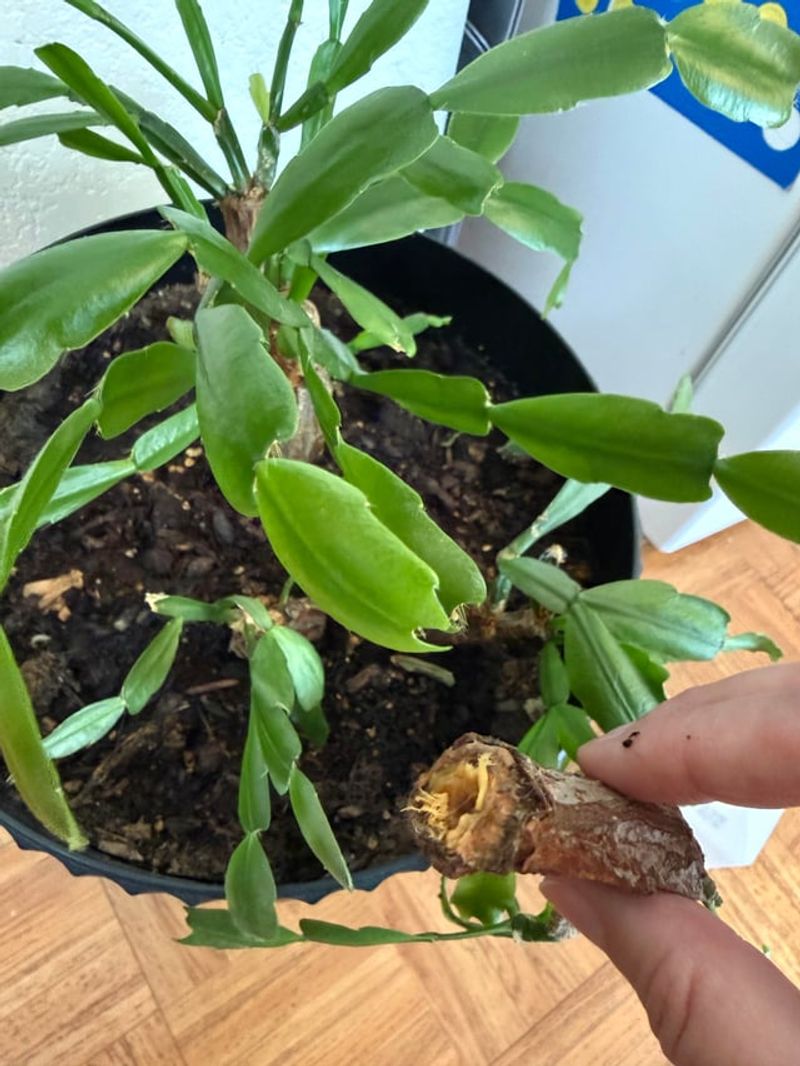
Grab a handful of regular garden soil and squeeze it, and it clumps like cookie dough. A Christmas cactus wants something much fluffier than that.
The ideal mix drains quickly but still holds a little moisture. In the wild, these plants grow in airy pockets of leaf litter and moss, so dense dirt feels suffocating to them.
A commercial cactus or succulent mix makes an easy starting point. Many growers add extra perlite or coarse sand to boost drainage even more.
Here is a simple homemade recipe to try. Combine two parts potting soil, one part perlite, and one part orchid bark for a chunky, breathable blend.
Peat moss can also be part of the mix since it holds some moisture. Just keep the overall texture loose so water flows through instead of pooling.
Waterlogged soil is a top cause of root problems in these plants. Roots need air as much as water, and soggy mix pushes that air out.
Lightly moisten the new mix before you plant. Dry mix can repel water at first, while damp mix settles nicely around the roots.
Skip heavy topsoil from the backyard, even if Ohio clay seems free and handy. Save that for the vegetable garden and give your cactus the light stuff.
8. Choose A Pot With Drainage Holes
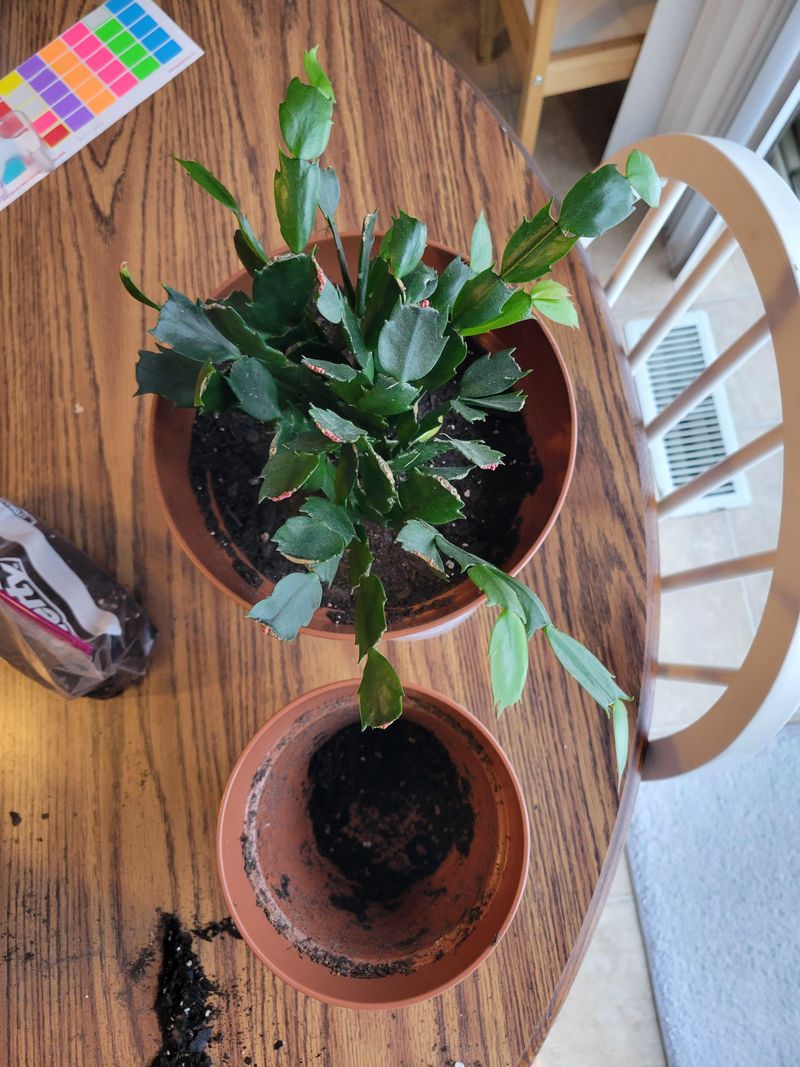
That adorable ceramic pot from the craft fair might look perfect on the mantel. Flip it over first, because a pot with no holes can quietly cause big trouble.
Drainage holes let extra water escape after each watering. Without them, water collects at the bottom and roots sit in a soggy puddle.
Christmas cacti are especially sensitive to wet feet. Roots that stay soaked for too long turn brown and mushy, and the plant may start to wilt.
If you love a decorative pot without holes, use it as a cover. Place a plain plastic pot with holes inside, then lift it out to drain after watering.
A saucer underneath catches runoff and protects furniture. Empty it about 15 minutes after watering so the roots are not soaking up leftover water.
Some people add gravel at the bottom of pots, but research suggests this can trap water higher in the soil. A good mix and real holes do the job better.
Check the holes now and then for clogs. Roots, soil, or mineral buildup from hard Ohio tap water can block them over time.
A quick poke with a chopstick usually clears things up. Small habits like this keep roots healthy and your plant ready for its next round of blooms.
9. Plan On Repotting Every 2 To 3 Years
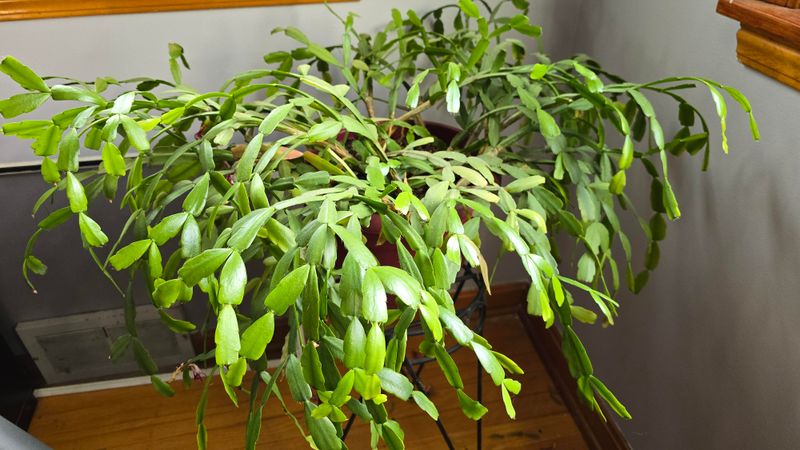
Here is some welcome news for busy plant parents: this is not a yearly chore. Most experts suggest repotting a Christmas cactus every 2 to 3 years.
Some sources stretch that range to 1 to 3 years, while others say 3 to 4. The right pace depends on how fast your particular plant grows.
Over time, potting mix breaks down and loses its airy texture. Fresh mix restores drainage and gives roots new room to stretch.
A simple plant journal helps you keep track. Write down the repotting date, pot size, and mix you used so you are not guessing later.
Some growers stick a small label in the soil with the date. It is a low-tech trick that saves plenty of head scratching down the road.
In off years, you can refresh the plant without a full move. Scrape away the top inch of old soil and add fresh mix in its place.
Many families in Ohio pass these plants down for decades. With steady care and a repotting every few years, a single cactus can outlast several holiday traditions.
Mark your calendar, trust the rhythm, and let the plant guide you. A little patience between moves pays off with healthy roots and bright winter color.