Easy Tricks To Wipe Out Creeping Charlie Weed In Pennsylvania (No Chemicals Required)
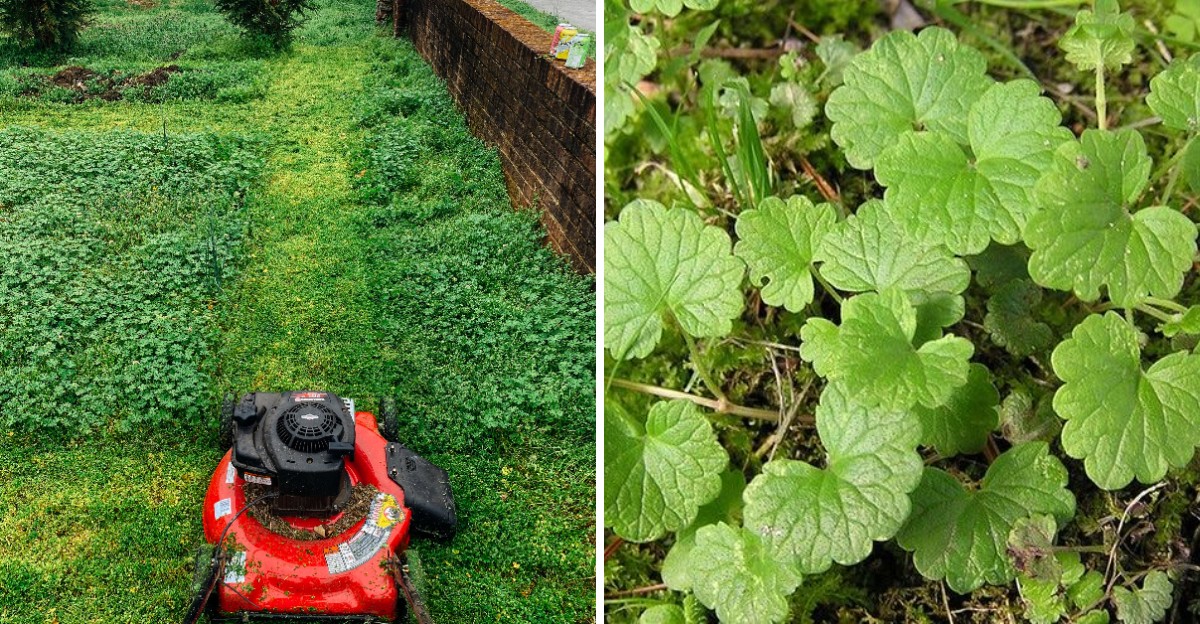
Fire up the mower, and suddenly your whole yard smells like fresh mint. It might seem pleasant at first. In reality, it’s a sign that creeping Charlie has moved in.
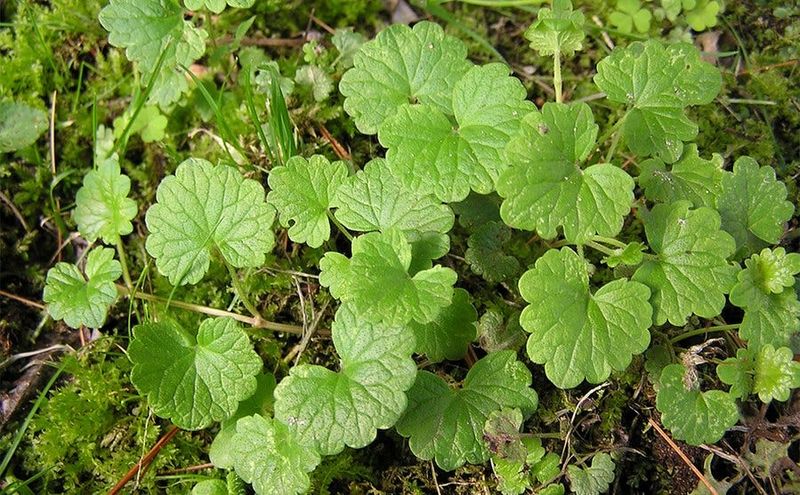
This low-growing weed has round, scalloped leaves and square stems that hug the ground. It thrives in shady, damp spots where grass struggles, and it spreads by sending out long runners that root wherever they touch the soil.
Pull up one patch, and a few leftover pieces can start a new one. Before long, it’s weaving through flower beds, creeping under fences, and carpeting whole sections of the lawn.
Pennsylvania’s cool, moist climate gives it just about everything it needs. It’s stubborn, but it isn’t unbeatable. With the right timing and a few simple, chemical-free tricks, you can take back your yard and keep it that way.
1. Pull It After A Good Rain
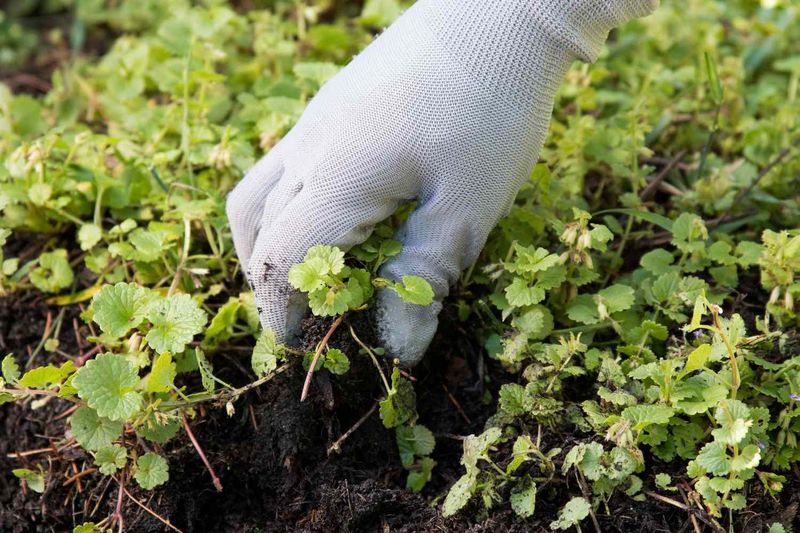
Ask any longtime gardener in Lancaster County, and you will hear the same advice. Wait for rain, then pull. Wet soil lets go of roots much more easily than dry, packed dirt does.
Creeping Charlie spreads by long runners called stolons. These stems crawl along the ground and root at almost every leaf joint.
When the soil is dry, the stems snap off and leave roots behind. Those little pieces can grow right back in a few weeks.
After a soaking rain, or a deep watering, the ground turns soft. That is your moment. Find the end of a runner and lift it slowly.
Follow the stem with your fingers as you go. You will feel each small root pop free from the soil.
Go slow and steady. Fast tugs break the stems. A gentle, rolling pull keeps whole strands together, sometimes several feet long. It can feel oddly satisfying, almost like pulling yarn from a sweater.
A few tools can help. A hand rake or a garden fork can loosen tangled mats before you pull. Gloves keep your hands clean, and a kneeling pad saves your knees.
Put pulled plants in a bag, not your compost pile. Creeping Charlie can root again in a warm compost heap. Toss it out with yard waste instead.
Plan to check the same spot every week or two. You will likely miss a few bits the first time, and that is normal. Each round of pulling weakens the patch.
Fun fact: early European settlers brought ground ivy to America on purpose. They used it to flavor beer before hops were common. Now you know who to blame.
2. Thicken Your Lawn By Overseeding In Fall
Weeds are a lot like party crashers. They show up where there is open space and nobody stops them. A thin lawn is basically an open invitation for creeping Charlie.
The fix is simple. Fill those gaps with healthy grass. When grass grows thick, it crowds out the weed and blocks the light it needs. Creeping Charlie has a much harder time squeezing in.
Your Pennsylvania Garden Changes Every Week. Your Plan Should Too.
Gardening in Pennsylvania changes quickly throughout the season. Every Friday you’ll receive a simple weekly plan showing exactly what to plant, prune, fertilize, harvest, and protect so you never miss the right timing.
In Pennsylvania, early fall is the best time to overseed. Late August through mid September works great.
The soil is still warm from summer, which helps seeds sprout fast. Cooler air and more rain help young grass grow without much stress.
Pick the right seed for each spot. Sunny areas do well with a blend of Kentucky bluegrass and tall fescue.
Shady areas need tougher stuff. Fine fescues, like creeping red fescue and hard fescue, handle shade better than most grasses.
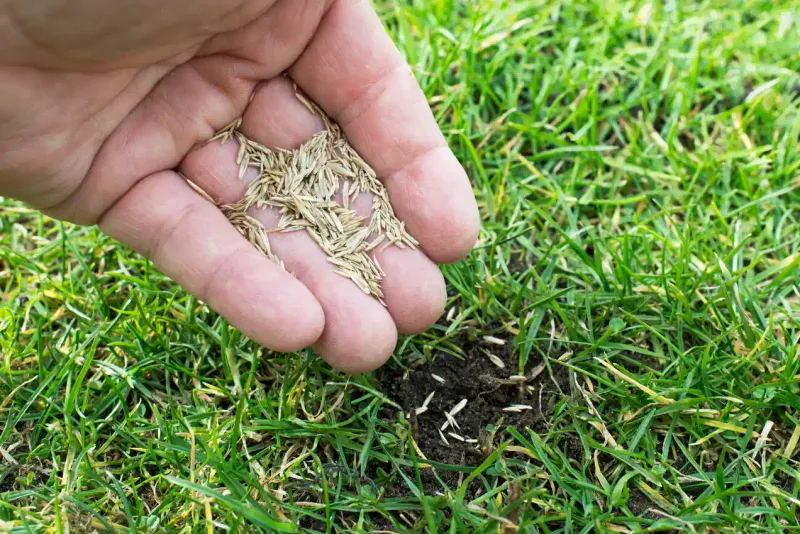
Getting good results takes a little prep. First, pull out as much creeping Charlie as you can. Next, rake the area hard to loosen the top layer of soil. Seeds need to touch soil to sprout, not sit on top of old thatch.
Spread the seed evenly and lightly rake it in. Then keep the soil damp, not soggy, for the next few weeks.
A light watering once or twice a day usually does the job until the grass is up. Avoid mowing until the new grass is about three inches tall. Then mow gently.
Overseeding every fall for a few years can turn a patchy yard into a thick carpet. Over time, the weed simply runs out of room.
3. Mow A Little Higher
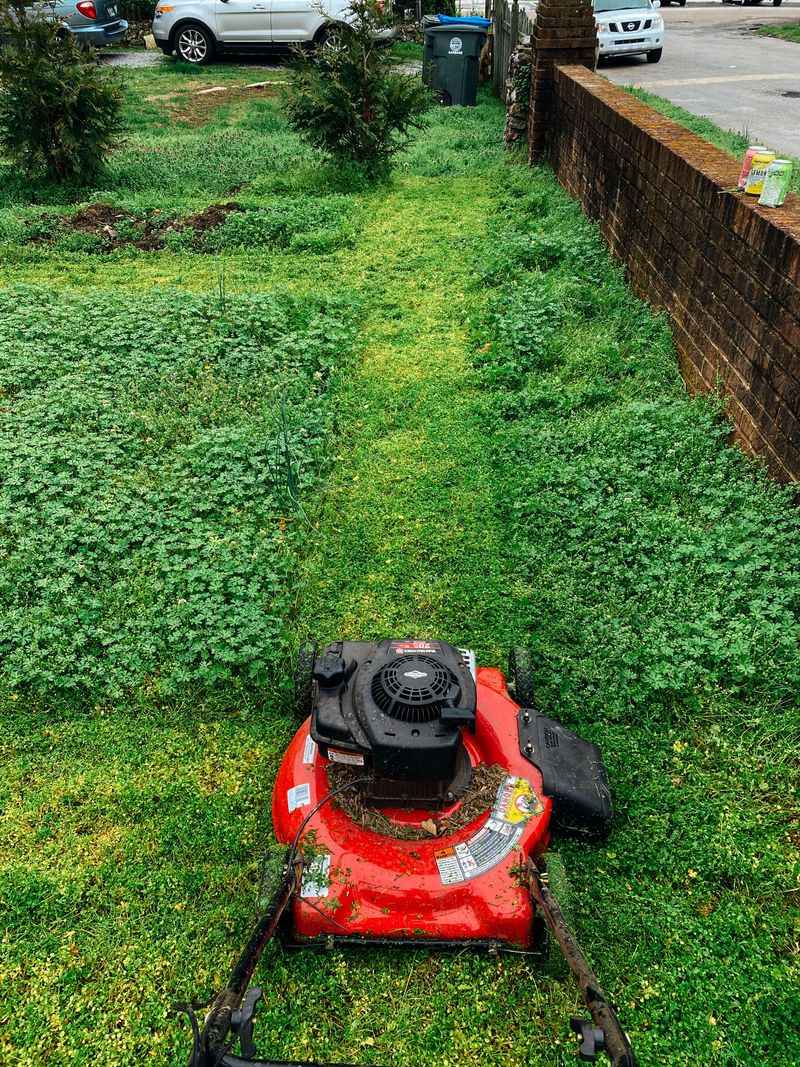
Here is a trick that takes zero extra work. Just raise your mower blade. Many people cut their grass way too short, thinking it looks neat. Sadly, a buzz cut lawn is a weak lawn.
Grass blades are like tiny solar panels. They soak up sunlight and turn it into food. The more blade you leave, the more food the plant makes. That extra energy goes into deeper, stronger roots.
Aim for about 3 to 3½ inches tall. Most mowers have a lever near each wheel to adjust the height. Set it to one of the highest notches and you are good to go.
Taller grass also shades the ground below it. Creeping Charlie grows low and loves to spread across bare, sunny soil between grass plants.
When tall grass covers that soil, the weed gets less light and less room. It is like your lawn is standing guard.
Shaded soil also stays cooler and holds water longer. That helps your grass handle hot, dry Pennsylvania summers, especially in July and August.
Follow the one third rule too. Never cut off more than one third of the grass blade at once. If your grass is 4½ inches, trim it back to about 3. Cutting too much at one time stresses the plant.
Keep your mower blade sharp. A dull blade tears grass instead of slicing it. Torn tips turn brown and invite disease.
One more bonus? Leave the clippings on the lawn. They break down quickly and feed the soil with natural nutrients.
Your grass gets stronger, and creeping Charlie gets squeezed out, all from a simple change in mowing height.
4. Let More Sunlight Into Shady Spots
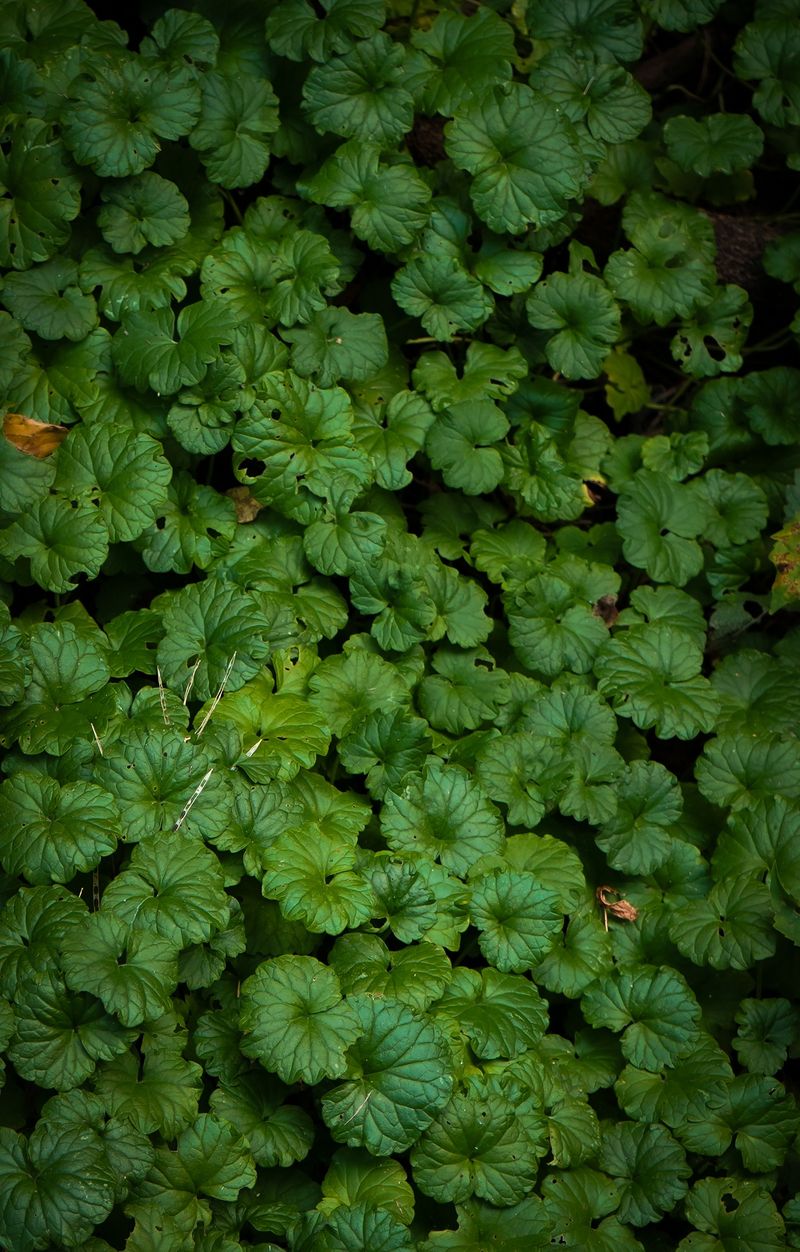
Think about that dark corner under your big maple tree. The grass there is thin and sad. Yet somehow, creeping Charlie looks happy and green. That is not luck. It is biology.
Creeping Charlie is a shade lover. It grows wild along forest edges and under trees. Most lawn grasses, on the other hand, need at least four to six hours of sun a day. In deep shade, grass slowly fades while the weed takes over.
Giving your grass more light tips the scales back in your favor. One of the easiest ways is to trim low tree branches. Removing limbs up to about eight or ten feet off the ground lets more sunlight reach the lawn. Thinning out some inner branches helps too.
Late winter is a great time to prune most trees in Pennsylvania. The leaves are gone, so you can see the shape of the tree clearly. Trees also heal well before spring growth starts.
Keep safety in mind. Small branches are fine for a hand saw or pole pruner. Big limbs, or anything near power lines, should go to a certified arborist. It is worth the cost to avoid injury or damage.
Look at other shade makers as well. Overgrown shrubs, tall fences, or crowded bushes can block light. Trimming them back can brighten a spot more than you might expect.
Do not forget fallen leaves in autumn. A thick layer smothers grass and keeps soil damp, which creeping Charlie adores. Rake or mulch them often.
Once more light hits the ground, follow up with overseeding. Your grass will finally have a fair shot.
5. Fix Damp, Poorly Drained Areas
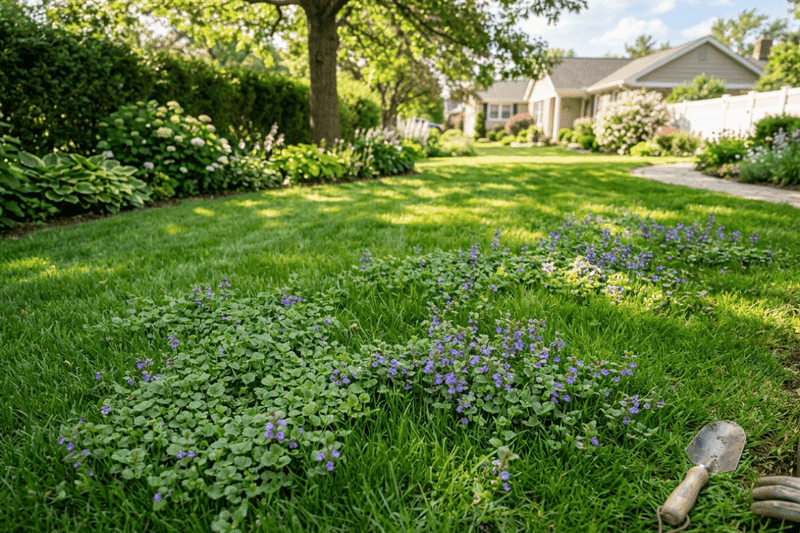
Soggy ground is a five star hotel for creeping Charlie. The weed thrives where soil stays wet for long stretches. If you have a low spot that squishes under your shoes, odds are good the weed has moved in.
Start by checking your watering habits. Many people water a little bit every day. That keeps the top inch of soil damp all the time, which is perfect for this weed. Grass actually does better with deep, less frequent watering.
Try watering about one inch per week, rain included. Split that into one or two deep soaks. A simple trick is to set an empty tuna can on the lawn while the sprinkler runs.
When it is full, you are done. Water early in the morning so the grass dries during the day.
Pennsylvania gets plenty of rain in spring, so you may not need to water at all some weeks. A cheap rain gauge helps you keep track.
Drainage problems need a different fix. Clay soil is common across much of the state, and it holds water like a sponge. Core aeration can help a lot.
An aerator pulls small plugs of soil out of the lawn so air and water can move down deeper. You can rent one from most hardware stores.
After aerating, spread a thin layer of compost over the area. Compost improves soil texture over time and helps water drain better.
For bigger issues, check your downspouts. Point them away from the lawn or add extensions. In really wet spots, a rain garden full of water loving native plants can be a beautiful solution.
6. Smother Large Patches
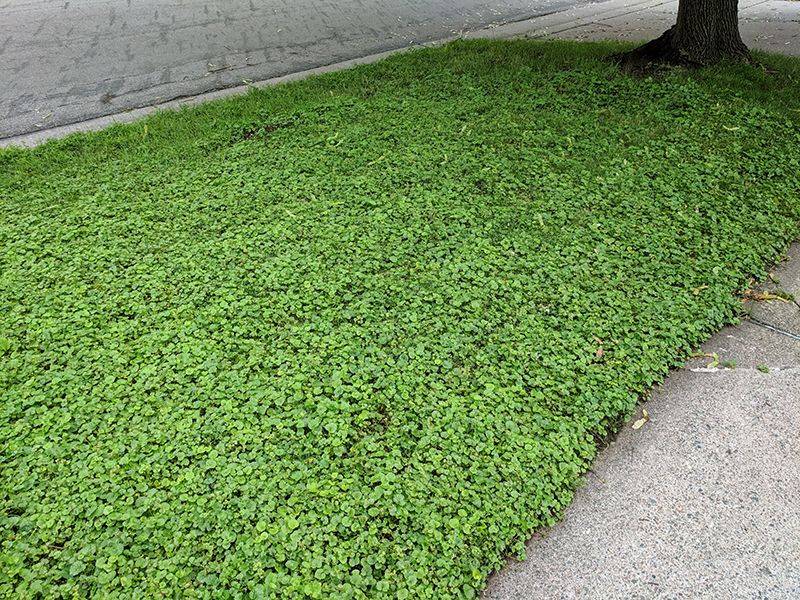
Sometimes a patch gets so thick that pulling it feels hopeless. You tug one runner and ten more seem to appear. When things get that bad, it is time to bring out the cardboard.
Smothering is an old gardener’s trick. Plants need light to make food. Cover them up completely, and they slowly weaken and break down. No sprays, no fuss, just darkness doing the work.
First, mow the patch as low as you can. Then lay plain brown cardboard over the whole area. Remove any tape or shiny labels first. Overlap the edges by several inches so no light sneaks through the cracks.
A dark tarp or heavy black plastic works too. Whatever you choose, weigh it down well. Bricks, rocks, or a layer of mulch on top will keep it in place during windy Pennsylvania storms.
Make the cover bigger than the patch. Creeping Charlie loves to sneak out the sides. Extending the edge about a foot past the weed helps trap those runners.
Now comes the waiting part. Leave the cover on for at least six to eight weeks. In cooler weather, it may take longer.
Peek underneath now and then. When the plants look brown and mushy, you are close.
Once the weed is gone, remove the cover. Cardboard can often stay and break down, but loosen the soil underneath with a rake or garden fork either way. Mix in some compost to wake the soil back up.
Finally, reseed with grass or plant something new right away. Bare soil never stays empty for long, so fill it before the weeds return.
7. Replace It In Deep Shade
Some battles are just not worth fighting. If a spot is so shady that grass keeps failing year after year, stop forcing it. Plant something that actually wants to live there.
That is where shade loving groundcovers shine. They fill in dark corners and leave creeping Charlie nowhere to go. A dense, healthy planting acts like a living mulch.
One of the best choices for this state is Pennsylvania sedge. Its scientific name is Carex pensylvanica, and yes, it is named after the Keystone State.
It grows wild in oak forests across the region. The plant forms soft, fine tufts that look a bit like a shaggy, relaxed lawn.
Pennsylvania sedge needs very little care. It handles dry shade well and rarely needs mowing. You can leave it natural or trim it once or twice a year. Bees and other small creatures appreciate it too.
Other good native options include wild ginger, foamflower, and green and gold. Mixing a few types can create a pretty woodland look.
Planting is pretty easy. Remove the creeping Charlie first by pulling or smothering. Loosen the soil and add some compost.
Set plants about eight to twelve inches apart. Closer spacing fills in faster and blocks weeds sooner.
Spread a thin layer of shredded leaves or mulch between plants. This keeps the soil moist and slows down any weed seeds trying to sprout.
Water new plants regularly during their first year. After that, they mostly take care of themselves.
Over a couple of seasons, your shady trouble spot can become one of the most peaceful parts of the yard.