6 Black Flowers And Plants For A Hauntingly Beautiful Fall Garden In Pennsylvania
Fall in Pennsylvania is a riot of color. Red maples, golden hickories, and orange pumpkins on every porch make the season feel like one big celebration. Now add a splash of black, and everything changes.
Dark flowers and foliage work like a shadow in a painting. They create contrast, giving bright fall colors a bolder, richer look.
Deep purple leaves, inky blooms, and nearly black grasses also bring a touch of mystery that fits perfectly with Halloween season.
A few well-placed dark plants can make a garden feel elegant, dramatic, and just a little eerie. Even better, plenty of them are tough enough to handle Pennsylvania’s cold winters.
Some return year after year, while others can go in the ground this fall for a moody show next spring. If you’re ready to give your garden a darker side, these plants are a great place to start.
1. Black Pansies Bring Velvet Drama
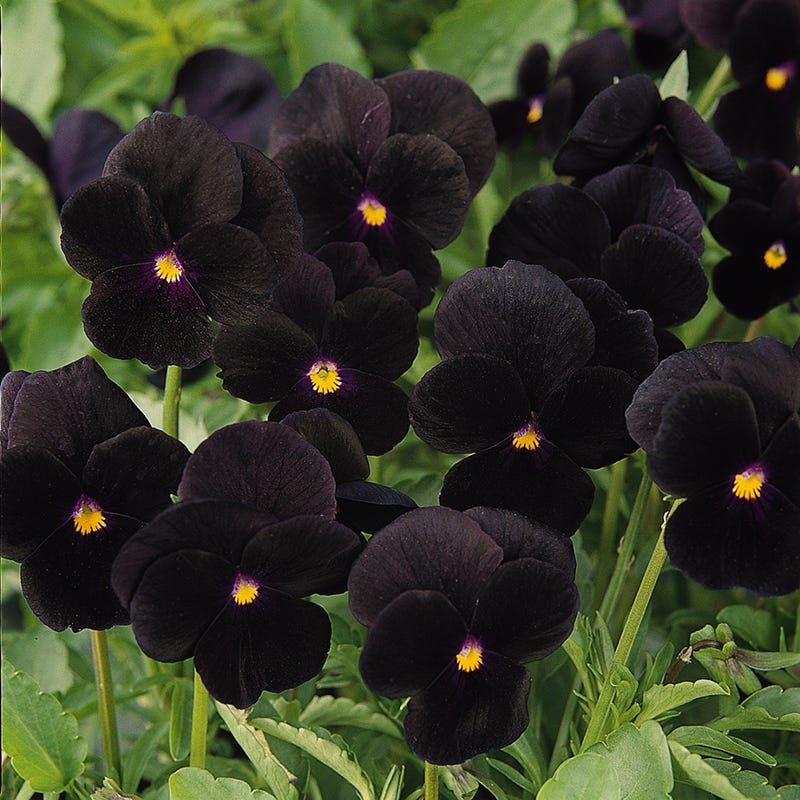
Few flowers laugh at frost quite like a black pansy. Its petals feel like soft velvet, and the color is so dark it almost looks like midnight. Many people are surprised such a delicate-looking bloom can be so tough.
Pansies love cool weather, which makes them a natural fit for Pennsylvania in fall. Look for varieties like ‘Black Delight’ or ‘Halloween’ at local garden centers in September.
Plant them while the soil is still a bit warm so their roots can settle in before winter.
Containers are a great home for them. Try tucking a few black pansies into a pot with orange violas or ornamental kale. The dark petals make the bright colors glow. They also look sharp along walkways and in the front edge of flower beds.
Give them a spot with full sun to light shade. Use soil that drains well, since soggy roots can cause rot. Water when the top inch of soil feels dry, but do not let the pot sit in a puddle.
Here is a handy trick. Pinch off faded blooms every few days. Doing so pushes the plant to make more flowers instead of seeds. It only takes a minute while you grab the mail.
As winter arrives, add a light layer of shredded leaves or straw around the plants. Pansies often survive the cold months in much of the state. Then, when spring rolls around, they wake up and bloom all over again.
Fun fact: the name pansy comes from the French word pensée, which means thought. Gardeners long ago believed the flower looked like a thoughtful face. With black petals, it seems to be thinking something a little spooky.
2. Obsidian Coral Bells Shine In Shade
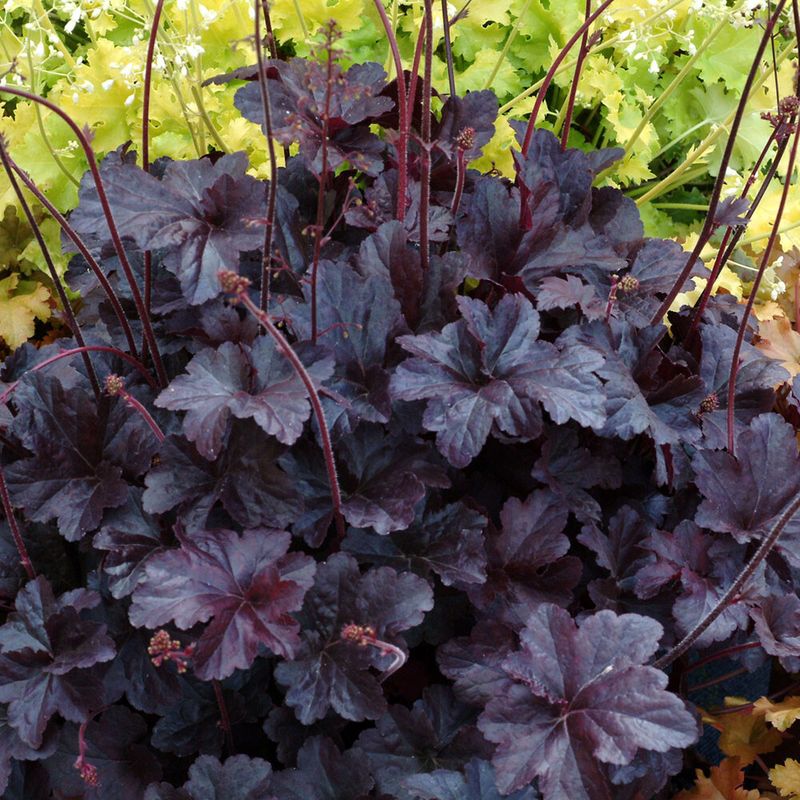
Shady corners often get ignored, but ‘Obsidian’ coral bells can change that fast. The leaves are so glossy and dark they look like polished stone. That is exactly how the plant got its name, since obsidian is a shiny black volcanic glass.
Coral bells, also called heuchera, are grown mostly for their leaves. ‘Obsidian’ forms a neat mound about a foot tall. Its deep purple-black color holds strong through fall and often lasts well into winter.
Your Pennsylvania Garden Changes Every Week. Your Plan Should Too.
Gardening in Pennsylvania changes quickly throughout the season. Every Friday you’ll receive a simple weekly plan showing exactly what to plant, prune, fertilize, harvest, and protect so you never miss the right timing.
The plant is hardy across all of Pennsylvania. Whether you live in Erie, Scranton, or Lancaster, it can handle the cold. It does best in part shade, especially in spots that get gentle morning sun and afternoon shade.
Soil matters a lot with heuchera. Choose rich soil that drains well. Heavy clay can hold too much water and cause the crown to rot, so mix in compost before planting.
Wondering how to use it? Pair it with bright partners. Golden hostas, lime green Japanese forest grass, or orange mums make the dark leaves stand out. In containers, it adds a classy touch next to white cyclamen or silver dusty miller.
One common problem is frost heave. Freezing and thawing can push the roots up out of the ground. Check your plants in late winter and gently press them back down if needed. A layer of mulch in late fall helps prevent the issue.
In early summer, thin stems rise above the leaves with tiny creamy flowers. Hummingbirds and bees enjoy them.
Still, the real show is the foliage, which keeps your garden looking dark and stylish when many other plants have faded away.
3. Black Negligee Bugbane Adds Ghostly Spires
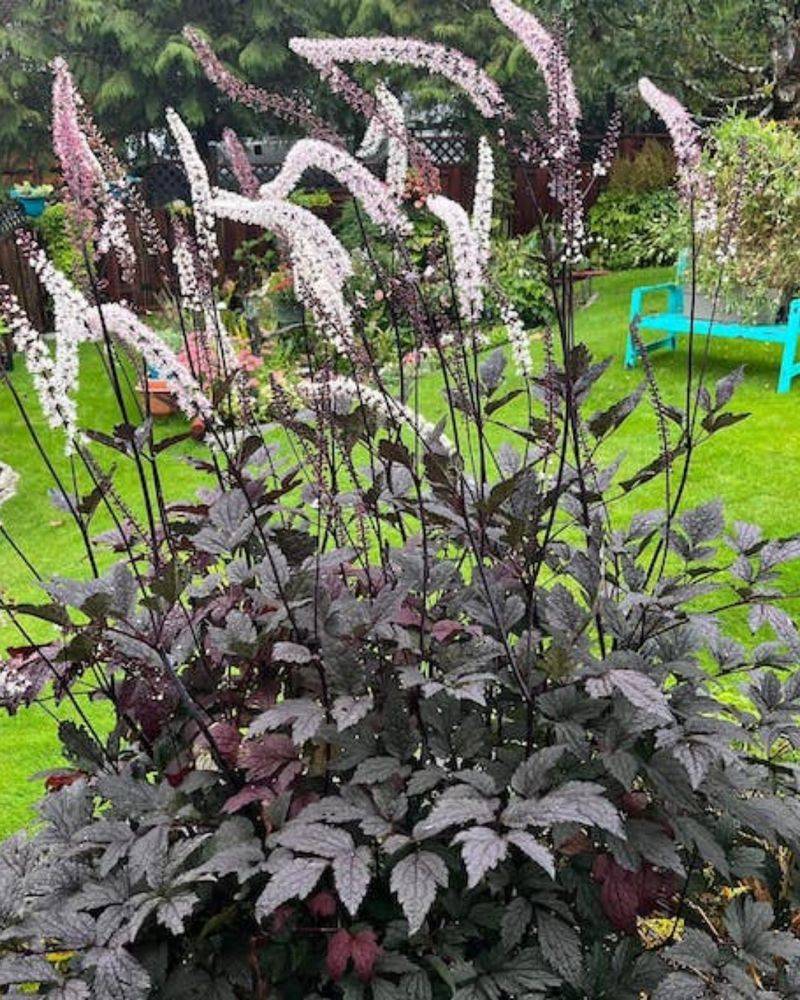
Walk past a ‘Black Negligee’ bugbane on a cool October evening, and you might stop in your tracks. Tall white flower spikes float above dark lacy leaves like little ghosts. Then a sweet scent drifts through the air.
Bugbane, also known as cimicifuga or actaea, is a perennial that blooms later than most. Its flowers usually show up in late summer and keep going into fall. The spikes can reach four to five feet tall, so it makes a bold statement.
The foliage deserves its own applause. Each leaf is finely cut and deep purple-black. Even before the flowers open, the plant looks elegant and a bit mysterious.
To keep it happy, give it part shade and moist soil. It likes conditions similar to a forest floor. A spot that gets morning sun and afternoon shade works well across Pennsylvania. Too much hot sun can scorch the leaves.
Water during dry spells, especially in summer. Adding a few inches of shredded bark or compost helps keep the soil cool and damp. Bugbane can be slow to settle in, so be patient during the first year or two.
Plant it toward the back of a bed, where its height can shine. Ferns, astilbe, and hostas make good neighbors. The white flowers also glow at dusk, which is perfect for evening strolls or Halloween parties.
A little history adds to the charm. The name bugbane comes from an old belief that the plant’s strong smell kept insects away.
Today, pollinators like late bees and butterflies actually visit the blooms. So your spooky plant becomes a friendly snack stop too.
4. Black Lace Elderberry Steals The Show
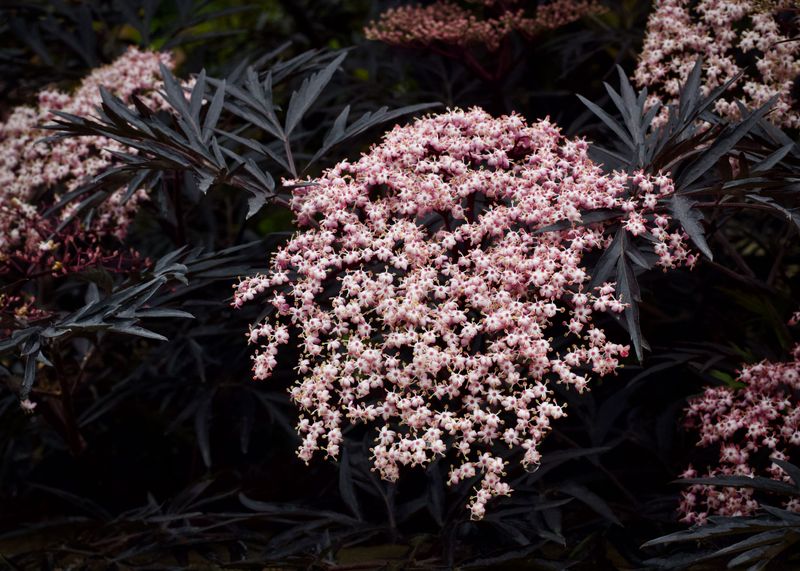
Here is a shrub that fools almost everyone. At first glance, ‘Black Lace’ elderberry looks like a fancy Japanese maple. Its leaves are finely cut, feathery, and deep purple-black.
The best news is that it is much easier to grow than many maples. It is hardy throughout Pennsylvania and handles cold winters with ease. Most plants grow six to eight feet tall and wide, though you can keep them smaller with pruning.
Sun brings out the darkest color. Aim for at least six hours of direct light each day. In heavy shade, the leaves turn more green and lose their spooky charm.
Elderberries are not fussy about soil. They can handle damp spots that other shrubs dislike, which makes them handy near downspouts or low areas in the yard. Water young plants weekly during their first summer to help roots grow strong.
In early summer, flat clusters of pink flowers appear. They smell lightly of lemon and draw in bees and butterflies.
Later, dark berries may form, and birds love to snack on them. Planting another elderberry nearby helps more berries develop.
Design ideas are endless. Use ‘Black Lace’ as a backdrop for orange coneflowers, golden grasses, or bright fall mums.
It also works as a living screen along a fence. Against the reds and yellows of Pennsylvania trees in October, the dark leaves look truly dramatic.
Pruning is simple. In late winter, cut back a few of the oldest stems near the ground. Fresh new growth will have the richest color.
Some gardeners even cut the whole shrub back hard every few years to keep it tidy and full.
5. Black Scallop Ajuga Carpets The Ground
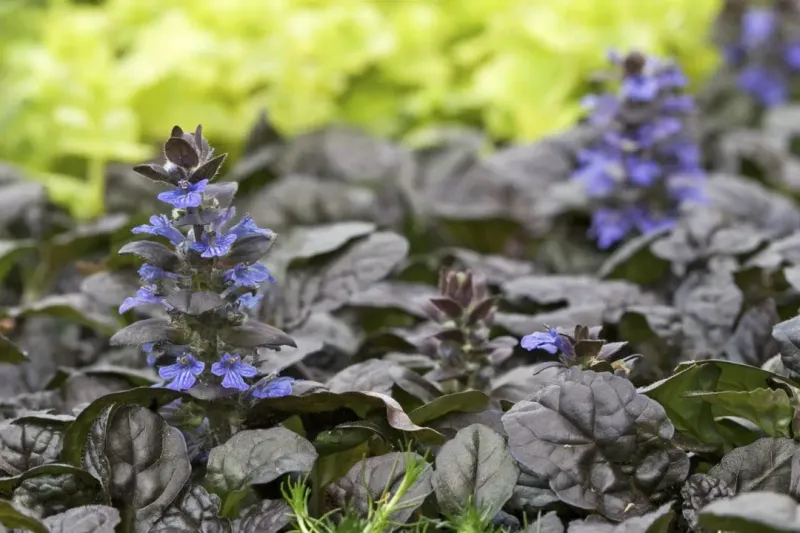
Bare dirt under a tree can look sad and empty. ‘Black Scallop’ ajuga fixes that problem with a dark, shiny carpet. Think of it as a living rug for your garden.
Ajuga, sometimes called bugleweed, is a low groundcover that stays only a few inches tall. ‘Black Scallop’ has rounded, wavy leaves that are glossy and nearly black. The more sun it gets, the darker the color becomes.
Fall is when it really shines. While many plants fade, these leaves keep their deep tone. Red and yellow maple leaves landing on top look like jewels on velvet.
Planting is easy. Space small plants about a foot apart in part shade to full sun. They spread by runners and fill in gaps fairly quickly. Within a season or two, you can have a thick mat that blocks many weeds.
Drainage is key. Ajuga does not like soggy ground, which can lead to crown rot. If your soil holds water, mix in compost or plant on a slight slope.
Spring brings a bonus show. Short spikes of blue flowers pop up in April and May. Bees adore them, and the blue looks lovely against the dark leaves.
A quick tip for tidy gardeners: ajuga can wander into lawns if you let it. Use edging or a border of stones to keep it in place. You can also dig up extra runners and share them with neighbors.
Use it along paths, between stepping stones, or at the front of shady beds. It handles light foot traffic and stays hardy across the whole state. Low effort, big style.
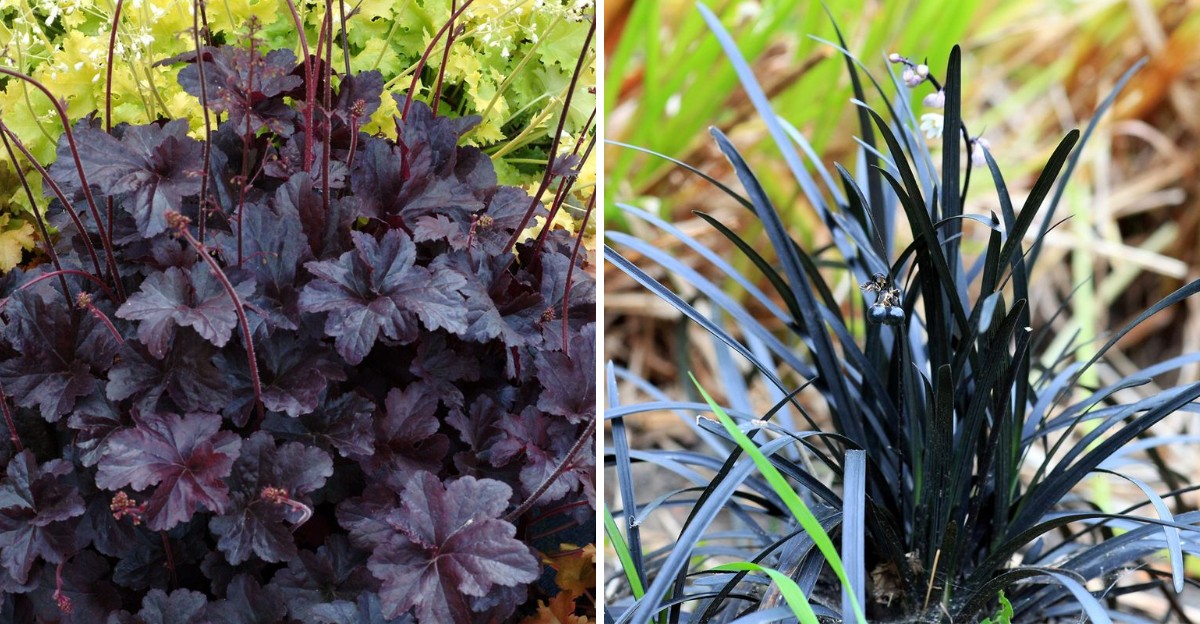
6. Black Mondo Grass Offers Year-Round Mystery
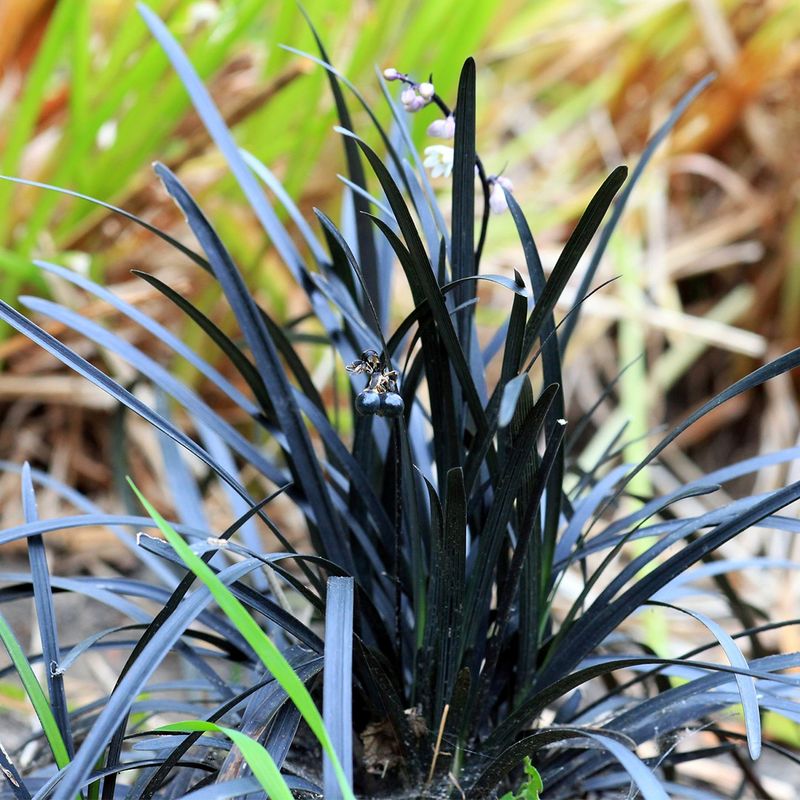
Ask garden designers for the darkest plant they know, and many will point to black mondo grass. Its slender leaves are such a deep purple-black that they almost look painted. Even from across the yard, it grabs attention.
Despite the name, it is not a true grass. It belongs to the asparagus family and grows in neat, arching clumps about six inches tall. The leaves keep their color all year, so your garden stays moody even in January.
Location makes a big difference in Pennsylvania. Black mondo grass does best in milder areas, especially the southeast around Philadelphia, Chester County, and Delaware County. In colder regions, it can still work with some extra care.
Choose a sheltered spot, like near a south-facing wall or between rocks that hold heat. In late fall, spread a few inches of mulch or pine needles around the clumps. That blanket helps protect roots from harsh cold and drying winds.
Growth is slow, so be patient. Plant in rich, moist soil that still drains well. Part shade to full sun is fine, though afternoon shade helps in hot summers.
So how do you show it off? Pair it with bright partners. Lime green creeping Jenny, silver lamb’s ear, or white pebbles make the dark leaves stand out like ink on paper.
It also looks great in pots, where you can move it to a protected garage or porch during cold snaps.
In summer, small pinkish flowers appear, followed by shiny black berries. Those little berries add one more spooky detail, making black mondo grass a perfect finishing touch for a haunted fall garden.