The Best Evergreen Native Trees For Year-Round Pennsylvania Privacy
Privacy plantings in Pennsylvania live or die by what they look like in January. A shrub or tree that provides beautiful screening through the growing season and then drops its leaves entirely for five months is only solving half the problem.
For living year-round privacy, evergreen plants are the most reliable choice. The best of those for Pennsylvania are native ones that handle the state’s winters without struggling and contribute to the local ecosystem while they work.
Most privacy plantings default to the same handful of non-native evergreens. Arborvitae, Leyland cypress, skip laurel.
These work to varying degrees, but they come with well documented vulnerabilities to deer, disease, and the specific climate pressures Pennsylvania delivers.
Native evergreen trees are tougher, longer lived, and ecologically valuable in ways that imported options simply are not.
Here are the best evergreen native trees for year round Pennsylvania privacy and why each one outperforms the typical alternatives over the long term.
1. Eastern White Pine
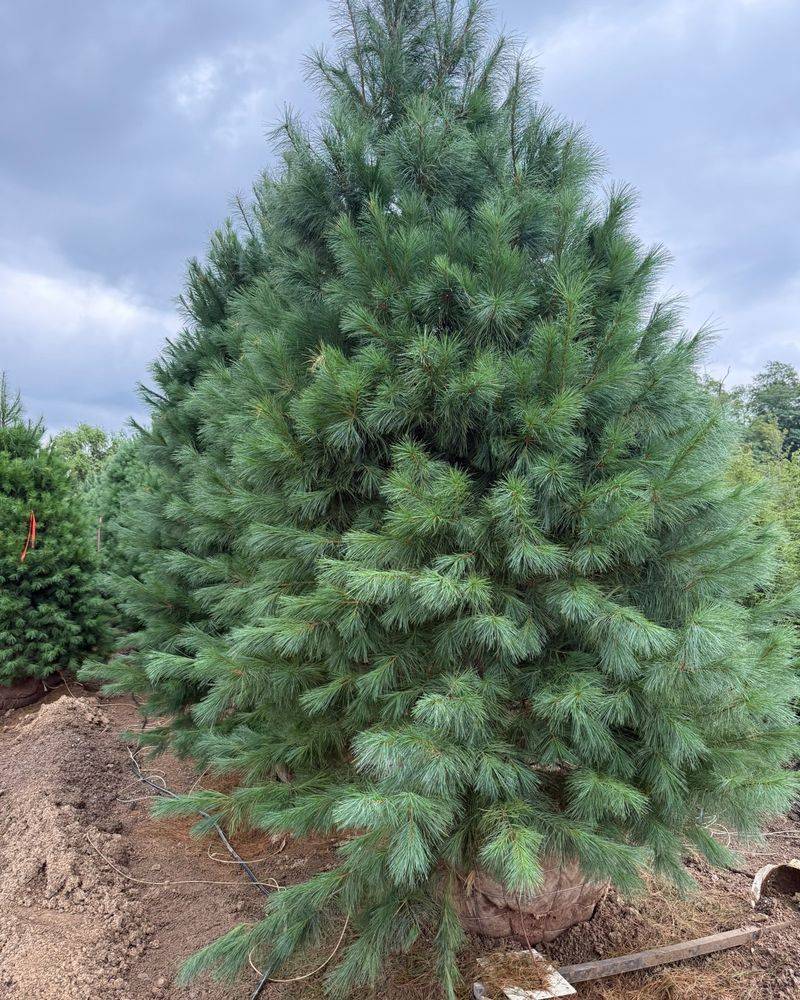
Picture a soft, feathery giant swaying gently in the breeze, and you have the Eastern White Pine. This tree is one of the tallest natives in Pennsylvania, sometimes reaching over 80 feet when fully grown.
Its needles come in bundles of five and feel smooth to the touch, giving the whole tree a fluffy, cloud-like look. Because it grows so fast, often two to three feet each year, it is a favorite for folks who want privacy without waiting a lifetime.
Fun fact: colonial shipbuilders once prized these trees for making ship masts because the trunks grow so tall and straight. When planted in a row, White Pines create a thick screen that blocks views and softens road noise nicely.
They prefer well-drained soil and plenty of sunshine, though they can handle a bit of shade too. Give them room to spread, since their branches can reach 20 feet wide near the base.
One thing to keep in mind is that lower branches may thin out as the tree ages, so pair them with shorter shrubs if you want solid coverage near the ground. Winter winds and heavy road salt can bother them, so plant a little away from busy streets.
Birds love nesting in the dense branches, and you might spot chickadees or owls making a home there. The wood also smells wonderful, filling your yard with a fresh forest scent after rain.
For quick, graceful privacy that feels like a slice of the northern woods, this pine is hard to beat.
2. Eastern Red Cedar
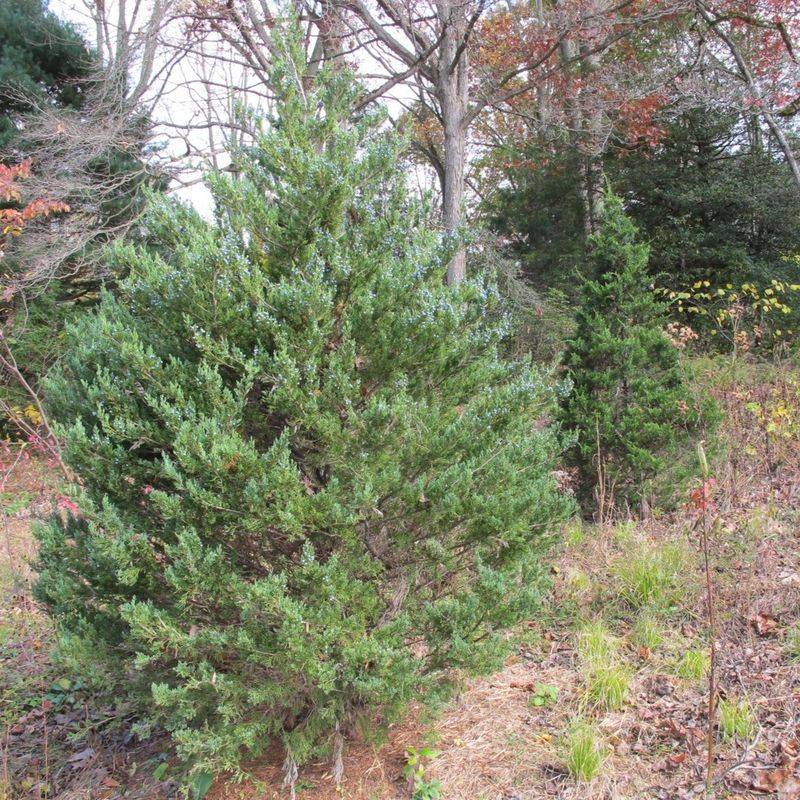
Tough as nails and happy almost anywhere, the Eastern Red Cedar is a survivor that shrugs off dry soil, wind, and cold. This hardy native is actually a type of juniper, and it grows in a neat cone or column shape that looks great in a privacy row.
Its foliage is a rich, dark green that sometimes turns a bronzy color in winter, adding a splash of interest to a snowy yard. Small blue berries dot the branches, and birds like cedar waxwings absolutely feast on them.
Your Pennsylvania Garden Changes Every Week. Your Plan Should Too.
Gardening in Pennsylvania changes quickly throughout the season. Every Friday you’ll receive a simple weekly plan showing exactly what to plant, prune, fertilize, harvest, and protect so you never miss the right timing.
What makes this tree so useful is how little care it needs once it settles in. It handles poor, rocky ground that other trees would refuse, making it perfect for spots where nothing else seems to thrive.
The wood is famous for its lovely smell and is often used to line closets and make cedar chests because it keeps moths away. If you have ever opened a cedar drawer, you know that warm, woodsy scent right away.
These trees grow at a medium pace and can reach 30 to 40 feet tall. Plant them in full sun for the thickest, healthiest growth, since shade makes them thin and leggy.
Space them about six to eight feet apart for a solid green wall. They also resist drought beautifully, so you will not need to water constantly during hot summer stretches.
For a low-maintenance, wildlife-friendly screen that laughs at bad weather, the Eastern Red Cedar earns a spot in almost any Pennsylvania yard.
3. Canadian Hemlock
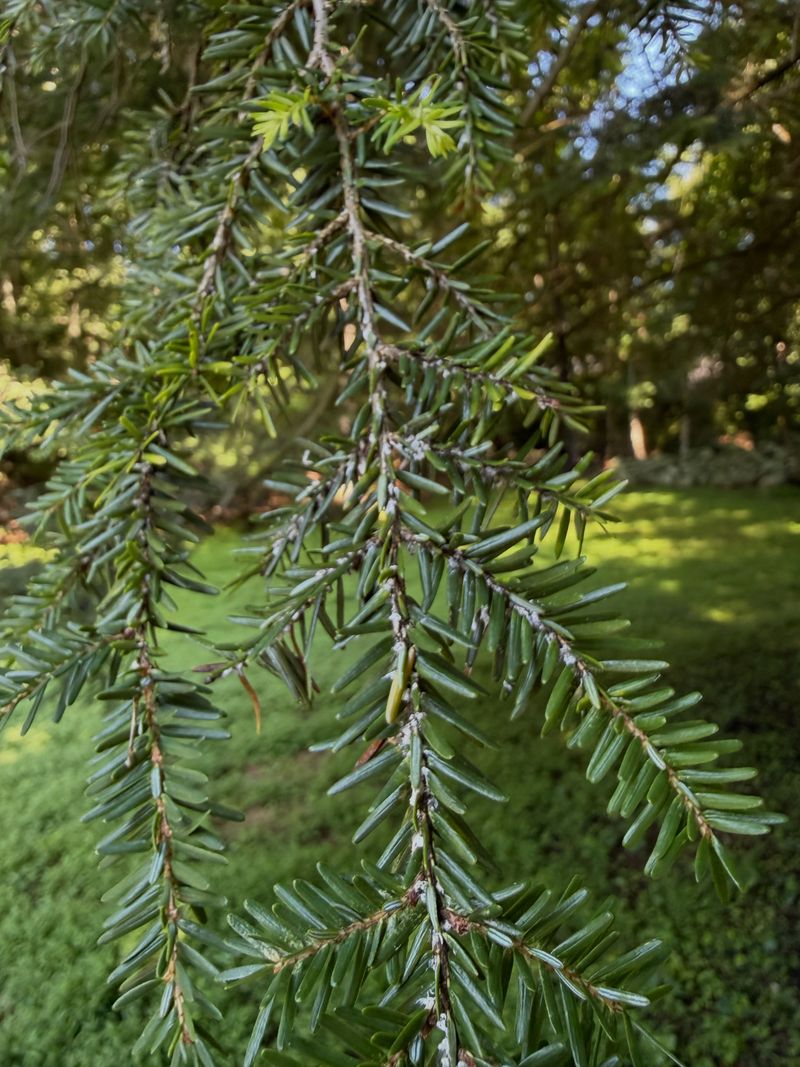
Graceful and soft, the Canadian Hemlock brings a gentle, drooping beauty to any yard. Its short, flat needles are dark green on top with two silvery lines underneath, and the tiny cones dangle like little ornaments.
This tree is special because it actually enjoys shade, which is rare among evergreens. If you have a shady corner where other privacy trees sulk, the hemlock will feel right at home.
Pennsylvania even named it the official state tree back in 1931, so it has deep roots in the region both literally and historically. You will find it growing wild in cool, moist ravines all across the state.
Because its branches grow all the way down to the ground, it makes a wonderfully thick screen that blocks views from top to bottom. Many gardeners even trim hemlocks into tidy hedges since they take pruning well.
They prefer moist, well-drained soil and do not like hot, dry, windy spots. A layer of mulch around the base helps keep the roots cool and damp during summer heat.
One thing to watch for is a tiny pest called the woolly adelgid, which can weaken hemlocks. Keeping your tree healthy and treating it early if needed will help it stay strong for years.
Wildlife adores hemlocks, and deer often shelter beneath them during snowstorms. The soft, layered branches also muffle sound, giving your yard a peaceful, quiet feeling.
For a shady screen with elegant, feathery charm, this state favorite is a wonderful pick.
4. American Holly
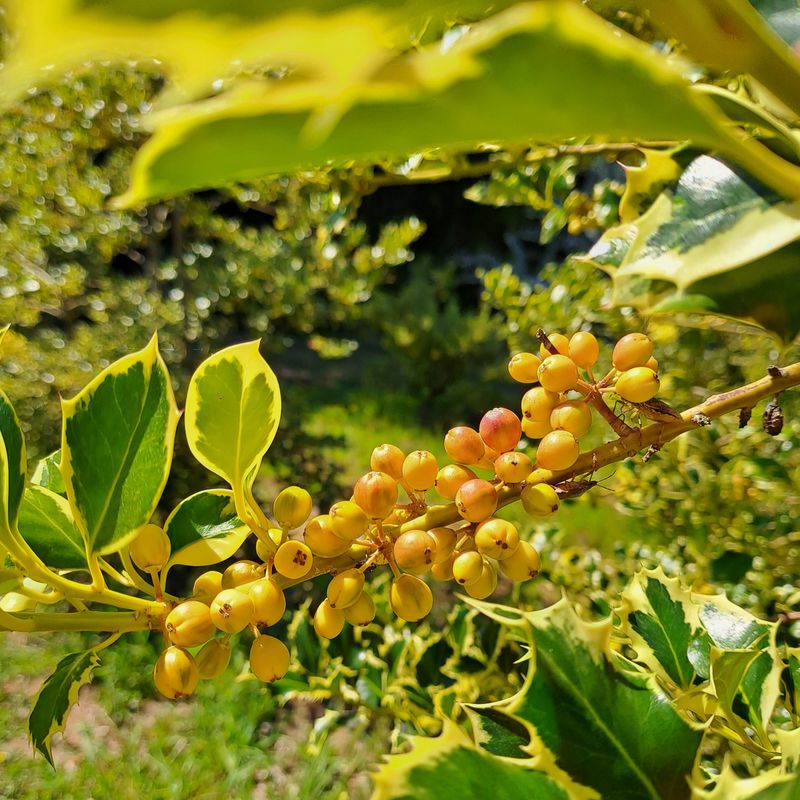
Shiny leaves and cheerful red berries make the American Holly a standout, especially when snow blankets the yard. This tree looks straight out of a holiday card, and that festive charm comes naturally.
The leaves are thick, glossy, and edged with pointy spines that discourage animals and, honestly, curious neighbors from getting too close. That prickly armor makes holly a natural security screen as well as a pretty one.
Only the female trees produce those famous bright red berries, and you need a male holly nearby for pollination. Birds gobble up the berries in winter when other food is scarce, so you will enjoy plenty of feathered visitors.
American Holly grows slowly but steadily into a pyramid shape, reaching 15 to 30 feet over time. Patience pays off, because a mature holly hedge is dense, dark green, and gorgeous all year.
These trees like moist, slightly acidic soil and can handle full sun or partial shade. They appreciate protection from harsh winter winds, so a sheltered spot works best.
Pruning is easy, and many people snip a few branches around the holidays for wreaths and decorations. Just wear gloves, because those leaf tips are surprisingly sharp.
Did you know holly has been used as a symbol of good cheer for hundreds of years? Ancient people even hung it in their homes during winter festivals.
For a privacy tree that offers year-round color, natural security, and a little holiday magic, the American Holly delivers beauty and function in one prickly, berry-covered package.
5. White Spruce
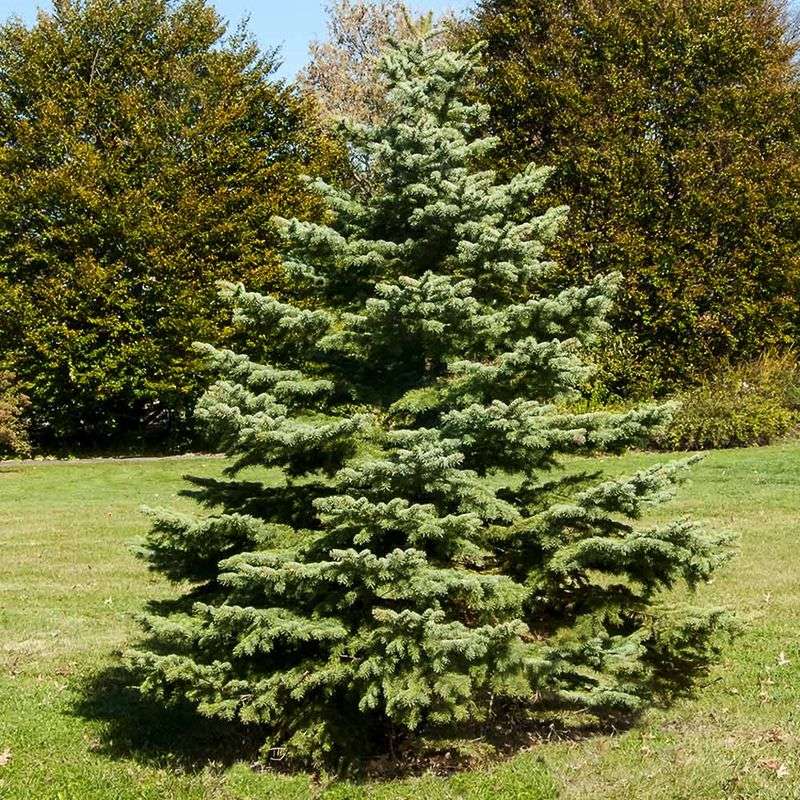
Sturdy and dependable, the White Spruce stands like a soldier through the harshest Pennsylvania winters. Its stiff, bluish-green needles pack tightly along the branches, creating one of the densest screens you can find.
Cold weather does not bother this tree one bit, since it naturally grows in northern forests where temperatures drop far below freezing. That toughness makes it a smart choice for windy, exposed yards.
The classic cone shape gives it that perfect Christmas tree look, and the branches hold their shape neatly without much trimming. When planted in a line, the trees overlap into a solid green barrier.
Something interesting about White Spruce is that its needles have a slightly skunky smell when crushed, which earned it the nickname skunk spruce. Do not worry, though, the tree itself smells fresh and piney in the yard.
These evergreens grow at a moderate speed and can reach 40 to 60 feet tall, so give them plenty of vertical space. They prefer full sun and cool, moist soil for the best growth.
Birds, squirrels, and other critters love the shelter these dense branches provide, especially during snowy months. The thick foliage also blocks wind wonderfully, protecting your home and lowering heating costs a little.
Space them about eight to ten feet apart to let each tree fill in fully. Once established, they need very little attention and keep looking sharp for decades.
For a rugged, wind-blocking privacy wall that thrives when the weather turns bitter, the White Spruce is a rock-solid choice that keeps your yard cozy and hidden.
6. Northern White Cedar
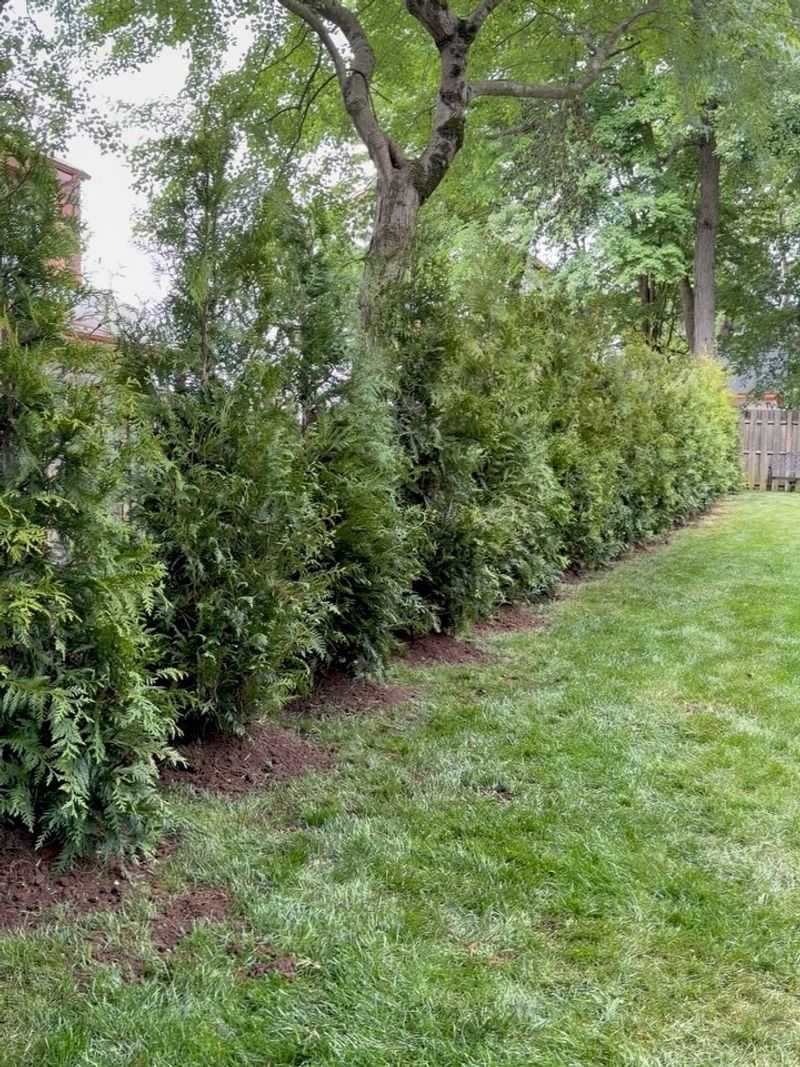
Often called arborvitae, which means tree of life, the Northern White Cedar has been a beloved privacy plant for generations. Its flat, fan-shaped sprays of green foliage create a smooth, tidy wall that many homeowners adore.
These trees grow in a neat, narrow shape, so they fit beautifully along property lines without hogging too much space. Planting them close together forms a living fence that fills in quickly.
Early explorers actually learned from Native Americans that tea brewed from its leaves was full of vitamin C, which helped cure scurvy long ago. That healing history is where the tree of life nickname comes from.
Northern White Cedar handles cold winters and damp soil like a champ, making it well suited to much of Pennsylvania. It grows at a medium pace and typically reaches 20 to 40 feet tall.
Full sun gives you the thickest, healthiest growth, though it tolerates a bit of shade. The foliage stays green through winter, though it may take on a slightly bronze tint in the coldest months.
One thing to watch is deer, since they love nibbling on the soft foliage during winter. A fence or repellent can protect young trees until they grow tall enough to be safe.
These cedars respond well to trimming, so you can shape them into a formal hedge or let them grow naturally. Their roots are shallow, so plant them where they will not compete with big trees.
For an affordable, classic, and quick-growing privacy screen, the Northern White Cedar remains a trusted favorite year after year.
7. Pitch Pine
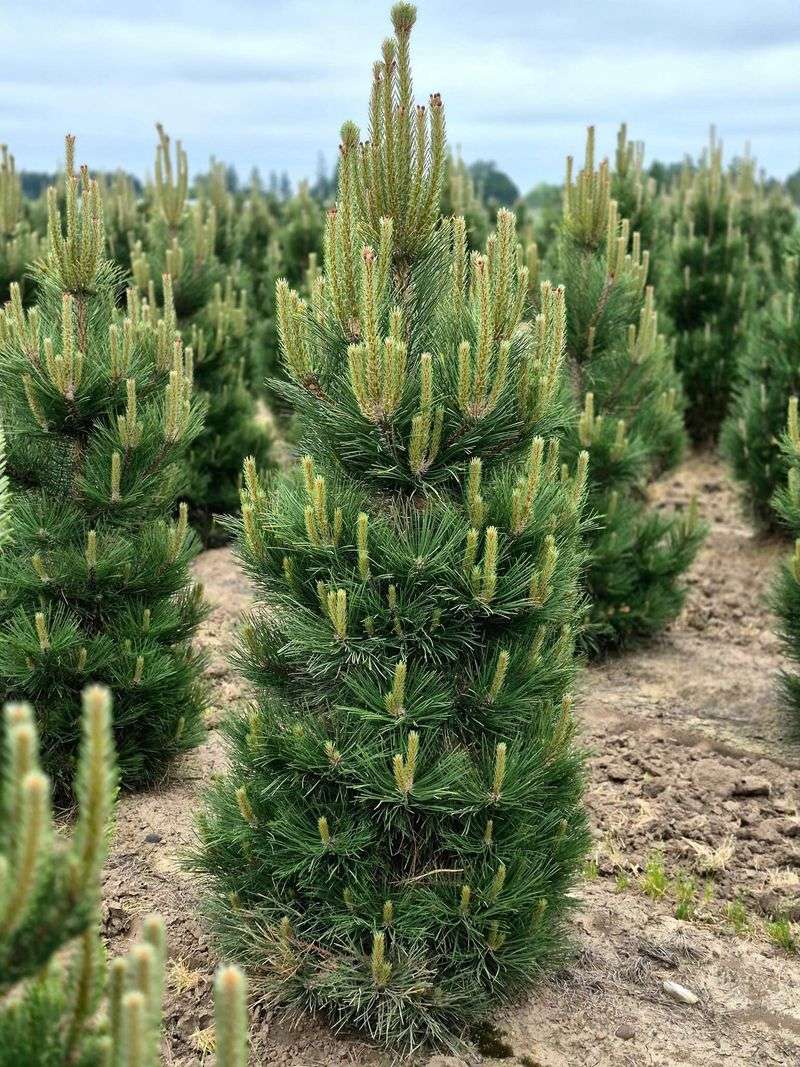
Rugged and a little wild-looking, the Pitch Pine is the tough survivor of sandy, rocky places where softer trees give up. Its twisted branches and irregular shape give it loads of character, almost like a bonsai grown huge.
This native pine grows needles in bundles of three, and they are stiff and slightly twisted. The bark is thick and rough, which helps the tree resist fire and bounce back after wildfires.
Amazingly, Pitch Pine can sprout new growth right out of its trunk and branches after a fire, a trick very few trees can pull off. That superpower makes it one of the toughest natives around.
For privacy, Pitch Pine works best in spots with poor soil where you want a hardy, no-fuss screen. It thrives in full sun and shrugs off drought, wind, and salty air near roads.
The tree grows at a moderate rate and reaches 40 to 60 feet tall, with a broad, open crown that provides shade and cover. Planting a group creates a rustic, natural-looking barrier.
Wildlife appreciates Pitch Pine too, with birds and small mammals using it for food and shelter. The pinecones hang on for years and add texture to the branches.
Because it loves sandy ground, this pine is a great pick for yards with lean, dry soil where you have struggled to grow anything else. Little watering is needed once it takes hold.
For a hardy, characterful evergreen that handles the roughest conditions Pennsylvania can throw at it, the Pitch Pine is a genuinely tough and rewarding choice.