Don’t Let Those Tiny Trees Take Over Your Ohio Fence Line
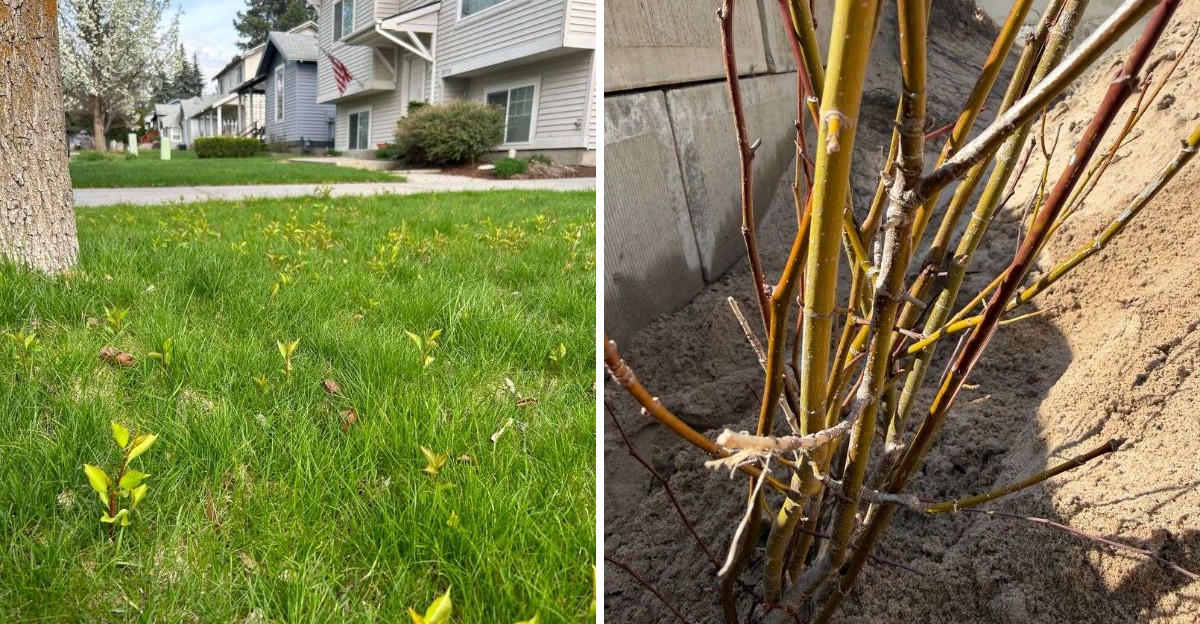
Walk the edge of your Ohio yard in October and count the little green sticks poking out of the soil. Easy to shrug off now.
Hard to ignore in three years.
Fence lines are free real estate for every seed that blows, drops, or hitches a ride. Birds leave deposits on the wires, wind drops seed across the grass, and nobody mows right up against the posts.
A quiet little forest gets a head start.
Those saplings grow fast. Roots dig in, trunks thicken, and the fence starts to lean while you aren’t watching.
Pulling one in fall takes seconds. Pulling the same tree later takes a saw and a free weekend.
Grab a pair of gloves and a trowel this week. Small problems stay small only if you act first.
1. Those Fence Line Saplings May Be Callery Pear
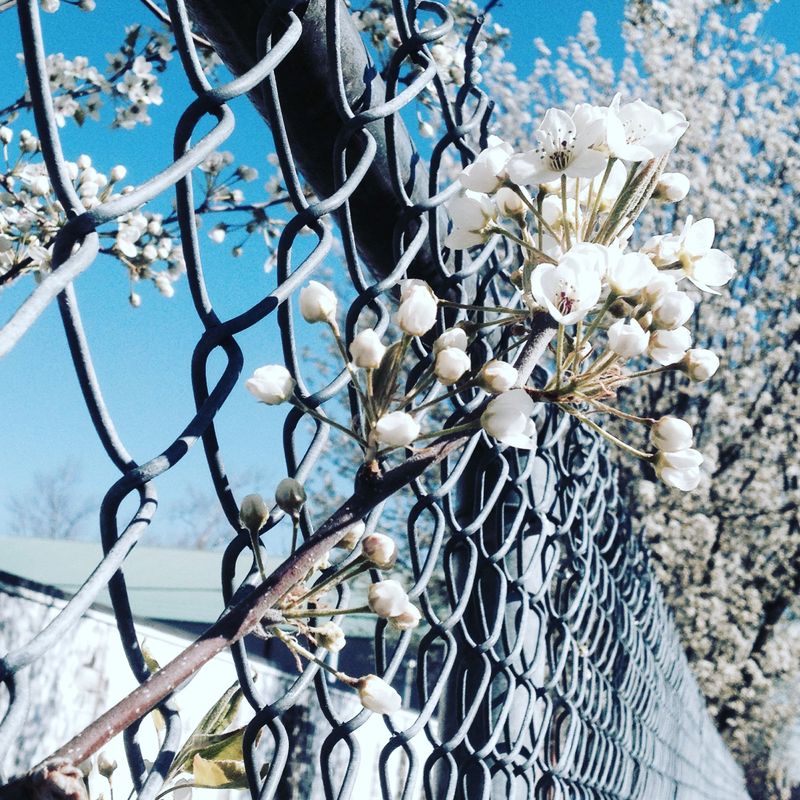
Picture a row of glossy little trees standing at attention along your wire fence. They look tidy and polite, but they may be Callery pear, one of Ohio’s pushiest invaders.
Many folks know this tree by its old nickname, Bradford pear. Builders and homeowners planted it for decades because it grew fast and bloomed bright white each spring.
The trouble is that the tree did not stay where people put it. Seedlings now sprout in yards, ditches, old fields, and especially along fence lines.
Fence rows make perfect hideouts for young trees. Mowers can’t reach them easily, and the posts give birds a handy place to rest.
Young Callery pear can look like a harmless volunteer at first. The leaves are shiny and neat, and the stems may carry sharp thorns on wilder plants.
Those thorns are a big clue, since planted Bradford types usually lacked them. Wild offspring often slip back to spiny forms that can snag gloves and jeans.
Left alone, a few saplings can become a thicket within a handful of years. That thicket crowds out native shrubs and shades your garden beds.
The good news is that early action makes a huge difference. Take a slow walk along your fence this week and see what is growing there.
2. Birds Plant Them From Neighborhood Trees
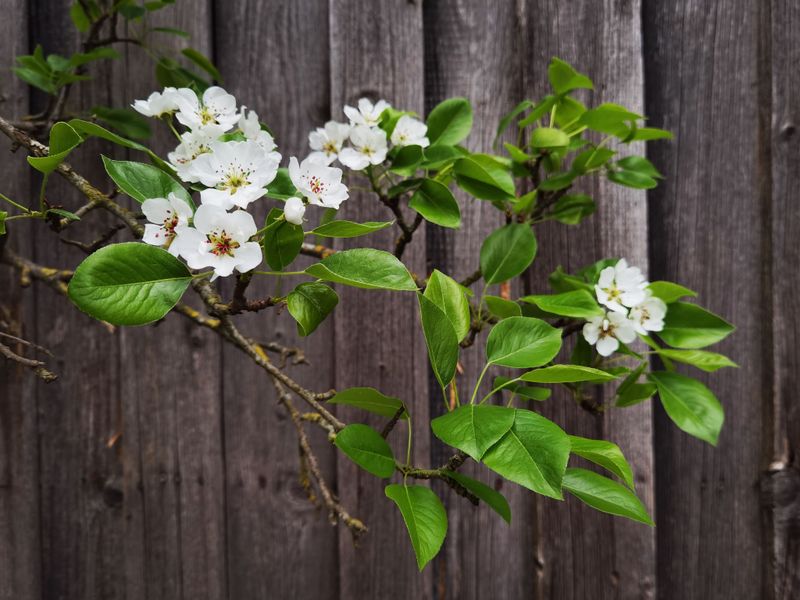
Every winter, starlings and robins throw a quiet party in your neighbor’s ornamental pear tree. The guests gobble up tiny, hard fruits about the size of a pea.
Those fruits soften after a frost or two, which makes them a handy snack when other food runs low. Birds don’t hang around long, though, and they carry the seeds away inside them.
Later, the birds perch on your fence wire or post to rest. What drops below is a ready-made planting kit, complete with a little natural fertilizer.
That is why the saplings often line up so neatly under fences. It’s not your imagination, since the birds are basically planting a hedge for you.
Here’s a twist that surprises many people. A single Bradford pear can’t make much fruit alone, but it can cross with other Callery types nearby.
Your Ohio Garden Changes Every Week. Your Plan Should Too.
Gardening in Ohio changes quickly throughout the season. Every Friday you’ll receive a simple weekly plan showing exactly what to plant, prune, fertilize, harvest, and protect so you never miss the right timing.
Once different varieties grew close together in neighborhoods, fruit showed up everywhere. Trees can start fruiting in as few as three years, so the cycle speeds up fast.
You can’t stop birds from visiting, and you wouldn’t want to. You can, however, check under perches like fences, power lines, and lone trees each spring and fall.
If a neighbor has a big pear tree, a friendly chat might help too. Fewer fruiting trees nearby means fewer surprise seedlings along your property line.
3. Callery Pear Now Pops Up Along Roadsides And Fence Rows
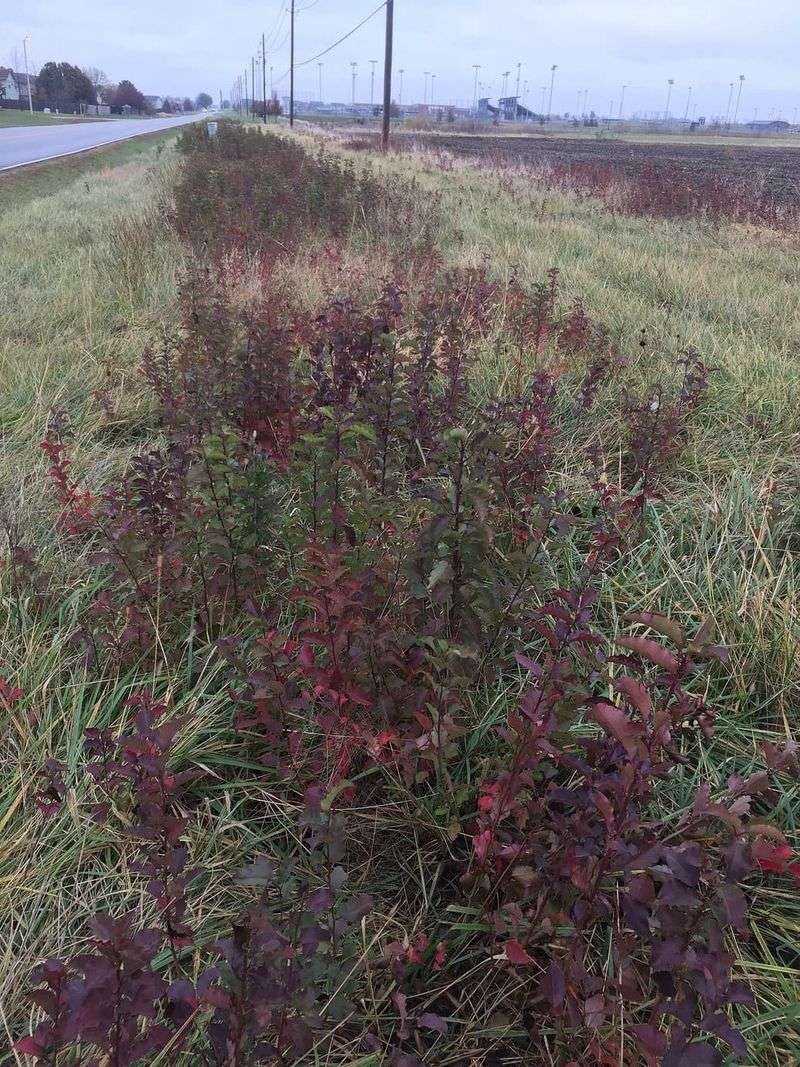
Drive almost any Ohio highway in early April and you’ll spot clouds of white blossoms. They look lovely from the car, but nobody planted most of those trees.
Callery pear now crowds medians, highway ramps, and utility corridors across the state. It also creeps into old pastures and woodland edges where native plants once ruled.
The tree is remarkably tough. It handles wet soil, dry soil, full sun, and even some shade without much complaint.
That flexibility helps it win almost anywhere seeds land. Fence rows offer a similar setting, with open light and few mowers passing through.
Thick stands of Callery pear block sunlight from the ground. Wildflowers, native shrubs, and young oaks have a hard time keeping up underneath.
Wildlife feels the squeeze as well, since native caterpillars rarely feed on the leaves. Fewer caterpillars mean fewer meals for baby songbirds in spring.
Here’s a fun but stinky fact. The spring blooms give off a scent many people compare to spoiled fish, so the roadside beauty comes with a nose-wrinkling twist.
Keep an eye on nearby roadsides as a kind of early warning system. If pear thickets grow along your road, your fence line is likely next on the list.
4. It’s Been Banned From Sale In Ohio Since 2023
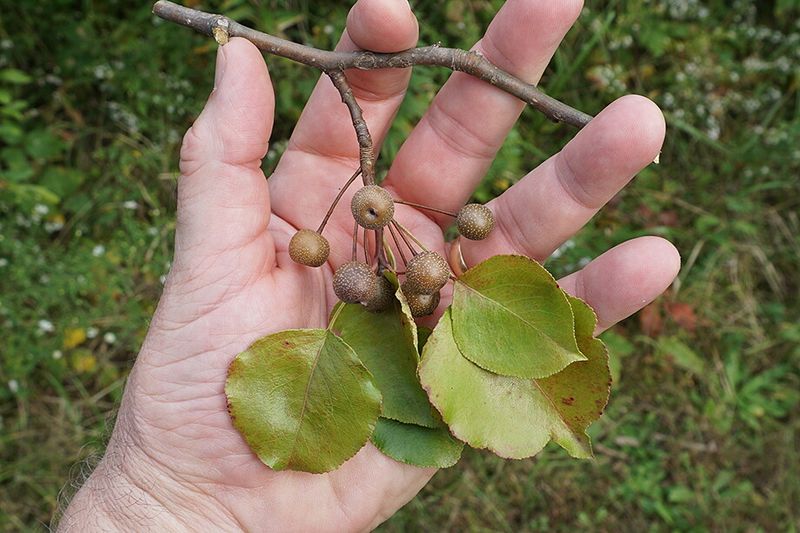
Ohio made a bold move in January 2023. From then on, selling, propagating, or distributing Callery pear became against the rules in the state.
The ban did not appear overnight. Nurseries, growers, and landscapers received a five-year heads-up to sell off stock and switch to other trees.
That warning period was fair to businesses that depended on the tree. It also showed how serious state experts felt about the spread.
The rule is part of Ohio’s invasive plant list, managed by the Ohio Department of Agriculture. Other troublemakers on that list include Amur honeysuckle and purple loosestrife.
So what does that mean for your backyard? Existing trees are not illegal to own, but new plantings are off the table.
Many experts encourage homeowners to replace older pear trees when possible. Some local groups even run bounty programs that offer a free native tree in exchange.
Good swaps include serviceberry, redbud, and native dogwood. Each one blooms in spring and feeds local wildlife far better than pear.
Think of the ban as a nudge rather than a punishment. Pulling seedlings from your fence line helps the state’s effort one small tree at a time.
5. Look For Wavy, Finely Toothed Leaf Edges
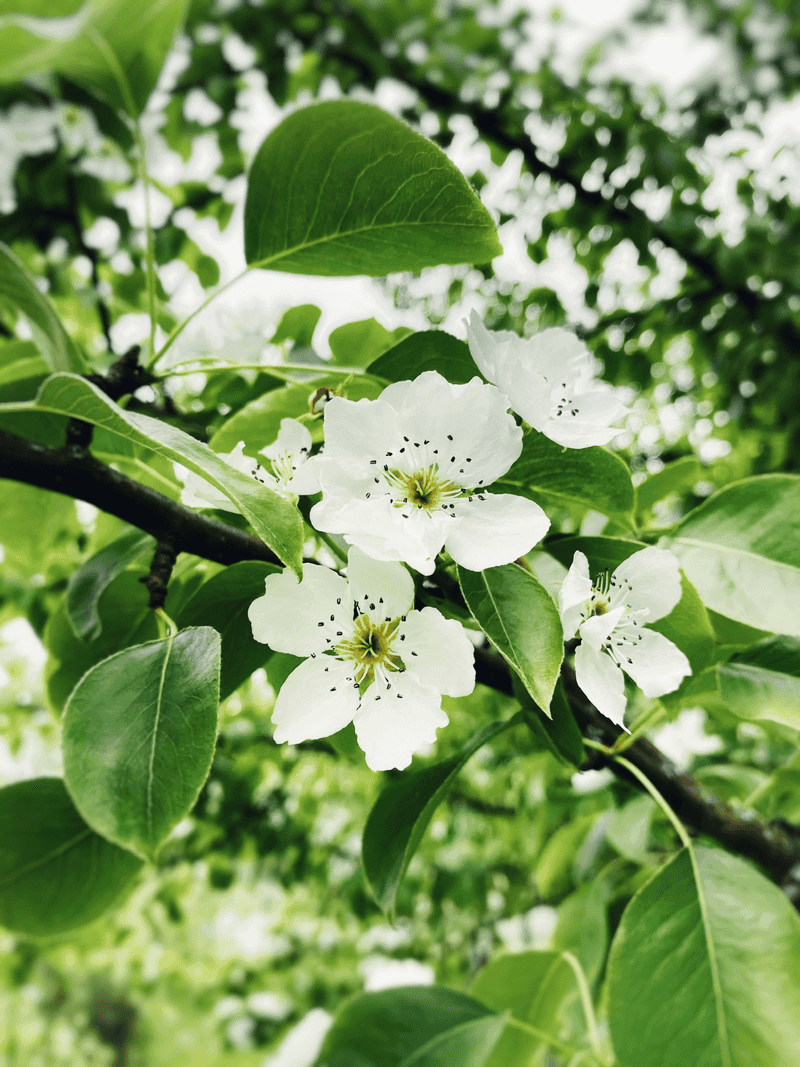
Run your finger along the edge of a young pear leaf and you’ll feel something subtle. Tiny, fine teeth line the margin, and the edge often has a gentle wave.
Callery pear leaves are dark green, shiny, and smooth on top. They’re shaped like a rounded heart or an egg with a short pointed tip.
Hold one up to the light and it almost looks waxed. That glossy shine helps it stand out from duller native leaves nearby.
Fall gives you another great clue. Pear leaves hang on late into autumn and turn deep red, purple, or orange after most trees go bare.
Look at the twigs too. Wild seedlings often carry stiff thorns, while the buds are fuzzy and grayish in winter.
Young bark is smooth and light brown with small dots called lenticels. Older trunks become gray and develop shallow ridges.
Not sure? Snap a photo and use a plant ID app, or send it to your county OSU Extension office for a free second opinion.
Getting the ID right protects helpful natives like wild cherry and serviceberry. Once you know the look, you’ll start spotting pears everywhere you go.
6. Pull Seedlings Under 2 Feet By Hand
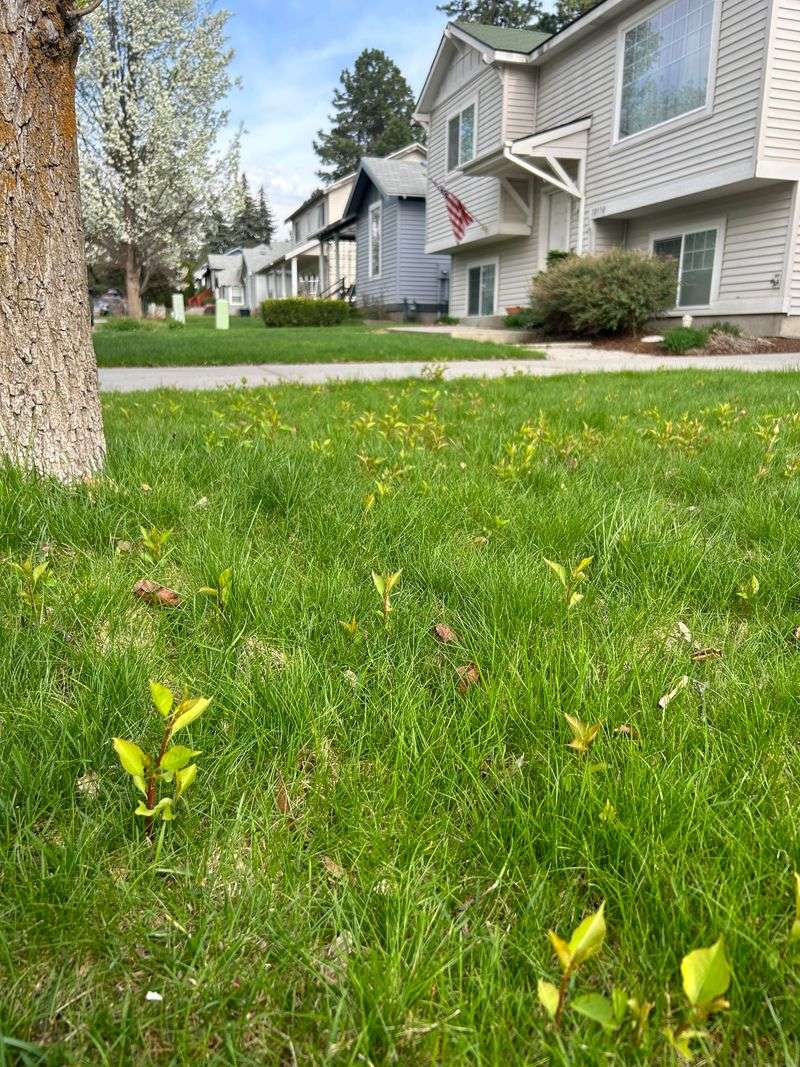
Grab a cup of coffee and a pair of sturdy gloves. Small Callery pear seedlings, under about two feet tall, are often easy to remove by hand.
Timing matters more than muscle. The best moment is after a soaking rain, when the soil is soft and loose.
Grip the stem low, right where it meets the ground. Pull straight up with a slow, steady motion instead of a quick yank.
A gentle wiggle helps loosen the root as you pull. If the stem snaps, the root may sprout again, so try to get as much as possible.
For stubborn little ones, a garden fork or weed puller tool gives extra leverage. Push it in beside the stem and rock it back to lift the root.
Watch out for thorns on wild seedlings. Leather gloves and long sleeves save your hands and arms from scratches.
Toss pulled seedlings in the trash or let them dry out on pavement. Leaving them on moist soil can let some reroot.
Make this a twice-a-year habit, in spring and fall. Ten minutes along the fence now saves hours of sawing and digging later.
7. A Long Taproot Makes Bigger Seedlings Tough To Pull
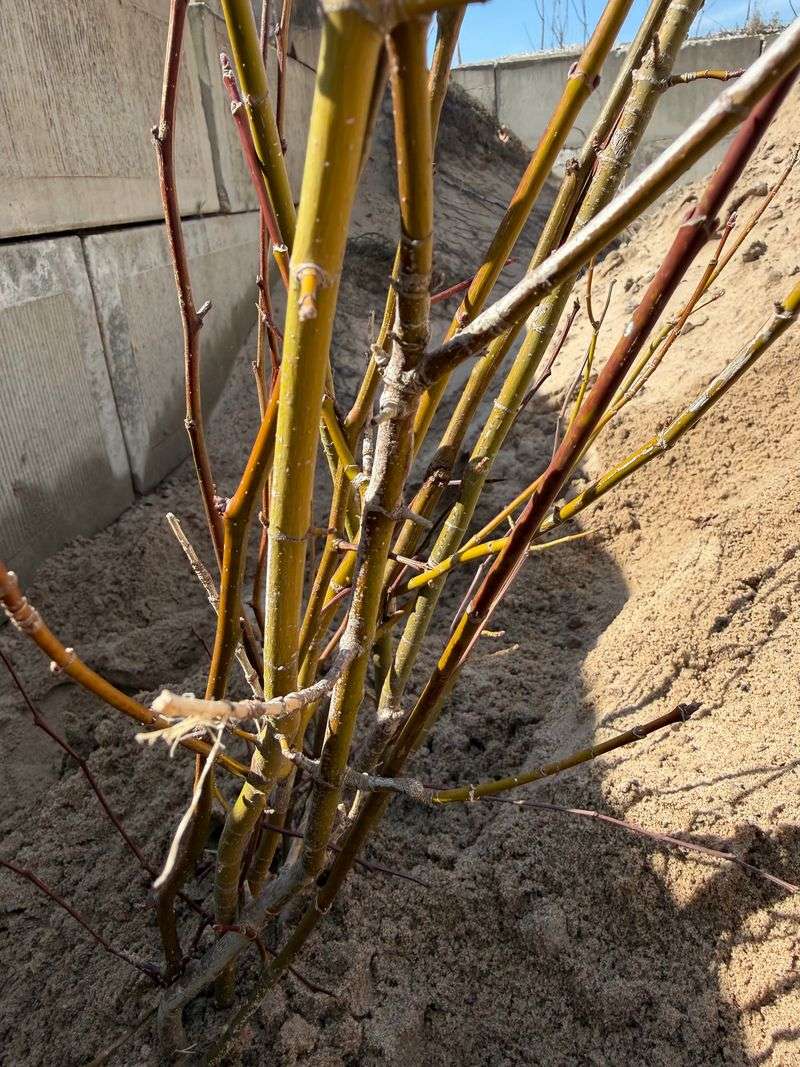
Imagine a carrot that keeps growing for years and refuses to quit. That’s roughly what you’re up against once a Callery pear seedling settles in.
The tree sends down a long, thick taproot early in life. This root anchors the plant and stores energy for fast growth.
Once seedlings pass a couple of feet tall, the root may reach deep below the surface. Pulling by hand usually snaps the stem and leaves the root behind.
That leftover root is a sneaky survivor. It can push up new shoots, sometimes several at once, making the problem bushier.
A weed wrench or similar lever tool can help with medium saplings. These tools clamp the base and use leverage to pry the root out.
Digging is another option for a few plants. Use a sharp spade to cut around the base and loosen the soil before lifting.
Fence posts can make digging tricky. Work carefully so you don’t loosen the post or bend the wire.
Mowing over pear sprouts sounds easy, but it rarely solves anything. The taproot just fuels fresh growth, so plan on a stronger method for bigger trees.
8. Foliar Treatment Works On Trees Under 4 Feet
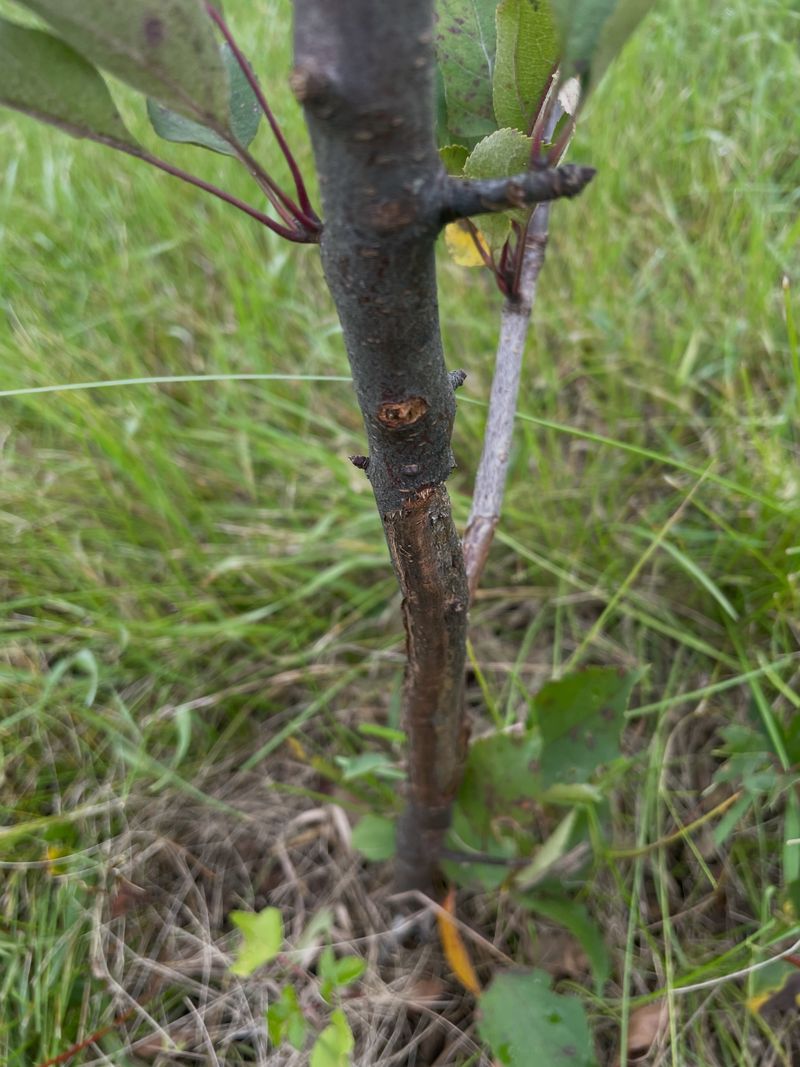
When seedlings outgrow hand pulling, a targeted spray can help. Foliar treatment means applying herbicide directly to the leaves of small trees, usually under about four feet tall.
Leaves soak up the product and move it down to the roots. That trip to the root is what makes this method effective against the stubborn taproot.
Many land managers use products containing glyphosate or triclopyr. Read and follow the label every time, since it is the law and keeps you safe.
Late summer through early fall is a great window. Trees are pulling energy downward then, so the treatment travels to the roots more easily.
Pick a calm, dry day with no rain in the forecast. Wind can drift spray onto your garden, lawn, or the neighbor’s plants.
Cover the leaves lightly until they look damp, not dripping. A small hand sprayer gives you better control than a big hose-end model.
Wear gloves, long sleeves, and eye protection. Keep kids and pets away until the leaves dry.
Larger trees need different tools, like cut-stump or basal bark treatments. If you’re unsure, the OSU Extension office or a licensed pro can guide you.
9. Watch For Other Banned Invaders Like Tree-Of-Heaven
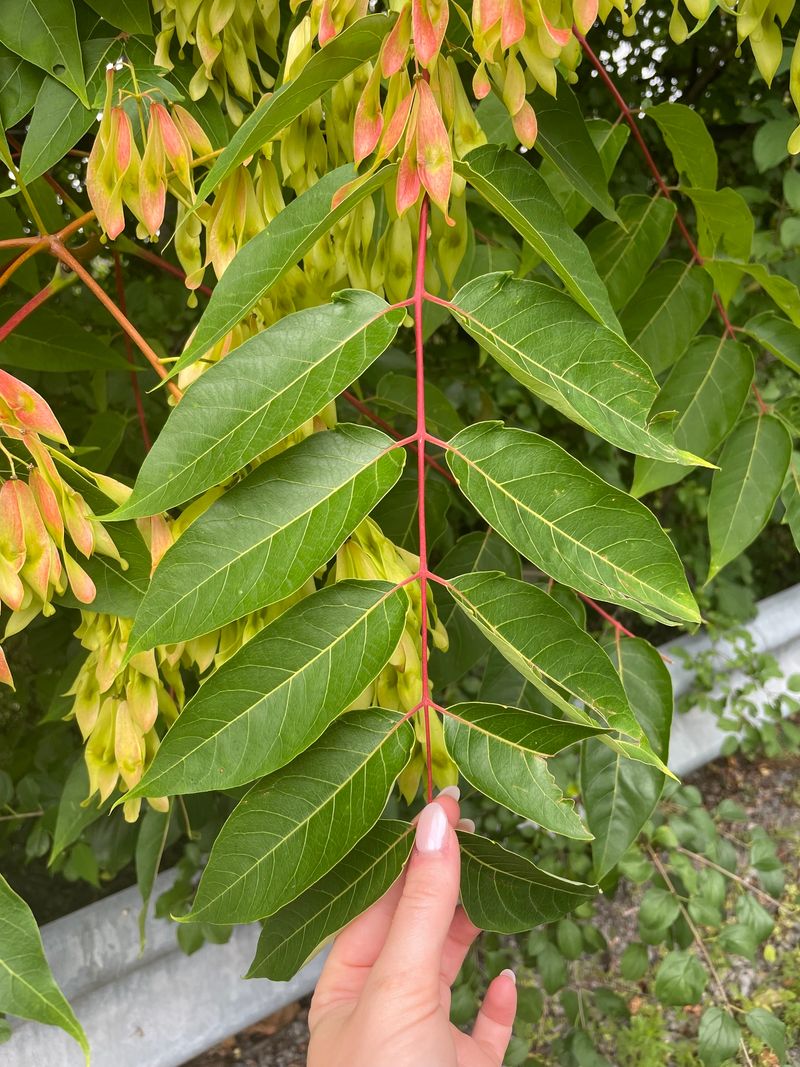
Callery pear isn’t the only uninvited guest on Ohio fence lines. Tree-of-heaven is another fast grower that loves the same sunny, messy edges.
Its leaves are long and made of many leaflets, a bit like a giant fern. Crush one and you’ll get a smell some compare to burnt peanut butter.
Tree-of-heaven also matters because spotted lanternfly loves to feed on it. That pest has been spreading across Ohio and harms grapes and other plants.
Some areas even offer reimbursement programs for removing tree-of-heaven. Check with your county or soil and water district to see what’s available.
Watch for Amur honeysuckle, too. This shrub leafs out early, keeps leaves late, and fills fence rows with red berries.
Other banned plants include purple loosestrife in wet spots and Japanese stiltgrass in shady areas. Both spread quickly and crowd out native growth.
A good habit is a seasonal fence walk with your phone. Snap photos of anything unfamiliar and look it up later.
Catching invaders early saves time, money, and sore muscles. Your fence line can become a home for native plants instead of a highway for weeds.