The Simple Pantry Repellent Some California Homeowners Use To Keep Stink Bugs Out Of The House

Fall brings an unexpected wave of visitors to many California homes. Sunny walls and window frames start collecting small, shield-shaped guests searching for somewhere cozy to wait out winter.
A few slip indoors. They bumble around lamps, land on curtains, and leave behind an unpleasant smell when disturbed.
Plenty of homeowners reach for sprays or vacuums. Some, though, turn to a far humbler solution tucked away in the kitchen cabinet.
This particular pantry staple carries more than folklore behind it, since researchers have actually put it to the test.
It works best as a helper rather than a cure-all, paired with a few simple habits and some careful handling.
Sometimes the most effective defense smells a lot like holiday baking.
Clove Is The Pantry Remedy To Try

Spice racks hold plenty of strong smells, from cinnamon to black pepper. Only a few of them, though, have faced real testing against stink bugs, and clove ranks among the best performers.
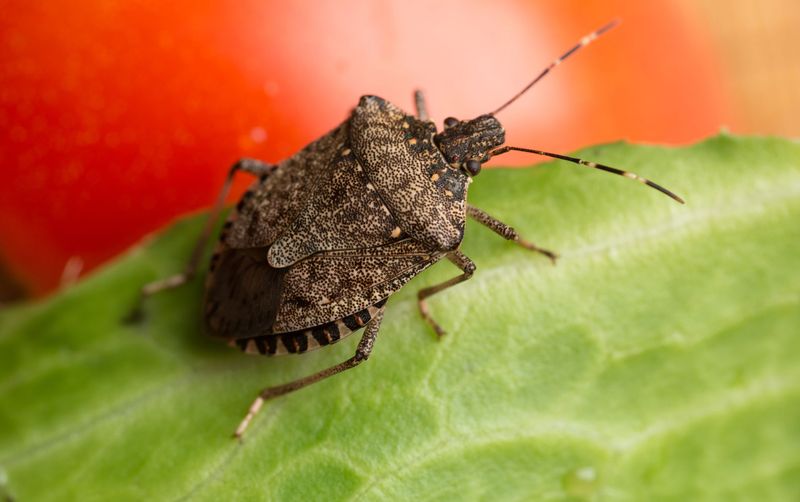
The pest in question is the brown marmorated stink bug. It arrived in the United States from Asia in the 1990s and has since spread to many parts of California.
UC IPM notes that it feeds on more than 100 kinds of plants, including peaches, tomatoes, and ornamental shrubs. In fall, adults look for sheltered spots and often end up inside houses.
A mottled brown back and light bands on the antennae help identify it. Alternating dark and pale edges along its sides offer another clue.
Indoors, it doesn’t bite people, breed, or eat stored food. Mostly it acts as a smelly nuisance that wanders around and stains things when crushed.
Clove helps because the bugs seem to dislike its scent. Whole cloves cost little, store for months, and likely already sit in the cupboard.
Clove oil is easy to find at grocery and health stores, too. Both forms have a place in a home plan.
Clove works like a polite No Vacancy sign rather than a locked door. Used near entry points and refreshed often, it can make a home a little less inviting.
Paired with sealing, it becomes part of a smart plan instead of a wish. October, when bugs gather on sunny walls, makes an ideal time to start.
Studies Found Clove Oil Blocked Stink Bug Attraction

A trap baited with a scent stink bugs usually find irresistible tells an interesting story once clove oil enters the picture.
In research published in the Journal of Applied Entomology, that simple addition made the bugs nearly stop showing up.
Scientists tested a range of essential oils as spatial repellents. A spatial repellent works through the air, pushing pests away from an area without touching them.
The team placed oils near traps baited with aggregation pheromone, the chemical signal stink bugs use to gather. That setup created a demanding test.
Several oils made a strong showing. Clove, lemongrass, spearmint, and ylang-ylang oils nearly blocked stink bug attraction to the baited traps.
Normally those traps pull bugs in steadily, so the drop stood out. Some other oils tested showed weaker effects or none at all.
Your California Garden Changes Every Week. Your Plan Should Too.
Gardening in California changes quickly throughout the season. Every Friday you’ll receive a simple weekly plan showing exactly what to plant, prune, fertilize, harvest, and protect so you never miss the right timing.
A trap in a field differs from a leaky window frame, of course. Still, the study shows that the bugs genuinely react to clove scent in the air.
That gives home use a sensible basis rather than relying on rumor or a catchy online post. Science backs the idea, at least partly.
Realistic expectations matter, though. The researchers measured short-term repelling rather than long-lasting protection, and scents drift away and weaken as oils evaporate.
Clove can nudge bugs toward another spot, but it won’t seal a house. The study offers a reason to try clove, while caulk explains why the approach actually works well.
Eugenol Gives Cloves Their Punch
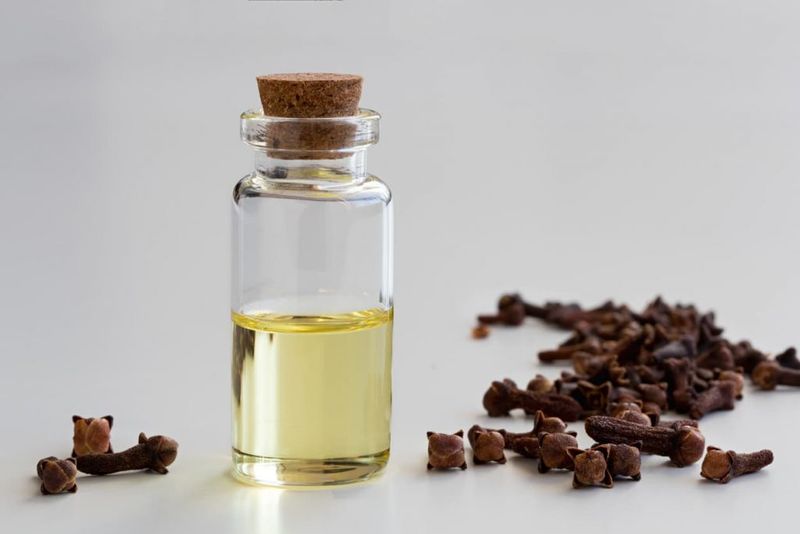
A freshly opened jar of cloves fills the air right away. Warm, spicy, and a little medicinal, that bold aroma comes mostly from one natural compound called eugenol.
Eugenol makes up the largest share of clove oil, often well over half of it. Researchers credit this compound for much of clove’s ability to turn stink bugs away.
Smaller amounts of eugenol show up in basil, cinnamon, and bay leaves. That shared chemistry explains why those spices carry a faintly similar warmth.
Dentists have used eugenol for generations. It appears in some temporary fillings and toothache remedies because it numbs and soothes.
The same scent that recalls a dental visit may signal a stink bug to keep moving. That connection makes for a memorable bit of trivia.
Stink bugs rely heavily on scent to find food, mates, and shelter. Their antennae pick up chemical signals drifting through the air.
A heavy dose of eugenol can confuse or overwhelm those signals. A spot that once seemed welcoming suddenly feels less appealing.
Eugenol carries real power, so respect matters. Pure clove oil can irritate skin and eyes, and it can stain or soften some finishes.
Strong fumes in a closed room may bother sensitive people, too. Small amounts, diluted oil, and washed hands after handling keep things safe.
A little spice goes a long way, and more rarely works better here.
Tuck Whole Cloves Near Windows And Doors
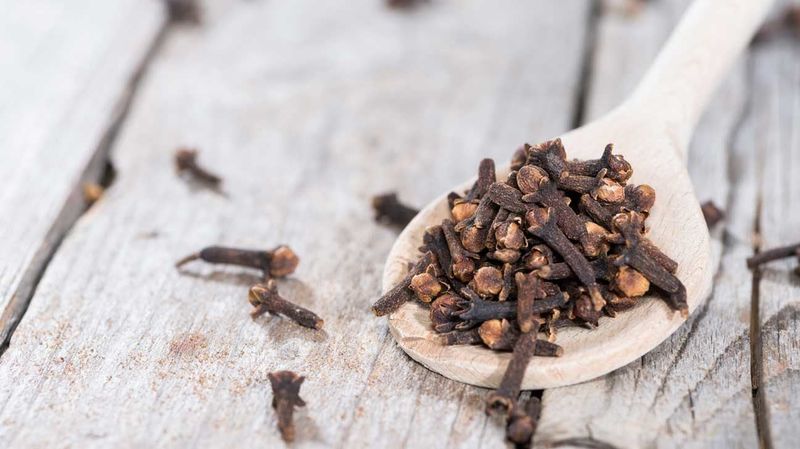
Stink bugs gathering in fall follow a clear pattern. They cluster on sunny south and west walls, then creep toward window corners, door frames, and attic vents, exactly where cloves can do their quiet work.
Small cloth sachets keep things tidy. Muslin or organza drawstring bags, sold cheaply at craft stores, work perfectly for the job.
A tablespoon or two of whole cloves fills each one nicely. Lightly crushing a few with the back of a spoon releases more scent.
Placement matters most. Window sills, sliding door tracks, the bottoms of exterior doors, and spots beside attic or crawl space access points all make good homes for sachets.
One hung near a bathroom vent or a window air conditioner gap helps, too. Those openings often go overlooked during fall checks.
A few practical tips help. Sachets kept off painted sills that stay damp avoid moisture stains.
Placement out of reach of curious children and pets matters, too, since cloves pose a choking risk and can upset stomachs. High shelves and tucked corners work well.
Sachets bring a cozy bonus. An entryway smells like holiday baking rather than stale air.
Fresh cloves replace old ones once the bag loses its strong scent, usually every week or two. Spent cloves can go into the compost, so little goes to waste.
The small effort brings a steady payoff all season.
Mix A Light Clove Oil Spray

A clean spray bottle gets a homemade repellent halfway there. Clove oil spreads its scent faster than whole cloves, making a spray handy for larger frames and longer sills, as long as the mix stays gentle.
A small batch makes the best start. About 10 to 15 drops of clove oil in one cup of water makes a very mild mix.
A few drops of mild dish soap help the oil blend instead of floating on top. Shaking well before every use keeps oil and water mixed.
Stronger rarely means smarter. Concentrated clove oil can irritate skin, leave oily marks, and damage paint or vinyl.
A light mix still carries a clear scent without risking woodwork or lungs. That balance matters indoors.
A spot test comes first. A little spray on a hidden patch of frame or sill, such as an inside corner, followed by a 24-hour wait, reveals any discoloring, swelling, or sticky film.
No change means the spray is ready for wider use. That simple step prevents costly surprises.
A clearly labeled bottle stored up high stays away from children and pets. Gloves help sensitive skin, and an open window keeps fumes from building up during spraying.
Fresh batches every week or two keep the mix effective, since it loses strength as it sits. Mild, fresh, and tested beats bold and risky nearly every time.
Spray Frames And Sills, Not Fabric
A common mistake involves spraying everything in sight, curtains included. Clove oil can leave stubborn spots on fabric and dull glossy finishes, so careful aim makes the spray work harder while causing fewer headaches.
Edges where bugs crawl in deserve the focus. A light mist on the outside of window frames, sills, and the narrow strip where screens meet the frame covers key entry points.
Door frames, thresholds, and trim around vents and utility lines benefit, too. A quick pass along the top and bottom of sliding door tracks rounds out the job.
Soft or finished surfaces are best left alone. Curtains, upholstery, carpets, and rugs stay cleaner without spray.
Polished wood furniture, painted cabinets, and stone counters are best avoided as well, since oils can stain or eat into sealers. Electronics and window glass fare better untouched, too.
Curtains and blinds moved aside before spraying stay protected, and the area can dry afterward. A paper towel wipes up drips before anything pools on the sill.
Outdoors, a calm, dry day helps the mist land where intended rather than on shoes. Wind can undo careful aim quickly.
Pets bring one more important rule. A favorite sunny sill where a cat naps or a dog sniffs is best left untreated.
Even diluted oil can cause problems when licked or rubbed into fur.
Essential oils pose particular risks for cats. Choosing spots furry friends can’t reach protects both the trim and the household’s best buddies.