The Mulch Depth That Helps California Gardens Survive Dry Santa Ana Winds
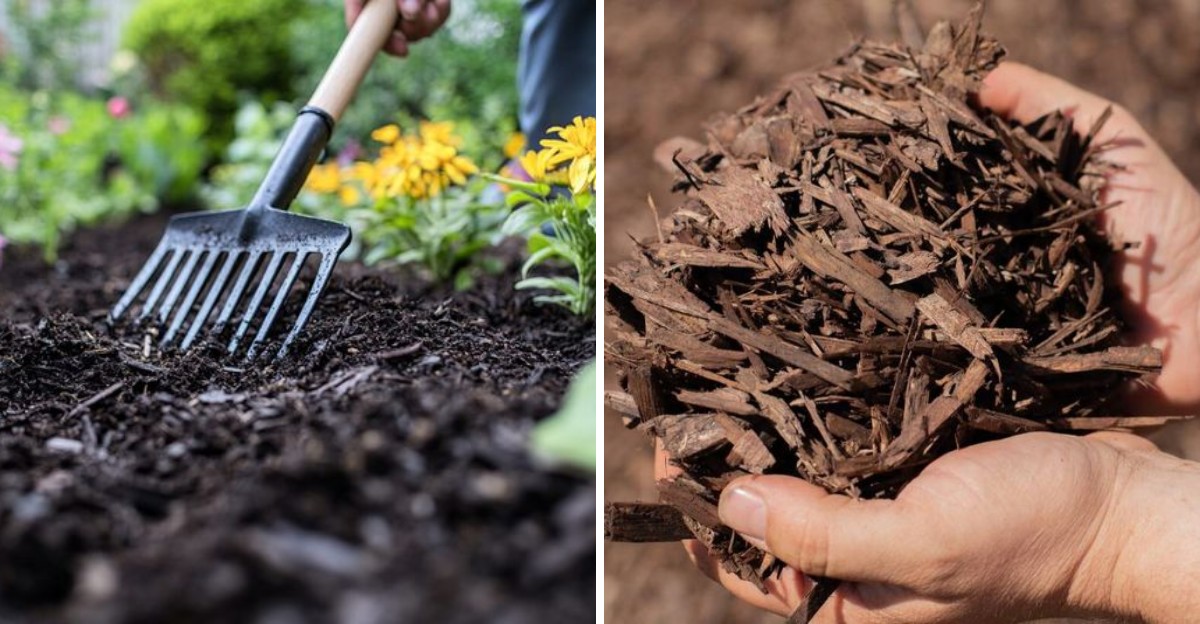
Santa Ana winds have a very specific personality. They show up warm and dry and relentless, turn the sky an almost unsettling shade of blue, and proceed to pull moisture out of your garden soil at a rate that feels genuinely personal.
One day your beds look great and the next everything is drooping and you are dragging the hose around for the third time before noon.
Sound familiar?
The good news is that there is a straightforward, affordable fix that can dramatically change how your California garden handles those brutal desert gusts. It comes down to mulch, and more specifically, getting the depth exactly right.
Too thin and the hot air cuts right through to the soil. Too thick and water cannot even reach the roots.
That sweet spot in the middle is where the real protection happens.
1. Three To Four Inches Is The California Sweet Spot
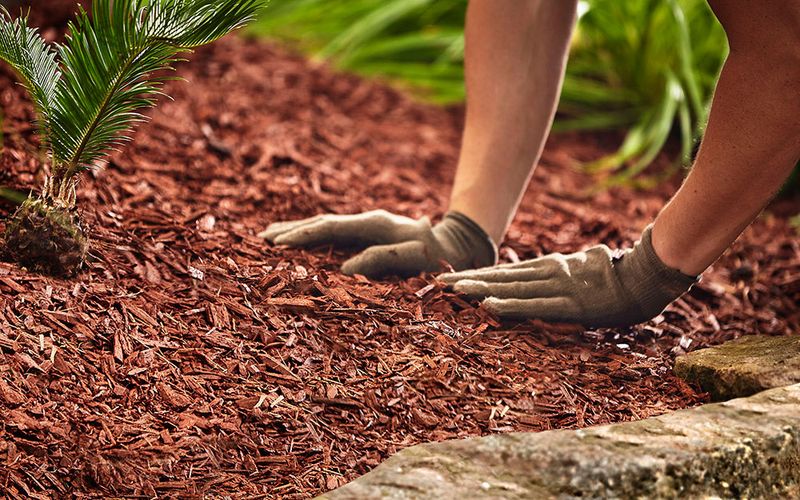
Most garden experts agree on one magic number for windy months. A layer of three to four inches of coarse mulch protects soil without smothering roots.
Why that range? Thinner than two inches, and the hot, dry air reaches right through to the dirt below.
Thicker than five inches, and water from your hose or drip line may struggle to soak down to the roots at all.
Think of mulch like a cozy blanket on a chilly night. A thin sheet does not do much, but piling on ten heavy quilts makes you sweaty and uncomfortable.
Plants feel the same way about their soil cover.
Here is an easy way to check your work. Push a ruler or a wooden chopstick straight down into the mulch until it hits soil, then look at the mark.
Do this in several spots, since mulch often settles unevenly over a few weeks.
Fresh mulch tends to shrink as it breaks down, so a four inch layer in fall may drop to three by spring. Topping it off once or twice a year keeps the depth steady.
Many gardeners in Southern California like to refresh beds in early October, right before Santa Ana season usually kicks into gear.
Small effort, big payoff. Your soil stays cooler, damper, and much happier when the desert gusts finally roll in.
2. Chunky Bark Beats Fluffy Stuff In California Wind
Ever watched a pile of light mulch skate across your driveway like leaves at a fall parade? That is exactly what fine, fluffy material does during a strong Santa Ana blow.
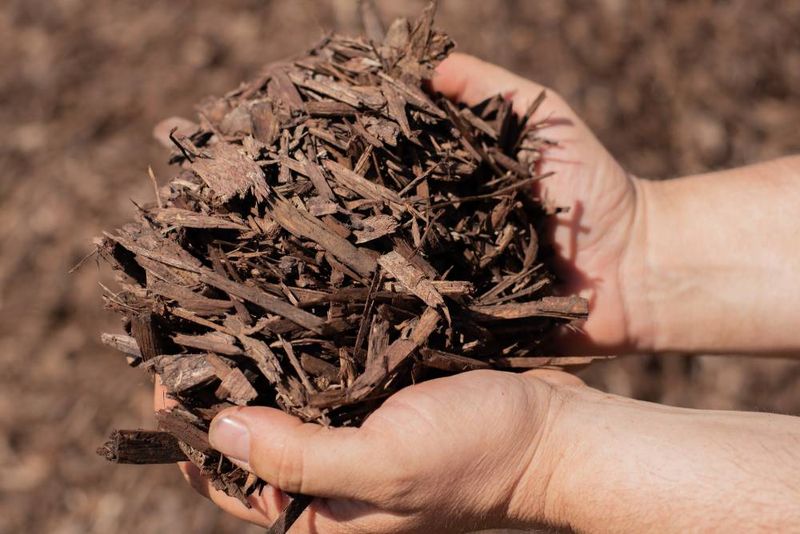
Heavy, chunky pieces stay put much better. Arborist wood chips, shredded redwood bark, and medium pine nuggets have enough weight and texture to lock together.
The shredded kinds are especially handy, because the long strands weave into a loose mat that resists gusts.
Avoid tiny nuggets, dry straw, and peat-like products on exposed slopes or open yards. They may look tidy at first, but wind can strip them away in a single afternoon.
Lightweight cocoa hulls and fine compost also tend to drift.
A smart trick many gardeners use is layering. Spread a thin inch of compost first to feed the soil, then cover it with three inches of coarse chips on top.
Your California Garden Changes Every Week. Your Plan Should Too.
Gardening in California changes quickly throughout the season. Every Friday you’ll receive a simple weekly plan showing exactly what to plant, prune, fertilize, harvest, and protect so you never miss the right timing.
The heavy layer acts like a lid, holding the good stuff in place.
Fun fact: many tree care companies in California will drop off free wood chips if you ask. Some cities run free mulch pickup sites too.
Call around before buying bags, because your wallet will thank you.
Choosing the right texture matters just as much as depth. Pick pieces with a little heft, and your blanket will hold firm when the hot air starts howling.
3. Keep A Mulch-Free Ring Around Tree Trunks
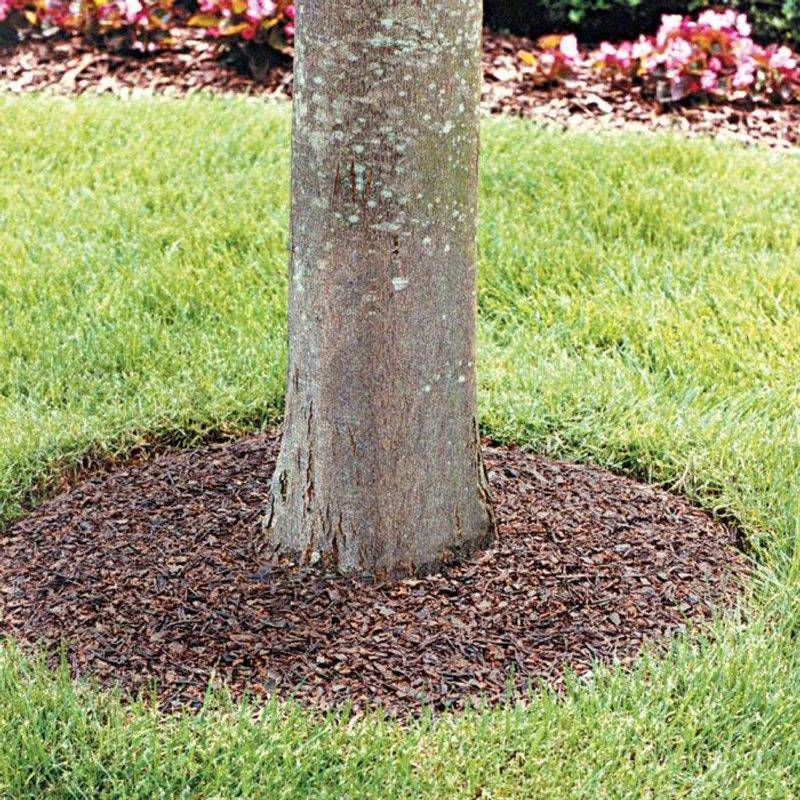
Picture a donut, not a volcano. That one image can save your California trees a lot of trouble.
Many people pile mulch high against trunks, forming a tall cone sometimes called a mulch volcano. It looks neat, but it traps moisture against the bark.
Over time, that damp spot invites rot, fungus, and chewing pests like voles who love a hidden snack bar.
Instead, pull mulch back three to six inches from the base of young trees and shrubs. For larger trees, leave about a foot of open space.
Then spread the full three to four inch layer outward, ideally as far as the branches reach.
Why does this matter more during Santa Ana season? Hot winds stress plants, and stressed plants have weaker defenses.
A healthy, dry trunk base helps your tree handle the strain without extra problems sneaking in.
The same rule works for roses, citrus, and woody perennials. Give each stem a little breathing room.
Your plants still get cool, damp soil around their roots, while the bark stays dry and tough.
A quick weekend check helps a lot. Walk your yard with a rake, gently pull back any mulch that has crept toward trunks, and smooth the ring.
It takes ten minutes, and it prevents headaches that can take years to fix.
4. Water Deeply Before Spreading Mulch
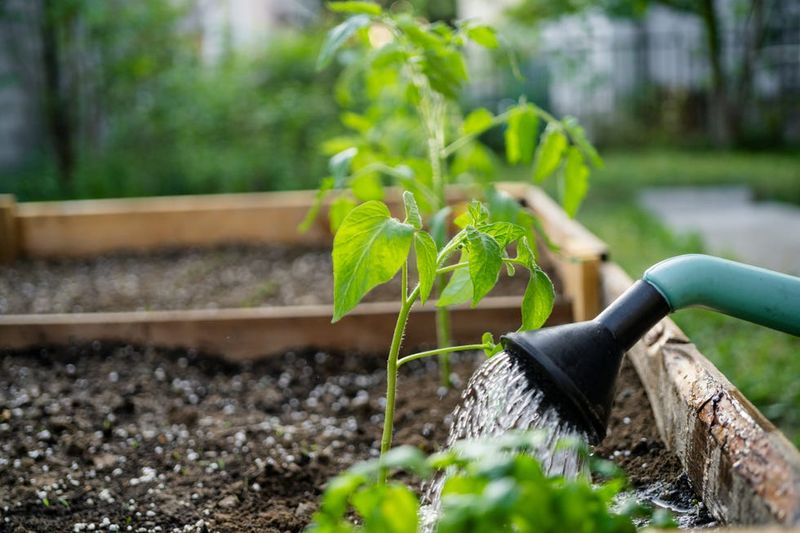
Mulch is a great saver, but it cannot save what is not there. Spreading a thick layer over bone-dry soil is a bit like putting a lid on an empty pot.
Before you add a single shovelful, give your beds a long, slow soak. Aim to wet the soil six to twelve inches down, which may take an hour with a drip line or soaker hose.
You can test it by digging a small hole with a trowel and feeling the dirt.
Once the ground is damp, spread your mulch right away. The cover locks that moisture in like plastic wrap over leftovers.
During a Santa Ana event, that stored water can carry plants through several hot, dry days.
Timing helps too. Many gardeners in California watch the weather forecast and water deeply a day or two before strong winds arrive.
Early morning watering works best, since less water evaporates before it sinks in.
Here is a handy tip for drip systems. Lay drip tubing on the soil first, then cover it with mulch.
The lines stay hidden, the sun does not crack them, and water goes right where roots need it.
A little planning goes a long way. Soak first, mulch second, and your soil will act like a sponge that holds steady while the dry air rushes past.
5. Fire-Smart Mulch Choices Near Homes
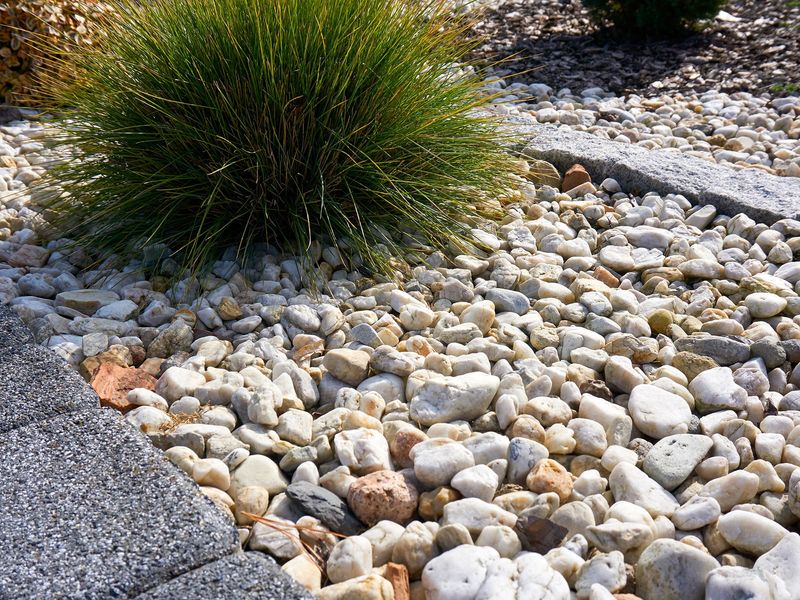
Santa Ana winds bring more than dry soil. They also raise wildfire risk across much of Southern California, so where you place mulch truly matters.
Fire safety experts suggest keeping the first five feet around your home mostly free of burnable material. In that zone, swap wood mulch for gravel, river rock, decomposed granite, or pavers.
These materials still shade soil and reduce evaporation, but they will not carry embers toward your walls.
Beyond five feet, wood chips become a solid option again. Coarse, chunky chips are less likely to catch than fine shredded bark, which can smolder when a stray ember lands.
Rubber mulch is a poor pick, because it burns hot and is hard to put out.
Did you know? Cal Fire and many local fire departments offer free home checks to help residents plan safer yards.
Some even give out guides showing which plants and mulches work best in each zone.
Keep your mulch a bit damp during fire season when possible. A quick sprinkle before a big wind event adds a small layer of protection.
Rake away fallen leaves and pine needles that collect on top, too.
Smart mulching helps plants and peace of mind at the same time. Use rock close to the house, chips farther out, and keep everything tidy when the gusts pick up.
6. Slopes And Hillsides Need Extra Grip
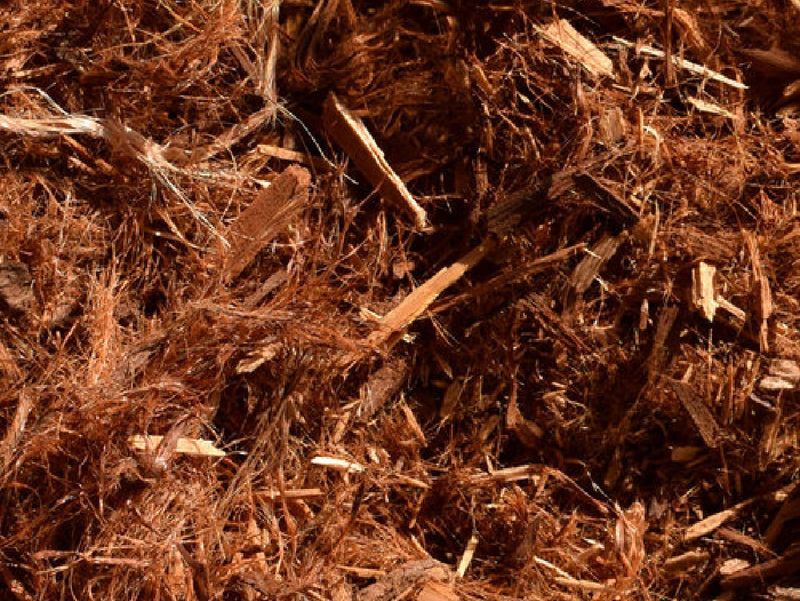
Hillside gardens get hit twice as hard. Wind scours the top layer, then gravity tugs whatever is loose straight downhill.
On slopes, shredded redwood or cedar bark works wonders. Some nurseries in California call it gorilla hair because of its stringy, hairy look.
Those long fibers knit together tightly, forming a mat that hugs the hillside even during strong gusts.
Keep the depth closer to three inches on steep ground. A thicker pile can slide in heavy rain, which often follows a dry fall.
Spread it evenly, then press it down with the back of a rake or lightly water it so the fibers settle.
For really steep spots, try biodegradable jute netting. Lay the net over bare soil, pin it with garden staples, and tuck mulch around plants inside the openings.
The net holds everything in place while roots grow and spread.
Native plants such as sage, manzanita, and buckwheat also help the cause. Their roots grip soil, and their low branches break up wind near the ground.
Pairing natives with sturdy mulch creates a slope that handles both heat and storms.
Check hillsides after every major wind event. Patch thin spots right away before bare soil starts to wash or crack.
A few minutes of upkeep keeps your hill looking good all year long.
7. Container Plants In California Like Mulch Too
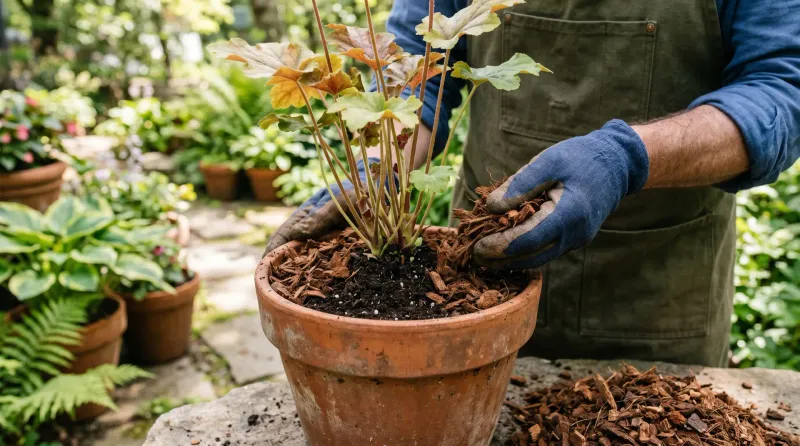
Potted plants often get forgotten in mulch talk, yet they dry out fastest of all. A pot on a sunny patio can lose water in hours when hot desert air blows across it.
Luckily, the fix is simple. Add one to two inches of mulch on top of the potting soil, leaving a little gap near the stems.
That smaller depth suits containers, since there is less room and roots sit closer to the surface.
Heavier toppings work best on windy balconies. Small pebbles, pea gravel, or chunky bark stay put better than light wood shavings.
Gravel also looks sharp with succulents and cactus, which are popular across California patios.
Clay pots lose moisture through their walls, so they need extra help. Grouping pots together creates a little shelter, and each plant shades its neighbors.
Moving containers next to a wall or fence can block the worst gusts too.
One more trick many gardeners love is the saucer method. Place a tray under each pot and fill it with water before a wind event.
The soil sips from below while the mulch slows loss from above.
Herbs like basil and parsley really benefit from this care. A quick mulch topping can mean the difference between droopy leaves and a happy harvest for your next pasta night.
8. Refresh And Fluff Mulch Through The Season
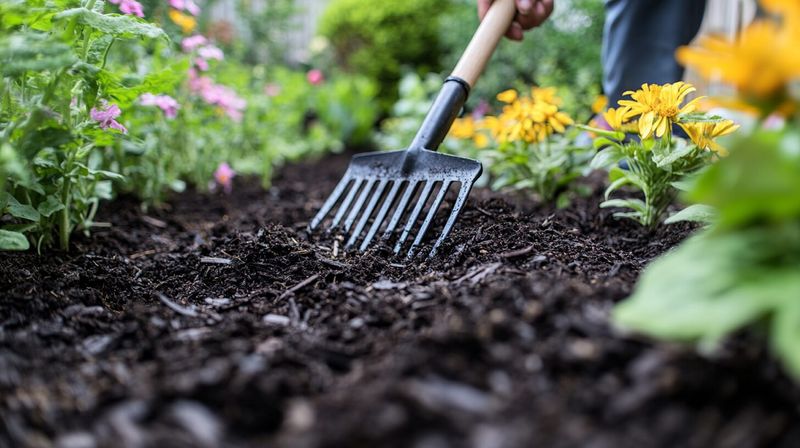
Old mulch can get lazy. After months of sun, sprinklers, and foot traffic, it packs down into a hard crust that water skips right over.
Every few weeks, grab a rake and gently fluff the top layer. Breaking up that crust lets water soak through instead of running off.
It also helps air reach the soil, which roots and helpful worms both enjoy.
Measure depth again in late September or early October. If your layer has thinned to under two inches, top it off back to three or four.
In much of California, that timing lines up nicely with the start of Santa Ana season.
Watch out for mold or a sour smell. Gray, crusty patches usually mean the mulch stays too wet or too compact.
Fluffing usually clears it up, and the material keeps working just fine afterward.
Do not toss your old mulch when it breaks down. Those darker, crumbly bits turn into rich compost that feeds your soil over time.
Simply add fresh material on top and let nature handle the rest.
A fun bonus is that good mulch attracts beneficial bugs and fungi. They break down organic matter and build healthier soil every year.
Think of your garden as a tiny underground city, and mulch as its roof and pantry.
9. Common Mulch Mistakes California Gardeners Can Skip
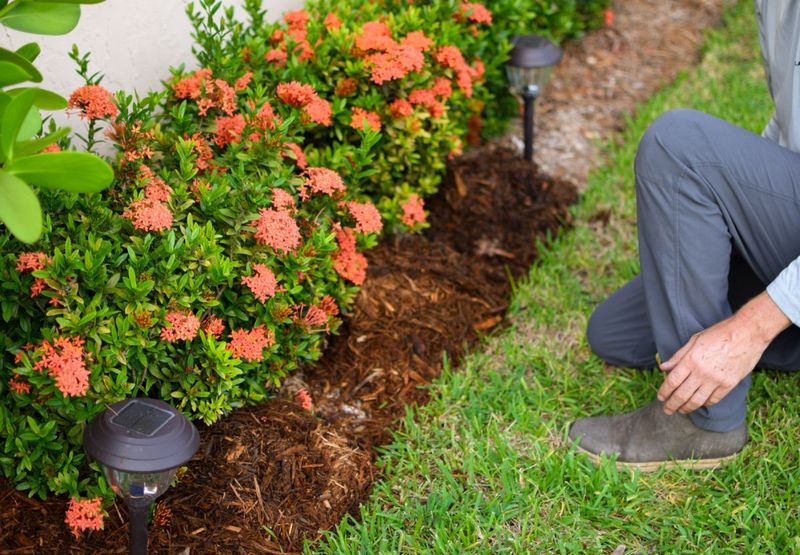
Even seasoned gardeners slip up sometimes. Knowing the usual blunders makes it much easier to avoid them before the next hot spell arrives.
Mistake number one is going too thin. A light sprinkle of bark looks nice but barely slows evaporation.
Number two is going way too thick, which can block water and suffocate roots that need oxygen.
Another common slip is using landscape fabric under mulch in every situation. The fabric can seem handy for weeds, but over time it may block organic matter from reaching soil in established beds.
UC ANR suggests cardboard as an alternative in many situations, since it breaks down and feeds worms along the way. That said, landscape fabric does have appropriate uses in some specific settings, so it is worth checking what works best for your particular bed.
Watch out for dyed mulch too. Some gardeners prefer to avoid bright red or black chips, as they can fade fast in strong sun.
Natural, undyed materials tend to be a reliable and cost-effective choice, though research on dyed mulch is still mixed.
Forgetting drip lines is a sneaky one. If water runs on top of mulch instead of beneath it, much of it evaporates before reaching roots.
Tuck tubing under the layer for better results.
Finally, many folks mulch once and walk away for years. Mulch is more like a habit than a one-time chore.
Check it each season, fix thin areas, and adjust as plants grow, and your California yard will handle dry winds with far less stress.