What Pennsylvania Lawns Actually Need Before The Ground Freezes
Most people think spring is when a lawn turns green. In Pennsylvania, the real groundwork happens months earlier.
As the air cools, cool-season grasses shift their focus from blades to roots. They spend the last weeks before the ground freezes storing energy, thickening up, and repairing summer damage.
Whatever they build now determines how quickly they green up in April and how well they stand up to next summer’s heat.
That’s why the steps you take this time of year matter so much. Thick layers of fallen leaves can smother the grass.
Compacted soil can block water and nutrients from reaching the roots. A hungry lawn may head into winter weak and thin.
Your lawn’s needs are fairly simple, though. A few well-timed tasks now can set the stage for a thicker, healthier, greener yard next spring.
1. A Late-Fall Feeding For Stronger Roots
Ask any golf course groundskeeper in Pennsylvania about their favorite feeding, and many will point to late fall.
Your home lawn can benefit in the same way. A late-season meal is like packing a lunch for your grass before a long winter nap.
Cool-season grasses, such as Kentucky bluegrass and tall fescue, keep working long after they stop growing tall.
Above ground, things look quiet. Below the soil, roots are still busy storing food for the cold months ahead.
The best window is usually late October or early November. At that point, the grass should still be green, but mowing is needed less often. Feeding now gives roots the fuel they need without pushing a lot of soft new leaf growth.
Pick a fertilizer made for fall lawns. Many of these have a higher amount of nitrogen, which is the first number on the bag.
Follow the label closely, since more is not better. Too much can wash into streams and rivers, including those that flow toward the Chesapeake Bay.
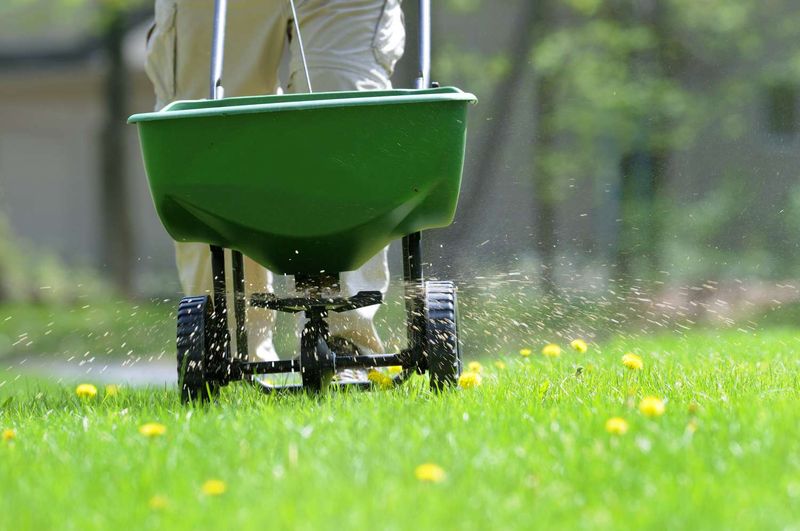
A broadcast spreader makes the job quick and even. Walk in straight lines and slightly overlap each pass. Sweep any granules off your driveway and sidewalk so they do not wash away in the next rain.
Timing with the weather helps too. Try to spread before a light rain, not a heavy storm. Gentle rain helps the fertilizer soak into the soil where roots can reach it.
Here is the payoff. Lawns fed in late fall often green up weeks earlier in spring than lawns that were skipped. Your neighbors may wonder what your secret is. You can just smile and say you planned ahead.
2. Keep Mowing Until The Grass Takes A Break
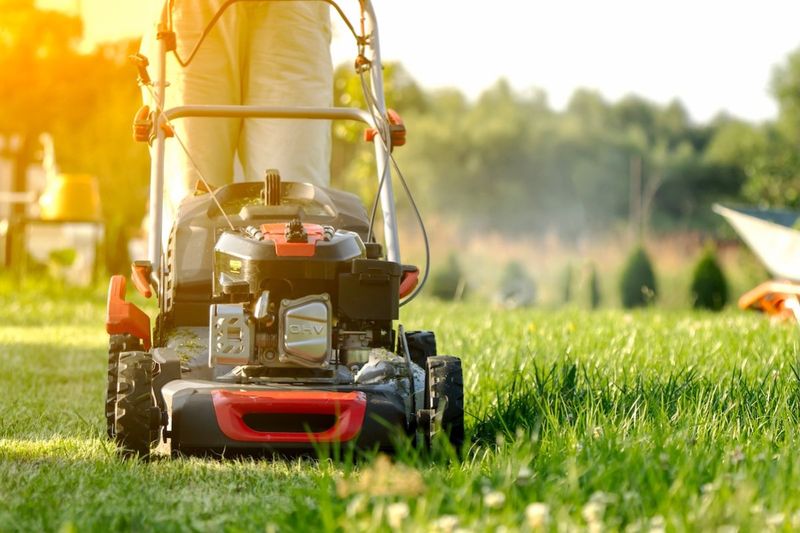
Putting the mower away in September feels tempting, right? The weather cools, football is on, and yard work seems less urgent. Still, your grass has not gotten the memo yet.
In Pennsylvania, lawns often keep growing well into October and sometimes even November.
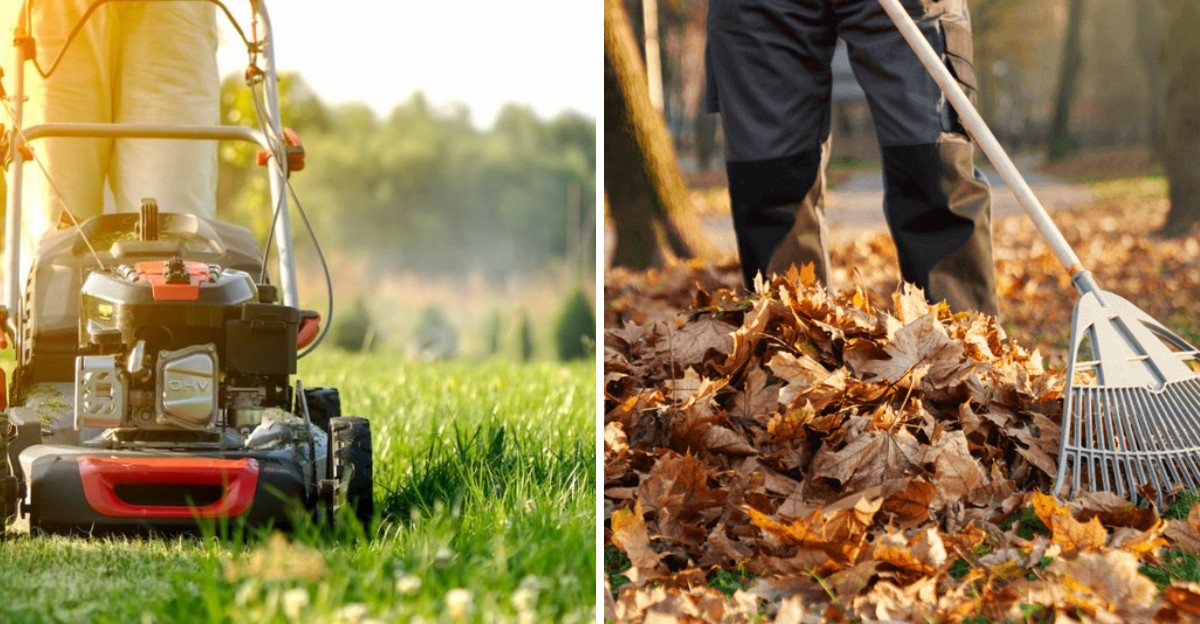
As long as the blades are getting taller, they need a trim. Letting grass get long and floppy before winter can cause real trouble later.
Your Pennsylvania Garden Changes Every Week. Your Plan Should Too.
Gardening in Pennsylvania changes quickly throughout the season. Every Friday you’ll receive a simple weekly plan showing exactly what to plant, prune, fertilize, harvest, and protect so you never miss the right timing.
Stick to a simple rule. Never cut more than one-third of the blade at one time. If your grass is three inches tall, take off no more than one inch. Cutting too much at once stresses the plant and weakens it right before cold weather.
Now for a handy trick. On your very last mow of the season, lower the mower a notch. Aim for a height of about 2 to 2 and a half inches.
Why bother? Long grass tends to fold over and mat down under heavy snow. That flattened, damp layer is a perfect home for snow mold. Snow mold shows up in spring as gray or pinkish circles of matted grass, and nobody wants that welcome.
Do not scalp the lawn, though. Going too short can expose the crown of the plant to harsh cold. A slightly shorter cut is the sweet spot.
Before storing the mower, give it some love. Sharpen the blade, clean out packed grass from underneath, and either run the gas tank empty or add a fuel stabilizer.
Your mower will start easier next spring, and your lawn will thank you for that last tidy haircut.
3. Leaves Cleared Or Shredded
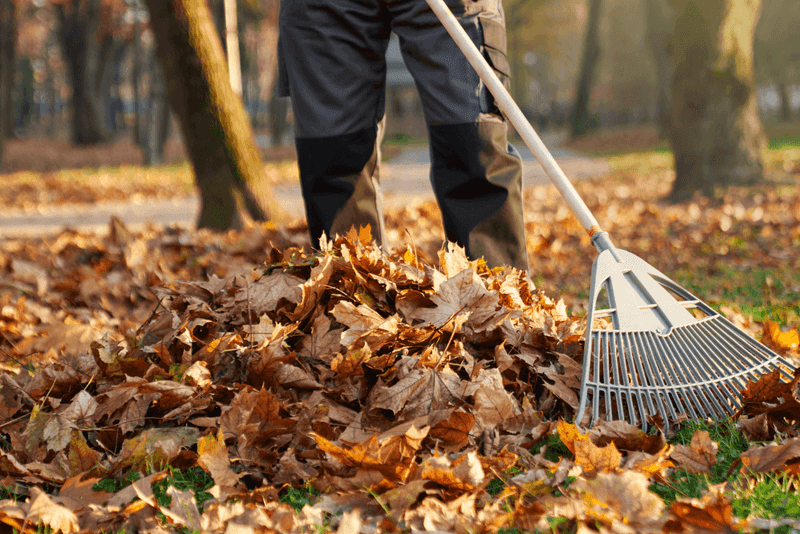
Pennsylvania is famous for its stunning fall colors. Visitors drive for hours to see the red maples and golden oaks. Once those leaves hit your lawn, though, the beauty can turn into a problem.
A thick blanket of leaves blocks sunlight from reaching the grass. Grass still needs light in fall to make food for its roots. When leaves pile up, they also trap moisture against the ground, which invites mold and disease over winter.
The fix depends on how many leaves you have. For a light layer, skip the rake altogether. Simply run your mower over the leaves a couple of times.
The blades chop them into tiny bits that fall between the grass and break down into natural plant food.
A good test is to look at the lawn after mowing. If you can see at least half of the grass through the leaf bits, you are in great shape. Those shredded pieces will be gone by spring.
Heavy piles are a different story. If leaves are deep, wet, and matted, rake or blow them up and remove them.
You can add them to a compost pile, use them as mulch around garden beds, or check if your town offers curbside leaf pickup.
Fun fact: an average mature oak tree can drop hundreds of thousands of leaves in one season. No wonder the job feels endless.
Try to stay ahead of the falling leaves instead of waiting for them all to drop. Clearing every week or so is easier on your back. Most importantly, finish before the first big snow buries everything for months.
4. Core Aeration In Early Fall
Step outside and push a screwdriver into your lawn. Does it slide in easily, or do you have to lean on it hard? If it fights you, your soil is probably packed tight.
Compacted soil is common across Pennsylvania. Many areas have heavy clay that squeezes together easily.
Add kids playing, dogs running, and cars parking on the edge, and the ground becomes almost like brick.
Tight soil makes life tough for grass roots. Water runs off instead of soaking in. Air cannot reach the roots, and fertilizer just sits on top.
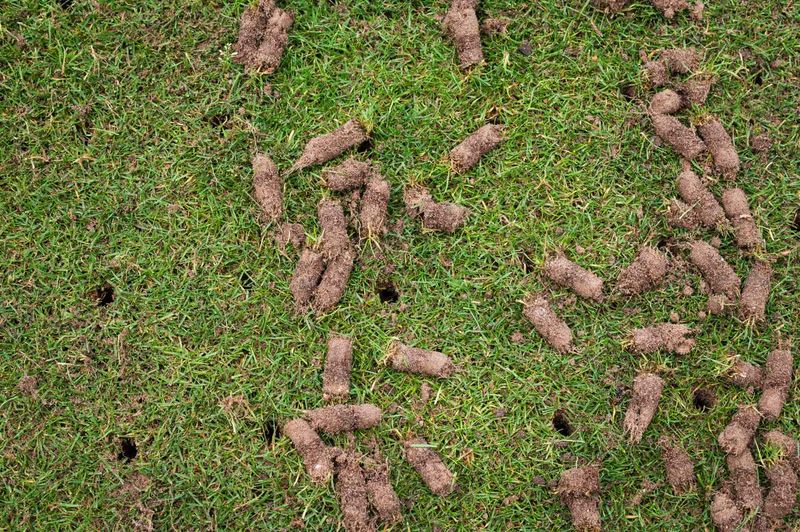
Core aeration solves the problem. A machine pulls small plugs of soil out of the ground, leaving little holes all over the lawn. Those holes let water, air, and nutrients slip down to where roots need them most.
Timing matters here more than with some other tasks. Early fall is best, usually late August through September.
The grass is still growing strongly, so it can heal quickly and fill in the holes before cold weather arrives.
You can rent an aerator from a hardware store or hire a lawn service. Water the lawn a day before so the tines can dig deep. Mark sprinkler heads and buried lines first so you do not damage them.
Those plugs left behind may look messy. Leave them alone. They break down in a week or two and return good soil to the surface.
Planning to overseed? Aeration is the perfect time to do it. Seed drops into the holes and gets great contact with soil, giving your lawn a thicker look by spring.
5. Winning The Battle Against Broadleaf Weeds
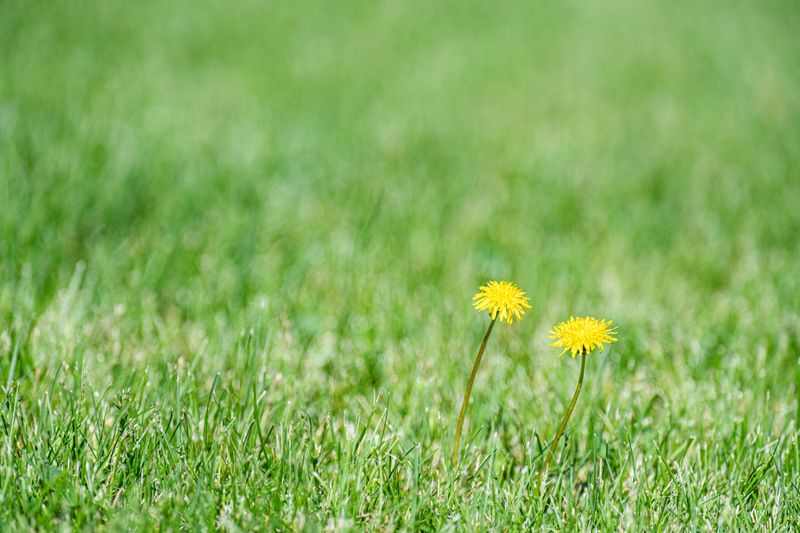
Dandelions have a sneaky habit. In fall, they quietly pull their energy down into their roots to get ready for winter. That same habit makes autumn the best time to beat them.
Perennial weeds like dandelions, creeping Charlie, and clover come back year after year. In spring, they are busy pushing up flowers and leaves. Treating them then often only harms the top while the roots survive.
Fall flips the script. Because these weeds are sending food downward, any weed treatment you use travels right along with it. It reaches deep into the root, which is exactly where you want it.
You have a couple of choices. For a few weeds, hand-pulling works well. Use a long weeding tool with a forked tip to get the whole taproot. Pulling after a rain makes the job much easier because the soil is soft.
Bigger patches may call for a spot treatment. Choose a product labeled for broadleaf weeds and safe for your grass type.
Spray only the weeds instead of the whole yard. Pick a calm, dry day so the spray does not drift onto flowers or vegetable beds.
Creeping Charlie deserves a special mention. Also called ground ivy, it spreads by running stems and loves shady, damp spots. It often takes a couple of rounds over a few weeks to get it under control.
Here is a bit of good news. A thick, healthy lawn is the best weed blocker of all. Every task on this list helps your grass crowd out weeds naturally. Do the work now, and spring will bring far fewer yellow surprises.
6. Deep Drinks During Dry Spells
Most people think of watering as a summer chore. When the leaves turn, the hose often gets coiled up and forgotten. Yet some Pennsylvania autumns turn surprisingly dry, and your lawn notices.
Grass roots keep growing in fall, and they need moisture to do it. Without enough water, roots stay shallow and weak. A thirsty lawn heading into winter is more likely to suffer from cold, drying winds.
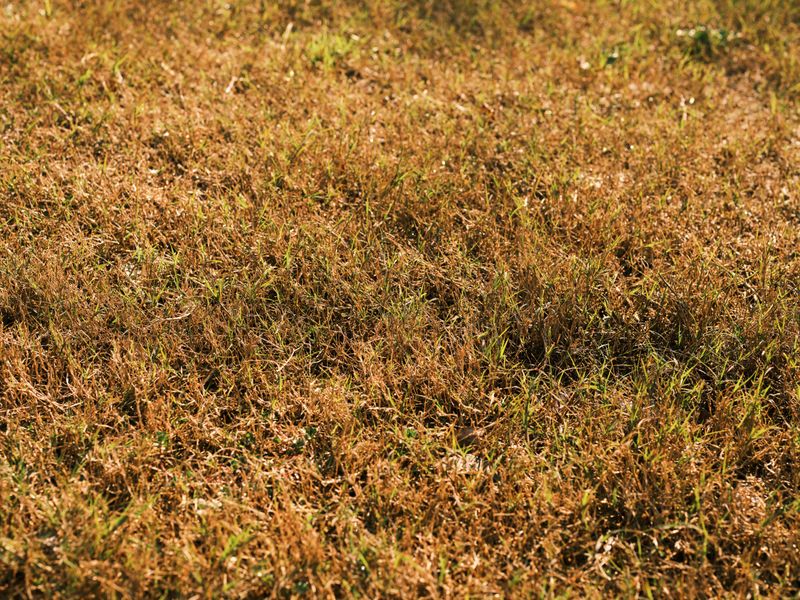
Winter wind can pull moisture right out of grass blades. If the soil is already dry, the plant has nothing to replace it with. That can lead to brown, crispy patches when spring arrives.
So keep an eye on the weather. If a week or two passes without a good rain, it is time to water. Aim for about one inch of water per week, including any rainfall.
Water deeply rather than often. A long soak once or twice a week is better than a quick sprinkle every day. Deep watering encourages roots to stretch down farther into the soil.
Not sure how much you are giving? Place an empty tuna can on the lawn while the sprinkler runs. When it fills to about one inch, you are done. It is a cheap and easy measuring tool.
Early morning is the best time to water. Less water is lost to evaporation, and the grass dries during the day, which lowers the chance of disease.
Newly seeded areas need extra attention. Young grass has tiny roots and dries out quickly. Keep watering until the ground freezes, then drain and store your hoses so they do not crack.
7. A Soil Test And Lime If Needed
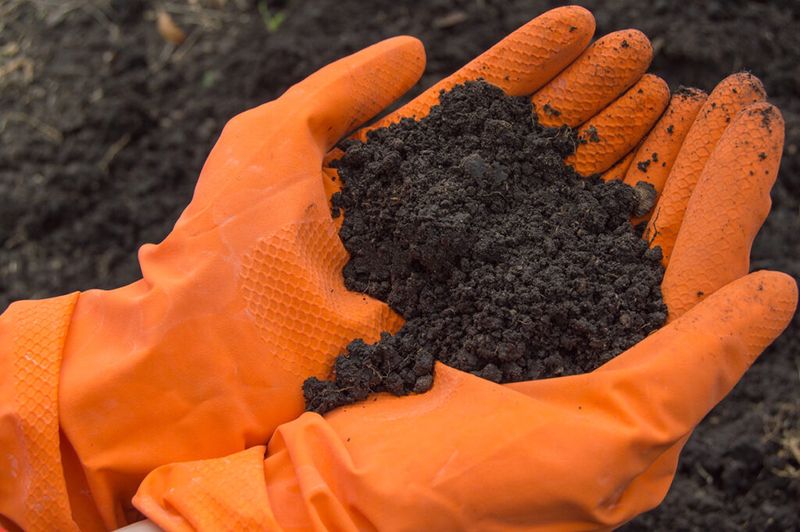
Guessing what your lawn needs is a bit like a doctor guessing without a checkup. A soil test removes the mystery. For Pennsylvania homeowners, it is one of the smartest and cheapest lawn moves around.
Many soils in the state are naturally acidic. Rainfall, certain rock types, and years of fallen leaves can all lower the pH. When soil gets too sour, grass struggles to absorb nutrients, even if you fertilize.
Lawn grasses generally grow best with a pH between about 6.0 and 7.0. Below that, the grass may look thin, pale, or patchy. Moss often moves in where soil is very acidic.
Penn State Extension offers easy soil test kits. You can find them at county Extension offices and many garden centers. The kit comes with simple directions and a bag to mail your sample.
To collect soil, take small samples from about 10 to 15 spots around the yard. Dig down roughly 3 inches each time. Mix them together in a clean bucket, then fill the sample bag.
In a few weeks, you will get a report. It tells you your pH and whether you need lime, plus how much to spread. Some reports also list other nutrients your lawn may be lacking.
Fall is a great time to apply lime. It works slowly, so spreading it now gives it all winter to soak in. Freezing and thawing help move it deeper into the soil.
Fun fact: pelletized lime is easier to spread than powder and makes far less dust. Use your regular spreader, follow the report, and let winter handle the rest.