These Are The Pennsylvania Native Plants That Support The Most Pollinators During Peak July Bloom
July is one of the busiest months in the pollinator calendar. Bees, butterflies, and beneficial insects are out in full force, working hard through the longest and warmest days of the year.
But pollinators don’t just need any flower. They need the right flowers, and research consistently shows that native plants deliver in ways that ornamental varieties simply cannot match.
Pennsylvania has some extraordinary native plants that hit their peak bloom right in the middle of summer, and they draw pollinators in numbers that will genuinely surprise you.
These are plants that evolved alongside Pennsylvania’s native bees and butterflies over thousands of years.
That relationship shows. The nectar is richer, the bloom timing is better matched to pollinator cycles, and the overall ecological value is in a completely different league from most garden center staples.
If you want a July garden that’s truly alive with activity, these are the native plants to grow.
1. Butterfly Weed
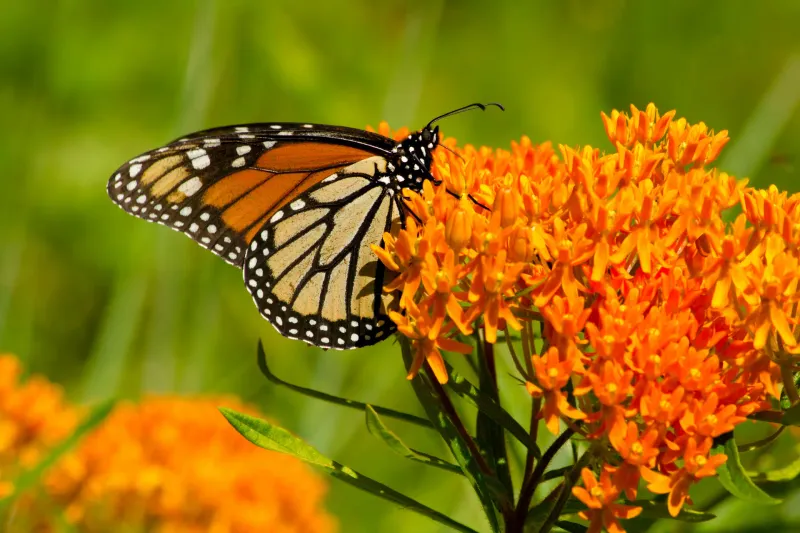
Few native plants put on a show quite like Butterfly Weed. Those vivid, flame-orange flower clusters practically glow in the July sun, and pollinators cannot resist them.
Monarch butterflies are especially drawn to this plant, since it belongs to the milkweed family and serves as a critical host plant for their larvae.
Butterfly Weed is a tough, no-nonsense plant that thrives in full sun and sandy or well-drained soil. Once it gets established, it handles drought surprisingly well.
That makes it a fantastic choice for hot, dry spots in your yard where other plants might struggle to survive.
Beyond monarchs, you will spot bumblebees, honeybees, and even hummingbirds stopping by for nectar. The flowers are structured in a way that gives pollinators easy access, making every visit efficient and rewarding. Bees in particular tend to linger on the clusters for a long time.
Planting Butterfly Weed is straightforward. You can start it from seed in early spring or purchase transplants from a native plant nursery.
Be patient, though, because it can take a season or two to really take off. Once it does, it comes back reliably every year with minimal care needed.
One fun fact: Butterfly Weed does not have the milky sap that most milkweeds do, which makes it a bit easier to handle when you are planting or dividing it. Its deep taproot means you should plant it where you want it to stay.
Leave the seedpods on in fall to let seeds disperse naturally and expand your patch over time.
2. Purple Coneflower
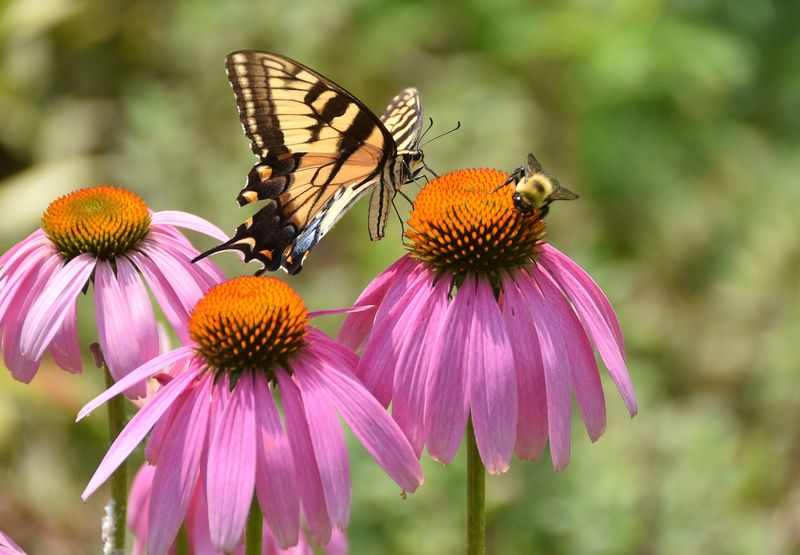
Walk through almost any Pennsylvania meadow in July and you are likely to spot the cheerful, daisy-like blooms of Purple Coneflower nodding gently in the breeze.
With its rosy-purple petals and distinctive spiky orange center, this plant is both a garden favorite and a pollinator powerhouse. It is one of the most recognizable native wildflowers in the eastern United States.
Bees absolutely love Purple Coneflower. Bumblebees, sweat bees, and native mining bees all flock to the large central disk, which is loaded with pollen and nectar.
Your Pennsylvania Garden Changes Every Week. Your Plan Should Too.
Gardening in Pennsylvania changes quickly throughout the season. Every Friday you’ll receive a simple weekly plan showing exactly what to plant, prune, fertilize, harvest, and protect so you never miss the right timing.
Butterflies are frequent visitors too, especially swallowtails and fritillaries. The blooms last for weeks, giving pollinators a long, reliable food source right through the hottest part of summer.
Growing Purple Coneflower is easy, even for beginner gardeners. It prefers full sun but tolerates a little shade.
Well-drained soil is ideal, though it adapts to clay and average garden soils better than many other native plants. Once established, it is quite drought-tolerant and comes back stronger every year.
Here is something worth knowing: do not deadhead all the spent flowers. Leave some of those seed heads standing through fall and winter.
Goldfinches and other seed-eating birds will thank you by visiting your garden regularly to feast on the seeds. It is a simple way to support wildlife beyond just pollinators.
Purple Coneflower also has a long history in herbal medicine. Native American tribes used it for centuries to treat various ailments.
Today, it is still widely used in natural remedies, making it one of the most versatile and valuable native plants you can grow in Pennsylvania.
3. Blazing Star
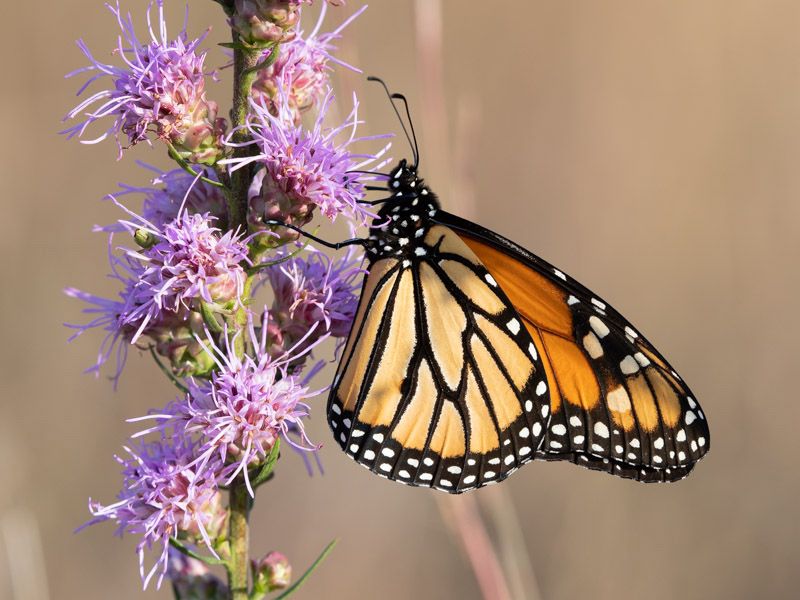
There is something almost magical about watching a field of Blazing Star bloom in midsummer. The tall, torch-like spikes of vivid purple rise dramatically above the surrounding foliage, and pollinators zero in on them almost immediately.
What makes this plant especially interesting is that the flowers open from the top of the spike downward, which is the opposite of most flowering plants.
Blazing Star is a top-tier choice for supporting pollinators during peak July activity in Pennsylvania. Monarch butterflies, swallowtails, and native bees all visit frequently.
It is also an important nectar source for migrating monarchs, who rely on late-summer blooms to fuel their long journey south. Planting Blazing Star helps support that migration in a very real and meaningful way.
As a garden plant, Blazing Star is remarkably low-maintenance. It thrives in full sun and well-drained soil and handles dry conditions with ease.
It grows from a corm, which is a small, bulb-like structure, and spreads slowly over time to form tidy clumps. You can also divide established plants every few years to expand your planting.
The upright form of Blazing Star makes it a great companion plant in mixed borders. It pairs beautifully with Black-eyed Susans, Purple Coneflower, and Wild Bergamot for a full-season native garden display.
The vertical spikes add height and structure that other plants simply cannot provide.
Did you know that Blazing Star is also attractive to hummingbirds? While not as well-known for that as some other plants, the tubular florets do draw them in occasionally.
That makes it a triple-threat plant for supporting birds, butterflies, and bees all at once.
4. Bee Balm
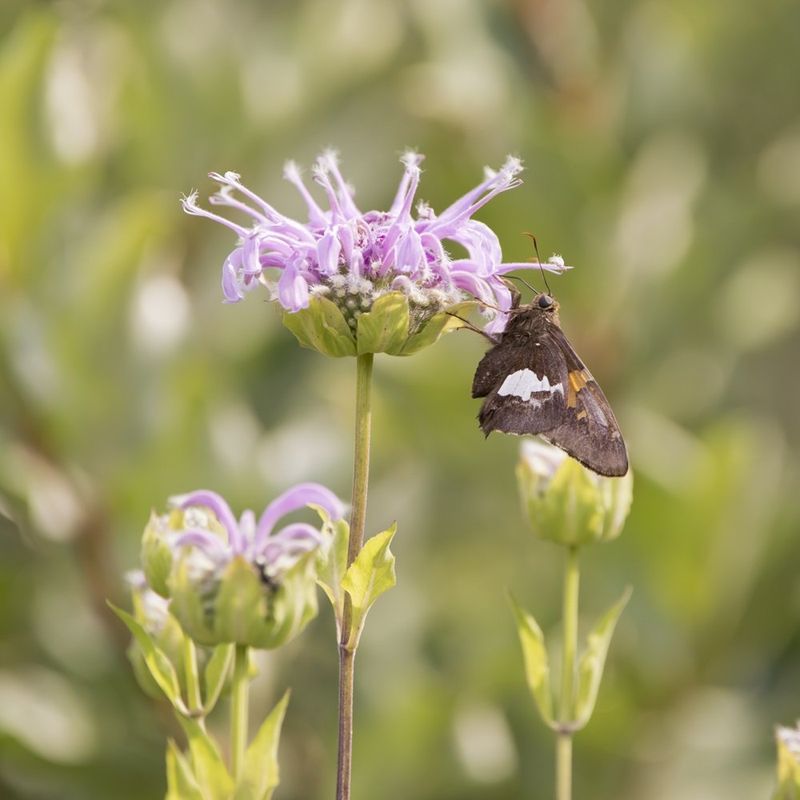
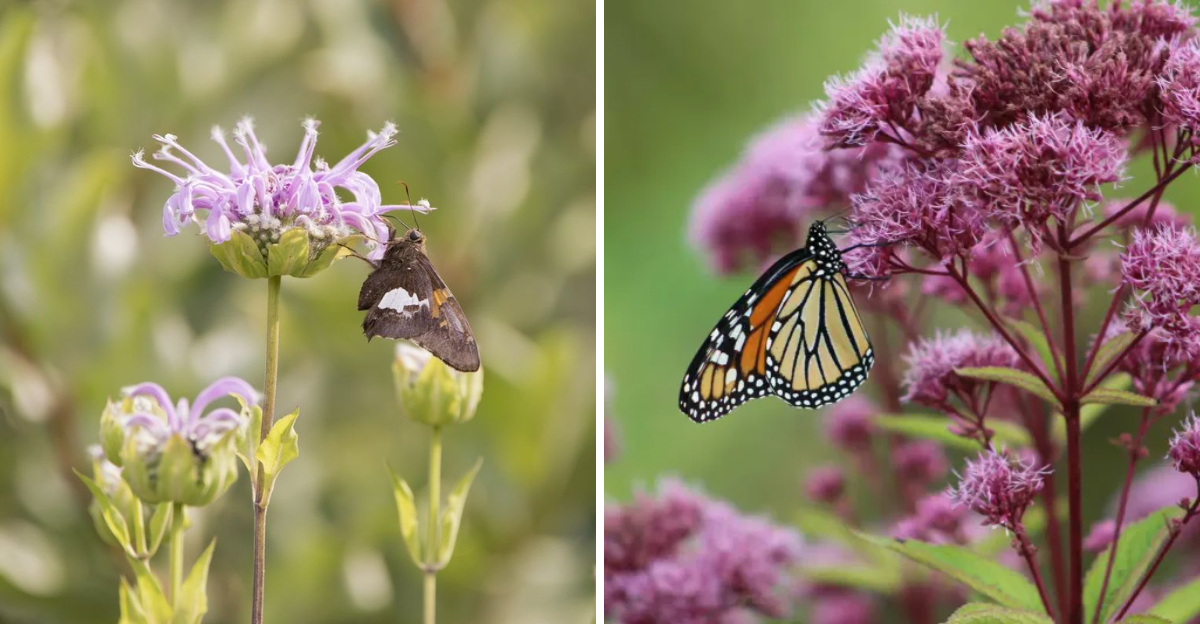
If you want to attract hummingbirds to your yard, Bee Balm is your go-to plant. The shaggy, crown-like blooms in shades of red, pink, and purple are practically irresistible to ruby-throated hummingbirds, which are the only hummingbird species that breeds in Pennsylvania.
The tubular florets are perfectly shaped for a hummingbird’s long, slender bill. Bumblebees are also enormous fans of Bee Balm. They tend to work the flower clusters systematically, visiting each tiny floret in the ring before moving on to the next bloom.
Clearwing sphinx moths, which look remarkably like tiny hummingbirds, also visit Bee Balm regularly, especially in the early evening hours when the light is soft and warm.
Bee Balm prefers moist, rich soil and does best in full sun to light shade. It spreads by underground runners and can form large colonies over time, which is great if you want a big pollinator patch.
To keep it from taking over a small garden, simply divide and share the extra plants with neighbors or friends every couple of years.
One thing to watch for is powdery mildew, a fungal issue that affects the leaves in humid conditions. Choosing mildew-resistant varieties and giving plants good air circulation helps reduce this problem significantly.
Watering at the base of the plant rather than overhead also makes a big difference in keeping the foliage looking healthy and green all season long.
Bee Balm belongs to the mint family, and crushing a leaf releases a spicy, oregano-like scent that is wonderfully pleasant. Native peoples historically used the plant for teas, seasonings, and medicinal purposes, giving it a rich cultural heritage alongside its ecological value.
5. Wild Bergamot
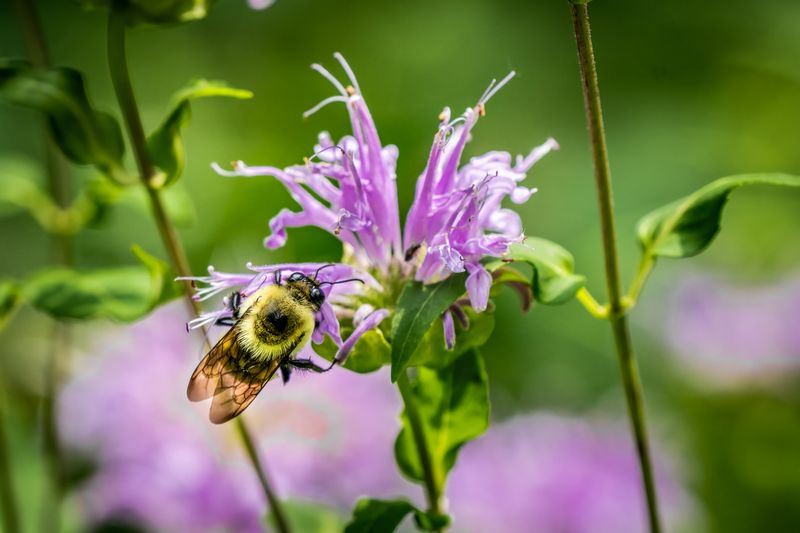
Wild Bergamot is the quieter, more relaxed cousin of Bee Balm, but do not let that fool you. This lavender-pink bloomer is an absolute magnet for native bees, and on a warm July afternoon, a patch of Wild Bergamot in full bloom sounds like a tiny, buzzing city.
It is one of the most bee-friendly plants you can add to a Pennsylvania garden. Unlike Bee Balm, Wild Bergamot is built for tougher conditions. It thrives in full sun and well-drained soil, tolerating dry periods that would stress many other garden plants.
That adaptability makes it a reliable performer in sunny borders, meadow gardens, and even roadside plantings where soil quality is not always ideal.
The lavender blooms attract an impressive range of pollinators beyond just bees. Fritillary butterflies, skippers, and swallowtails all visit regularly.
Hummingbirds occasionally drop in too, especially when other nectar sources are less abundant. The plant blooms for several weeks in July, providing a consistent and generous food supply during the peak of pollinator season.
Wild Bergamot spreads gradually by rhizomes and self-seeding, making it easy to establish a naturalistic drift of color with minimal effort.
It also holds its structure well through fall, giving the garden visual interest long after the blooms have faded. The dried seed heads provide some food for small birds as temperatures drop.
Here is a fun detail: the leaves of Wild Bergamot have a strong, pleasant aroma similar to the bergamot orange used to flavor Earl Grey tea. Rubbing a leaf between your fingers releases that fragrance instantly.
It is a small sensory bonus that makes gardening with this plant even more enjoyable and memorable.
6. Joe-Pye Weed
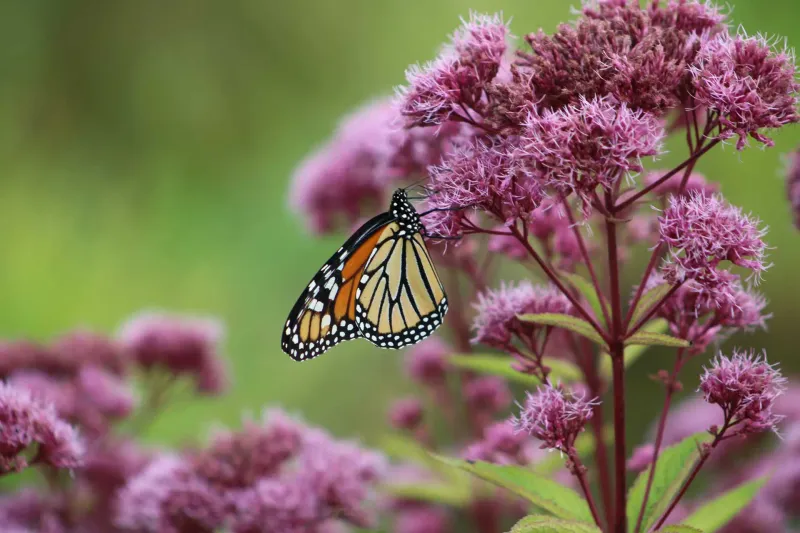
Standing up to seven feet tall with massive domes of dusty rose-pink flowers, Joe-Pye Weed is the gentle giant of the Pennsylvania native plant world. It commands attention in any garden setting, and pollinators respond to it with equal enthusiasm.
On a sunny July day, the flower clusters can be covered with dozens of butterflies and bees all at the same time.
Monarch butterflies have a well-documented love affair with Joe-Pye Weed. It is one of their favorite nectar sources during summer, and watching a monarch slowly work its way across a large flower cluster is one of the most satisfying sights a gardener can experience.
Tiger swallowtails, fritillaries, skippers, and hoverflies are also frequent and enthusiastic visitors.
Joe-Pye Weed prefers moist, rich soil and does particularly well near rain gardens, pond edges, or low-lying areas where moisture collects. It tolerates light shade but blooms most abundantly in full sun.
Despite its impressive size, it rarely needs staking and stands up well to summer storms and strong winds without flopping over.
In a naturalistic garden design, Joe-Pye Weed creates a stunning backdrop for shorter native plants. Pair it with Swamp Milkweed, Ironweed, or Cardinal Flower for a layered, wildlife-friendly planting that looks spectacular from midsummer through fall.
The combination creates a multi-level buffet of nectar that supports an enormous variety of pollinator species.
The plant is named after a legendary Native American healer named Joe Pye, who reportedly used it to treat typhus fever in colonial New England.
Whether or not the story is entirely accurate, it adds a fascinating layer of history to an already remarkable plant that has been supporting ecosystems for centuries.
7. Goldenrod
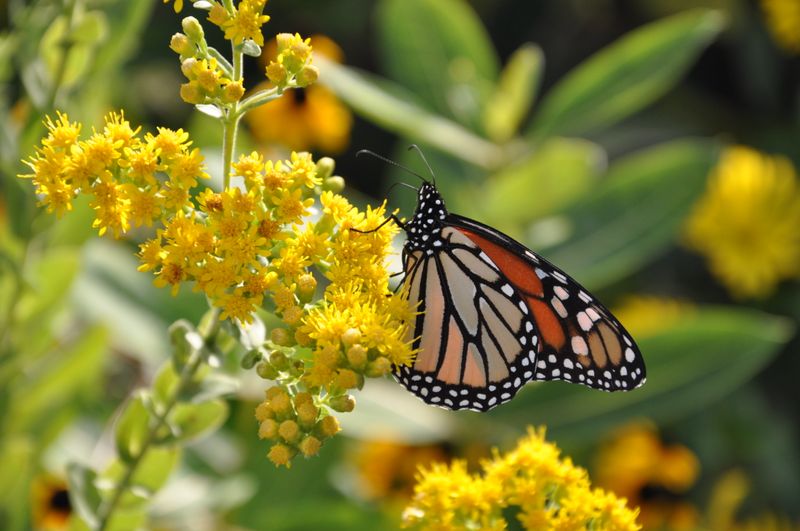
Goldenrod gets a bad reputation that it absolutely does not deserve. Many people blame it for seasonal allergies, but the real culprit is ragweed, which blooms at the same time and releases airborne pollen.
Goldenrod’s pollen is heavy and sticky, carried by insects rather than the wind, making it essentially harmless to allergy sufferers.
What Goldenrod actually does is extraordinary. A single patch of mature Goldenrod can support over 100 species of bees, butterflies, beetles, and other beneficial insects.
It is considered one of the most ecologically valuable native plants in North America. For Pennsylvania pollinators preparing for fall, it is an absolutely critical food source that fuels survival through the cooler months ahead.
Goldenrod blooms from mid to late summer, with many species peaking right around July and continuing well into September.
That extended bloom window is incredibly valuable for late-season pollinators, including monarch butterflies building energy reserves for their southern migration. Bumblebee queens also rely heavily on Goldenrod as they prepare colonies for winter.
Growing Goldenrod is almost effortless. It thrives in full sun and average to poor soil, spreads steadily to fill a space, and requires virtually no supplemental watering once established.
For smaller gardens, look for compact varieties like Fireworks or Little Lemon, which offer all the ecological benefits without the sprawling habit of wild species.
Beyond pollinators, Goldenrod supports songbirds too. Many species of birds eat the seeds and hunt for insects among the stems and leaves throughout fall and winter.
Adding Goldenrod to your yard is one of the single most impactful moves you can make for Pennsylvania wildlife across every season of the year.