Never Ignore This Sticky Black Substance Dripping From Your Pennsylvania Trees
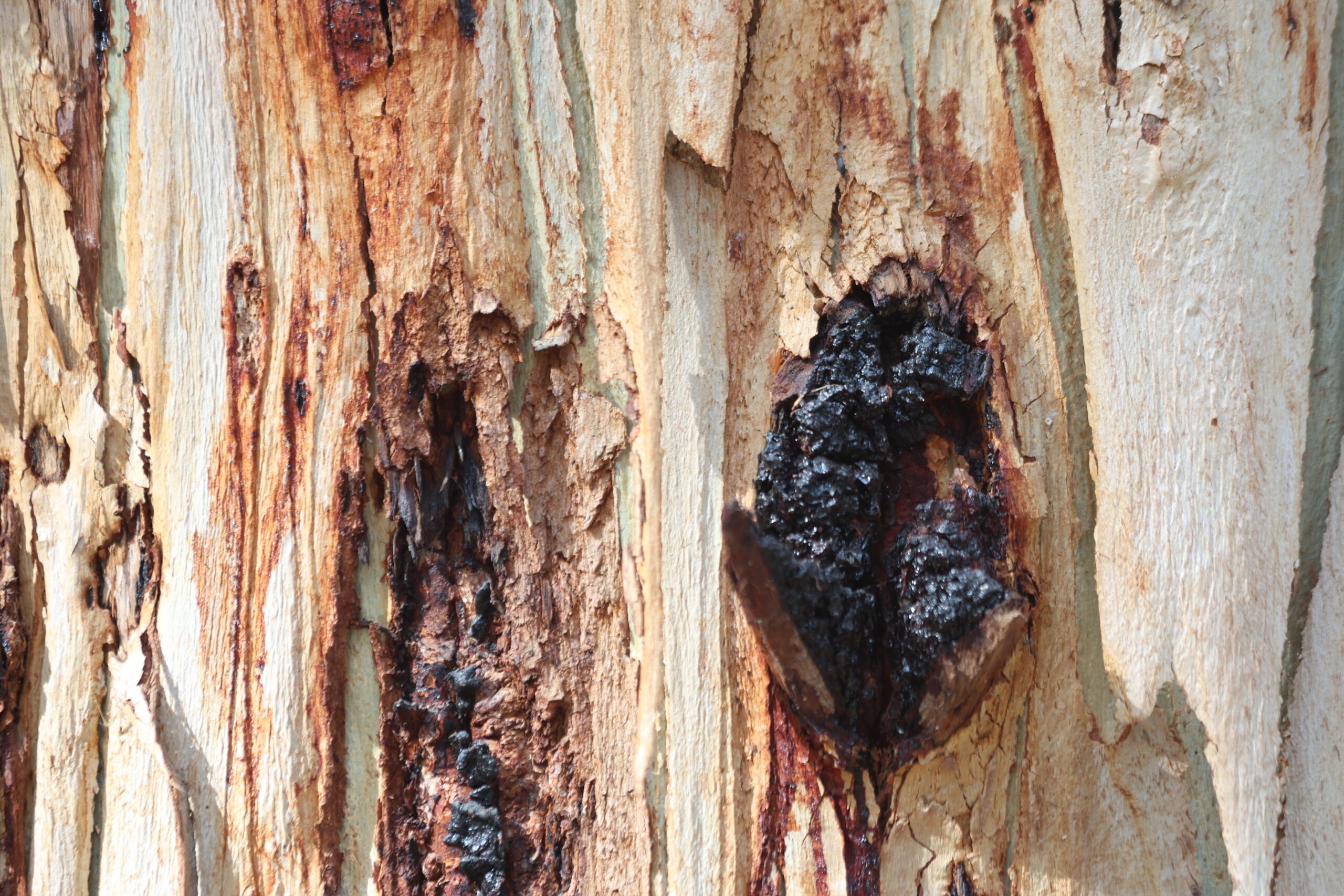
Most Pennsylvania homeowners notice it first on the car, the patio furniture, or the surface of leaves below a tree that seemed perfectly healthy just weeks ago. A sticky, black substance that looks almost like the tree is leaking something dark and troubling.
The easy reaction is to wipe it off and assume it’s just tree sap doing something unusual. That reaction is worth reconsidering.
That sticky black substance is almost never just sap, and what it signals about the health of your tree is something worth taking seriously before the problem gets significantly worse.
It has a name, it has a specific cause, and once you understand what’s behind it, the urgency of addressing it becomes very clear.
Pennsylvania trees showing this symptom are often already dealing with an underlying infestation or stress condition that has been developing for longer than the visible signs suggest. The black substance is the symptom.
What’s causing it is the real concern. Here’s exactly what that sticky black substance is, what’s causing it in Pennsylvania trees, and what to do about it now.
That Dripping Liquid Is Probably Honeydew, Not Sap Or Mold
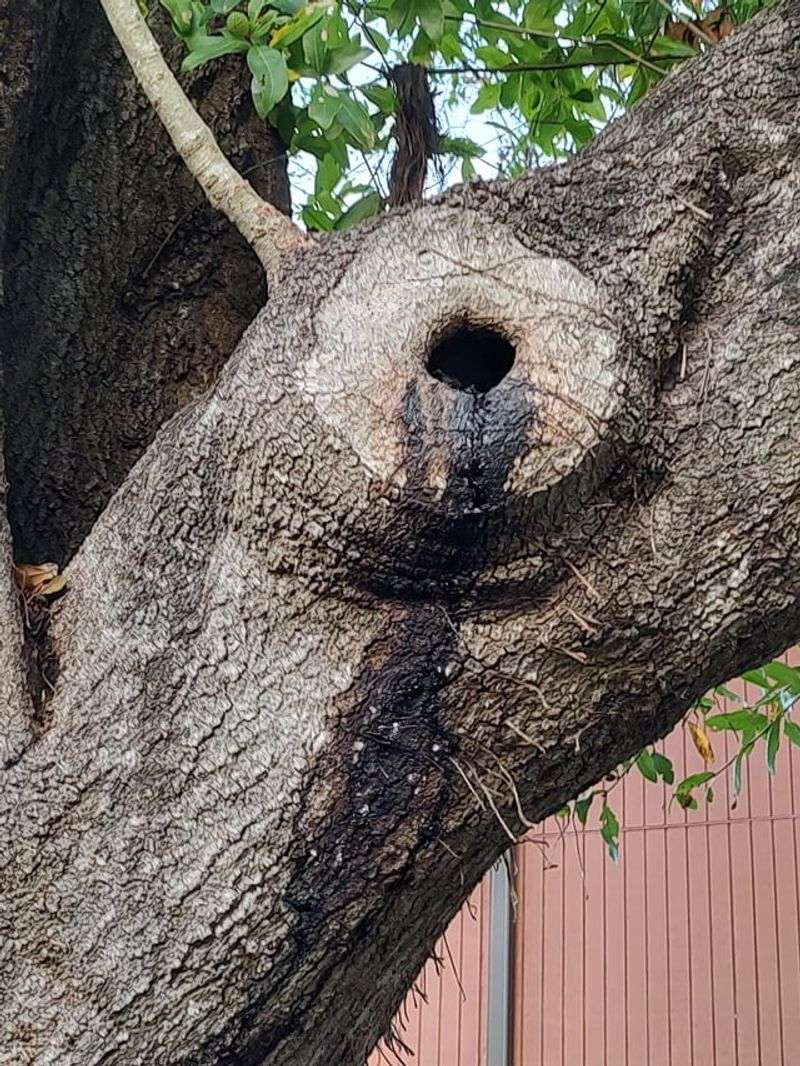
Most people assume the sticky stuff falling from their trees is sap, but there is actually a very different culprit behind it. What you are seeing is most likely honeydew, a sweet, sugary liquid that comes from sap-feeding insects living in the tree’s canopy.
It sounds harmless enough, but the mess it creates can spread fast and cause bigger problems if you ignore it.
Sap-feeding insects like aphids, scales, and spotted lanternflies consume far more plant sugar than their bodies actually need. The excess passes right through them and drips out as honeydew.
When large groups of insects are feeding at once, the liquid can fall in such heavy amounts that it feels like a light, sticky rain falling beneath the tree.
Honeydew does not stay only on the leaves. It coats branches, trunks, understory shrubs, garden furniture, cars, and even concrete patios.
The coating is clear at first and easy to miss. Over time, however, it becomes a magnet for other problems that are much harder to clean up.
Catching it early makes a real difference in how difficult the situation becomes to manage later on.
One simple way to confirm honeydew is the source is to check the texture. Honeydew feels sticky and slightly sweet, unlike regular tree sap, which tends to be thicker and more resinous.
If the dripping is coming from above and the leaves look shiny or coated, insects are almost certainly the cause. A closer look at the branches and leaf undersides will usually reveal the insects responsible for the mess.
Black Sooty Mold Grows Wherever The Honeydew Accumulates
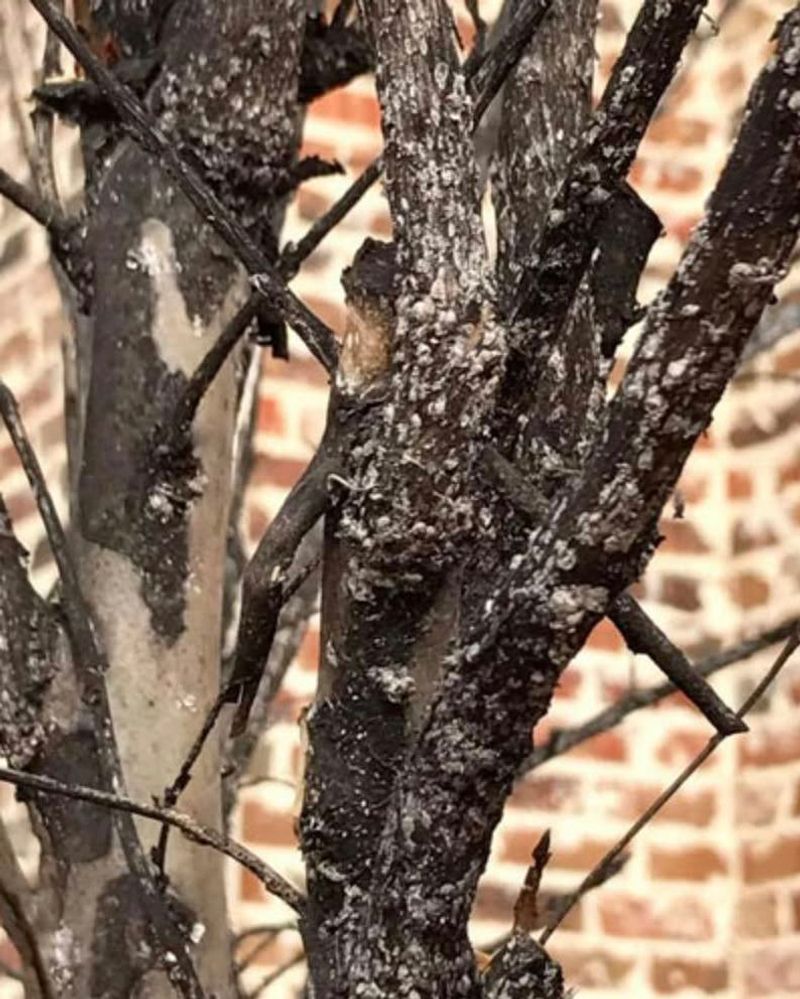
Once honeydew starts coating your tree’s surfaces, something else moves in quickly: sooty mold. Airborne fungal spores land on the sugary honeydew and start growing almost immediately.
The result is a dark, powdery, soot-like layer that makes leaves and branches look burned or dirty. It can show up within days of a heavy honeydew deposit.
Your Pennsylvania Garden Changes Every Week. Your Plan Should Too.
Gardening in Pennsylvania changes quickly throughout the season. Every Friday you’ll receive a simple weekly plan showing exactly what to plant, prune, fertilize, harvest, and protect so you never miss the right timing.
Here is the key thing to understand about sooty mold: it does not actually grow inside the plant. The fungus lives on top of the honeydew coating rather than invading the tree’s tissues directly.
That means the tree itself is not being attacked by the mold. However, the mold still causes real harm by blocking sunlight from reaching the leaf surface below it.
Leaves need sunlight to carry out photosynthesis, which is how trees make their own food. When a thick layer of sooty mold covers the leaves, the tree cannot absorb enough light to function properly.
Over time, this can weaken branches, slow growth, and make the tree more vulnerable to other stressors. Understory plants growing beneath the canopy can also suffer from reduced light exposure.
Wiping or washing the mold off may clean up the appearance temporarily, but it will come right back as long as insects are still producing honeydew above. The only real solution is to deal with the insects first.
Once honeydew production stops, the sooty mold will gradually weather away on its own. Focusing on the mold alone while ignoring the insect source is like mopping the floor without fixing the leaking pipe above it.
Spotted Lanternflies Are A Major Pennsylvania Suspect
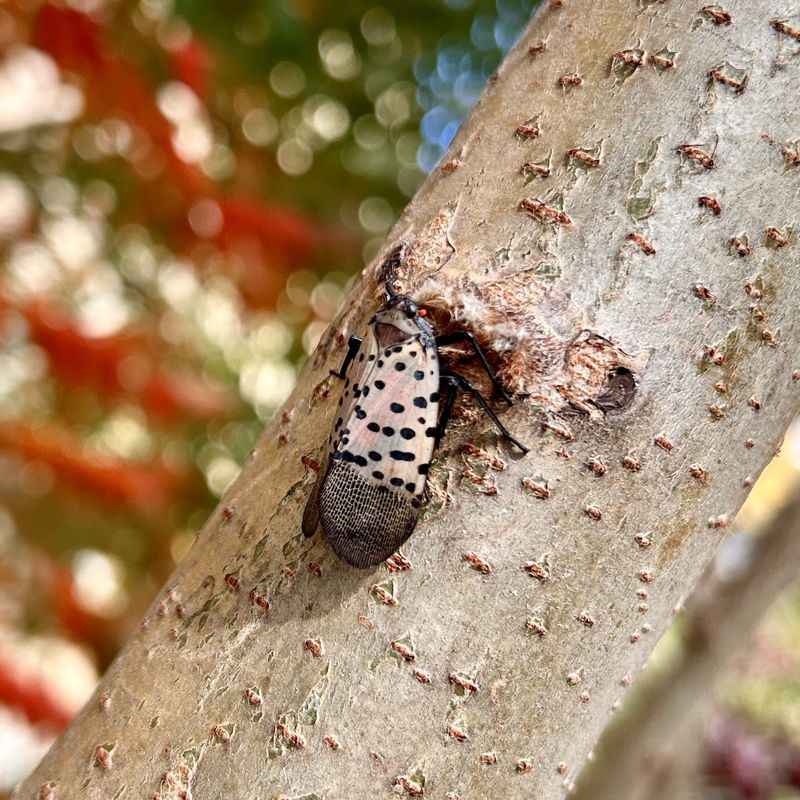
Pennsylvania residents have been dealing with spotted lanternflies since the insects were first detected in Berks County back in 2014.
Since then, they have spread across much of the state and earned a reputation as one of the most destructive invasive insects in the region.
When large groups gather to feed on a single tree, they can produce enormous amounts of honeydew in a short period of time.
Spotting a lanternfly infestation is not always as simple as seeing the adults fly around. You need to look closely at trunks and branches for all life stages.
Adults have distinctive spotted wings and a red patch underneath. Younger nymphs appear black with white dots, while late-stage nymphs develop a striking red-and-black pattern.
Egg masses look like patches of dried mud and are often found on smooth bark, rocks, and even outdoor furniture.
Spotted lanternflies are not picky eaters. They feed on over 70 plant species, but they are especially fond of tree-of-heaven, maple, black walnut, birch, willow, and grapevine.
If your property has any of these trees and you are seeing heavy honeydew drip, lanternflies are a strong possibility worth investigating carefully.
That said, avoid jumping to conclusions without actually finding the insects or their egg masses. Other pests can produce identical-looking honeydew and sooty mold.
Misidentifying the insect can lead to the wrong treatment approach, which wastes time and money. Pennsylvania has specific reporting requirements for spotted lanternflies, so confirming their presence before taking any action is always the smarter first move.
Aphids And Scale Insects Can Create The Same Black Mess
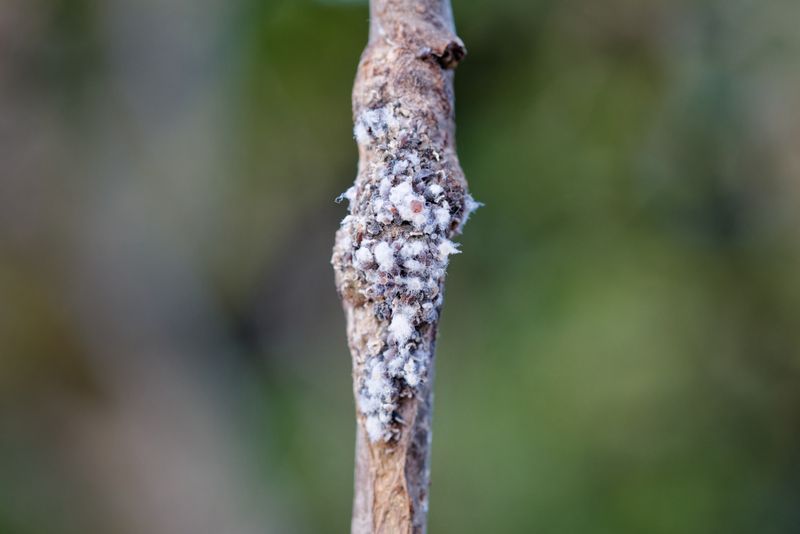
Spotted lanternflies get a lot of attention in Pennsylvania, but they are far from the only insects that produce honeydew. Aphids and scale insects are responsible for just as many sticky, blackened trees across the state every single year.
Knowing what these pests look like and where to find them is just as important as knowing about lanternflies.
Aphids are tiny, soft-bodied insects that tend to cluster on young shoots and the undersides of leaves. They reproduce fast, so a small colony can grow into a massive infestation within just a few weeks.
As they feed, they release honeydew continuously. On a warm summer day, standing beneath a heavily infested tree can feel like standing in a light drizzle of sticky liquid.
Scale insects are trickier to spot because they do not look like typical bugs. Soft scales attach themselves to branches, leaves, or bark and often resemble small bumps or waxy blobs rather than living insects.
Pennsylvania trees can be affected by several species, including cottony maple scale, tuliptree scale, and magnolia scale. Each of these produces significant honeydew that leads to heavy sooty mold growth.
Before reaching for any treatment product, take time to correctly identify both the tree species and the specific insect involved. Treatments that work well for aphids may not be effective against scale insects, and vice versa.
Getting the identification right from the start saves you from wasting effort on the wrong approach. A local cooperative extension office or certified arborist can help confirm what you are dealing with if you are unsure.
Ants, Wasps And Blackened Plants Reveal A Larger Infestation
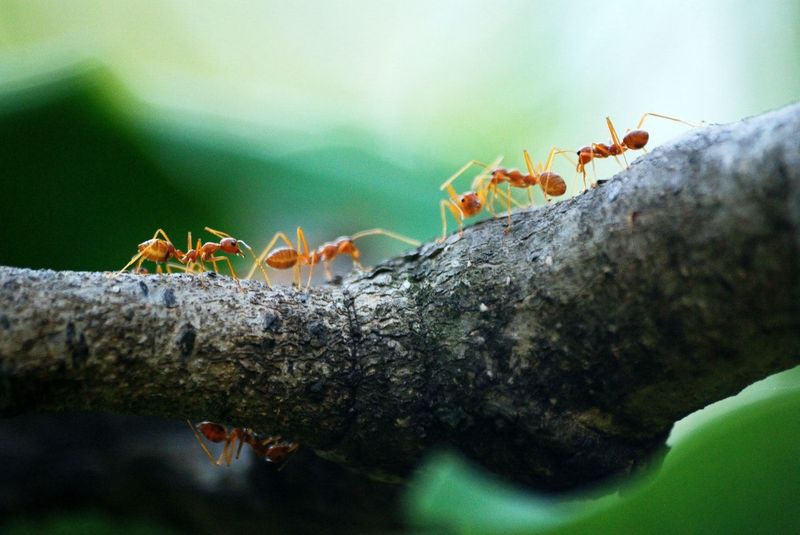
One of the clearest signs that a honeydew problem has grown serious is the sudden appearance of a crowd around your tree. Ants, flies, bees, hornets, and yellow jackets are all drawn to honeydew because of its high sugar content.
If you notice unusual insect activity buzzing around or crawling up your tree trunk, that is a strong signal that something above is producing a lot of sticky liquid.
Ants are especially telling. Many ant species actually protect honeydew-producing insects like aphids from natural predators because they want to keep the food source going.
If you see trails of ants marching up and down your tree trunk, there is a good chance a colony of aphids or scales is living somewhere in the canopy. The ants are essentially farming the insects for their honeydew.
Beyond the insect activity, look around at the broader environment. Blackened foliage on plants growing beneath the canopy is a sign that sooty mold is spreading downward.
Sticky sidewalks, dark staining on the trunk, and grimy outdoor furniture are all clues that the infestation has been going on for a while and has reached a significant level.
Sudden wilting, thinning foliage, or branches that look like they are struggling can indicate the tree itself is under serious stress.
Heavy insect pressure combined with other environmental stressors like drought or poor soil health can weaken even large, established trees over time.
Catching and responding to these warning signs early gives your tree the best chance of bouncing back strong and healthy.
Control The Insect Producing The Honeydew, Not Just The Mold
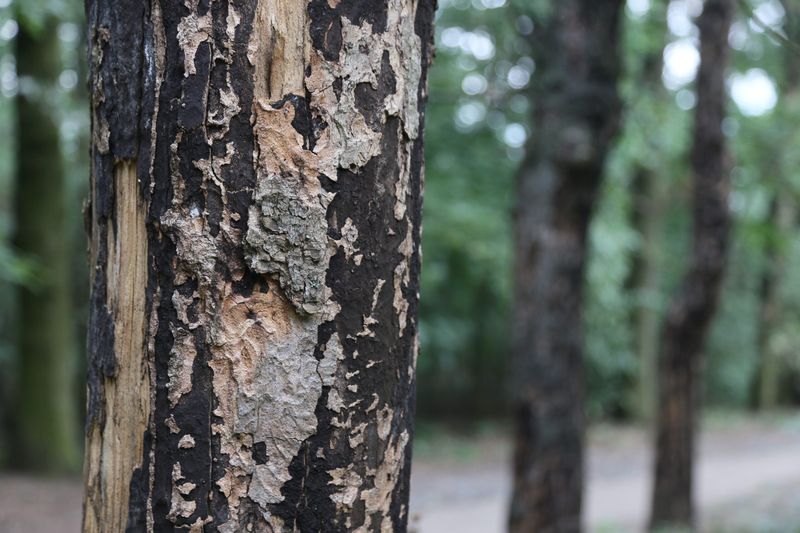
Scrubbing away sooty mold or hosing down sticky surfaces might make your yard look cleaner for a day or two, but the problem will return fast if the insects above are still feeding.
The only way to actually stop the cycle is to address the insect population that is producing the honeydew in the first place. Everything else is just temporary cleanup.
Start by getting a clear identification of the tree species and the insect responsible. Walk around the tree slowly and look at the bark, branches, and the undersides of leaves.
Take photos if you can, because they are helpful when consulting with experts. Once you know what you are dealing with, you can choose a response that actually targets the right pest.
For small aphid populations, a strong stream of water from a garden hose can sometimes knock insects off leaves and reduce their numbers without harming the tree or the beneficial insects nearby.
Lady beetles, lacewings, and parasitic wasps are natural predators that feed on aphids and help keep populations in check.
Broad insecticide sprays can wipe out these helpful insects along with the pests, making the problem worse in the long run.
Severe infestations on large or mature trees usually need professional attention. Penn State Extension offers up-to-date guidance on managing spotted lanternflies and other common Pennsylvania pests.
A certified arborist can assess the overall health of the tree and recommend targeted treatments that are both effective and safe.
If spotted lanternflies are confirmed on your property, be sure to follow current Pennsylvania state reporting and management guidelines as well.