The Most Underrated Florida Shrub For Fall Color Grows Wild Along The Roadside
Florida fall gets dismissed a lot, and honestly that reputation is mostly undeserved.
Yes, the sweeping maple displays of New England are not happening here, but anyone who has driven a back road in late October knows that something interesting is going on along those shoulders and ditches.
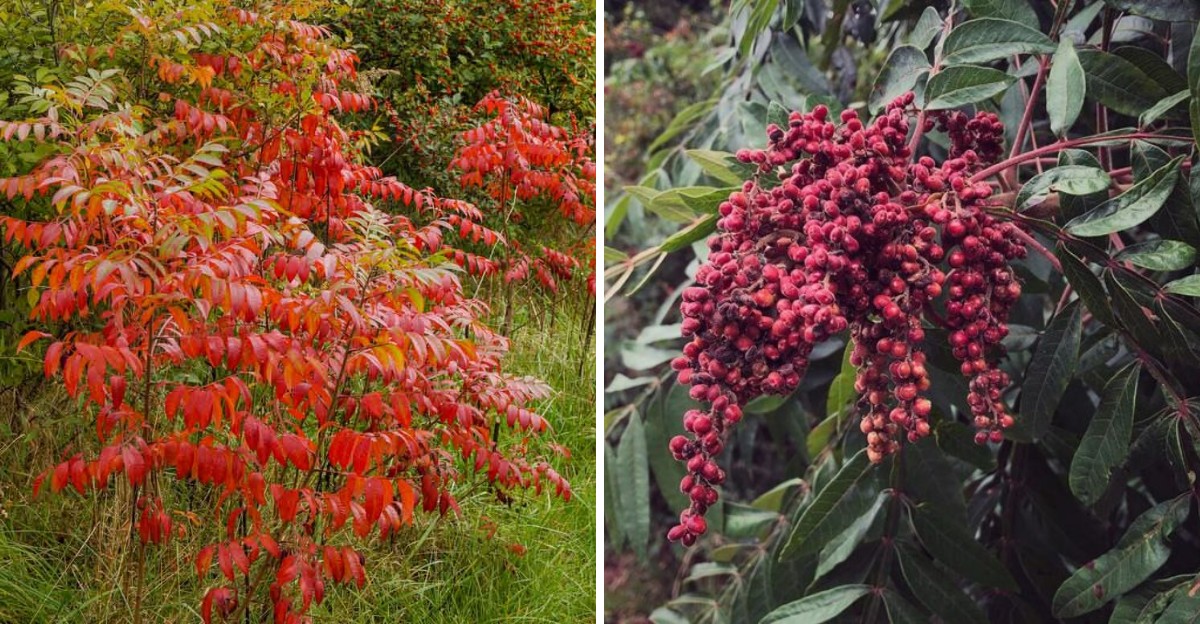
There is a flash of deep red that appears almost out of nowhere, tucked between the pines and the scrubby oaks, looking bold and completely unbothered by the fact that most people speed right past it.
Some homeowners see it growing wild and immediately reach for the mower.
Big mistake. That roadside plant people keep dismissing as a weed is actually one of the most underrated native shrubs in the entire state, and once you get to know it properly, you will start wondering why it is not in every yard already.
1. Meet The Florida Roadside Shrub With Winged Stems
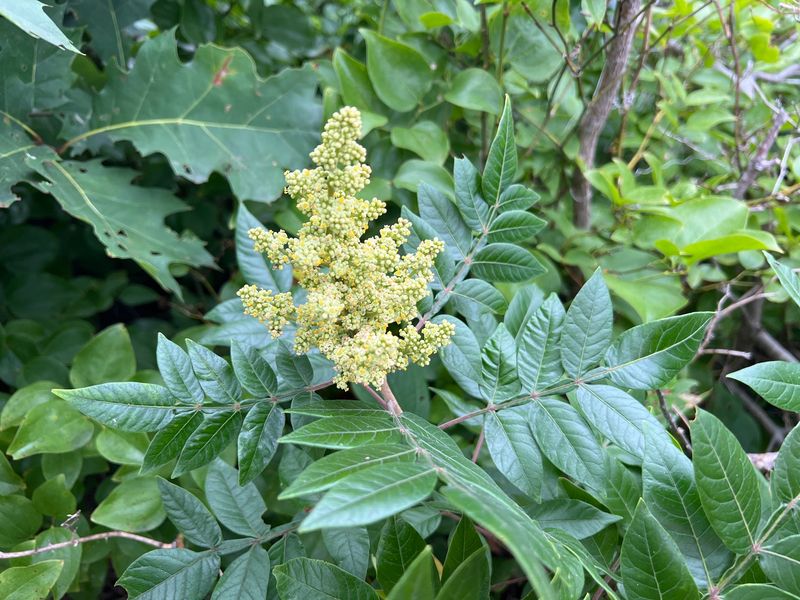
Look closely at a leaf and you will spot the secret behind the name. Small flat strips run along the stem between each leaflet, like tiny green wings.
Winged sumac, known to scientists as Rhus copallinum, grows across Florida from the Panhandle down to the southern counties. It usually reaches 6 to 15 feet tall, though some stretch into small trees.
Each leaf holds about 9 to 21 shiny leaflets lined up in pairs. The tops look glossy, while the undersides feel slightly fuzzy.
People often mix it up with poison sumac, and that worry keeps many gardeners away. The good news is that winged sumac is harmless to touch.
Poison sumac grows in swamps and has white berries hanging down. Winged sumac loves dry, sunny spots and holds red berry clusters upright.
Those winged leaf stems are the easiest clue to check. Once you learn that trick, you can spot the plant from your car window.
Fun fact for history fans: early settlers used the leaves to tan leather. The plant is rich in tannins, natural chemicals that help preserve animal hides.
Native Americans also found many uses for it. They mixed dried leaves into smoking blends and made dye from different parts.
So the next time you pass a scruffy thicket by the road, slow down a bit. You might be looking at one of the oldest working plants in the region.
2. Why Florida Fall Color Starts With Winged Sumac
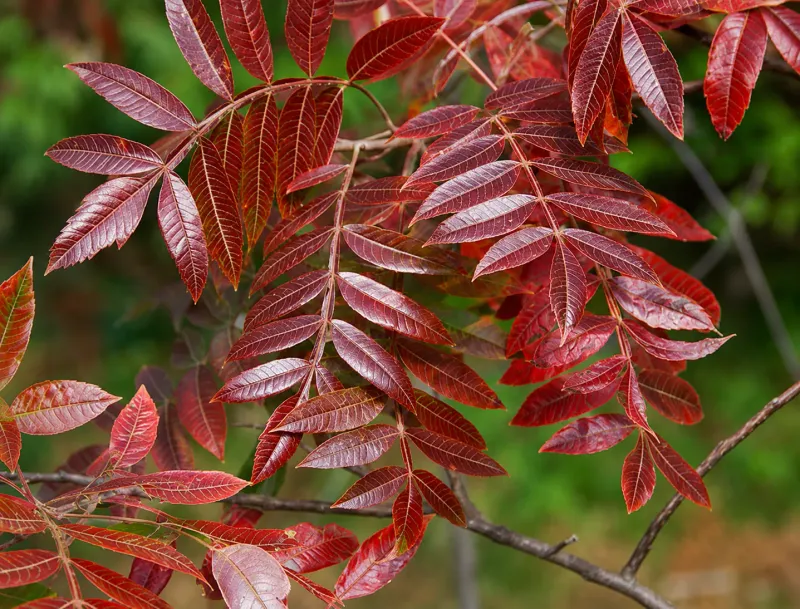
Ask a northern visitor about autumn here and you may get a polite shrug. Then show them a sumac thicket in November and watch their jaw drop.
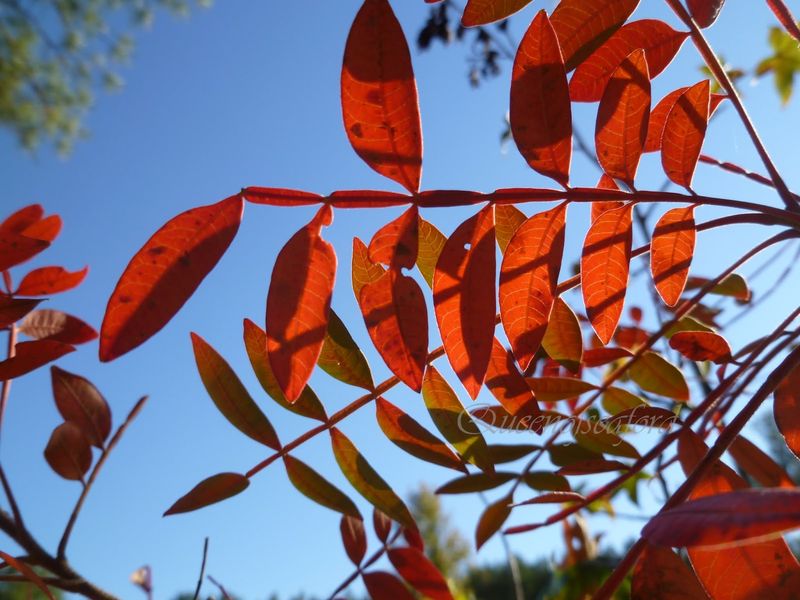
Winged sumac turns shades of scarlet, burgundy, and glowing orange as nights cool down. In a state full of evergreens, that blaze really stands out.
The color usually peaks from late October through early December. North Florida tends to see it first, while southern areas catch up a few weeks later.
Brighter color shows up on plants that get full sun. Shrubs tucked in shade often turn a dull yellow or simply drop their leaves.
So why does the color get so intense? Shorter days signal the plant to stop making green chlorophyll, letting red pigments called anthocyanins shine through.
Your Florida Garden Changes Every Week. Your Plan Should Too.
Gardening in Florida changes quickly throughout the season. Every Friday you’ll receive a simple weekly plan showing exactly what to plant, prune, fertilize, harvest, and protect so you never miss the right timing.
Dry fall weather can even boost the show. Mild stress encourages the plant to pack its leaves with more of those red pigments.
Many gardeners plant maples or crape myrtles hoping for autumn drama. Those options can be hit or miss in our warm climate.
Sumac, on the other hand, feels right at home in the heat. It delivers dependable color year after year with very little help from you.
Want a quick tip? Snap photos of local thickets each fall and note the dates.
You will soon learn the best week to enjoy the show near your home.
3. Spotting Wild Sumac Along Florida Back Roads
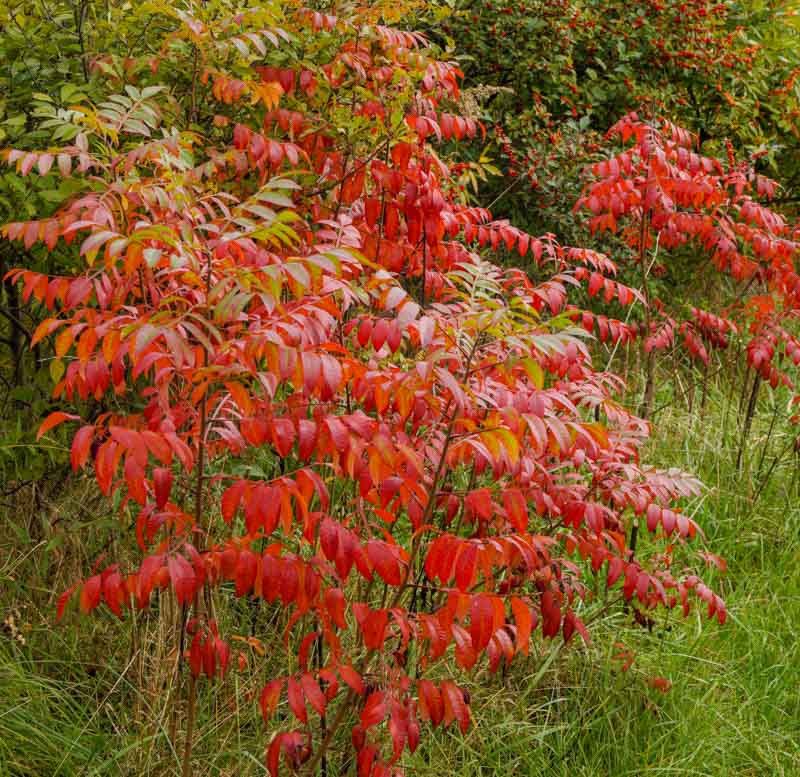
Road trips get a lot more fun once you know what to watch for. Suddenly every ditch and fence row turns into a little treasure hunt.
Winged sumac loves the edges of things. You will find it along highway shoulders, railroad tracks, old fields, and power line clearings across Florida.
The reason is simple. Sumac craves sunlight and handles sandy, poor soil better than most plants can.
Mowed roadsides give it plenty of sun and little competition. Its roots also send up new shoots, so one plant can turn into a whole colony.
Here are some easy clues for spotting it:
Look for thickets that seem to glow red in fall. Check for cone-shaped clusters of fuzzy red berries pointing up at the tips.
In summer, watch for creamy yellow-green flower clusters buzzing with bees. That buzzing is a good sign you found the right plant.
Pine flatwoods and sandhill areas are great places to search. Scenic drives through the Panhandle often have long stretches lined with color.
A word of caution, though. Please pull over only where it is safe and legal, and avoid digging plants from public land without permission.
Instead, enjoy the view and snap a few pictures. Then buy a nursery-grown plant if you want that same beauty at home.
4. Growing Winged Sumac In Your Yard
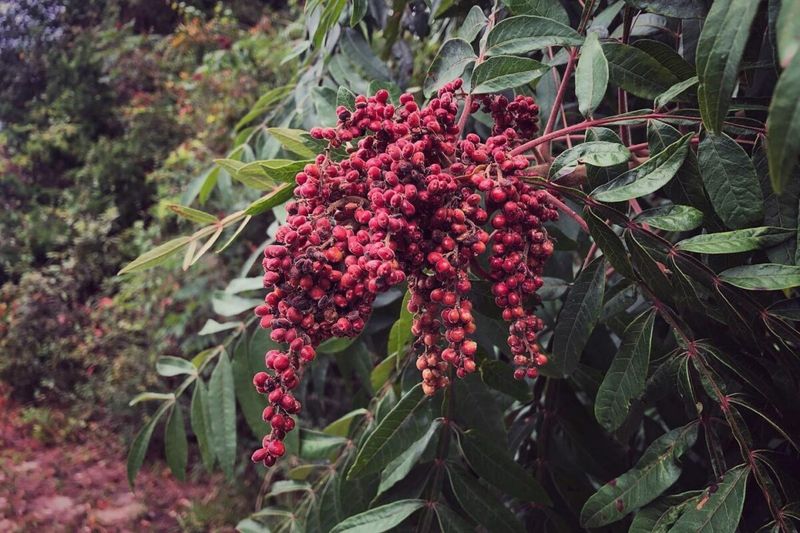
Good news for busy gardeners: this shrub is about as low-fuss as plants get. If you can dig a hole, you can probably grow it.
Start by picking a sunny spot. Six or more hours of direct sun gives you the strongest growth and the richest fall color.
Soil is not a big worry here. Winged sumac handles sandy, rocky, or poor ground across most of Florida, as long as it drains well.
Soggy spots are the main thing to avoid. Roots that sit in water for long periods tend to rot.
Plant in fall or winter when temperatures are cooler. Dig a hole twice as wide as the pot and just as deep.
Water every few days for the first month. After that, cut back to weekly watering until the plant settles in.
Once established, it rarely needs extra water at all. Rainfall usually covers its needs, even during dry spells.
Skip the fertilizer for the most part. Rich feeding can make the plant floppy and reduce its fall color.
Many local native plant nurseries carry it, especially during fall plant sales. Ask staff for plants grown from regional seed, since those adapt best.
A simple layer of pine straw mulch helps hold moisture. It also gives your planting a natural look that matches the wild thickets you admire.
5. How Pollinators Fall For Sumac Flowers
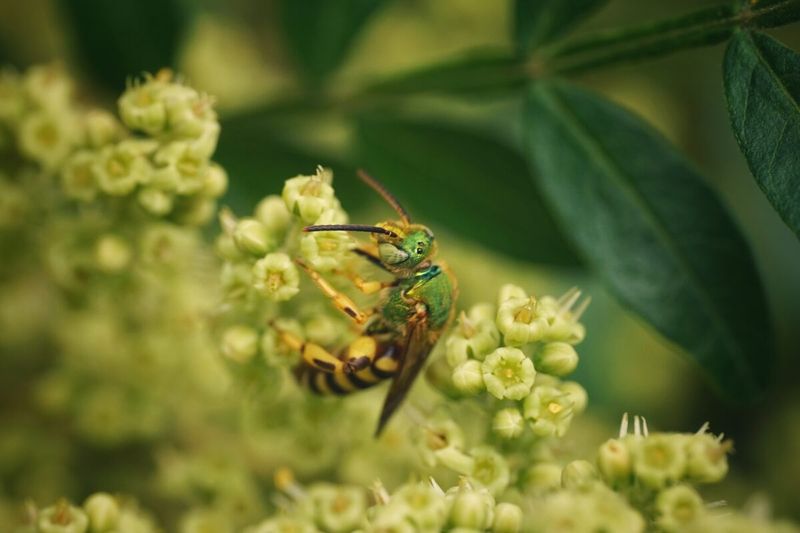
Stand near a blooming sumac in July and you will hear it before you see it. The whole shrub hums like a tiny busy factory.
Winged sumac blooms in mid to late summer. Its small yellow-green flowers grow in large clusters at the ends of branches.
They may look plain to us, but insects go wild for them. Honeybees, native bees, wasps, and butterflies all stop by for a sweet snack.
Timing makes these flowers extra valuable. Many spring bloomers have finished by midsummer, so sumac fills an important gap in the menu.
Beekeepers in Florida often appreciate it for that reason. Sumac honey has a mild, pleasant flavor and helps colonies stay strong through the hot months.
Butterflies benefit too. The red-banded hairstreak lays eggs near sumac, and its caterpillars feed on fallen leaves below.
Want to support pollinators even more? Plant sumac alongside other natives like blazing star, goldenrod, and beautyberry.
That mix gives insects food from spring through fall. Your yard becomes a steady rest stop instead of a one-week buffet.
Avoid spraying pesticides near the plant while it blooms. Even gentle products can harm the very visitors you are trying to help.
Grab a lawn chair and watch for a few minutes on a sunny afternoon. It is cheaper than a movie and surprisingly entertaining.
6. Red Berries That Feed Birds In Winter
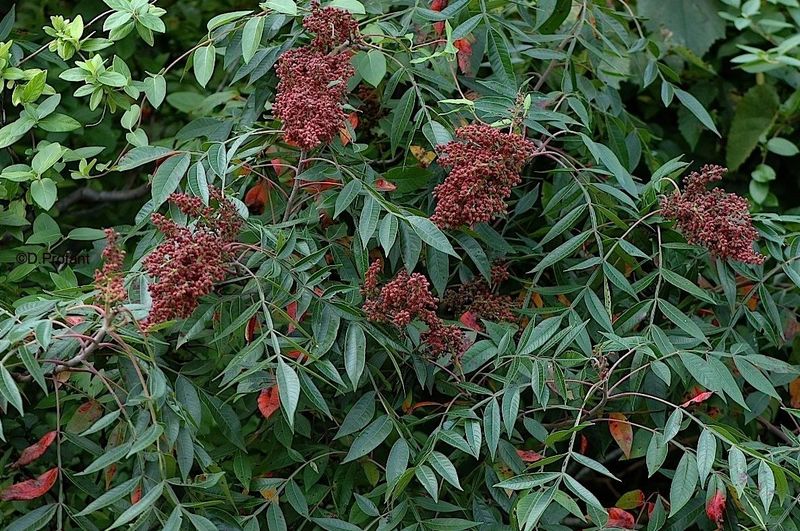
When winter rolls around, hungry birds start shopping for snacks. Sumac berries are like a pantry that stays stocked long after others empty out.
The fuzzy red fruit clusters form in late summer and hang on through winter. They are not the first choice for most birds, which is actually a big advantage.
Because birds save them for later, the berries become a backup food when supplies run low. That makes sumac a real lifesaver in lean months.
Bluebirds, mockingbirds, cardinals, and catbirds all enjoy them. Wild turkeys and quail also nibble on fallen fruit.
Migrating birds passing through Florida benefit as well. They need quick energy during long trips, and sumac offers a reliable fuel stop.
Here is an interesting note for the curious cook. Some sumac species, particularly staghorn sumac and smooth sumac, have a long documented history of being used to make a tangy, lemonade-like drink sometimes called sumac-ade, where berry clusters are soaked in cool water and strained.
Winged sumac berries are not toxic and have been used in similar ways in some traditional contexts, but this preparation is more firmly documented for those other species. If you want to experiment, do thorough research first and gather only from clean areas well away from busy roads, since roadside plants can pick up dust and chemicals from traffic.
For bird watching, plant sumac within sight of a window. You will enjoy feathered visitors all winter without spending a dime on seed.
7. Keeping Florida Sumac Tidy And Under Control
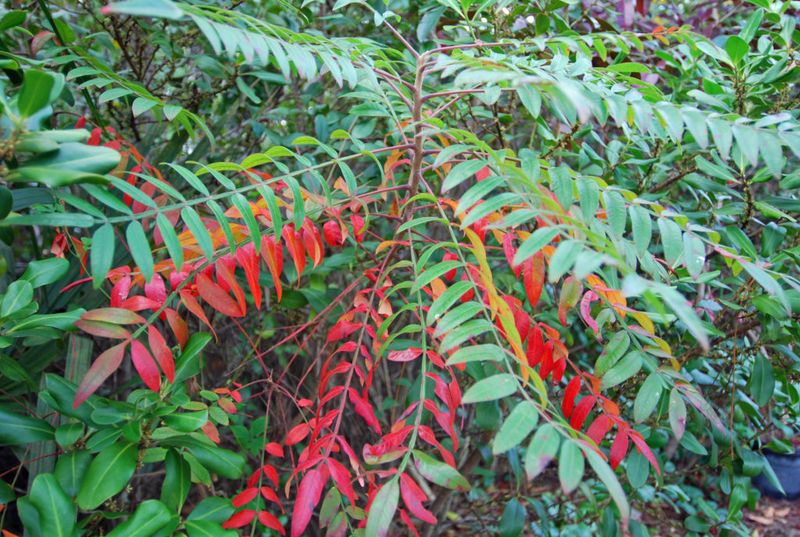
Every plant has a quirk, and sumac has a big one. It loves to spread, and it will happily march across your yard if you let it.
New shoots pop up from underground roots, called suckers. Over a few years, one shrub can turn into a small grove.
That habit is great for wild areas and slopes. In a small garden bed, though, it takes a little planning.
Here are some easy ways to keep things neat:
Pull or clip unwanted suckers while they are small. Young shoots come out much more easily than older woody ones.
Install a root barrier about 18 inches deep around the planting. Many Florida gardeners use this trick with bamboo too.
Mow around the edges of the clump regularly. Mowing stops shoots from spreading into the lawn.
Pruning helps shape the plant as well. Cut back in late winter before new leaves appear.
Some folks prefer a tree form. Pick one strong main stem, remove the lower side branches, and clear away suckers at the base.
Others choose to let a patch grow wild in a back corner. That spot becomes a mini habitat for birds and insects.
Either approach works fine. The key is deciding early how much room you want to give this eager grower.
8. Design Ideas For A Native Sumac Garden
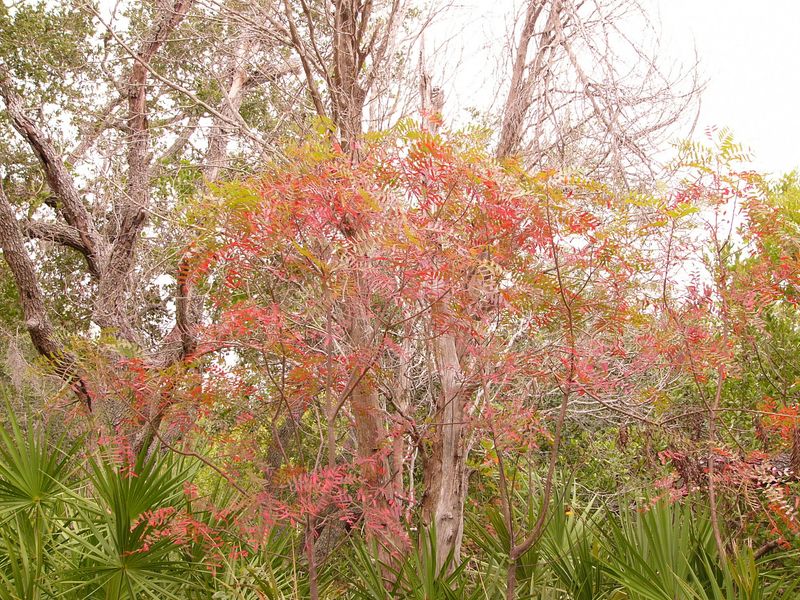
Think of winged sumac as the star actor who needs a good supporting cast. Pair it with the right neighbors and your yard turns into a real showstopper.
Pink muhly grass makes a dreamy partner. Its cotton candy plumes bloom in fall, right when sumac leaves turn red.
American beautyberry adds bright purple berries to the mix. Red and purple side by side look bold and cheerful.
Saw palmetto gives a steady green backdrop. Its fan-shaped leaves help the red sumac pop even more.
For height, try placing sumac near longleaf pines or live oaks. That layered look copies what you see in natural Florida woodlands.
Got a tricky slope? Sumac roots help hold soil in place, making it a smart pick for banks and hillsides.
It also works as a natural screen along fences. A row of shrubs blocks views and creates privacy within a few seasons.
Plant in groups of three or five for a fuller look. Odd numbers tend to feel more natural to the eye.
Leave space for the plant to spread a bit. Crowding it against a house or patio leads to extra trimming work later.
Sketch your plan on paper before buying plants. A little planning saves money and helps every piece fit together nicely.
9. Why Gardeners Should Give Sumac A Second Look
My neighbor once asked why I let a roadside weed grow by the mailbox. Come November, she was knocking on my door asking for a cutting.
That story sums up winged sumac pretty well. It looks ordinary most of the year, then surprises everyone each fall.
It handles heat, drought, and sandy soil with ease. Few ornamental shrubs offer that much toughness in the Florida climate.
Wildlife gets a big boost from it too. Bees feast on summer flowers, and birds snack on berries through the colder months.
Native plants like sumac also save money. They usually need less water, fertilizer, and spraying than exotic shrubs.
Choosing natives helps protect local ecosystems. Many imported plants escape into the wild and crowd out the species that belong here.
So why is sumac still overlooked? Mostly because of its humble roadside reputation and confusion with poison sumac.
Spread the word with friends and neighbors. Share photos of fall color or offer a rooted sucker to someone curious.
Local native plant society chapters often host walks and plant sales. They are a fantastic way to learn more and meet friendly gardeners.
Give this underdog a sunny corner and a little patience. Your reward will be a burst of autumn fire right outside your window.