Georgia Gardeners Should Avoid This October Tulip Mistake For Better Spring Blooms
Bags of tulip bulbs show up in garden centers right as the weather cools, and planting them immediately feels like the next step.
Grabbing a trowel that same weekend can work against you, though, especially in a warm climate.
Tulips need a long stretch of cold to bloom well, and many varieties come from places with much harsher winters. Planting too early can leave them in soil that stays warm longer than they like.
This mismatch is a big reason so many Georgia tulips come up short or skip blooming altogether.
A small change in how you handle the bulbs before planting can make a noticeable difference. It costs nothing and takes a little patience.
Store any bulbs you already bought somewhere cool and dry until the timing is right.
1. Planting Tulips Too Early Can Be A Mistake In Warmer Areas
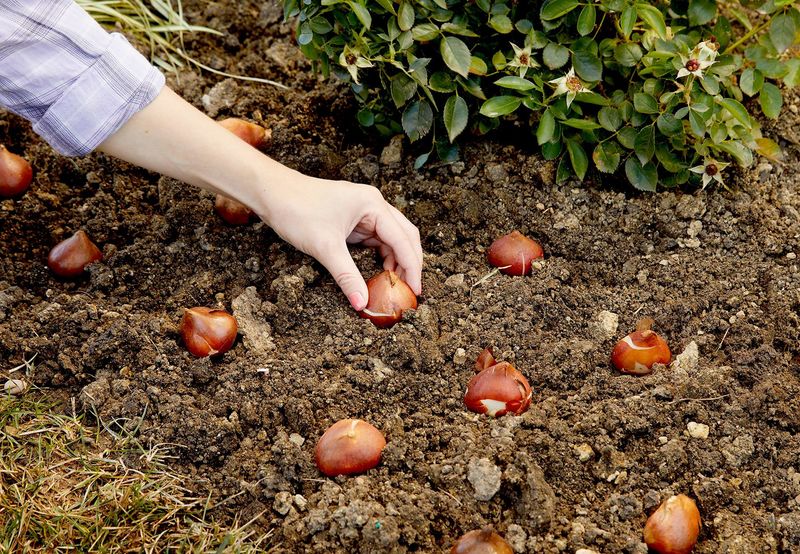
October feels like the right time to plant tulips, but in warm areas it often isn’t. The real issue is putting bulbs in the ground before they have had enough cold.
Tulips need a long chilling period to flower well, and mild winters may not supply it.
In much of central and south Georgia, the soil stays fairly warm through fall. Bulbs planted in early October may sit in that warmth for weeks before any real cold shows up.
Without enough chill, tulips may send up short stems or small flowers that open close to the ground.
Some bulbs may skip blooming entirely. Others may produce only leaves, which can be a letdown after all that digging.
Early planting in warm soil can also raise the chance of bulb rot, especially in heavy clay that drains slowly.
So what should you do instead? Hold off on planting in warmer parts of the state, and plan to give your bulbs extra cold indoors first.
Results still depend on your local weather, soil, and bulb variety. A cooler-than-normal winter may help some tulips bloom fine, while a warm one may not.
Knowing your area’s typical winter is the first step toward fixing this common fall slip.
2. These Bulbs Need A Long Stretch Of Steady Cold To Bloom Well
Cold is not an enemy to tulips. It is part of how they work.
Inside each bulb, a flower bud forms during the previous growing season. Weeks of chilly temperatures help signal that bud to develop and stretch upward when spring arrives.
Extension services commonly recommend about 12 to 16 weeks of cold before tulips can bloom properly.
That cold needs to be fairly steady, not just a few frosty nights mixed with warm spells. Soil temperature matters more than air temperature, since the bulbs live underground.
Think of chilling like a slow countdown that has to finish before the show can start.
When the countdown stops short, the plant often reacts in predictable ways. Stems may stay stubby, and flowers may look smaller than the picture on the package.
Some tulip types handle shorter chilling a bit better than others. Certain species tulips and some Darwin hybrids are often mentioned as more forgiving, though results still vary.
Your Georgia Garden Changes Every Week. Your Plan Should Too.
Gardening in Georgia changes quickly throughout the season. Every Friday you’ll receive a simple weekly plan showing exactly what to plant, prune, fertilize, harvest, and protect so you never miss the right timing.
Check bulb packaging or ask a local garden center about varieties suited to mild winters.
Understanding this cold requirement explains nearly every tip that follows. Once you see why chill matters, the timing and storage steps start to make sense.
3. Mild Winters In Much Of The State Fall Short On Chill
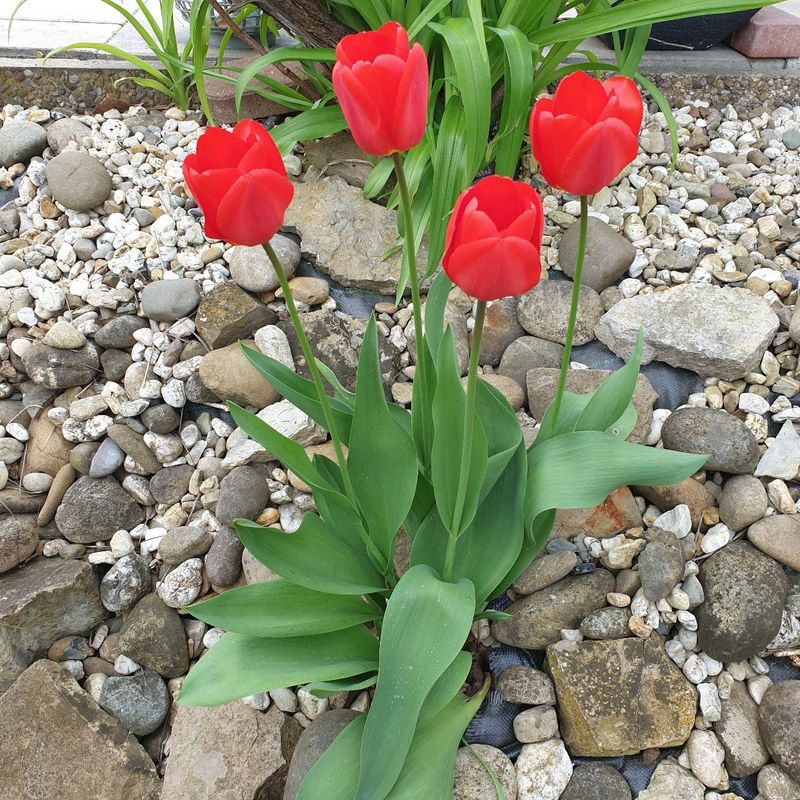
Ask a gardener in Savannah and one in Blue Ridge about winter, and you will hear two very different stories.
Georgia stretches across several USDA hardiness zones, roughly from 6b in the northern mountains to 9a near the coast. That spread affects how much natural cold your tulips receive.
North Georgia mountain areas often get enough winter chill for tulips planted in late fall.
Moving south, the picture changes. Warm spells in December and January are common, and soil may not stay cold for long stretches.
Around Atlanta and the Piedmont, chill can be borderline. Some years deliver plenty of cold, while other winters run warm enough to leave bulbs short.
Coastal and southern counties usually fall well short of what tulips need.
Not sure where your yard fits? Your local county Extension office can tell you about typical winter conditions and planting advice for your area.
It also helps to watch your own garden over a few seasons. Shady spots, low areas, and north-facing beds may stay cooler than open, sunny ground.
Matching your plan to your region saves money and frustration. Gardeners in warmer zones should expect to give bulbs help before planting.
4. Refrigerator Chilling Can Supply The Missing Cold Before Planting
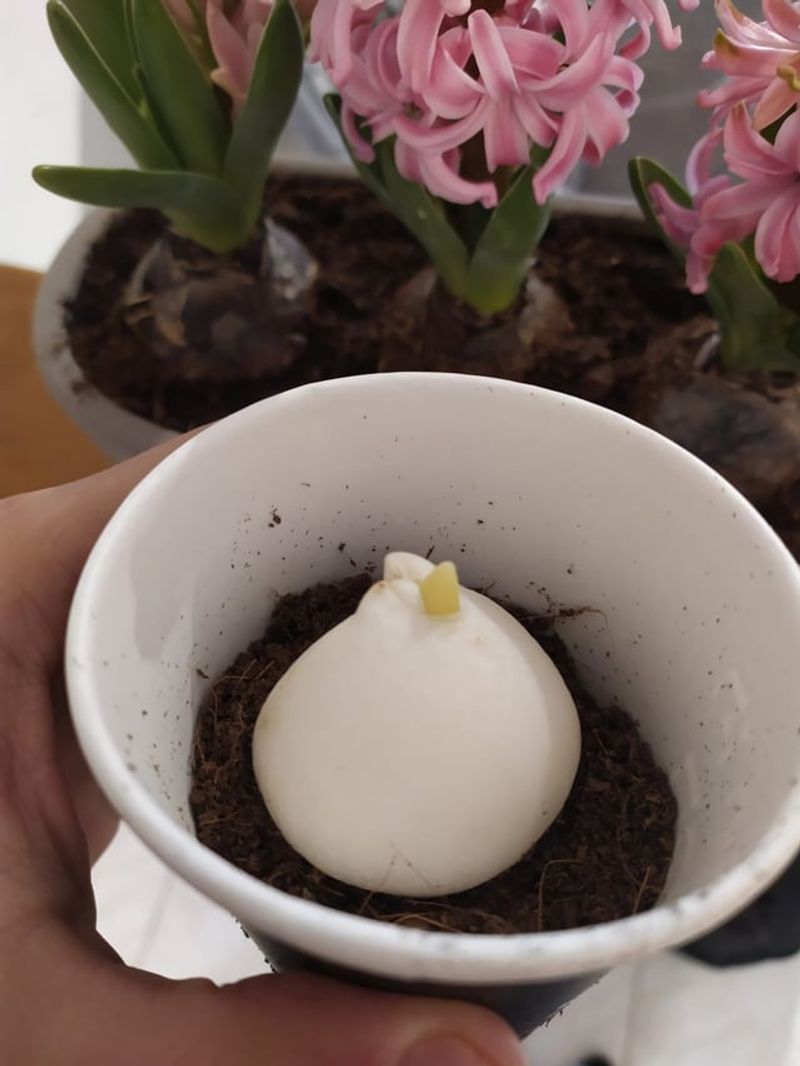
Your kitchen fridge might be the best garden tool you already own.
Pre-chilling bulbs in a refrigerator is a widely recommended method for warm southern climates. It gives tulips the cold they need before they ever touch the soil.
Most Extension guides suggest chilling tulip bulbs for about 10 to 14 weeks at roughly 40 to 45 degrees Fahrenheit.
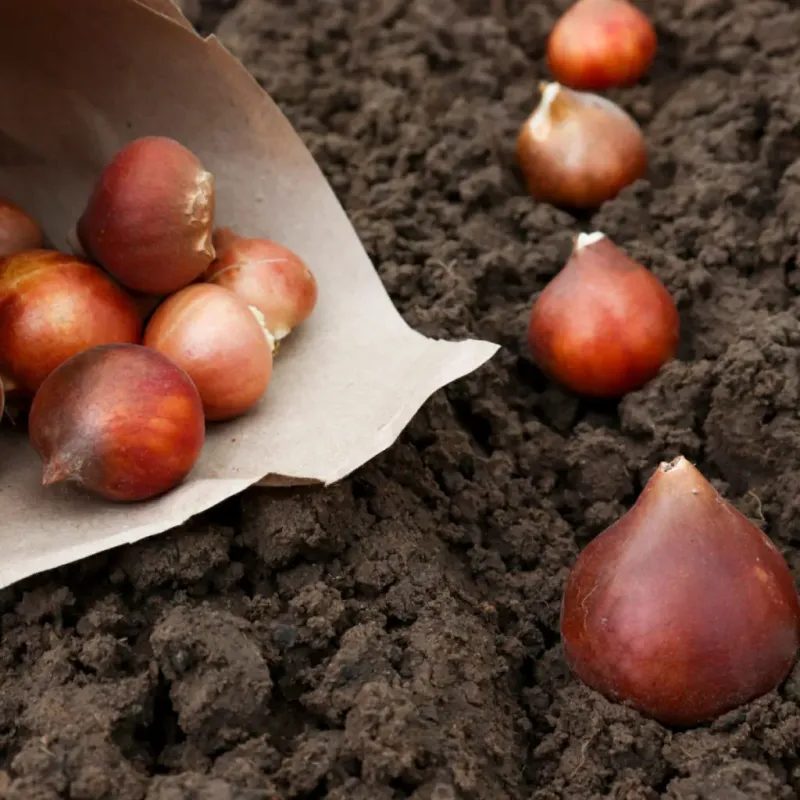
Start soon after buying the bulbs, ideally in September or October. Place them in a paper bag or mesh bag so air can move around them.
Avoid sealed plastic bags, since trapped moisture can lead to mold.
A crisper drawer or a spare fridge in the garage often works well. Check the bulbs every couple of weeks and remove any that turn soft or moldy.
Label the bag with the date you started. It is easy to lose track of time during busy holiday months.
Some garden centers in Georgia sell pre-chilled bulbs, which can save you this step.
Freezing is not the goal here, so keep bulbs out of the freezer. Very cold spots near the back of some fridges may also be too chilly, so pick a steady, cool location.
5. Ripening Fruit Nearby Can Harm Bulbs Stored In The Fridge
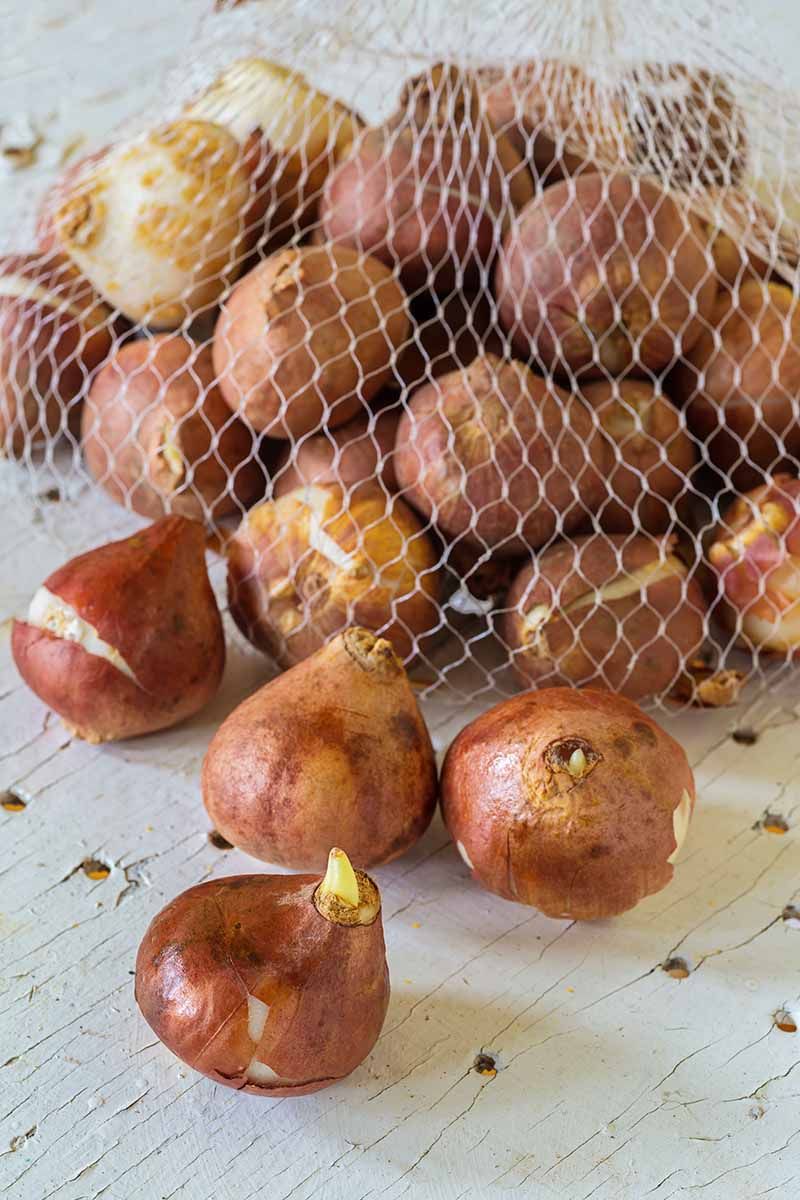
Apples and tulip bulbs make bad roommates.
Ripening fruit gives off ethylene, a natural gas that speeds ripening. Bulbs exposed to it may suffer damage to the flower bud forming inside.
Apples, pears, bananas, and tomatoes are among the common producers of this gas.
The damage is not always obvious from the outside. A bulb may look firm and healthy, then produce leaves with a weak flower or no flower in spring.
Because of this risk, Extension sources advise keeping bulbs away from fruit during chilling.
Ideally, give the bulbs a separate fridge or an empty drawer of their own. If space is tight, clear fruit out of the fridge for those weeks, or keep it tightly separated.
A spare garage fridge is a popular choice for gardeners who chill bulbs every year. Just make sure it holds a steady temperature and is not placed somewhere that freezes or overheats.
It helps to tell everyone in your household about the bulbs, too.
A quick note on the bag can stop someone from tossing in a bag of apples. Small steps like that protect the flowers you are working so hard to grow.
6. Planting Dates Depend On Winter Conditions And Bulb Preparation
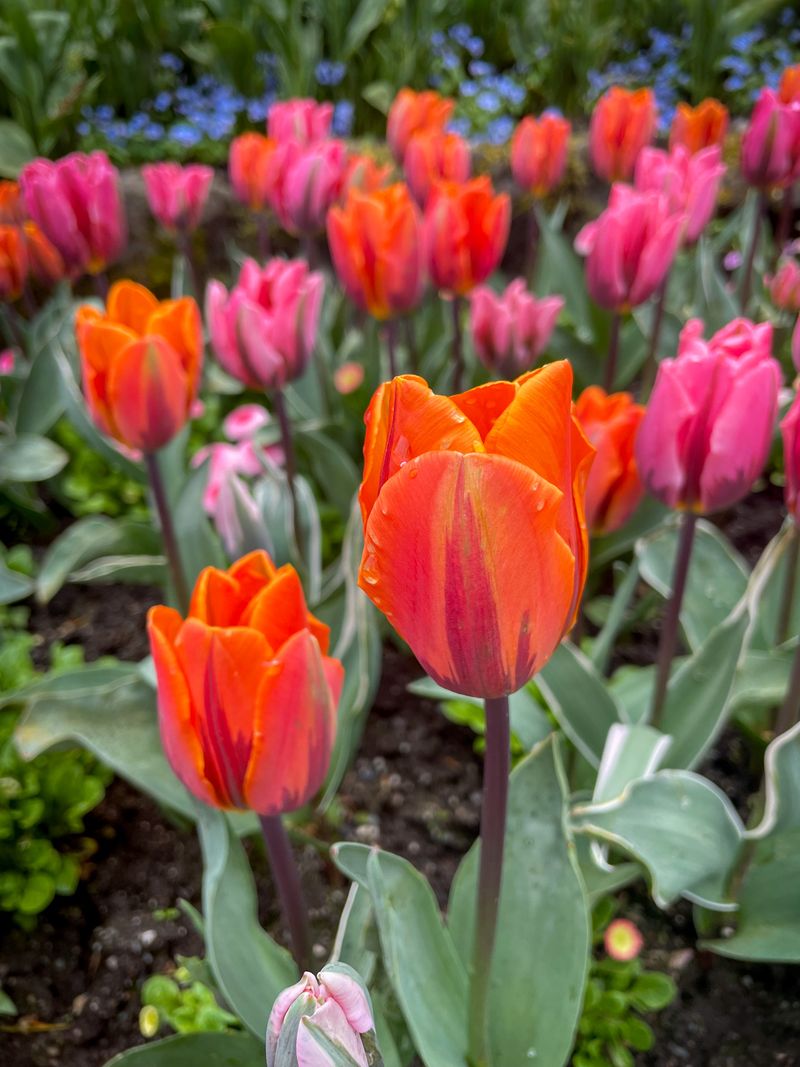
Timing tulips is less about the calendar and more about cold soil.
In north Georgia mountain areas, gardeners often plant untreated bulbs in late fall, once soil has cooled. Local Extension guidance can help narrow the best window for your county.
Warmer regions call for a different plan.
After 10 to 14 weeks in the fridge, pre-chilled bulbs usually go into the ground in late December or early January. By then, soil has typically cooled enough to keep them comfortable.
Plant pre-chilled bulbs soon after you remove them from the refrigerator.
Letting them sit in a warm garage or car can undo some of their progress. Have your bed ready before you pull them out.
Depth matters, too. A common guideline is about three times the bulb’s height, often around six to eight inches for tulips.
Choose a spot with good drainage, since soggy soil can cause bulbs to rot. Raised beds or containers can help in heavy clay.
Weather can shift these dates a bit each year. A warm December might push planting a little later, so check soil conditions rather than following a fixed date.
7. Treating Tulips As One Season Annuals Sets Realistic Expectations
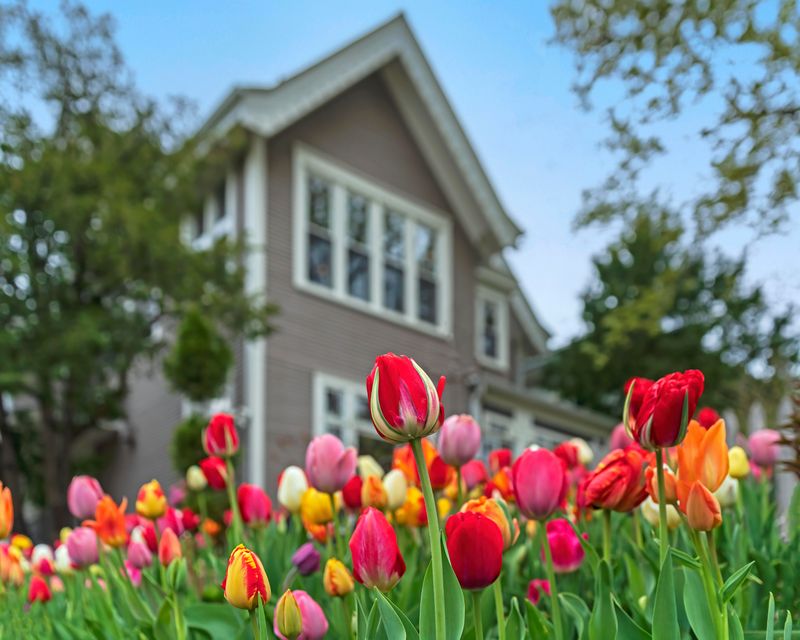
Here’s an honest truth. In most warm southern gardens, tulips rarely come back strong a second year.
Even with perfect chilling and planting, bulbs often struggle to rebuild enough energy in long, warm springs.
Gardeners across much of Georgia treat tulips as annuals for that reason.
They buy fresh bulbs each fall, chill them, and enjoy one good spring display. After flowering, the plants are pulled and replaced with summer color.
Some bulbs may return in cooler mountain gardens, especially certain species tulips.
Even there, repeat blooms are not certain. Results depend on drainage, sun, summer heat, and the variety you choose.
Thinking of tulips as a seasonal treat can actually make planning easier. You can try new colors every year without worrying about long-term performance.
Budget for fresh bulbs the way you might budget for spring pansies or summer annuals.
If you want flowers that return more reliably, consider pairing tulips with bulbs suited to the South. Daffodils and some other spring bulbs often perform better over many years.
Set expectations early, and a single season of bright tulips can feel like a real success.