These Are The Only Roses That Actually Thrive In Georgia Summer Heat Without Constant Care
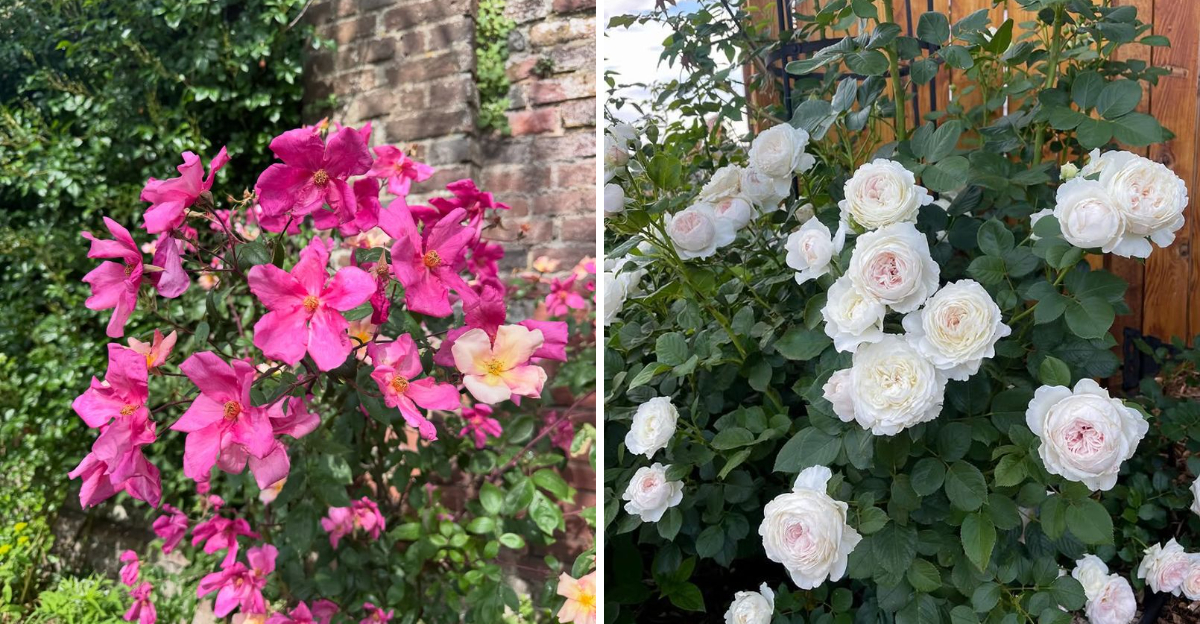
For a lot of people, roses fall into a category of plants they admire from a distance. They love the look of them in other yards, notice them in full bloom during summer, and imagine how beautiful they would be at home.
Then they hear stories about constant pruning, endless maintenance, and plants that seem to need attention every week just to stay healthy.
That is often enough to make someone choose a different plant instead. Nobody wants to invest time, money, and effort into something that feels demanding from the start.
The idea of having beautiful flowers is appealing, but only if the plant can hold up without becoming another item on an already long to-do list.
In Georgia, summer is usually the real test. Some roses require far more attention than most people expect, while others continue performing well even through challenging conditions.
Those reliable varieties are the reason many gardeners discover that growing roses can be much easier than they were led to believe.
1. Knock Out Rose Blooms Reliably Through Summer
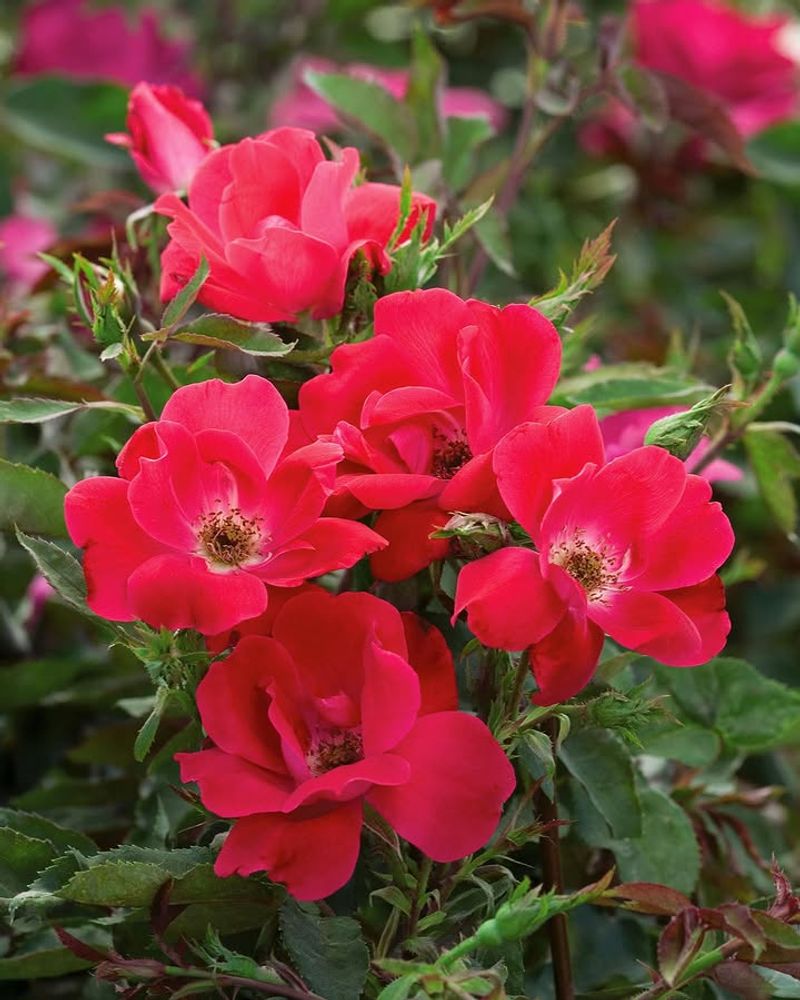
Few roses have earned their reputation the hard way quite like Knock Out. It quickly became a favorite among gardeners looking for reliable color without the demanding care often associated with roses.
One of its biggest strengths is its ability to flower continuously, producing waves of blooms from spring until the first frost. Even during periods of intense summer heat, it continues setting buds and pushing out new flowers.
Black spot is the number one rose problem in hot, humid climates. Knock Out resists it better than almost any other variety on the market.
You still want decent air circulation, but you are not going to lose an entire bush to fungal issues every August. That resistance translates into less spraying, less maintenance, and a healthier-looking plant throughout the season.
Watering needs are modest once established. A deep soak once or twice a week during dry spells keeps it going strong.
Mulching around the base helps retain moisture and keeps roots cooler during the hottest weeks. Established plants can handle short periods of drought better than many traditional rose varieties.
Deadheading is optional. Knock Out self-cleans, meaning old blooms drop off without you having to remove them.
Light pruning in late winter shapes the plant and encourages a stronger flush of new growth come spring.
Most gardeners find it requires very little effort to keep looking tidy.
2. Drift Rose Stays Compact Without Heavy Pruning
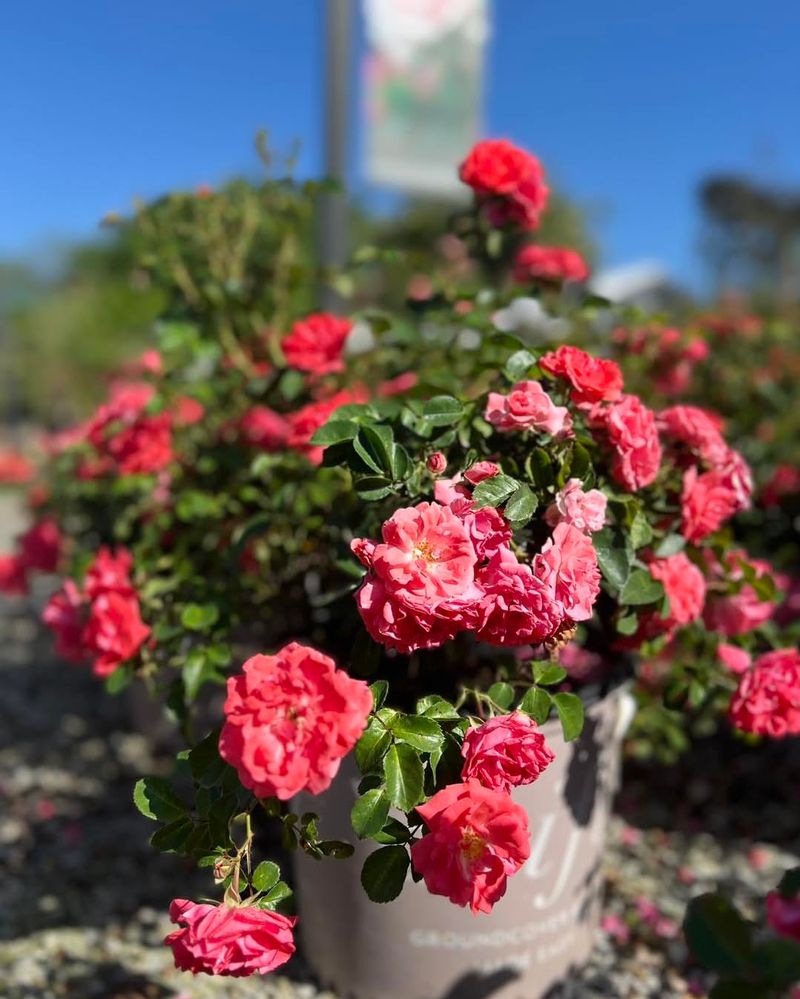
Compact, ground-hugging, and surprisingly tough, Drift roses were bred by crossing Knock Out roses with miniature groundcover roses. That parentage shows.
They stay low, spread wide, and bloom heavily without needing much intervention from you.
Most Drift varieties top out around two feet tall and spread to about four feet wide. That makes them perfect for edging walkways, filling in slopes, or anchoring the front of a mixed border.
They look intentional without requiring constant shaping.
Heat tolerance is genuinely strong. Drift roses handle high humidity and baking afternoon sun without wilting or dropping leaves.
Your Georgia Garden Changes Every Week. Your Plan Should Too.
Gardening in Georgia changes quickly throughout the season. Every Friday you’ll receive a simple weekly plan showing exactly what to plant, prune, fertilize, harvest, and protect so you never miss the right timing.
Fungal issues are minimal compared to hybrid teas or even some other shrub roses grown in warm, sticky conditions.
Blooms appear in clusters and repeat reliably through the growing season. Colors range from soft pink to coral to white depending on the variety.
All of them have a neat, tidy look even when blooming heavily.
Fertilizing a couple of times during the season helps push stronger bloom cycles. A slow-release granular fertilizer worked into the soil in early spring gives a solid foundation.
A second application around midsummer keeps the energy up through the hottest stretch.
Pruning is minimal. A light trim in late winter cleans up the plant and refreshes its shape.
Beyond that, Drift roses manage themselves pretty well throughout the growing season.
3. Belinda’s Dream Rose Handles Heat And Humidity Well
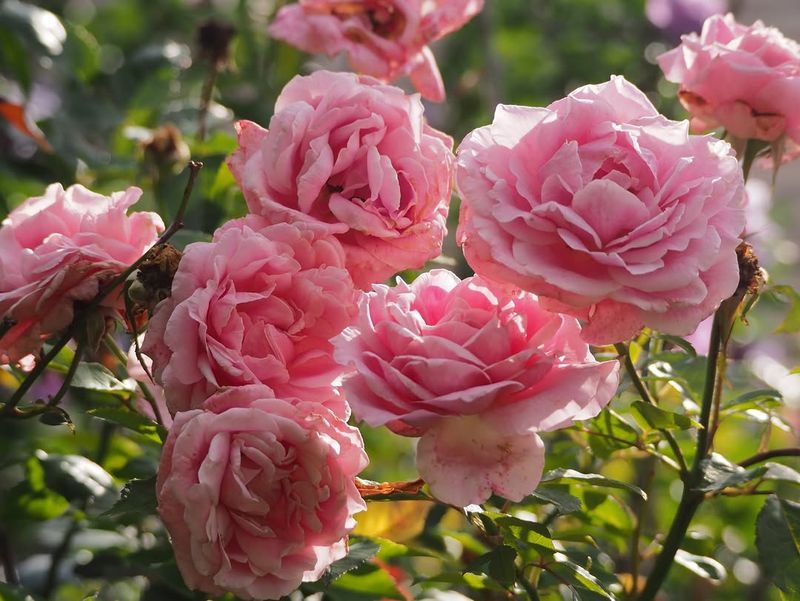
Belinda’s Dream has earned a loyal following because it combines the qualities gardeners want most in a rose.
It offers large, attractive blooms, dependable repeat flowering, and the kind of resilience that helps it stay looking good through long stretches of summer weather.
For gardeners who want strong performance without constant maintenance, it remains a popular choice.
Blooms are large, fully double, and a warm shade of pink with a light, pleasant fragrance. They appear in repeated flushes throughout the growing season rather than all at once.
That steady cycle of flowering helps keep color in the landscape from late spring well into fall. Even during the hottest months, the plant continues producing new buds and blooms.
Disease resistance is one of its strongest traits. Black spot and powdery mildew are both common problems in humid summers, and Belinda’s Dream generally holds up well against both.
You may see occasional spotting during extended wet periods, but serious outbreaks are uncommon when the plant receives good air circulation.
Established plants are moderately drought tolerant. They prefer consistent moisture but will not immediately suffer if watering is occasionally delayed.
Deep, infrequent watering encourages roots to grow deeper into the soil, improving resilience during dry periods.
Size is manageable at around four to six feet tall and three to four feet wide. It fits comfortably into mixed borders and foundation plantings without overwhelming neighboring plants.
4. Carefree Beauty Rose Offers Strong Disease Resistance
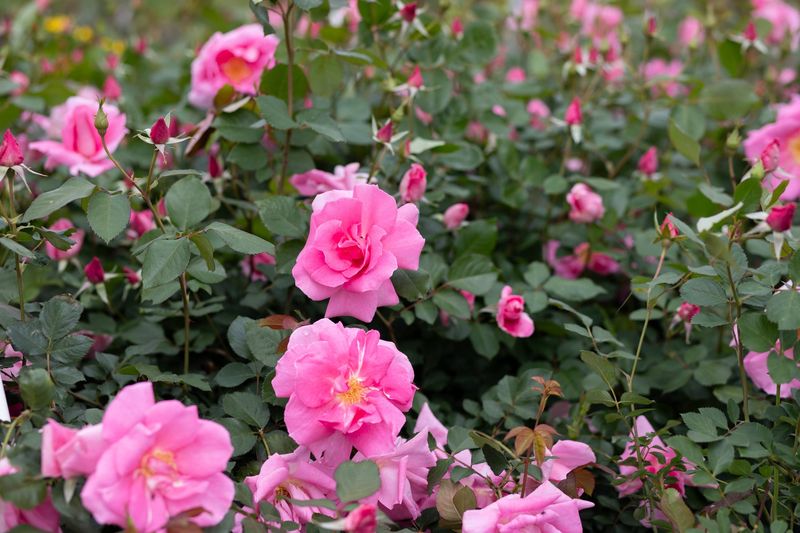
Carefree Beauty lives up to its name in a way that most roses simply do not. While many varieties demand constant spraying, pruning, and attention, this one is known for performing well with surprisingly little intervention.
Its ability to handle heat, humidity, cold winters, and occasional neglect has made it a reliable choice for gardeners across a wide range of climates. In Southern gardens especially, that toughness is one of its biggest selling points.
Semi-double blooms in a warm, medium pink appear in generous clusters throughout the growing season. They carry a light fragrance that is pleasant without being overpowering.
Flowering comes in repeated waves from spring into fall, ensuring the plant rarely goes long without color. Orange-red hips follow later in the season, adding another layer of interest after the heaviest blooming period has passed.
Black spot resistance is excellent. In a region where humidity stays high for months at a time, that trait alone makes Carefree Beauty worth considering over many showier alternatives.
Fewer fungal problems mean less spraying, less maintenance, and a healthier-looking plant through the hottest part of the year.
Growth is vigorous, reaching around four to six feet tall in good conditions. It fills space quickly and creates a substantial presence in the landscape.
Spacing plants properly allows air to move through the canopy and helps reduce disease pressure even further.
5. Duchesse De Brabant Rose Thrives In Warm Humid Conditions
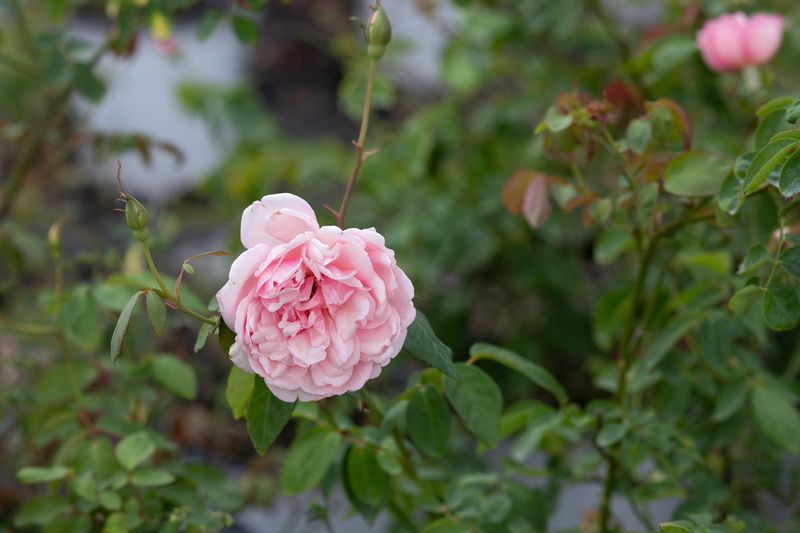
Some roses demand constant attention to look their best. Duchesse de Brabant takes a different approach.
This old garden rose has been handling hot, humid conditions for well over a century while continuing to reward gardeners with reliable blooms and a rich fragrance.
Blooms are cupped, full, and a warm rosy pink with a sweet fragrance. They open repeatedly throughout the growing season, even during the hottest and most humid months.
Few antique roses bloom as reliably or as generously through midsummer heat.
Humidity is not a problem for this variety. Where many roses struggle with fungal issues when moisture stays high, Duchesse de Brabant shrugs it off.
Black spot and mildew resistance are both notably good for an older variety with no modern breeding behind it.
Growth is upright and bushy, typically reaching four to five feet tall. It responds well to light shaping but does not require heavy annual pruning to stay productive.
Removing old canes every few years keeps the plant vigorous and prevents it from getting too woody at the base.
Full sun produces the best bloom output, but it tolerates partial shade better than many roses. In a garden with afternoon shade during peak summer heat, it still performs respectably.
That flexibility makes it useful in spots where other roses simply refuse to cooperate.
6. Mutabilis Rose Changes Color As Blooms Age
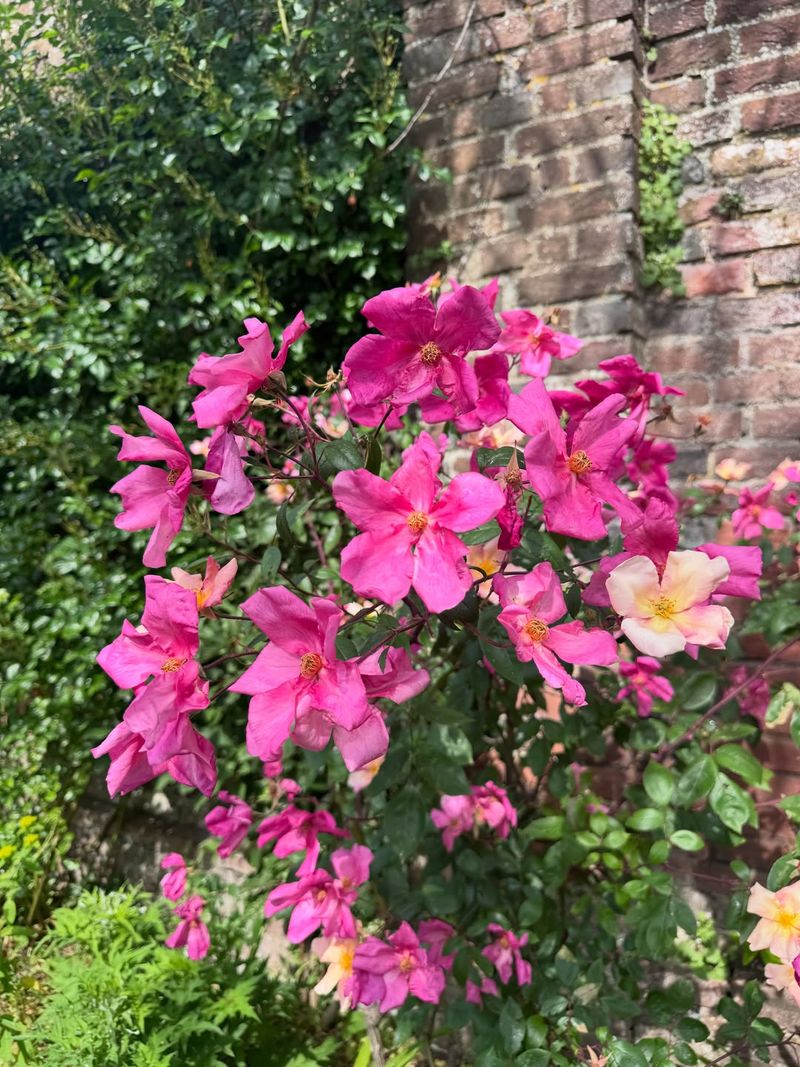
No other rose puts on a show quite like Mutabilis. A single plant can display blooms in three different colors at the same time, yellow when they first open, shifting to pink, then deepening to crimson before they drop.
It looks like someone planted a whole rose collection in one spot.
Origins trace back to China, which means it was bred for warm conditions from the start. Hot summers do not slow it down.
In fact, Georgia heat suits it well, and established plants push out new blooms almost continuously through the warm months.
Single-petaled blooms are delicate looking but impressively tough. Wind, rain, and heat do not knock them down the way they would with fuller, more complex flowers.
The plant itself is vigorous and can reach six feet or taller in ideal conditions with good sun and decent soil.
Disease pressure is low. Black spot and mildew rarely cause serious problems, even during wet summers.
Keeping the area under the plant clean and avoiding overhead irrigation at night reduces the already modest risk further.
Pruning is straightforward. A cleanup in late winter removes crossing branches and shapes the overall form.
Light deadheading during the season is optional but can encourage faster repeat blooming. Fertilizing monthly through the growing season supports the plant’s naturally high energy output and keeps blooms coming steadily.
7. Earth Angel Rose Produces Large Fragrant Blooms
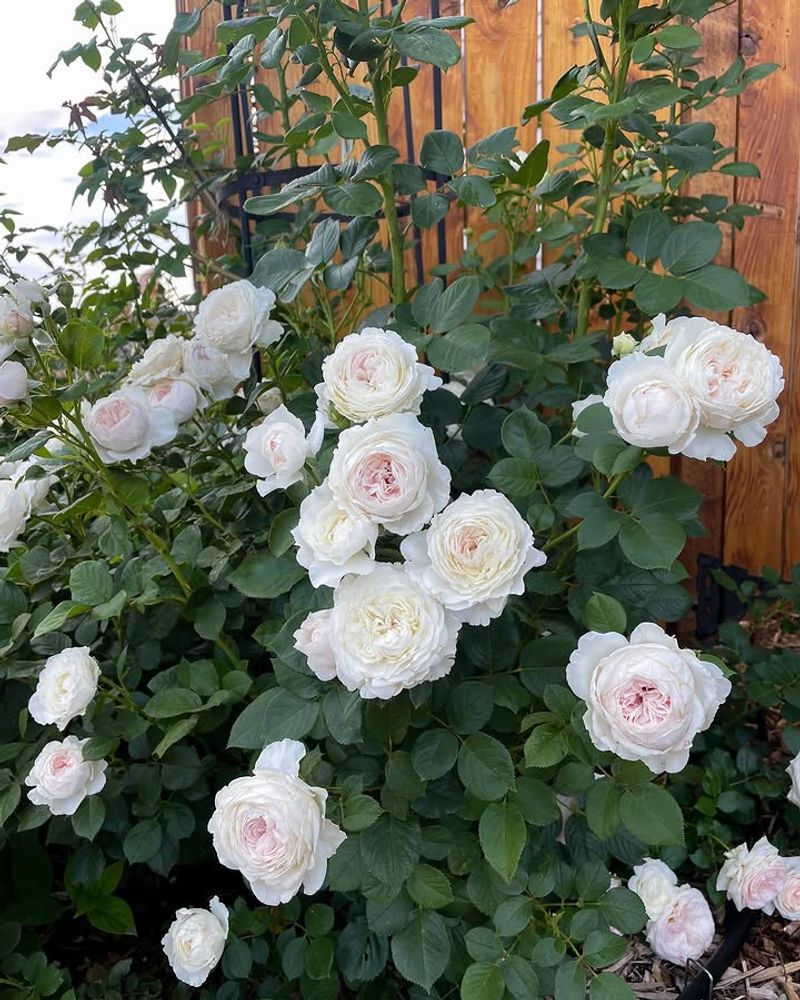
Walk past an Earth Angel rose on a warm evening and the fragrance stops you cold. It has a rich, classic rose scent that most modern disease-resistant varieties have traded away in exchange for toughness.
Earth Angel kept both, which is genuinely rare.
Blooms are large and full with a soft peachy-pink color that photographs beautifully and holds up well in the heat. They open in flushes through the season rather than burning out after one big spring show.
Repeat blooming is consistent even during the hottest summer stretches.
Disease resistance is solid for a rose with this level of flower quality. Black spot can appear during prolonged wet periods, but it does not typically take over the plant.
Good air circulation and avoiding overhead watering reduce the risk significantly.
Plants grow to a moderate four to five feet tall and wide. That size works well in mixed borders alongside perennials and ornamental grasses.
Full sun is non-negotiable for best performance, and at least six hours per day is the minimum worth aiming for.
Soil preparation matters more with Earth Angel than with some of the tougher varieties on this list. Amending heavy clay with compost before planting improves drainage and root establishment.
Once settled in, it rewards that early effort with consistent blooms and healthy growth through the long warm season.
8. Peggy Martin Rose Shows Exceptional Growth Vigor
Some roses earn attention because of their flowers. Others earn it because they simply refuse to quit.
This vigorous climber has built a reputation across the South for handling heat, humidity, and less-than-perfect conditions while still putting on an impressive display year after year.
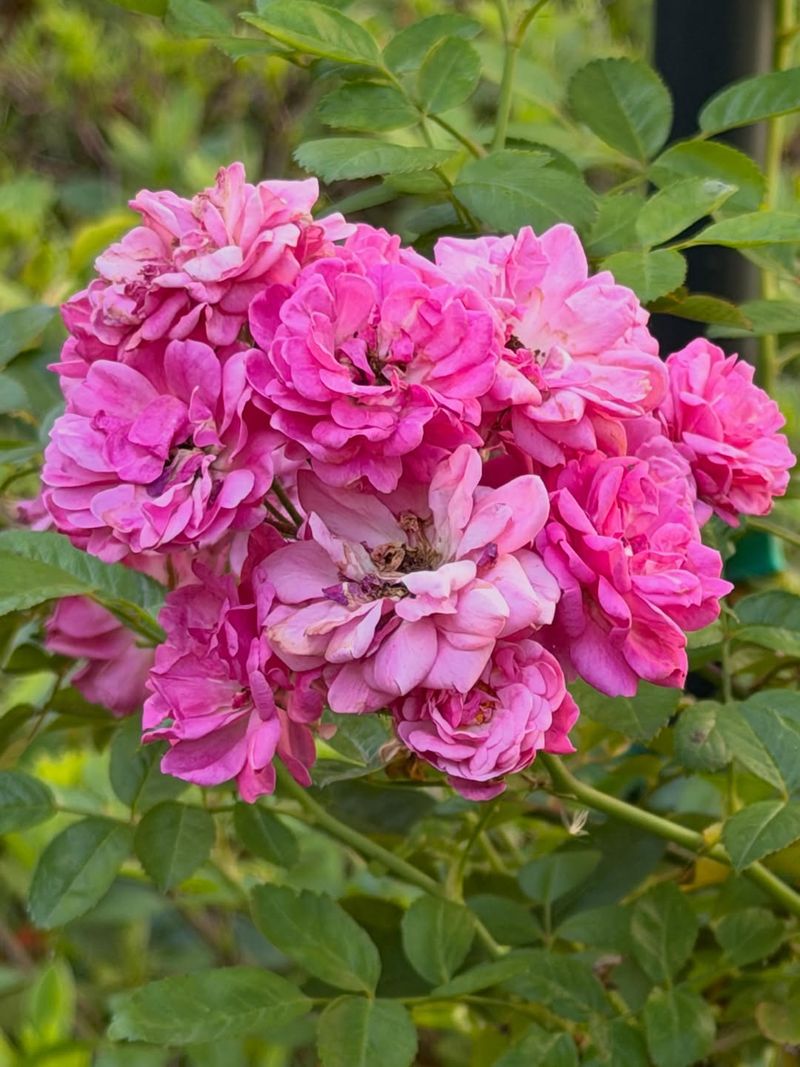
Each spring, long arching canes become covered in clusters of rich pink blooms that can transform a fence or arbor almost overnight.
Flowering later in the season is lighter, but the main flush is so abundant that it remains the highlight of the plant’s growing season.
Vigor is the defining trait. Canes grow fast and long, easily reaching fifteen to twenty feet given a sturdy structure to climb.
A fence, arbor, or pergola gives it the support it needs to really show off. Without support, it sprawls into a wide, arching shrub.
Disease resistance is outstanding. Black spot and powdery mildew are rarely problems even during wet, humid summers.
Very little spraying or intervention is needed to keep it looking healthy and productive through the season.
Pruning after the main spring bloom shapes the plant and controls size. Removing older canes at the base every couple of years keeps new growth coming from the roots.
Water deeply but infrequently once established, and avoid fertilizing too heavily with nitrogen, which pushes leafy growth at the expense of blooms. Full sun is essential for peak performance.