The One California Plant That Repels Rats And Still Looks Good Year Round
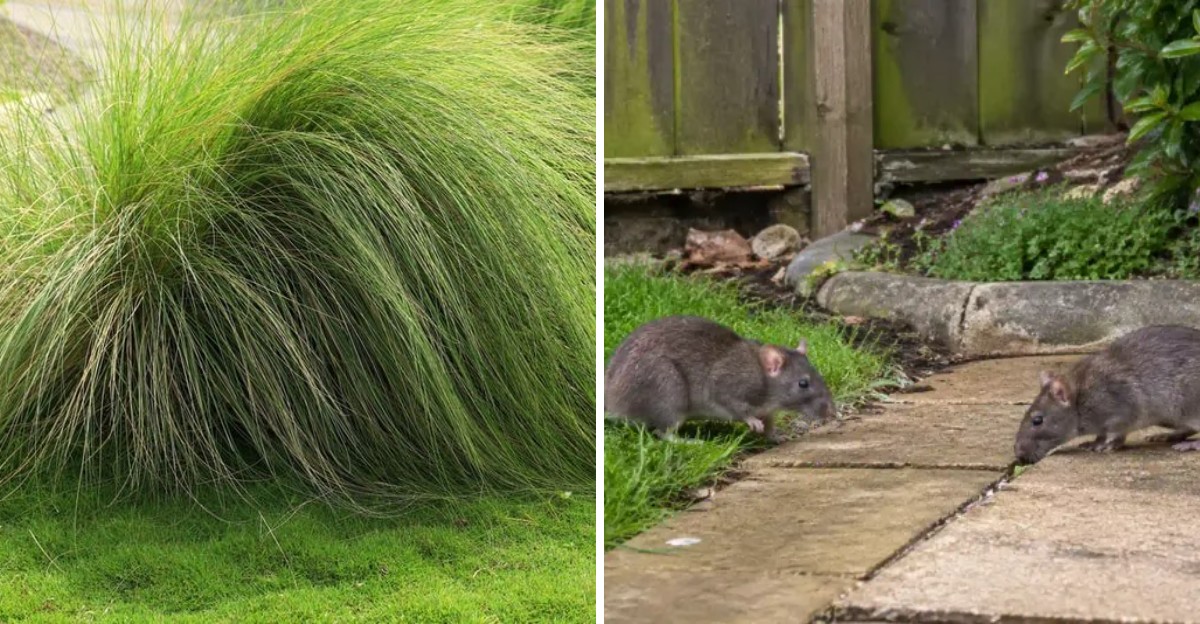
Rats tend to be picky about real estate. They favor low, crowded spots where they can travel unseen, and many California yards offer exactly that without anyone realizing it.
One native plant takes a different approach. It sends no scent into the air and needs no spray to do its work.
Its secret lies in shape rather than chemistry, and that shape quietly changes how a garden feels to a nervous rodent.
Plenty of other perks come along for the ride, too, and most of them show up with very little effort.
A few simple habits round out the plan and help everything work together. Sometimes the best defense in a garden is simply having nothing to hide.
Deer Grass Is The Plant That Leaves Rats Exposed
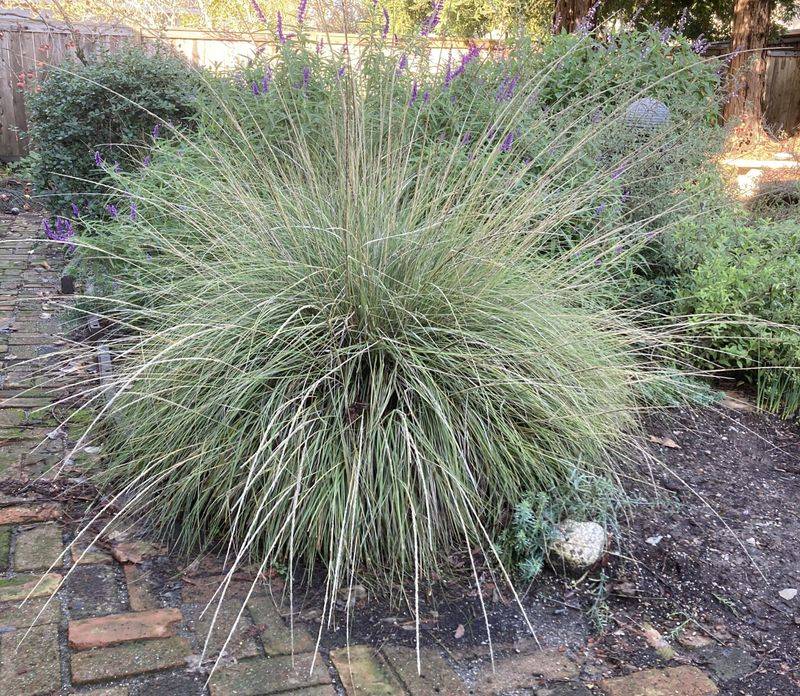
Open soil makes a rat uneasy, and few plants create more of it than this graceful California native. Deer grass, known botanically as Muhlenbergia rigens, is a perennial bunchgrass found across much of the state.
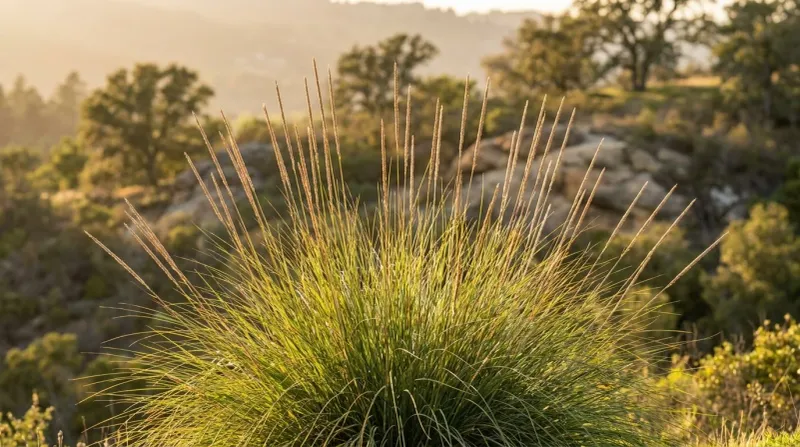
Each plant grows as a single round clump about 3 to 4 feet tall and just as wide. Blades rise from a tight base and arch outward like a fountain.
Near the outer edge of each clump, the ground stays fairly open. A rat can’t build a cozy, hidden runway there without being seen.
English ivy and thick juniper work very differently. Those plants form a solid carpet that touches the soil almost everywhere.
Rats can travel beneath that cover all day without showing themselves to a hawk, a cat, or a curious homeowner. Deer grass offers no such roof.
So the idea that this plant repels rats comes down to structure, not scent. No odor drives them off, and no spray is involved.
The grass simply leaves rats exposed, and exposure is something they work hard to avoid.
It grows wild along streams, meadows, and canyons from the coast to the foothills, and the California Native Plant Society recommends it for home gardens.
That long local history means it fits California weather and soil without fuss. The result is a plant that truly belongs here while making the yard a far less welcoming hotel for unwanted guests.
Open Clumps Show The Ground Between Them
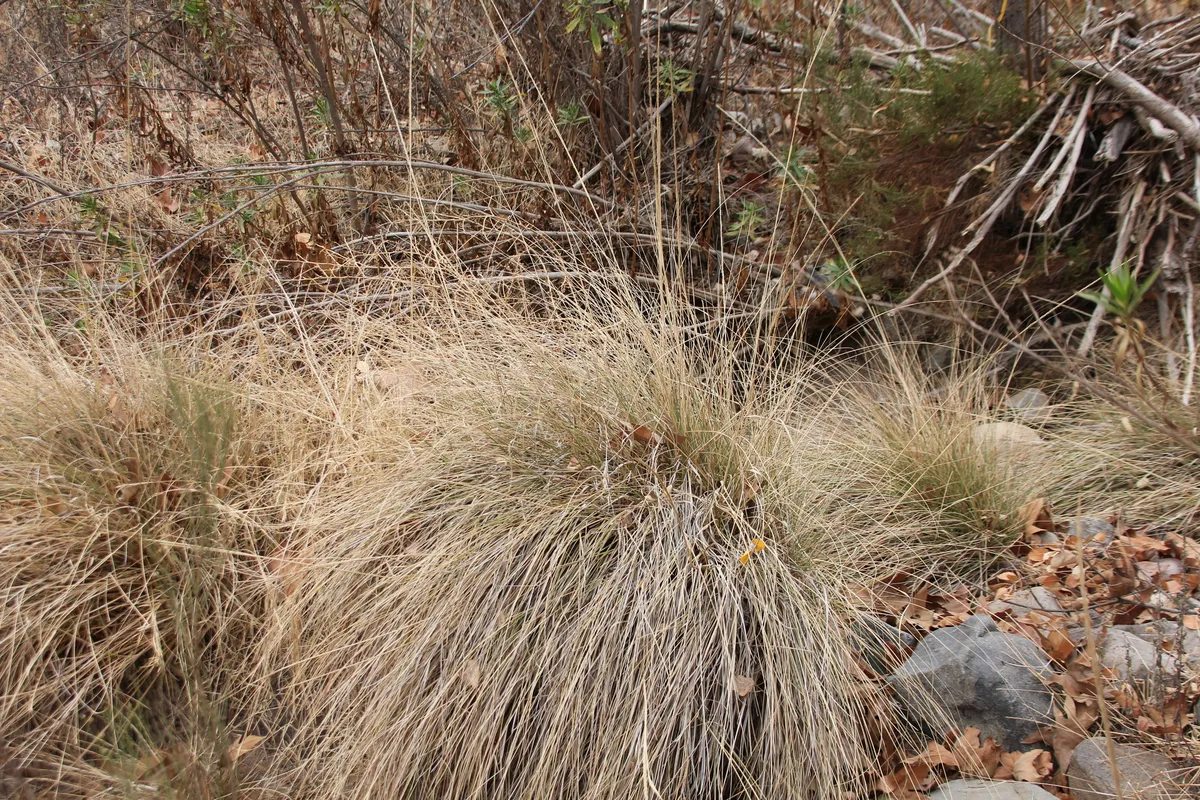
Every bed of deer grass reveals small gaps of soil, mulch, or gravel between the clumps. Those gaps carry the whole strategy.
Bunchgrasses grow differently from spreading grasses. Lawn grass and many groundcovers creep sideways with runners, knitting into one thick mat.
Deer grass stays put. Each plant thickens slowly from its center but sends out no runners to fill the spaces around it.
That habit puts the layout firmly in the gardener’s hands. Plants set about 3 to 4 feet apart, center to center, nearly touch at the tips once mature.
Meanwhile, the ground below stays visible. From a distance the planting looks full and flowing, while up close the floor remains easy to see through.
The difference resembles a furnished room versus one stuffed with boxes. Furniture leaves open floor, while boxes create endless hidden corners, much like a tangle of ivy.
Your California Garden Changes Every Week. Your Plan Should Too.
Gardening in California changes quickly throughout the season. Every Friday you’ll receive a simple weekly plan showing exactly what to plant, prune, fertilize, harvest, and protect so you never miss the right timing.
Clear gaps give the best effect. Weeds pulled before they knit together and leaf litter kept thin help preserve that openness.
A light layer of gravel or coarse mulch works well and makes any rat traffic easy to spot. Droppings and tracks show up quickly on bare ground, which helps catch a problem early.
A tidy, open bed is also easier to water, weed, and enjoy. Nothing is lost in beauty, and plenty is gained in visibility. October is a fine month to plant, since cooler weather helps young roots settle.
Rats Avoid Crossing Open Ground
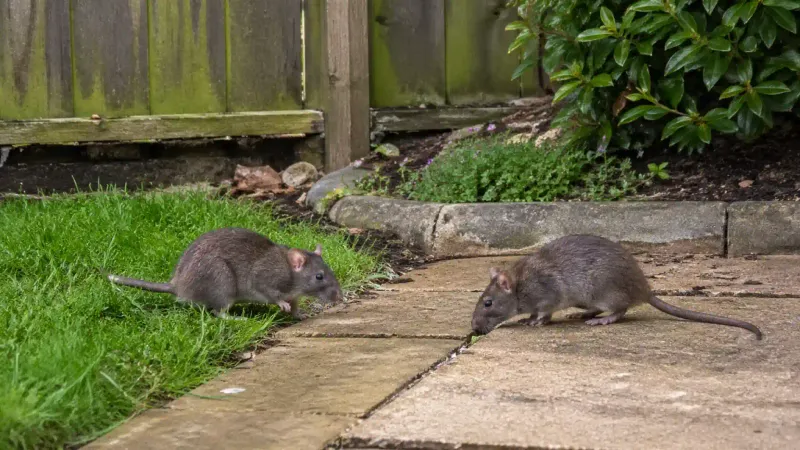
Nervous travelers by nature, rats face a long list of predators. Owls, hawks, cats, and coyotes all hunt them, so they cling to edges and cover whenever possible.
Open ground feels like a stage with a spotlight. Lingering there carries real risk.
UC IPM, the University of California’s pest management program, explains in its Pest Notes that rats are drawn to dense vegetation close to the ground. Thinning that growth makes a yard much less appealing to them.
Roof rats, common across California, often nest in thick ivy, overgrown shrubs, and debris piles. Norway rats tend to burrow beneath heavy cover near buildings.
Remove that cover, and both kinds have fewer reasons to stay. That simple shift does a surprising amount of work.
Deer grass fits neatly into this approach. It replaces dense mats with open clumps, so the yard stays green and planted rather than turning into a bare dirt lot.
A rat’s-eye view of the property helps reveal trouble spots. Any route from the fence to the house that stays hidden the entire way deserves a second look.
Those hidden hallways are prime candidates for change. A strip of ivy swapped for a row of deer grass turns a covered tunnel into an open field.
Few rats care to make that dash night after night. Over time, they tend to look elsewhere for safer travel routes and quieter places to settle in.
Arching Blades Look Good Through Most Of The Year
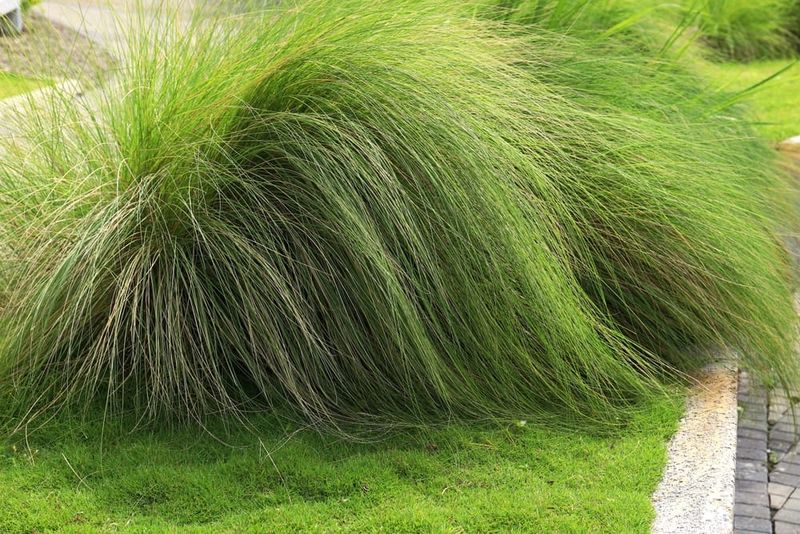
Late afternoon light brings out the best in this grass. Sun shines through the thin blades and makes each clump glow, a sight that tends to catch the eye of anyone passing by.
Leaves stay narrow and gray-green, curving outward in a soft fountain shape. In mild parts of California, especially near the coast and in valleys, the clump keeps much of its color year round.
Colder spots see the blades fade to tan in winter. That warm shade still looks natural beside bare branches and gray skies.
Summer brings the real show. Tall, slender flower spikes rise well above the leaves, often reaching a couple of feet higher than the foliage.
The spikes start pale green or purple-tinged and ripen to silvery tan. A breeze sets them swaying like a crowd doing the wave.
California tribes have long used deer grass flower stalks in coiled basketry. The stalks grow strong, straight, and easy to bundle, and some weavers still gather them today.
Groups of three or five create a strong design statement. The grass pairs nicely with California poppies, sages, and manzanita.
A single clump can also stand alone as a focal point near a boulder or path corner. Either approach suits both small and large yards.
Full sun keeps the shape tidiest. Heavy shade can make the clump flop and lose its fountain form, while good light helps it hold that graceful posture month after month.
Cut It Back Once A Year To Keep It Airy
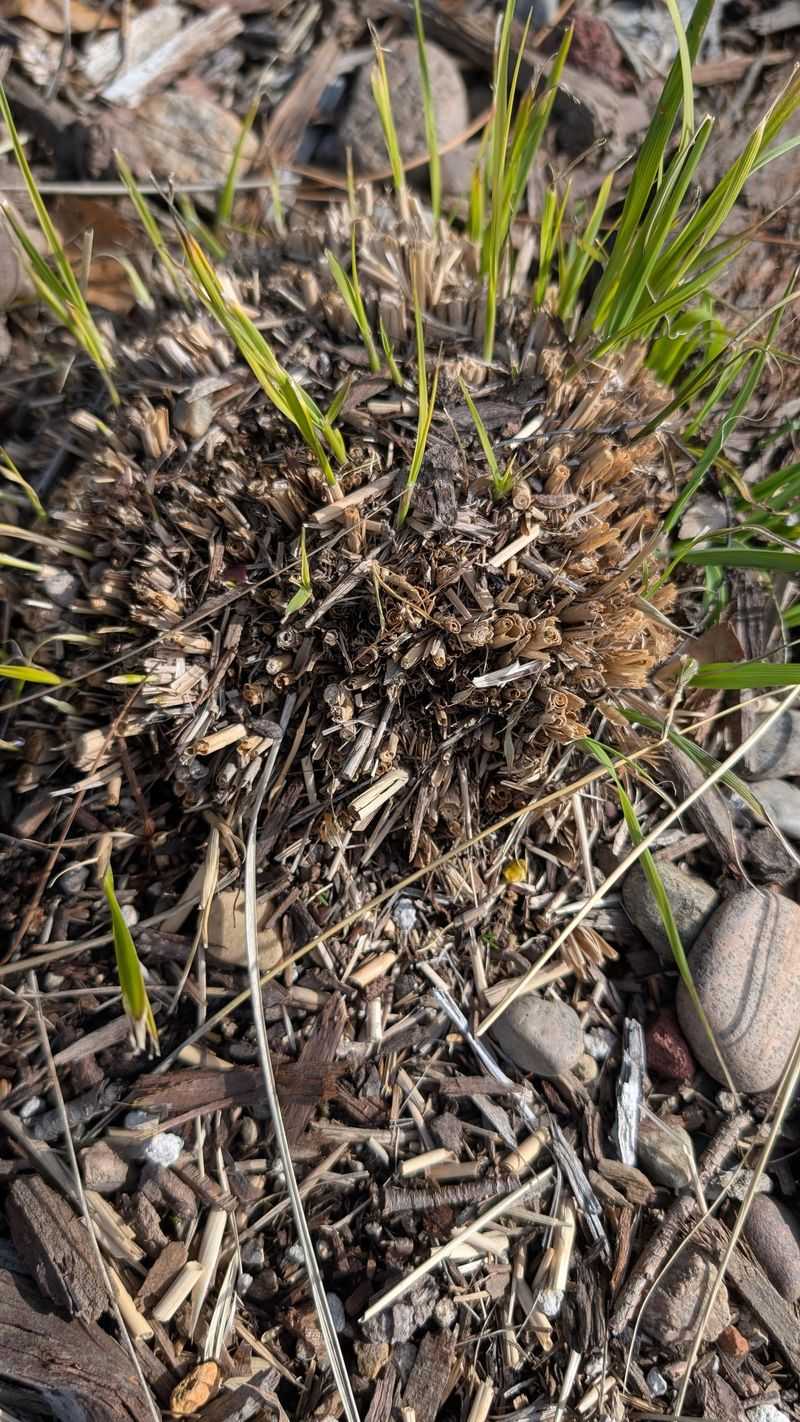
Years without a trim leave deer grass looking tired. Old blades pile up in the center, turning the clump brown, crowded, and messy, though a yearly cutback restores it quickly.
Late fall or late winter works best, before fresh spring growth takes off. Many gardeners trim clumps down to about 6 to 12 inches tall.
Some UC ANR and native plant guides favor a lighter approach, combing out spent blades each year and saving a harder cut for every few years. Both methods keep the plant healthy.
The tools stay simple. A bungee cord or rope wrapped around the clump holds the blades together, and hedge shears or a sharp pruning saw cut straight across.
Cleanup then becomes one tidy bundle instead of a scattered mess. Gloves and long sleeves help, since rough blade edges can scratch bare skin.
Cutting back renews growth and brings fresh green blades up from the base. It also keeps the clump open and airy rather than turning into dense thatch.
Thick, matted plant debris appeals to rats, so removing old growth supports the overall plan as well. A clean clump offers little in the way of shelter.
After trimming, loose clippings raked from the gaps between clumps can go into the compost or green waste bin.
Within a few weeks of spring warmth, new blades fill the clump and the plant looks refreshed.
It Handles Dry Summers And Slopes
August heat can bake a thirsty California garden into crispy brown. Deer grass shrugs off those conditions once settled, thanks to deep, fibrous roots that reach moisture shallow plants miss.
Regular watering matters during the first year. A deep soak of the root zone about once a week in summer gives young plants a strong start, with less frequent watering as cooler weather arrives.
Once established, many gardens need only an occasional deep drink every few weeks during the hottest stretch. Inland yards may need a bit more than coastal ones.
Overwatering poses a bigger risk than underwatering for many natives. Soggy soil can rot the crown, so letting the top few inches dry between waterings keeps things on track.
Slopes offer another sweet spot. Dense roots grip loose soil and help slow erosion when winter rains arrive.
Clumps planted in staggered rows across a hill act like small speed bumps for runoff. Fall planting lets winter rain help establish those roots.
Hillsides often end up covered in ivy or iceplant to hold soil. Both create thick mats that can hide rats.
Deer grass holds the slope while leaving open soil between plants, protecting the hill without building a rat apartment complex.
The plant tolerates many soil types, from sandy to clay, as long as water drains away. It handles wind well, too, making it a dependable choice for a low-water, low-fuss slope.