The Only Pink Perennials Worth Planting In California’s Hot, Dry Weather
Pink can be a tricky color in a California garden. It looks soft, fresh, and romantic on the nursery bench, then a brutal stretch of heat rolls in and suddenly that “easy” perennial is looking far less confident.
California has a way of testing plants quickly, especially when the sun gets intense, the soil dries out, and the rain seems like a distant memory.
A plant that cannot handle those conditions tends to reveal itself in a hurry.
That is why the best pink perennials for California need more than pretty flowers. They need staying power, good heat tolerance, and the kind of toughness that works in real gardens, not just ideal ones.
Luckily, a few pink bloomers are more than up for the job. They can bring softness and color to dry borders, sunny beds, and low-water landscapes without turning your yard into a high-maintenance project.
And that is a pretty sweet deal for anyone who loves pink but also appreciates a plant that can handle itself.
1. Autumn Sage Brings Pink Color Through Heat
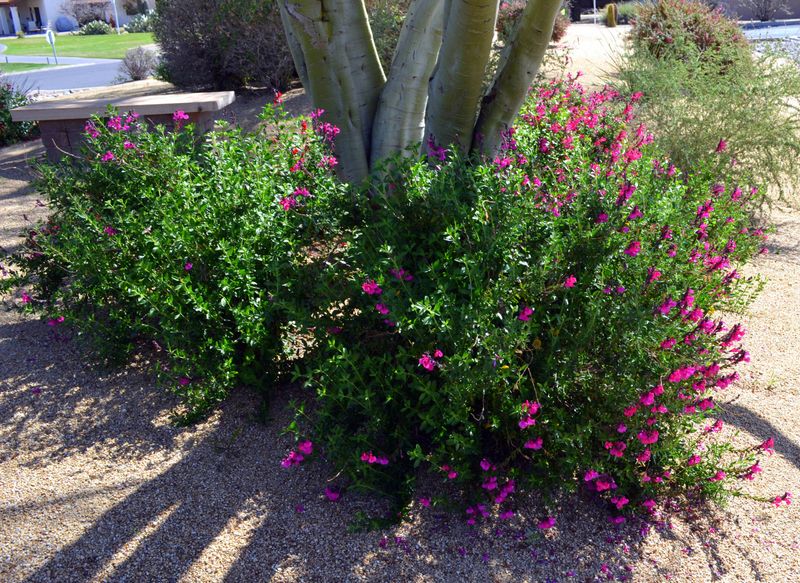
Few perennials earn their spot in a California garden quite like Autumn Sage. Native to the southwestern United States and northern Mexico, this plant was practically made for the kind of relentless heat that rolls through California’s inland valleys every summer.
The tubular pink blooms attract hummingbirds like a magnet, and the flowering season stretches far longer than most people expect.
Autumn Sage typically blooms from spring through fall, often pausing briefly during the hottest stretch before bouncing back with fresh color once temperatures ease slightly. In milder California coastal areas, it may bloom nearly year-round.
The plants stay relatively compact, usually reaching two to three feet tall, which makes them easy to tuck into borders, slopes, or mixed drought-tolerant beds.
Getting established takes a season, and during that first year, consistent watering helps the roots settle in. Once established, Autumn Sage handles dry spells with impressive ease.
A light trim after heavy bloom cycles encourages fresh growth and keeps the plant from looking tired. The pink varieties range from soft blush to deeper rose tones, giving California gardeners some flexibility when designing a color scheme.
Reflected heat from walls or pavement rarely bothers this plant, making it especially useful in hot, exposed spots where other perennials struggle to survive the season.
2. Coral Yucca Adds Bold Pink Blooms With Very Little Fuss
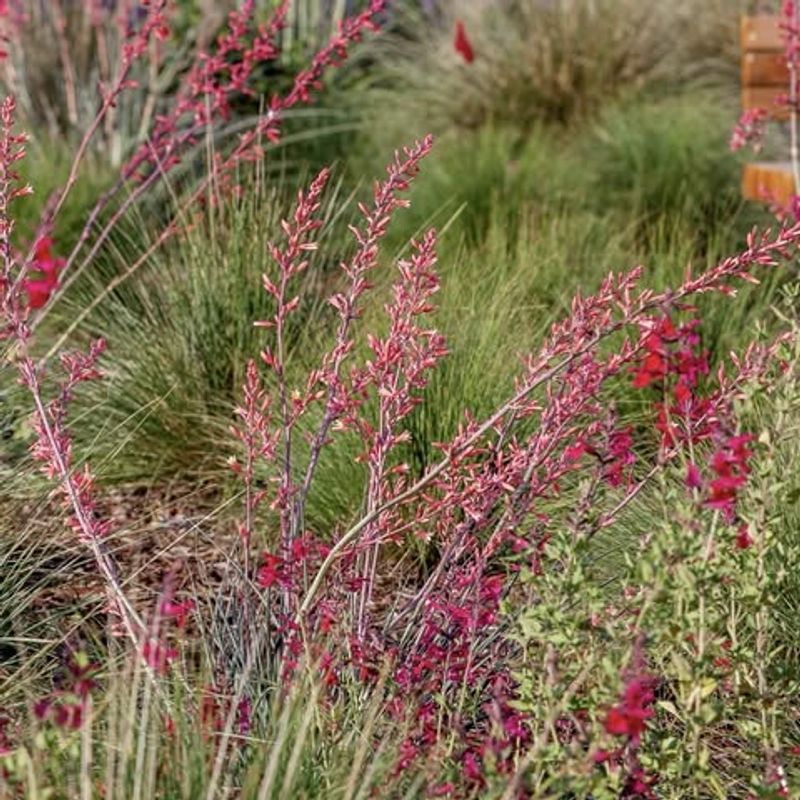
Tall, arching flower stalks covered in tubular pink blooms rising from a mound of narrow, strap-like leaves – that is what Coral Yucca delivers every summer, and it does it with almost no help from the gardener.
Technically known as Hesperaloe parviflora, this plant is not a true yucca, but it brings that same bold structural presence that makes dry California landscapes feel intentional and designed rather than neglected.
The bloom color sits in a warm pink-to-coral range, which photographs beautifully against the tawny tones of dry California soil and gravel mulch.
Hummingbirds visit the flowers regularly, adding movement and life to what might otherwise feel like a static planting.
Your California Garden Changes Every Week. Your Plan Should Too.
Gardening in California changes quickly throughout the season. Every Friday you’ll receive a simple weekly plan showing exactly what to plant, prune, fertilize, harvest, and protect so you never miss the right timing.
The plant itself is extremely low maintenance, rarely needing pruning beyond the occasional removal of spent flower stalks.
Coral Yucca handles reflected heat, poor soil, and extended dry periods without much complaint. It suits slopes, gravel gardens, and hot sunny borders especially well.
Established plants can go weeks without supplemental water during summer, though younger plants benefit from occasional deep watering during the first growing season.
In California’s hotter inland regions, this plant often outperforms many traditional pink perennials that fade or suffer under intense summer sun.
The bold texture also contrasts nicely with softer, finer-leaved plants nearby, adding visual interest to the overall planting design.
3. Gaura Keeps Pink Flowers Dancing Through Dry Weather
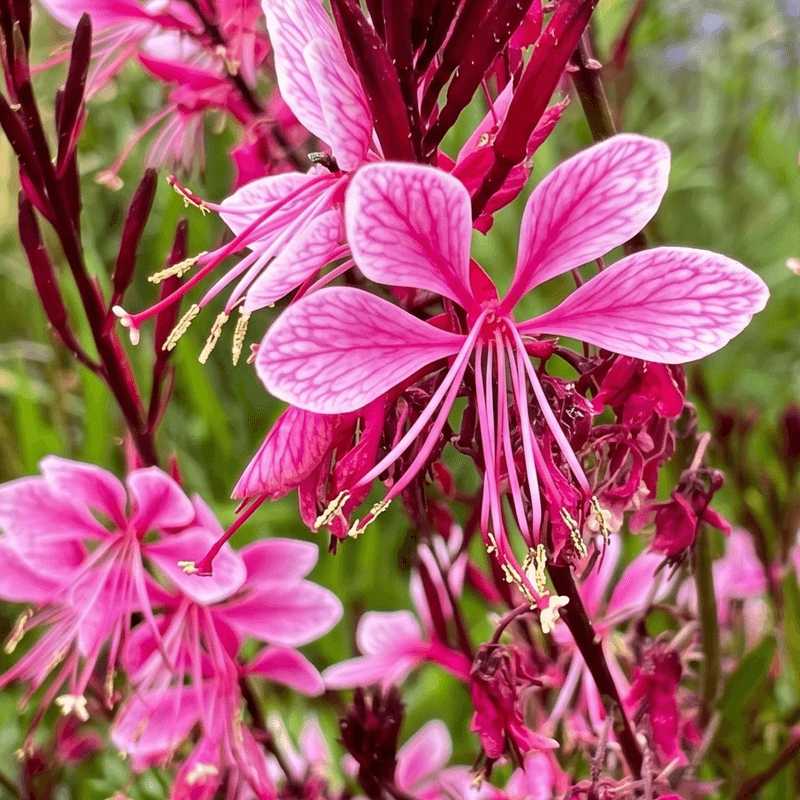
Watching Gaura in a breeze is one of those small garden pleasures that never gets old. The slender stems sway easily in even the lightest wind, and the small pink flowers look like butterflies hovering above the foliage.
This airy, graceful quality sets Gaura apart from heavier, more structured perennials and gives California gardens a soft, romantic feel without requiring much water to maintain it.
Gaura, now often listed under the name Oenothera lindheimeri, thrives in well-drained soil and full sun. It handles California’s summer heat reasonably well, especially in areas with good air circulation.
The blooms appear from late spring through fall, and the plant tends to keep flowering even during dry stretches when other perennials slow down or stop entirely.
Pink varieties range from pale blush to a deeper rosy pink, and some have attractive reddish foliage that adds a second layer of color.
Cutting the plant back by about a third in midsummer can refresh the growth and encourage a stronger late-season flush of blooms.
Gaura does not love heavy clay soil, so amending with compost or planting in raised beds improves performance in California gardens with dense soil.
Once established, it manages with minimal irrigation. It works beautifully at the front of a border, along pathways, or mixed with grasses and other drought-adapted perennials for a naturalistic California planting.
4. Island Pink Yarrow Brings Soft Color To Sunny Spaces
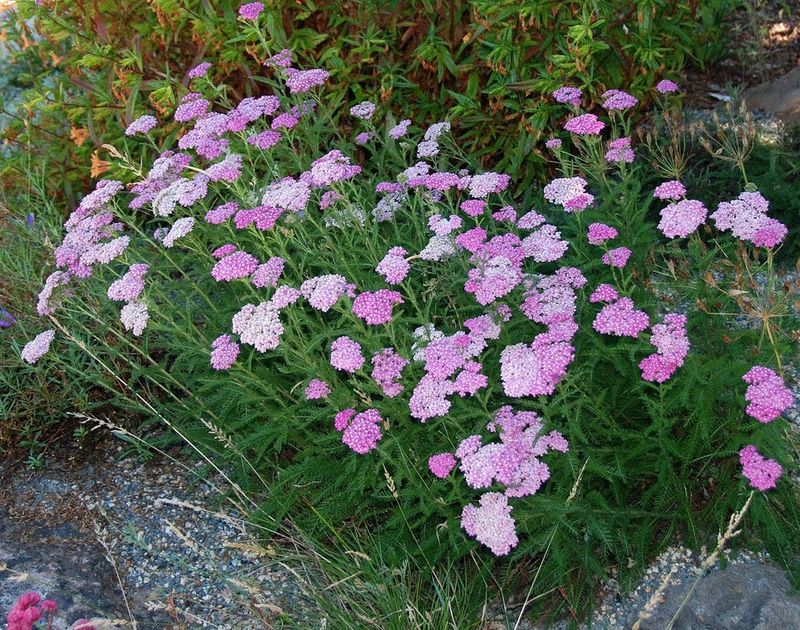
California native plant gardeners have a particular fondness for Island Pink Yarrow, and it is easy to understand why.
The flat-topped clusters of soft pink flowers sit above finely textured, ferny foliage, creating a layered look that feels both wild and polished at the same time.
It is the kind of plant that looks like it belongs in a California landscape rather than something forced into it.
Island Pink Yarrow handles heat and drought with the ease of a plant that evolved here. Once established, it asks for very little supplemental water, making it a strong candidate for water-wise borders, pollinator gardens, and low-maintenance slopes.
The flowers attract a wide range of beneficial insects, including native bees and predatory wasps, which makes it a genuinely functional addition to the garden beyond its visual appeal.
The bloom season runs from spring into early summer, and a light trim after the first flush can sometimes encourage a second round of flowering later in the season.
The foliage stays attractive even when the plant is not in bloom, which keeps the garden looking tidy between flowering periods.
In California’s hotter inland areas, some afternoon shade helps the pink color stay vibrant rather than fading to white. Coastal California gardens tend to see stronger, more consistent bloom performance from this yarrow throughout the growing season.
5. Santa Barbara Daisy Offers A Light Pink Blooming Haze
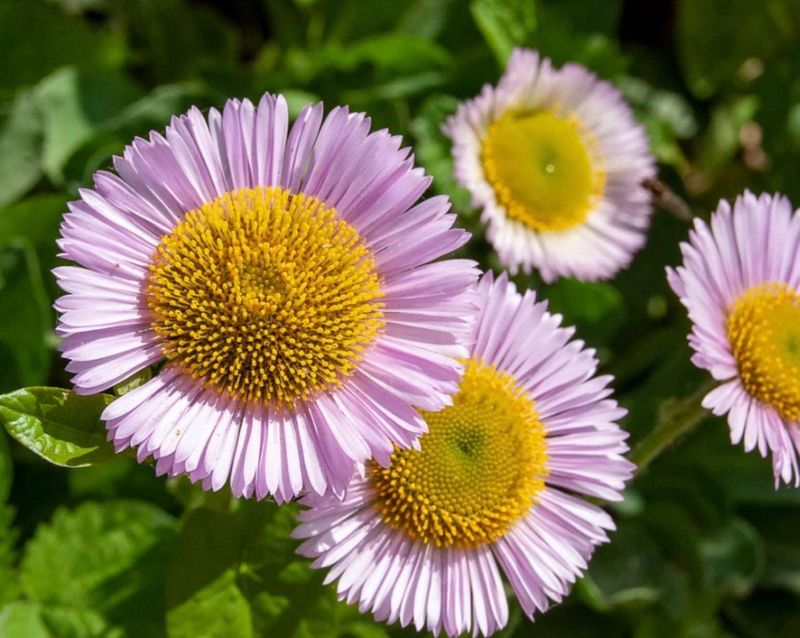
If you have ever seen a low wall or garden path edged with a cloud of tiny daisy-like flowers in white and soft pink, there is a good chance that was Santa Barbara Daisy doing what it does best.
Erigeron karvinskianus is a cheerful, easygoing perennial that spreads gently, fills gaps beautifully, and keeps blooming for a remarkably long stretch of the California growing season.
The flowers open white and gradually shift to a soft pink as they age, which means the plant carries both colors at the same time, creating a naturally layered, hazy effect.
This quality makes it especially useful for softening the edges of hardscaping, spilling over retaining walls, or filling the front of a dry border with continuous low color.
It handles both coastal and inland California conditions reasonably well, though it may need a bit more water in the hottest inland valleys during peak summer heat.
Santa Barbara Daisy self-seeds modestly, which can be a welcome bonus in casual cottage-style gardens but worth managing in more structured plantings. Cutting the plant back hard once or twice a season keeps it compact and encourages fresh blooms.
It is not deeply demanding about soil, tolerating lean, well-drained conditions that would challenge many other pink-flowering perennials.
For California gardeners who want near-constant pink color with minimal fuss, this plant is genuinely hard to overlook.
6. Hardy Ice Plant Handles Heat With Bright Pink Flowers
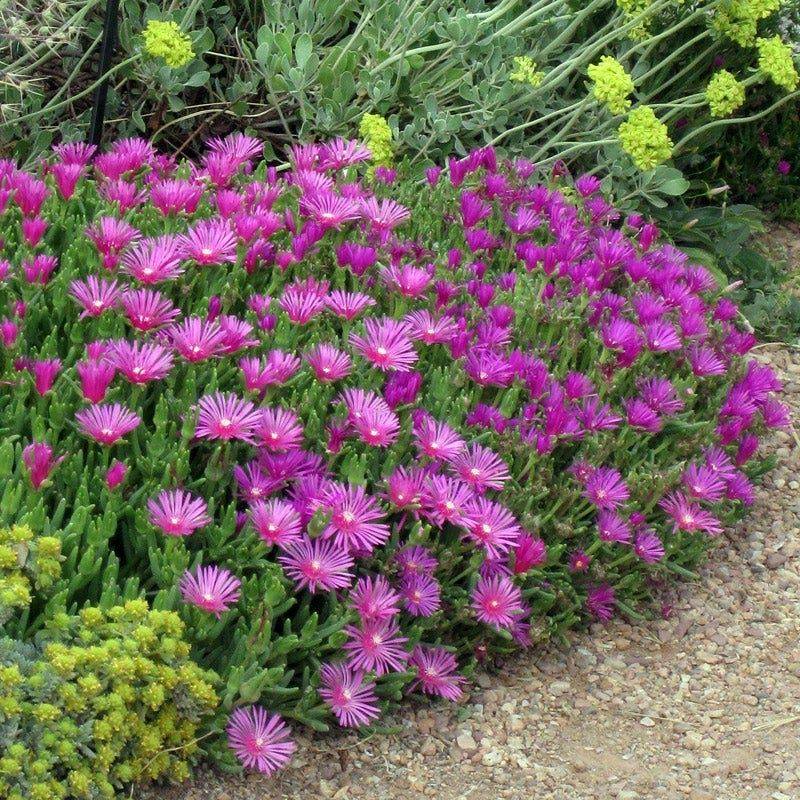
Slopes, sandy banks, and hot dry strips along driveways – these are the spots that challenge most gardeners, but Hardy Ice Plant treats them like prime real estate.
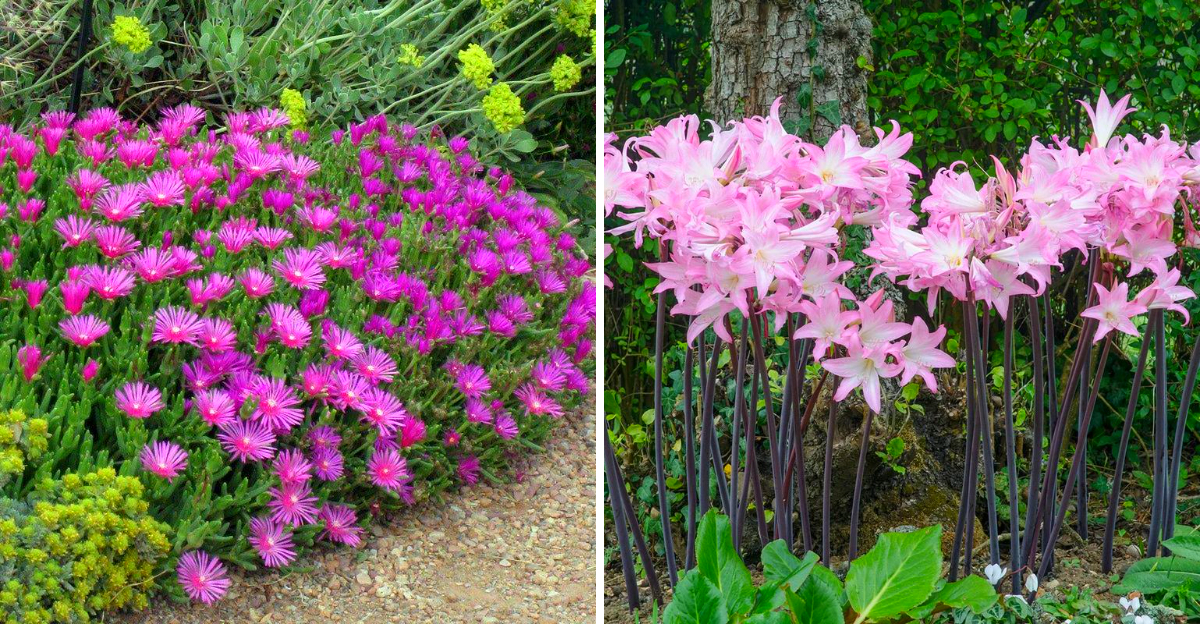
Delosperma cooperi produces a carpet of vivid, almost electric pink flowers that cover the foliage so completely during peak bloom that the leaves underneath nearly disappear.
The effect is striking, especially in full California sun where the color pops against dry soil or gravel.
The succulent leaves store water efficiently, which is exactly why this plant handles California’s long dry summers without much struggle.
It spreads low and wide, making it an effective ground cover for erosion-prone slopes or areas where maintaining upright plants would be difficult.
The bloom season typically peaks in spring and early summer, with sporadic flowers appearing through the warmer months depending on conditions.
Hardy Ice Plant prefers excellent drainage and full sun. In clay-heavy California soils, raised beds or amended planting areas improve performance significantly.
Overwatering is a more common problem than underwatering once the plant is established, so resist the urge to irrigate too frequently.
The foliage stays attractive through most of the year, providing a low, neat green cover even when the plant is not flowering.
For California homeowners looking for a tough, water-wise ground cover that brings genuine pink color to difficult spots, this is one of the more reliable options available.
7. Belladonna Lily Surprises With Pink Blooms And Low Water Needs
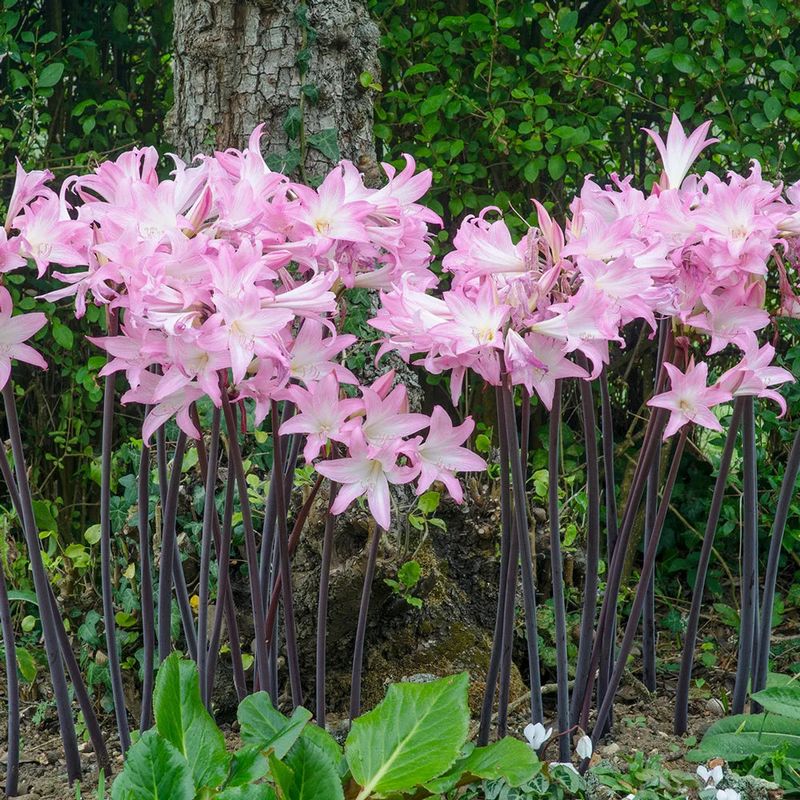
Late summer in California can feel like a floral desert – most spring bloomers have long finished, and fall color has not yet arrived.
That is precisely when Belladonna Lily steps in, sending up bare stems topped with clusters of soft, fragrant pink trumpet flowers that seem to appear from nowhere since the foliage has already gone dormant by that point.
The timing alone makes this plant worth growing.
Amaryllis belladonna is a bulb-forming perennial that has naturalized in many parts of California, which speaks to how well it suits the climate.
It thrives in hot, dry conditions and actually prefers a dry summer dormancy period, meaning it fits naturally into a low-water California garden without any special accommodations.
The pink blooms range from pale blush to a warmer, deeper rose depending on the variety.
Plant the bulbs in a sunny, well-drained spot and then largely leave them alone. Belladonna Lily resents disturbance once established and often takes a season or two to settle in before blooming reliably.
The strap-like foliage appears in fall and winter, fades in spring, and then the flowers emerge in late summer on leafless stalks. This unusual cycle can be confusing at first, but once understood, it becomes one of the plant’s most appealing qualities.
Fragrance is an added bonus that makes the late-summer garden feel genuinely special.
8. Dwarf Germander Adds Neat Pink Color In Dry Gardens
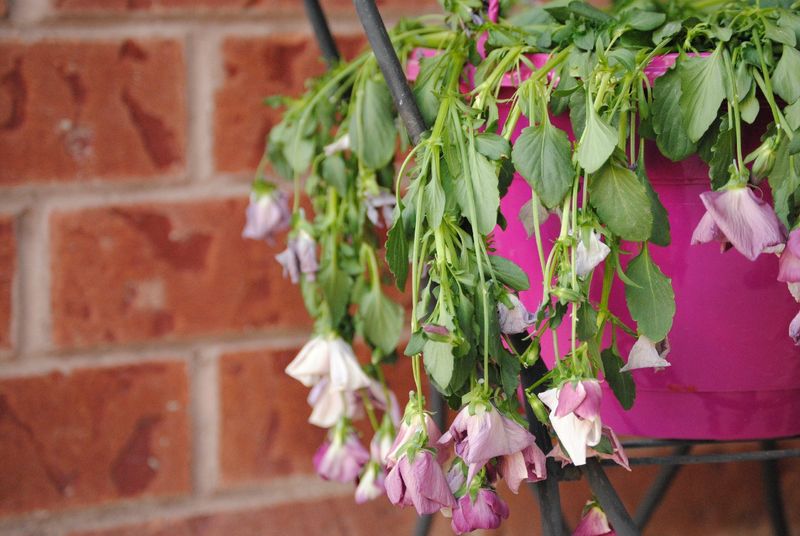
Compact, tidy, and surprisingly tough, Dwarf Germander is the kind of plant that earns appreciation from gardeners who want reliable structure alongside seasonal color.
The small pink to rosy-lavender flowers appear in summer and attract bees and other pollinators, while the dark green, slightly glossy foliage stays attractive through most of the California growing year.
It is a low-key plant that does a lot of quiet work in the garden.
Teucrium chamaedrys grows slowly into a dense, low mound that works well as a small hedge, an edging plant along pathways, or a filler in mixed dry borders.
It handles reflected heat and poor, lean soil without much complaint, which makes it useful in spots that would stress out less adaptable plants.
California gardeners in inland areas often find it holds up through summer heat better than many other low-growing pink perennials.
Trimming Dwarf Germander lightly after flowering keeps it from getting woody and encourages fresh, dense growth.
It rarely needs much supplemental water once established, though the first season calls for more regular irrigation while the roots develop.
The plant is not fussy about soil pH and tolerates both sandy and loamy California soils reasonably well.
For gardeners designing formal-edged dry borders or Mediterranean-style California landscapes, Dwarf Germander brings both the structure and the soft pink seasonal color that can be surprisingly hard to find in one reliable plant.