The California Tree Homeowners Regret Planting Too Close To The House
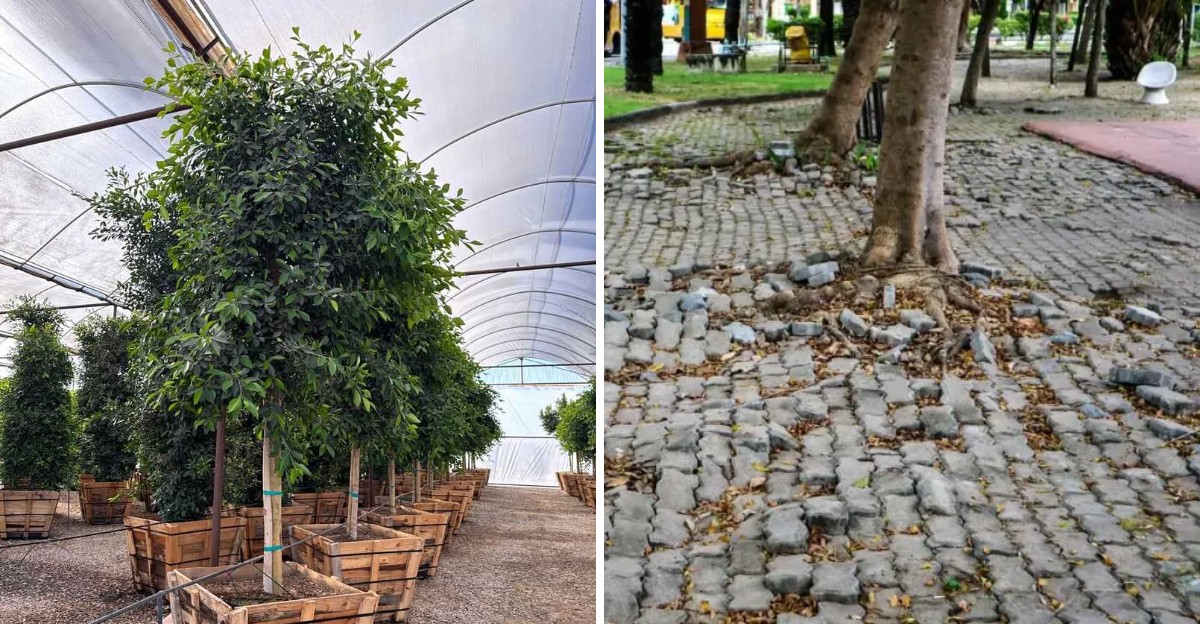
Some of the most regretted garden decisions start out looking brilliant. A small, glossy plant in a nursery can seems harmless enough, especially when a bare wall needs softening.
Years later, the picture can look quite different, both above ground and below it.
One particular tree has earned a complicated reputation across California, admired for its toughness yet quietly causing trouble in yard after yard.
Its problems rarely show up all at once. They tend to arrive slowly, often long after the original planting has been forgotten.
New fire safety rules have added another layer to the story.
A little foresight before the first shovel hits the ground can spare years of headaches, repair bills, and weekend cleanup.
Ficus Is The Tree Many Owners Regret
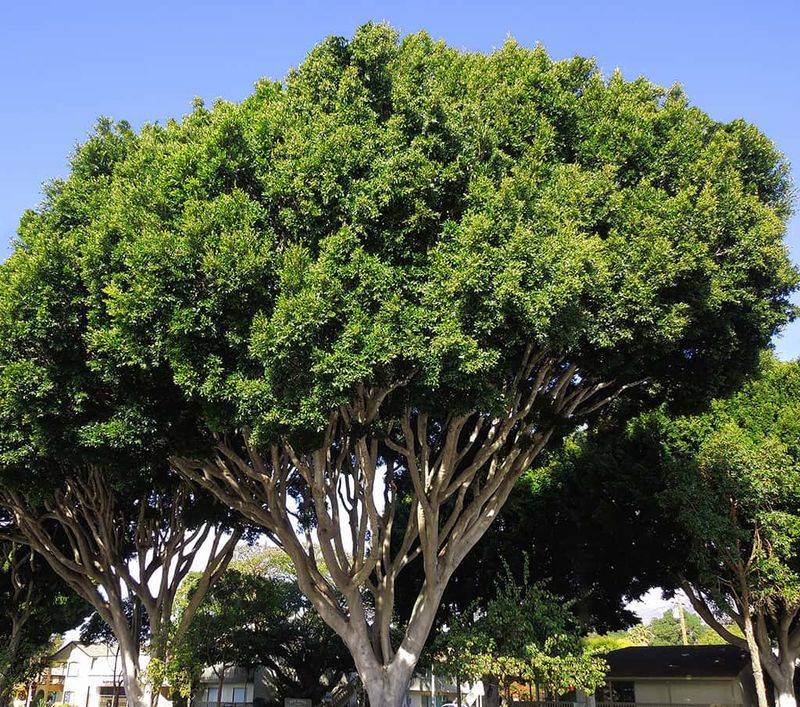
Older streets in Los Angeles, San Diego, and the Central Valley rarely lack one. A thick gray trunk, a round head of shiny leaves, and a shadow that swallows half the yard mark the Indian laurel fig.
This tree charmed a generation of homeowners.
Decades ago, ficus seemed like a smart pick. It grows quickly, handles hot sun, and stays green all year.
Nurseries sold it cheaply, and it could be clipped into neat hedges or tidy lollipop shapes. Plenty of people planted one a few feet from the house, expecting shade on the patio and privacy from the street.
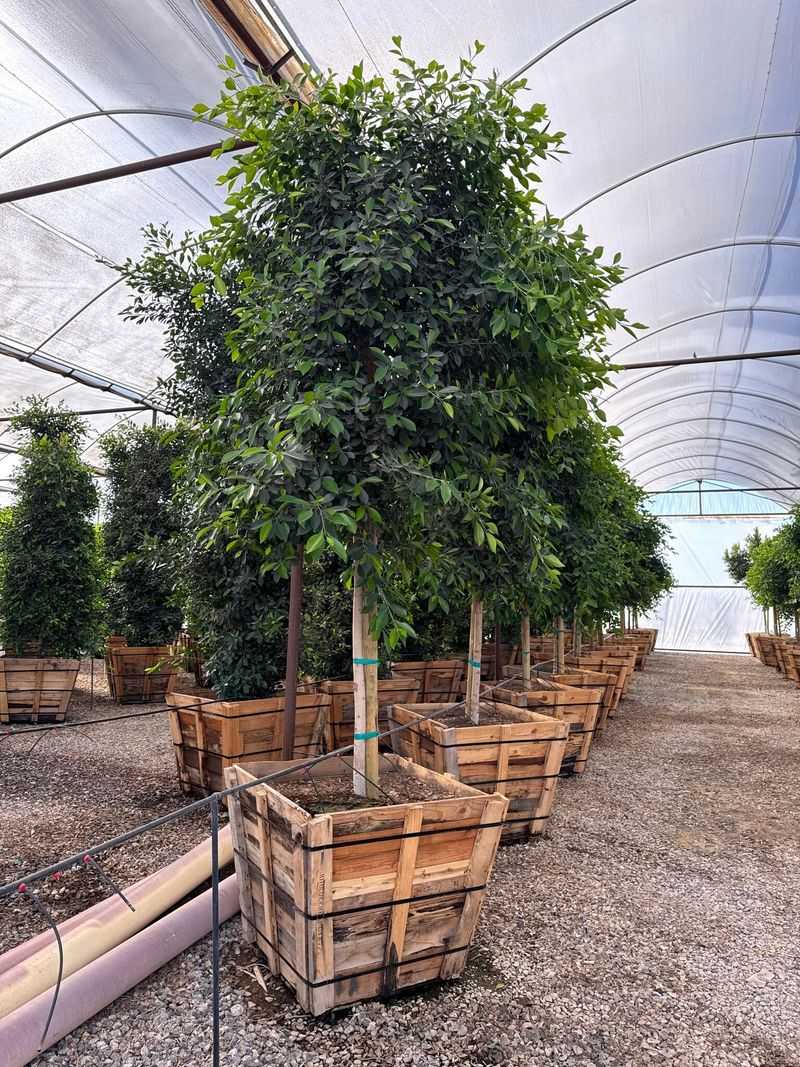
A small tree in a pot, however, offers no clue about its adult personality. Sold as Ficus microcarpa or Ficus nitida, it comes from warm parts of Asia and Australia, where it grows into a massive tree.
California’s mild climate suits it nicely, so it keeps growing. Cal Poly’s SelecTree database lists it as a large tree with a wide canopy and roots known to damage nearby hardscape.
Many homeowners didn’t choose it in the first place. The tree came with the house, planted by someone long gone, leaving new owners to handle the bills.
None of this makes ficus a villain. It simply needs room, and lots of it.
In a park or a large open lot, it can serve as a handsome shade tree. Squeezed against a wall, it becomes a slow-motion headache.
Aggressive Roots Lift Walks And Slabs
A raised sidewalk in a California neighborhood has a fair chance of tracing back to a ficus. City crews in places like Los Angeles have spent years grinding, patching, and replacing concrete pushed up by these trees.
Ficus roots tend to spread wide and stay shallow. UC ANR experts explain that most tree roots live in the top couple of feet of soil anyway, where water and oxygen come easiest.
Ficus takes that habit to an extreme. Thick roots run just beneath the surface and can reach well beyond the canopy’s edge.
Concrete creates a cozy spot for roots. Moisture collects under a slab because it can’t evaporate.
Roots move in, thicken each year, and slowly lift the paving like a car jack. A walkway that sat flat in 2006 can resemble a ramp by 2026.
Your California Garden Changes Every Week. Your Plan Should Too.
Gardening in California changes quickly throughout the season. Every Friday you’ll receive a simple weekly plan showing exactly what to plant, prune, fertilize, harvest, and protect so you never miss the right timing.
Driveways, patios, pool decks, and garden walls all feel the push. Lighter slabs move first.
Heavy foundations resist better, but cracked flatwork beside a house can still channel water toward the foundation and create new problems.
Early detection helps. Hairline cracks that widen, edges that rise, and bricks that tilt all deserve attention before damage spreads further.
A certified arborist offers the best guidance before any major roots get cut. Slicing large roots close to the trunk can leave a tree unstable and more likely to topple in a windstorm.
Roots Hunt Down Sewer Lines

Gurgling toilets and a slow shower drain often come first. Then one day the cleanout in the front yard overflows, and many California plumbers can guess the cause before running a camera down the line.
Roots don’t actually sense pipes and chase them. They grow wherever soil stays moist and rich in nutrients.
An older sewer line with tiny cracks or loose joints leaks a little water and warm vapor into the soil. Nearby roots find that damp zone, slip through the gaps, and branch out inside the pipe.
Once inside, fine roots form a hairy mat that catches grease, paper, and waste. The clog grows, and the roots keep feeding on it.
SelecTree and UC sources both describe ficus roots as aggressive. A tree planted near a sewer lateral practically invites repeat visits from the drain truck.
Clay pipes and older cast iron lines face the most risk, since their joints loosen over time. Newer plastic pipe with glued joints holds up better, though any damaged line can let roots in.
Knowing where the sewer lateral runs comes before planting anything large. Many homes have a cleanout near the front, which hints at the path.
A camera inspection costs far less than digging up a crushed pipe. Regular root cutting can buy time, but removing and replacing the tree often provides the lasting fix.
A Dense Canopy Drops Constant Litter
A patio swept on Saturday morning can look untouched by Sunday afternoon. Owners of large ficus trees know that weekly rhythm all too well.
Ficus is evergreen, but evergreen doesn’t mean leaves last forever. The tree sheds old leaves bit by bit all year, with heavier drops at times.
SelecTree notes significant litter from this tree. A large canopy holds thousands upon thousands of small, leathery leaves, so even a light drop adds up fast.
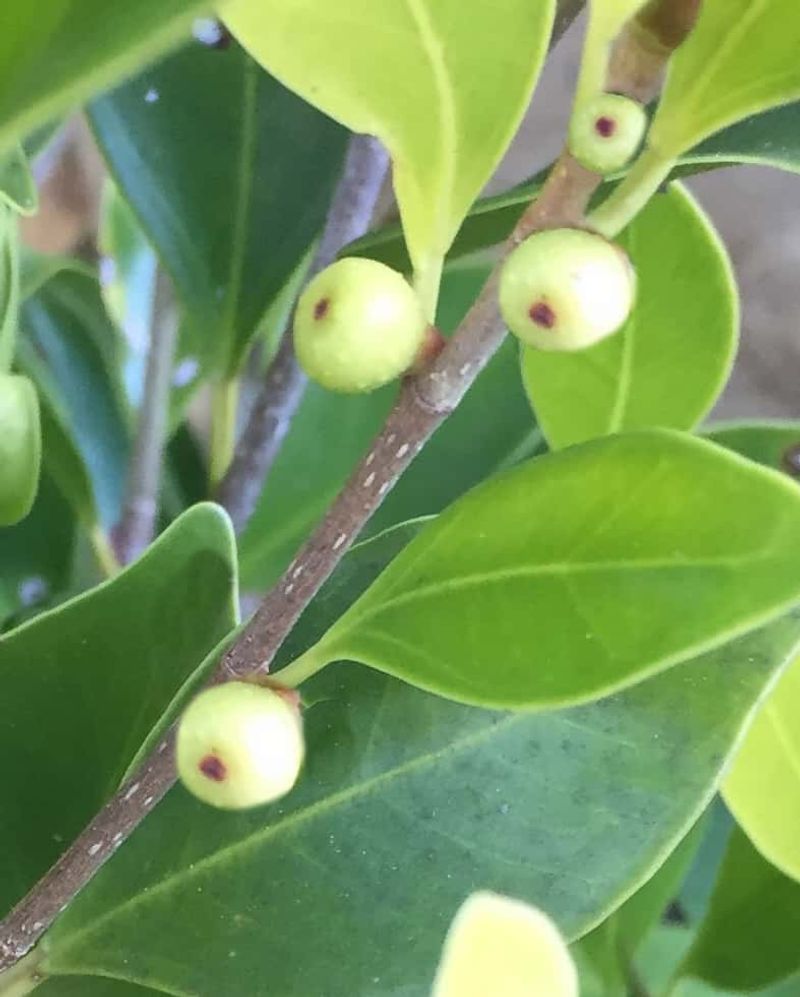
Leaves are only part of the mess. Ficus also produces tiny round figs about the size of a pea.
They fall onto cars, stain light paving, and squish underfoot. Birds love them, which can bring extra droppings to whatever sits below, making parking beneath a ficus a sticky gamble.
Near a house, the litter has few places to go. Leaves pile into gutters, collect on flat roof sections, and drift into window wells and doorways.
Wet leaf piles can hold moisture against wood trim. Dry piles near walls raise fire concerns, which matter more each year in California.
A leaf blower and a good rake help, but they only treat the symptom.
Choosing a tree with less litter, or placing a large tree away from hard surfaces and the roof, cuts down the chores considerably. Knees and weekends both feel lighter as a result, and fall cleanup becomes far more manageable.
Branches Crowd Roofs And Gutters
Scrape, scrape, scrape. On a windy night, branches rubbing against roof tiles can sound like someone trying to climb in, and in a way, the tree is doing exactly that.
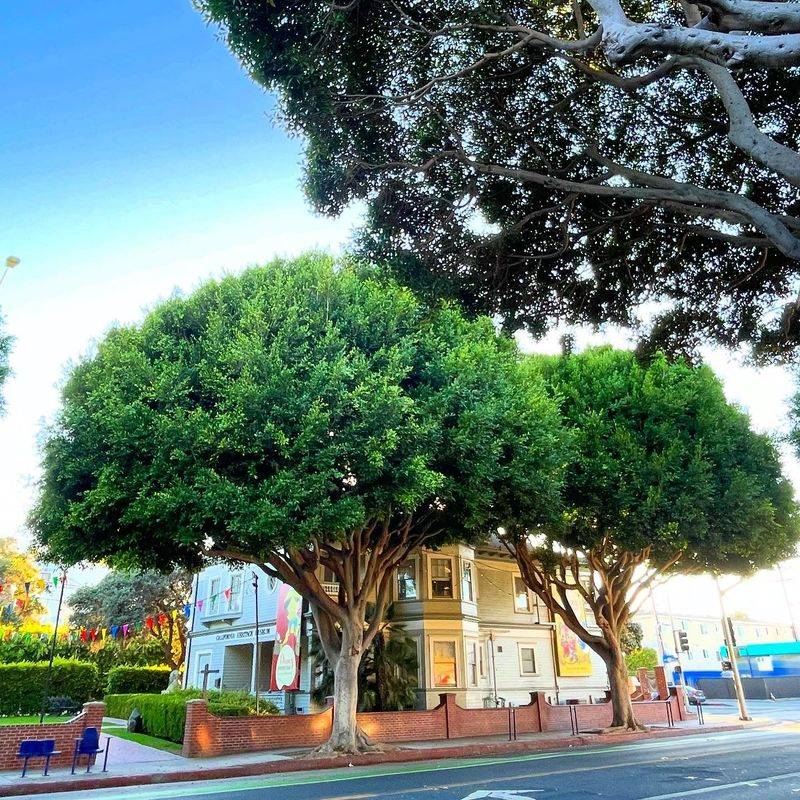
A ficus planted a few feet from a wall rarely grows politely straight up. Its canopy spreads in every direction, and the side facing the house soon reaches the eaves.
Branches then rest on shingles or tiles, scratch paint, and push against gutters until they bend or pull loose.
Shade from a thick canopy also keeps parts of the roof damp longer after rain, which moss and algae enjoy. Leaves trapped under branches break down into a soggy layer that clogs downspouts.
When water can’t drain, it backs up under roofing materials or spills over the edge right beside the foundation.
Critters notice the free bridge, too. Rats and squirrels happily use overhanging limbs to reach roofs, vents, and attics, so trimmed branches remove one more highway.
Regular pruning keeps the tree in check, but ficus bounces back quickly, making this an ongoing job.
A qualified arborist who makes proper cuts works far better than topping, which leaves weak sprouts that regrow fast and break easily.
Clearance pruning that lifts and thins limbs away from the structure keeps the tree healthy while protecting the home. A fall check before winter storms makes a sensible routine.
Mature Size Dwarfs A Small Yard
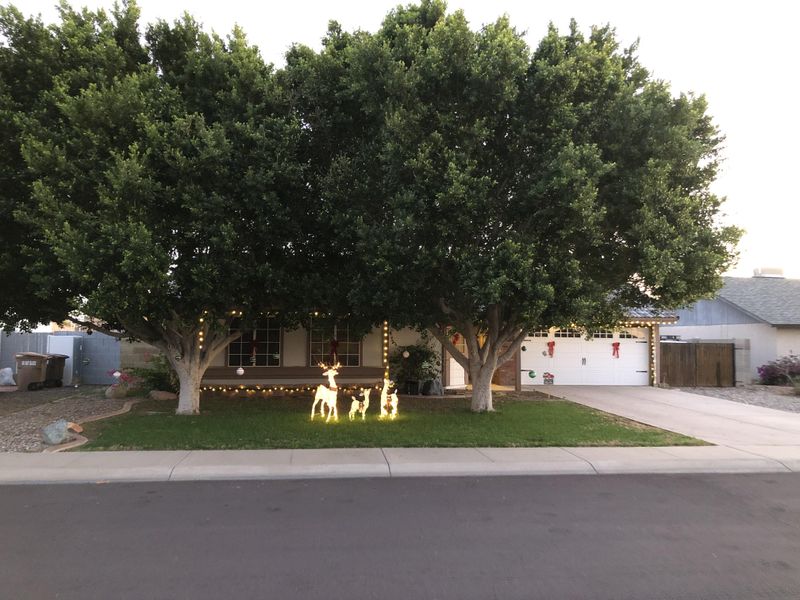
A typical California tract home might have a front yard about 20 feet deep. A tree that can grow 40 to 50 feet tall and spread just as wide, sometimes wider, doesn’t fit that math.
SelecTree lists Ficus microcarpa as a large, fast-growing tree with a broad, rounded crown. In good conditions, it can add a couple of feet a year.
That speed explains why people planted it, and also why it outgrows small spaces so quickly. A sapling in a narrow side yard can fill the whole space in about a decade.
Big size brings big side effects. A canopy that wide shades lawns and vegetable beds until little else grows.
The trunk thickens and can crowd walls, fences, and gates. Roots spread across the whole lot and often into the neighbor’s yard, sometimes sparking awkward conversations over the fence.
In its native range, this fig sometimes starts life on another tree and drops aerial roots to the ground. In humid spots, California specimens can grow these hanging roots, too.
That habit serves as a reminder that this plant was built to claim territory.
Mature height and width on the nursery tag deserve a careful read before any purchase, followed by a quick check on SelecTree.
Measuring the planting space completes the picture. When the numbers don’t fit, the tree won’t either, no matter how charming it looks in the nursery today.