7 Yard Habits That Make California Weeds Come Back Stronger Almost Every Single Time
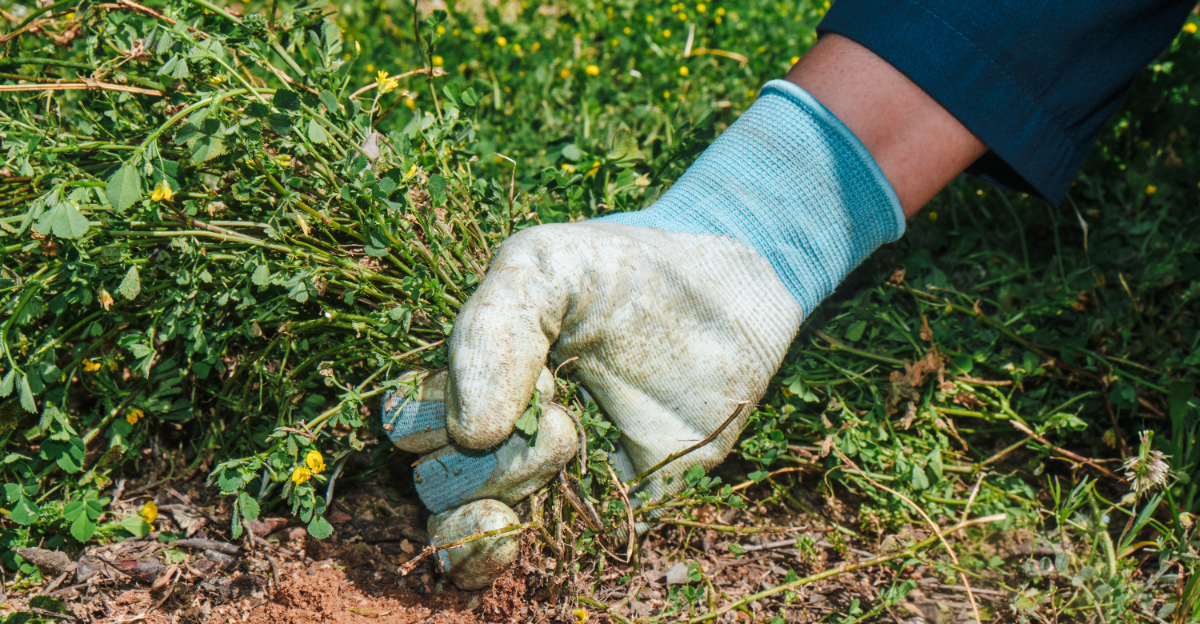
The weeds came back. Again.
Same spot. Same species. Possibly even thicker than before. You pulled them three weeks ago and did a thorough job of it. The bed looked clean for about ten days and then the green started creeping back in like nothing happened.
This is not bad luck. It is not poor soil or an unusually aggressive weed season or any force outside your control.
Something in your regular yard routine is actively helping the weeds recover. Not dramatically. Not in any way that is obvious while you are doing it. But consistently, week after week, the same habits keep restocking the problem you are trying to solve.
Do you know which part of your Saturday yard work is the most useful thing you do for the weeds?
California’s climate gives weeds more opportunities than almost any other state. Long growing seasons, mild winters, and warm soil create conditions where small mistakes compound quickly.
The habits driving the cycle are specific, common, and entirely fixable once you know what to look for.
1. Watering Bare Soil Invites More Weeds
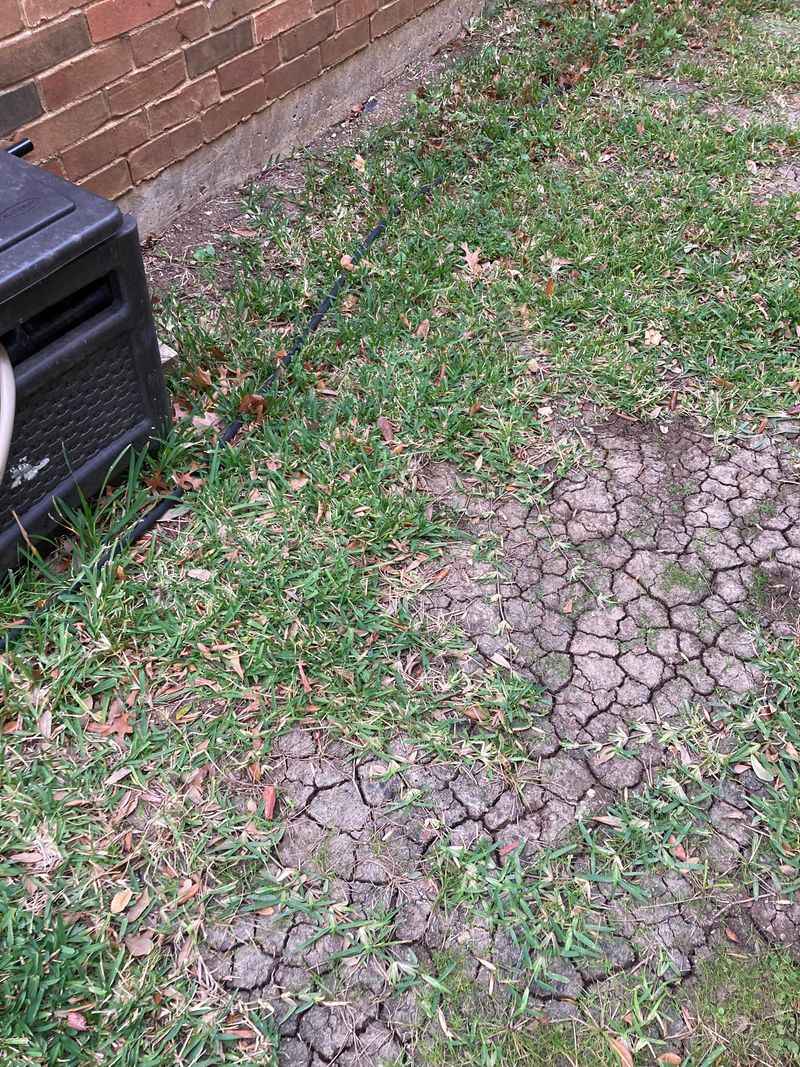
A patch of bare soil after a good weeding session looks like progress. It is progress. It is also an open invitation.
Bare soil holds thousands of dormant weed seeds at various depths, and moisture is the signal most of them are waiting for.
A single square foot of California garden soil can contain hundreds of viable seeds at any given time. Water activates them.
California’s warm soil temperatures from spring through fall make germination happen within days of a light watering.
The longer bare soil stays moist, the more weeds appear in successive waves. Each watering cycle triggers another round if nothing is covering the surface.
The practical fix is immediate coverage after weeding. Mulch works well. A fast-growing groundcover works well. Dense low plantings work well.
Any of these blocks light from reaching seeds and disrupts the consistent surface moisture that germinating seeds require.
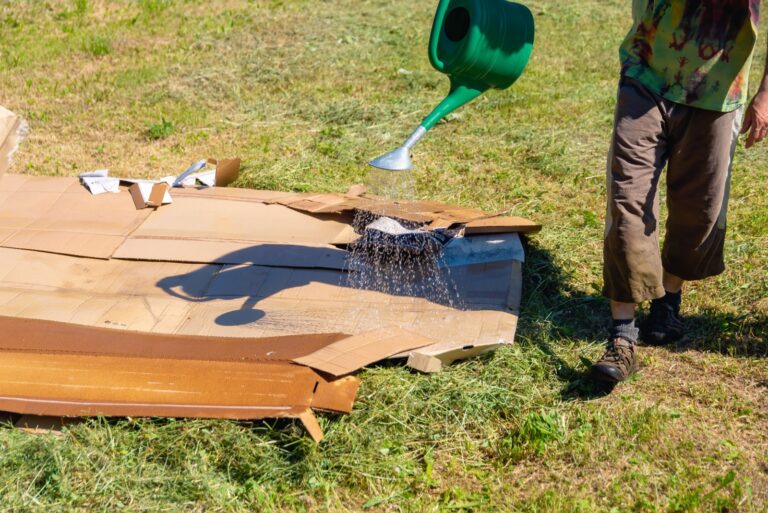
Delivery method matters as much as timing. Spot watering directly at plant root zones rather than broadcasting water across open soil reduces the area where weed seeds receive the moisture they need to activate.
Drip irrigation is one of the most effective tools available for keeping weed pressure manageable across California’s long growing season.
The weeds are not resourceful or clever. They are just using what you gave them. Stop giving it to them and the number of weeds showing up uninvited drops considerably.
2. Thin Mulch Leaves Seeds Ready To Sprout
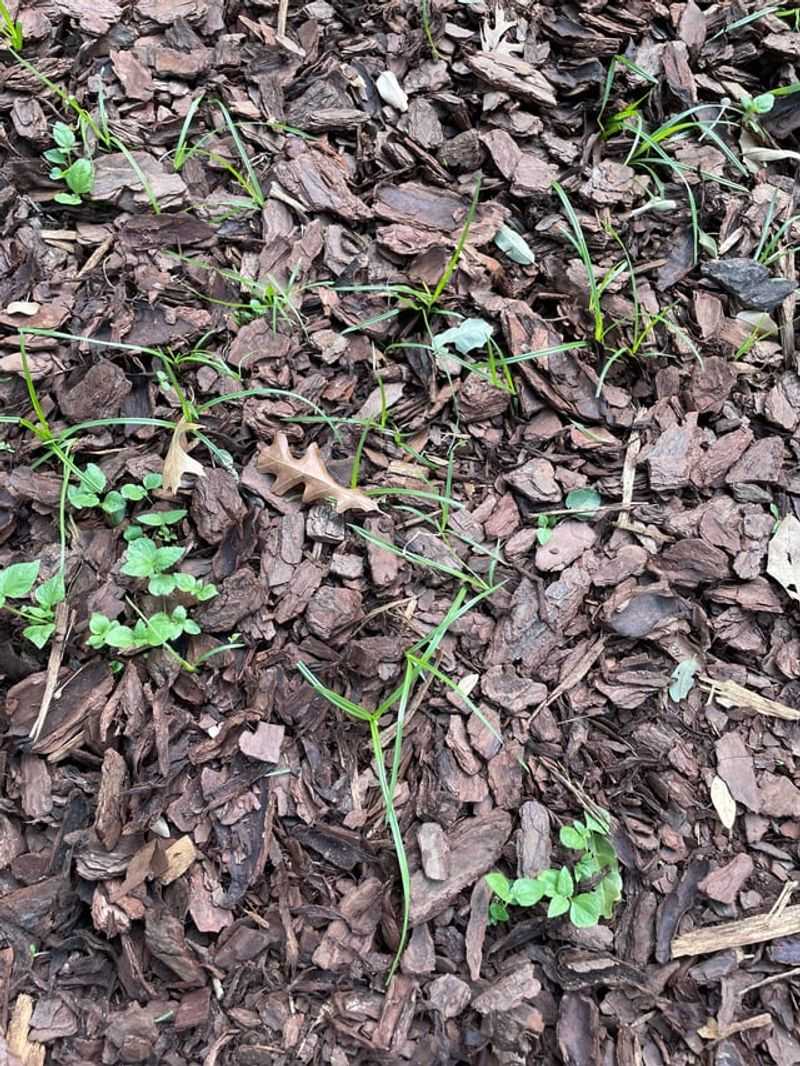
A one-inch layer of mulch looks tidy from the street. From the perspective of a weed seed sitting just below the surface, it barely registers.
Weed seeds require light to germinate. A thin mulch layer allows enough sunlight to filter through to the soil surface to trigger sprouting in many common California weed species.
Three to four inches is the depth at which mulch genuinely blocks that light and disrupts the germination process. Below that threshold, the mulch is decorating the soil rather than protecting it.
Your California Garden Changes Every Week. Your Plan Should Too.
Gardening in California changes quickly throughout the season. Every Friday you’ll receive a simple weekly plan showing exactly what to plant, prune, fertilize, harvest, and protect so you never miss the right timing.
Wood chips, shredded bark, and gorilla hair mulch all perform well in California landscapes. The challenge is maintaining that depth over time.
Rain and irrigation compact organic mulch gradually. A layer that started at three inches in spring might measure closer to one and a half by midsummer. Checking depth every few months and topping off when it drops keeps the suppression working.
One placement error that reduces mulch effectiveness is piling it against plant stems. Moisture accumulates in that contact zone and creates conditions for crown rot.
Keeping mulch a few inches clear of stems and trunks addresses that issue without reducing coverage elsewhere.
Wood-based mulches contain very few weed seeds compared to aged compost, which can introduce them. For weed suppression specifically, wood-based materials are the more reliable choice.
A properly mulched California bed can cut weed pressure by more than half. The weeds are doing math too. Give them nothing to work with.
3. Deep Hoeing Brings New Seeds Up
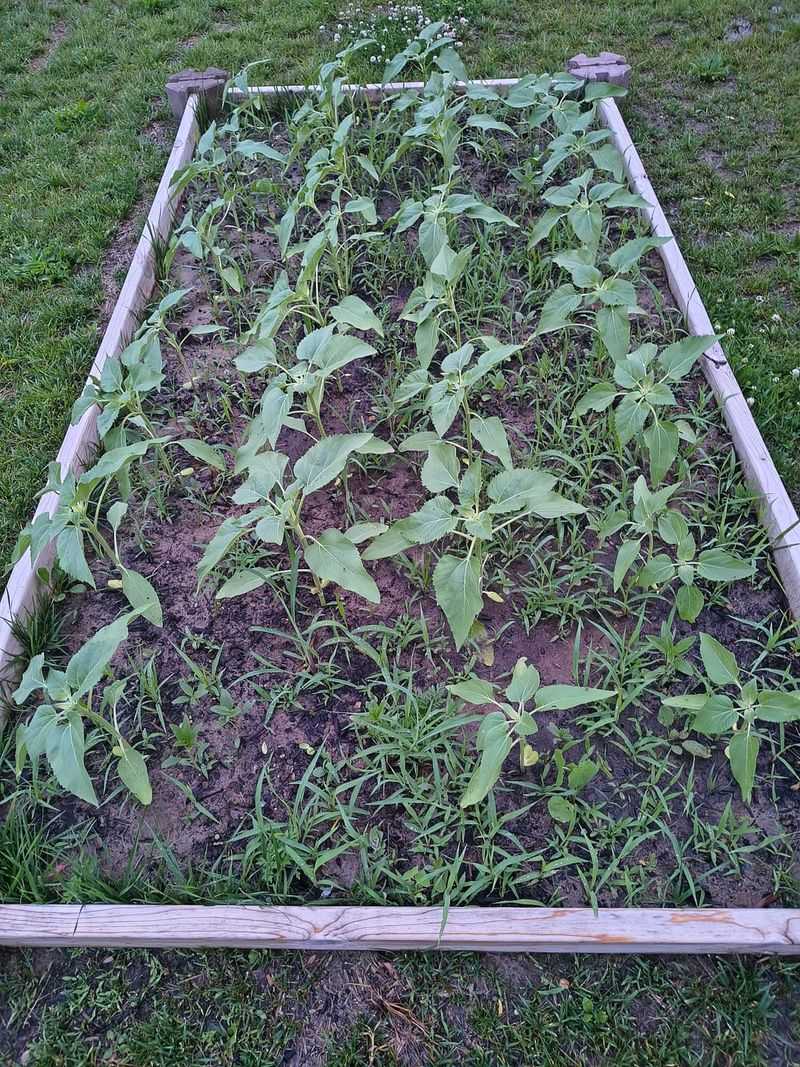
Hoeing feels like meaningful work. There is something satisfying about moving through a bed with a tool and leaving it looking clean behind you. The problem is what happens below the soil surface when the hoe goes deeper than necessary.
Weed seeds live at different depths. Seeds near the surface are ready to sprout when they receive light and water.
Seeds buried deeper than about two inches are essentially dormant because light cannot reach them at that depth. Hoeing deeply flips those dormant seeds upward and delivers exactly the light exposure they needed to activate.
Soil researchers describe this accumulated reserve as the seed bank. California soils can hold viable weed seeds for years, in some cases decades. Disturbing deep soil layers opens that bank every time the hoe goes in.
Shallow cultivation is the practical alternative. A stirrup hoe or collinear hoe used within the top inch of soil slices weed seedlings off at the root without bringing up undisturbed seeds from below.
It is faster, easier on the back, and considerably more effective at keeping weed pressure from rebounding.
Timing the hoeing session amplifies the benefit. Working on a dry, sunny day lets uprooted seedlings dry out on the surface rather than re-rooting in moist soil.
In coastal California where humidity stays higher, removing cut seedlings from the bed entirely is the more reliable approach.
Shallow and frequent consistently outperforms deep and occasional when managing California weeds.
Does the hoe know it is being used against the garden? No. But the seeds certainly benefit when it goes too deep.
4. Letting Weeds Set Seed Restarts The Cycle
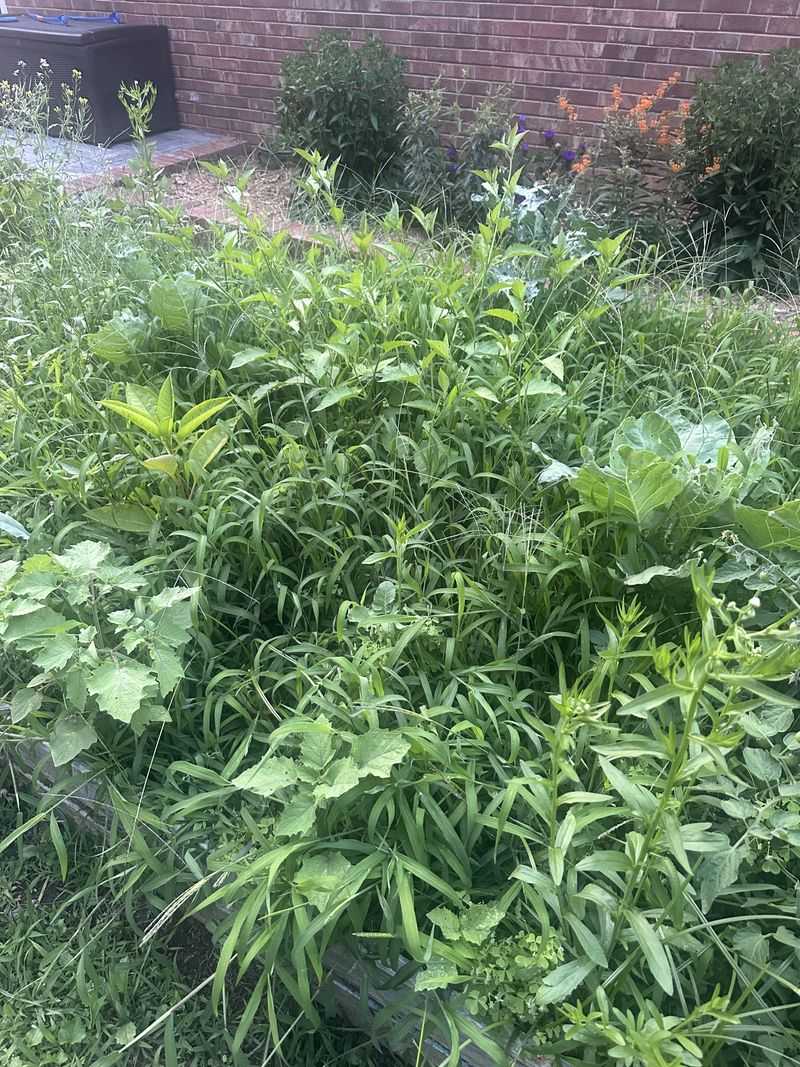
One weed reaching the seed stage can undo several weeks of consistent yard work. The numbers involved make the math uncomfortable but useful to know.
A single common purslane plant, which appears throughout California, can produce more than 50,000 seeds in a season.
A few plants reaching maturity restocks the soil seed bank for years in that bed. The visual cleanup from pulling weeds regularly means very little if any of them flower before they come out.
The timing window is narrower than most gardeners account for. Some species move from flower to viable seed within a few days during California’s warm, dry summers. A scheduled weekly session is not always fast enough once flowering has started.
Removing weeds before flowering is the highest-leverage habit available for reducing future weed pressure. A weed that has already flowered but has not yet formed a seed head should be bagged rather than composted.
Home compost piles rarely generate enough heat to destroy weed seeds. Adding seedy material to compost spreads the problem at the next application.
Some California weeds handle this with particular efficiency. Hairy bittercress, which appears during the cool season, has explosive seed pods that launch seeds several feet when disturbed. Touching the plant at the wrong moment plants the next generation across the bed.
Weekly walks through the yard during spring and fall intercept weeds before they reach flowering stage.
A weed that never sets seed has very limited career prospects. That is the goal.
5. Sprinklers Feed Every Empty Gap
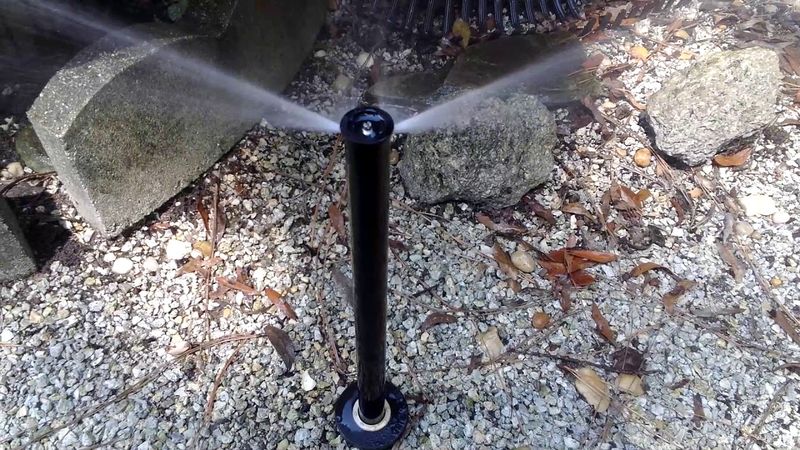
Overhead sprinklers are convenient and consistent. They are also entirely indifferent to which plants receive the water and which empty patches of soil get the same treatment.
Every gap between desirable plants receives moisture during a sprinkler cycle. Weed seeds in those gaps receive the same consistent surface moisture as anything planted intentionally.
Shallow-rooted annuals like common chickweed, annual bluegrass, and spotted spurge are particularly well-adapted to capitalizing on that broadcast moisture.
Irrigation management is consistently identified as one of the most effective ways to reduce weed pressure in California landscapes.
Switching from overhead sprinklers to drip irrigation or soaker hoses delivers water directly to plant root zones without wetting the spaces between.
Changing irrigation infrastructure is not always immediately possible. Adjusting the sprinkler schedule is.
Watering deeply but less frequently keeps the soil surface drier between cycles. It creates less favorable conditions for germinating seeds while still serving established plants with deeper roots.
Checking for overspray landing on pathways, gravel areas, and bare edges catches another source of weed pressure.
Those areas become germination zones if they receive regular moisture. Adjusting sprinkler heads to eliminate unnecessary overspray reduces the area available for weed establishment.
The sprinkler is watering everything it can reach. The weeds are very aware of this and have planned accordingly.
6. Dirty Tools Move Weed Seeds Around
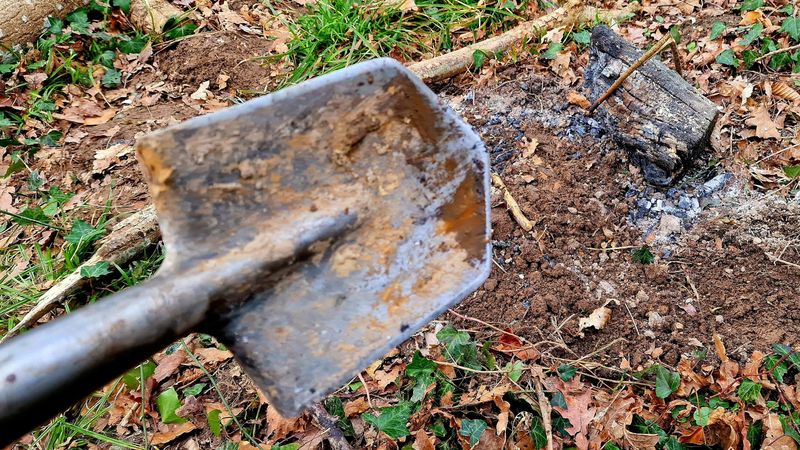
A trowel that moves from one bed to another without being cleaned is carrying passengers. Soil adhering to garden tools holds weed seeds, and each transition between beds introduces whatever was growing in the previous location into the next one.
This habit produces a specific and recognizable pattern. A weed species that appeared in one bed shows up in a previously clean area shortly after tools were used in both locations.
Nutsedge spreads partly through small tubers that travel in soil clinging to tools, boots, and gloves. The introduction is invisible at the time and visible several weeks later.
Tool sanitation addresses this directly and costs nothing. Knocking soil off tools between beds takes seconds.
A rinse with water and brief drying before storage handles deeper cleaning. A stiff brush kept near the tool storage area makes the quick clean a natural part of putting things away.
Boots and gloves carry seeds as effectively as tools. Brushing off footwear before entering a clean bed after working in a weedy area reduces cross-contamination.
Some California gardeners designate a specific pair of shoes for the vegetable garden for this reason.
Wheelbarrows and garden carts accumulate soil and plant debris across multiple sessions. Rinsing them after hauling weeds or fresh soil takes under two minutes and prevents that material from reaching every bed the cart visits.
The trowel has no idea what it is doing. That is the whole problem.
7. Weak Plantings Leave Soil Wide Open
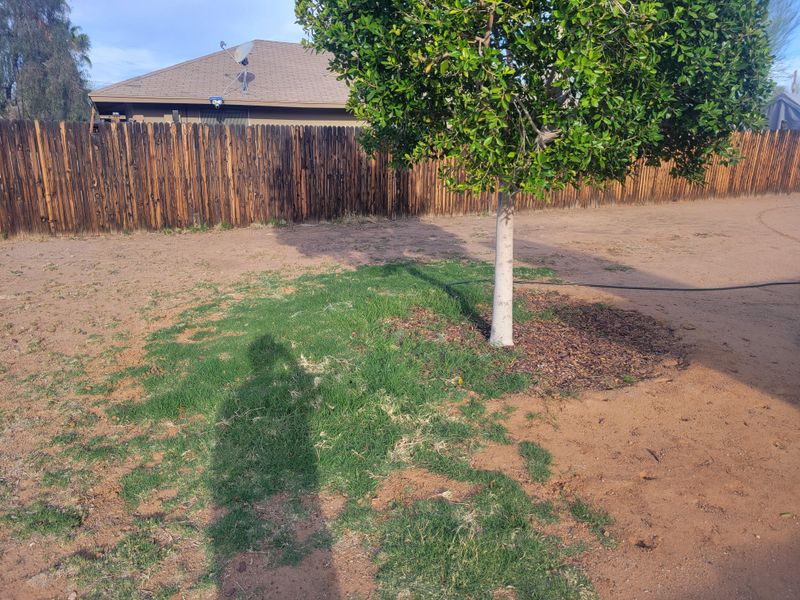
Weeds do not require an invitation. They only require an opportunity. Open soil between plants provides exactly that.
When desirable plants are spaced too widely, sunlight reaches the soil surface in the gaps. Combined with irrigation, that sunlight gives weed seeds the conditions they need to germinate and establish.
Dense plantings shade the soil between plants and create a competitive canopy that makes successful weed germination considerably more difficult.
Native California groundcovers are particularly effective for this approach. Plants like coyote brush, creeping sage, and low-growing manzanitas spread steadily and crowd out weeds naturally once established.
Ornamental grasses and dense perennials serve the same function in traditional garden beds. The practical goal is minimizing exposed soil between plants as they mature.
Starting a new bed with slightly closer spacing than the plant tag recommends accelerates the canopy formation that suppresses weeds.
Thinning or dividing those plants in a few years is a smaller ongoing commitment than weekly weeding across a sparsely planted bed for the same period.
Dense planting combined with three to four inches of mulch creates two layers of weed suppression operating simultaneously.
The canopy blocks light from above. The mulch blocks light from the surface. Seeds in the soil have considerably fewer viable pathways to establishment.
This combination improves every season as plants fill in and root systems compete for resources underground.
The weeds are looking for open ground. Stop providing it and the search goes poorly for them.