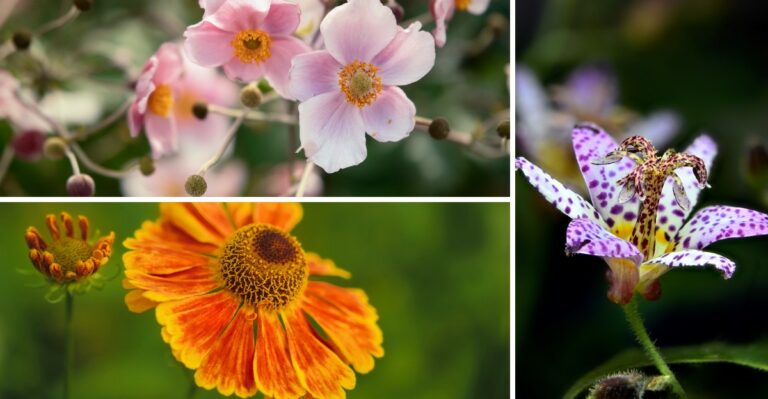
10 Native Plants Everyone’s Planting This Fall (And Why You Should Too)
Why are your neighbors planting small papery lumps in cool October soil? You can join them this month and collect color when spring arrives.
Your tulip, daffodil, and crocus bulbs need weeks of chilly ground to bloom. Cold signals the bulb to lengthen the flower stem already formed inside.
Test your soil with a cheap thermometer and wait for cooler readings. Set pointed ends upward, then tuck them deeper than your instincts suggest.
Squirrels sniff out your work, so lay chicken wire over fresh beds. Bees emerging in early spring will thank you with a crocus feast.
Daffodils protect your borders from deer because their bulbs are toxic to them. Water the bed after planting, then let autumn rain finish the job.
Mulch lightly so your soil stays steady through winter’s chill. Spring rewards you with bold color after winter.
Purple Coneflower Feeds Hungry Goldfinches
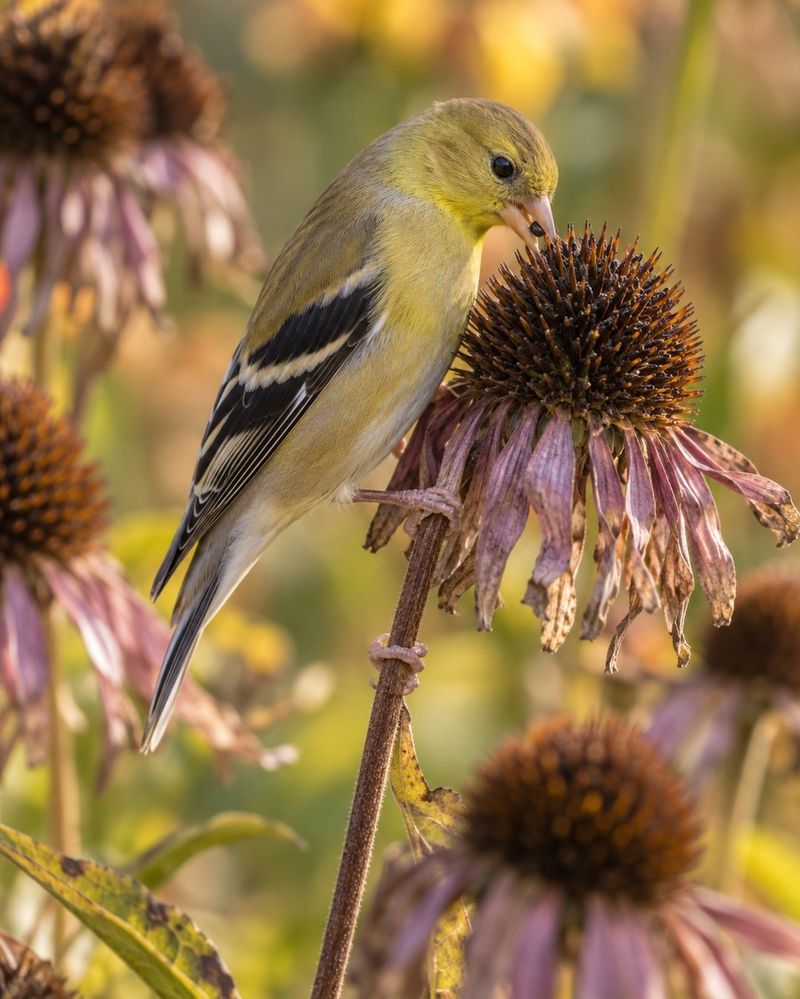
Goldfinches rely on a winter patch of seed heads for steady, reliable food. Purple coneflower supplies that food, and it starts with a fall planting.
Set young plants in a sunny spot with soil that drains well after rain. Space them about eighteen inches apart so air can move between the leaves.
October planting gives roots several cool weeks to settle before the ground freezes hard. By midsummer, sturdy stems will push up pink-purple daisies with spiky orange centers.
Butterflies and bees visit those blooms all summer long, hopping from flower to flower. Once established, coneflowers handle dry spells with very little extra watering from you.
Leave the brown seed heads standing when autumn returns instead of trimming them away. Your reward is a flash of yellow feathers on gray, chilly mornings.
Black-Eyed Susan Brings Cheerful Color
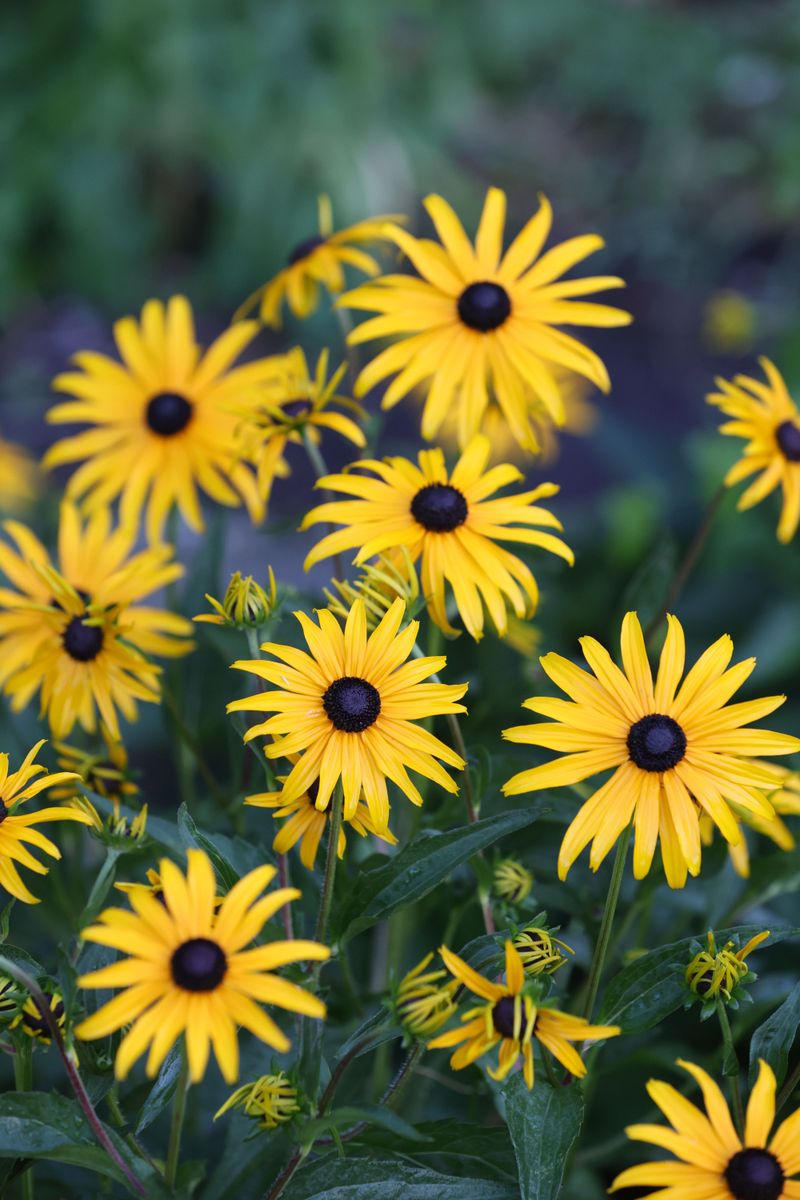
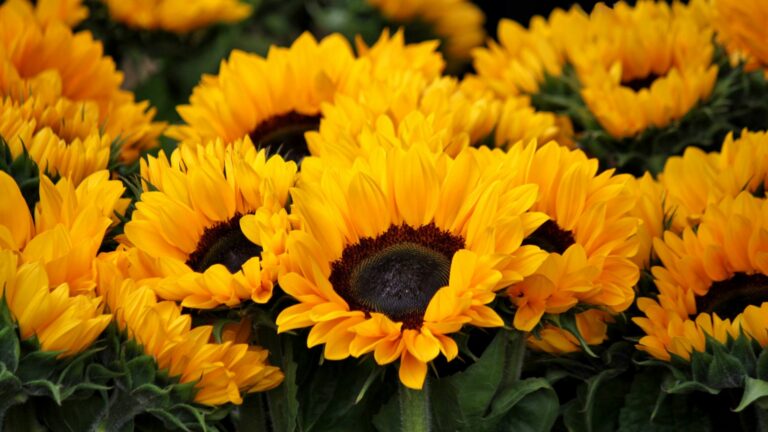
Picture a sunny meadow drawn by a kid with only yellow and brown crayons. That cheerful scene is basically black-eyed Susan in full summer glory.
These tough flowers adapt widely, from roadside ditches to small city yards. They happily put up with clay soil, heat, and the occasional soccer ball.
Plant nursery starts now, or scatter seeds on bare soil and press them down lightly. Winter cold actually helps the seeds wake up and sprout in spring.
Expect golden blooms from midsummer into fall, with a long and generous bloom season. Cut a few for a vase, and more will keep coming.
Black-eyed Susans also reseed themselves, so small patches slowly grow into bigger ones. Think of it as a gift that keeps showing up every year without being asked.
Little Bluestem Turns Copper In Fall
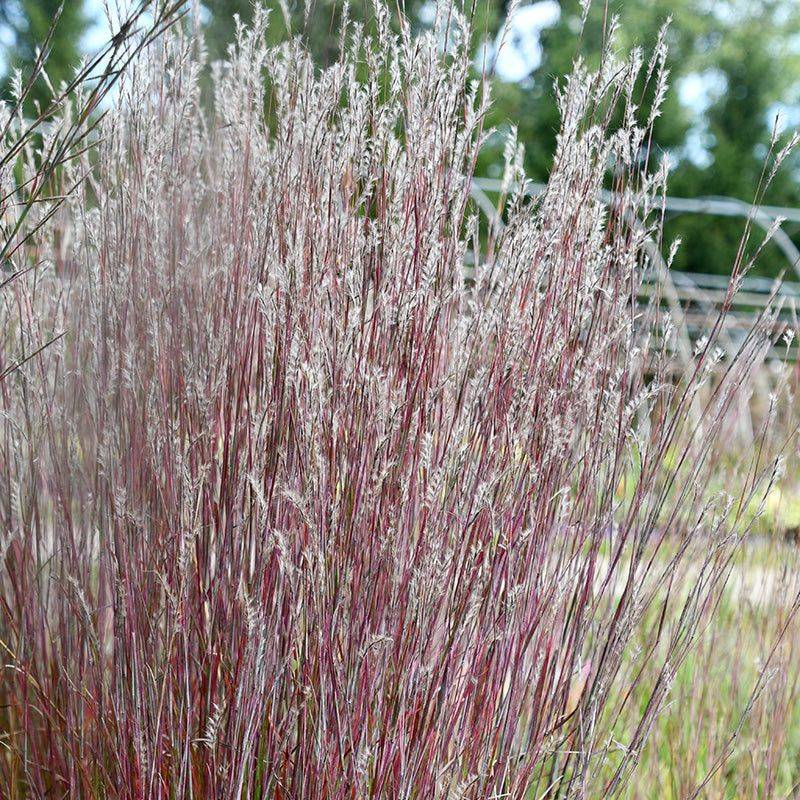
Grasses might sound boring, but little bluestem could change your mind by Halloween. Its blue-green summer blades turn copper, rust, and wine red as nights cool.
This bunching grass stays neat, growing about two to four feet tall. It loves full sun and lean soil, so skip the rich compost.
Deep roots can reach several feet down, helping the plant tolerate dry spells. Those roots also hold soil in place on slopes that tend to wash out.
Plant small plugs early or in spring, watering weekly until the ground gets cold. After that, winter rain and snow handle most of the work for you.
Fluffy silver seed tufts sparkle when frosty sunlight hits them in early morning. Small birds like juncos and sparrows hide and snack among the clumps all winter.
New England Aster Supports Late-Season Bees
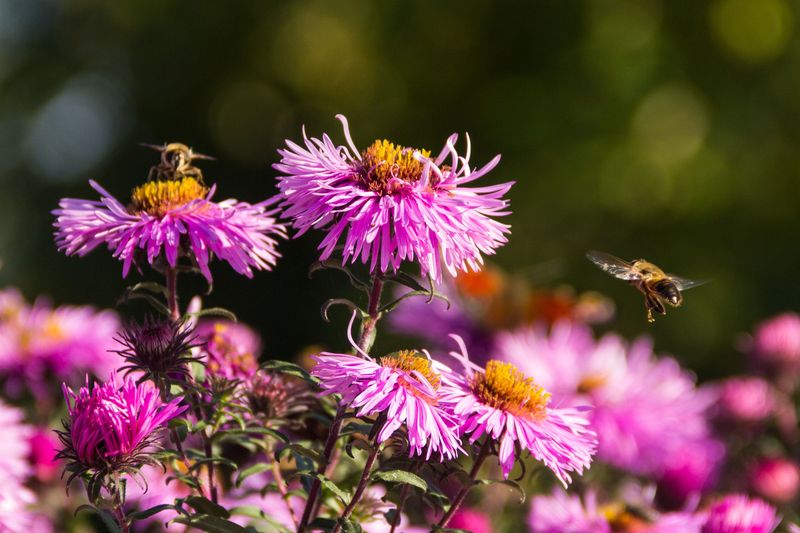
Many flowers have finished blooming and left the garden by October. New England aster is a late bloomer that peaks right as others fade.
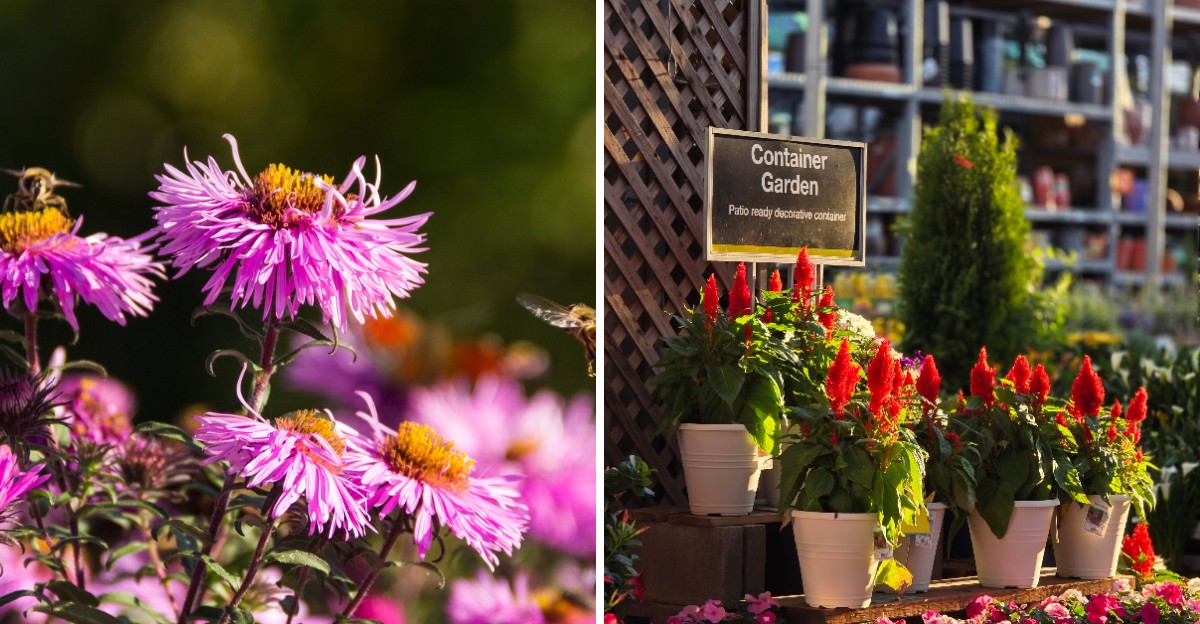
Its purple petals and sunny yellow centers bloom right when bees need food most. Migrating monarch butterflies also stop by to fuel up for their long trip south.
Plants can reach three to six feet tall, so give them room in the back. Pinch the stems back by half in early summer to keep them bushier.
Fall planting works well because cooler air puts less stress on fresh roots. Choose a spot with at least six hours of sunshine for the best flowers.
Asters spread slowly by roots, forming a fuller clump each year. Share divisions with friends, and soon your street may see more pollinators in autumn.
Butterfly Weed Welcomes Monarchs
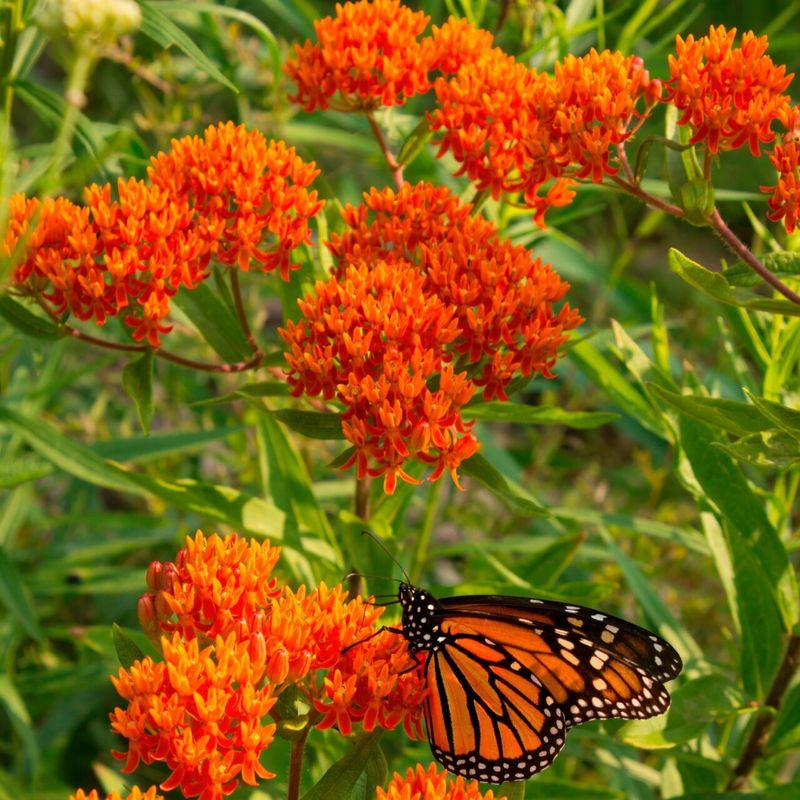
Monarch caterpillars are picky eaters, and milkweed is the only menu they accept. Butterfly weed is a bright orange milkweed that fits nicely in small home gardens.
It grows about two feet tall and loves hot, dry, sunny spots. Sandy or rocky soil suits it far better than rich, soggy ground.
A long taproot makes it tough to move, so pick its home carefully. Sow seed in fall or set pots in spring, then leave it be.
Butterfly weed wakes up late in spring, so mark the spot with a stick. Otherwise you might think it disappeared and plant something else on top of it.
By midsummer, flat clusters of tangerine flowers will attract butterflies, bees, and hummingbirds. Spot some striped caterpillars munching leaves, and you’re now directly supporting local monarch butterflies.
Wild Bergamot Draws Fragrant Pollinators
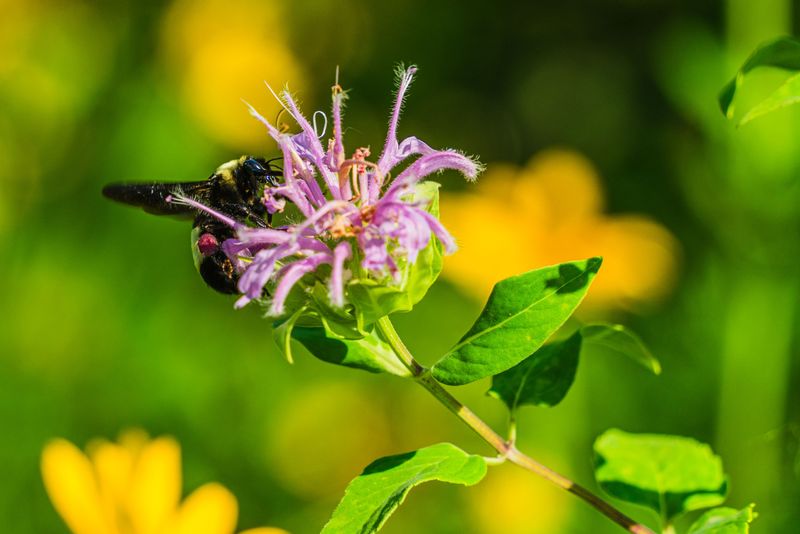
Rub a wild bergamot leaf between your fingers, and you’ll smell something like oregano tea. That minty, spicy scent comes from the same plant family as garden herbs.
Fuzzy lavender pom-pom flowers open in midsummer and look a bit like tiny fireworks. Bumblebees visit them very often, crawling from tube to tube for sweet nectar.
Plant wild bergamot in full sun or light shade with average soil. It handles dry weather well once its roots settle in over winter.
Good airflow helps prevent powdery mildew, a dusty white coating on the leaves. Space plants about two feet apart, and avoid splashing water on the foliage.
Native American groups once used the leaves to make soothing teas for colds. Today, many gardeners grow it simply because the bees seem so happy around it.
Eastern Redbud Offers Pink Spring Blossoms
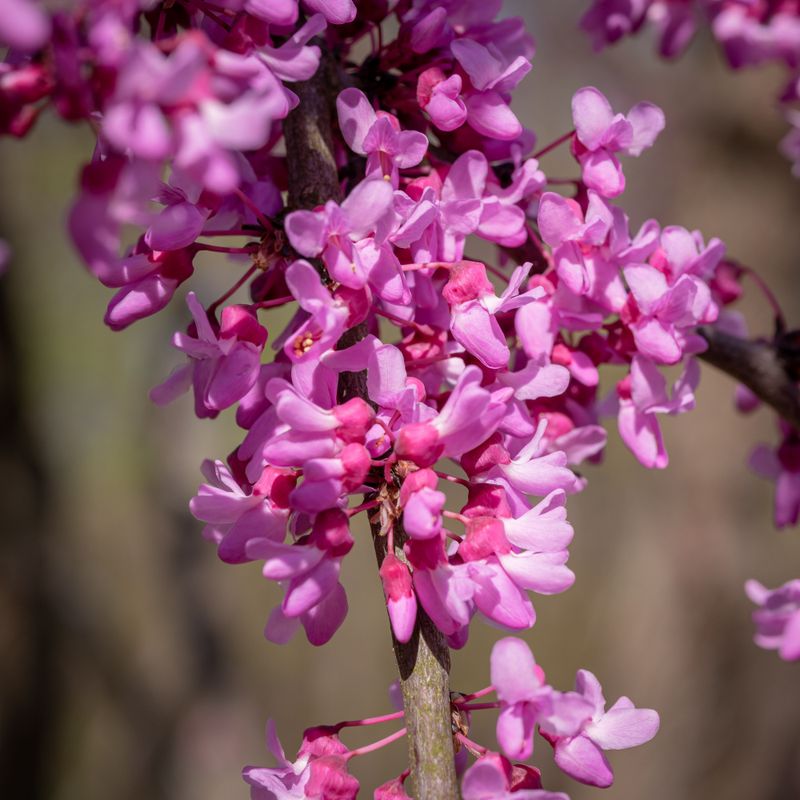
Early April can look bare and quiet until redbud trees bloom bright pink. Tiny magenta blossoms cover bare dark branches before a single leaf shows up.
Drive through North Carolina that month and you will spot them along roadsides and forest edges.
Eastern redbud stays small, usually fifteen to thirty feet, which suits many yards. Heart-shaped leaves follow the flowers and turn buttery yellow in autumn.
Fall is a smart time to plant trees because soil stays warm while air cools. Roots keep growing for weeks, even after the last leaves drop.
Dig a hole twice as wide as the root ball but not deeper. Water deeply once a week until the ground freezes, then let winter take over.
Early bees often visit redbud blossoms when few other flowers are open yet. Some people even toss the pink buds into salads for a tangy, pea-like crunch.
Serviceberry Ripens Sweet Summer Berries
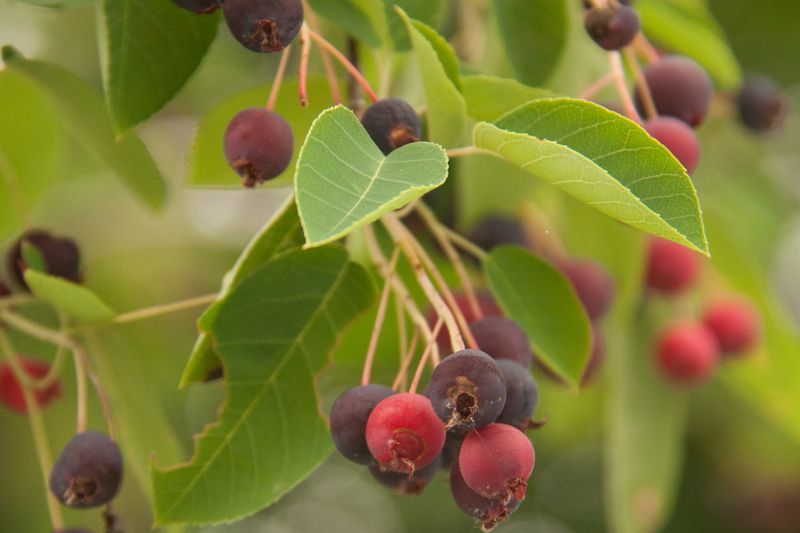
Imagine a tree that offers white flowers, tasty berries, and orange fall leaves. Serviceberry delivers all three, offering lasting interest across several seasons.
Clouds of white blossoms appear in early spring, often before most trees leaf out. By June, purple berries ripen that taste like a blend of blueberry and almond.
Birds love those berries, so you may need to race robins for a handful. Cedar waxwings sometimes arrive in flocks and eat the ripe berries very quickly.
Plant serviceberry in sun or partial shade, in soil that stays slightly moist. It grows as a small tree or large shrub, depending on how you prune it.
Fall planting lets roots grow strong before next summer’s heat arrives. Plus, you get to enjoy its glowing red-orange leaves right away this month.
Switchgrass Makes A Natural Privacy Screen
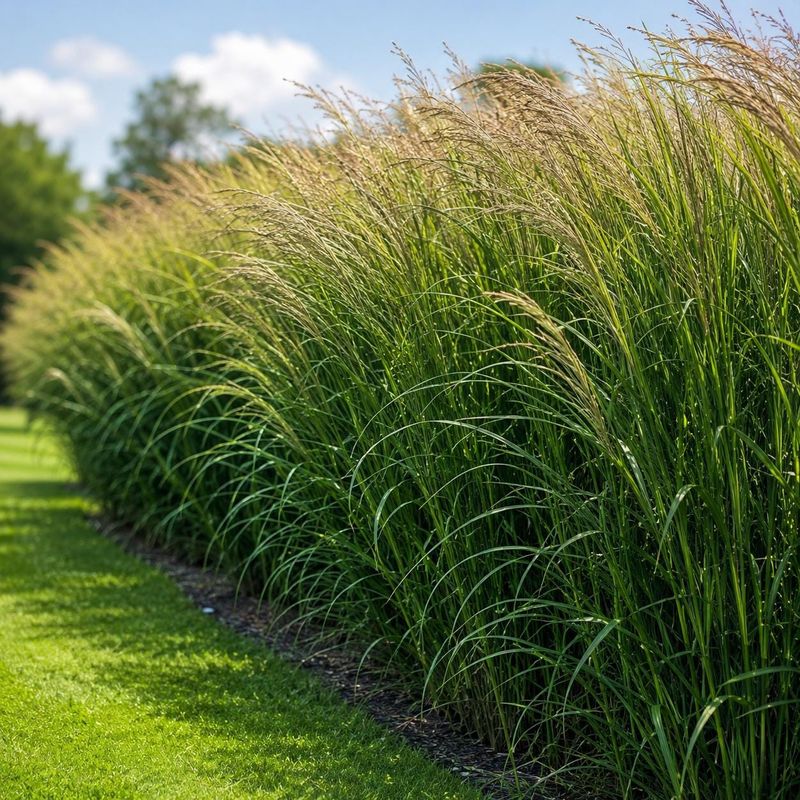
Need a living fence that grows fast and stays gentle on budgets? Switchgrass can reach five or six feet tall within a few growing seasons.
Its airy seed heads look like a cloud of tiny beads floating above the leaves. When wind blows through, the whole clump sways and whispers softly.
Switchgrass handles wet spots, dry spots, sandy soil, and heavy clay with ease. Full sun keeps it standing tall instead of flopping over.
Plant clumps about three feet apart in a row to form a screen. Within two summers, the gaps fill in and block views of the neighbor’s trash cans.
Leave the tan stems standing through winter for birds and helpful insects to shelter. Cut everything down to a few inches in early spring, before new green shoots appear.
Wild Columbine Gives Hummingbirds An Early Stop
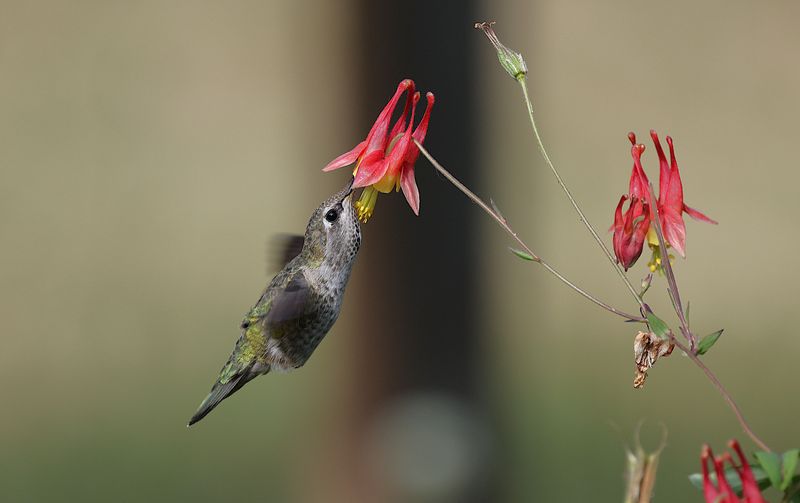
Hummingbirds returning in spring look hard for nectar, and wild columbine is ready early. Its red and yellow flowers dangle like tiny lanterns on thin, wiry stems.
Each bloom has long spurs filled with nectar that hummingbird tongues reach easily. Few other flowers open that early, so your garden becomes a valuable pit stop.
Wild columbine is happy in part shade, under trees, or along woodland edges. It even grows happily in rocky cracks where many other plants struggle.
Plant small starts now, or scatter seeds in fall for spring sprouts. Plants stay small, around one to two feet tall, with lacy blue-green leaves.
Columbine lives only a few years, but it reseeds itself freely nearby. Baby plants pop up in surprising places, like a garden playing hide-and-seek with you.
Why Warm Soil Builds Stronger Roots
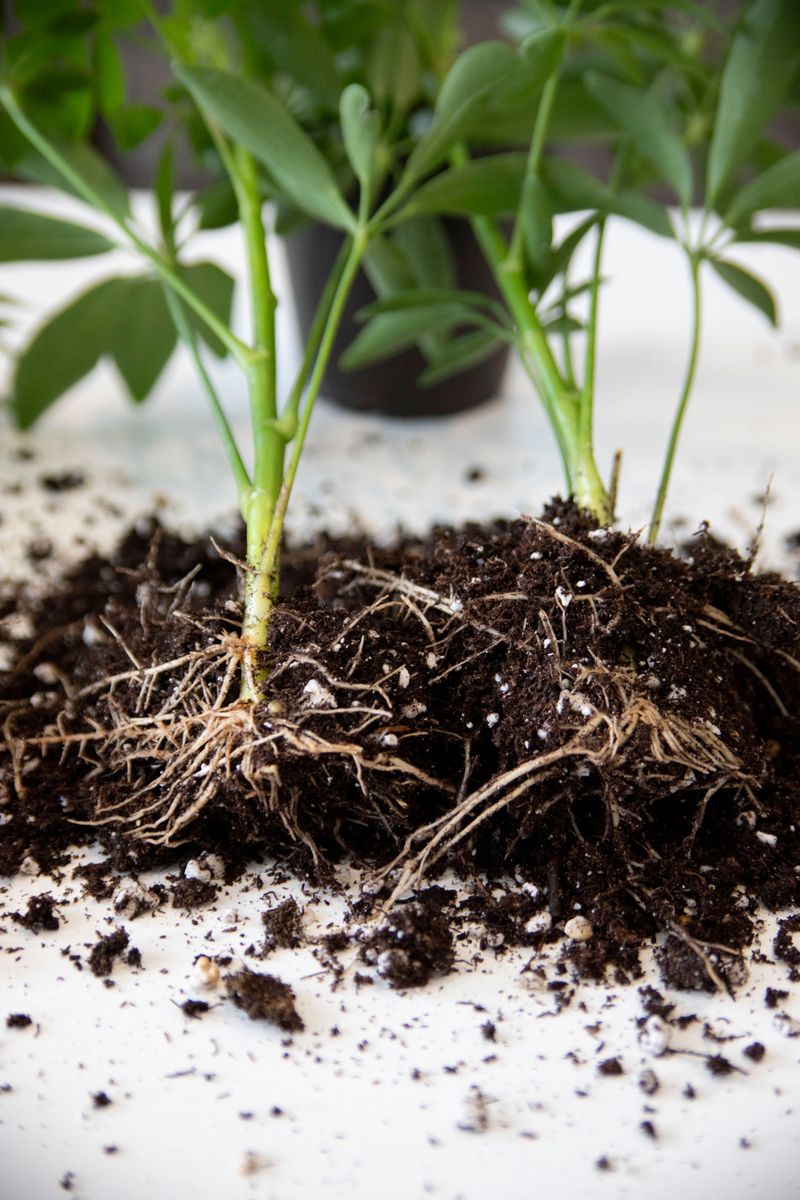
Think of fall as a quiet training camp for new plants. Above ground, things look sleepy, but underground the roots are busy working out like athletes.
Soil in October stays warm from summer, while the air turns cool and comfortable. Warm soil encourages root growth, and cool air means plants lose less water.
North Carolina shows how well this works. Its Piedmont region has mild winters, steady autumn rain, and soil that stays workable well into November.
Nearly all of the plants in this article grow wild somewhere in the state, so gardeners there can plant in fall with confidence.
Summer plantings lag because they must grow roots and leaves during intense heat. Fall plantings can focus more of their energy on roots first.
By spring, these plants have a head start of several months over spring-planted ones. They often bloom sooner and handle the first heat wave much better.
Give new plants a deep drink every week until the ground freezes. After that, a layer of shredded leaves on top keeps roots cozy like a blanket.
Busy Gardeners Water Less
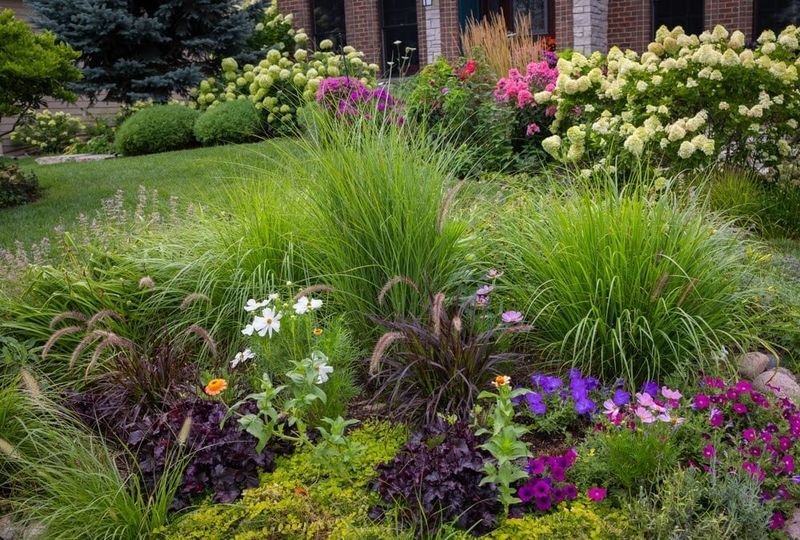
Dragging a heavy hose around every single evening in July takes real time. Native plants can free you from that chore once they settle in.
Over thousands of years, they slowly adapted to your area’s normal rainfall and weather. Their roots dig deep, finding moisture that shallow lawn grass cannot reach.
Fall rain helps water new plants, though long dry spells still need a hose. Cloudy days and cool nights also slow down how fast soil dries out.
Once a native garden matures, many plants need extra water only during long droughts. That means lower water bills and more free time on summer weekends.
Group plants with similar needs together, like dry-loving ones in sunny spots. Then you can water smarter and spend more time enjoying lemonade on the porch.
Native Plants Feed Local Wildlife
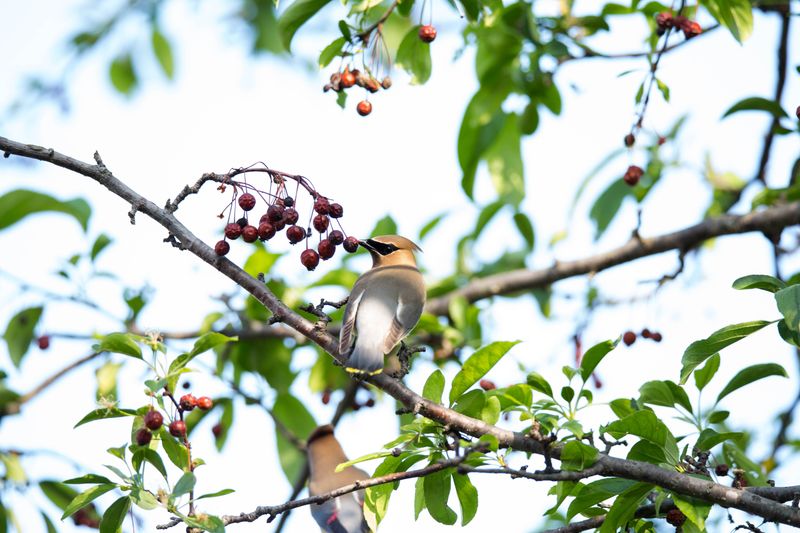
A garden full of native plants is basically a grocery store for wildlife. Many birds, bees, and butterflies evolved alongside these plants and truly depend on them.
Baby songbirds, for example, eat mostly soft caterpillars rather than hard seeds. A single nest of chickadees may need thousands of caterpillars before the chicks fly.
Many of those caterpillars eat only certain leaves from native plants. Many imported shrubs look pretty but support far fewer of the hungry local insects.
Native flowers also supply nectar and pollen that local bees know how to use. Seeds and berries later feed birds through the long, cold months ahead.
Even a small patch on a balcony or along a sidewalk can help a lot. Watch closely, and you’ll likely notice new visitors showing up within the first year.
Easy Care Means Relaxed Weekends
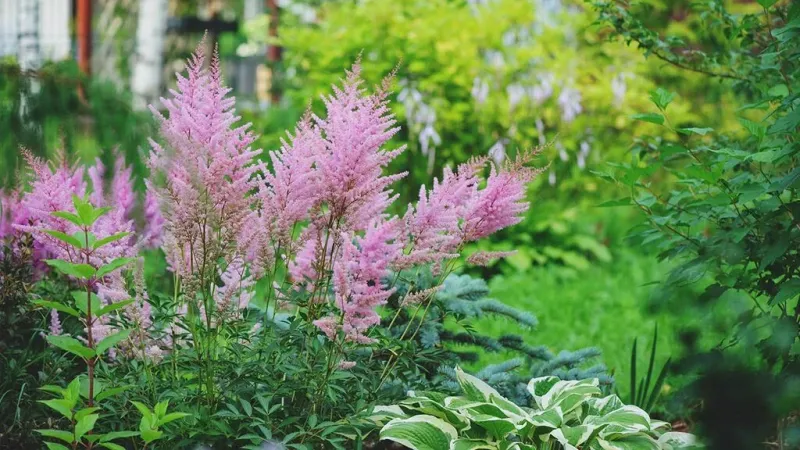
Some gardens need frequent upkeep, including regular watering, feeding, and close attention. Native plants usually need far less care once they are fully settled in.
They grew up in local soil, so they seldom need fertilizer or special mixes. Adding too much plant food can actually make them floppy and weak.
Pests and diseases can also bother natives less than some imported ornamental garden plants. Local predators like ladybugs and lacewings help keep pest populations in check.
You can skip most fall cleanup, too, which makes weekends way more relaxing. Hollow stems and leaf piles shelter sleepy overwintering bees and butterflies until warm spring days.
After a few years, a quick spring trim and weeding cover yearly chores. That leaves more time for relaxing in a hammock while the garden needs less attention.
Fall Sales Make Spending Smarter
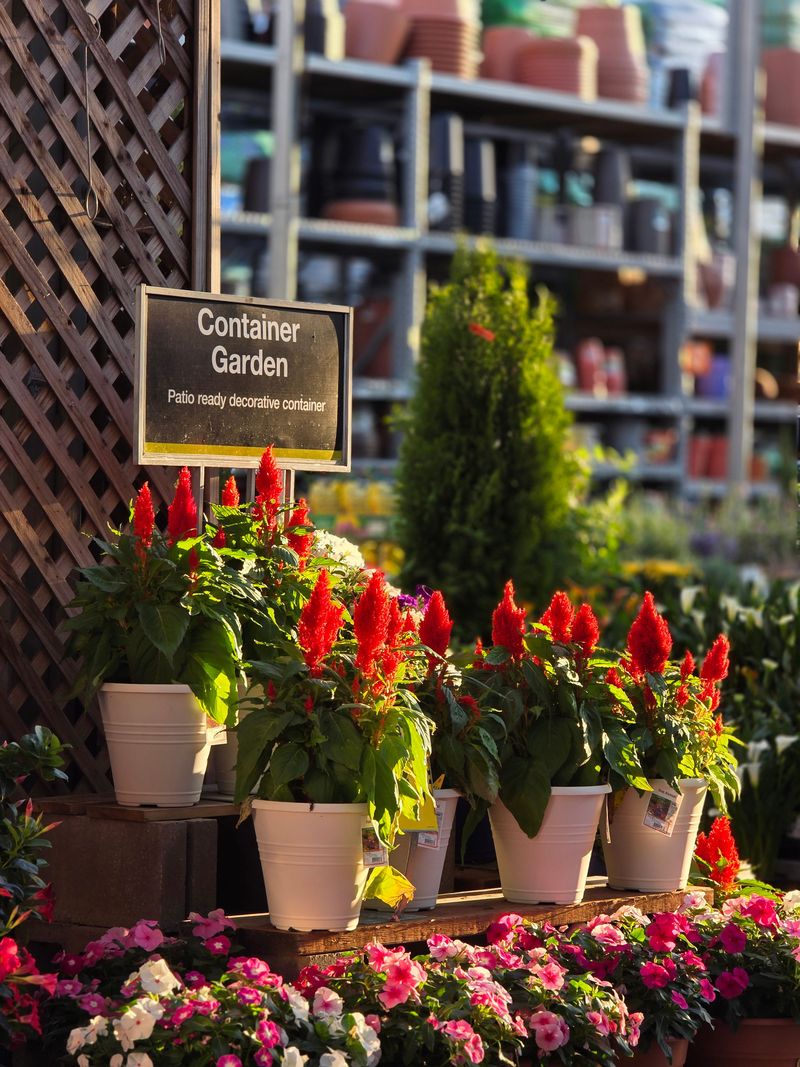
Garden centers in October feel a little like the last day of a yard sale. Shelves are crowded, and owners would rather sell plants than store them all winter.
Many nurseries discount perennials, shrubs, and trees in fall, though amounts vary by store. Pots may look scraggly, but roots underneath can be healthy, so check first.
Slide a plant gently from its pot to check for white, firm roots. Skip any with mushy brown roots or a sour, swampy smell.
Native plant societies, including several in North Carolina, also host fall sales packed with local species at fair prices. Volunteers there love answering questions about which plants fit your yard best.
Buying now means paying less while getting plants with a jump on spring. Your wallet and your future garden will both thank you next year.