Do This For California Roses In October Or Next Spring’s Blooms Suffer
Autumn rose beds can look harmlessly untidy. Faded petals, yellowing leaves, and a few spotted stragglers seem like nothing more than seasonal clutter.
Beneath that clutter, though, trouble may be settling in for a long stay.
Cooler weather marks a turning point for these plants, as growth slows and the garden shifts toward rest.
What happens during the next few weeks can shape how the bushes look when warm weather returns.
None of the work requires special skill or an entire weekend, and a few tempting habits are better left alone.
Small efforts made now tend to pay off in a big way, often in the form of cleaner leaves and bigger blooms come spring.
1. Rake Up Fallen Leaves Now
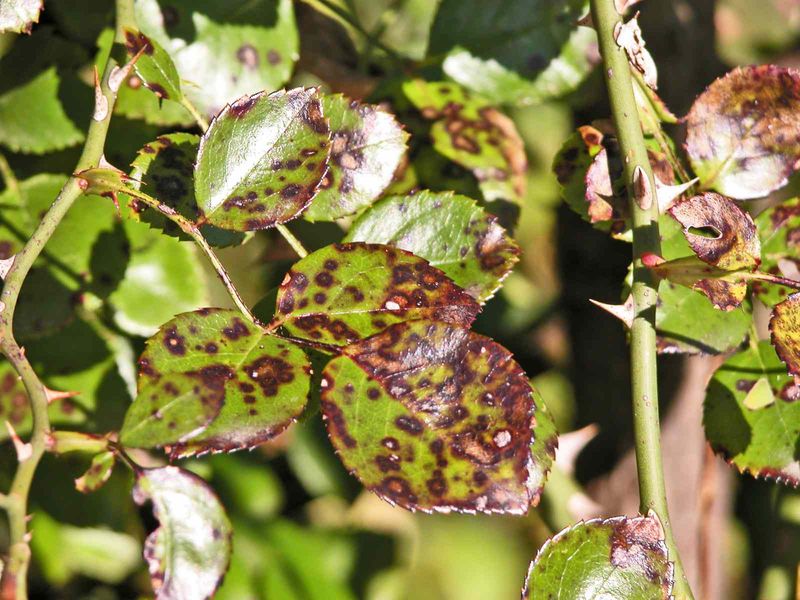
Dark, fuzzy-edged spots on a fallen rose leaf mark black spot, and the fungus doesn’t vanish when the leaf drops. It simply waits on the ground for its next chance to spread.
UC IPM explains that black spot and rust can survive winter on fallen leaves and infected canes. Spring rain or sprinkler splash then bounces spores onto brand-new foliage.
Before long, the cycle starts again, and plants lose leaves they need to make food. Weakened bushes then produce fewer, smaller blooms.
Raking breaks that chain. A leaf rake or gloved hands can gather every leaf under and around each bush, including tight corners near fences and walls where leaves tend to hide.
A small hand rake slips easily between thorny canes, sparing arms from scratches.
Repeat visits help. Roses drop leaves gradually through fall, so a quick sweep every week or two keeps the ground clean.
A tidy bed also makes it easier to spot pests, weeds, and soggy patches before they grow into bigger problems.
Dry days work best for the job. Wet leaves clump together and can spread spores onto tools and clothing.
A rinse of the rake and a wash of the gloves after working around sick plants keeps the fungus from hitching a ride to healthy roses elsewhere.
Clean ground in October means fewer surprises once spring growth appears, and healthier leaves follow.
2. Bag Diseased Leaves Instead Of Composting
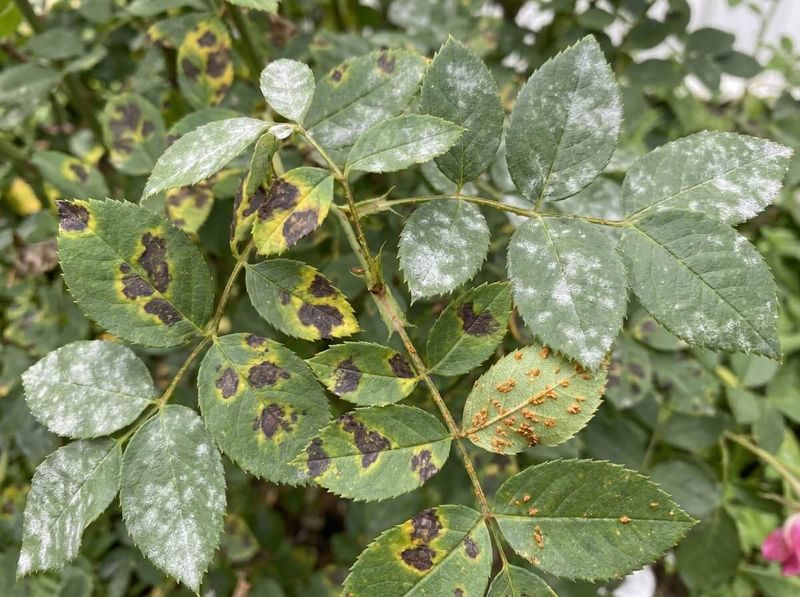
A compost pile seems like the right home for every leaf in the yard. Spotted, rusty, or mildewed rose leaves, however, belong somewhere else.
Home piles often fail to reach temperatures high enough to destroy the fungi hiding on that foliage. A backyard heap can stay warm in the center while the edges remain cool.
Spores on those outer layers may survive just fine. Finished compost spread around roses next spring could then return the problem right where it started, and a season of careful raking would go to waste.
Bagging offers a safer route. A sturdy trash bag, tied shut, can go straight into the garbage.
Some California cities accept plant material in green waste bins, where large commercial facilities reach much higher temperatures than home piles. Programs vary from town to town, so local rules deserve a quick check.
Your California Garden Changes Every Week. Your Plan Should Too.
Gardening in California changes quickly throughout the season. Every Friday you’ll receive a simple weekly plan showing exactly what to plant, prune, fertilize, harvest, and protect so you never miss the right timing.
A bag kept close while working saves a second trip and stops wind from scattering leaves across the lawn or into neighboring beds.
Leaves with orange rust bumps underneath or black blotches on top make obvious candidates for the bag.
Healthy leaves tell a different story. Clean, unspotted foliage from other plants can still feed the compost pile.
Careful sorting lets the good material build soil while the troubled leaves exit the property. October, when leaf drop picks up, makes this habit especially valuable.
3. Snip Spent Blooms
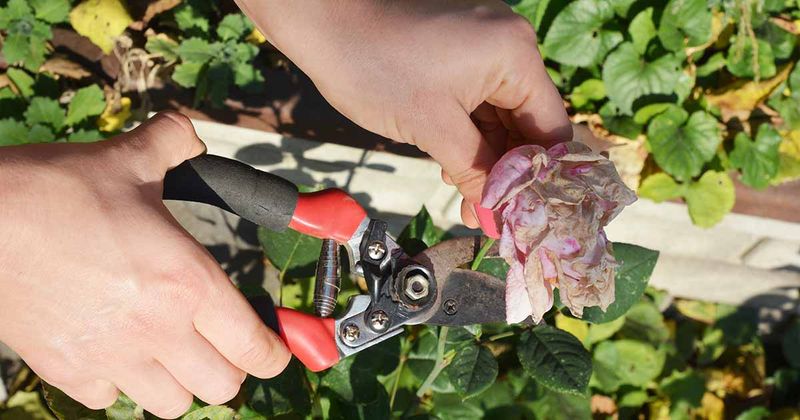
Soggy, brown rose heads after an early fall drizzle do more than look unattractive. Old petals hold moisture, and damp, decaying flowers invite gray mold, known as botrytis.
That fuzzy gray growth can creep from petals onto nearby buds and stems. Removing spent blooms keeps plants tidy and eliminates those soggy spots.
Clean, sharp hand pruners make the job easy, with each cut just below the faded flower. Fall cuts work best when kept light, since the goal is grooming rather than reshaping.
Fallen petals deserve attention, too. Mixed with leaves on the ground, they add to the debris fungi love, so collecting them along the way helps.
Some gardeners stop snipping in late fall on purpose and let a few flowers form rose hips. Those round, colorful fruits signal the plant to slow down and prepare for rest.
Many old garden roses and species roses produce bright red or orange hips that look festive through winter. Birds sometimes visit them, too.
A balance works well in most yards. Mushy or moldy blooms come off, while a few healthy ones can stay to form hips.
Wiping pruner blades with a household disinfectant between plants that show disease prevents spreading trouble from bush to bush.
The result is sharper-looking bushes with far fewer places for decay to settle in. Those small October efforts carry straight through to a cleaner start next spring.
4. Hold Off On Hard Pruning Until Winter
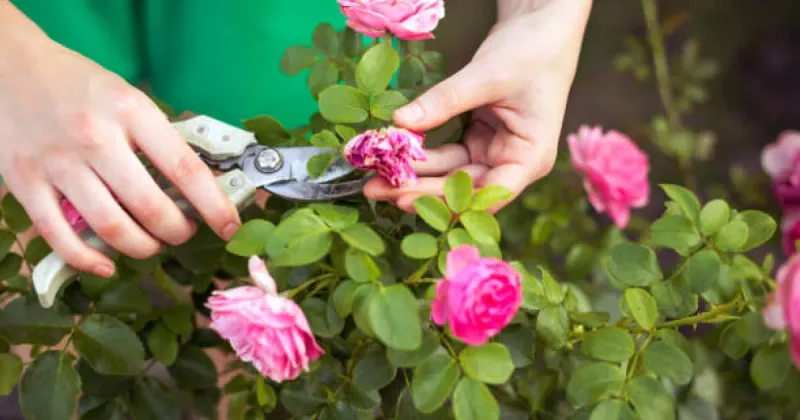
Plenty of gardeners reach for the loppers in October and cut roses down to knee height. It feels productive, yet the timing works against the plant.
A hard cut sends a wake-up signal. Roses respond to big cuts by pushing out fresh shoots, and mild fall weather across much of California lets that growth take off.
Those tender stems then face cooler nights, possible frost in inland valleys, and the damp conditions that fungi enjoy.
UC guidance points to winter as the time for major rose pruning, once plants are dormant or nearly so. In most of California, that means roughly December through February.
Coastal and southern gardeners often prune in January, while colder foothill and mountain areas may wait until late winter.
Light trimming still works now. Brittle, spent wood, clearly diseased canes, and long stems that whip in the wind and might snap can all come off.
Branches crossing a walkway or poking into a neighbor’s yard deserve a trim, too. Cuts back to healthy tissue work best, with anything spotted or cankered going straight into a bag.
Patience pays off here. Waiting lets the plant store energy in its canes and roots through fall.
A winter prune also reveals the bare structure clearly, without leaves in the way. Those big shears can rest on the shelf for now, ready for a far better-timed haircut in a couple of months.
5. Stop Heavy Feeding This Late
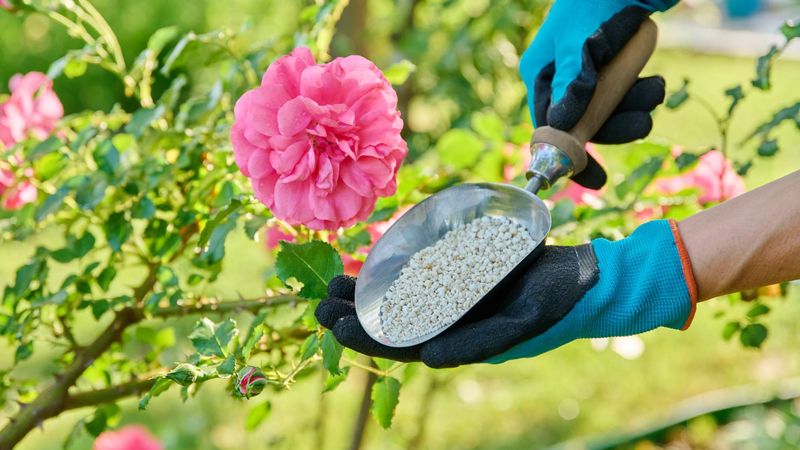
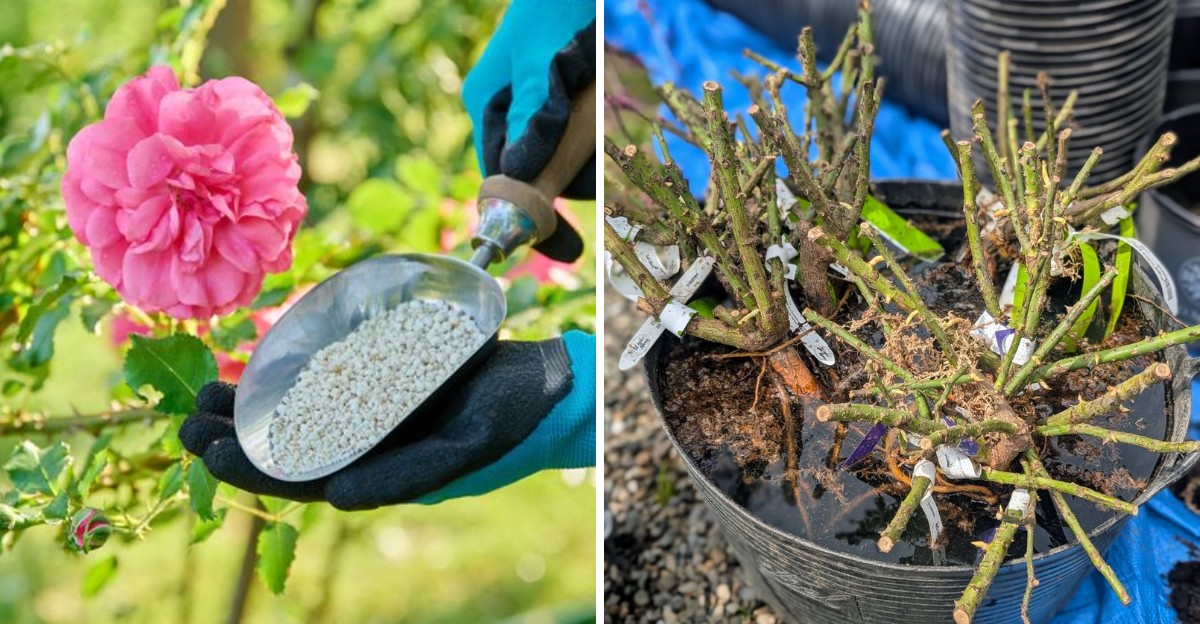
Fertilizer feels like a generous gift. In October, though, a big dose of nitrogen tends to arrive at exactly the wrong moment for roses.
Nitrogen fuels fast, leafy growth. Heavy fall feeding pushes roses to produce soft new shoots just as the season winds down.
That young growth stays tender and more vulnerable to cold snaps. Soft, crowded leaves can also make easier targets for powdery mildew.
UC ANR rose care calendars generally suggest tapering off fertilizer as fall arrives. Most place the last feeding in late summer or early fall, depending on climate.
Plants then slow down naturally and prepare for winter rest, storing energy in their canes and roots.
Labels on any open products deserve a careful read. Many rose foods are high in nitrogen and designed for spring and summer bursts of growth.
Slow-release granules applied in late summer may still be feeding plants now, so additional doses can stack up quickly.
Healthy soil matters more than extra fertilizer this time of year. A layer of compost or mulch around the root zone, kept back from the canes, improves soil gradually without forcing growth.
Worms and soil microbes handle that gentle work.
Fertilizer saved for spring, when new leaves emerge and roses truly need a boost, supports strong growth and plenty of flower buds right when plants can put them to use.
6. Water Deeply When Rains Stay Away
October in California can feel hotter and drier than August. Santa Ana winds in the south and warm spells up north can bake a garden long after summer officially ends.
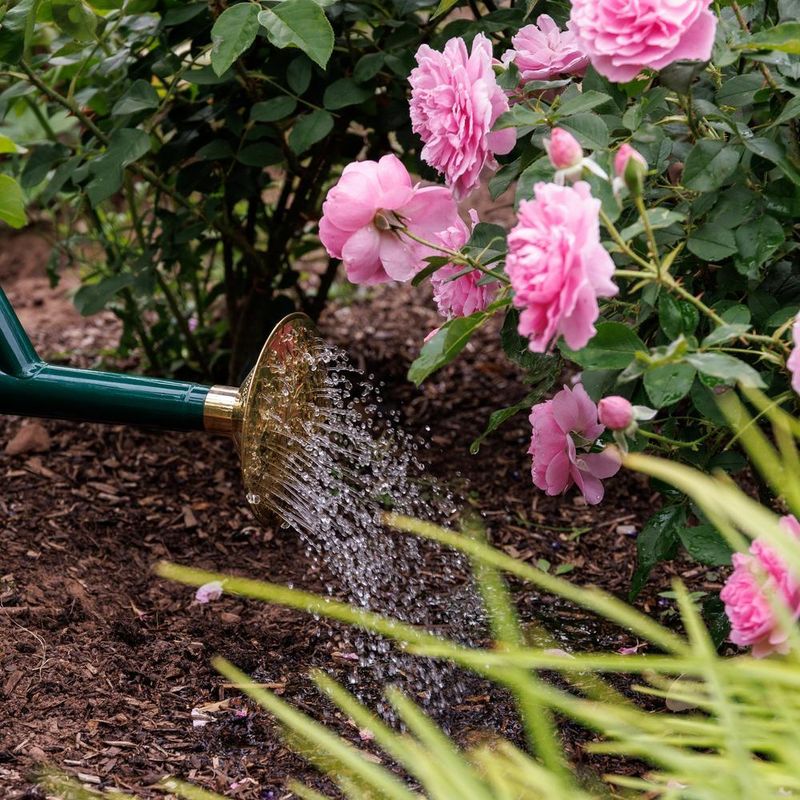
Roses still need water, even as their growth slows and leaves begin to drop. Deep, infrequent watering works best.
The goal is soaking soil until moisture reaches the root zone, which for established roses can extend well below the surface. A quick sprinkle only wets the top inch or so and encourages shallow, thirsty roots.
Drip lines and soaker hoses deliver water to the soil while keeping leaves dry. UC IPM notes that wet foliage helps black spot and rust spread, so overhead sprinklers are best avoided.
When spraying can’t be avoided, early morning watering lets leaves dry fast.
A quick soil check comes first. A finger or trowel pushed a few inches deep reveals what’s happening below the surface.
Dry soil signals time for a soak. Damp soil means waiting a few more days.
Once steady winter rains arrive, irrigation can scale back or shut off entirely, since soggy soil harms roots as much as drought does.
Many gardeners forget to adjust timers, so a phone reminder to check after the first big storm helps.
Smart watering keeps roots healthy through fall and into winter, and strong roots support a stronger plant waiting for spring.
7. Refresh Mulch Away From The Canes
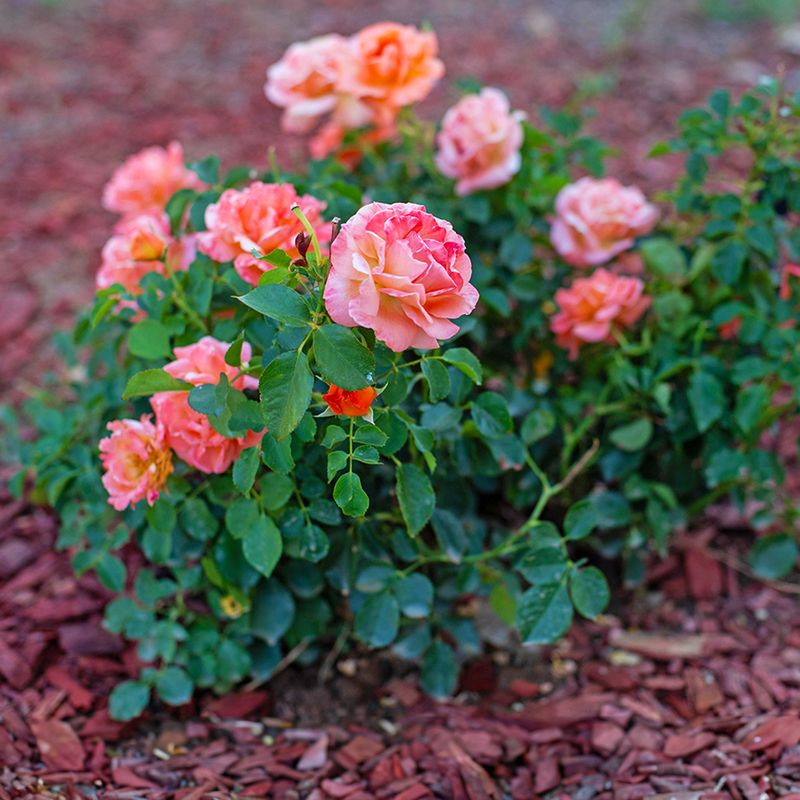
Old mulch has a habit of disappearing. By fall, last spring’s layer may be thin, broken down, or scattered by wind and rakes, so a fresh top-up gives roses a cozy blanket for cooler months.
Timing matters. New mulch works best after raking is finished, since spreading it over diseased leaves only buries the problem.
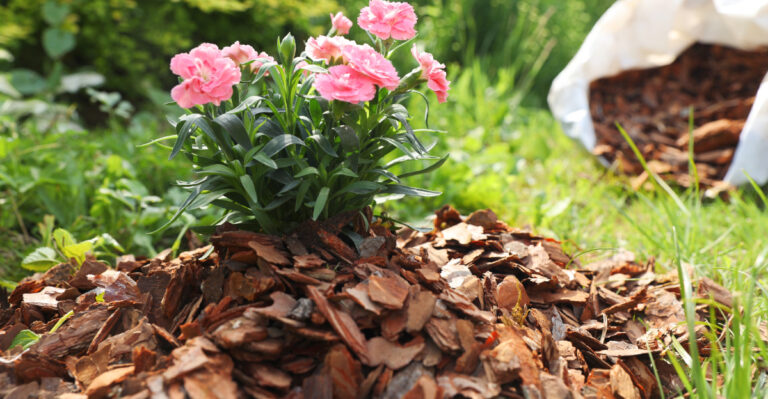
A layer of about two to four inches of organic mulch, such as wood chips, shredded bark, or compost, holds moisture, cools soil during warm spells, and blocks many weeds.
It also reduces how much soil and spores splash onto low leaves when rain falls.
Breathing room around the base matters. Mulch kept several inches back from the canes prevents trapped moisture, rot, and hidden spots where pests can chew.
The ideal shape resembles a flat ring rather than a mound piled against the stems.
Mulch spread out to the drip line, the edge of the branches, protects more of the feeder roots than a small circle near the base.
Fire safety deserves a thought, too. Roses growing within five feet of the house fall inside Zone 0, where newly approved rules exclude bark mulch and wood chips and limit woody plants, so CAL FIRE can help confirm what fits.
Many California communities offer free wood chips or compost to residents, making this one of the cheapest and most helpful fall chores. A fresh layer also gives the whole garden a crisp, cared-for look.
8. Order Bare-Root Roses For Winter Planting
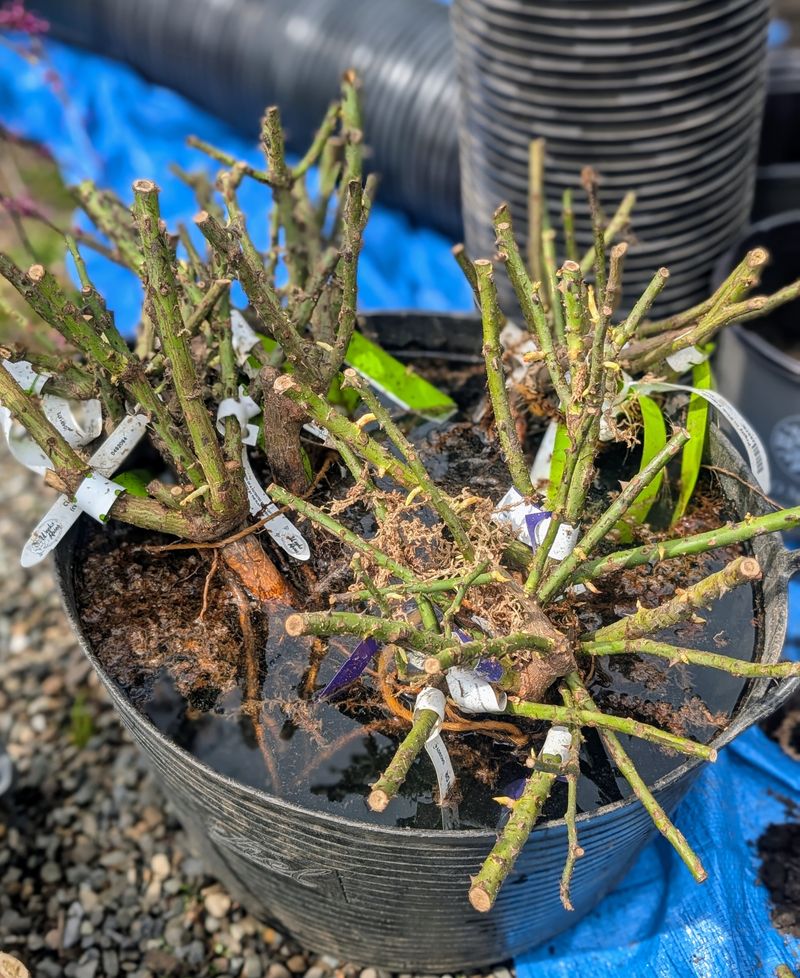
Rose catalogs start filling mailboxes and inboxes right about now. Popular varieties can sell out early, which makes October a smart time to browse and place orders.
Bare-root roses are dormant plants sold without soil around their roots. They may look like a bundle of sticks, but they wake up beautifully.
In California, they usually arrive at nurseries and ship from mail-order growers in winter, often December through February.
Winter planting gives roots time to settle into cool, moist soil before spring growth begins. UC ANR resources often point to bare-root season as an ideal time to add new roses.
Bare-root plants also tend to cost less than potted roses and come in a wider selection.
Disease resistance deserves top billing. After a month of battling black spot and rust, choosing varieties known to shrug them off makes good sense.
Local rose societies and nurseries can point toward types that thrive in a given area, whether near the coast or in a hot inland valley.
Planning the spot now pays off later. Roses want at least six hours of sun and good airflow, which also helps leaves dry and resist disease.
Marking the planting area and improving the soil before plants arrive saves time in winter.
Once the box shows up, a few hours of soaking for the roots prepares them for planting, and winter quietly handles the rest.