The One Thing California Citrus Owners Skip In Fall That Weakens Next Year’s Bloom
Fall in California tends to feel like a quiet season for citrus trees. Fruit slowly colors, the yard winds down, and most chores drift to the back of the list.
That calm can hide a risk many owners miss.
One overlooked task, usually needed on just a handful of nights, has a surprising influence on how many fragrant blossoms appear the following spring. It takes less than an hour, costs very little, and needs no special skill.
Inland valleys face the greatest odds, though coastal yards aren’t always spared.
The trees that bloom heaviest next April often owe their show to a few simple moves made long before the first flower bud ever swells.
Skipping Freeze Protection Is The Costly Mistake
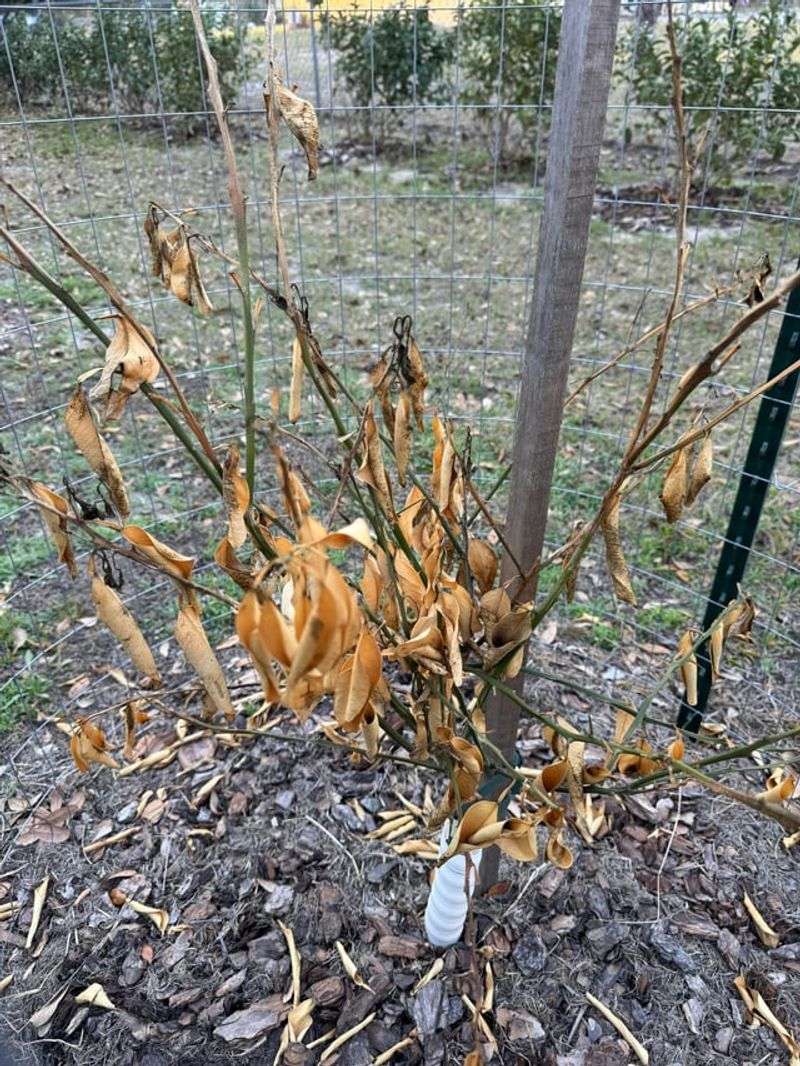
A backyard orange tree loaded with green fruit in November can look perfectly content. One clear, still night drops to 28 degrees, and by spring the bloom turns thin and patchy.
Freeze protection ranks as the fall task most California citrus owners skip. Pruning, picking, and raking get attention, while preparation for that first cold snap rarely does.
The steps are simple. Deep watering, mulch raked away from under the canopy, and frost cloth placed before sunset work together.
That combination helps the tree hold onto the warmth the ground soaks up during the day. One cold night matters far more than it seems.
Citrus forms its flowers on healthy twigs and fresh growth. When frost injures those twigs, the tree has fewer places to bloom.
It also spends spring energy repairing damage instead of pushing out blossoms. A single unprotected night in December can quietly erase a big share of the next year’s flowers and fruit.
Many Californians assume a mild climate makes this a non-issue. Inland valleys like Sacramento, Fresno, and the Inland Empire see regular frosts, though.
Even coastal gardens can dip near freezing on calm, clear nights. Checking the forecast from late fall through winter becomes a valuable habit.
A low that flirts with freezing works best treated as an appointment with the tree. A little effort that evening protects a whole season of bloom.
Frost Hits Tender Shoots And Flower Buds First
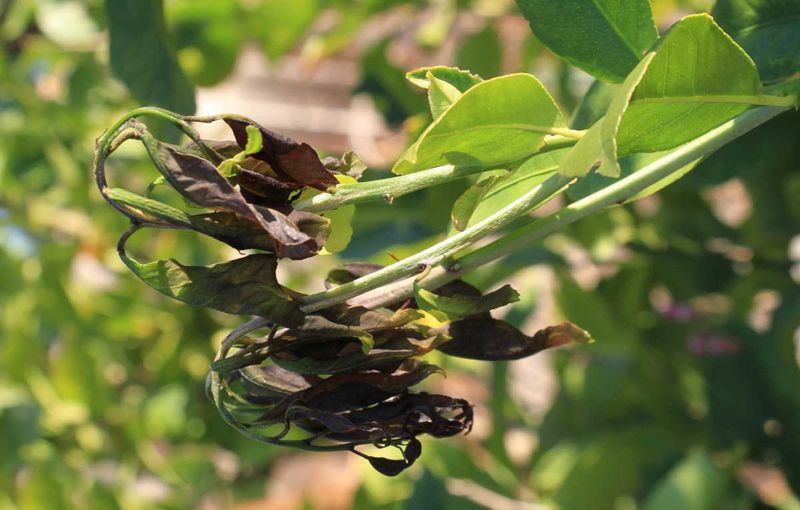
Soft, pale green leaves at the tips of a citrus branch look lovely in fall. They’re also the first to suffer on a frosty night.
New shoots carry thin tissue and plenty of water inside, so ice forms in them quickly. Frost works from the outside in.
Tender shoots, young leaves, small twigs, flowers, and fruit take the hit before older wood does. UC ANR notes that fruit can be damaged when temperatures fall below roughly 27 degrees, depending on variety and how long the cold lasts.
Leaves may curl, brown, or drop. Badly injured twigs can stay bare and brittle by late winter.
The bloom connection is straightforward. Citrus flowers appear on growth that is healthy and ready in spring.
Injured twigs produce few buds, and a tree with lots of damaged wood has less flowering space. The effect resembles a store losing its shelves right before a big sale.
Your California Garden Changes Every Week. Your Plan Should Too.
Gardening in California changes quickly throughout the season. Every Friday you’ll receive a simple weekly plan showing exactly what to plant, prune, fertilize, harvest, and protect so you never miss the right timing.
Varieties differ, too. Limes and lemons are the most sensitive, so they show trouble first.
Grapefruit and sweet oranges sit in the middle. Mandarins handle cold a bit better, and kumquats rank among the toughest common backyard types.
Knowing what grows in the yard shows how early to act. A Mexican lime may need help on a night a satsuma shrugs off.
The most delicate trees deserve protection first when the forecast turns chilly.
Water The Soil Deeply Before A Cold Night
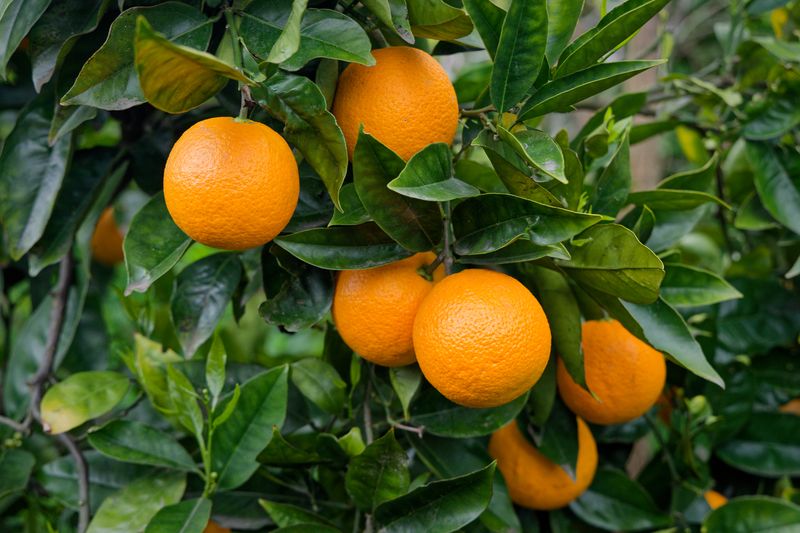
A deep watering a day or two before cold arrives might sound backward. Moist soil, however, ranks among the cheapest heaters any gardener can own.
Wet soil absorbs more heat from the sun during the day than dry soil does. After dark, it slowly releases that warmth back into the air around the tree.
UC ANR citrus guidance recommends watering ahead of a freeze for exactly this reason. Dry, dusty ground loses heat quickly, leaving the tree out in the cold, quite literally.
A deep soaking works far better than a quick sprinkle. The whole area under the canopy, out to the drip line where branch tips end, deserves water.
Slow watering lets moisture sink in and reach the roots instead of running off. A well-watered tree also handles cold stress better than a thirsty one.
Dry leaves and twigs suffer frost injury more easily, so hydration offers a double benefit. Timing matters, too.
Daytime watering gives the soil hours of sunshine to warm up. Soaking leaves at night is best avoided, since warm ground rather than icy foliage is the goal.
Recent rain may have already left the soil moist. A finger or trowel pushed a few inches into the ground offers a quick check.
Damp soil signals readiness. Dry soil means it’s time to turn on the tap and let the earth stock up on warmth before the chill arrives.
Rake Back Mulch So The Soil Can Hold Heat
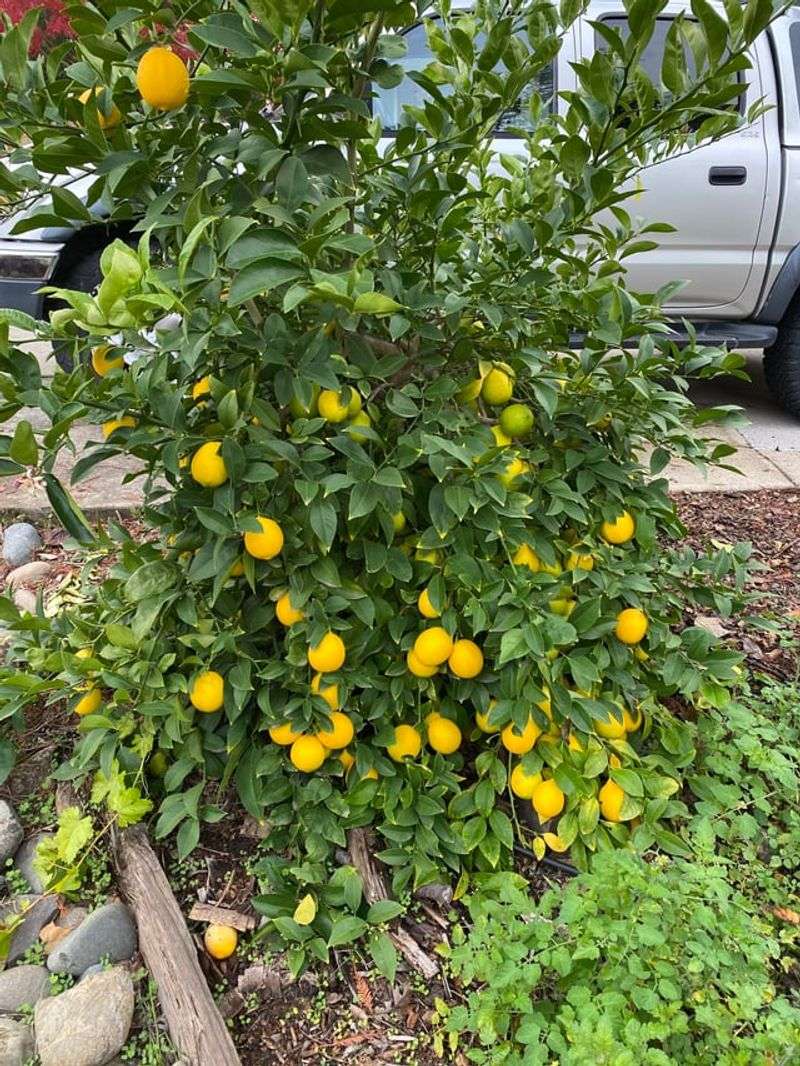
Mulch plays the hero all summer. It keeps roots cool, saves water, and blocks weeds, yet on a freezing night that cozy blanket of wood chips works against the tree.
A thick layer shades the soil, so the ground soaks up less sunshine during the day. At night, mulch also traps what little heat the soil holds, keeping it low instead of letting it rise around the branches.
UC ANR guidance suggests raking mulch back from under the canopy before a freeze. Bare, moist soil does a far better job of storing daytime heat and sharing it after sunset.
The job goes quickly. A garden rake pulls mulch out past the drip line, leaving a clean circle of exposed dirt under the tree.
Piling the chips in a ring or a spare corner makes them easy to spread back later. Raking a few days before the cold gives bare soil time to warm in the sun.
Fallen leaves, weeds, and tall grass in the same area deserve removal, too. Anything covering the ground acts like a sun umbrella that winter doesn’t need.
Once frost risk passes in spring, the mulch can return to its usual spot. It then helps again with summer heat and water savings.
Keeping it a few inches away from the trunk prevents rot. A few minutes of raking gives the tree the best of both seasons.
Cover The Canopy Before Sunset
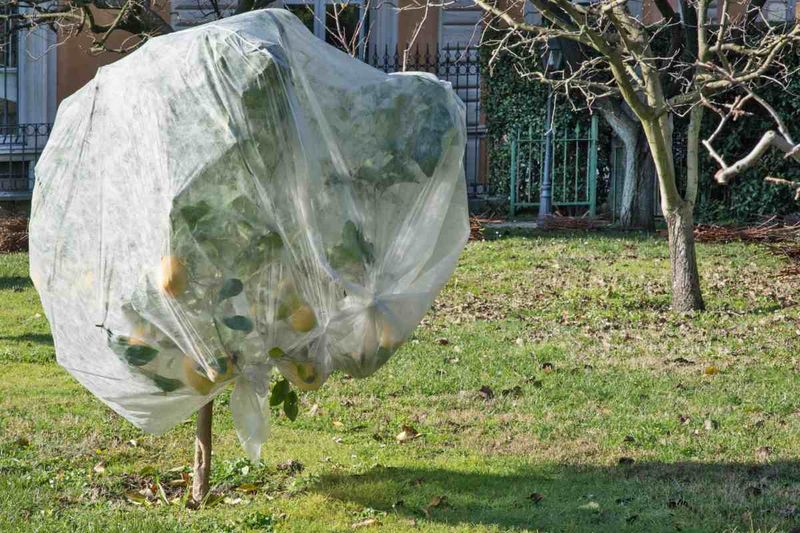
Late afternoon offers the sweet spot. Soil has warmed all day, and that heat is best trapped before the sun dips below the fence.
A cover placed before sunset captures the warmth. Waiting until midnight lets much of it escape.
Frost cloth, also called row cover or frost blanket, makes the best choice. It’s lightweight, breathable, and made for the job.
Plastic makes a poor pick because it holds little heat, and any spot where it touches leaves can chill them faster. Old bedsheets or blankets work in a pinch, though frost cloth handles more easily and lets in light.
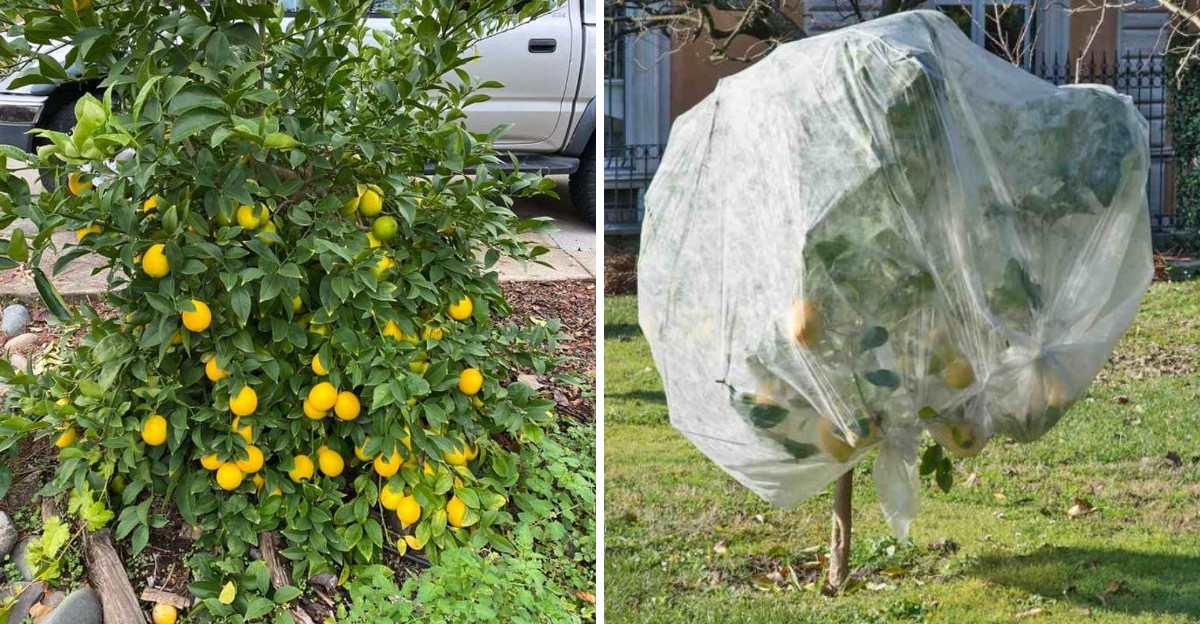
The cloth works best draped over the whole canopy and allowed to fall all the way to the ground. That forms a tent that holds in heat rising from the soil.
Bricks, rocks, or sandbags along the edges keep wind from sneaking underneath. Wrapping the cloth around the trunk like a scarf blocks warmth from below, so a loose tent works better.
A frame of stakes helps keep fabric off tender tips on larger trees. The next morning, the cover comes off once temperatures climb above freezing.
Leaving it on for days can trap too much heat and moisture. Folding it neatly keeps it ready for the next cold night.
Some gardeners add old-style incandescent holiday lights under the cloth for extra warmth. Outdoor-rated cords and bulbs kept off the fabric keep that trick safe.
Young Trees Need Protection Sooner
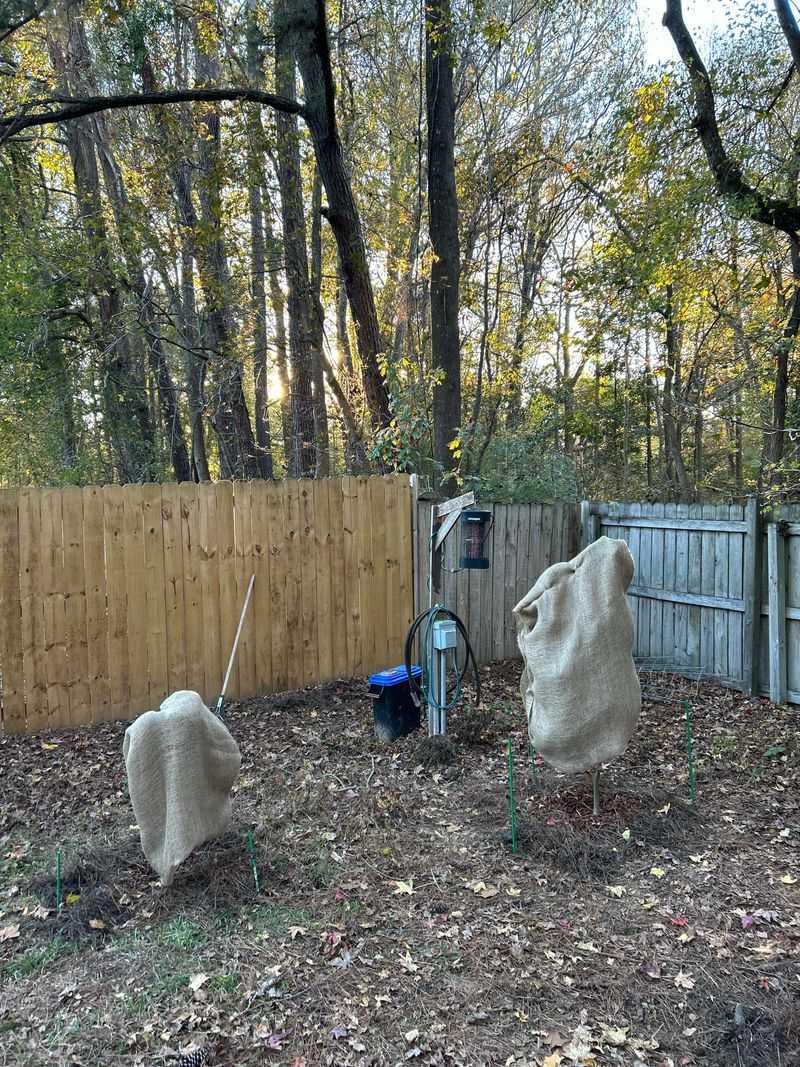
A lime tree planted last spring might look sturdy, yet it still lacks the reserves of an older tree.
A night that barely bothers a 20-year-old orange can badly hurt a tree planted just a year or two ago.
Young trees have small canopies, thin bark, and few leaves to shelter their inner branches. Their roots haven’t spread far yet, so they pull less water and handle stress poorly.
Older trees store more energy and carry thick wood that shrugs off a light chill. A young tree has much less to fall back on.
Frost can damage its trunk and main branches, not just the tips. That deeper injury can set growth back for a full season or more.
Earlier action pays off. UC ANR guidance suggests watering and covering citrus when temperatures approach 30 degrees.
For young or recently planted trees, starting the routine as the forecast nears freezing works best, especially for sensitive limes and lemons. Their small size makes the job easy, since a single frost cloth often covers the whole tree.
Potted citrus deserves extra attention, too. Container roots sit above ground and chill faster than roots in the earth.
Pots rolled close to a south-facing wall or under a covered patio stay warmer on cold nights. Grouping them together helps them share warmth.
Protecting young trees first builds the strong frame they need. Years of heavy bloom later depend on those careful early winters.
Late Fertilizer Makes Frost Damage Worse
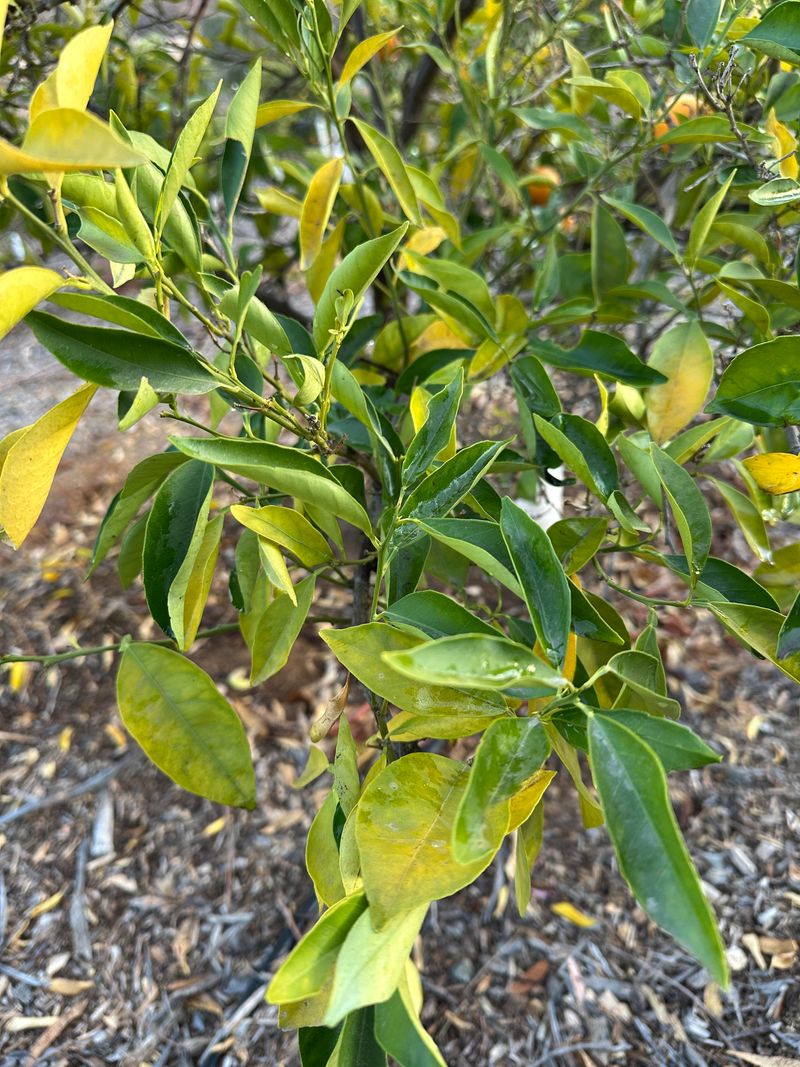
A September scoop of citrus food can feel generous. The tree looks hungry, the bag sits right there, and a little boost seems harmless, yet that kindness can backfire once frost rolls in.
Nitrogen tells citrus to grow. Late-season feeding pushes out a flush of soft, leafy shoots right before winter.
Those tender tips are the exact growth frost injures most. Instead of slowing down and toughening up, the tree enters cold weather wearing its thinnest clothes.
More damaged shoots mean fewer healthy twigs ready to flower in spring. Better timing keeps everything in balance.
UC ANR guidance generally places citrus feeding from late winter through early summer, often split into a few smaller doses. Many California gardeners feed around February, again in spring, and finish by early summer.
Growth from those feedings has time to mature and firm up long before cold nights arrive. That firm wood forms the foundation for next year’s flowers.
By fall, the fertilizer bag works best tucked away on a shelf. The tree benefits from resting and hardening its existing growth.
Leaves that look a bit pale in autumn can wait for attention. A note to plan a late winter feeding handles the issue without inviting frost trouble.
Mature, hardened wood handles cold far better than fresh shoots. Smart timing feeds the bloom rather than the frost, turning fertilizer into spring flowers instead of winter damage.