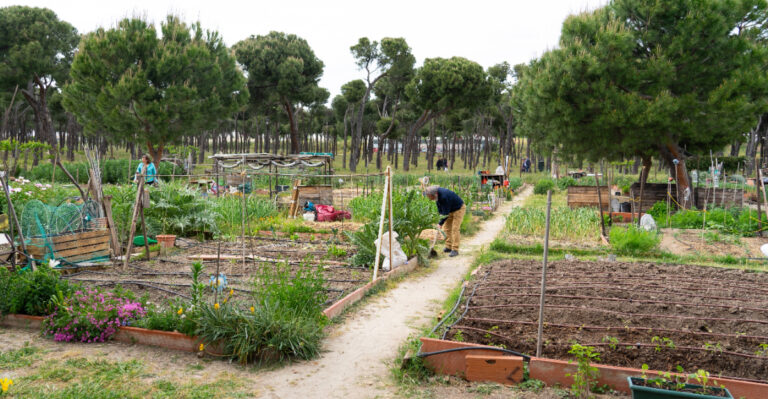
The Leftover Stems In New Jersey Gardens Are Occupied Nurseries
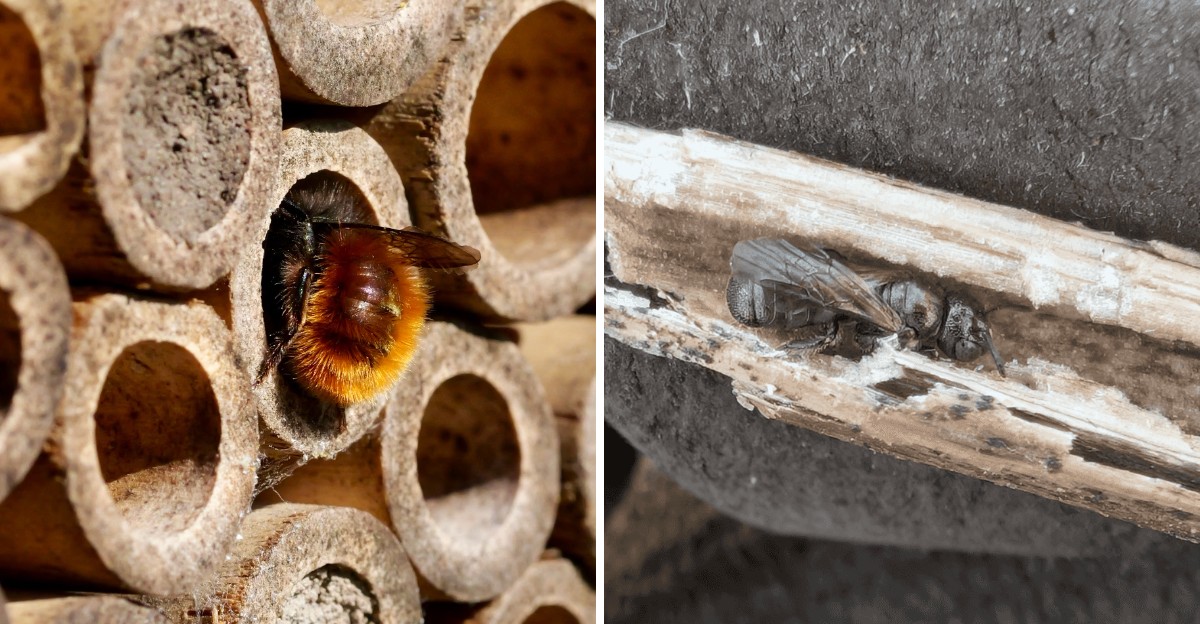
Your clippers could disturb many insects this weekend. Hollow stems of bee balm, coneflower, and raspberry shelter native bees through winter.
Mason bees seal their larvae inside, tucked behind walls of mud. Ladybugs and lacewings wedge themselves under peeling bark and curled leaves.
Chrysalises hang from dried stalks, camouflaged as ordinary leaves. Clear those stems in New Jersey and you reduce pollinator habitat.
Snug stems give sleepers in New Jersey some shelter from chilly winters. Leave stems standing knee-high, and you hand nesters a ready shelter.
Pile fallen leaves beneath shrubs where you can spare the space. Tidy only the edges near paths, and you can let back beds stay shaggy.
Wait until spring warmth settles, then you can prune stems gently. Reward arrives from spring into summer, when buzzing visitors fill your blooms. You host, and they pollinate generously.
Baby Bees Sleeping Inside Hollow Stalks
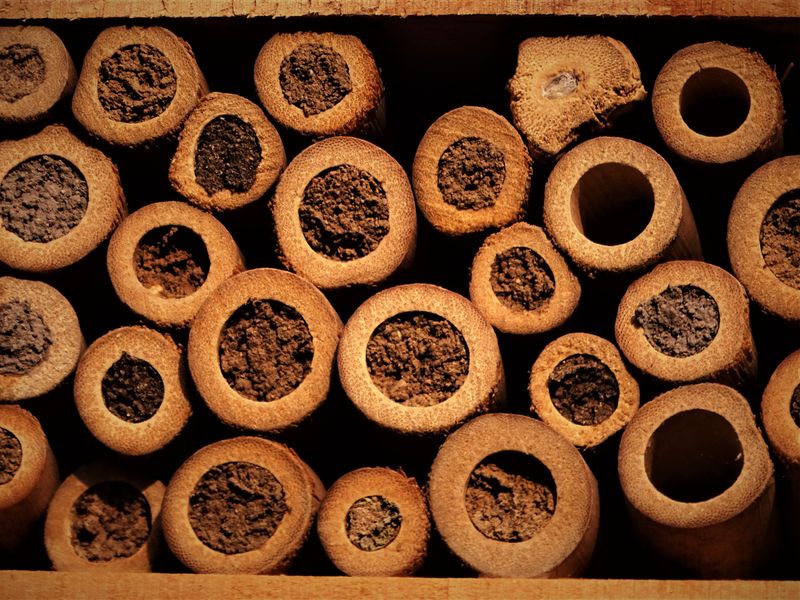
Picture a hollow stem with a little plug of mud or leaf at the top. That plug is a front door, and behind it sits a row of baby bees.
Many native bees in New Jersey are solitary, which means each female works alone without a hive. Instead of building wax combs, she nests in soil or hollow plant stems.
Small carpenter bees, mason bees, and leafcutter bees are some of the common stem renters. They are gentle, quiet, and often smaller than the honeybees many people picture.
Inside each stem, the young bees rest in separate rooms lined up like train cars. Every room holds one larva or a resting adult waiting for warmer weather.
By October, most of these youngsters have eaten their food and stopped growing for the season. They will stay tucked inside the stem through frost, snow, and icy wind.
Common estimates suggest around 30 percent of native bee species nest in stems or wood tunnels. That is a big share of the pollinators visiting your asters and berries.
So that messy patch of old bee balm or raspberry canes is not just garden clutter. It is a nursery full of future pollinators getting ready for spring.
Next time you walk past a dry stalk, look closely at the cut end. A dab of mud, chewed leaf, or packed pith means someone is home.
Give that tiny door a friendly nod and leave it alone for now. The tenants inside have big plans for April.
The Mother Bee Behind Many Sealed Tubes
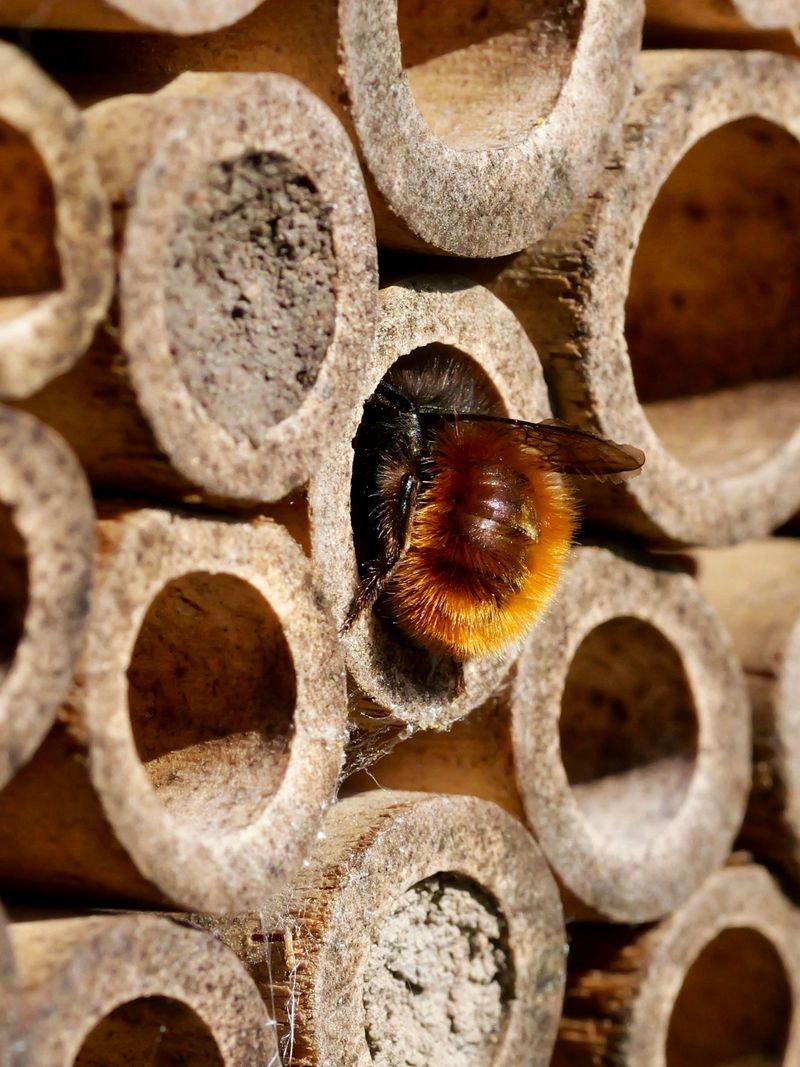
She works harder than any parent on your street, and she does it all by herself. Many female stem-nesting bees spend their short summer life building a home for offspring they will not meet.
First, she hunts for a stem that has been cut or broken open. Plants like sumac, elderberry, coneflower, and Joe Pye weed have soft centers she can dig through.
Some bees chew out the pith with strong jaws, creating a smooth tunnel. Others prefer stems that are already hollow, saving themselves a lot of hard work.
Your New Jersey Garden Changes Every Week. Your Plan Should Too.
Gardening in New Jersey changes quickly throughout the season. Every Friday you’ll receive a simple weekly plan showing exactly what to plant, prune, fertilize, harvest, and protect so you never miss the right timing.
Next, she gathers pollen and nectar from nearby flowers and packs it into a little ball. She lays one egg on top of the food, then builds a wall.
Walls might be made of mud, chewed leaves, tiny pebbles, or bits of plant fiber. Leafcutter bees snip neat circles from rose leaves, which explains those odd holes gardeners notice.
She repeats this process, room after room, until the tunnel is full. Female eggs often go deeper inside, while males sit closer to the exit.
Males hatch first in spring, so their spot near the door makes perfect sense. Finally, she seals the entrance with a thick plug to keep out rain and hungry wasps.
Her adult life often lasts a few weeks, so each stem holds much of her effort. Cutting it down in fall removes the nest she carefully built over the summer.
Think of her as a tiny architect who works on a tight schedule. Her blueprints live on inside every packed stem.
A Long Winter Wait Until Spring Warmth
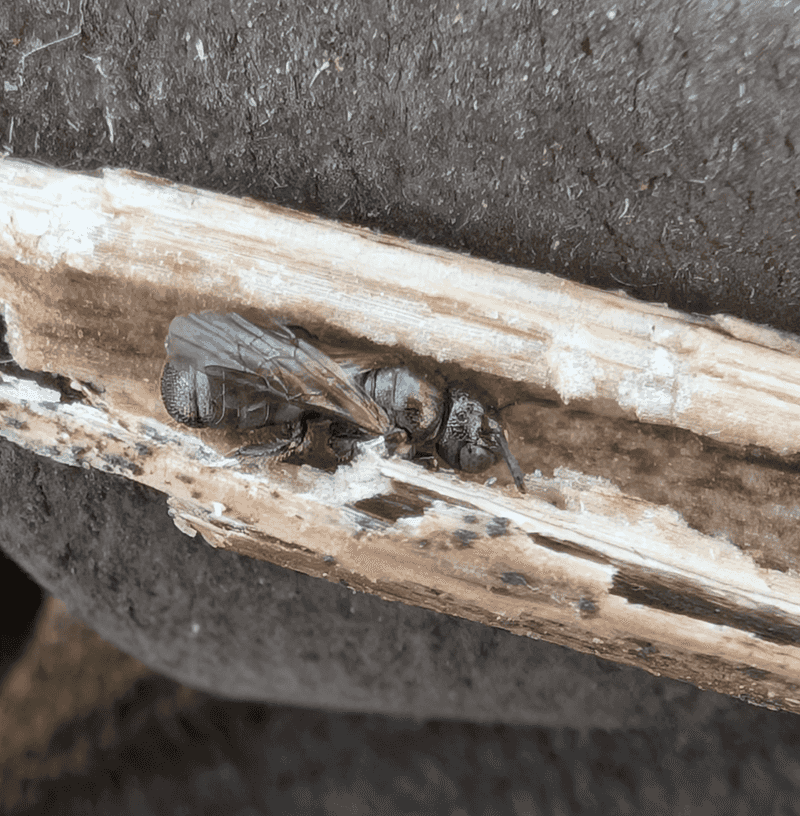
Patience is the name of the game for a baby bee in a New Jersey stem. From October until late spring, these little ones simply wait.
Most stem nesters spend the cold months as prepupae or fully formed adults resting in their cells. Their bodies slow way down, a bit like a bear snoozing in a den.
The stem acts like a sleeping bag, offering shelter from wind, snow, and sudden temperature swings. Even a thin stalk gives useful protection when it stays dry and intact.
Timing in spring depends on the species and the weather. Small carpenter bees and mason bees may wake up in April, while others wait until June.
Leafcutter bees often stay put until early summer, when roses and clover bloom. Because of this, a stem that looks empty in May might still have sleepy residents.
Some carpenter bees even reuse old stems the following year, adding fresh rooms to a family home. That means one stalk could serve bees for more than a single season.
Gardeners in the Garden State often feel tempted to tidy up during the first warm March weekend. Hold off a little longer, until daytime temperatures stay above 50 degrees for about a week.
Fruit trees blooming and dandelions popping up are good clues that bees are stirring. Watch the stems on a sunny afternoon, and you might spot a tiny head poking out.
Waiting feels slow for people, but it is right on schedule for bees. Mother Nature keeps her own calendar, and it does not match ours.
The Tidy Fall Cleanup That Affects Bee Nests
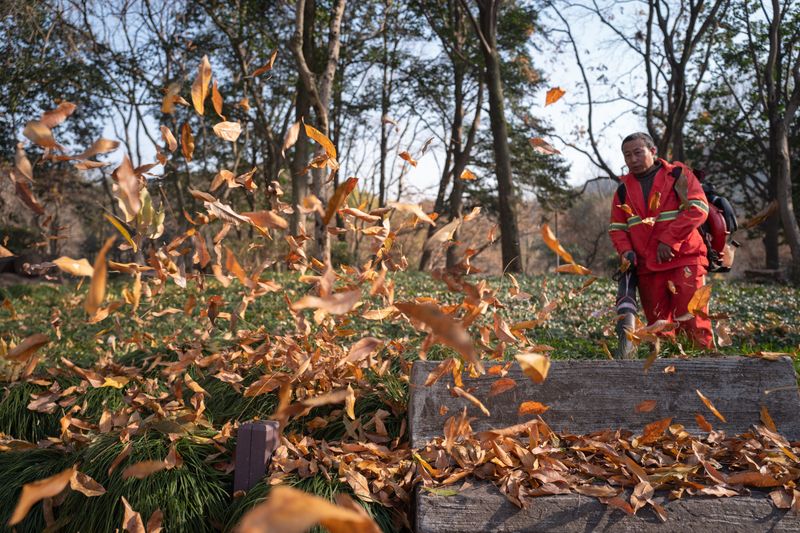
Raking, chopping, and hauling everything to the curb feels so satisfying on a crisp autumn afternoon. However, a very tidy garden can reduce nesting habitat available to native bees.
Many people learned that cutting plants to the ground in fall keeps gardens healthy. For native bees, though, those piles of trimmed stems often end up in the trash or chipper.
Once stems land in a yard waste bag, the young inside have lower odds of reaching spring. Chippers, crushing, and soggy conditions all cause trouble for these fragile youngsters.
Burning brush can harm stem nesters, and local rules often restrict open burning. Fire can destroy nest cells, along with overwintering ladybugs and helpful insects.
Another common mistake is laying stems flat on wet ground. Moisture and mold can spoil the pollen stores, and predators may reach the exposed cells much more easily.
Some bees choose stems standing tall because upright tubes tend to stay drier. Knocking them over can expose the mother bee’s careful work to moisture.
Even leaf blowers can scatter stems and cause damage around garden edges. A slower, gentler approach can protect more insect life through the winter.
Pest worries make sense, and many healthy stems pose little risk of spreading disease. Plants with mildew, black spot, or blight are best removed, while the healthy stalks can stay.
A garden that looks a little shaggy in winter is doing important work. Think of it as bedhead with a purpose.
Neighbors may raise an eyebrow at first. Tell them you are running a bee nursery, and watch their faces change.
A Smarter Way To Trim Old Stems
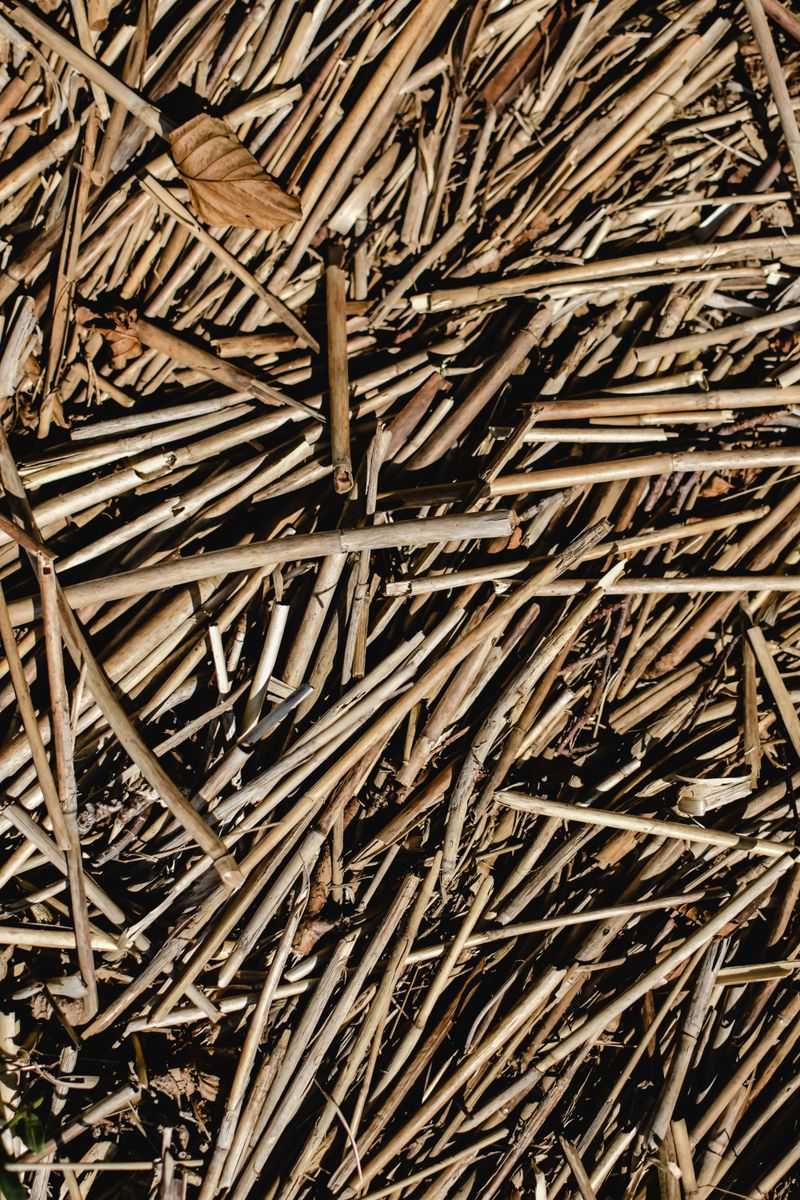
You do not have to choose between a tidy yard and happy bees. A few simple changes make room for both.
Start by leaving stems standing through winter instead of cutting them in October. Birds like goldfinches will also snack on seed heads, so the whole yard benefits.
In spring, cut stalks down to different heights between 8 and 24 inches. That staggered look gives returning bees fresh tubes to move into all season long.
Use sharp pruners to make clean cuts, leaving the bottom portion of each stem in place. Stand the cut tops upright in a quiet corner until summer.
Good plants for this method include bee balm, goldenrod, ironweed, hydrangea, and raspberry. Elderberry and sumac in New Jersey yards are especially popular with small carpenter bees.
If you must remove old stalks, bundle them loosely with twine. Then lean the bundle upright against a fence or tuck it in a quiet corner.
Keep bundles off the ground and away from spots that flood after storms. Bees inside can finish growing and fly away whenever they are ready.
Some gardeners even drill a few holes in a sunny fence post for extra housing. Just replace tubes every year or two to prevent mites, since drilled holes resist cleaning.
Snip carefully, and look for mud plugs or leaf caps before cutting anything. Those little seals tell you that someone is still at home.
Think of it as giving the garden a haircut instead of a shave. Bees, birds, and beetles will all thank you.
Next Year’s Garden Built For Tiny Tenants
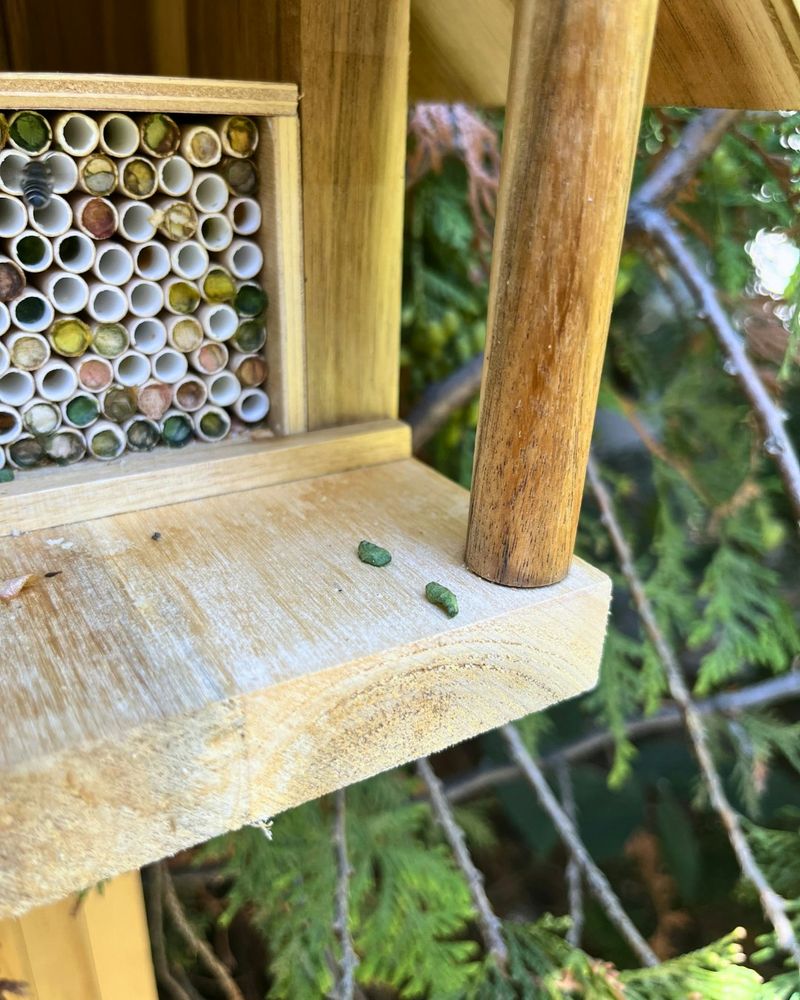
Imagine walking outside next May and hearing a soft buzz around many blooming shrubs. Those visitors could be the same bees that spent winter in your leftover stems.
Native bees are effective pollinators, often doing more work per visit than honeybees. Blueberries, squash, apples, and cherries all set better fruit when native bees show up.
New Jersey is a major blueberry state, and native bees support many crops nearby. Protecting nesting habitat can help local farms and wild places too.
To keep the cycle going, plant a mix of native flowers that bloom from spring through fall. Golden alexanders, wild bergamot, and New England aster cover the whole season nicely.
Skip pesticides whenever possible, especially sprays labeled for broad insect control. Even small amounts can harm bees resting inside stems or gathering pollen nearby.
Leave a sunny patch of bare soil, too, because many other native bees nest in the ground. A garden with stems, soil, and flowers becomes a full neighborhood.
Each October, take a quick walk around your yard with fresh eyes. Spot the stalks with plugged ends and mark them with a garden stake if needed.
Kids love this job, and it turns into a bee treasure hunt pretty quickly. Keep a notebook to track which plants attract the most nesting activity each year.
Over time, your garden can become a hotel that bees return to year after year. That steady buzz in spring is your reward for a little patience in fall.