The 10 Best Groundcovers For Michigan Yards That Too Many Gardeners Overlook
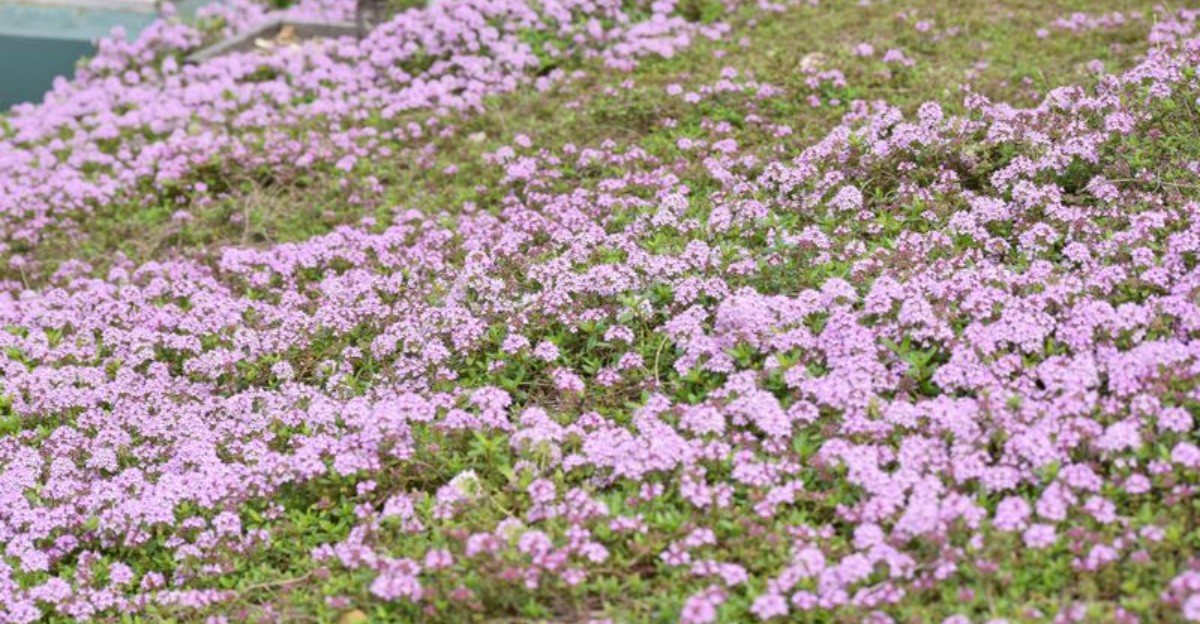
Lawns struggle in deep shade, steep slopes, and dry corners. Mulch fades every year and needs replacing. A good groundcover handles all of it and looks better doing the job.
Michigan gardeners have plenty to choose from, and many are tough enough for cold winters and snow cover. Some bloom in spring and carpet the ground in color. Others stay green through winter and soften hard edges.
Native choices feed pollinators and need less care once settled. Not every plant behaves well, though. A few spread so fast they can crowd out neighbors.
Picking the right one for your spot is the key. Ten dependable options deserve more attention, and each solves a different problem in the yard.
1. Wild Ginger Carpets Shade With Heart-Shaped Leaves
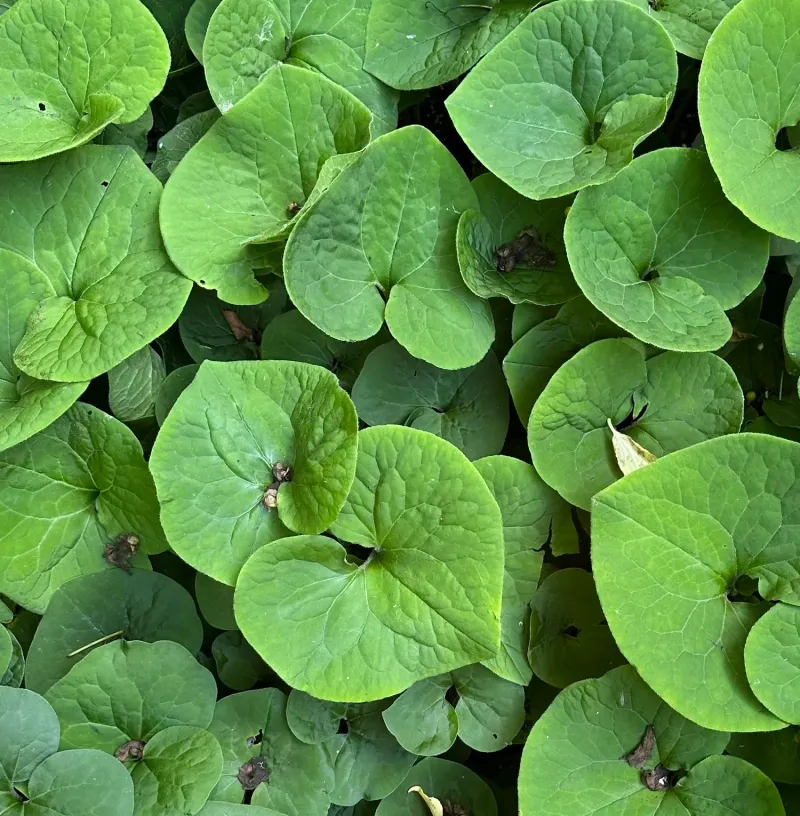
Lift a few leaves of wild ginger in May, and you will find a secret. Tiny reddish-brown flowers sit right on the soil, shaped like little cups. Most people never see them, which is one reason this native plant gets overlooked.
The real star is the foliage. Wild ginger (Asarum canadense) grows soft, fuzzy, heart-shaped leaves that overlap into a thick, low carpet about six inches tall.
In shady spots where grass gives up and hostas get chewed, it quietly fills the ground with fresh green color all season long.
Those hidden flowers have a purpose, too. They sit low to attract early insects crawling along the forest floor.
The roots also have a gingery smell, which is how the plant earned its name, although it is not the same as the ginger you buy at the store and should not be eaten.
Getting started is easy if you choose the right spot. Plant wild ginger in part to full shade where the soil is moist, rich, and drains well. A layer of shredded leaves works wonders, since it keeps roots cool and slowly feeds the soil just like a real forest does.
Water is key during the first season. Give plants a good soak during dry spells, and check them often in hot summer weeks. After a year or two, the clumps spread steadily by underground stems and need very little help.
Michigan is a perfect home for this plant. It grows naturally in rich deciduous woodlands across much of the state, under trees like maple, beech, and basswood. Bring it into your shady yard, and you are giving it a setting it already understands.
2. Pennsylvania Sedge Replaces Lawn In Dry Shade
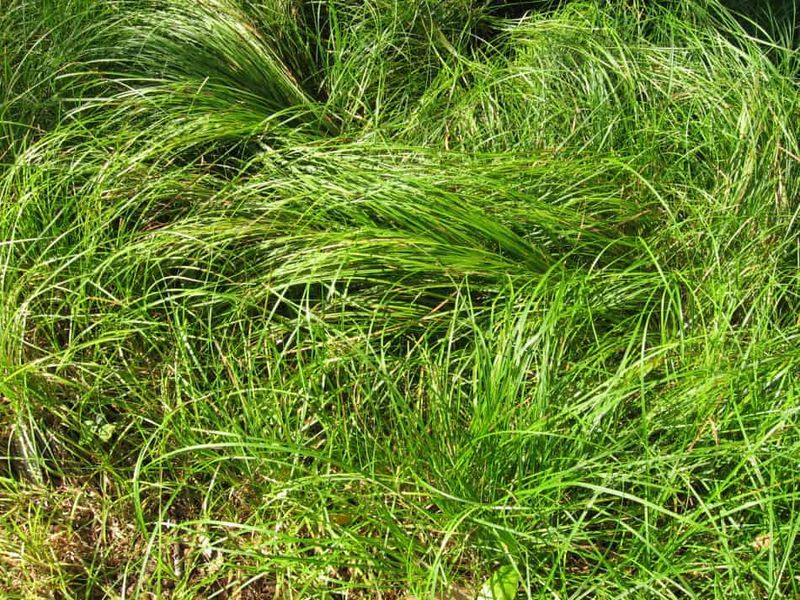
Tired of reseeding the same thin patch of grass under your oak tree every spring? Pennsylvania sedge might be the fix you have been waiting for. It looks like a soft, flowing lawn, yet it actually loves the dry shade that turbo-charged turf grass hates.
Carex pensylvanica is a native, grass-like plant with fine, arching leaves. It grows only six to eight inches tall and spreads slowly by underground stems to form a loose, gentle mat. Running your hand across it feels a bit like petting a shaggy rug.
Your Michigan Garden Changes Every Week. Your Plan Should Too.
Gardening in Michigan changes quickly throughout the season. Every Friday you’ll receive a simple weekly plan showing exactly what to plant, prune, fertilize, harvest, and protect so you never miss the right timing.
So why do so many gardeners skip it? Most people simply have not heard of sedges, and they assume a lawn must be traditional grass. Once you try it, though, the perks are hard to ignore.
It rarely needs mowing, skips the fertilizer, and stays green in spots where regular grass turns patchy.
Planting works best with small plugs. Set them about eight to twelve inches apart in part to full shade with well-drained soil. Closer spacing means a faster fill, so if your budget allows, pack them in tighter.
Water regularly during the first growing season while roots settle in. After that, rainfall usually does the job. If you like a neat look, trim the leaves back once in early spring before new growth starts, or mow on the highest setting.
Michigan gardeners have a big advantage here. Pennsylvania sedge grows naturally in dry oak and pine woodlands throughout the state, so our sandy soils and cold winters suit it well.
It will not handle heavy foot traffic like a sports field, but for a calm, shady corner, it is a smart and easy swap.
3. Wild Strawberry Spreads Quickly In Sun
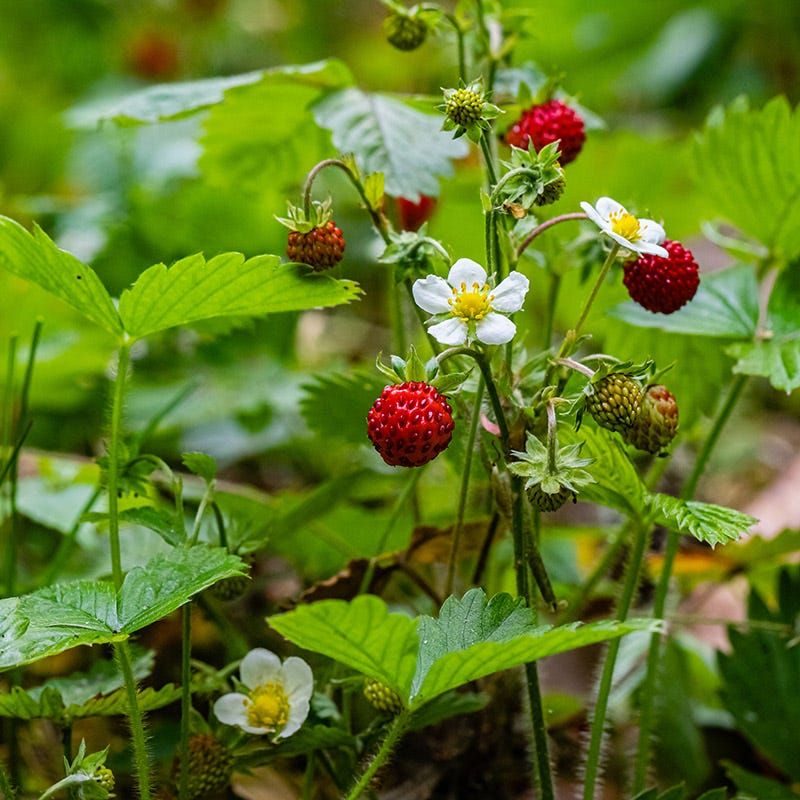
Few treats beat a sun-warm wild strawberry picked right from your own yard. The berries are small, sometimes no bigger than a pea, but the flavor is sweeter and stronger than most grocery store kinds. Kids love hunting for them, and so do the birds.
Fragaria virginiana is the native wild strawberry of Michigan. It has the classic three-part leaves, bright white flowers in spring, and little red berries in early summer. Plants stay low, usually under six inches, which makes them a handy living mulch.
Speed is its secret weapon. Wild strawberry sends out long runners that root wherever they touch the soil, so a few plants can cover a sunny patch in just a season or two.
Many gardeners pass it by, thinking it is a weed, but that quick spreading is exactly what you want in a groundcover.
Pollinators benefit too. The early flowers open when few other plants are blooming, giving native bees and other insects a welcome snack. Later, the berries feed robins, catbirds, and even chipmunks.
Care is simple. Plant in full sun to part shade in average, well-drained soil, and water during the first season while it gets going. Skip rich fertilizer, since the plant does fine without it.
Use it where its runners have room to roam. It looks great tucked around shrubs, along the edge of a path, or filling the space between taller perennials. If it wanders too far, simply pull a few runners.
Across Michigan, wild strawberry grows naturally in fields, clearings, and woodland edges, so it shrugs off our winters with ease.
4. Bearberry Thrives In Sandy, Sunny Spots
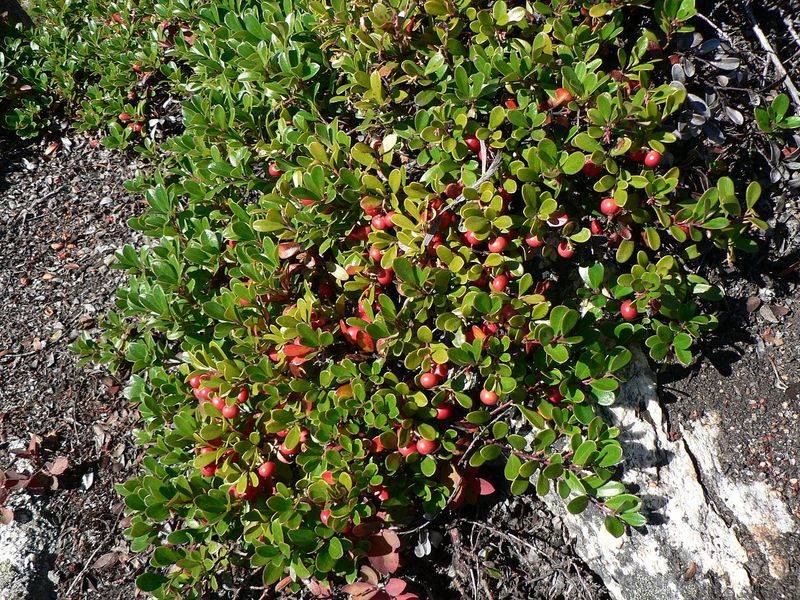
Sand that drains in seconds, blazing sun, and wind off the lake would stop most plants in their tracks. Bearberry treats those conditions like a vacation. Along Michigan dunes, this tough little shrub drapes itself over the sand like a green blanket.
Arctostaphylos uva-ursi is a low, trailing evergreen that rarely tops six inches tall. Its small, glossy leaves stay green all year and often pick up a bronze or reddish tint in winter.
In spring, tiny pinkish-white flowers shaped like little lanterns dangle from the stems, followed by bright red berries.
Gardeners often miss it because it starts out slow and looks modest in a nursery pot. Give it time, though, and its stems creep outward to cover slopes, banks, and rocky spots where little else will grow. That makes it a great choice for holding soil in place.
Soil matters more than anything with this plant. Choose a spot in full sun to light shade with sandy, well-drained, acidic soil. Avoid rich garden beds or heavy clay, since too much moisture and fertility can cause problems.
Water regularly during the first year until the roots settle. After that, bearberry handles drought like a champ. Patience pays off here, as it may take a couple of seasons before it really starts to spread.
The name comes from bears, which happily munch the berries in the wild. Birds enjoy them, too.
Michigan offers bearberry a natural home on sandy dunes, jack pine plains, and open, rocky ground, especially up north. If your yard has lean, sandy soil, you already have the perfect setup.
5. Wintergreen Adds Evergreen Leaves And Red Berries
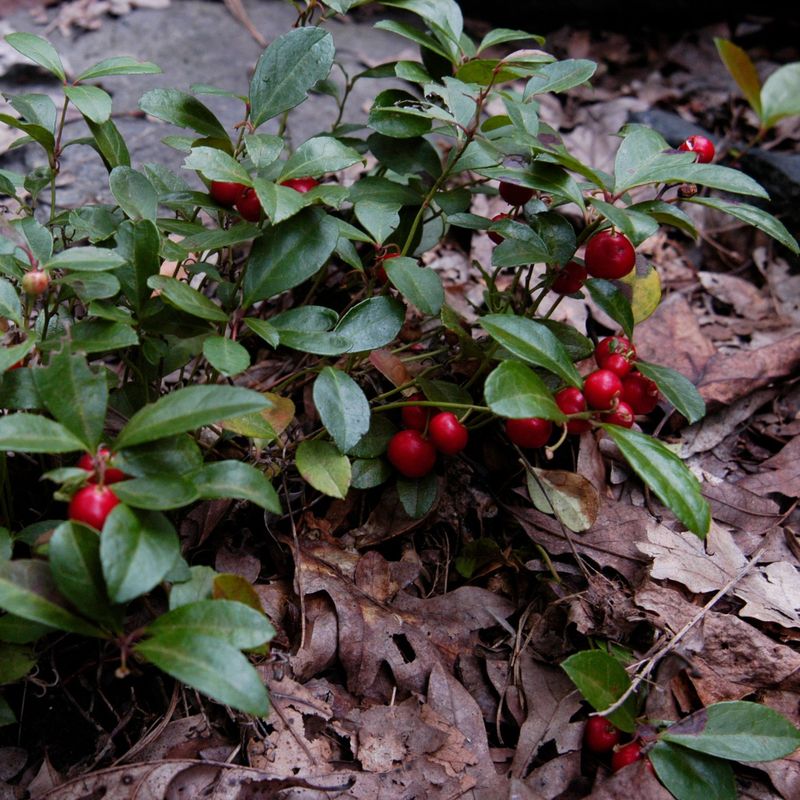
Crush a single leaf of wintergreen between your fingers, and your nose will instantly recognize the smell. It is the same cool, minty scent found in old-fashioned candies and chewing gum.
For generations, people actually used this plant to make that flavor. Gaultheria procumbens is a low native evergreen, usually just three to six inches tall.
Its glossy, oval leaves stay on all year, and in cold weather many of them turn a rich reddish color. Small white flowers shaped like tiny bells hang beneath the leaves in summer.
Then comes the best part. Bright red berries ripen in fall and often hang on well into winter, adding cheerful color when most of the garden is brown or buried under snow. Spotting them peeking through a light dusting of white is a real treat.
Wintergreen often gets overlooked because it is small and grows slowly. It is not a plant for covering a huge area overnight, but it is wonderful for adding charm to a shady woodland corner or along a path under trees.
Plant it in part to full shade with moist, acidic, well-drained soil full of organic matter. Pine needles or shredded leaves make an ideal mulch, since they help keep the soil acidic and cool. Water during dry spells, especially the first couple of years.
Michigan has plenty of spots where wintergreen feels right at home. It grows naturally in acidic woodlands across the state, especially under pines and oaks.
If you have evergreens shading part of your yard, try tucking a few plants beneath them and watch the patch slowly fill in.
6. Barren Strawberry Offers Bright Yellow Spring Flowers
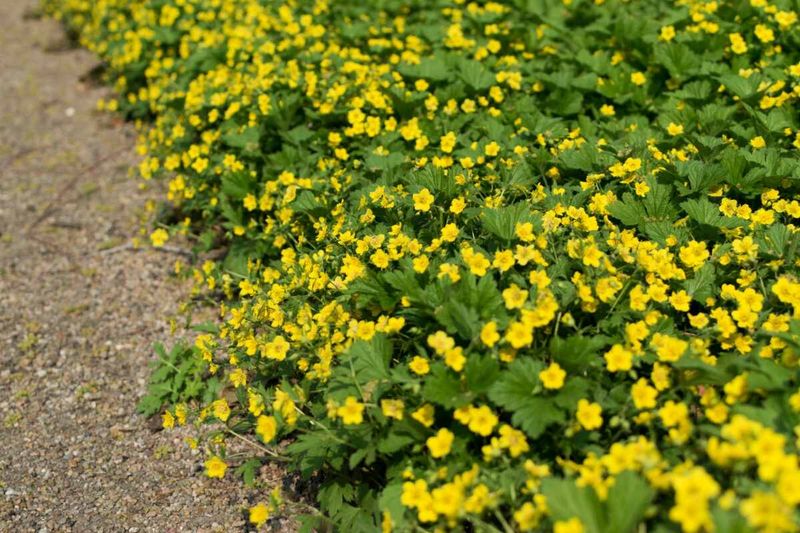
Spring in a shady yard can feel a little dull until barren strawberry shows up. Bright yellow, buttercup-like flowers pop open above its leaves in April and May, sprinkling sunshine across the ground. It is a cheerful sight after a long Michigan winter.
Waldsteinia fragarioides gets its common name from its leaves, which look a lot like strawberry leaves with their three rounded, toothed parts. Unlike true strawberries, though, it does not make edible fruit.
The word barren simply points to that missing berry. That difference is actually a bonus. Barren strawberry does not shoot out long runners that take over your beds. Instead, it spreads at a polite pace, forming a low, tidy mat just a few inches tall.
The leaves are semi-evergreen, so they often hang on through much of winter with a bronze tint. Dry shade is another place it shines.
Plenty of groundcovers struggle under trees where roots soak up water, but this one handles those conditions fairly well once it is settled. It makes a nice choice for edging woodland paths or filling gaps between shrubs.
Care is refreshingly simple. Plant in part shade to light sun in well-drained soil. Water during the first season so roots can grow deep, then step back and let it do its thing.
A light layer of mulch helps hold moisture and keeps weeds down while the mat fills in. Avoid piling mulch too thick over the crowns.
Michigan is part of its natural range, where it grows in woodlands and open, rocky areas. That background makes it a dependable and pretty option for local yards.
7. Foamflower Brightens Moist Shade
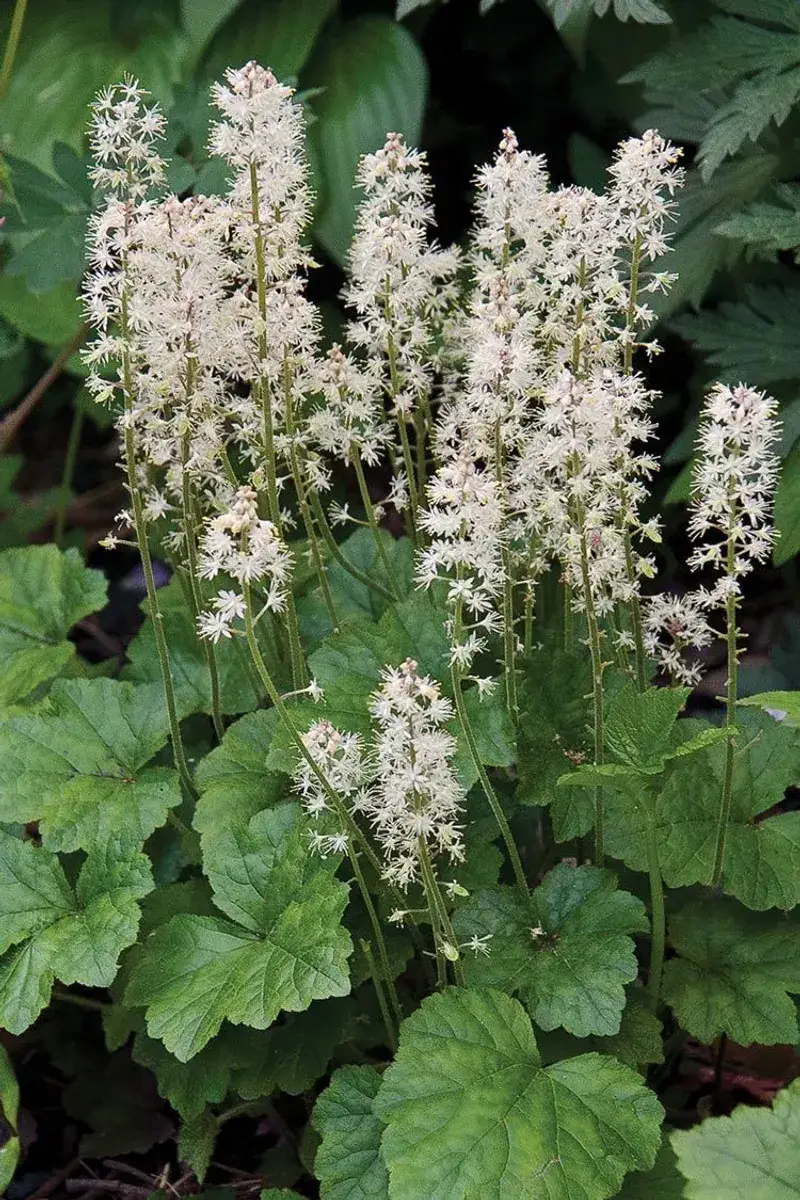
Imagine little puffs of sea foam floating over a shady garden bed. That is exactly the look foamflower brings every spring. Its fluffy white flower spikes rise above the leaves and glow in dim corners where color is hard to come by.
Tiarella cordifolia is a native woodland plant with heart- or maple-shaped leaves that grow in low mounds. Some types have dark veins or markings on the leaves, which adds interest even when the plant is not blooming. In fall, the foliage often turns a warm bronze shade.
Many gardeners know its cousin, coral bells, but foamflower stays under the radar. That is a shame, because it offers a softer, airier look. Spreading forms send out short runners that root and fill in nicely under shrubs and trees.
Pollinators like it, too. Early bees and other small insects visit the flowers when spring blooms are still scarce.
Moisture is the key to happy foamflower. Plant it in part to full shade where the soil is moist, rich, and well-drained. It does not like soggy feet, but it also sulks if the soil turns bone dry.
Keep a layer of mulch, like shredded leaves or compost, around the plants to hold in water and feed the soil. During dry spells, give them a deep drink. A little attention in the first year makes a big difference later.
Michigan woodland gardens suit foamflower well. It fits beautifully alongside ferns, wild ginger, and other shade lovers in moist, shaded spots. Plant a few spreading types together, and in a couple of seasons you will have a soft, frothy carpet.
8. Bunchberry Brings Dogwood Flowers To The Forest Floor
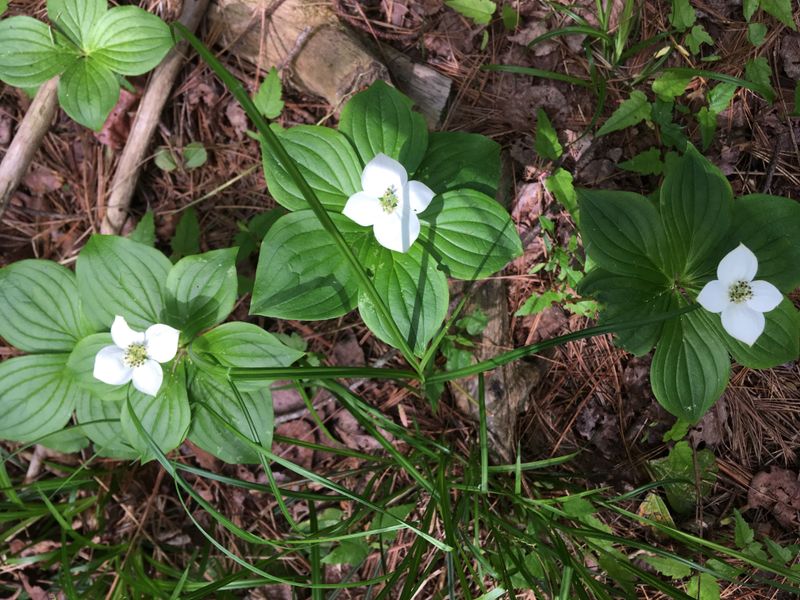
Shrink a flowering dogwood tree down to the height of your ankle, and you would get bunchberry.
Hikers in northern Michigan often stop in surprise when they spot these little white blooms dotting the forest floor. It really does look like a tiny tree tucked into the moss.
Cornus canadensis belongs to the dogwood family. Each stem holds a whorl of four to six leaves, topped in late spring by a white flower that looks just like a dogwood bloom.
Those white parts are actually special leaves called bracts, surrounding a cluster of tiny true flowers in the center.
The show does not stop there. By late summer, clusters of bright red berries sit where the flowers were, which birds enjoy. Come fall, the leaves often turn a rich reddish purple, giving you three seasons of beauty from one small plant.
Bunchberry is a bit pickier than some groundcovers, which is partly why it gets overlooked. It wants cool, moist, acidic soil rich in organic matter. Plant it in part to full shade, and mulch with shredded leaves or pine needles to keep roots cool.
Never let the soil dry out completely. Regular watering during warm, dry weather helps a lot, especially in southern parts of the state where summers run hotter.
In Michigan, it grows naturally in cool, moist forests of the northern Lower Peninsula and the Upper Peninsula.
Gardeners in those areas have the best luck, but anyone with a cool, shady, moist spot can give it a try. Find the right place, and it will spread slowly into a charming patch.
9. Creeping Thyme Covers Sunny, Dry Areas
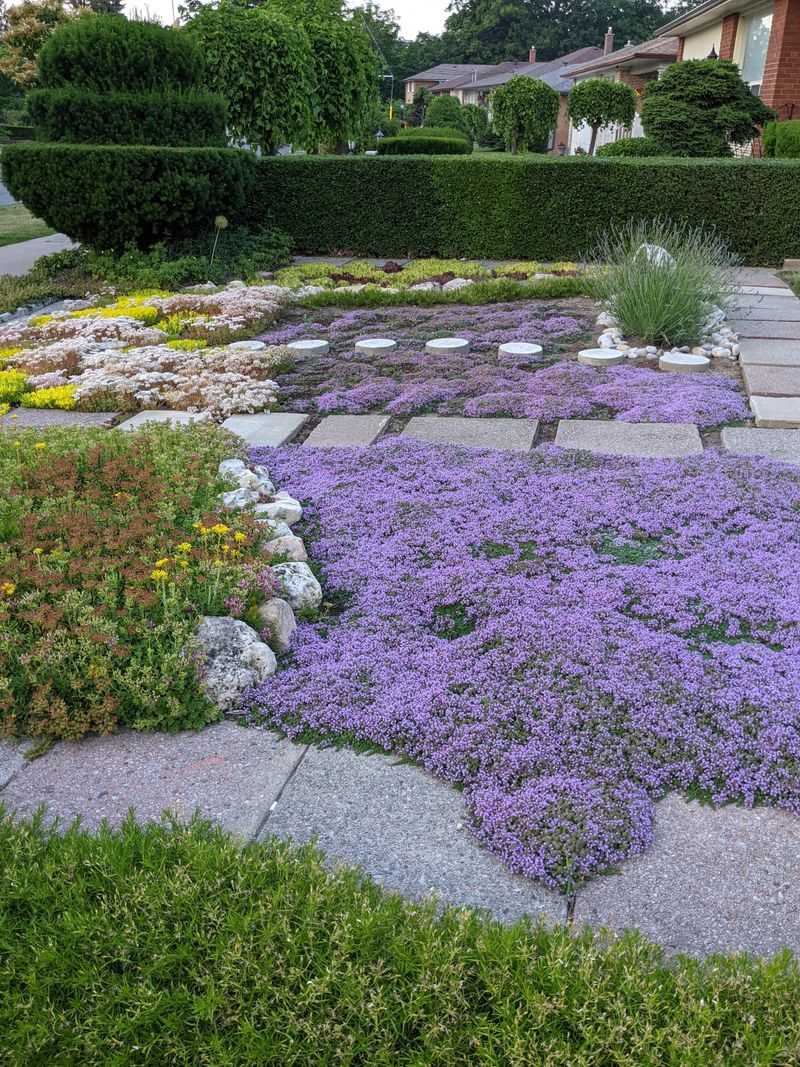
Step on creeping thyme, and the air fills with a warm, herbal scent. It is one of the few groundcovers that rewards you for walking on it. That alone makes it a favorite for paths and patios.
Creeping thyme usually refers to Thymus serpyllum and other low-growing thymes. These herbs form flat mats only an inch or two tall, covered in tiny, fragrant leaves. In early summer, they burst into a sea of small pink, purple, or white flowers.
Bees go wild for those blooms. A patch in full flower often hums with honeybees and native bees all day long, which is great news for nearby veggies and fruit.
Plenty of people think of thyme only as a kitchen herb, so they never consider it for groundcover.
Yet it handles hot, dry, sunny spots where lawn grass turns brown. It also tolerates light foot traffic, making it perfect between stepping stones or along a sunny walkway.
Here is the trick to growing it well: be a little stingy. Plant in full sun with lean, very well-drained soil. Skip the fertilizer, since rich soil makes it floppy and weak.
Water while the plants get established. After that, only water during long dry spells. Soggy soil is its biggest enemy, so avoid low spots where water sits. Once flowering ends, give the mats a light trim to keep them tidy and dense.
Michigan winters do not scare creeping thyme. It is cold hardy and thrives in sunny, well-drained areas across the state, especially in sandy or gravelly soil. Plant a few kinds with different flower colors for a living patchwork quilt.
10. Bigroot Geranium Handles Dry Shade And Deer
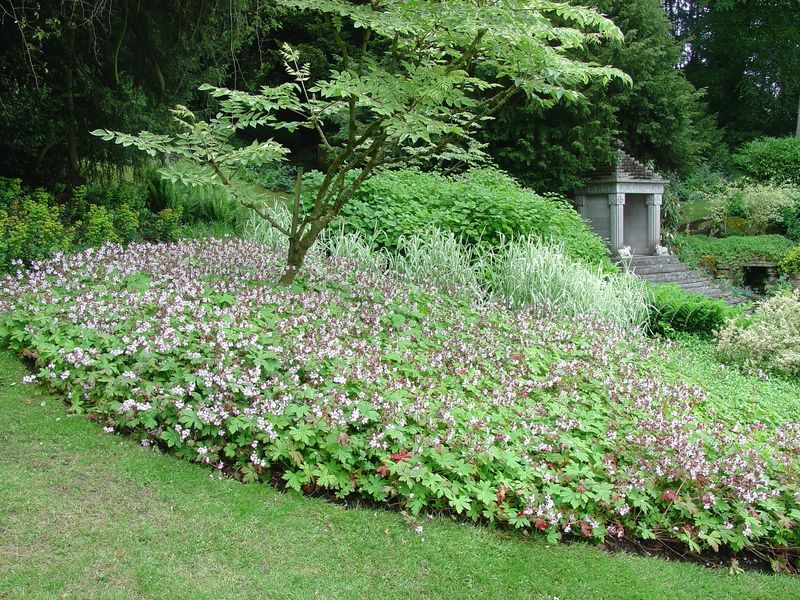
Deer stroll through many Michigan yards like they own the place, munching hostas and tulips as they go. Bigroot geranium is one plant they usually leave alone. Its leaves have a strong, spicy scent that deer and rabbits tend to avoid.
Geranium macrorrhizum is a tough perennial, not the potted geraniums you see on porches.
It grows about a foot tall with soft, lobed leaves and spreads by thick roots near the surface, which is where the name bigroot comes from. In late spring, it blooms with pink, magenta, or white flowers.
Brush against the leaves, and you will notice a fragrance some people compare to a mix of herbs and citrus. In fall, many of those leaves turn shades of red and orange, so the color show lasts well after the flowers fade.
Why does it fly under the radar? It is not native, and it is not flashy in a nursery pot. Once planted, though, it forms a dense mat that crowds out weeds better than most groundcovers.
Dry shade under trees is where it really earns its spot. Few plants handle root competition and limited water this well. It also grows in part shade to sun, so it is flexible across the yard.
Plant in average, well-drained soil and water during the first season. After that, it mostly takes care of itself. If clumps spread farther than you like, dig and divide them every few years and share the extras with friends.
Michigan gardeners will find it cold hardy and dependable in tough, shady corners. For a low-fuss, deer-resistant carpet, it is hard to beat.